More Than a Meal: How Fish Nutrition Impacts Your Overall Well-being
The ocean, vast and mysterious, has always held a profound connection to human existence. From ancient coastal communities thriving on its bounty to modern societies increasingly recognizing its health benefits, the creatures of the deep have offered more than sustenance; they’ve offered a blueprint for vitality. We often hear the refrain, "Eat more fish," but beneath this simple directive lies a story of intricate biochemical interactions, a narrative of how the delicate nutrients nestled within the flesh of aquatic life can profoundly shape our physical and mental landscapes. This isn't just about filling a plate; it's about optimizing every facet of human health, transforming the very essence of our well-being. It's the story of how fish nutrition becomes more than a meal – it becomes a foundational pillar for a richer, more vibrant life.
The Ocean's Nutritional Tapestry: Unveiling the Stars
Imagine the ocean as a colossal pantry, stocked with ingredients unlike any other. Within this liquid larder, fish represent a unique and potent concentrate of essential nutrients, meticulously packaged by nature. While often lauded for a single star player, the true magic of fish lies in its comprehensive nutritional profile, a symphony of compounds working in concert.
At the forefront of this nutritional ensemble are the Omega-3 Fatty Acids, specifically Eicosapentaenoic Acid (EPA) and Docosahexaenoic Acid (DHA). These are not merely fats; they are the unsung architects of cellular health, the master regulators of inflammation, and the indispensable components of our most complex organs. Unlike many other fats, our bodies cannot efficiently produce EPA and DHA, rendering them "essential." This means we must obtain them from our diet, and fatty fish like salmon, mackerel, sardines, anchovies, and trout are nature’s most abundant and bioavailable sources. These long-chain polyunsaturated fatty acids are the precursors to a vast array of signaling molecules, influencing everything from gene expression to the fluidity of cell membranes.
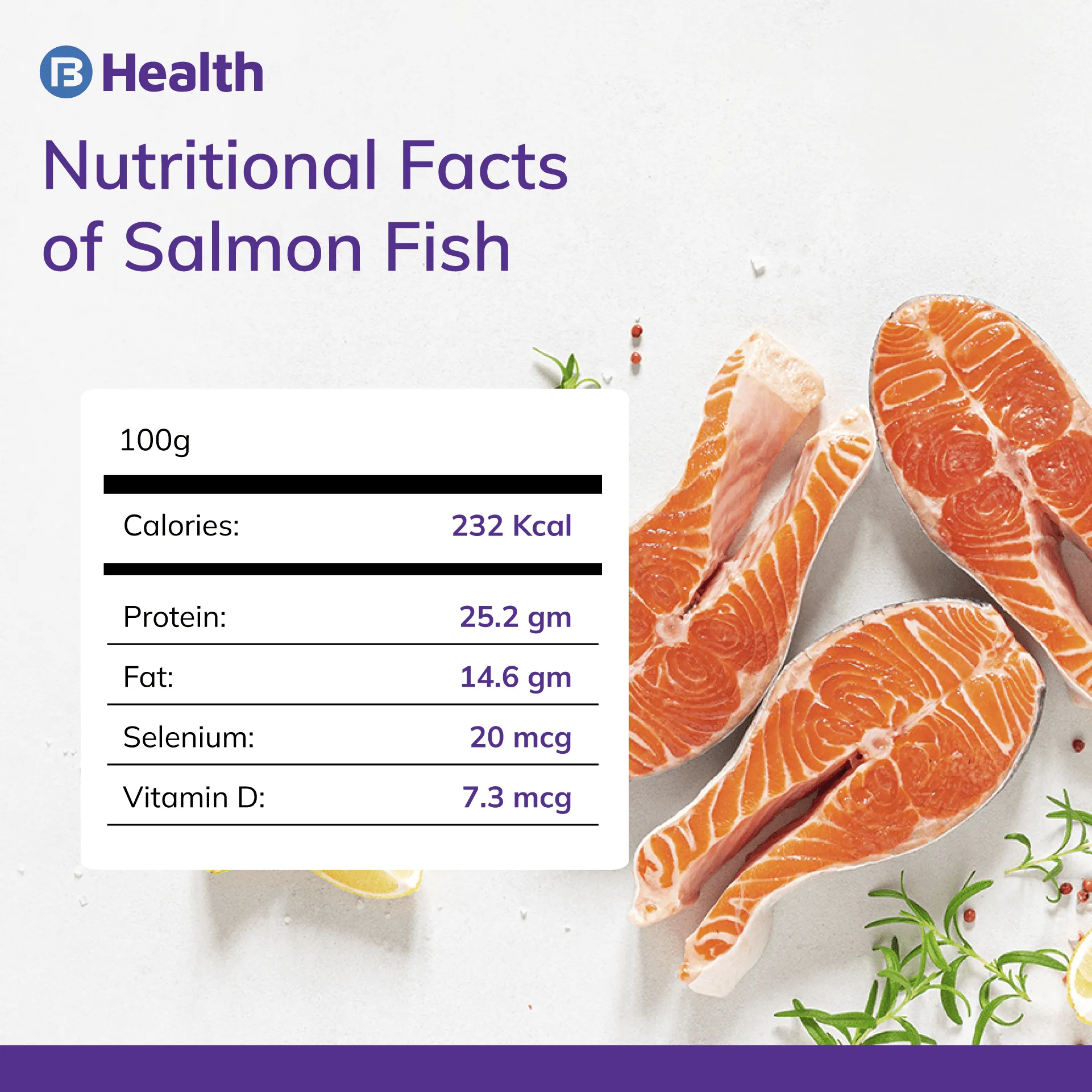
Beyond the celebrated Omega-3s, fish offer a powerhouse of High-Quality Protein. This isn't just any protein; it’s a complete protein, meaning it contains all nine essential amino acids that our bodies cannot synthesize. These amino acids are the fundamental building blocks for virtually every tissue, enzyme, and hormone in the human body. From muscle repair and growth to the creation of neurotransmitters that govern our mood and cognition, fish protein provides the raw material for life itself, all within a lean, easily digestible package.
But the story doesn't end there. Fish are also miniature treasure chests of Vitamins and Minerals, the micro-managers of our internal systems. Vitamin D, often dubbed the "sunshine vitamin," is crucial for bone health, immune modulation, and even mood regulation, and fatty fish are among the few significant dietary sources. Vitamin B12 is vital for nervous system function, red blood cell formation, and DNA synthesis – a nutrient predominantly found in animal products, making fish an excellent source, especially for those limiting red meat. Iodine is critical for thyroid hormone production, regulating metabolism and energy levels. Selenium, a potent antioxidant, protects cells from damage and supports immune function. Other essential minerals like zinc, iron, and magnesium further enrich this aquatic bounty, each playing its unique, indispensable role in maintaining the intricate balance of human physiology.
The Journey Within: How Fish Nutrients Transform Us
Now, let us embark on a journey, tracing the path of these remarkable nutrients as they enter our bodies and orchestrate a profound transformation, impacting systems from the very core of our being to the radiance we project outward.
The Brain: The Seat of Cognition and Emotion
Our brain, a marvel of biological engineering, is arguably the most energy-intensive and structurally complex organ in the body. Roughly 60% of its dry weight is fat, and a significant portion of that is DHA. Imagine the brain as a bustling metropolis, with billions of neurons acting as individual buildings and synapses as the intricate network of roads and bridges connecting them. DHA is not just a building material; it's like the high-speed fiber optics that ensure efficient communication between these neural structures.
DHA is crucial for maintaining the fluidity and integrity of neuronal cell membranes, directly impacting the speed and efficiency of nerve signal transmission. This structural role translates into tangible cognitive benefits. Studies consistently link higher intake of Omega-3s, particularly DHA, to improved cognitive function, including sharper memory, enhanced focus, better problem-solving skills, and accelerated learning capabilities across all age groups. For children, adequate DHA during critical developmental windows can literally shape the architecture of their future intellect.
Beyond structure, Omega-3s are powerful neuroprotectors. They reduce neuroinflammation, a silent enemy that contributes to cognitive decline and neurodegenerative diseases. They support neurogenesis, the birth of new brain cells, and enhance synaptic plasticity, the brain's ability to adapt and form new connections – the very essence of learning and memory.
The impact extends profoundly to mental health. EPA, in particular, has emerged as a significant player in mood regulation. It helps modulate neurotransmitter pathways, particularly those involving serotonin and dopamine, often implicated in depression and anxiety. Furthermore, chronic low-grade inflammation is increasingly recognized as a contributing factor to mood disorders. EPA's potent anti-inflammatory properties can quell this internal fire, leading to a more stable and uplifted emotional state. The story here is one of calming the storm within, offering a sense of clarity and resilience to the mind.
The Heart: Our Life's Rhythmic Engine
The heart, a tireless pump that beats an average of 100,000 times a day, is the undeniable engine of our existence. Cardiovascular disease remains the leading cause of mortality worldwide, making any dietary intervention that supports heart health invaluable. Fish, especially fatty varieties, are a cornerstone of a heart-healthy diet.
The Omega-3s, EPA and DHA, are the heart's devoted guardians. They perform a remarkable array of protective functions:
- Lowering Triglycerides: High levels of triglycerides, a type of fat in the blood, are a significant risk factor for heart disease. Omega-3s effectively reduce these levels.
- Reducing Blood Pressure: They contribute to the relaxation of blood vessels, leading to a decrease in systemic blood pressure.
- Improving Endothelial Function: The endothelium, the inner lining of blood vessels, plays a critical role in vascular health. Omega-3s enhance its function, promoting elasticity and preventing plaque formation.
- Anti-Arrhythmic Effects: They can stabilize the electrical activity of the heart, reducing the risk of irregular heartbeats (arrhythmias) that can lead to sudden cardiac events.
- Anti-Inflammatory and Anti-Thrombotic Properties: By reducing systemic inflammation and inhibiting platelet aggregation, Omega-3s decrease the risk of blood clot formation, a primary cause of heart attacks and strokes.
The high-quality, lean protein in fish also supports the cardiovascular system by providing essential amino acids for muscle maintenance without the saturated fat often found in other protein sources. This combination helps keep the heart beating strong, steady, and resilient, ensuring the smooth flow of life through our veins.
Bones & Joints: The Foundation of Movement
Our skeletal system provides the framework for our bodies, enabling movement and protecting vital organs. Healthy bones and flexible joints are crucial for mobility and quality of life, especially as we age. Fish contributes significantly to this foundation.
Vitamin D, abundantly found in fatty fish, is indispensable for bone health. It acts as a key regulator of calcium and phosphate metabolism, ensuring efficient absorption of calcium from the gut and its proper deposition into bone tissue. Without sufficient Vitamin D, bones can become brittle and porous, increasing the risk of osteoporosis and fractures.
Beyond Vitamin D, the anti-inflammatory power of Omega-3s extends to our joints. For individuals suffering from inflammatory conditions like rheumatoid arthritis, Omega-3s can significantly reduce joint pain, stiffness, and swelling by modulating the body's inflammatory response. They act as a natural lubricant and soothing balm, allowing for smoother movement and greater comfort. The story here is about building and maintaining a strong, flexible scaffold that supports our every step and gesture.
The Immune System: Our Internal Defenders
Our immune system is a complex network of cells, tissues, and organs that work in concert to protect us from pathogens and maintain internal balance. A well-functioning immune system is our first line of defense against illness. Fish nutrients play a vital role in tuning this intricate system.
The Omega-3s are central to immune modulation. While inflammation is a necessary part of the immune response, chronic, unresolved inflammation can be detrimental, contributing to autoimmune diseases and a weakened immune system. EPA and DHA help to resolve inflammation, ensuring that the immune response is appropriate and balanced, rather than overactive or underactive. They fine-tune the communication between immune cells, promoting a harmonious and effective defense.
Vitamin D, also present in fish, directly influences immune cell function. Many immune cells have Vitamin D receptors, and adequate levels are associated with a reduced risk of infections, including respiratory illnesses. Selenium and zinc, also found in fish, are powerful antioxidants and essential cofactors for numerous immune enzymes, further bolstering our internal defense mechanisms. This aspect of fish nutrition tells a story of equipping our body's internal army with the best tools, making it robust, responsive, and balanced.
Metabolic Health & Weight Management: Balancing the Scales
In an era grappling with rising rates of obesity, type 2 diabetes, and metabolic syndrome, the role of diet in maintaining metabolic balance is paramount. Fish offers unique advantages in this domain.
The high-quality protein in fish is a powerful ally in weight management. Protein promotes satiety, helping us feel fuller for longer and reducing overall calorie intake. It also has a higher thermic effect than carbohydrates or fats, meaning the body expends more energy to digest and metabolize protein. This makes fish an excellent choice for those looking to manage their weight without feeling deprived.
Furthermore, Omega-3s have been shown to improve insulin sensitivity, a critical factor in preventing and managing type 2 diabetes. By reducing inflammation and influencing cellular signaling pathways, they help cells respond more effectively to insulin, leading to better blood sugar control. They can also support metabolic flexibility, allowing the body to more efficiently switch between burning carbohydrates and fats for energy. The narrative here is about restoring equilibrium to our body's internal furnace, promoting efficient energy utilization and stable blood sugar levels.
Skin, Hair & Vision: The External Radiance
The benefits of fish nutrition aren't solely internal; they manifest outwardly, contributing to our visible health and vitality. Our skin, hair, and eyes are often the first indicators of our overall well-being.
The Omega-3s contribute to healthy, supple skin by strengthening the skin's barrier function, locking in moisture and protecting against environmental damage. Their anti-inflammatory properties can also help alleviate conditions like eczema and psoriasis, reducing redness and irritation. They are the silent contributors to that healthy glow.
While less directly impactful than Omega-3s, some fish and fish oils contain Vitamin A, crucial for vision, particularly in low light conditions, and essential for maintaining the health of the cornea and retina. The overall nutrient profile also supports robust hair growth and strength, reflecting the body's internal health. This is the story of how inner health radiates outward, enhancing our natural beauty.
Pregnancy & Early Childhood: Laying the Foundation for Life
Perhaps one of the most profound impacts of fish nutrition is seen during pregnancy and early childhood, where the nutrients from the mother directly shape the development of a new life.
DHA is absolutely critical for fetal brain and eye development. During the third trimester of pregnancy and the first few months of life, a baby's brain undergoes rapid growth and complex structural formation. Adequate maternal DHA intake during pregnancy and lactation directly correlates with improved cognitive development, better visual acuity, and enhanced motor skills in infants and children. It's an investment in the neurological future of the next generation.
Furthermore, studies suggest that Omega-3 intake during pregnancy may reduce the risk of preterm birth and improve birth weight. For the mother, consuming fish during pregnancy can also help support her mood and reduce the risk of postpartum depression. This is the ultimate story of legacy, where the nutrients from the ocean provide the fundamental building blocks for a healthy start to life.
Navigating the Waters: Challenges and Conscious Choices
While the benefits of fish are undeniable, a comprehensive understanding requires acknowledging and addressing the potential challenges. Making informed choices ensures we harness the good while mitigating the risks.
The Mercury Conundrum
The primary concern associated with fish consumption is mercury contamination. Mercury, particularly methylmercury, is a neurotoxin that can accumulate in the food chain. Larger, longer-lived predatory fish tend to have higher levels. For most healthy adults, the benefits of eating fish generally outweigh the risks, but pregnant women, breastfeeding mothers, and young children need to be more cautious.
The key lies in making informed choices:
- Choose Low-Mercury Fish: Opt for varieties generally lower in mercury, such as salmon, sardines, anchovies, trout, herring, farmed catfish, and shrimp.
- Limit High-Mercury Fish: Reduce consumption of fish known to have higher mercury levels, including shark, swordfish, king mackerel, and tilefish (from the Gulf of Mexico).
- Vary Your Choices: Don't rely on just one type of fish; rotate your selections to diversify nutrient intake and minimize exposure to any single contaminant.
- Follow Guidelines: Consult recommendations from bodies like the FDA and EPA, which provide specific advice on fish consumption, especially for vulnerable populations. The general advice is 2-3 servings (around 8-12 ounces) of lower-mercury fish per week for adults.
Sustainability: Protecting Our Oceans
Our appetite for fish has placed immense pressure on marine ecosystems. Overfishing, destructive fishing practices (like bottom trawling), bycatch (unintended capture of other species), and habitat destruction threaten the delicate balance of our oceans. A truly holistic approach to fish nutrition must include a commitment to sustainability.
- Choose Certified Sustainable Seafood: Look for certifications from reputable organizations like the Marine Stewardship Council (MSC) or the Aquaculture Stewardship Council (ASC). These labels indicate that the fish has been caught or farmed in an environmentally responsible manner.
- Consult Seafood Guides: Resources like the Monterey Bay Aquarium Seafood Watch program provide up-to-date recommendations on the most sustainable choices, often categorized by "Best Choices," "Good Alternatives," and "Avoid."
- Understand Aquaculture: While wild-caught fish often come with sustainability concerns, aquaculture (fish farming) is not a blanket solution. Responsible aquaculture practices can alleviate pressure on wild stocks and be environmentally sound, but poorly managed farms can contribute to pollution, disease spread, and habitat destruction. Support farms that prioritize ecological integrity.
Preparation Matters
The way fish is prepared can significantly impact its nutritional value. While the inherent nutrients are powerful, drowning them in unhealthy fats or excessive processing can negate some benefits.
- Healthy Cooking Methods: Opt for baking, grilling, steaming, broiling, or poaching. These methods preserve the delicate Omega-3s and other nutrients without adding unnecessary unhealthy fats.
- Avoid Deep-Frying: Deep-frying adds significant amounts of unhealthy fats and calories, often destroying some of the beneficial Omega-3s due to high heat.
Beyond the Plate: Embracing a Fish-Rich Lifestyle
Incorporating fish into your diet doesn't have to be complicated. It's about making conscious, consistent choices that reflect your commitment to well-being.
- Start Simple: Begin with easily accessible and versatile options like canned salmon or sardines, which are incredibly nutritious, affordable, and require no cooking. Add them to salads, sandwiches, or eat them straight from the can.
- Experiment with Flavors: Fish pairs beautifully with a variety of herbs, spices, and marinades. Lemon, dill, garlic, ginger, and soy sauce can elevate the simplest fillet.
- Explore Diverse Species: Don't stick to just one type. Try cod, snapper, or haddock for leaner options, and rotate with fatty fish like mackerel or wild-caught salmon.
- Meal Prep: Cook a larger batch of fish at the beginning of the week to easily add to salads, wraps, or as a quick protein source for subsequent meals.
Conclusion: The Deep-Seated Wisdom of the Sea
The story of fish nutrition is a testament to the profound interconnectedness of life. It’s a narrative that begins in the vast, churning waters of our oceans and culminates in the intricate biochemical processes within our own bodies. From the structural integrity of our brain cells and the rhythmic beat of our hearts to the resilience of our immune system and the glow of our skin, the nutrients found in fish are powerful allies in the pursuit of optimal health.
More than just a source of protein or a passing dietary trend, fish represents a foundational element for overall well-being. It is a commitment to nourishing our minds, fortifying our bodies, and fostering a vibrant, energetic existence. As we consciously choose to incorporate this ancient wisdom into our modern lives, we not only invest in our personal health but also become stewards of the very ecosystems that provide this invaluable bounty. So, let us look beyond the simple meal and truly embrace the transformative power of fish – a profound gift from the sea, guiding us toward a healthier, more fulfilling life.


