From Salmon to Sardines: A Deep Dive into the Nutritional Benefits of Different Fish
The ocean, a vast and mysterious realm, has for millennia offered humanity a profound bounty: fish. More than just a source of sustenance, fish have been woven into the fabric of cultures, economies, and indeed, our very biology. From the earliest coastal settlements to today's globalized markets, the shimmering scales of fish have promised health, vitality, and a unique array of nutrients not easily found elsewhere.
Yet, "fish" is a broad term, encompassing an incredible diversity of species, each with its own unique nutritional fingerprint. The robust, crimson flesh of wild salmon tells a different story than the delicate, silvery gleam of a sardine, or the pearlescent beauty of an oyster. To truly understand the power of this aquatic food source, we must embark on a deep dive, moving beyond generalized statements to explore the nuanced benefits of different fish, understanding their contributions not just to our plates, but to our overall well-being. This is a story of evolution, adaptation, and the remarkable ways these aquatic creatures nourish the human body.
The Ocean's Larder: Unpacking the Core Nutritional Pillars of Fish
Before we cast our net wide to explore individual species, it's essential to understand the fundamental nutritional pillars that make fish, as a category, so profoundly beneficial. These are the common threads that bind the salmon to the sardine, the cod to the clam, forming the bedrock of their health-promoting properties.
1. High-Quality Protein: The Building Blocks of Life
At its core, fish is an excellent source of complete protein. This means it provides all nine essential amino acids that the human body cannot synthesize on its own. These amino acids are the fundamental building blocks for virtually every tissue and function in the body: muscle repair and growth, enzyme production, hormone synthesis, immune function, and the creation of neurotransmitters. Fish protein is also highly digestible, making its amino acids readily available for the body's use. Unlike some other protein sources, many fish varieties offer this protein with relatively low saturated fat content, making them a heart-healthy choice.
2. The Omega-3 Fatty Acids: Liquid Gold from the Sea
Perhaps the most celebrated nutrient in fish, especially fatty fish, are the long-chain omega-3 polyunsaturated fatty acids: eicosapentaenoic acid (EPA) and docosahexaenoic acid (DHA). Unlike the short-chain alpha-linolenic acid (ALA) found in plant sources, EPA and DHA are bioactive forms, meaning the body can use them directly without inefficient conversion steps. Their importance cannot be overstated:
- Cardiovascular Health: EPA and DHA are powerful anti-inflammatory agents. They help lower triglyceride levels, reduce blood pressure, decrease the risk of arrhythmias, and improve endothelial function (the lining of blood vessels), all contributing to a significantly reduced risk of heart disease and stroke.
- Brain Health and Cognitive Function: DHA is a major structural component of the brain and retina. Adequate intake is crucial for optimal brain development in infants, and for maintaining cognitive function, memory, and mood throughout life. Research suggests omega-3s may play a role in preventing age-related cognitive decline and supporting mental health.
- Anti-Inflammatory Power: Chronic low-grade inflammation is implicated in almost every major chronic disease, from arthritis to cancer. EPA and DHA help modulate the body's inflammatory response, acting as natural anti-inflammatory compounds.
- Eye Health: DHA is highly concentrated in the retina, making it vital for vision. It may help reduce the risk of age-related macular degeneration (AMD).
- Joint Health: Their anti-inflammatory properties extend to joint health, potentially alleviating symptoms of conditions like rheumatoid arthritis.
3. Vitamin D: The Sunshine Vitamin
Fish, particularly fatty fish, are one of the few natural dietary sources of vitamin D. Often called the "sunshine vitamin," vitamin D is crucial for bone health (facilitating calcium absorption), immune system function, and even mood regulation. With widespread vitamin D deficiency globally, incorporating fish into the diet can be a significant step towards meeting daily requirements, especially in regions with limited sun exposure.
4. Vitamin B12: The Energy and Nerve Guardian
Fish are an excellent source of vitamin B12 (cobalamin), a water-soluble vitamin vital for nerve function, red blood cell formation, and DNA synthesis. B12 deficiency can lead to anemia, neurological issues, and fatigue. For those who consume limited meat or follow vegetarian diets, fish can be a critical source of this essential nutrient.
5. Selenium: The Antioxidant Mineral
This trace mineral acts as a powerful antioxidant, protecting cells from damage caused by free radicals. Selenium also plays a crucial role in thyroid hormone metabolism and immune function. Fish are consistently high in bioavailable selenium, offering robust cellular protection.
6. Iodine: The Thyroid Regulator
Especially important for those living inland, fish are a primary natural dietary source of iodine. This mineral is indispensable for the synthesis of thyroid hormones, which regulate metabolism, growth, and development. Iodine deficiency can lead to goiter and cognitive impairment.
7. Other Micronutrients:
Beyond these major players, fish also provide a spectrum of other vital nutrients:
- Zinc: Important for immune function, wound healing, and DNA synthesis.
- Iron: Essential for oxygen transport in the blood (though less bioavailable than heme iron from red meat, it's still significant).
- Magnesium: Involved in over 300 biochemical reactions in the body, including muscle and nerve function, blood glucose control, and blood pressure regulation.
- Potassium: Crucial for maintaining fluid balance, nerve signals, and muscle contractions.
With this foundational understanding, let us now embark on our culinary and nutritional journey, exploring the distinct treasures offered by various fish species.
The Star Performers: A Deep Dive into Specific Fish Species
Our journey begins with the undisputed giants of the nutritional fish world, moving through leaner options, and culminating in the unique offerings of shellfish.
I. The Fatty Fish: Omega-3 Powerhouses
These are the species celebrated for their high content of EPA and DHA, often accompanied by other fat-soluble vitamins and vibrant flavors.
1. Salmon (Atlantic, Sockeye, Coho, Chinook, Pink, Chum): The King of the Sea
Salmon, in its many varieties, is arguably the most recognized and consumed fatty fish globally. Its rich, buttery texture and distinct flavor make it a culinary favorite, but its nutritional profile is where it truly shines.
- Omega-3 Content: Salmon is a top-tier source of EPA and DHA. Wild salmon, particularly Sockeye, tends to have a slightly higher concentration of these beneficial fats compared to farmed salmon, though farmed salmon still provides significant amounts.
- Astaxanthin: This powerful carotenoid gives salmon its characteristic pink-red flesh. Astaxanthin is an exceptional antioxidant, significantly more potent than vitamin E. It's been linked to improved skin health, eye health, and reduced inflammation. Wild salmon derive astaxanthin from their diet of krill and small crustaceans; farmed salmon often have it added to their feed.
- Vitamin D: An excellent source, especially wild salmon, helping to meet daily requirements.
- B Vitamins: High in B12, B6, niacin, and thiamine, crucial for energy metabolism and nervous system health.
- Selenium: Provides robust antioxidant protection.
- Protein: A lean, complete protein source.
Wild vs. Farmed Salmon: A Nuance for the Knowledgeable
For a knowledgeable audience, the distinction between wild and farmed salmon is important.
- Wild Salmon: Generally leaner, with a more pronounced flavor. Their diet of natural prey contributes to their omega-3 profile and astaxanthin levels. Concerns exist about sustainability of certain wild stocks.
- Farmed Salmon: Generally higher in fat overall, and thus often higher in total omega-3s (though the ratio of EPA/DHA can vary depending on feed). Modern aquaculture practices have significantly improved, but concerns can still arise regarding environmental impact, feed composition, and potential for contaminants. Choosing certified farmed salmon (e.g., ASC, BAP) can help ensure responsible practices.
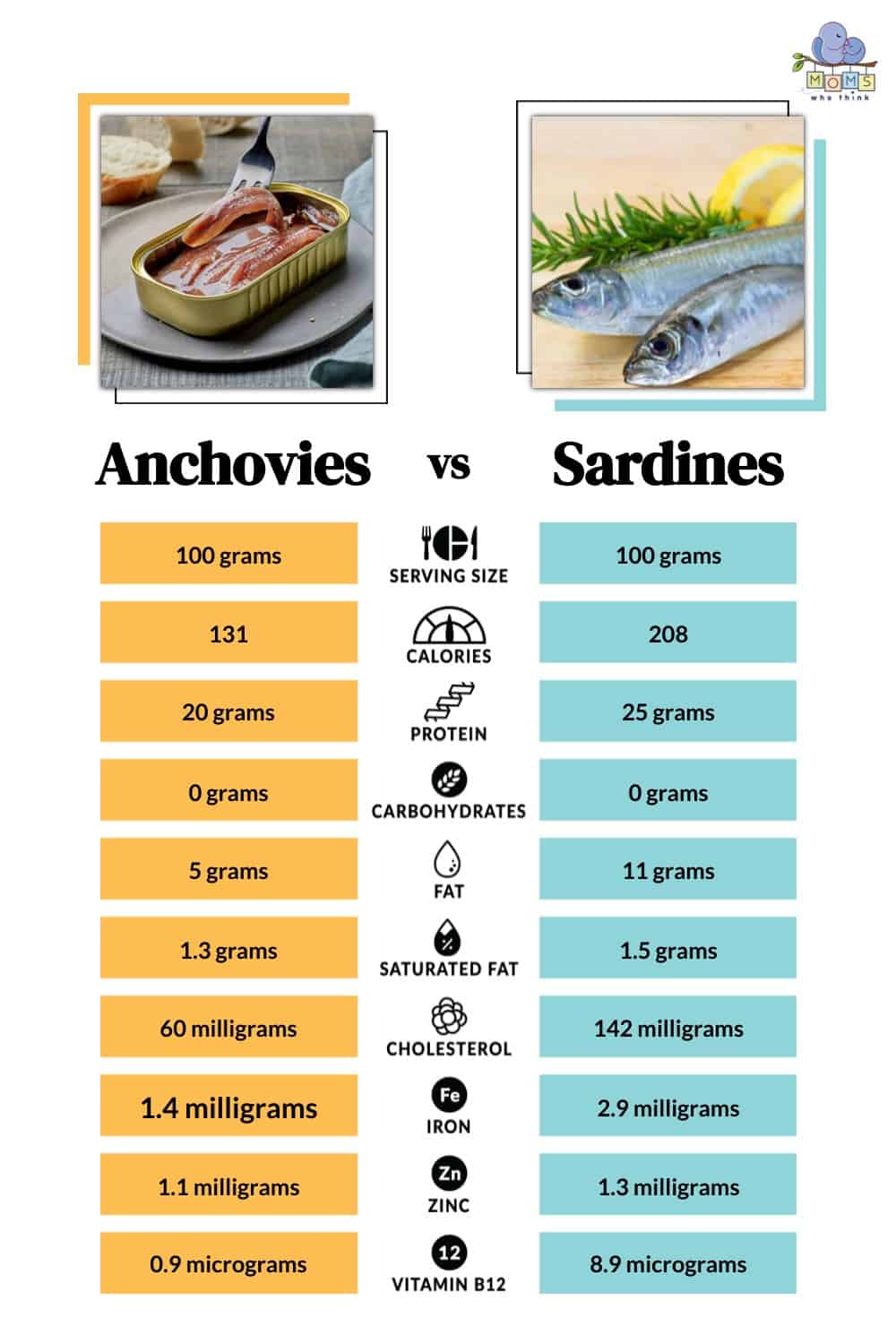
2. Sardines, Anchovies, & Herring (SMASH Fish): The Small but Mighty Heroes
Often overlooked in favor of their larger counterparts, these small, oily fish are nutritional powerhouses and sustainability darlings.
- Omega-3 Content: Don't let their size fool you; sardines, anchovies, and herring pack a formidable omega-3 punch. They often rival or exceed salmon in EPA and DHA content per serving.
- Calcium and Vitamin D: When consumed with their bones (as they often are, especially sardines), these fish are incredible sources of calcium and vitamin D, crucial for bone health. A can of sardines can provide a significant portion of daily calcium needs, making them excellent for those avoiding dairy.
- Lower Mercury Levels: Due to their small size and shorter lifespan, these fish are at the bottom of the food chain, meaning they accumulate significantly less mercury compared to larger, longer-lived predatory fish. This makes them an exceptionally safe choice for frequent consumption, even for pregnant women and young children.
- Selenium and B12: Rich in both, offering antioxidant protection and supporting nervous system health.
- Sustainability: Generally considered highly sustainable choices, as they reproduce quickly and are abundant.
3. Mackerel (Atlantic, King, Spanish): A Robust & Flavorful Option
Mackerel is another fatty fish with a strong, distinctive flavor and a wealth of nutrients.
- Omega-3 Content: High levels of EPA and DHA, making it a fantastic choice for heart and brain health. Atlantic mackerel is particularly rich.
- Vitamin D: A good source, contributing to bone and immune health.
- Selenium & B12: Abundant, supporting cellular protection and energy.
- Protein: Excellent source of complete protein.
- Mercury Consideration: While Atlantic mackerel is generally low in mercury, King mackerel is a larger, longer-lived species and should be consumed in moderation due to higher mercury levels.
4. Trout (Rainbow, Lake): Freshwater Fatty Fish
While many fatty fish are marine, trout offers a freshwater alternative with similar benefits.
- Omega-3 Content: Rainbow trout, especially farmed, can be a very good source of EPA and DHA, although typically less than salmon.
- Protein: Lean and complete.
- B Vitamins & Minerals: Provides a good spectrum of B vitamins, selenium, and phosphorus.
- Sustainability: Farmed rainbow trout is often a highly sustainable choice, with low environmental impact.
II. The Leaner White Fish: Protein & Micronutrient Champions
These fish are characterized by their delicate, flaky white flesh and lower fat content. While they contain less omega-3s, they are still powerhouses of protein and specific minerals.
1. Cod (Atlantic, Pacific): The Versatile Staple
Cod is a universally popular white fish, renowned for its mild flavor and versatility.
- Protein: An exceptionally lean source of high-quality protein, making it excellent for muscle maintenance and satiety with minimal fat.
- Iodine: One of the best dietary sources of iodine, vital for thyroid health.
- Selenium: Provides a significant boost of this antioxidant mineral.
- B Vitamins: Good source of B12, niacin, and B6.
- Low Mercury: Cod is generally low in mercury, making it a safe and frequent choice.
2. Haddock: Cod's Close Relative
Similar to cod, haddock offers a delicate flavor and flaky texture.
- Protein: Another excellent source of lean, complete protein.
- Selenium & Phosphorus: High in both, supporting antioxidant defenses and bone health.
- B Vitamins: Good levels of B12 and niacin.
- Low Mercury: Like cod, haddock is a safe choice for regular consumption.
3. Tilapia: The Often Misunderstood Fish
Tilapia has faced criticism, but when sourced responsibly, it can be a healthy part of a balanced diet.
- Protein: Very lean and an excellent source of complete protein.
- Selenium & B12: Good source of these essential nutrients.
- Omega-3s: While lower than fatty fish, tilapia does contain some omega-3s, though its omega-6 to omega-3 ratio has been a point of contention (often exaggerated in its negative health implications).
- Sustainability: The key with tilapia is sourcing. Responsibly farmed tilapia (e.g., from the US or specific certified farms) can be a sustainable and healthy choice. Avoid tilapia from unknown origins, as farming practices can vary widely.
- Low Mercury: Generally very low in mercury.
4. Halibut (Pacific, Atlantic): The Firm-Fleshed Delicacy
Halibut offers a firm, meaty texture and mild, sweet flavor, making it a prized white fish.
- Protein: An outstanding source of lean, high-quality protein.
- Selenium: Very high in selenium, offering strong antioxidant benefits.
- Potassium: A good source, important for blood pressure regulation and fluid balance.
- B Vitamins: Rich in niacin, B6, and B12.
- Mercury Consideration: Halibut is a larger, longer-lived fish, so it tends to have moderate mercury levels. Consumption recommendations usually suggest 1-2 servings per week.
III. Shellfish: Unique Contributions from the Bivalves & Crustaceans
Shellfish offer a different, yet equally valuable, nutritional profile, often boasting unique minerals and vitamins.
1. Oysters: The Zinc and B12 Powerhouses
Often considered an aphrodisiac, oysters are nutritional marvels.
- Zinc: Oysters are perhaps the single best dietary source of zinc, essential for immune function, wound healing, and reproductive health.
- Vitamin B12: An incredibly rich source, often providing several times the daily recommended intake in a single serving.
- Copper: High in copper, important for iron metabolism and energy production.
- Iron: A good source of easily absorbed heme iron.
- Omega-3s: Surprisingly, oysters also contain a decent amount of EPA and DHA.
- Low Mercury: Very low mercury levels.
2. Mussels & Clams: Iron, Manganese, and B12 Stars
These bivalves are often enjoyed steamed or in pasta dishes and offer a dense nutrient profile.
- Iron: Both are excellent sources of heme iron, particularly clams, which can be one of the best dietary sources.
- Vitamin B12: Exceptionally high in B12.
- Manganese: Mussels are particularly rich in manganese, important for bone health and antioxidant systems.
- Selenium & Zinc: Good sources of both.
- Omega-3s: Provide a respectable amount of EPA and DHA.
- Low Mercury: Very low mercury levels.
3. Shrimp & Crab: Lean Protein & Selenium
Popular crustaceans known for their sweet flavor and versatile culinary uses.
- Protein: Very lean, high-quality protein sources.
- Selenium: Excellent sources, providing strong antioxidant protection.
- B12: Good levels of vitamin B12.
- Copper & Phosphorus: Good sources of these essential minerals.
- Cholesterol Myth: While shrimp and crab contain cholesterol, dietary cholesterol has been shown to have a minimal impact on blood cholesterol levels for most people. Their high nutrient density generally outweighs this concern.
- Low Mercury: Generally low in mercury.
4. Scallops: Sweetness and Selenium
These delicate mollusks are prized for their sweet taste and tender texture.
- Protein: Very lean, high-quality protein.
- Selenium: A good source of this antioxidant mineral.
- Phosphorus & Zinc: Provide good amounts of these essential minerals.
- Low Mercury: Very low mercury levels.
Beyond the Plate: Essential Considerations for the Knowledgeable Consumer
Understanding the nutritional benefits is only part of the story. For the knowledgeable consumer, several broader considerations are paramount to truly making informed choices about fish consumption.
I. Sustainability: Protecting Our Oceans
The health of our planet's oceans is intrinsically linked to the availability of fish. Overfishing, habitat destruction, and irresponsible aquaculture practices threaten marine ecosystems. As knowledgeable consumers, we have a responsibility to make sustainable choices.
- Certification Programs: Look for certifications like the Marine Stewardship Council (MSC) for wild-caught fish, and the Aquaculture Stewardship Council (ASC) or Best Aquaculture Practices (BAP) for farmed fish. These labels indicate that the fish has been sourced from well-managed fisheries or farms that minimize environmental impact.
- Seafood Guides: Resources like the Monterey Bay Aquarium Seafood Watch program provide up-to-date recommendations on which fish are "Best Choices," "Good Alternatives," or "Avoid" based on scientific assessments of sustainability.
- Diversify Your Choices: Opting for lesser-known, abundant species (like those SMASH fish) can reduce pressure on popular, often overfished stocks.
- Wild vs. Farmed: Neither is inherently superior. Wild fish often have a lower carbon footprint but can be subject to overfishing. Farmed fish can relieve pressure on wild stocks but must be managed responsibly to avoid pollution or disease spread. Research specific species and their origins.
II. Contaminants: Balancing Risk and Reward
The unfortunate reality of industrial pollution means that some fish can accumulate environmental contaminants, primarily mercury, polychlorinated biphenyls (PCBs), and dioxins. For a knowledgeable consumer, understanding the nuance is key to making safe choices without sacrificing the immense benefits.
- Mercury: This neurotoxin is the primary concern, especially for pregnant women, young children, and those planning pregnancy. It accumulates in fish as methylmercury.
- Rule of Thumb: Smaller, shorter-lived fish (sardines, anchovies, herring, wild salmon, cod, tilapia, shrimp) generally have very low mercury levels and can be consumed frequently.
- Moderate Consumption: Larger, longer-lived predatory fish (tuna, swordfish, shark, king mackerel, marlin) tend to accumulate higher levels. The FDA and EPA provide guidelines, typically recommending limiting these to one serving per week or less for vulnerable populations.
- Tuna Nuance: "Light" canned tuna (skipjack) is generally lower in mercury than "white" (albacore) canned tuna.
- PCBs and Dioxins: These industrial chemicals can accumulate in the fatty tissues of fish. They are generally more concentrated in farmed fish (depending on feed) and certain freshwater fish. However, levels have significantly decreased over time due to environmental regulations. The benefits of omega-3s often outweigh the minimal risk from these contaminants for most people.
- The Bottom Line: For most healthy adults, the nutritional benefits of consuming a variety of fish, especially low-mercury options, far outweigh the potential risks from contaminants. Focus on variety and smart choices.
III. Bioavailability and Cooking Methods
- Bioavailability: The nutrients in fish are generally highly bioavailable, meaning the body can easily absorb and utilize them. This is particularly true for omega-3s, which are in their active EPA and DHA forms.
- Cooking Methods: While cooking can cause some nutrient loss, most healthy cooking methods (baking, grilling, broiling, steaming) retain the vast majority of fish's nutritional value. Deep frying, however, can add unhealthy fats and degrade omega-3s.
The Story's End: A Call for Informed Appreciation
Our deep dive from salmon to sardines reveals a rich tapestry of nutritional benefits, each species contributing its unique thread to the fabric of human health. We've seen the powerful anti-inflammatory effects of omega-3s in fatty fish, the lean protein and mineral bounty of white fish, and the specific micronutrient treasures found in shellfish.
But the story of fish is not just about isolated nutrients; it's about the synergistic effect of these compounds working in harmony. It's about a food source that has nourished generations, supported civilizations, and continues to offer a path to improved cardiovascular health, enhanced brain function, robust immunity, and overall vitality.
As knowledgeable consumers, our appreciation for fish must extend beyond the plate. It demands an understanding of its journey from ocean to table, embracing sustainable practices that protect marine ecosystems, and making informed choices that balance nutritional gain with environmental responsibility.
So, the next time you consider your plate, remember the incredible diversity and profound benefits that fish offer. Whether it's the regal salmon, the humble sardine, the delicate cod, or the briny oyster, each bite is a connection to the vast, life-giving ocean – a testament to a food source that truly defines the term "superfood." Let us savor this bounty, wisely and with gratitude, for the health of ourselves and the health of our planet.


