The Cruciferous Crusaders: Why Broccoli, Cabbage, and Kale Are Your Health's Best Friends
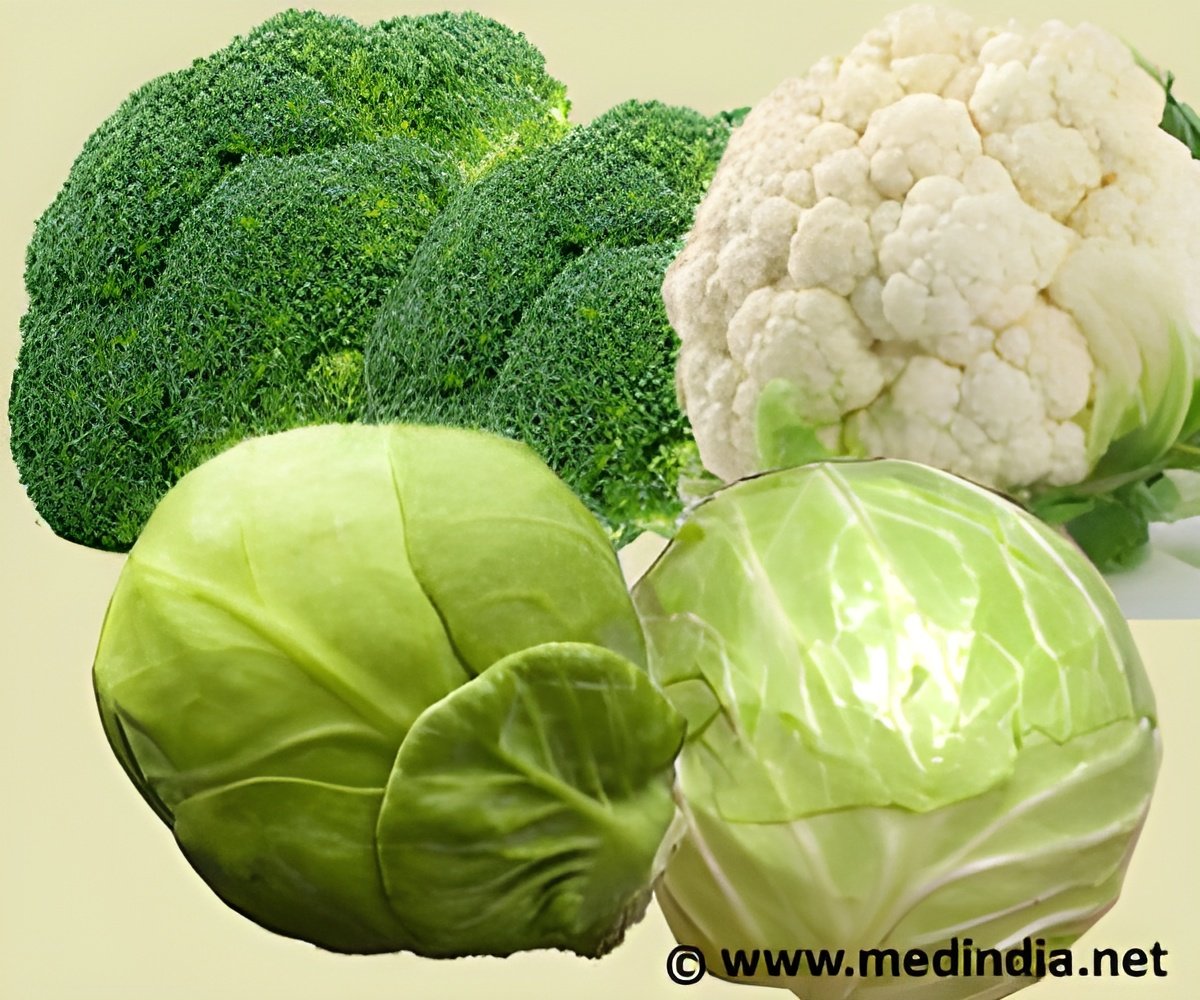
A Story of Unsung Heroes, Unveiled Secrets, and the Battle for Optimal Health
In the grand narrative of human health, where the forces of modern living – chronic stress, processed foods, environmental toxins, and sedentary lifestyles – often seem to wage an relentless war against our well-being, we constantly seek allies. We search for potent remedies, for silver bullets, for the elusive keys to longevity and vitality. Yet, often, the most powerful champions lie hidden in plain sight, their humble exteriors belying an astonishing arsenal of protective compounds. This is the story of the Cruciferous Crusaders: Broccoli, Cabbage, and Kale – three unassuming vegetables that, through centuries of quiet service and recent scientific revelations, have emerged as indispensable allies in our quest for optimal health.
Our journey begins not with a dramatic discovery in a high-tech lab, but in the verdant fields and ancient kitchens where these vegetables have nourished humanity for millennia. From the rugged shores of the Mediterranean, where wild cabbage first flourished, to the modern supermarket aisle, their lineage is one of resilience and adaptability. But their true power, the intricate biochemical mechanisms that make them titans of nutritional science, remained largely shrouded in mystery until relatively recently. This is a tale of how we, as a species, are finally learning to appreciate the profound wisdom embedded in these verdant greens, and how they, in turn, are poised to lead us towards a healthier future.
Chapter 1: The Humble Origins and Ancient Wisdom – A Quiet Vigil
For centuries, broccoli, cabbage, and kale were simply food. They were the staple of peasants and the sustenance of armies, prized for their hardiness, their ability to grow in diverse climates, and their filling, nutritious qualities. The Romans ate cabbage to ward off hangovers and digestive woes. Medieval Europeans relied on kale to survive harsh winters, its leaves providing vital nutrients when other crops failed. Broccoli, a relative newcomer in the grand scheme, gained popularity as a prized Italian vegetable before spreading globally.
These ancient peoples, guided by instinct and empirical observation, intuitively understood that these vegetables conveyed a certain robustness, a resistance to illness. They didn't possess the language of phytochemicals or epigenetic modulation, but they recognized the vitality that bloomed within those who regularly consumed them. This ancient wisdom, passed down through generations, formed the bedrock upon which modern science would eventually build its towering edifice of understanding. Yet, for a significant period in the industrial age, as dietary science fixated on macronutrients and isolated vitamins, these cruciferous champions receded into the background, their complex contributions largely unexamined, waiting for their moment to shine.
Chapter 2: The Awakening – Unveiling the Bioactive Arsenal
The true awakening to the power of cruciferous vegetables began not with a single eureka moment, but with a gradual, painstaking process of scientific inquiry that gathered momentum in the latter half of the 20th century. Researchers, moving beyond basic nutritional analysis, began to peel back the layers of these vegetables, delving into their intricate molecular structures. What they discovered was nothing short of a biochemical marvel: a sophisticated arsenal of compounds, collectively known as phytochemicals, designed not just for basic sustenance, but for dynamic interaction with our biological systems.
At the heart of this arsenal are the glucosinolates. These sulfur-containing compounds are the signature molecules of the Brassicaceae family, which includes our crusaders. In their intact form, glucosinolates are relatively inert. However, the magic happens when the plant tissue is damaged – through chewing, chopping, or even the action of gut bacteria. This damage brings glucosinolates into contact with an enzyme called myrosinase, also present in the plant cells. The ensuing enzymatic hydrolysis transforms glucosinolates into a diverse array of highly bioactive compounds, including:
- Isothiocyanates (ITCs): Perhaps the most celebrated group, these include sulforaphane (abundant in broccoli and broccoli sprouts), phenethyl isothiocyanate (PEITC), and benzyl isothiocyanate (BITC). ITCs are powerful cellular communicators.
- Indole-3-Carbinol (I3C): A significant player, particularly prominent in cabbage, which is further metabolized in the acidic environment of the stomach into various products, most notably diindolylmethane (DIM). I3C and DIM are crucial for hormone metabolism.
- Thiocyanates: Another class of compounds with their own unique biological activities.
Beyond these signature glucosinolate derivatives, cruciferous vegetables are also rich in a broader spectrum of beneficial compounds:
- Antioxidant Vitamins: Abundant in Vitamin C, Vitamin E, and Beta-carotene (precursor to Vitamin A), which directly neutralize free radicals.
- Vitamin K: Particularly K1 (phylloquinone), vital for blood clotting and bone health. Kale, in particular, is a powerhouse of Vitamin K.
- Minerals: A good source of essential minerals like potassium, manganese, calcium, and magnesium.
- Dietary Fiber: Crucial for digestive health, blood sugar regulation, and satiety.
- Carotenoids: Lutein and zeaxanthin, especially in kale, which are critical for eye health.
- Flavonoids: Quercetin, kaempferol, and other polyphenols that contribute to their antioxidant and anti-inflammatory properties.
This intricate tapestry of bioactive compounds, far from being a random assortment, represents a highly evolved defensive strategy by the plants themselves. When we consume them, we effectively co-opt this sophisticated defense system, turning it into our own biological shield against the assaults of modern life.
Chapter 3: The Mechanisms of Action – How the Crusaders Fight
With their arsenal identified, the next chapter in our story unfolds as scientists begin to decipher how these compounds exert their profound effects on human health. This is where the story truly shifts from simple nutrition to sophisticated molecular biology, revealing the Crusaders as master strategists in the war against disease.
3.1. Master Detoxifiers: The Body's Internal Clean-Up Crew
One of the most celebrated roles of cruciferous vegetables is their unparalleled ability to enhance the body's detoxification systems. Our bodies are constantly exposed to toxins – from pollutants in the air and water, pesticides in food, medications, and even the byproducts of our own metabolism. The liver, our primary detoxification organ, employs a two-phase process to neutralize and eliminate these harmful substances.
- Phase I Detoxification (Functionalization): In this phase, enzymes (primarily the cytochrome P450 family) modify toxins, making them more reactive and preparing them for Phase II. While necessary, this phase can sometimes produce more harmful intermediate metabolites if Phase II is not efficient enough.
- Phase II Detoxification (Conjugation): This is the crucial "conjugation" phase where the modified toxins are bound to other molecules (like glutathione, glucuronic acid, or sulfate) to make them water-soluble and easily excretable via urine or bile.
Cruciferous compounds, particularly sulforaphane and I3C/DIM, are potent activators of Phase II detoxification enzymes. They achieve this primarily through the activation of the Nrf2 (Nuclear factor erythroid 2-related factor 2) pathway. Nrf2 is a master regulator of antioxidant and detoxification genes. When activated by ITCs, Nrf2 translocates to the nucleus, binds to specific DNA sequences (Antioxidant Response Elements or AREs), and switches on a cascade of protective genes. This includes:
- Glutathione S-transferases (GSTs): A family of enzymes critical for conjugating toxins with glutathione, the body's master antioxidant.
- NAD(P)H:quinone oxidoreductase 1 (NQO1): An enzyme that reduces quinones, preventing their harmful redox cycling.
- UDP-glucuronosyltransferases (UGTs): Enzymes involved in glucuronidation, another key Phase II pathway.
By upregulating these enzymes, cruciferous vegetables significantly enhance the body's capacity to neutralize and eliminate carcinogens, environmental toxins, and harmful metabolic byproducts, thus reducing the toxic burden on our cells and DNA.
3.2. Antioxidant Powerhouses: Quenching the Flames of Oxidative Stress
Oxidative stress, a state of imbalance between the production of reactive oxygen species (ROS) and the body's ability to detoxify them, is a fundamental contributor to aging and chronic diseases. ROS, or free radicals, are highly reactive molecules that can damage cellular components like DNA, proteins, and lipids.
While cruciferous vegetables contain direct antioxidants like Vitamin C and E, their more profound antioxidant effect comes from their ability to induce the body's own endogenous antioxidant defense systems, again largely through the Nrf2 pathway. By activating enzymes like superoxide dismutase (SOD), catalase, and glutathione peroxidase (GPx), they empower our cells to proactively combat oxidative damage, rather than just reacting to it. This indirect antioxidant effect is far more potent and sustained than simply consuming exogenous antioxidants.
3.3. Anti-inflammatory Agents: Calming the Storm Within
Chronic inflammation is another silent killer, implicated in nearly every major chronic disease, from heart disease and cancer to autoimmune disorders and neurodegenerative conditions. While acute inflammation is a necessary protective response, persistent, low-grade inflammation wreaks havoc on tissues and organs.
Cruciferous compounds, particularly ITCs and I3C/DIM, demonstrate significant anti-inflammatory properties. They achieve this by modulating various signaling pathways involved in inflammation, most notably by inhibiting the NF-κB (Nuclear Factor kappa-light-chain-enhancer of activated B cells) pathway. NF-κB is a protein complex that controls the transcription of DNA, cytokine production, and cell survival, acting as a central regulator of inflammatory responses. By downregulating NF-κB, cruciferous compounds can reduce the production of pro-inflammatory cytokines (e.g., TNF-α, IL-6) and enzymes (e.g., COX-2, iNOS), thereby dampening systemic inflammation.
3.4. Cancer Prevention and Suppression: The Ultimate Defense
Perhaps the most extensively researched and compelling benefit of cruciferous vegetables is their role in cancer prevention and, in some cases, even suppression. Their multi-faceted approach to cancer combat makes them exceptional allies:
- Inducing Apoptosis (Programmed Cell Death): Cancer cells are notorious for evading apoptosis, allowing them to proliferate uncontrollably. Sulforaphane and I3C/DIM can trigger apoptosis in various cancer cell lines, essentially instructing rogue cells to self-destruct.
- Cell Cycle Arrest: They can halt the progression of cancer cells through their growth cycle, preventing uncontrolled division.
- Inhibiting Angiogenesis: Tumors require a blood supply to grow beyond a certain size. Cruciferous compounds can inhibit angiogenesis, the formation of new blood vessels, thereby starving tumors.
- DNA Repair and Protection: By activating detoxification enzymes, they reduce DNA damage from carcinogens. Furthermore, some compounds may directly enhance DNA repair mechanisms.
- Epigenetic Modulation: Emerging research highlights their ability to influence gene expression without altering the underlying DNA sequence. Sulforaphane, for instance, can inhibit histone deacetylases (HDACs), enzymes that can silence tumor suppressor genes. By inhibiting HDACs, sulforaphane can "turn back on" these protective genes, effectively reversing some of the epigenetic changes that contribute to cancer.
- Hormone Balance (Estrogen Metabolism): I3C and its metabolite DIM are particularly important here. They promote the conversion of potent, potentially harmful estrogens (like 16-hydroxyestrone) into less potent, more beneficial forms (like 2-hydroxyestrone). This "favorable estrogen metabolism" is crucial for reducing the risk of hormone-sensitive cancers such as breast, ovarian, and prostate cancer.
3.5. Gut Microbiome Support: Nurturing the Inner Ecosystem
Our gut microbiome – the trillions of bacteria residing in our intestines – is increasingly recognized as a cornerstone of overall health. Cruciferous vegetables contribute significantly to a healthy gut environment:
- Prebiotic Fiber: Their high fiber content acts as a prebiotic, feeding beneficial gut bacteria (e.g., Bifidobacterium, Lactobacillus). These bacteria ferment the fiber, producing short-chain fatty acids (SCFAs) like butyrate, which nourish colon cells, reduce inflammation, and may even improve brain health.
- Glucosinolate Metabolism: Gut bacteria also play a role in metabolizing glucosinolates into their active forms, highlighting the symbiotic relationship between these vegetables and our microbiome.
- Anti-inflammatory Effects in the Gut: By reducing gut inflammation, they can help maintain gut barrier integrity, preventing "leaky gut" and associated systemic issues.
3.6. Cardiovascular Health: Guarding the Heart and Vessels
Beyond cancer, cruciferous vegetables are silent guardians of the cardiovascular system:
- Blood Pressure Regulation: Their potassium content helps balance sodium levels, contributing to healthy blood pressure.
- Cholesterol Management: Soluble fiber binds to bile acids in the gut, promoting their excretion and prompting the liver to draw more cholesterol from the blood to make new bile acids.
- Anti-inflammatory and Antioxidant Effects: By reducing systemic inflammation and oxidative stress, they protect blood vessels from damage, reducing the risk of atherosclerosis (hardening of the arteries).
- Vascular Health: Some research suggests sulforaphane can improve endothelial function, the health of the inner lining of blood vessels.
3.7. Brain Health and Neuroprotection:
Emerging evidence suggests a role for cruciferous vegetables in cognitive function and neuroprotection:
- Anti-inflammatory and Antioxidant Effects: These benefits extend to the brain, protecting neurons from damage and reducing neuroinflammation, which is implicated in neurodegenerative diseases like Alzheimer's and Parkinson's.
- Nrf2 Activation: By activating Nrf2 in brain cells, sulforaphane can enhance the brain's own defense mechanisms against oxidative stress and toxins.
3.8. Bone Health:
Kale, in particular, is a phenomenal source of Vitamin K1, which is crucial for bone metabolism. Vitamin K activates proteins involved in bone mineralization, ensuring calcium is deposited in the bones where it belongs, rather than in arteries or soft tissues.
Chapter 4: The Individual Champions – A Deeper Dive
While they share a common heritage and many overlapping benefits, each of our Cruciferous Crusaders brings its own unique strengths to the table, making a diverse consumption strategy highly beneficial.
4.1. Broccoli: The Stoic General, Rich in Sulforaphane
Broccoli, with its distinctive tree-like florets, is arguably the most recognizable of the crusaders and often considered the king of sulforaphane. While raw broccoli contains significant glucoraphanin (the precursor to sulforaphane), broccoli sprouts are an absolute powerhouse, containing 20-50 times more glucoraphanin than mature broccoli.
- Sulforaphane Dominance: Broccoli's claim to fame is sulforaphane, a potent ITC that has been the subject of thousands of scientific studies. Its role in Nrf2 activation, Phase II detoxification, and cancer prevention is exceptionally well-documented.
- Diverse Applications: Research has explored sulforaphane's potential in various areas:
- Autism Spectrum Disorder: Some studies suggest sulforaphane may improve social interaction and communication in individuals with ASD, possibly by modulating oxidative stress and inflammation pathways.
- H. pylori Eradication: Sulforaphane exhibits antibacterial activity against Helicobacter pylori, a bacterium linked to stomach ulcers and gastric cancer.
- Diabetes: It may improve insulin sensitivity and reduce oxidative stress in diabetic individuals.
- Air Pollution Protection: By boosting detoxification, sulforaphane may help the body clear pollutants more efficiently.
4.2. Cabbage: The Versatile Workhorse, Indole-3-Carbinol and Gut Health Maestro
Cabbage, in its myriad forms – green, red, savoy, napa – is a cornerstone of global cuisine and a nutritional powerhouse, especially for gut health and hormone balance.
- Indole-3-Carbinol (I3C) and DIM: Cabbage is a prime source of I3C, making it particularly effective for modulating estrogen metabolism. Its role in preventing hormone-sensitive cancers is highly significant.
- Glutamine: Cabbage is rich in glutamine, an amino acid vital for maintaining the integrity of the gut lining. This can be particularly beneficial for conditions like leaky gut syndrome.
- Vitamin C and K: A great source of both, supporting immunity and bone health.
- Fermented Cabbage (Sauerkraut & Kimchi): When fermented, cabbage transforms into a probiotic superfood. The fermentation process not only introduces beneficial bacteria but also enhances the bioavailability of some nutrients and creates new bioactive compounds. The lactic acid bacteria further contribute to gut health and may even enhance the anti-cancer properties.
4.3. Kale: The Nutrient-Dense Queen, Vitamins K, A, C, and Eye Health
Kale, once a mere garnish, has ascended to superfood royalty, and for good reason. Its dark, leafy greens pack an incredible nutritional punch.
- Vitamin K Powerhouse: Kale is one of the richest sources of Vitamin K1, essential for blood clotting and bone health, as mentioned earlier. A single cup can provide well over 1000% of the daily recommended intake.
- Vitamins A and C: It's an excellent source of beta-carotene (Vitamin A precursor) for vision and immune function, and Vitamin C, a powerful antioxidant and immune booster.
- Lutein and Zeaxanthin: These carotenoids are critical for eye health, accumulating in the retina and protecting against age-related macular degeneration and cataracts. Kale is one of the best dietary sources.
- Flavonoids: Rich in quercetin and kaempferol, which contribute to its anti-inflammatory and antioxidant properties.
- High Fiber and Low Calorie: Offers significant bulk and satiety with minimal calories, making it ideal for weight management.
Chapter 5: Synergistic Warfare – Beyond the Sum of Parts
The true genius of the Cruciferous Crusaders lies not just in the individual might of their chemical components, but in their synergy. These compounds don't work in isolation; they interact, amplify each other's effects, and target multiple pathways simultaneously, creating a far more robust and comprehensive defense system than any single nutrient or pharmaceutical drug could ever achieve.
- Multi-Target Approach: Instead of a single "magic bullet," cruciferous vegetables offer a "shotgun approach," hitting multiple targets critical for disease prevention – detoxification, antioxidant defense, anti-inflammation, hormone balance, and epigenetic modulation. This complexity makes it incredibly difficult for pathogens or cancer cells to adapt and overcome their effects.
- Bioavailability and Preparation: The way we prepare these vegetables significantly impacts their power. The myrosinase enzyme, crucial for converting glucosinolates into ITCs and I3C/DIM, is heat-sensitive.
- Raw Consumption: Eating them raw (e.g., in salads, smoothies, or as sprouts) maximizes myrosinase activity.
- Light Steaming/Sautéing: Brief cooking preserves much of the myrosinase.
- Chopping and Waiting: Chopping cruciferous vegetables a few minutes before cooking allows myrosinase to act, creating the beneficial compounds before heat denatures the enzyme.
- Adding Myrosinase: If cooking thoroughly (e.g., boiling), adding a source of active myrosinase (like a sprinkle of raw mustard powder, daikon radish, or a small amount of raw cruciferous vegetables after cooking) can "rescue" the conversion process.
- Fermentation: As seen with cabbage, fermentation not only preserves but can enhance bioavailability and create new beneficial compounds.
This understanding underscores the importance of not just eating cruciferous vegetables, but eating them strategically to unlock their full potential.
Chapter 6: Practical Integration – Bringing the Crusaders to Your Table
The scientific narrative, however compelling, remains incomplete without practical application. How do we invite these powerful allies into our daily lives? The answer lies in mindful preparation, creative culinary approaches, and a commitment to diversity.
- Roasting: Roasting at high temperatures can caramelize sugars, reducing bitterness and bringing out nutty flavors. Try roasted broccoli with garlic and lemon.
- Pairing: Combine them with sweet or savory flavors: apples in a kale salad, balsamic glaze on Brussels sprouts, or a hint of maple syrup with roasted cabbage.
- Massaging Kale: Massaging raw kale with a little olive oil and lemon juice breaks down tough fibers and mellows its flavor.
- Smaller Portions, Gradual Introduction: If new to these vegetables, start with smaller portions and gradually increase as your palate adjusts.
Creative Culinary Ideas:
- Broccoli:
- Broccoli Sprouts: Add to sandwiches, salads, smoothies, or toast for a concentrated sulforaphane boost.
- Roasted Broccoli: Toss with olive oil, salt, pepper, garlic powder, and roast until tender-crisp.
- Broccoli in Stir-fries: A classic addition, but remember to chop and let sit for a few minutes before adding to the wok.
- Broccoli Smoothies: Blend with fruits (berries, banana), spinach, and a liquid base.
- Cabbage:
- Coleslaw (Healthy Version): Shredded cabbage with a vinaigrette dressing instead of creamy mayonnaise.
- Sautéed Cabbage: Sauté with onions, garlic, and a touch of apple cider vinegar for a hearty side.
- Cabbage Soup/Stews: A comforting and nutritious base for many dishes.
- Fermented Cabbage: Incorporate sauerkraut or kimchi into your meals – with eggs, on sandwiches, or as a side dish.
- Cabbage Wraps: Use large cabbage leaves as a low-carb alternative to tortillas for tacos or lettuce wraps.
- Kale:
- Kale Salads: Massage with dressing, add nuts, seeds, fruits (berries, apples), and a protein.
- Kale Chips: Toss with olive oil and spices, bake until crispy for a healthy snack.
- Kale in Smoothies: A go-to for adding greens without significantly altering flavor when blended with fruit.
- Sautéed Kale: With garlic and lemon, a quick and easy side dish.
- Kale in Soups and Stews: Add towards the end of cooking to retain more nutrients.
Conclusion: Embracing the Green Revolution
The story of the Cruciferous Crusaders is a compelling testament to the profound wisdom embedded in nature and the power of scientific inquiry to unveil its secrets. From their humble beginnings as ancient sustenance to their modern recognition as biochemical marvels, broccoli, cabbage, and kale stand as formidable allies in the ongoing battle for optimal health. They are not magic pills, but rather sophisticated biological tools that empower our bodies' inherent healing and protective mechanisms.
As we navigate a world increasingly fraught with environmental challenges and the complexities of modern disease, the message from these verdant champions is clear: embrace the green revolution. Let the Cruciferous Crusaders lead the charge on your plate, bolstering your detoxification pathways, extinguishing the fires of inflammation, fortifying your defenses against cancer, nurturing your gut, and safeguarding your cardiovascular and brain health. Their story is far from over; ongoing research continues to uncover new layers of their immense potential. But for now, the evidence is overwhelming: these humble vegetables are, without a doubt, your health's best friends, quietly working behind the scenes to help you thrive. It's time to honor their legacy and welcome them fully into our lives.