The Starchy Solution: Reclaiming Our Relationship with the Earth's Most Abundant Fuel
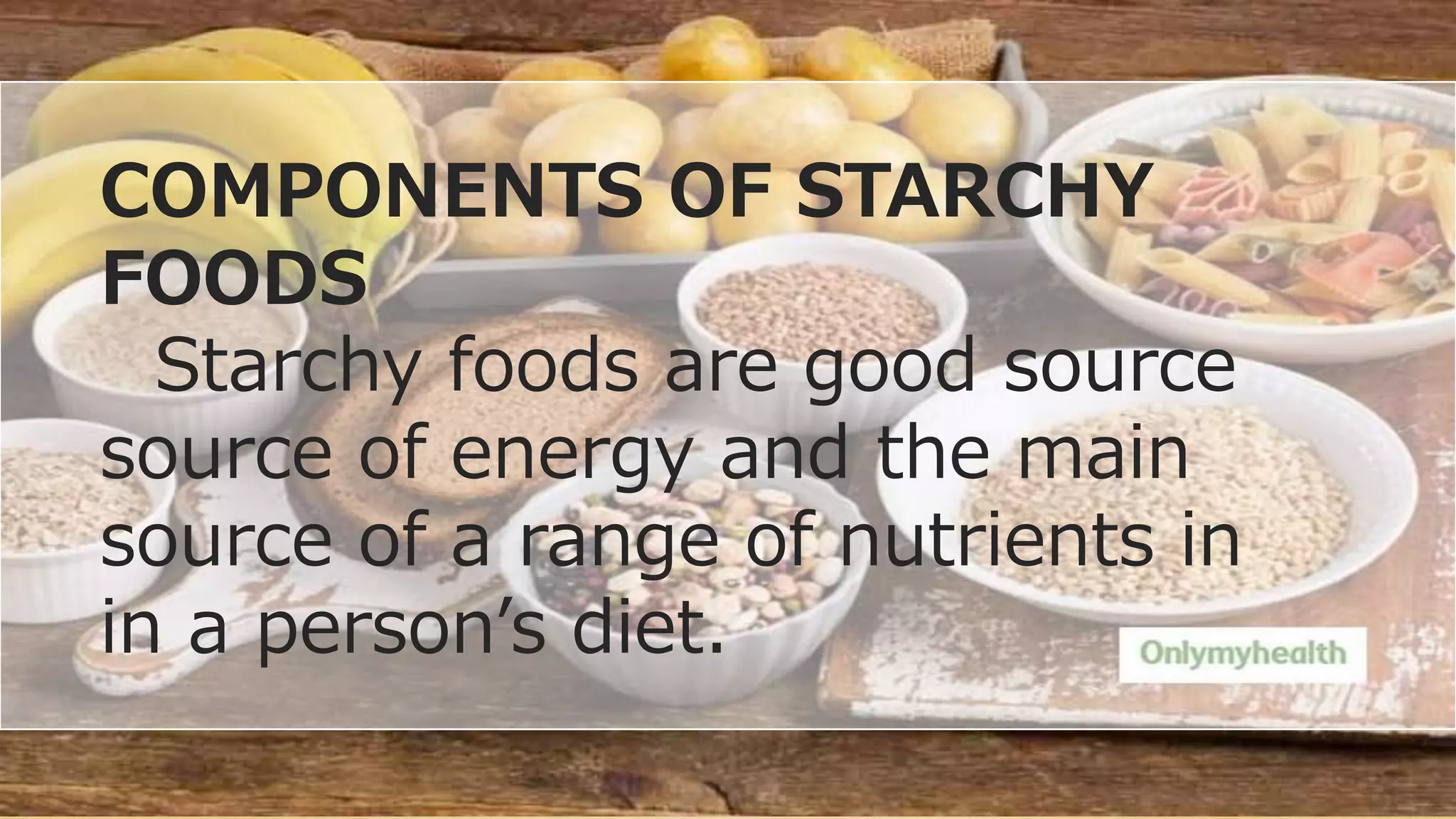
In the grand, often bewildering, narrative of modern nutrition, few characters have experienced a more dramatic fall from grace than starch. Once the undisputed hero, the very foundation upon which civilizations were built, starch now frequently finds itself cast as the villain – a purveyor of weight gain, blood sugar spikes, and metabolic mayhem. "Carbs are bad," the mantra echoes through diet culture, stripping the nuance from an entire macronutrient class and sowing confusion in its wake.
But what if this narrative is a simplification, a misdirection that blinds us to a profound truth? What if, in our haste to demonize, we've forgotten the wisdom of millennia, the resilience of cultures, and the intricate science that paints a far more benevolent, even essential, picture of starch?
This is the story of starch – not as a monolithic enemy, but as a diverse and dynamic solution. It's a journey to reclaim our understanding of potatoes, corn, rice, and a host of other starchy staples, delving into their nutritional intricacies, their historical significance, and their rightful place at the heart of a balanced, vibrant diet. For the knowledgeable reader, it's an invitation to look beyond the headlines and rediscover the profound power of the earth's most abundant fuel.
Chapter 1: The Misunderstood Macro – What Exactly Is Starch?
Before we embark on our culinary and scientific exploration, let's first define our subject. Starch, at its core, is a complex carbohydrate. Chemically, it's a polysaccharide – a long chain of glucose molecules linked together. These chains are how plants store energy, much like glycogen is how animals (including us) store glucose in our livers and muscles.
When we consume starch, our digestive system, specifically enzymes like amylase in our saliva and pancreas, break down these long chains into individual glucose units. This glucose is then absorbed into the bloodstream, where it serves as our body's primary and preferred energy source. Every cell in our body, from the brain to the muscles, relies on glucose for fuel.
The "complexity" of complex carbohydrates comes from these long, branched chains. Unlike simple sugars (monosaccharides like glucose or fructose, or disaccharides like sucrose), which are quickly broken down and absorbed, starches require more digestive effort. This generally leads to a slower, more sustained release of glucose into the bloodstream, preventing the sharp peaks and troughs associated with refined sugars.
However, not all starches are created equal. The precise arrangement of these glucose molecules matters. There are two primary types:
- Amylose: A largely linear, unbranched chain of glucose. It's more resistant to digestion and tends to slow down glucose release.
- Amylopectin: A highly branched chain of glucose. Its extensive surface area makes it more easily accessible to digestive enzymes, leading to quicker glucose release.
The ratio of amylose to amylopectin varies significantly between different starchy foods, contributing to their unique nutritional profiles and how they impact our blood sugar. This fundamental distinction is our first step in moving beyond the simplistic "starch is starch" mentality.
Chapter 2: The Pantheon of Starchy Staples – Unpacking Their Stories
Our journey now takes us to the individual narratives of some of the most iconic starchy foods, revealing their hidden depths and often-overlooked nutritional virtues.
The Humble Potato: Earth's Enduring Comfort
The potato, Solanum tuberosum, has been a cornerstone of human diets for over 8,000 years, originating in the Andes. Its global impact is undeniable, from fueling the Incas to driving the Irish Famine and ultimately becoming the fourth-largest food crop worldwide. Yet, in modern discourse, it's often the poster child for "bad carbs."
The Truth: A medium potato (about 170g) provides around 160 calories, almost entirely from complex carbohydrates. But look closer:
- Micronutrient Powerhouse: It's an excellent source of Vitamin C (crucial for immunity and collagen), Vitamin B6 (involved in over 100 enzyme reactions), and a significant source of potassium (vital for blood pressure regulation, nerve function, and muscle contraction – often more than a banana!). It also contains small amounts of iron, magnesium, and phosphorus.
- Fiber: With the skin on, a potato offers about 3-4 grams of dietary fiber, contributing to satiety and digestive health.
- Antioxidants: Especially in varieties with colored flesh (purple, red), potatoes contain anthocyanins and carotenoids, powerful antioxidants that combat oxidative stress.
The "Bad Rap" Demystified: The potato's negative image largely stems not from the vegetable itself, but from its common preparations: deep-fried chips, heavily buttered mashed potatoes, or processed potato products laden with unhealthy fats and excessive sodium. A baked or boiled potato, enjoyed with mindful toppings, is a nutrient-dense, satiating food.
Furthermore, potatoes are a prime example of a food that can develop resistant starch when cooked and then cooled. This will be a recurring theme and a key component of our "starchy solution."
Golden Corn: The Heartbeat of Mesoamerica
Zea mays, or corn, holds a sacred place in human history, having been domesticated in Mexico over 9,000 years ago. It formed the agricultural bedrock of civilizations like the Maya, Aztec, and Inca, and remains a global staple, particularly in the Americas. Like the potato, corn often suffers from guilt by association, linked to high-fructose corn syrup and genetically modified organisms.
The Truth (Whole Corn): A cup of cooked corn kernels (about 160g) provides roughly 150 calories, predominantly from complex carbohydrates, along with:
- Fiber: A generous 4-5 grams per cup, aiding digestion and promoting satiety.
- Antioxidants: Whole corn is rich in phenolic compounds, ferulic acid, and carotenoids like lutein and zeaxanthin. These latter two are particularly important for eye health, helping to protect against age-related macular degeneration.
- B Vitamins: Good source of thiamine (B1), niacin (B3), and folate (B9).
- Magnesium and Phosphorus: Essential for bone health, energy metabolism, and nerve function.
The Nixtamalization Nuance: For a knowledgeable audience, it's crucial to highlight nixtamalization. This ancient Mesoamerican process involves soaking and cooking corn in an alkaline solution (usually limewater). This process dramatically enhances corn's nutritional value:
- Increases Niacin Bioavailability: It releases bound niacin, preventing pellagra.
- Improves Protein Quality: It makes certain amino acids more accessible.
- Enhances Calcium Absorption: The lime adds calcium.
- Improves Digestibility: It breaks down the tough outer pericarp.
This tradition, which gives us tortillas and tamales, transforms corn into an even more powerful staple, demonstrating how preparation methods can unlock hidden nutritional potential.
Rice: The Global Grain of Billions
Oryza sativa, or rice, feeds more than half the world's population, particularly in Asia. Its varieties are endless, from sticky short-grain to fluffy long-grain, white, brown, black, and red.
The White vs. Brown Debate:
- Brown Rice: A whole grain, meaning it retains its bran, germ, and endosperm. This makes it richer in fiber, magnesium, selenium, and B vitamins (thiamine, niacin, B6). The fiber content contributes to a slower rise in blood sugar and sustained energy.
- White Rice: Has had its bran and germ removed, leaving primarily the starchy endosperm. This processing reduces its fiber and micronutrient content, though it's often enriched with B vitamins and iron. While it has a higher glycemic index than brown rice, its impact on blood sugar can be mitigated by combining it with protein, fat, and vegetables, and by cooling it (again, resistant starch!).
Arsenic Considerations: For the knowledgeable, it's worth a brief mention that rice can accumulate arsenic from the soil more readily than other grains. However, for most people consuming a varied diet, the levels are not a significant concern. Rinsing rice thoroughly and cooking it with a higher water-to-rice ratio (and draining excess water) can reduce arsenic levels.
Oats: The Heart-Healthy Champion
Avena sativa, or oats, have gained well-deserved recognition as a superfood, primarily for their unique fiber content.
The Beta-Glucan Benefit: Oats are exceptionally rich in a soluble fiber called beta-glucan. This compound is a true powerhouse:
- Cholesterol Reduction: Beta-glucan forms a gel-like substance in the digestive tract, which binds to cholesterol and bile acids, preventing their reabsorption and promoting their excretion. This can significantly lower LDL ("bad") cholesterol.
- Blood Sugar Control: It slows down the absorption of glucose, leading to a more gradual rise in blood sugar after meals.
- Satiety: The gel-like consistency helps promote feelings of fullness, aiding in weight management.
- Gut Health: Beta-glucan acts as a prebiotic, feeding beneficial gut bacteria and promoting a healthy microbiome.
Varieties Matter:
- Steel-cut oats: The least processed, retaining most of their nutritional integrity.
- Rolled oats: Steamed and flattened, quick to cook but still nutrient-rich.
- Instant oats: Most processed, often with added sugars, and a higher glycemic index. Prioritizing less processed oats maximizes their health benefits.
Legumes: The Underrated Powerhouses (Beans, Lentils, Chickpeas)
While often categorized separately, legumes (the edible seeds of plants in the Fabaceae family) are carbohydrate-rich and deserve a place in our starchy solution. They are unique in their dual identity as both a significant source of complex carbohydrates and plant-based protein.
The Nutritional Goldmine:
- Complex Carbohydrates: Provide sustained energy release.
- Fiber Feast: Exceptionally high in both soluble and insoluble fiber, supporting digestion, gut health, and satiety. A single cup of cooked lentils can provide over 15 grams of fiber!
- Plant Protein: A crucial component for vegetarians and vegans, offering a complete or near-complete amino acid profile when combined with grains.
- Micronutrients: Rich in folate, iron, magnesium, potassium, and zinc.
- Phytochemicals: Contain a variety of bioactive compounds with antioxidant and anti-inflammatory properties.
Antinutrients (and why they're not a big deal): Legumes contain compounds like phytic acid and lectins, sometimes called "antinutrients" because they can interfere with nutrient absorption. However, proper cooking methods (soaking, sprouting, boiling) effectively neutralize most of these, making legumes safe and highly nutritious.
Root Vegetables: Beyond the Potato Patch
This diverse category includes sweet potatoes, yams, cassava (tapioca), taro, and parsnips. Each offers a unique profile:
- Sweet Potatoes: A nutritional superstar, packed with beta-carotene (a precursor to Vitamin A), Vitamin C, potassium, and fiber. Despite their sweetness, their complex carbohydrates and fiber contribute to a moderate glycemic response.
- Yams: Often confused with sweet potatoes, true yams are starchier and less sweet, but still offer good fiber, potassium, and B vitamins.
- Cassava: A major staple in tropical regions, it's very high in carbohydrates. However, it's crucial to process it correctly to remove cyanogenic glycosides. Once processed (e.g., as tapioca flour), it's a versatile starch.
These roots demonstrate the global reliance on starchy foods for sustained energy and essential nutrients.
Chapter 3: Beyond the Basic Starch – Key Nutritional Concepts for the Solution
Our understanding of starch isn't complete without exploring the critical concepts that govern its impact on our health. These are the tools that empower us to move from fear to informed choice.
Fiber: The Unsung Hero of Starchy Foods
We've touched upon fiber, but its role in the "starchy solution" cannot be overstated. Dietary fiber is the indigestible part of plant foods that plays a vital role in our health, far beyond just "regularity."
- Soluble Fiber: Dissolves in water, forming a gel-like substance. Found in oats, legumes, apples, and citrus. Benefits include:
- Lowering LDL cholesterol.
- Slowing glucose absorption, stabilizing blood sugar.
- Feeding beneficial gut bacteria (acting as a prebiotic).
- Insoluble Fiber: Does not dissolve in water. Found in whole grains, wheat bran, and the skins of fruits and vegetables. Benefits include:
- Adding bulk to stool, promoting regular bowel movements.
- Preventing constipation.
- Aiding in satiety.
Whole, unprocessed starchy foods are naturally rich in both types of fiber, which work synergistically to provide a multitude of health benefits. Refined starches, by contrast, have had most of their fiber stripped away, contributing to their less favorable metabolic profile.
Resistant Starch: The Gut's Best Friend and Metabolic Maestro
This concept is arguably one of the most exciting developments in carbohydrate research and a cornerstone of "The Starchy Solution." Resistant starch (RS) is exactly what it sounds like: starch that resists digestion in the small intestine. Instead, it travels to the large intestine, where it's fermented by beneficial gut bacteria.
The Benefits of Resistant Starch:
- Feeds the Gut Microbiome: RS acts as a potent prebiotic, selectively feeding beneficial bacteria like Bifidobacteria and Lactobacillus. This promotes a diverse and healthy gut environment, which is increasingly linked to everything from immune function to mood.
- Produces Short-Chain Fatty Acids (SCFAs): As gut bacteria ferment RS, they produce SCFAs like butyrate, acetate, and propionate. Butyrate, in particular, is a primary fuel source for colon cells, strengthening the gut barrier and potentially reducing inflammation. SCFAs also have systemic effects, influencing metabolism, satiety, and even brain function.
- Improves Insulin Sensitivity: Studies show that regular consumption of RS can improve insulin sensitivity, meaning your cells become more responsive to insulin, helping to regulate blood sugar levels more effectively. This is particularly beneficial for individuals at risk of type 2 diabetes.
- Increases Satiety: RS contributes to feelings of fullness, potentially leading to reduced calorie intake.
- Lowers Post-Meal Blood Glucose: Because it's not digested in the small intestine, RS has a minimal impact on immediate blood sugar levels.
How to Maximize Resistant Starch: This is where the magic happens, particularly with potatoes, rice, and pasta. Cooking these foods and then cooling them (refrigerating for at least 12-24 hours) causes a process called retrogradation. The starch molecules re-crystallize into a form that is more resistant to digestion. Reheating these foods gently does not significantly reverse this process. So, that leftover potato salad or rice pilaf isn't just convenient; it's metabolically smarter!
Glycemic Index (GI) and Glycemic Load (GL): Context is King
The Glycemic Index (GI) is a numerical scale that ranks carbohydrates based on how quickly they raise blood glucose levels after consumption, compared to a reference food (usually pure glucose or white bread). The Glycemic Load (GL) takes this a step further by factoring in the portion size.
While these tools can be useful, they have often been oversimplified and misapplied, leading to the blanket condemnation of many healthy starchy foods.
Nuances for the Knowledgeable:
- GI is not fixed: A food's GI can vary based on ripeness, cooking method (e.g., overcooked pasta has a higher GI), processing, and even the variety of the food itself.
- Meal Context is Crucial: The GI of a single food eaten in isolation is very different from its impact when consumed as part of a mixed meal. Adding protein, healthy fats, and fiber-rich vegetables to a starchy meal significantly lowers the overall glycemic response. For example, a baked potato eaten with butter is different from a baked potato eaten with chili con carne (meat, beans, vegetables).
- Individual Variability: People respond differently to the same foods due to genetics, gut microbiome composition, and insulin sensitivity.
- Focus on GL: Glycemic Load is generally a more practical measure as it accounts for realistic portion sizes. A food might have a high GI, but if you eat a small portion, its GL might be low.
The takeaway isn't to demonize high-GI foods, but to understand that their impact is dynamic and influenced by a constellation of factors. Prioritizing whole, fiber-rich starchy foods and consuming them as part of balanced meals naturally leads to a more favorable glycemic response.
Micronutrients: More Than Just Calories
Beyond the macronutrient debate, it's vital to remember that whole starchy foods are also packed with an array of essential micronutrients. We've already highlighted Vitamin C, B vitamins, potassium, magnesium, and antioxidants. These compounds are not just passive passengers; they are active participants in thousands of bodily processes, from energy production to immune defense, bone health, and protection against chronic disease.
Refined starches, conversely, often offer "empty calories" – providing energy without the accompanying vitamins, minerals, and fiber that make whole foods so valuable. This distinction is paramount in understanding the "starchy solution."
Chapter 4: The Starchy Solution – A Practical Guide to Reintegration
Having dissected the science and celebrated the individual merits of various starchy foods, we arrive at the practical application: how to reintegrate starch into our diets intelligently and beneficially. The "Starchy Solution" isn't about unlimited consumption, but about informed choices and mindful preparation.
1. Prioritize Whole Over Refined
This is the golden rule. Choose brown rice over white (most of the time), whole-wheat pasta over white, steel-cut oats over instant, and whole corn on the cob over corn chips. Opt for baked or boiled potatoes with skin over French fries. This simple switch dramatically increases fiber, micronutrient, and resistant starch content.
2. Embrace Resistant Starch (Cook, Cool, Reheat Gently)
Make leftovers your metabolic ally! Cooked and cooled potatoes, rice, pasta, and even legumes significantly increase their resistant starch content. Experiment with meal prepping these items and enjoying them cold (e.g., in salads) or gently reheated. This simple trick can improve blood sugar control and nourish your gut.
3. Cooking Methods Matter Immensely
- Boiling/Steaming/Baking: These methods retain most of the nutrients and avoid adding unhealthy fats.
- Frying: While delicious occasionally, frying starchy foods significantly increases their calorie and unhealthy fat content, negating many of their inherent benefits.
- Nixtamalize: If you're adventurous, explore making your own tortillas or masa from scratch to unlock corn's full nutritional potential.
4. Pair Wisely for Balanced Meals
Never eat a starchy food in isolation if you can help it. Always combine it with:
- Protein: Lean meats, fish, eggs, legumes, tofu. Protein slows digestion, increases satiety, and helps stabilize blood sugar.
- Healthy Fats: Avocado, olive oil, nuts, seeds. Fats also slow digestion and enhance nutrient absorption.
- Non-Starchy Vegetables: A rainbow of leafy greens, broccoli, bell peppers, etc. These add a wealth of fiber, vitamins, minerals, and antioxidants, further diluting the glycemic impact of the starchy component.
Think of a bowl of chili with beans (legumes/starch/protein/fiber) and a small dollop of sour cream (fat) over a baked potato, rather than just a plain baked potato.
5. Practice Portion Control and Mindful Eating
While whole starches are beneficial, they are still calorie-dense. Listen to your body's hunger and fullness cues. A fist-sized portion of cooked starch is often a good starting point for a meal. Eating slowly, savoring your food, and paying attention to satiety signals are crucial for weight management and overall well-being.
6. Listen to Your Body – Individual Responses Vary
Nutrition is not a one-size-fits-all endeavor. Some individuals, particularly those with insulin resistance or diabetes, may need to be more mindful of carbohydrate intake and choose lower-glycemic options more frequently. Continuous glucose monitoring (CGM) can provide personalized insights into how different starchy foods impact your unique physiology.
7. Embrace Cultural Wisdom
Across the globe, traditional diets built on starchy staples – from the rice bowls of Asia to the potato stews of the Andes, the corn tortillas of Mexico, and the oat porridges of Northern Europe – have sustained populations for centuries. These diets, often rich in whole foods, fiber, and diverse plant matter, offer powerful lessons in healthy eating that transcend fleeting diet trends. Reconnect with these traditions.
Conclusion: Reclaiming Our Starchy Heritage
The journey from demonized villain to celebrated solution is a testament to the power of scientific inquiry and a willingness to challenge prevailing dogmas. Starch, in its whole, unprocessed forms, is not merely a source of calories; it is a vital component of a healthy diet, offering sustained energy, an abundance of micronutrients, and a diverse array of fibers that nourish our gut microbiome and protect against chronic disease.
The "Starchy Solution" is an invitation to reclaim our relationship with these ancient, life-sustaining foods. It's a call to move beyond the fear-mongering and embrace the nuanced reality: that the potato, the corn kernel, the grain of rice, the humble oat, and the mighty legume are not just sustenance, but profound expressions of the earth's generosity and powerful allies in our pursuit of vibrant health.
By understanding the differences between starches, prioritizing whole foods, employing smart cooking techniques, and building balanced meals, we can unlock the true potential of these magnificent carbohydrates. We can stop fearing the very foods that built civilizations and, instead, embrace them as fundamental components of a wholesome, delicious, and deeply satisfying dietary future. The solution, it turns out, was never to banish starch, but to understand it, respect it, and reintegrate it wisely.


