From Leafy Greens to Root Vegetables: A Deep Dive into Nutritional Diversity
For millennia, humanity’s relationship with the plant kingdom has been foundational, a silent pact forged in the fertile soil. Our ancestors, guided by instinct and observation, understood the profound sustenance offered by the earth’s bounty. Yet, in our modern quest for optimized nutrition, often fixated on isolated compounds or "superfoods," we sometimes lose sight of a more fundamental truth: the extraordinary wisdom embedded in nature’s vast, vibrant diversity. This article embarks on an expedition, a storytelling journey from the ephemeral whisper of a leafy green to the grounding embrace of a root vegetable, unraveling the intricate tapestry of nutritional diversity that lies beneath the surface.
Our narrative begins with a simple premise: no single food, however lauded, can encapsulate the full spectrum of nutrients, bioactive compounds, and synergistic interactions necessary for optimal health. The true power lies in the symphony, not in a solo performance. To understand this symphony, we must explore its distinct movements, each played by a unique category of vegetables, contributing its own crucial notes to the grand composition of wellness.
The Verdant Veil: Leafy Greens – The Breath of Life
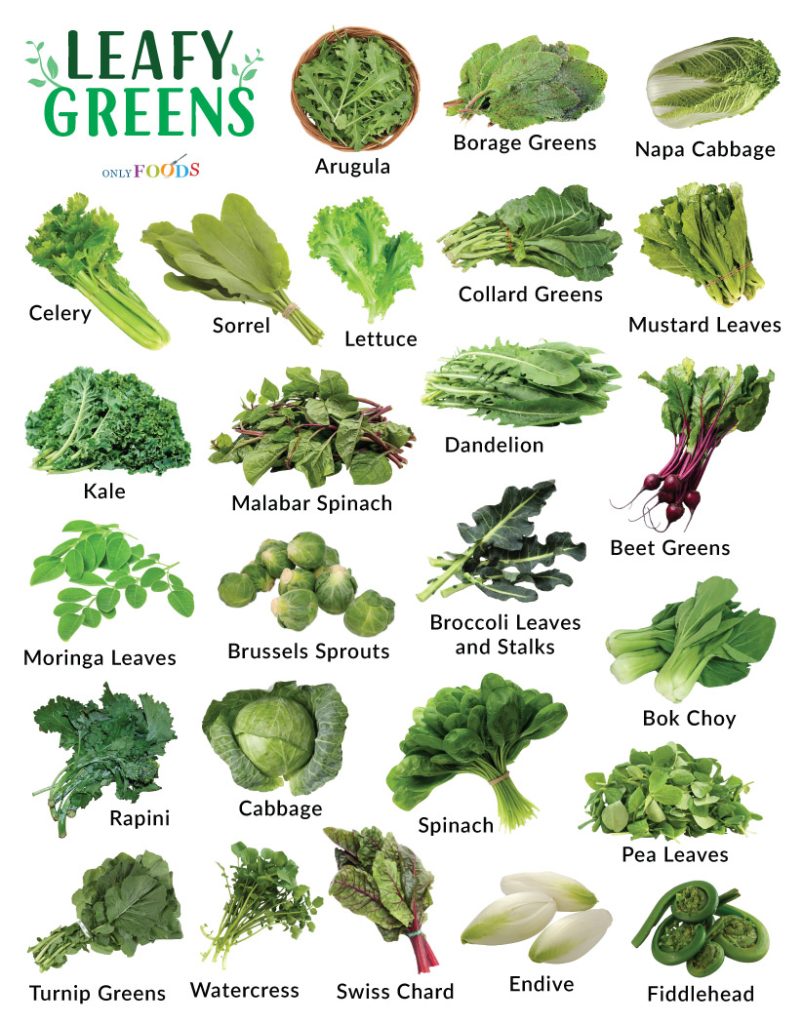
Imagine the first blush of life, unfurling towards the sun, delicate yet resilient. This is the essence of leafy greens. From the humble spinach to the robust kale, the peppery arugula to the earthy collards, these emerald jewels represent the apex of fresh, chlorophyll-rich vitality. They are often the first images that spring to mind when we speak of "healthy eating," and for good reason.
Nutritional Profile: Leafy greens are veritable powerhouses of micronutrients, often with remarkably few calories. They are exceptionally high in:
- Vitamin K: Crucial for blood clotting and bone health, with phylloquinone (K1) being abundant. Kale, spinach, and Swiss chard are particularly rich sources.
- Vitamin A (as beta-carotene): A potent antioxidant, essential for vision, immune function, and skin health. The vibrant green often masks the underlying orange pigment.
- Vitamin C: Though not as high as citrus fruits, many greens contribute significantly, supporting immune function and collagen synthesis.
- Folate (Vitamin B9): Essential for cell division and DNA synthesis, particularly important during pregnancy.
- Minerals: Magnesium (vital for muscle and nerve function), potassium (for blood pressure regulation), and non-heme iron (absorption enhanced by vitamin C).
- Fiber: Both soluble and insoluble, promoting digestive health, satiety, and stable blood sugar.
- Phytonutrients: This is where the story deepens. Lutein and zeaxanthin, carotenoids known for their role in eye health, are abundant. Sulforaphane, though more concentrated in cruciferous cousins, is also present, alongside other powerful antioxidants like quercetin and kaempferol.
The Story of Their Contribution: Leafy greens embody lightness and detoxification. Their high water content and fiber act as internal cleansers, aiding elimination and promoting gut health. The sheer density of antioxidants combats oxidative stress, a primary driver of chronic disease. Their delicate nature suggests rapid absorption and an immediate infusion of vitality, much like a spring rain invigorating parched earth. They whisper promises of cellular renewal and vibrant energy, a constant reminder of life's fresh beginnings.
The Robust Relatives: Cruciferous Vegetables – The Chemical Architects
Just a step beyond the tender leaf lies a family of vegetables that share a common lineage with many leafy greens but possess a distinct, more robust character: the cruciferous vegetables. Broccoli, cauliflower, Brussels sprouts, cabbage, and bok choy – these are the chemical architects, silent factories producing some of nature's most profound protective compounds.
Nutritional Profile: While sharing many attributes with leafy greens (fiber, Vitamins C and K, folate), cruciferous vegetables are particularly renowned for:
- Glucosinolates: These sulfur-containing compounds are the stars of the show. When the plant tissue is damaged (through chewing, chopping, or cooking), an enzyme called myrosinase converts glucosinolates into bioactive compounds like isothiocyanates (e.g., sulforaphane, phenethyl isothiocyanate) and indole-3-carbinol (I3C).
- Indole-3-Carbinol (I3C): Further metabolized in the stomach to diindolylmethane (DIM), these compounds are potent modulators of estrogen metabolism, potentially reducing the risk of hormone-sensitive cancers.
- Sulforaphane: Perhaps the most studied isothiocyanate, sulforaphane is a powerful activator of the Nrf2 pathway, a master regulator of antioxidant and detoxification genes in the body. It enhances both Phase I and Phase II detoxification enzymes, helping the body neutralize harmful substances.
- Fiber: Often more substantial and varied than in tender greens, contributing to gut health and satiety.
The Story of Their Contribution: Cruciferous vegetables tell a story of defense and resilience. Their slightly bitter, pungent taste is a testament to the powerful compounds they harbor, compounds that evolved to protect the plant from pests, and now offer similar protective benefits to us. They represent a deeper, more profound form of cellular support, working at the genetic level to bolster our innate detoxification systems. Their dense florets and compact heads speak of concentrated power, a hidden strength that, when unleashed, actively reshapes our internal landscape for greater health and longevity. They are the body’s quiet guardians, fortifying our defenses against environmental aggressors.
The Sun-Kissed Sweetness: Fruiting Vegetables – The Garden's Jewels
Our journey now takes us to the parts of the plant that contain seeds, botanically classified as fruits but culinarily embraced as vegetables. Tomatoes, bell peppers, cucumbers, zucchini, eggplant – these are the garden's jewels, ripened by the sun, offering a different spectrum of nutrients and sensory experiences.
Nutritional Profile: This category is incredibly diverse, but common threads include:
- Water Content: Often very high (e.g., cucumbers, zucchini), contributing to hydration.
- Vitamin C: Especially high in bell peppers, a potent antioxidant and immune booster.
- Carotenoids: Lycopene in tomatoes (a powerful antioxidant linked to prostate and heart health), capsanthin in red bell peppers (responsible for their vibrant color and antioxidant properties), and beta-carotene.
- Anthocyanins: In eggplants (the purple pigment), these are powerful antioxidants and anti-inflammatory compounds.
- Potassium: Important for fluid balance and blood pressure.
- Unique Phytonutrients: Cucurbitacins in cucumbers and squash (though often bitter, have shown some anti-cancer properties), nasunin in eggplant.
The Story of Their Contribution: Fruiting vegetables are a celebration of sunshine and natural sweetness. Their vibrant colors are a visual cue to their antioxidant richness, a testament to the plant's strategy of attracting dispersers while protecting its precious seeds. They speak to the cycle of growth and renewal, offering the potential for new life within their juicy flesh. Their story is one of gentle cleansing, hydration, and the vibrant protection against cellular damage, a delicious bridge between the savory earth and the sweet promise of the fruit. They remind us that nature's bounty is not just about survival, but about flourishing in vivid color.
The Grounded Guardians: Root Vegetables – The Earth's Embrace
As our journey descends, we reach the grounded guardians, the silent anchors beneath the soil: root vegetables. Carrots, beets, potatoes, sweet potatoes, turnips, parsnips, radishes – these are the plant's storage organs, drawing sustenance from the earth and storing it for future growth. Their unassuming exterior often hides a profound nutritional density and a unique set of benefits.
Nutritional Profile: Root vegetables are typically richer in starches and natural sugars, providing sustained energy, but also offer:
- Complex Carbohydrates: A primary source of energy, often including resistant starch (especially in potatoes, which increases after cooling), which acts as a prebiotic, feeding beneficial gut bacteria.
- Dietary Fiber: Both soluble and insoluble, supporting digestive regularity, satiety, and blood sugar control.
- Minerals: Abundant in potassium, manganese, and often magnesium. Beets are notable for their iron content.
- Carotenoids: Carrots are legendary for beta-carotene. Sweet potatoes offer a spectrum of carotenoids (alpha and beta-carotene, beta-cryptoxanthin).
- Betalains: In beets, these unique pigments are powerful antioxidants and anti-inflammatory compounds, also supporting liver detoxification.
- Vitamin B Complex: Many root vegetables contribute B vitamins, essential for energy metabolism.
- Unique Phytonutrients: Radishes contain isothiocyanates (like cruciferous vegetables) and anthocyanins. Parsnips offer furanocoumarins.
The Story of Their Contribution: Root vegetables tell a story of resilience, grounding, and sustained nourishment. They embody the earth's quiet generosity, patiently accumulating nutrients and energy, offering a deep, stabilizing force. Their dense texture and often earthy flavor speak of their intimate connection to the soil, a direct conduit for the earth's minerals. They are the slow-release fuel of our diet, providing sustained energy and acting as foundational architects of gut health through their complex fibers and resistant starches. They remind us of the deep, hidden treasures beneath the surface, offering strength, stability, and enduring vitality, a testament to the patient wisdom of the earth.
The Symphony of Synergy: Why Diversity Matters
Having traversed the landscape from delicate leaf to sturdy root, we now arrive at the crescendo of our story: the profound importance of nutritional diversity. It's not merely about accumulating individual nutrients; it's about the intricate, often mysterious, ways these compounds interact within the complex ecosystem of our bodies.
-
Complementary Nutrient Profiles: No single vegetable provides all essential nutrients in optimal amounts. Leafy greens excel in Vitamin K and folate; root vegetables provide sustained energy and unique minerals; cruciferous offer specific detoxification support; fruiting vegetables burst with specific antioxidants. A diverse intake ensures a broad spectrum of vitamins, minerals, and macronutrients.
-
The Phytonutrient Palette: Beyond the familiar vitamins and minerals, plants produce thousands of phytonutrients – bioactive compounds that act as their defense mechanisms, pigments, and flavor compounds. Each vegetable category offers a unique "palette" of these compounds.
- Carotenoids (beta-carotene, lycopene, lutein, zeaxanthin) are abundant in various colors of vegetables, acting as antioxidants and precursors to Vitamin A.
- Flavonoids (quercetin, kaempferol, anthocyanins) are widespread, offering anti-inflammatory and antioxidant benefits.
- Glucosinolates (cruciferous) and Betalains (beets) have distinct detoxification and anti-cancer properties.
- Consuming a wide variety ensures exposure to this vast array of protective compounds, each working through different pathways.
-
Synergistic Interactions and Enhanced Bioavailability: Nutrients rarely work in isolation. Often, one compound enhances the absorption or efficacy of another:
- Vitamin C (abundant in leafy greens and bell peppers) significantly boosts the absorption of non-heme iron (found in spinach, lentils, and other plant sources).
- Healthy fats (from olive oil, avocados, nuts) are crucial for the absorption of fat-soluble vitamins (A, D, E, K) and carotenoids (from carrots, sweet potatoes, dark leafy greens). Pairing a salad with an olive oil dressing, or roasting root vegetables with a drizzle of oil, exemplifies this synergy.
- The complex interplay of various antioxidants (e.g., Vitamin C, Vitamin E, carotenoids, flavonoids) allows them to regenerate each other, providing a more robust defense against free radicals than any single antioxidant could alone.
- Fiber diversity: Different types of fiber (soluble, insoluble, resistant starch) feed different strains of beneficial gut bacteria, leading to a more robust and resilient gut microbiome. This, in turn, influences immunity, mood, nutrient absorption, and even chronic disease risk.
-
Gut Microbiome Diversity: The gut microbiome is a bustling internal ecosystem, and its diversity is strongly linked to overall health. Each vegetable, with its unique fiber profile and phytonutrient composition, acts as a specific fuel or modulator for different bacterial species. A diet rich in diverse vegetables literally cultivates a more diverse and resilient gut microbiome, which is foundational for everything from immune function to metabolic health. The roots, with their complex carbohydrates and resistant starches, are particularly potent prebiotics, but all categories contribute.
-
Reduced Risk of Deficiency and Toxicity: Relying on a limited number of foods, even "healthy" ones, increases the risk of subtle nutrient deficiencies or, paradoxically, potential excesses of specific compounds. A diverse diet naturally balances intake, mitigating these risks.
Cultivating the Garden Within: Practical Integration
Embracing nutritional diversity doesn't require complex calculations or exotic ingredients. It’s about a conscious shift towards variety and appreciation for the full spectrum of nature's offerings.
- Eat the Rainbow: This simple adage is powerful. Aim for a plate that showcases a variety of colors from different vegetable categories at each meal.
- Seasonal Eating: Nature dictates diversity. Eating seasonally naturally encourages rotation of vegetables, as different varieties flourish at different times of the year.
- Explore Beyond the Familiar: Challenge yourself to try one new vegetable each month. There are countless varieties of leafy greens, cruciferous vegetables, and root vegetables waiting to be discovered.
- Blend and Mix: Incorporate different vegetables into soups, stews, stir-fries, and salads. Don't be afraid to combine elements from each category.
- Consider Cooking Methods: Different cooking methods can alter nutrient availability. Steaming cruciferous vegetables preserves glucosinolates; roasting root vegetables caramelizes their natural sugars; raw greens retain heat-sensitive vitamins. A mix of raw and cooked vegetables is ideal.
Conclusion: The Grand Tapestry of Wellness
Our journey from the airy heights of leafy greens to the subterranean depths of root vegetables reveals not just individual nutritional merits, but a profound interconnectedness. Each category plays a vital role, contributing unique notes to the symphony of human health. The vibrant colors, the diverse textures, the subtle bitterness, the earthy sweetness – these are not merely aesthetic qualities, but markers of distinct biochemical profiles, each offering a specific gift to our bodies.
To truly nourish ourselves is to embrace this grand tapestry of nature's bounty. It is to move beyond the pursuit of isolated compounds and to appreciate the intricate wisdom of whole foods, in all their diverse forms. By consciously integrating a wide spectrum of vegetables into our diets, we are not just eating; we are participating in an ancient dance, honoring the earth's generosity, and cultivating a vibrant, resilient wellness that echoes the very diversity of life itself. In the simple act of choosing a varied plate, we become partners in nature's most profound story – the story of sustenance, vitality, and the enduring power of nutritional diversity.


