From Root to Leaf: A Guide to Maximizing Vegetable Nutrition
The story of human health is inextricably linked to the story of the earth, and at the heart of that narrative lies the humble vegetable. For millennia, our ancestors instinctively understood the profound wisdom held within the plant kingdom, consuming a spectrum of flora from the deepest root to the highest leaf. Yet, in our modern world of convenience and often disconnected food systems, we’ve begun to tell an incomplete story, discarding vast chapters of nutritional potential.
This is not just a guide; it’s an invitation to embark on a culinary and philosophical journey – a re-education in the art of truly embracing vegetables, from root to leaf. It’s a call to reclaim lost wisdom, to understand the intricate biochemistry that underpins our vitality, and to transform our plates into canvases of complete nourishment. For the knowledgeable seeker, this isn't about simple tips, but about unlocking a deeper appreciation for the complex life force that fuels us.
The Unseen Symphony: Why Every Part Matters
Imagine a symphony where only the melody is played, and the rich harmonies, the deep bass, and the subtle counterpoints are silenced. This is akin to how we often consume vegetables. We cherry-pick the most obvious parts – the crisp lettuce leaf, the plump carrot root, the florets of broccoli – while discarding the stems, the outer layers, the vibrant greens attached to root vegetables, and even the often-overlooked seeds.
This selective consumption is not just wasteful; it's nutritionally myopic. Each part of a plant plays a unique role in its survival and propagation, and consequently, each part often boasts a distinct, yet complementary, nutritional profile.
- Roots: Anchors, nutrient storage, water absorption. Rich in starches, sugars, minerals, and specific phytonutrients developed for subterranean defense.
- Stems/Stalks: Structural support, nutrient transport. Often fibrous, containing unique compounds that protect the plant as it reaches for the sun.
- Leaves: Photosynthesis, respiration. Packed with chlorophyll, vitamins, antioxidants, and a wide array of protective compounds crucial for energy production and defense against UV radiation and pests.
- Flowers/Fruits: Reproduction, seed dispersal. Often high in antioxidants, vitamins, and sometimes unique flavor compounds designed to attract pollinators or dispersers.
- Seeds: The blueprint for the next generation. Concentrated sources of fats, proteins, minerals, and enzymes, designed for potent new life.
By limiting our intake to only certain segments, we miss out on the synergistic interplay of these compounds – the very essence of whole-food nutrition. The science of nutrition is increasingly moving beyond isolated vitamins and minerals, recognizing the profound impact of thousands of phytonutrients, enzymes, and fibers that work in concert. To truly maximize nutrition, we must honor the plant's entirety.
The Earth's Embrace: Unearthing the Potential of Roots
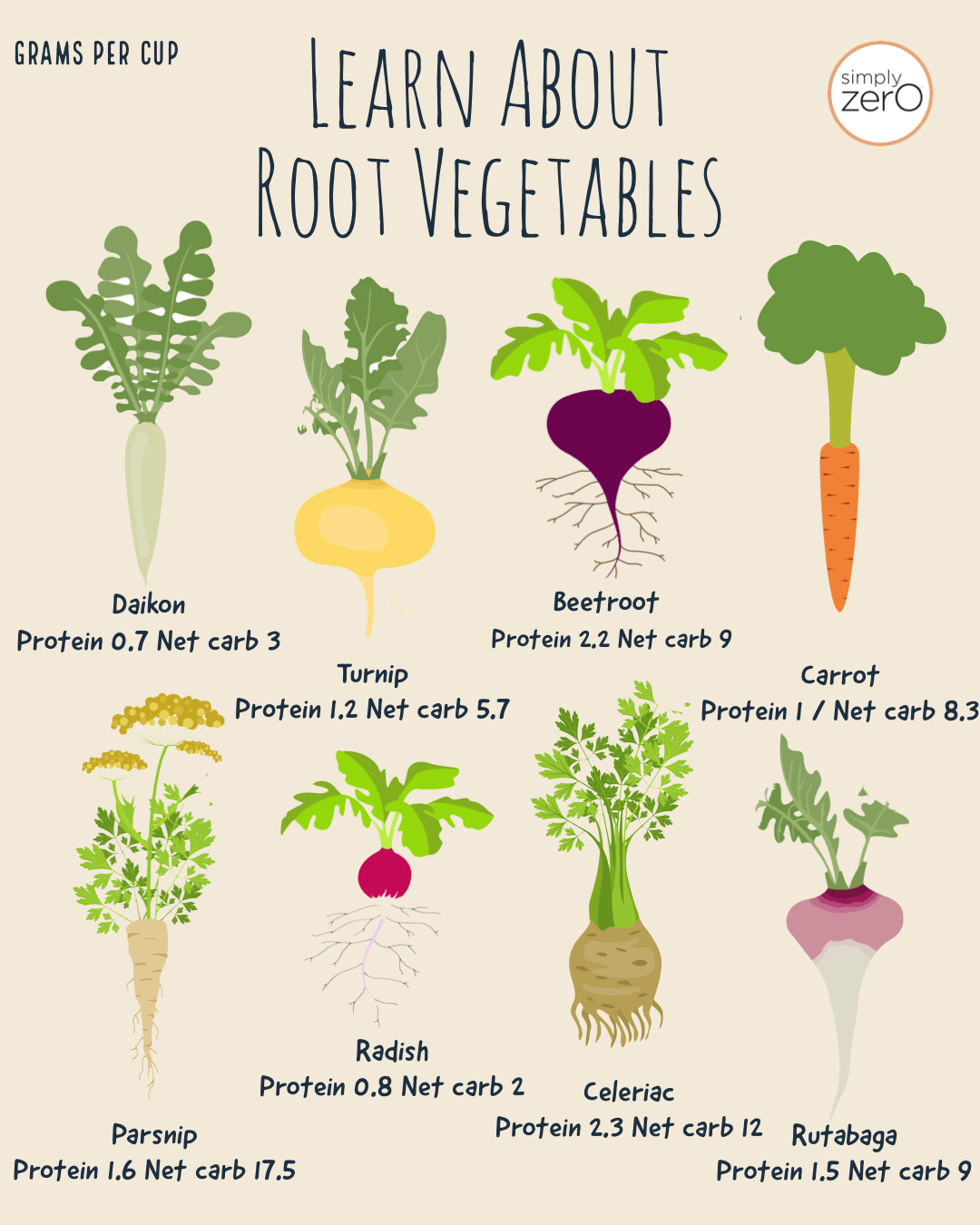
Our journey begins beneath the soil, where roots perform their silent, crucial work. Often dense and earthy, these subterranean treasures are more than just a source of carbohydrates; they are reservoirs of resilience.
Carrots: Beyond the iconic orange taproot, don't overlook the outer skin. While often peeled for aesthetic reasons, the skin and the layer just beneath it are particularly rich in beta-carotene (a precursor to Vitamin A) and other carotenoids. A good scrub is often all that's needed. Carrot tops, though slightly bitter, can be blended into pestos, added to stocks, or even lightly sautéed for a peppery kick, offering Vitamin K and chlorophyll.
Beets: The vibrant crimson root is celebrated for its betalains (powerful antioxidants and anti-inflammatory agents) and nitrates (which convert to nitric oxide, supporting cardiovascular health). But the often-discarded beet greens are a nutritional powerhouse in their own right, boasting more iron, Vitamin C, and Vitamin K than the root itself, along with a host of other antioxidants. Treat them like spinach or chard – sautéed, steamed, or even added to smoothies.
Radishes: These peppery globes offer a satisfying crunch and a dose of Vitamin C. But their leafy green tops are edible and surprisingly delicious. With a slightly pungent, peppery flavor similar to arugula, radish greens are excellent in salads, stir-fries, or blended into a vibrant pesto. They provide a significant amount of Vitamin C, K, and folate.
Potatoes & Sweet Potatoes: The skins of both are often discarded, yet they contain a significant portion of their fiber, B vitamins, and potassium. For potatoes, a well-scrubbed skin is perfectly edible and adds texture. Sweet potato skins, especially when roasted, become deliciously crispy and are packed with even more fiber and antioxidants than the flesh.
Fennel: While typically thought of as a bulb, fennel is botanically a root vegetable. The feathery fronds, often clipped and discarded, have a delicate anise flavor and are perfect as a garnish, finely chopped into salads, or infused into oils. They carry a lighter concentration of the same beneficial compounds found in the bulb, including anethole, which has anti-inflammatory properties.
Turnips & Rutabagas: Like beets, the greens of these cruciferous root vegetables are highly nutritious. Turnip greens, in particular, are a Southern culinary staple, braised until tender and bursting with Vitamins A, C, and K, as well as calcium and folate.
Culinary Alchemy for Roots: Roasting whole root vegetables (with skins on) enhances their natural sweetness and nutrient absorption. Pureeing roots into soups or dips ensures no part is lost. Fermenting root vegetables (like carrots or beets) not only preserves them but also increases the bioavailability of certain nutrients and introduces beneficial probiotics.
The Structural Backbone: The Stems and Stalks
As we ascend from the grounding roots, we encounter the stems and stalks – often viewed as mere conduits, yet brimming with unique textures and compounds. These are the unsung heroes of fiber, providing crucial bulk for digestive health and often containing specific phytonutrients developed for plant structure and defense.
Broccoli Stalks: The thick, fibrous stalk of broccoli is often discarded, yet it’s as nutritious as the florets. It's packed with fiber, Vitamin C, and the powerful anti-cancer compounds known as glucosinolates (like sulforaphane, which is abundant in brassicas). Peel the tougher outer layer, then slice it thin for stir-fries, grate it into slaws, or roast it alongside the florets. Its slightly sweeter, milder flavor is a delightful surprise.
Cauliflower Cores & Stems: Similar to broccoli, the core and inner stems of cauliflower are perfectly edible and contain the same beneficial nutrients. Don't waste them! Chop them finely and add them to rice, roast them with the florets, or blend them into creamy soups to add thickness and nutrition.
Kale & Chard Stems: While the leaves are celebrated, the stems of these leafy greens are often tough and discarded. However, they are rich in fiber and contain a significant portion of the same vitamins and minerals as the leaves. Instead of discarding, finely chop and sauté them first before adding the leaves. They can also be pickled, added to stocks, or even juiced for a potent nutrient boost. The vibrant colors of chard stems (red, yellow, orange) also indicate the presence of different antioxidants, making them visually and nutritionally appealing.
Asparagus Ends: While the very woody ends should be snapped off, don't discard them entirely. They make an excellent addition to vegetable stocks, imparting a subtle, savory flavor.
Fennel Stalks: The green stalks extending from the fennel bulb, though tougher than the fronds, can be used. They are fantastic in stocks, added to braises, or even thinly sliced and marinated for an intensely flavored, crunchy side.
Culinary Alchemy for Stems: Shaving stems (like broccoli or cauliflower) into thin ribbons or grating them makes them more palatable in raw salads or slaws. Pickling them adds a tangy crunch and extends their shelf life. Incorporating them into pureed soups or smoothies is a stealthy way to boost fiber and nutrient intake.
The Photosynthetic Powerhouses: The Leaves
Leaves are the plant's energy factories, harnessing sunlight to create life. It's no surprise, then, that they are often the most nutrient-dense parts, brimming with chlorophyll, vitamins, minerals, and a vast array of protective antioxidants. While we readily consume spinach and kale, many other leaves often go overlooked.
Beet Greens & Radish Greens: As mentioned, these are incredibly nutritious and should never be discarded. Their slight bitterness is a sign of beneficial phytonutrients.
Carrot Tops: While their flavor is more assertive, carrot tops can be finely chopped and used in pestos or chimichurris, adding a fresh, herbaceous note. They are rich in Vitamin K.
Celery Leaves: The delicate, often overlooked leaves of celery are packed with more Vitamin C, calcium, and potassium than the stalks themselves. Use them as a garnish, chop them into salads, or add them to soups for an extra layer of flavor and nutrition.
Broccoli & Cauliflower Leaves: These large, often tough leaves surrounding the florets are surprisingly edible and nutritious. Treat them like kale or collard greens: remove the tough central rib, chop them, and sauté, steam, or roast them. They are rich in Vitamins A, C, and K, as well as fiber and glucosinolates.
Kohlrabi Leaves: The greens of kohlrabi are similar to collard greens or kale, offering a wealth of vitamins and minerals. They can be cooked in the same ways, adding a slightly milder, sweeter flavor profile.
Turnip Greens & Collard Greens: These are classic examples of utilizing the full plant. Often braised for extended periods, they become tender and intensely flavorful, offering massive doses of Vitamins A, C, and K, calcium, and folate.
Culinary Alchemy for Leaves: Blending leaves into smoothies is an easy way to consume a large volume of nutrients. Sautéing them gently helps break down tough fibers while preserving heat-sensitive vitamins. Drying leafy greens can create nutrient-dense powders to add to soups or stews. Making pestos from various greens (carrot tops, radish greens, beet greens) is a fantastic way to preserve their freshness and flavor.
Beyond the Parts: Cultivating and Preparing for Peak Nutrition
Maximizing vegetable nutrition isn't just about consuming every part; it's about understanding the entire lifecycle of the plant and how our choices impact its inherent nutritional value and our body's ability to absorb it.
1. The Foundation: Soil Health and Growing Practices
The journey to peak nutrition begins long before the plant reaches your kitchen. The quality of the soil dictates the nutrient density of the vegetable.
- Organic vs. Conventional: Organic farming practices, which prioritize soil health through composting, crop rotation, and avoiding synthetic pesticides and fertilizers, tend to yield vegetables with higher concentrations of certain phytonutrients. Plants grown in healthy, biodiverse soil often develop more robust defense mechanisms, leading to a richer array of protective compounds.
- Heirloom Varieties: Many modern commercial varieties are bred for yield, shelf-life, and uniform appearance, sometimes at the expense of nutrient density. Heirloom and open-pollinated varieties often retain a more diverse genetic profile, leading to a wider spectrum of flavors and phytonutrients. Seek out local farmers who prioritize these varieties.
- Freshness is King: Nutrients begin to degrade the moment a vegetable is harvested. The closer you are to the source (garden, farmer's market), the higher the nutrient content. "Farm to table" isn't just a trend; it's a nutritional imperative.
2. Storage: Preserving Potency
Even the freshest vegetable can lose its vitality if improperly stored.
- Refrigeration: Most vegetables thrive in cool, humid environments. Store leafy greens in airtight containers with a damp cloth to maintain moisture. Root vegetables prefer cool, dark, and dry conditions.
- Blanching and Freezing: For longer storage of greens and other vegetables, blanching (briefly boiling, then shocking in ice water) deactivates enzymes that cause nutrient degradation, then freezing locks in nutrients.
- Darkness: Light can degrade certain vitamins (like Vitamin C and riboflavin). Store light-sensitive vegetables in opaque containers or dark areas.
3. The Art of Preparation: Unlocking Bioavailability
This is where true culinary alchemy happens. How we prepare our vegetables can dramatically impact how many nutrients our bodies can absorb.
- Raw vs. Cooked: A Nuanced Dance: There’s no single answer.
- Raw Advantages: Preserves heat-sensitive vitamins (Vitamin C, some B vitamins) and enzymes.
- Cooked Advantages: Heat can break down tough cell walls, making certain nutrients (like lycopene in tomatoes, beta-carotene in carrots, or iron in spinach) more bioavailable. Cooking can also reduce anti-nutrients (like oxalates in spinach and chard, which can inhibit mineral absorption).
- The Solution: A balance is key. Enjoy a variety of raw and cooked vegetables. For example, lightly steaming broccoli retains most of its sulforaphane, while over-boiling can leach it out.
- Fat for Absorption: Many crucial vitamins (A, D, E, K) are fat-soluble. Consuming vegetables rich in these vitamins with a healthy fat source (e.g., olive oil, avocado, nuts, seeds) significantly enhances their absorption. Think a drizzle of olive oil on your salad or roasting carrots with a touch of butter.
- Cutting and Chopping: For some vegetables, like garlic and cruciferous vegetables (broccoli, kale), cutting or chopping activates enzymes that create beneficial compounds (allicin in garlic, sulforaphane in brassicas). Let them sit for 5-10 minutes after chopping before cooking to maximize this effect.
- Fermentation: The ancient art of fermentation transforms vegetables. The beneficial bacteria not only preserve the food but can also break down complex compounds, making nutrients more bioavailable, and introduce probiotics that support gut health. Sauerkraut, kimchi, and fermented carrots are excellent examples.
- Minimize Water-Based Cooking: Boiling vegetables can leach water-soluble vitamins (B and C) and minerals into the cooking water. Steaming, stir-frying, and roasting are generally better methods for nutrient retention. If you do boil, consider using the nutrient-rich cooking water as a base for soups or sauces.
- Synergy in the Kitchen: Combining different vegetables and food groups can create powerful synergistic effects. Vitamin C enhances iron absorption from plant sources. Quercetin (found in onions, apples) can boost the activity of resveratrol (grapes, berries). Think holistically about your plate.
The Holistic Kitchen: A Philosophy of Wholeness
Embracing the "root to leaf" philosophy extends beyond mere consumption; it's a mindset. It's about reducing food waste, fostering creativity in the kitchen, and deepening our connection to the food we eat and the planet that provides it.
- Minimizing Waste: Every discarded stem, every forgotten green, represents lost nutrition and wasted resources. By integrating these parts into our cooking, we honor the plant and reduce our environmental footprint.
- Creative Culinary Exploration: This approach forces us to think outside the box. How can I transform tough kale stems into something delicious? What can I do with carrot tops? It turns cooking into an adventure, expanding our palate and our repertoire.
- Reconnecting with Nature: Understanding the journey from root to leaf allows us to appreciate the incredible complexity and generosity of the plant kingdom. It fosters a sense of gratitude and a deeper understanding of our place within the natural world.
The Unfolding Story: A Call to Action
Our bodies are complex ecosystems, and vegetables are the architects of their health. By embracing the full, unfolding story of each plant – from its grounding root to its sky-reaching leaf – we move beyond simple sustenance. We cultivate resilience, enhance vitality, and participate in a profound act of respect for nature's wisdom.
This isn't about rigid rules or dietary fads; it's about informed choices, thoughtful preparation, and a commitment to unlocking the complete nutritional symphony that vegetables offer. It’s about understanding that the outer peel of a potato, the fibrous stem of a broccoli, or the feathery fronds of a carrot all play a vital role in our well-being.
So, the next time you hold a vegetable in your hand, pause. Look beyond the familiar. See the entirety of its being, its complete nutritional narrative waiting to be told on your plate. From root to leaf, a universe of untapped health awaits your discovery. Let this guide be your companion as you embark on a delicious, nourishing, and deeply fulfilling journey of wholeness.


