The Ultimate Vegetable Nutrient Guide: From Kale to Carrots and Everything In Between
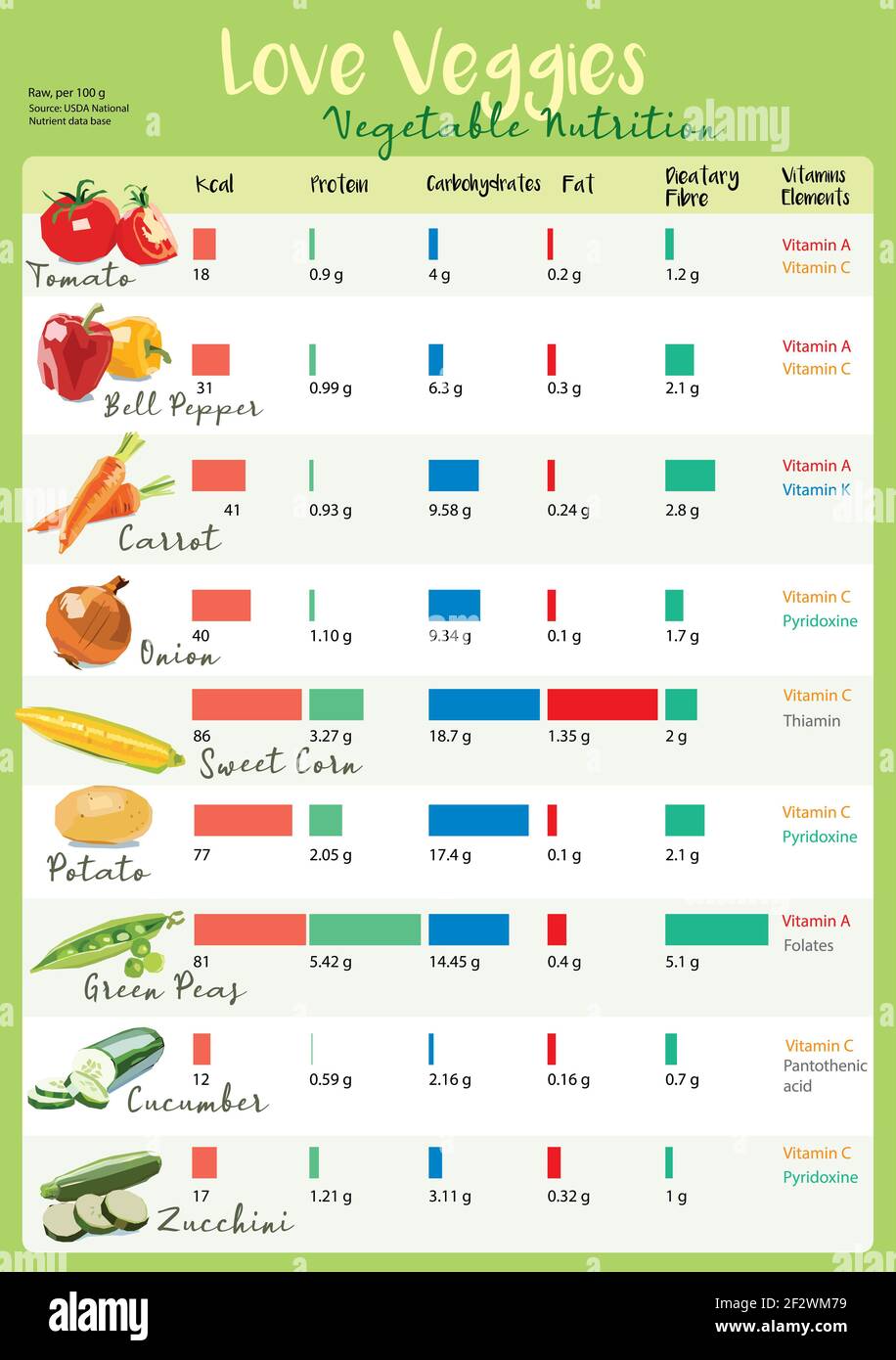
In the vast and vibrant tapestry of the natural world, few elements hold as much power over human health and well-being as the humble vegetable. Far from being mere side dishes, these edible marvels are nature's pharmacopoeia, packed with an astonishing array of vitamins, minerals, fiber, and an intricate symphony of phytonutrients that work in concert to protect, nourish, and revitalize every cell in our bodies. For the discerning individual seeking to optimize their health and deepen their understanding, this guide embarks on a comprehensive journey through the verdant landscape of vegetables, unraveling their profound nutritional secrets, from the ubiquitous kale to the vibrant carrot, and every essential green, root, and crucifer in between.
Our intent here is not merely to list nutrients, but to tell a story – the incredible narrative of how these botanical powerhouses interact with our physiology, bolstering our defenses, enhancing our vitality, and setting the stage for a life of robust health. We delve beyond the surface, exploring the "why" behind their benefits, the intricate mechanisms through which they operate, and the wisdom required to unlock their full potential.
The Foundational Pillars: More Than Just Vitamins
Before we embark on our detailed tour of specific vegetable categories, it's crucial to understand the fundamental principles that elevate vegetables to their supreme status in nutrition. Their power lies not just in isolated vitamins or minerals, but in a synergistic complex of bioactive compounds:
-
Dietary Fiber: Often overlooked, fiber is the unsung hero of digestive health and beyond. Vegetables offer both soluble and insoluble fiber.
- Insoluble Fiber: Acts as a bulking agent, aiding in regular bowel movements and preventing constipation. It's the structural component that gives vegetables their crunch.
- Soluble Fiber: Dissolves in water to form a gel-like substance, which can help lower cholesterol, stabilize blood sugar levels, and provide a feeling of satiety. More importantly, it acts as a prebiotic, feeding the beneficial bacteria in our gut microbiome – a critical nexus for immune function, mood regulation, and nutrient absorption.
-
Phytonutrients (Phytochemicals): These are the true stars of the show – thousands of plant compounds responsible for the vibrant colors, unique aromas, and protective properties of vegetables. They are not essential for human survival in the same way vitamins are, but they are absolutely essential for optimal health, acting as:
- Antioxidants: Neutralizing harmful free radicals that contribute to cellular damage, aging, and chronic diseases.
- Anti-inflammatory Agents: Modulating inflammatory pathways in the body, which are implicated in nearly every chronic illness.
- Immune Boosters: Enhancing the body's natural defense mechanisms.
- Detoxification Support: Activating enzymes that help eliminate toxins and carcinogens.
- Cell Regulators: Influencing gene expression and cell communication in ways that promote health and prevent disease.
-
Vitamins and Minerals: While phytonutrients steal the spotlight for their complexity, the foundational vitamins and minerals remain indispensable. Vegetables are primary sources of:
- Vitamin C: A potent antioxidant, crucial for immune function, collagen synthesis, and skin health.
- Vitamin K: Essential for blood clotting and bone health.
- Folate (Vitamin B9): Vital for cell division, DNA synthesis, and preventing neural tube defects.
- Potassium: Critical for blood pressure regulation, nerve function, and muscle contractions.
- Magnesium: Involved in over 300 enzymatic reactions, crucial for muscle and nerve function, blood glucose control, and bone health.
- Iron (non-heme): Important for oxygen transport, though its absorption is enhanced by Vitamin C.
-
Water Content: Most vegetables are composed of 80-95% water, contributing significantly to hydration and helping to fill you up with minimal calories.
The Grand Tour: A Deep Dive into Vegetable Categories
Now, let us embark on our categorical exploration, understanding the unique contributions of each family to our holistic well-being.
1. The Leafy Greens: Nature's Multivitamin Powerhouses
This category encompasses a vast array of vibrant leaves, from the robust kale to the tender spinach, the peppery arugula, and the crisp romaine. They are arguably the most nutrient-dense foods on the planet, calorie for calorie.
-
Key Nutrients:
- Vitamin K: Abundant in all leafy greens, crucial for bone mineralization and blood coagulation.
- Vitamin A (as Beta-Carotene): Essential for vision, immune function, and skin health.
- Vitamin C: A powerful antioxidant, supports immunity and collagen production.
- Folate: Vital for DNA synthesis and cell division.
- Lutein and Zeaxanthin: Carotenoids concentrated in the macula of the eye, protecting against age-related macular degeneration and cataracts.
- Magnesium and Potassium: Electrolytes critical for nerve, muscle, and cardiovascular health.
- Chlorophyll: The pigment that gives greens their color, an excellent detoxifier and blood builder.
-
Health Benefits:
- Eye Health: Lutein and zeaxanthin are unparalleled for protecting vision.
- Bone Health: High Vitamin K content supports strong bones.
- Cardiovascular Health: Folate helps reduce homocysteine levels, a risk factor for heart disease; potassium helps regulate blood pressure.
- Anti-inflammatory & Antioxidant: The rich array of phytonutrients combats oxidative stress and chronic inflammation.
- Detoxification: Chlorophyll and other compounds support liver function.
-
Prime Examples:
- Kale: Often hailed as the "king of greens," kale is packed with Vitamins A, C, and K, as well as glucosinolates (more on these later) that support detoxification.
- Spinach: A fantastic source of iron (non-heme), folate, Vitamin K, and antioxidants like alpha-lipoic acid.
- Swiss Chard: Boasts a rainbow of stems and a rich supply of vitamins A, K, and C, along with phytonutrients like betalains.
-
Tips for Inclusion: Add to smoothies, sauté with garlic, wilt into soups and stews, or use as a base for salads.
2. The Cruciferous Crusaders: Sulforaphane Superstars
This family includes broccoli, cauliflower, cabbage, Brussels sprouts, bok choy, and watercress. Their distinctive pungent aroma comes from unique sulfur-containing compounds that are profoundly beneficial.
-
Key Nutrients:
- Glucosinolates: These are the signature compounds. When the plant cells are damaged (e.g., by chewing or chopping), glucosinolates are converted into isothiocyanates, such as sulforaphane and indole-3-carbinol (I3C).
- Vitamin C and K: High levels, similar to leafy greens.
- Fiber: Excellent sources of both soluble and insoluble fiber.
- Folate and Manganese: Important for energy metabolism and bone health.
-
Health Benefits:
- Cancer Prevention: Sulforaphane and I3C are extensively studied for their anti-cancer properties, particularly in activating detoxification enzymes (Phase II detoxification), inhibiting cancer cell growth, and promoting apoptosis (programmed cell death).
- Anti-inflammatory: Glucosinolate derivatives possess powerful anti-inflammatory effects.
- Cardiovascular Health: Can help reduce arterial stiffness and improve blood vessel function.
- Gut Health: Fiber feeds beneficial gut bacteria.
-
Prime Examples:
- Broccoli: The poster child for cruciferous vegetables, rich in sulforaphane, Vitamin C, and K.
- Brussels Sprouts: Tiny powerhouses, delivering similar benefits to broccoli but often with a more concentrated flavor.
- Cabbage: Economical and versatile, a great source of Vitamin C and K, and excellent for gut health when fermented (sauerkraut, kimchi).
-
Tips for Inclusion: Steaming, roasting, or lightly stir-frying are excellent ways to preserve their nutrients. Chewing raw or lightly cooked cruciferous vegetables maximizes the conversion of glucosinolates to isothiocyanates.
3. The Earth's Jewels: Root Vegetables
Carrots, beets, sweet potatoes, parsnips, and turnips represent the grounding energy of the earth, storing a wealth of nutrients in their subterranean depths.
-
Key Nutrients:
- Beta-Carotene (Vitamin A precursor): Particularly high in carrots and sweet potatoes, crucial for vision, immune function, and skin.
- Anthocyanins: In purple varieties like purple carrots and beets, powerful antioxidants with anti-inflammatory properties.
- Betalains: Unique to beets, these pigments are potent antioxidants and anti-inflammatory compounds, supporting liver detoxification.
- Fiber: Excellent sources of both soluble and insoluble fiber, promoting satiety and digestive health.
- Potassium and Manganese: Essential minerals for various bodily functions.
- Complex Carbohydrates: Provide sustained energy.
-
Health Benefits:
- Vision Health: Beta-carotene is converted to Vitamin A, vital for healthy eyesight.
- Cardiovascular Support: Beets, through their nitrate content, can convert to nitric oxide in the body, which helps relax blood vessels and lower blood pressure.
- Liver Detoxification: Betalains in beets support Phase II detoxification pathways.
- Antioxidant Power: The vibrant colors indicate a rich supply of free-radical fighting compounds.
- Sustained Energy: Complex carbs provide steady glucose release.
-
Prime Examples:
- Carrots: The quintessential source of beta-carotene, also high in fiber and Vitamin K.
- Beets: Known for their betalains, nitrates, and folate, fantastic for cardiovascular health and detoxification.
- Sweet Potatoes: A nutritional powerhouse, rich in beta-carotene, Vitamin C, manganese, and fiber, offering a lower glycemic index than white potatoes.
-
Tips for Inclusion: Enjoy raw in salads, roasted for a sweet and earthy flavor, mashed, or added to stews.
4. The Pungent Protectors: Alliums
Garlic, onions, leeks, chives, and shallots are more than just flavor enhancers; they are potent medicinal foods, revered across cultures for their health benefits.
-
Key Nutrients:
- Organosulfur Compounds: The characteristic pungent compounds like allicin (in garlic) and quercetin (in onions) are formed when the plant cells are crushed or chopped. These are the primary bioactive agents.
- Vitamin C, B6, and Manganese: Contribute to overall health.
- Prebiotic Fiber: Fructans in onions and garlic feed beneficial gut bacteria.
-
Health Benefits:
- Cardiovascular Health: Allicin and quercetin can help lower blood pressure, reduce cholesterol, and prevent blood clot formation.
- Immune System Support: Potent antimicrobial, antiviral, and antifungal properties. Regular consumption can reduce the frequency and severity of colds and flu.
- Anti-cancer Properties: Organosulfur compounds have been shown to inhibit cancer cell growth and support detoxification pathways.
- Anti-inflammatory & Antioxidant: Quercetin, in particular, is a powerful antioxidant and anti-inflammatory flavonoid.
- Gut Health: Prebiotic fiber supports a healthy microbiome.
-
Prime Examples:
- Garlic: The superstar of alliums, renowned for its allicin content and potent immune-boosting and cardiovascular benefits.
- Onions: Rich in quercetin and other flavonoids, offering strong antioxidant and anti-inflammatory effects. Different colors (red, yellow) offer slightly different phytonutrient profiles.
-
Tips for Inclusion: Use liberally in almost all savory dishes. Crush or chop garlic and let it sit for a few minutes before cooking to maximize allicin formation.
5. The Versatile Vanguards: Nightshades
Tomatoes, bell peppers, eggplant, and potatoes (though potatoes are often consumed in a way that minimizes their benefits, they are still nutrient-dense) belong to the Solanaceae family. While some individuals report sensitivity, for most, these are valuable additions to the diet.
-
Key Nutrients:
- Lycopene: Found abundantly in tomatoes (especially cooked), a powerful carotenoid antioxidant linked to prostate and heart health.
- Capsaicin: In hot peppers, provides anti-inflammatory and pain-relieving effects, and can boost metabolism.
- Anthocyanins: In purple eggplant and some bell peppers, potent antioxidants.
- Vitamin C: Particularly high in bell peppers (especially red and yellow).
- Vitamin K and Potassium: Contributes to bone and cardiovascular health.
-
Health Benefits:
- Cancer Prevention: Lycopene is extensively studied for its protective effects against prostate, lung, and stomach cancers.
- Cardiovascular Health: Lycopene and other antioxidants protect against oxidative damage to cholesterol.
- Anti-inflammatory: Capsaicin and anthocyanins provide anti-inflammatory benefits.
- Immune Support: High Vitamin C content strengthens immunity.
-
Prime Examples:
- Tomatoes: Best known for lycopene, which becomes more bioavailable when cooked with a little fat. Also a good source of Vitamin C and potassium.
- Bell Peppers: Especially the red and yellow varieties, are exceptional sources of Vitamin C and various carotenoids, offering potent antioxidant benefits.
- Eggplant: Rich in nasunin (an anthocyanin) which acts as an antioxidant and may protect brain cell membranes.
-
Tips for Inclusion: Tomatoes shine in sauces, soups, and roasted dishes. Bell peppers are excellent raw in salads or stir-fried. Eggplant is delicious grilled, roasted, or in curries.
6. The Gourds of Goodness: Squashes
This category includes both summer squashes (zucchini, yellow squash) and winter squashes (butternut, acorn, pumpkin). They offer a diverse range of textures and nutrient profiles.
-
Key Nutrients:
- Beta-Carotene: Especially abundant in winter squashes, contributing to their vibrant orange hues.
- Vitamin C: Present in both types.
- Potassium and Magnesium: Important electrolytes.
- Fiber: Excellent source, promoting digestive health and satiety.
- Lutein and Zeaxanthin: Found in yellow and orange varieties, beneficial for eye health.
-
Health Benefits:
- Vision and Immunity: High beta-carotene content supports eye health and bolsters the immune system.
- Digestive Health: High fiber content aids regularity and feeds gut bacteria.
- Hydration: Summer squashes have very high water content.
- Cardiovascular Health: Potassium helps manage blood pressure.
-
Prime Examples:
- Butternut Squash: A winter favorite, rich in beta-carotene, Vitamin C, and fiber, with a naturally sweet flavor.
- Zucchini: A versatile summer squash, low in calories but a good source of Vitamin C, potassium, and antioxidants.
-
Tips for Inclusion: Winter squashes are excellent roasted, puréed into soups, or used in baked goods. Summer squashes can be grilled, sautéed, or spiralized into "noodles."
7. The Leguminous Leaders: Beans and Peas
While technically often classified separately from "vegetables" in botanical terms, nutritionally, legumes like green beans, peas, and lentils share many characteristics with vegetables and are crucial components of a healthy plant-rich diet.
-
Key Nutrients:
- Protein: A significant source of plant-based protein.
- Fiber: Exceptionally high in both soluble and insoluble fiber.
- Folate: Essential for cell growth and DNA synthesis.
- Iron (non-heme) and Magnesium: Important minerals.
- Manganese, Zinc, and Copper: Trace minerals vital for enzymatic functions.
-
Health Benefits:
- Satiety and Weight Management: High fiber and protein content promote fullness.
- Blood Sugar Control: Soluble fiber helps stabilize glucose levels.
- Heart Health: Can help lower cholesterol and blood pressure.
- Gut Health: Fiber acts as a prebiotic, fostering a healthy microbiome.
- Energy Production: Rich in B vitamins and minerals essential for metabolism.
-
Prime Examples:
- Green Beans: A versatile vegetable, good source of Vitamin K, C, and A, as well as fiber.
- Green Peas: Sweet and nutritious, offering protein, fiber, and a good range of vitamins (K, C, A, folate).
- Lentils/Chickpeas: While more often classified as pulses, their nutritional overlap with green vegetables is significant, offering dense protein, fiber, and minerals.
-
Tips for Inclusion: Steam green beans, add peas to stir-fries, and incorporate lentils and chickpeas into soups, stews, and salads.
Beyond the Raw: Maximizing Nutrient Bioavailability
Understanding the nutrients is one thing; ensuring your body can actually use them is another. Preparation methods significantly impact nutrient bioavailability.
-
Cooking Methods:
- Light Steaming: Often considered the best method for preserving water-soluble vitamins (C and B vitamins) and many phytonutrients, especially in cruciferous vegetables (to retain glucosinolates).
- Roasting/Grilling: High heat can cause some nutrient loss, but it can also enhance the bioavailability of certain compounds, like lycopene in tomatoes, by breaking down cell walls. It also develops delicious flavors.
- Stir-frying: Quick cooking at high heat with minimal water can preserve nutrients, especially if done rapidly with healthy fats.
- Raw: Preserves all heat-sensitive nutrients (e.g., Vitamin C in bell peppers) and enzymes. However, some nutrients (like beta-carotene in carrots or lycopene in tomatoes) are more bioavailable when lightly cooked. A balance of raw and cooked is ideal.
-
Pairing with Fats: Many essential vitamins (A, D, E, K) and carotenoids (beta-carotene, lycopene, lutein) are fat-soluble. Consuming vegetables rich in these compounds with a healthy fat source (e.g., olive oil dressing, avocado, nuts, seeds) significantly enhances their absorption.
-
Chopping and Chewing: The physical act of chopping or chewing breaks down plant cell walls, releasing enzymes that can convert inactive compounds into their active, beneficial forms (e.g., glucosinolates to isothiocyanates in cruciferous vegetables, alliin to allicin in garlic). Letting chopped garlic sit for 10 minutes before cooking is a classic example.
-
Fermentation: Fermenting vegetables (e.g., cabbage into sauerkraut or kimchi) not only preserves them but also enhances their nutritional value. The fermentation process creates beneficial probiotics, increases the bioavailability of certain vitamins, and can even reduce anti-nutrients.
The Art of Integration: Weaving Vegetables into Daily Life
The true "ultimate guide" extends beyond knowledge to practical application. How do we effortlessly weave this cornucopia of nutrients into our daily lives?
- Eat the Rainbow: Aim for a diverse palette of colors daily. Each color signifies a different array of phytonutrients, ensuring you get a broad spectrum of benefits.
- Seasonality and Local Sourcing: Opting for seasonal and locally grown vegetables often means fresher produce with higher nutrient content and superior flavor.
- Variety is Key: Don't get stuck in a rut. Rotate your vegetable choices weekly to ensure a wide range of nutrients and to keep your palate engaged.
- Make Them the Star: Instead of treating vegetables as an afterthought, build meals around them. Think vegetable-centric curries, hearty salads, loaded stir-fries, or roasted vegetable platters.
- Sneak Them In: Add puréed vegetables to sauces, soups, and smoothies. Grate zucchini into muffins or finely chop mushrooms into ground meat.
- Batch Cook: Prepare a large batch of roasted or steamed vegetables at the beginning of the week to easily add to meals.
- Snack Smart: Keep pre-cut carrots, celery sticks, bell pepper strips, or cucumber slices on hand for healthy snacking with hummus or other dips.
Conclusion: A Lifelong Journey of Discovery
The journey through the ultimate vegetable nutrient guide reveals not just a list of compounds, but a profound understanding of nature's intelligent design. From the robust detoxification capabilities of cruciferous vegetables to the vision-protecting carotenoids of roots, the immune-boosting power of alliums, and the comprehensive vitality offered by leafy greens, each vegetable plays a crucial, distinct role in our health narrative.
Embracing a vegetable-rich diet is not a fleeting trend but a fundamental commitment to longevity, vitality, and resilience. It is a daily act of self-care, a profound investment in our future selves, and a joyous exploration of flavor and nourishment. By understanding the intricate "why" behind their benefits and adopting mindful preparation techniques, we empower ourselves to unlock the full, incredible potential of these gifts from the earth. Let this guide be your companion as you continue to explore, savor, and thrive on the ultimate nutrient source: the humble, yet extraordinary, vegetable.


