Your Daily Dose of Veggies: A Practical Guide to Meeting Nutritional Goals
The Unsung Heroes of the Plate: A Narrative of Reconnection
We stand at a curious juncture in our relationship with food. In an era of unprecedented access to nutritional information, sophisticated dietary trends, and a dizzying array of supplements, the humble vegetable often remains an enigma, a culinary obligation rather than a source of genuine delight and profound health. For many, the daily encounter with greens is a fleeting one, a fleeting thought dismissed by the siren call of convenience or the perceived complexity of preparation. Yet, within the vibrant spectrum of nature's bounty lies a story of unparalleled power, a narrative of resilience, vitality, and cellular harmony waiting to be fully embraced.
This isn't merely an article about eating your vegetables; it's an invitation to embark on a journey of reconnection. It’s a call to re-evaluate our foundational understanding of these nutritional powerhouses and, crucially, to equip ourselves with the practical wisdom to weave them seamlessly, joyfully, and abundantly into the fabric of our daily lives. For the knowledgeable audience, those who understand the intricate dance of macronutrients and the critical role of micronutrients, this guide aims to transcend the rudimentary "eat more veggies" mantra. We will delve deeper, exploring the profound "why" behind their importance, deconstructing the "how much" for optimal health, and, most importantly, charting a comprehensive "how-to" path that transforms aspiration into sustainable habit. This is the story of reclaiming our plates, one vibrant, nutrient-dense bite at a time.
The Profound "Why": Beyond the Basic Benefits
For the informed individual, the benefits of vegetables extend far beyond the elementary understanding of "they're good for you." The true narrative of their impact unfolds at a cellular and systemic level, influencing virtually every physiological process. It's a symphony of nutrients working in concert, a testament to nature's unparalleled engineering.
The Micronutrient Matrix: A Spectrum of Life
Vegetables are not merely sources of calories; they are dense packages of micronutrients, the unsung architects of bodily function. We speak of vitamins (A, C, K, folate, B-complex), minerals (potassium, magnesium, calcium, iron, zinc), and fiber, but the story doesn't end there. The true magic lies in the thousands of phytonutrients – plant compounds like carotenoids, flavonoids, glucosinolates, and polyphenols – that act as potent antioxidants and anti-inflammatory agents, offering protection far beyond what isolated vitamins can provide. This synergistic effect, often referred to as food synergy, is a crucial concept for the knowledgeable. It explains why a handful of spinach provides a more holistic benefit than an equivalent dose of a multivitamin pill. The co-presence of various compounds enhances their individual actions, creating a protective cascade within the body.
The Gut-Brain Axis: A Microbial Metropolis
Perhaps one of the most compelling narratives in modern nutrition science centers around the gut microbiome, and vegetables are the primary protagonists. Their rich fiber content, both soluble and insoluble, acts as a prebiotic, feeding the beneficial bacteria in our colon. These bacteria, in turn, ferment the fiber, producing short-chain fatty acids (SCFAs) like butyrate, propionate, and acetate. Butyrate, in particular, is a hero, serving as a primary fuel source for colon cells, strengthening the gut barrier, reducing inflammation, and potentially influencing mood and cognitive function via the gut-brain axis. A diverse intake of vegetables ensures a diverse microbial community, which is increasingly linked to everything from immune resilience to mental well-being and chronic disease prevention. This isn't just about digestion; it's about fostering an internal ecosystem that dictates much of our overall health.
Taming the Flames: The Anti-Inflammatory Arsenal
Chronic, low-grade inflammation is now recognized as a root cause of most modern chronic diseases, including heart disease, type 2 diabetes, certain cancers, and neurodegenerative conditions. Vegetables, with their abundance of antioxidants and phytonutrients, are formidable anti-inflammatory agents. They scavenge free radicals, neutralize oxidative stress, and modulate inflammatory pathways, essentially acting as the body's internal firefighters. Flavonoids found in berries and leafy greens, sulforaphane in cruciferous vegetables, and carotenoids in orange and red produce all contribute to this systemic calming effect, creating an internal environment conducive to healing and optimal function rather than constant cellular distress.
Blood Sugar Mastery and Metabolic Harmony
The fiber in vegetables plays a pivotal role in blood sugar regulation. Soluble fiber slows the absorption of glucose into the bloodstream, preventing sharp spikes and crashes. This contributes to improved insulin sensitivity, a cornerstone of metabolic health. For those managing or preventing type 2 diabetes, or simply seeking stable energy levels, prioritizing vegetables is non-negotiable. Furthermore, their low caloric density coupled with high nutrient content means they promote satiety without excessive calorie intake, making them invaluable allies in weight management. They allow us to feel full and nourished, addressing genuine hunger rather than simply filling a void.
Cardiovascular Fortification: A Heartfelt Connection
The connection between vegetable intake and cardiovascular health is robust. Potassium-rich vegetables (like spinach, sweet potatoes, and avocados) help to counteract the effects of sodium, contributing to healthy blood pressure levels. The soluble fiber aids in reducing LDL ("bad") cholesterol, while antioxidants protect against oxidative damage to blood vessels, improving endothelial function. Beyond these, specific compounds like nitrates in leafy greens can be converted to nitric oxide, promoting vasodilation and improved blood flow. It’s a multi-pronged approach to keeping the heart and circulatory system robust.
Cognitive Clarity and Neural Protection
The brain, a highly metabolically active organ, is particularly susceptible to oxidative stress and inflammation. The antioxidants and anti-inflammatory compounds found in vegetables, particularly dark leafy greens and colorful berries, are crucial for supporting cognitive function and potentially delaying age-related cognitive decline. Nutrients like folate (important for neurotransmitter synthesis) and vitamin K (linked to improved memory) further underscore their brain-protective qualities.
Immune System Guardians: Building Internal Defenses
A robust immune system is our first line of defense against pathogens. Vegetables provide a wealth of immune-modulating nutrients, including Vitamin C (a powerful antioxidant that supports immune cell function), Vitamin A (critical for mucosal immunity and T-cell development), and various phytonutrients that enhance the activity of natural killer cells and other immune components. A well-fed gut microbiome, nurtured by vegetable fiber, also plays a crucial role in immune regulation, as a significant portion of our immune system resides in the gut.
The "How Much": Deconstructing Optimal Intake
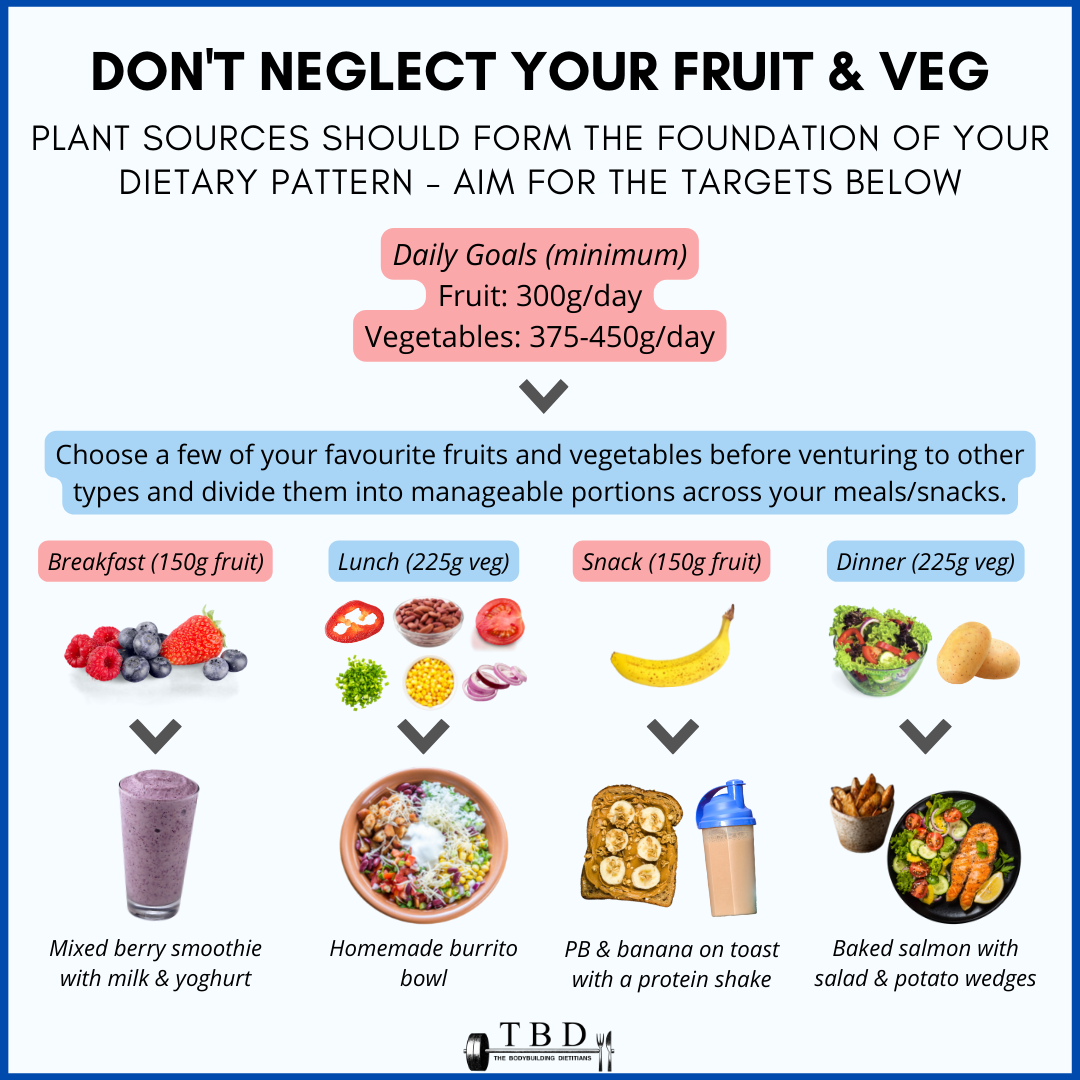
While the "why" is compelling, the "how much" often remains nebulous. Standard guidelines, such as those from the USDA's MyPlate, typically recommend 2 to 3 cups of vegetables per day for adults. However, for a knowledgeable individual aiming for optimal health, this is often considered a minimum rather than a target.
Beyond the Minimum: Aiming for Abundance
Many nutrition experts and functional medicine practitioners advocate for significantly higher intake, often suggesting 5 to 9 servings (which can translate to 4-6 cups or more) daily, spread across a diverse range of types. Some even push for 10+ servings, citing epidemiological studies that show a linear reduction in disease risk with increasing vegetable consumption up to a certain point. The concept here is optimal intake, moving beyond merely avoiding deficiency to actively promoting thriving.
The "Rainbow" Principle: A Symphony of Colors and Nutrients
The most crucial aspect of "how much" isn't just quantity, but variety. Each color group in the plant kingdom signifies a unique profile of phytonutrients, vitamins, and minerals. Eating a "rainbow" ensures a broad spectrum of protective compounds:
- Green (Dark Leafy Greens & Cruciferous): Spinach, kale, collards, broccoli, Brussels sprouts, cabbage. Rich in Vitamin K, folate, lutein, zeaxanthin, sulforaphane (cruciferous).
- Red: Tomatoes, red bell peppers, beets, radishes. High in lycopene (tomatoes), anthocyanins (beets), Vitamin C.
- Orange/Yellow: Carrots, sweet potatoes, butternut squash, yellow bell peppers. Packed with beta-carotene, Vitamin C.
- Blue/Purple: Eggplant, purple cabbage, purple sweet potatoes. Rich in anthocyanins, powerful antioxidants.
- White/Brown: Onions, garlic, mushrooms, cauliflower. Contain allicin (alliums), glucosinolates (cauliflower), beta-glucans (mushrooms).
By consciously diversifying your intake across these categories, you unlock a fuller, more comprehensive nutritional strategy. It’s about more than just adding quantity; it’s about enriching the quality and breadth of your nutrient intake.
Individualization: Tailoring Your Intake
While general guidelines provide a starting point, individual needs can vary. Factors influencing optimal intake include:
- Activity Level: More active individuals may have higher micronutrient demands.
- Age: Nutritional needs shift with age; older adults, for instance, may benefit from higher fiber intake.
- Health Status: Those managing chronic conditions (e.g., inflammatory bowel disease, diabetes, cardiovascular disease) may have specific dietary recommendations that emphasize certain vegetables or cooking methods.
- Specific Goals: Athletes aiming for peak performance, or individuals focused on gut healing, might prioritize different types and quantities of vegetables.
Listening to your body and consulting with a knowledgeable healthcare professional or registered dietitian can help fine-tune your approach, moving beyond generic advice to a truly personalized strategy.
The Practical Guide: Weaving Veggies into the Tapestry of Daily Life
The true challenge, and the heart of this narrative, lies not in understanding the "why," but in mastering the "how." For many, the aspiration to eat more vegetables clashes with the realities of busy schedules, culinary inertia, and the pervasive culture of convenience. This practical guide offers a framework for overcoming these hurdles, transforming vegetable consumption from a chore into an effortless, enjoyable, and deeply ingrained habit.
1. The Mindset Shift: From Duty to Delight
Before any knife hits a cutting board, a crucial mental shift must occur. Instead of viewing vegetables as an obligation or a dietary sacrifice, cultivate an appreciation for their sensory qualities: their vibrant colors, diverse textures, and nuanced flavors. Approach them with curiosity, seeing each new vegetable or preparation method as an adventure. This shift from "I should eat this" to "I get to enjoy this" is foundational to sustainable change. Embrace the philosophy that vegetables are not merely sides, but often the stars of the plate.
2. The Foundation: Planning and Preparation
The adage "fail to prepare, prepare to fail" holds particularly true for vegetable intake. Strategic planning and batch preparation are game-changers.
- Strategic Grocery Shopping:
- Make a List: Before you leave, identify the vegetables you need for the week's meals.
- Embrace Seasonality: Seasonal produce is often fresher, tastier, more nutrient-dense, and more affordable. Visit farmers' markets for inspiration.
- Don't Fear Frozen: Frozen vegetables are picked at their peak ripeness and flash-frozen, locking in nutrients. They are incredibly convenient and often more economical. Keep a variety on hand (spinach, broccoli, peas, mixed stir-fry blends).
- Stock Staples: Always have onions, garlic, carrots, and celery – the aromatic base for countless dishes.
- The Power of Prep Day (or Prep Hour):
- Wash and Chop: Dedicate an hour on a weekend or a free evening to wash and chop a significant portion of your week's vegetables. Store them in airtight containers in the fridge. This makes grabbing a healthy snack or adding them to a meal incredibly quick.
- Pre-Roast/Blanch: Roast a large tray of root vegetables (carrots, sweet potatoes, parsnips) or cruciferous vegetables (broccoli, cauliflower) at the beginning of the week. These can be easily reheated or added cold to salads, grain bowls, or wraps. Blanching green beans or asparagus quickly makes them ready to eat or add to dishes.
- Make a Big Salad Base: Wash and tear a large bowl of mixed greens. Keep dressing separate, but having the base ready encourages quick, healthy lunches.
3. Kitchen Techniques: Unlocking Flavor and Texture
The most common reason for vegetable aversion is often poor preparation. Learning a few simple, effective cooking techniques can transform even the most unloved vegetable into a culinary delight.
- Roasting (The Flavor Enhancer): High heat caramelizes natural sugars, creating a deeper, richer flavor. Toss vegetables (broccoli, cauliflower, Brussels sprouts, carrots, potatoes, bell peppers, asparagus, zucchini) with a healthy fat (olive oil, avocado oil), salt, pepper, and herbs/spices. Roast at 400-425°F (200-220°C) until tender and slightly browned.
- Sautéing/Stir-Frying (The Quick Fix): Perfect for leafy greens, mushrooms, bell peppers, and quick-cooking vegetables. Use a hot pan with a little oil, add aromatics (garlic, ginger, onion), then the vegetables. Cook until tender-crisp.
- Steaming (The Nutrient Preserver): A gentle method that retains nutrients and bright colors. Ideal for delicate vegetables like asparagus, green beans, or broccoli. Finish with a squeeze of lemon, a drizzle of olive oil, and a sprinkle of salt.
- Blanching: Briefly submerging vegetables in boiling water then plunging into ice water. This brightens color, preserves crispness, and can be a good pre-treatment for freezing or salads.
- Soups, Stews, and Curries (The Hidden Gem): These are fantastic vehicles for a multitude of vegetables. Puree cooked vegetables into creamy soups (e.g., cauliflower, broccoli, squash) or simmer them slowly in hearty stews and flavorful curries.
- Smoothies (The Nutrient Boost): While juicing removes fiber, smoothies blend the whole vegetable, retaining all its goodness. Spinach, kale, cucumber, and even cooked beets or carrots blend seamlessly into fruit smoothies, often undetected.
- Salads (Beyond the Basic): Elevate salads beyond just lettuce. Incorporate roasted vegetables, cooked grains (quinoa, farro), legumes, nuts, seeds, and diverse greens. Add fermented vegetables like sauerkraut or kimchi for a probiotic boost and tangy flavor.
- "Sneaky" Integration (Enhancing, Not Hiding): For the knowledgeable audience, this isn't about hiding vegetables from picky eaters, but about enhancing texture and nutrient density in familiar dishes. Grate carrots or zucchini into pasta sauces, meatloaf, or muffins. Add pureed cauliflower to mashed potatoes for creaminess and extra nutrients. Blend spinach into pesto.
4. Integrating into Specific Meals: A Day in the Life
The goal is to think of vegetables not as an afterthought, but as a central component of every meal.
- Breakfast:
- Omelets/Scrambles: Load them with spinach, mushrooms, bell peppers, onions, or leftover roasted vegetables.
- Smoothies: A handful of spinach or kale disappears effortlessly.
- Breakfast Bowls: Add sautéed greens to savory grain bowls (quinoa, farro) with an egg and avocado.
- Avocado Toast: Top with sliced radishes, cucumber, or sprouts.
- Lunch:
- Hearty Salads: Build a substantial salad with diverse greens, roasted vegetables, protein, and a vibrant dressing.
- Leftovers: Pack last night's veggie-rich dinner.
- Wraps/Pitas: Stuff with hummus, grated carrots, cucumbers, bell peppers, and leafy greens.
- Soup: A big bowl of vegetable-laden soup.
- Dinner:
- Sheet Pan Meals: Protein (chicken, fish, tofu) and a medley of chopped vegetables roasted together on one pan. Minimal cleanup, maximum flavor.
- Stir-Fries: A quick and easy way to use a variety of vegetables.
- Curries/Chilis: Build around vegetables like sweet potatoes, cauliflower, spinach, and bell peppers.
- Pasta/Grain Bowls: Load with sautéed greens, roasted broccoli, mushrooms, and cherry tomatoes.
- Double Your Sides: Instead of one small side, aim for two substantial vegetable sides.
- Snacks:
- Crudités: Carrot sticks, cucumber slices, bell pepper strips, celery, radishes with hummus or guacamole.
- Roasted Chickpeas: Crispy, savory, and a great source of fiber.
- Kale Chips: A surprisingly addictive, nutrient-dense snack.
- Edamame: Steamed and lightly salted, a perfect protein and fiber boost.
5. Overcoming Common Challenges: The Story of Persistence
The journey to consistent vegetable intake isn't without its obstacles. Recognizing and strategizing around them is key to long-term success.
- Time Constraints: This is where batch prep, frozen vegetables, and quick cooking methods (stir-frying, steaming) become invaluable. Prioritize meals that naturally incorporate many vegetables.
- Taste Preferences: Don't force yourself to eat vegetables you genuinely dislike. Experiment with different cooking methods, seasonings, and pairings. Roasting can make many vegetables more palatable. Try new varieties – the world of vegetables is vast!
- Cost: Buy in season. Utilize frozen options. Look for sales. Less common varieties (like certain sturdy greens or root vegetables) can often be more affordable than trendy options. Consider growing your own herbs or a small vegetable patch.
- Food Waste: Proper storage is crucial. Store greens in airtight containers with a paper towel. Root vegetables in a cool, dark place. Repurpose leftovers. Vegetable scraps (peels, ends) can be saved for homemade broth.
- Eating Out/Travel: Scan menus for vegetable-heavy options. Don't be afraid to ask for extra vegetables or to swap out less healthy sides. Pack healthy vegetable snacks for travel.
Beyond the Plate: Cultivating a Sustainable Relationship
The story of "Your Daily Dose of Veggies" extends beyond the physical act of eating. It’s about fostering a deeper, more mindful connection with our food and our bodies.
- Mindful Eating: Take time to savor your vegetables. Notice their textures, colors, and subtle flavors. This enhances enjoyment and encourages a more positive relationship with food.
- Gardening (Even Small Scale): If feasible, even a small herb garden or a few container vegetables can be incredibly rewarding. It connects you to the source of your food, often leading to a greater appreciation and increased consumption.
- Experimentation and Curiosity: Don't get stuck in a rut. Explore new vegetables at the grocery store or farmers' market. Try new recipes. The culinary world of vegetables is endlessly diverse and exciting.
- Listen to Your Body: Pay attention to how different vegetables make you feel. Do you feel more energetic, less bloated, more satiated? This feedback loop reinforces healthy choices.
- Consistency Over Perfection: There will be days when you fall short. That's okay. The goal is consistent effort and progress, not flawless execution. Every vegetable you eat is a step in the right direction. It's a lifestyle, not a temporary diet.
The Resolution: A Vibrant Future, One Bite at a Time
The narrative of our health is continually being written, and each choice we make contributes to its unfolding. By consciously and consistently prioritizing vegetables, we are not merely adhering to dietary guidelines; we are actively investing in our vitality, fortifying our cellular infrastructure, and nurturing an internal environment conducive to flourishing.
This journey, from understanding the profound "why" to mastering the practical "how," is one of empowerment. It's a story of reclaiming agency over our well-being, moving from passive consumption to active cultivation of health. The vibrant hues on our plates are not just colors; they are messengers of life, carriers of resilience, and silent promises of a more energetic, robust, and harmonious existence. Let us embrace these unsung heroes, elevate them from mere side dishes to central characters, and allow their story to become our own — a narrative of profound nourishment, enduring health, and a daily dose of vibrant living. The plate is ready, the bounty awaits, and the story of your renewed vitality begins now.


