Snack Smarter: Your Comprehensive Guide to Easy, Healthy, On-the-Go Fuel
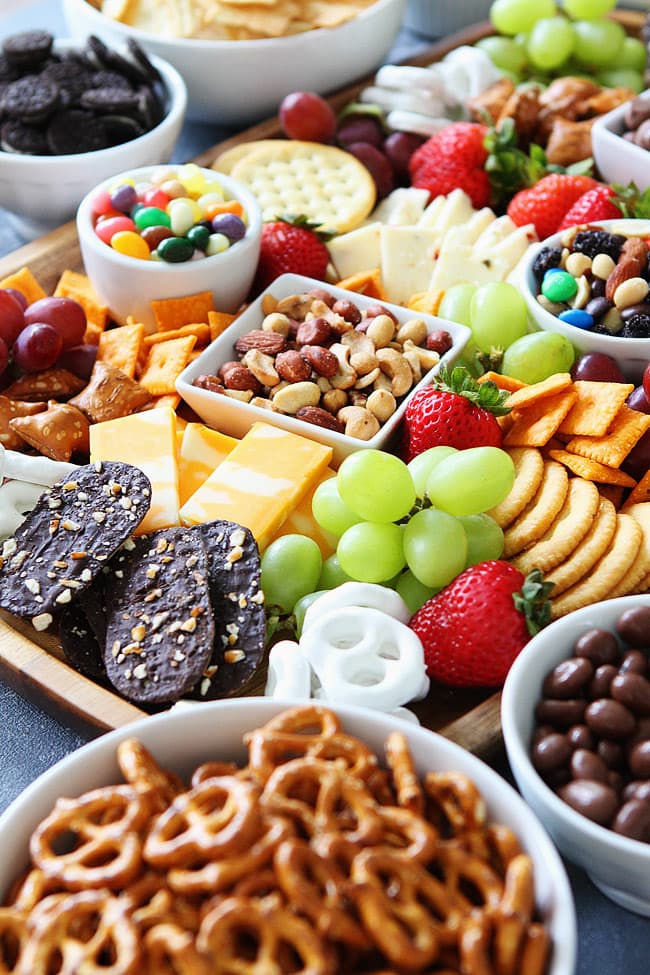
In the relentless rhythm of modern life, the concept of a leisurely, perfectly balanced meal often feels like a luxurious relic. We're rushing from meeting to gym, from school pick-up to evening commitments, constantly negotiating the demands of our schedules with the needs of our bodies. It’s in these interstitial moments – the mid-morning slump, the afternoon energy dip, the pre-dinner hunger pang – that the siren song of convenience food becomes almost irresistible. A sugary pastry, a bag of chips, a chocolate bar… they promise instant gratification, a quick fix for flagging energy and rumbling stomachs. But as many of us have learned the hard way, these quick fixes often lead to a deeper slump, a cycle of cravings, and a profound sense of nutritional regret.
This isn't just about willpower; it's about preparation, knowledge, and a fundamental shift in how we view our between-meal bites. Snacking, when done intelligently, isn't a dietary indulgence; it's a strategic pillar of sustained energy, balanced nutrition, and metabolic health. It’s about "Snack Smarter," transforming those vulnerable moments into opportunities to nourish your body, boost your focus, and keep you performing at your peak, no matter how chaotic your day becomes.
This article isn't just a list of ideas; it's an exploration of the why and the how behind intelligent snacking, crafted for the knowledgeable individual who understands that true wellness is a holistic journey. We'll delve into the science, the psychology, and the eminently practical strategies that will empower you to make smarter choices, easily and consistently, for a healthier, more energized you.
The Snacking Conundrum: Why We Struggle and Why It Matters
Before we dive into solutions, let's acknowledge the problem. Why is smart snacking so challenging?
The Modern Lifestyle: Our ancestors didn't snack on processed foods from vending machines. Their "snacks" were often seasonal fruits, nuts, or leftover protein from a previous hunt. Today, we live in an "always on" food environment, saturated with highly palatable, energy-dense, nutrient-poor options designed to hook us. Stress, long work hours, and the sheer volume of choices contribute to impulsive, often unhealthy, decisions.
Physiological Drivers: Our bodies are wired for survival. When blood sugar drops, or energy reserves dip, primal hunger signals kick in. If we haven't fueled adequately or strategically, the body craves the quickest form of energy: simple carbohydrates (sugar). This leads to the familiar rollercoaster of energy spikes and crashes, leaving us feeling fatigued and irritable. Consistent, strategic snacking helps to stabilize blood glucose, preventing these dramatic dips and maintaining a steady energy supply.
Psychological Traps: Snacking isn't always about physical hunger. Boredom, stress, anxiety, or even habit can trigger a desire to eat. The act of eating can provide comfort, a momentary distraction from an unpleasant task, or a reward after a long effort. Recognizing these psychological triggers is the first step toward consciously decoupling food from emotion and re-establishing it as fuel and nourishment.
The Impact of Poor Snacking: Regularly reaching for processed, sugary, or high-fat snacks can have significant repercussions:
- Energy Instability: The sugar crash, the mid-afternoon fog.
- Weight Management Challenges: Empty calories contribute to caloric surplus without providing satiety.
- Nutrient Deficiencies: Displacing nutrient-dense foods with empty ones.
- Mood Fluctuations: The link between blood sugar, gut health, and mood is increasingly clear.
- Metabolic Strain: Constant exposure to refined sugars and unhealthy fats can contribute to insulin resistance and chronic disease risk.
The Power of Smart Snacking: Conversely, intelligent snacking offers a wealth of benefits:
- Sustained Energy: Keeps blood sugar stable, preventing energy slumps.
- Nutrient Delivery: Provides essential vitamins, minerals, fiber, and macronutrients between meals.
- Enhanced Satiety: Reduces overall hunger, preventing overeating at main meals.
- Improved Focus and Mood: A well-nourished brain performs better; stable blood sugar supports emotional regulation.
- Metabolic Support: Can aid in managing weight, supporting gut health, and reducing inflammation.
Snacking smarter isn't about deprivation; it's about empowerment. It’s about leveraging small, strategic food choices to optimize your health, performance, and well-being throughout the day.
The Pillars of Smart Snacking: What Makes a Snack "Smart"?
A smart snack isn't just "healthy"; it's effective. It serves a purpose beyond mere calorie intake. It’s designed to provide sustained energy, quell hunger, and deliver a punch of essential nutrients. Here are the core principles:
Protein Powerhouse: Protein is king for satiety. It takes longer to digest than carbohydrates, keeping you feeling fuller for longer. It also helps stabilize blood sugar and supports muscle repair and growth. Aim for at least 5-10 grams of protein per snack.
- Examples: Greek yogurt, cottage cheese, hard-boiled eggs, nuts, seeds, lean jerky, edamame.
Fiber-Rich Fuel: Fiber, particularly soluble fiber, slows down digestion and the absorption of glucose, preventing rapid blood sugar spikes. It also promotes gut health and contributes significantly to satiety.
- Examples: Fruits (berries, apples, pears), vegetables (carrots, bell peppers, celery), whole grains, legumes, nuts, seeds.
Healthy Fats for Fullness: Don't fear fat, embrace healthy fat. Monounsaturated and polyunsaturated fats are crucial for hormone production, nutrient absorption, and provide a long-lasting sense of fullness. They also slow digestion, further contributing to stable energy.
- Examples: Avocados, nuts (almonds, walnuts, cashews), seeds (chia, flax, pumpkin), olive oil (in dressings or dips).
Whole, Unprocessed Foods: The closer a food is to its natural state, the more nutrient-dense it tends to be. Processed snacks often strip away fiber and beneficial compounds while adding unhealthy sugars, refined oils, and artificial ingredients. Prioritize ingredients you recognize.
Balanced Macronutrients: The ideal smart snack often combines at least two of these pillars – for instance, protein and fiber (apple slices with nut butter), or protein and healthy fats (a handful of almonds). This synergy maximizes satiety and nutritional benefit.
Portion Control: Even healthy foods can contribute to excessive calorie intake if portions are unchecked. Be mindful of serving sizes, especially for calorie-dense options like nuts and avocados. Pre-portioning can be a game-changer.
By focusing on these principles, you transform your snacking from a potential pitfall into a powerful tool for wellness.
Curating Your Smart Snack Arsenal: Easy & Healthy Ideas for On-the-Go
Now for the practical application. The key to successful smart snacking is preparedness. Having readily available, appealing options is crucial for avoiding the lure of less-than-optimal choices when hunger strikes.
I. DIY Delights: The Gold Standard for Control and Nutrition
Homemade snacks offer unparalleled control over ingredients, allowing you to tailor them to your exact nutritional needs and preferences. And "homemade" doesn't have to mean complicated.
The Mighty Medley: Nuts & Seeds (Pre-Portioned)
- Why they're smart: Packed with healthy fats, protein, and fiber. Nuts like almonds, walnuts, and cashews offer distinct nutrient profiles (e.g., omega-3s in walnuts, magnesium in almonds). Seeds like chia, flax, and pumpkin are micronutrient powerhouses.
- On-the-go ease: Store small, pre-portioned bags (¼ cup to ⅓ cup) in your desk, car, or bag.
- Variations: Create your own custom trail mix with a blend of your favorite nuts, seeds, a sprinkle of dried fruit (in moderation due to sugar content), and maybe a few dark chocolate chips (70% cacao or higher).
- Example: A small bag containing 10-12 almonds, a tablespoon of pumpkin seeds, and a few dried cranberries.
Fruit & Veggie Powerhouses with Protein/Fat Boost
- Why they're smart: Fruits and vegetables provide essential vitamins, minerals, and fiber. Pairing them with a protein or healthy fat source slows sugar absorption and enhances satiety.
- On-the-go ease:
- Apple slices with nut butter: Core and slice an apple, pack with a single-serving packet of almond, peanut, or cashew butter (check for minimal added sugar).
- Carrot sticks, cucumber slices, or bell pepper strips with hummus: Hummus (chickpea-based) offers plant-based protein and fiber. Pre-cut veggies last well in an airtight container.
- Celery sticks with nut butter and chia seeds: A classic combination, enhanced with an extra fiber and omega-3 boost.
- Berries with Greek yogurt or cottage cheese: Combine a handful of fresh or frozen berries (thawed) with a small container of plain Greek yogurt or cottage cheese for a protein and antioxidant punch.
- Example: A small container of baby carrots and a single-serving hummus cup.
The Humble, Hard-Boiled Egg
- Why it's smart: Nature's perfect protein package. Eggs are incredibly nutrient-dense, providing high-quality protein, healthy fats, and a host of vitamins and minerals (B vitamins, selenium, choline).
- On-the-go ease: Boil a batch at the beginning of the week (they last 5-7 days in the fridge, shell on). Grab and go! A sprinkle of "everything bagel" seasoning can elevate the flavor.
- Example: Two hard-boiled eggs, peeled and ready.
Greek Yogurt or Cottage Cheese (Plain, Unsweetened)
- Why they're smart: Excellent sources of protein and calcium. Plain varieties avoid added sugars. Greek yogurt also contains beneficial probiotics.
- On-the-go ease: Portion into small containers. Add your own toppings like fresh berries, a sprinkle of nuts/seeds, or a dash of cinnamon.
- Example: A small container of plain Greek yogurt topped with a few raspberries and a teaspoon of chia seeds.
Homemade Energy Balls/Bites
- Why they're smart: Highly customizable, no-bake, and packed with healthy ingredients. You control the sweetness and nutrient profile.
- On-the-go ease: Make a batch, store in the fridge, and grab 1-2 when needed.
- Recipe idea: Blend rolled oats, nut butter, chia seeds, a touch of honey/maple syrup, and optional add-ins like shredded coconut, cocoa powder, or dried fruit until combined. Roll into bite-sized balls.
- Example: Two homemade oat and almond butter energy bites.
Roasted Chickpeas or Edamame
- Why they're smart: Legumes offer plant-based protein, fiber, and complex carbohydrates. Roasting gives them a satisfying crunch.
- On-the-go ease: Roast a can of drained chickpeas or frozen edamame (shelled) with a drizzle of olive oil and your favorite spices (paprika, cumin, garlic powder) until crispy. Let cool and store in an airtight container.
- Example: A small bag of crispy roasted chickpeas seasoned with smoked paprika.
Rice Cakes with Toppings
- Why they're smart: A light, gluten-free base that can be customized with protein and healthy fats.
- On-the-go ease: Pack a few rice cakes separately and top when ready to eat to avoid sogginess.
- Topping ideas: Avocado slices and "everything bagel" seasoning; nut butter and banana slices; cottage cheese and cucumber.
- Example: Two plain rice cakes with a small container of mashed avocado and chili flakes.
Mini Quesadillas or Wraps
- Why they're smart: A quick way to combine protein, complex carbs, and veggies.
- On-the-go ease: Use a small whole-wheat tortilla. Fill with a sprinkle of cheese and a few black beans, or a spoonful of hummus and some shredded carrots. Fold and cut into wedges.
- Example: Small whole-wheat tortilla filled with black beans and a touch of cheese, cut into triangles.
II. Savvy Store-Bought Solutions: When Time is of the Essence
Even with the best intentions, some days simply don't allow for extensive prep. This is where smart store-bought options shine, provided you know what to look for.
Single-Serving Greek Yogurt or Cottage Cheese (Plain/Low Sugar):
- Key: Check the label for added sugars. Aim for plain or very low-sugar options.
- Enhance it: Carry a small baggie of berries or nuts to mix in.
Pre-Cut Veggies with Individual Hummus Cups:
- Convenience: Many grocery stores offer snack packs of carrots, celery, or bell peppers with a single-serving hummus.
- Check ingredients: Ensure the hummus doesn't contain excessive unhealthy oils or additives.
Whole-Grain Crackers with Cheese or Nut Butter:
- Key: Look for crackers made with 100% whole grains and minimal added sugars/unhealthy fats. Pair with a slice of cheese (string cheese is great for portability) or a single-serving nut butter packet.
- Example: 4-5 whole-grain crackers with a stick of string cheese.
Individual Nut/Seed Packets:
- Portion Control: Great for calorie-dense nuts. Look for raw or lightly roasted, unsalted options.
Lean Jerky or Biltong:
- Protein Power: Excellent source of portable protein.
- Key: Scrutinize labels for high sodium, added sugars (teriyaki jerky can be a sugar bomb), or artificial ingredients. Opt for grass-fed or organic if possible.
- Example: A small bag of plain, grass-fed beef jerky.
Seaweed Snacks:
- Light & Savory: Very low in calories, but can satisfy a salty craving. Provide iodine and other minerals.
- Key: Choose brands with minimal oil and sodium.
Fruit Pouches (Unsweetened):
- Convenient Fruit: Good for when fresh fruit isn't feasible.
- Key: Ensure they are 100% fruit, with no added sugars or artificial flavors.
Dark Chocolate (70% Cacao or Higher):
- Antioxidant Boost: In moderation, dark chocolate can satisfy a sweet tooth and provides antioxidants.
- Key: A small square (1 oz) is usually sufficient. Higher cacao content means less sugar.
Strategic Snacking for Specific Scenarios
The context of your snack can influence the best choice.
At the Office/Desk:
- Focus: Non-messy, non-odorous, quiet to eat.
- Ideas: Nuts, seeds, energy balls, hard-boiled eggs (peeled), Greek yogurt (with a spoon), fruit, veggie sticks with hummus. Keep a stash of non-perishables in your desk drawer.
On the Road/Travel:
- Focus: Non-perishable, easy to pack, withstands temperature changes (within reason).
- Ideas: Trail mix, jerky, whole-grain crackers, individual nut packets, fruit (apples, bananas), protein bars (choose wisely – see below), roasted chickpeas. Pack a small cooler bag for perishable items if possible.
Pre- and Post-Workout:
- Pre-Workout (30-60 min before): Focus on easily digestible carbohydrates for quick energy, with a little protein. Avoid heavy fats or excessive fiber which can cause GI distress.
- Ideas: Banana, small piece of fruit, rice cake with a thin layer of nut butter, small handful of dried fruit.
- Post-Workout (within 30-60 min after): Focus on protein for muscle repair and complex carbohydrates to replenish glycogen stores.
- Ideas: Greek yogurt with berries, hard-boiled eggs, a small smoothie (protein powder, fruit, liquid), cottage cheese, turkey slices on whole-grain crackers.
Late-Night Cravings:
- Focus: Light, protein-rich, minimal sugar, easy to digest. Avoid anything heavy that could disrupt sleep.
- Ideas: Small bowl of plain Greek yogurt, a few almonds, a small glass of milk (dairy or non-dairy), cottage cheese, a hard-boiled egg.
The Art of Integration: Beyond the Snack Itself
Smart snacking is more than just selecting the right foods; it's about integrating it thoughtfully into your overall lifestyle.
Mindful Snacking:
- Listen to your body: Are you truly hungry, or is it boredom, stress, or habit? Learn to distinguish physical hunger cues (stomach rumbling, low energy) from emotional ones.
- Eat without distraction: Put away your phone, step away from your computer. Focus on the taste, texture, and smell of your snack. This enhances enjoyment and helps you recognize satiety signals.
- Slow down: Don't wolf down your snack. Take your time, chew thoroughly. This aids digestion and allows your brain to register fullness.
Hydration Hero:
- Often, what we perceive as hunger is actually thirst. Before reaching for a snack, try drinking a large glass of water. Wait 10-15 minutes and reassess your hunger level. Keep a reusable water bottle with you at all times.
Meal Synchronization:
- Snacks shouldn't replace meals but complement them. If your meals are well-balanced, you might not need as many snacks. If you have a long gap between meals, a strategic snack can prevent you from arriving at the next meal "ravenously hungry" and overeating.
- Consider your overall caloric and macronutrient needs for the day. Snacks contribute to your total intake.
The Psychological Edge: Preventing Overeating:
- Smart snacking can be a powerful tool to prevent overeating at main meals. By keeping your blood sugar stable and your hunger at bay, you're less likely to make impulsive, high-calorie choices when you finally sit down for lunch or dinner.
Preparation and Storage are Key:
- Batch Prep: Dedicate a short amount of time (e.g., Sunday afternoon) to wash and chop vegetables, hard-boil eggs, make energy balls, or portion out nuts/seeds.
- Invest in good containers: Airtight, leak-proof containers are essential for portability and freshness. Small reusable snack bags are also useful.
- Strategic Stashing: Keep healthy options visible and easily accessible in your fridge and pantry. Stash emergency snacks in your car, gym bag, or desk drawer. "Out of sight, out of mind" works both ways – if the unhealthy options are hidden, you're less likely to grab them.
Navigating Dietary Nuances & Overcoming Obstacles
No single snack plan fits everyone. Tailoring your approach is essential.
Allergies & Intolerances:
- Read labels meticulously: If you have allergies (nuts, dairy, gluten), be extra vigilant with store-bought items.
- DIY is your friend: Making your own snacks gives you complete control over ingredients, allowing you to easily substitute allergens. (e.g., seed butters instead of nut butters, coconut yogurt instead of dairy).
Budget-Friendly Snacking:
- Buy in bulk: Nuts, seeds, oats, and dried legumes are often cheaper when purchased in larger quantities.
- Seasonal produce: Opt for fruits and vegetables that are in season, as they are typically less expensive. Frozen fruits and vegetables are also a cost-effective and nutritious choice.
- DIY over store-bought: Making your own hummus, energy balls, or trail mix is almost always cheaper than buying pre-packaged versions.
Time Constraints:
- Prioritize batch prep: Even 30 minutes of prep on a Sunday can save hours of scrambling during the week.
- Embrace the simplest options: An apple, a banana, a handful of nuts – these require zero prep and are incredibly effective. Don't let the perfect be the enemy of the good.
- Smart grocery shopping: Keep your pantry stocked with staple snack ingredients so you're never caught unprepared.
Willpower & Cravings:
- Don't rely solely on willpower: It's a finite resource. Structure your environment for success.
- Healthy swaps: When a craving hits, identify the type of craving (sweet, salty, crunchy) and find a healthier alternative.
- Sweet craving: Fruit, dark chocolate, a small serving of Greek yogurt with berries.
- Salty craving: Roasted chickpeas, seaweed snacks, a handful of olives.
- Crunchy craving: Apple slices, carrots, nuts, rice cakes.
- Distraction techniques: Sometimes, a craving will pass if you engage in another activity for 10-15 minutes (go for a walk, call a friend, read a book).
- Address the root cause: If stress or boredom is a consistent trigger, explore non-food coping mechanisms.
The Journey to a Smarter You
Snacking smarter isn't about perfection; it's about progress. It's about making conscious, informed choices that align with your health goals, even amidst the demands of a busy life. It's a journey of experimentation, learning what works best for your body and your schedule.
By understanding the "why" behind intelligent snacking – its profound impact on your energy, mood, and long-term health – and by arming yourself with the "how" – a diverse arsenal of easy, healthy, on-the-go ideas and strategic integration techniques – you transform your relationship with food. You move from being a passive recipient of convenience culture to an active architect of your well-being.
So, take a deep breath. Look at your week ahead. What are those moments when hunger is likely to strike? Where can you preemptively place a smart snack? Start small, be consistent, and observe the difference it makes. You'll likely find that with a little planning and a lot of smart choices, those mid-day slumps become distant memories, replaced by sustained energy, sharp focus, and a profound sense of nourishment. Snack smarter, live better – your vibrant, energized self awaits.


