The Culinary Divide: Processed vs. Whole Foods – A Story of Health, Design, and Reclaiming Our Plate
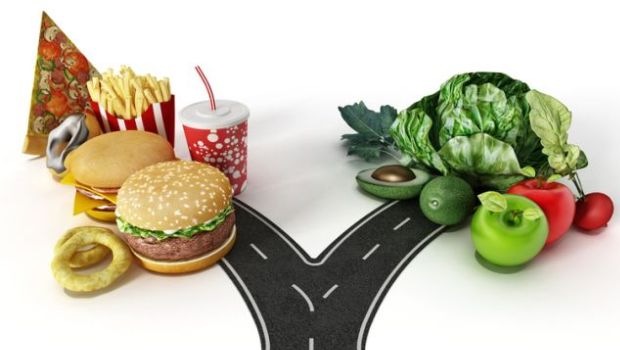
We stand at a unique precipice in human history, our relationship with food more complex and paradoxical than ever before. For millennia, our ancestors ate what they could forage, hunt, or cultivate – foods largely untouched by human hands, existing in their natural, intricate forms. Today, a typical grocery store aisle, or indeed, a typical daily diet, tells a vastly different story. We are inundated with choices, an overwhelming kaleidoscope of colors, textures, and claims, many of which bear little resemblance to the sustenance that fueled generations past. This is the story of the great culinary divide: the chasm between whole foods and processed foods, and why understanding this distinction is not merely an academic exercise, but a critical imperative for our health, our societies, and our future.
To the knowledgeable consumer, the terms "processed" and "whole" might seem self-evident, yet their nuances are often lost in the cacophony of modern dietary advice. This isn't just about good versus bad; it's about intentional design, biological response, and the profound, long-term implications of our everyday choices. Let us embark on a journey through the food landscape, peeling back the layers to reveal the truth behind what we eat.
Chapter 1: Defining the Edges – What Exactly Are We Talking About?
Our narrative begins with definitions, for clarity is the bedrock of understanding.
Whole Foods: Nature's Masterpieces
At their heart, whole foods are nature's original blueprints. They are foods that exist in their most natural, unadulterated state, or have undergone minimal processing that does not fundamentally alter their nutritional composition or integrity. Think of an apple picked from a tree, a handful of raw almonds, a fresh piece of salmon, a cup of uncooked oats, or a vibrant bell pepper.
The hallmarks of whole foods are unmistakable:
- Integrity of Form: They are largely recognizable as they appear in nature. A whole grain of rice, for instance, still contains its bran, germ, and endosperm.
- Nutrient Density: They are packed with a synergistic blend of vitamins, minerals, fiber, antioxidants, and phytochemicals – compounds that work in concert, often more effectively than isolated nutrients. This is the concept of the "food matrix," where the whole is greater than the sum of its parts.
- Fiber-Rich: Whether soluble or insoluble, fiber is an inherent component of plant-based whole foods, vital for digestive health, blood sugar regulation, and satiety.
- Absence of Additives: They are free from artificial flavors, colors, preservatives, emulsifiers, sweeteners, and hydrogenated fats.
- Simplicity: Their "ingredient list" is often just one item: the food itself.
Examples abound: fresh fruits and vegetables, whole grains (oats, quinoa, brown rice, barley), legumes (beans, lentils, chickpeas), nuts and seeds, lean unprocessed meats and poultry, fish, eggs, and plain dairy products. These are the foundational pillars of any truly nourishing diet.
Processed Foods: A Spectrum of Alteration
The term "processed food" is far more complex, encompassing a vast spectrum of culinary and industrial transformations. Not all processing is inherently detrimental. In fact, some forms of processing are essential for safety, digestibility, or simply making food palatable and accessible.
Consider these categories:
Minimally Processed Foods: These are whole foods that have undergone slight alterations for convenience or preservation, without compromising their nutritional value. Examples include pre-cut vegetables, roasted coffee beans, pasteurized milk, frozen fruits and vegetables (often more nutritious than "fresh" produce that has traveled long distances), dried herbs, or nuts. These are generally beneficial and can support a whole-food diet.
Basic Processed Foods: These involve more substantial changes but still utilize recognizable ingredients and are often consumed as part of a meal. Think of flour milled from wheat, oils pressed from olives or seeds, canned fish, cheeses, or breads made with a few simple ingredients. While some nutrient loss can occur (e.g., refining flour removes fiber and micronutrients), these foods can still fit into a healthy dietary pattern, especially when chosen wisely (e.g., whole-wheat flour, extra virgin olive oil).
Ultra-Processed Foods (UPFs): The Heart of the Problem
This is where our story takes a darker turn. The NOVA food classification system, widely accepted by public health experts, identifies Ultra-Processed Foods (UPFs) as the primary concern. These are industrial formulations typically containing five or more ingredients, many of which are not commonly used in home cooking. They are concocted from cheap derivatives of whole foods (starches, sugars, fats, proteins), combined with an array of additives designed to enhance palatability, extend shelf life, and create a hyper-rewarding sensory experience.
The defining characteristics of UPFs:
- Numerous, Unrecognizable Ingredients: Look for high-fructose corn syrup, hydrogenated oils, artificial colors (Red 40, Yellow 5), artificial flavors, emulsifiers (polysorbate 80, carrageenan), thickeners, stabilizers, and a host of other unpronounceable chemicals.
- High in Disadvantaged Nutrients: They are typically laden with added sugars, unhealthy fats (especially trans fats and refined seed oils high in omega-6), and sodium.
- Low in Beneficial Nutrients: Conversely, they are almost always deficient in fiber, vitamins, minerals, and phytochemicals. Any fortification is often with synthetic, less bioavailable forms.
- Hyper-Palatability: They are engineered to be incredibly appealing to our senses – crunchy, salty, sweet, fatty – overriding our natural satiety signals and encouraging overconsumption.
- Industrial Origin: They are mass-produced, often designed for convenience, affordability (at the point of sale), and long shelf life.
- Examples: Sugary cereals, sodas, packaged snacks (chips, cookies, candy), instant noodles, frozen pizzas and dinners, mass-produced bread, processed meats (hot dogs, deli meats), fast food, most sugary yogurts, and diet sodas.
This distinction is crucial because while a simple canned bean is "processed," it is a far cry from a sugary breakfast cereal or a deep-fried fast-food meal, which are unequivocally UPFs. Our narrative will focus predominantly on the profound impact of these ultra-processed concoctions.
Chapter 2: The "Why It Matters" – A Biological Battleground
Now, we delve into the core of the story: why this distinction is not merely semantic, but a matter of life and death, health and disease. The human body, a marvel of evolutionary design, thrives on the complex symphony of nutrients found in whole foods. When confronted with UPFs, it reacts with confusion, dysregulation, and ultimately, systemic decline.
The Loss of Nutrient Density and the Food Matrix
Imagine a symphony orchestra. Each instrument plays its part, but the true magic lies in their harmonious interplay. Whole foods are like this orchestra. An orange, for example, isn't just vitamin C; it's also fiber, water, potassium, folate, and hundreds of phytochemicals like flavonoids and carotenoids, all working together. This "food matrix" enhances bioavailability, protects nutrients, and provides synergistic health benefits.
UPFs, by contrast, are like a fragmented orchestra, where only a few isolated, often synthetic, instruments are played out of tune. During ultra-processing, vital vitamins, minerals, and fiber are stripped away. What remains are often "empty calories" – energy without nutritional value. While some UPFs are "fortified," these added nutrients often lack the bioavailability and synergistic power of their naturally occurring counterparts. Our bodies recognize and utilize nutrients from whole foods far more effectively.
Fiber: The Unsung Hero, Systematically Erased
If there's one casualty of ultra-processing that deserves its own chapter, it's fiber. In whole foods – fruits, vegetables, whole grains, legumes, nuts – fiber is abundant. It’s the structural backbone of plants, and in our bodies, it performs an extraordinary array of functions:
- Satiety: Fiber adds bulk, making us feel full and satisfied, which naturally regulates calorie intake.
- Blood Sugar Control: Soluble fiber slows down glucose absorption, preventing rapid spikes and crashes in blood sugar, crucial for preventing insulin resistance and Type 2 Diabetes.
- Gut Health: Fiber is the primary fuel for our gut microbiome – the trillions of bacteria residing in our intestines. These beneficial bacteria ferment fiber into short-chain fatty acids (SCFAs) like butyrate, which nourish gut cells, reduce inflammation, and even influence mood and immunity.
- Cholesterol Regulation: Soluble fiber binds to cholesterol in the digestive tract, aiding in its excretion.
- Regularity: Insoluble fiber adds bulk to stool, promoting healthy bowel movements.
UPFs are notoriously devoid of natural fiber. The refining processes remove bran and germ from grains, peel skins from fruits and vegetables, and generally eliminate the very components that provide fiber. This leads to rapid digestion, immediate blood sugar spikes, a starved gut microbiome, and a perpetual cycle of hunger and overeating. The absence of fiber is not a minor oversight; it is a profound biological disservice.
Macronutrient Mayhem: The Triple Threat of Sugar, Unhealthy Fats, and Sodium
UPFs are ingeniously engineered to hit our pleasure centers with a potent combination of sugar, unhealthy fats, and sodium, often in quantities rarely found together in nature.
Sugar: The Sweet Poison: Added sugars, in their myriad forms (sucrose, high-fructose corn syrup, glucose-fructose syrup), are ubiquitous in UPFs. They are not merely sweeteners; they are flavor enhancers, preservatives, and texture modifiers. Consuming excessive added sugar drives insulin resistance, promotes fat storage (especially visceral fat), and contributes to a cascade of metabolic disorders, including Type 2 Diabetes, heart disease, and non-alcoholic fatty liver disease. The "sugar rush" followed by a "sugar crash" perpetuates a cycle of craving, a meticulously designed trap by the food industry.
Unhealthy Fats: The Inflammatory Fuel: Many UPFs rely on cheap, refined vegetable oils (soybean, corn, sunflower, canola) high in omega-6 fatty acids, and often contain trans fats (partially hydrogenated oils). While omega-6 is essential, an imbalance with omega-3 (found in fatty fish, flax seeds, walnuts) promotes chronic inflammation, a root cause of most chronic diseases, including heart disease, autoimmune conditions, and even some cancers. Trans fats, now largely banned in many countries, are known to raise LDL ("bad") cholesterol and lower HDL ("good") cholesterol, posing a significant threat to cardiovascular health. Whole foods, by contrast, offer healthy fats from sources like avocados, nuts, seeds, olive oil, and fatty fish, which are anti-inflammatory and cardio-protective.
Sodium: The Hidden Culprit: UPFs are often loaded with sodium, not just for taste, but also as a preservative. While sodium is an essential electrolyte, excessive intake contributes to high blood pressure, a major risk factor for heart attack and stroke. The sodium in UPFs far exceeds what's naturally found in whole foods, making it incredibly easy to surpass daily recommended limits without even realizing it.
The Additive Arsenal: A Chemical Cocktail
The lengthy ingredient lists of UPFs often read like a chemistry textbook. Artificial colors, flavors, preservatives, emulsifiers, thickeners, and humectants are added to improve appearance, taste, texture, and shelf stability. While many are deemed "safe" by regulatory bodies in isolation, the cumulative effect of consuming dozens of these compounds daily, year after year, is largely unknown. Emerging research suggests potential links between certain additives and:
- Gut Dysbiosis: Emulsifiers, for instance, have been shown to disrupt the gut lining and alter the microbiome, potentially leading to inflammation and increased risk of conditions like inflammatory bowel disease.
- Behavioral Issues: Artificial food dyes have been linked to hyperactivity in sensitive children.
- Allergies and Sensitivities: Certain preservatives and flavor enhancers can trigger allergic reactions or sensitivities.
- Endocrine Disruption: Some additives may interfere with hormone function.
The story here is one of uncertainty and precaution. While direct causation can be difficult to prove in human populations, the sheer volume and novelty of these synthetic compounds in our diet demand a critical eye.
Satiety and the Hijacked Hunger System
Perhaps one of the most insidious aspects of UPFs is their ability to override our body's natural satiety mechanisms. Whole foods, with their fiber, protein, and water content, naturally promote fullness. Chewing, digestion time, and the release of satiety hormones (like leptin and cholecystokinin) all signal to the brain that we've had enough.
UPFs are designed to bypass these signals. Their soft textures require less chewing. Their high sugar and fat content provide an immediate reward, stimulating the brain's pleasure centers, akin to addictive substances. The lack of fiber and protein means they are digested quickly, leading to a rapid spike in blood sugar followed by a crash, which triggers hunger again, often within a short period. This engineered hyper-palatability, coupled with the absence of satiety cues, leads to a vicious cycle of overconsumption, weight gain, and a constant battle against hunger, even when consuming ample calories. It’s a design flaw in our modern food system, designed not for health, but for profit.
The Chronic Disease Epidemic: A Direct Correlation
The culmination of all these factors is a stark and undeniable truth: a diet rich in UPFs is a primary driver of the global chronic disease epidemic.
- Obesity: The link is clear. UPFs contribute to excess calorie intake, poor satiety, and metabolic dysfunction, making weight gain almost inevitable.
- Type 2 Diabetes and Metabolic Syndrome: High sugar, refined carbohydrates, and unhealthy fats lead to insulin resistance, the hallmark of these conditions.
- Cardiovascular Disease: Inflammation, high blood pressure, dyslipidemia (unhealthy cholesterol profiles), and obesity are all downstream effects of UPF consumption, significantly increasing the risk of heart attacks and strokes.
- Certain Cancers: Chronic inflammation, oxidative stress, and obesity, all promoted by UPFs, are known risk factors for various cancers.
- Gut Dysbiosis and Autoimmune Diseases: The disruption of the gut microbiome, coupled with increased gut permeability ("leaky gut") caused by UPFs, is increasingly linked to the rise of autoimmune conditions and chronic inflammatory diseases.
- Mental Health: Emerging research highlights the "gut-brain axis." A diet that harms the gut microbiome and promotes inflammation can negatively impact brain health, contributing to depression, anxiety, and cognitive decline.
This is not a story of individual weakness, but of systemic vulnerability. Our biology is simply not equipped to handle the relentless assault of ultra-processed, nutrient-poor, chemical-laden foods.
Chapter 3: The Broader Narrative – Society, Economy, and Environment
The story of processed vs. whole foods extends beyond individual biology. It weaves into the fabric of our societies, economies, and even our planet.
The Illusion of Affordability and Accessibility
One of the most insidious narratives surrounding UPFs is their perceived affordability and accessibility. In many low-income communities and "food deserts" (areas lacking access to fresh, affordable produce), convenience stores and fast-food chains are often the only readily available options. Here, UPFs reign supreme, appearing cheaper per calorie at the point of purchase.
However, this "affordability" is a cruel illusion. The true cost is paid in health outcomes: higher rates of chronic disease, increased healthcare expenditures, lost productivity, and a diminished quality of life. The cheapest calories often lead to the most expensive health consequences, creating a vicious cycle of poverty and poor health. This raises profound questions about food justice and equity, where access to nourishing food should be a fundamental right, not a privilege.
The Power of the Industry: Marketing, Lobbying, and Influence
The rise of UPFs is inextricably linked to the immense power of the food industry. Billions are spent annually on sophisticated marketing campaigns, targeting children and vulnerable populations, creating desire and normalizing the consumption of these products. Clever packaging, health halos (e.g., "low-fat" or "high-fiber" claims on otherwise unhealthy products), and celebrity endorsements further blur the lines.
Beyond marketing, powerful food lobbies exert significant influence on agricultural policies, dietary guidelines, and scientific research. This creates an environment where the production and consumption of UPFs are often prioritized over public health, making systemic change incredibly challenging. The story here is one of profit over people, of a system designed to maximize shareholder value rather than public well-being.
Environmental Footprint: From Farm to Fork to Landfill
The production of UPFs also carries a heavy environmental cost. It often relies on industrial monoculture farming of a few staple crops (corn, soy, wheat, sugar cane) that are then processed into myriad ingredients. This type of agriculture depletes soil, requires vast amounts of pesticides and fertilizers, and contributes to biodiversity loss and greenhouse gas emissions.
Furthermore, the extensive packaging associated with UPFs contributes significantly to plastic waste and pollution. In contrast, whole foods, particularly those sourced locally and sustainably, tend to have a lower environmental impact, promoting healthier ecosystems and more resilient food systems.
Chapter 4: Navigating the Modern Plate – A Path Forward
For the knowledgeable consumer, this story is not one of despair, but of empowerment. Understanding the deep implications of our food choices allows us to reclaim agency over our health and contribute to a more sustainable future.
Beyond the Health Halo: Deciphering the Label
The most powerful tool at your disposal is the food label, but it requires a discerning eye.
- Prioritize the Ingredient List: This is more important than the nutrition facts panel. Look for whole, recognizable ingredients. A good rule of thumb: if you can't pronounce or recognize most of the ingredients, it's likely a UPF. Be wary of long lists, especially those with added sugars (which have over 50 different names), hydrogenated oils, and artificial additives high up on the list.
- Scrutinize the Nutrition Facts Panel:
- Fiber: Aim for foods high in fiber (at least 3g per serving, ideally more).
- Added Sugars: Be mindful of the "Added Sugars" line. The less, the better.
- Sodium: Compare sodium content across similar products and aim for lower numbers.
- Fats: Pay attention to saturated and trans fats. Focus on foods with healthy unsaturated fats.
- Beware of Marketing Claims: "Low-fat," "gluten-free," "natural," or "organic" labels do not automatically equate to healthy. Many UPFs carry these claims to appeal to health-conscious consumers. Always check the ingredient list.
The Power of the Home Kitchen
The most effective way to avoid UPFs is to cook more meals at home using whole, unprocessed ingredients. This gives you complete control over what goes into your body.
- Meal Planning: Dedicate time to plan your meals for the week.
- Batch Cooking: Prepare larger quantities of healthy staples (cooked grains, roasted vegetables, lean protein) that can be mixed and matched throughout the week.
- Simple Recipes: You don't need to be a gourmet chef. Simple preparations of whole foods are often the most delicious and nutritious.
Embrace the 80/20 Rule (and Self-Compassion)
While the ideal is a diet composed entirely of whole foods, perfection is often the enemy of progress. Strive for an 80/20 balance, where 80% of your intake comes from whole, unprocessed foods, allowing for occasional treats or less-than-perfect choices. This approach is more sustainable and prevents feelings of deprivation. The goal is to crowd out UPFs with nutrient-dense options, rather than solely focusing on restriction.
Mindful Eating and Reconnecting with Food
Beyond the ingredients, how we eat matters. Practice mindful eating: pay attention to your hunger and fullness cues, savor your food, and eat without distractions. This helps re-establish a healthy relationship with food, moving away from the mindless consumption often associated with UPFs.
Advocacy and Systemic Change
Finally, for the knowledgeable audience, the story calls for more than individual action. It demands a voice for systemic change. Support policies that:
- Promote access to affordable, healthy foods in all communities.
- Implement stricter regulations on food marketing, especially to children.
- Encourage sustainable agricultural practices.
- Advocate for clearer, more honest food labeling.
Conclusion: Reclaiming Our Plate, Reclaiming Our Future
The story of processed versus whole foods is not merely a diet fad; it is a fundamental narrative of human health, industrial design, and ecological responsibility. It is the story of how our modern food environment has diverged from our biological heritage, with profound consequences.
Understanding this divide empowers us to make conscious choices, to step away from the allure of hyper-palatable, nutrient-empty convenience, and to embrace the rich, life-giving abundance of nature's original foods. It is a journey of re-education, re-connection, and ultimately, reclamation – reclaiming our health, our vitality, and a sustainable future for ourselves and for generations to come. The plate before us is more than just a meal; it is a testament to our knowledge, our choices, and our profound capacity to thrive.


