The Unwritten Recipe: Eating Well Doesn't Have to Be Hard (or Boring)
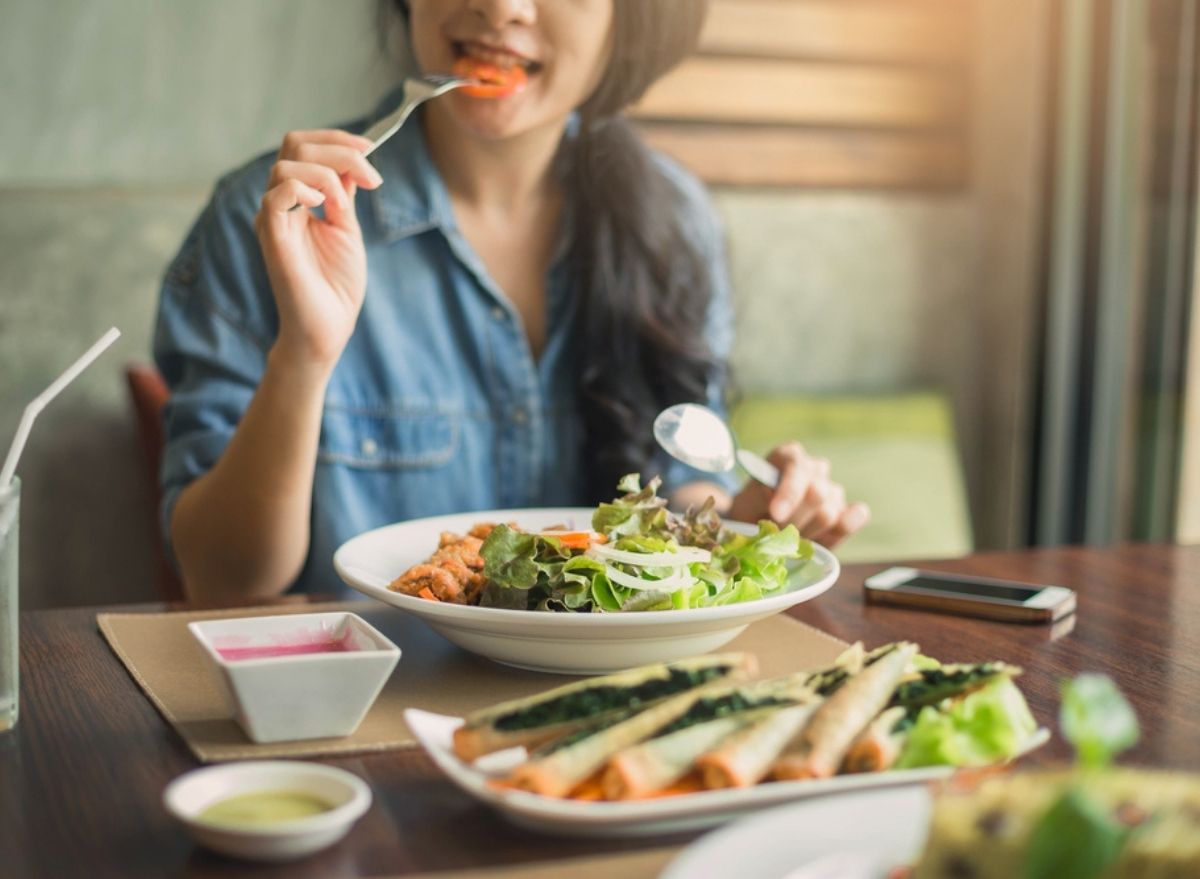
We live in an era saturated with dietary advice, often contradictory, frequently extreme, and almost always accompanied by an underlying whisper: "This will be hard. This will be restrictive. This will be boring." From the latest superfood craze to the most ascetic detox, the message implicitly, and sometimes explicitly, frames eating well as a battle against temptation, a test of willpower, and a departure from joy. It's a narrative that has left countless individuals feeling defeated, confused, and utterly disconnected from the most fundamental act of self-nourishment.
But what if this narrative is fundamentally flawed? What if the path to eating well isn't paved with deprivation and struggle, but with curiosity, creativity, and connection? What if the "hard" and "boring" labels are not inherent truths about healthy food, but rather symptoms of a modern relationship with food that has lost its way?
This isn't a story about a revolutionary diet plan or a secret ingredient. This is a story about perspective, about unlearning decades of conditioning, and about rediscovering the profound pleasure and simplicity of nourishing ourselves. It's a journey from the rigid dogma of diet culture to the liberating embrace of bio-individuality, from the fear of the kitchen to the joy of creation, and from the relentless pursuit of perfection to the empowering wisdom of "good enough."
Chapter 1: The Great Overwhelm – Deconstructing "Hard"
The modern landscape of eating well is a minefield of conflicting information. One guru extols the virtues of intermittent fasting, while another warns against skipping meals. Keto evangelists preach fat as fuel, while plant-based proponents champion carbohydrates. Gluten is the enemy for some, a non-issue for others. Organic, non-GMO, pasture-raised, wild-caught – the labels alone are enough to induce decision fatigue before you even reach the produce aisle.
This constant barrage creates a monumental cognitive load. We’re told we need to track macronutrients, micronutrients, water intake, sleep, stress levels, and our gut microbiome composition, all while juggling careers, families, and personal lives. The sheer mental energy required to navigate this labyrinth often feels more exhausting than the physical act of cooking itself. It's no wonder many throw their hands up in despair, retreating to the comfort of convenience foods, where the only decision is which pre-packaged option to grab.
The Illusion of Perfection:
Part of the "hard" stems from an unattainable ideal. Social media, in particular, paints a picture of flawless, artisanal meals prepared by impossibly toned individuals in sun-drenched kitchens. Every plate is a work of art, every ingredient ethically sourced, every meal a testament to hours of meticulous preparation. For the average person, this creates an immense pressure to emulate, leading to feelings of inadequacy when their own weeknight dinner of roasted chicken and steamed broccoli doesn't quite measure up to the Instagram aesthetic.
This pursuit of perfection is a trap. It fosters an all-or-nothing mentality. If you can't adhere perfectly to a plan, then why bother at all? A single "slip-up" – a slice of cake at a birthday party, an impromptu pizza night – is often perceived as a catastrophic failure, derailing weeks of effort and leading to a complete abandonment of healthy habits. This punitive mindset transforms eating well from a nurturing act into a constant self-flagellation.
The Time Scarcity Myth:
"I don't have time to cook healthy meals." This is perhaps the most pervasive and seemingly irrefutable argument against eating well. In our hyper-scheduled lives, where every minute is accounted for, the idea of dedicating significant chunks of time to meal preparation feels like an unaffordable luxury.
However, a closer examination often reveals that the perception of time scarcity is sometimes a misdirection. We often spend more time deciding what to eat, driving to pick up takeout, or scrolling mindlessly on our phones, than it would take to prepare a simple, nutritious meal. The truth is, eating well can be time-efficient, but it requires a shift in strategy and a willingness to challenge ingrained habits.
The Antidote to "Hard": Simplicity and Strategy
The first step in dismantling the "hard" myth is to embrace simplicity. This doesn't mean eating bland food or sacrificing nutrition; it means streamlining the process, focusing on fundamental principles, and letting go of the need for perfection.
Embrace "Good Enough": A meal doesn't need to be gourmet to be nutritious. A bowl of oatmeal with berries is "good enough." A simple salad with canned tuna is "good enough." A baked potato with chili is "good enough." Prioritize nutrient density and balance over elaborate presentation or exotic ingredients. This mindset reduces the mental barrier to entry significantly.
Strategic Planning, Not Rigid Rules: Meal planning isn't about creating a military-grade schedule for every bite you'll consume. It's about having a loose framework. A simple weekly plan might involve:
- Theme Nights: Taco Tuesday, Pasta Thursday, Stir-fry Friday. This reduces decision fatigue.
- Core Components: Identify 2-3 protein sources, 2-3 carbohydrate sources, and a variety of vegetables you enjoy. Mix and match throughout the week.
- Batch Cooking Basics: Dedicate an hour or two on a less busy day to prep foundational ingredients. Cook a large batch of grains (quinoa, brown rice), roast a tray of vegetables, grill some chicken breasts, or hard-boil a dozen eggs. These components become building blocks for quick meals throughout the week.
Smart Shopping: A well-stocked pantry and fridge are your best friends. Keep staples like canned beans, lentils, whole grains, frozen vegetables, eggs, and versatile proteins on hand. Shopping with a list, even a loose one, prevents impulse buys and ensures you have the ingredients for your planned meals.
Master a Few Go-To Recipes: You don't need a repertoire of hundreds of recipes. Identify 5-7 simple, healthy meals that you genuinely enjoy and can prepare quickly. These are your anchors when time is short or inspiration is lacking. Think sheet pan dinners, one-pot pasta, quick stir-fries, or substantial salads.
Kitchen Hacks & Tools: A sharp knife, a good cutting board, a food processor (optional, but helpful), and a few versatile pans can dramatically reduce prep time. Learn basic knife skills – they'll save you minutes on every meal. Embrace appliances like slow cookers, instant pots, or air fryers, which can do much of the heavy lifting with minimal oversight.
By shifting our focus from rigid adherence and aspirational perfection to pragmatic simplicity and strategic planning, the formidable wall of "hard" begins to crumble, revealing a path that is not only manageable but surprisingly accessible.
Chapter 2: The Monotony Myth – Dismantling "Boring"
The second great deterrent to sustainable healthy eating is the pervasive belief that nutritious food is inherently bland, repetitive, and utterly devoid of culinary excitement. This perception is often fueled by a history of uninspired "diet food" – steamed chicken breast, plain rice, and unseasoned broccoli. It's a culinary landscape painted in shades of beige, designed for utility rather than pleasure.
But this couldn't be further from the truth. The world of healthy eating is, in fact, an explosion of flavors, textures, and aromas. It is a vibrant tapestry woven from diverse cuisines, fresh ingredients, and creative culinary techniques. The "boring" label isn't about the food itself; it's about a lack of imagination, a fear of experimentation, and a misguided notion that "healthy" must equal "plain."
The Hedonic Treadmill and Processed Foods:
Our modern palates have often been hijacked by the hyper-palatability of processed foods. These foods are scientifically engineered to hit our bliss points – the perfect combination of salt, sugar, and fat that makes them incredibly addictive and satisfying in the short term. When we switch to whole, unprocessed foods, our taste buds can initially find them underwhelming in comparison. This is the hedonic treadmill at play: we adapt to intense stimuli, requiring more and more to feel the same level of pleasure.
Overcoming this requires a period of recalibration, allowing our taste buds to reawaken to the subtle, nuanced flavors of real food. It’s like turning down the volume on a blaring speaker to appreciate the intricacies of a symphony.
The Antidote to "Boring": Flavor, Variety, and Culinary Confidence
The secret to making healthy eating exciting lies in embracing flavor, prioritizing variety, and developing a modicum of culinary confidence.
The Spice Rack as Your Playground: This is perhaps the single most impactful change you can make. Herbs and spices are calorie-free flavor powerhouses.
- Aromatics: Onions, garlic, ginger, chilies, and fresh herbs (cilantro, parsley, basil, mint) form the flavor base of countless cuisines. Don't be shy with them.
- Dried Spices: Cumin, coriander, paprika, turmeric, oregano, thyme, rosemary, chili powder – these can transform a simple dish. Learn a few basic spice blends (e.g., Italian seasoning, curry powder, Mexican spice blend) or create your own.
- Acids: A squeeze of lemon or lime juice, a splash of vinegar (apple cider, balsamic, red wine), or a dash of hot sauce can brighten flavors and add zing.
- Umami: Nutritional yeast, mushrooms, soy sauce (or tamari), tomato paste, and Parmesan cheese add a savory depth that makes food incredibly satisfying.
Explore Global Cuisines: The world is your oyster! Many traditional cuisines are inherently healthy and bursting with flavor.
- Mediterranean: Olives, feta, fresh vegetables, lean proteins, whole grains, and olive oil.
- Asian: Stir-fries with ginger, garlic, soy, and colorful vegetables; curries with coconut milk and aromatic spices.
- Mexican/Latin American: Beans, corn, avocado, fresh salsas, chili, and cilantro.
- Indian: Lentils, chickpeas, vegetables, and a symphony of spices.Embrace new ingredients and cooking methods from different cultures. Cookbooks and online resources offer an endless supply of inspiration.
Vary Your Cooking Methods: Steaming isn't the only option.
- Roasting: Brings out the natural sweetness in vegetables (broccoli, cauliflower, carrots, sweet potatoes) and creates delicious caramelization.
- Grilling/Broiling: Adds a smoky char and tenderizes proteins and vegetables.
- Sautéing/Stir-frying: Quick, retains nutrients, and allows for layering of flavors.
- Braising/Stewing: Perfect for tenderizing tougher cuts of meat and infusing deep flavors into legumes and vegetables.
Play with Texture: A meal that is all soft or all crunchy can quickly become monotonous. Incorporate different textures:
- Crunch: Toasted nuts or seeds, croutons, raw vegetables, crispy roasted chickpeas.
- Creamy: Avocado, hummus, Greek yogurt, tahini dressing.
- Chewy: Whole grains, dried fruit, mushrooms.
Reimagine "Treats" and "Indulgences": Instead of seeing healthy eating as a constant denial, reframe it as an opportunity for healthy indulgence.
- Dark Chocolate: A small square of high-quality dark chocolate can be a deeply satisfying treat.
- Fruit-Based Desserts: Baked apples with cinnamon, grilled peaches, berry crumbles with an oat topping.
- Homemade "Junk Food": Sweet potato fries baked in the oven, air-fried chicken tenders, homemade pizza on a whole-wheat crust. These satisfy cravings in a healthier way.
- Mindful Eating: Even when you do enjoy a less healthy treat, do so mindfully. Savor every bite, appreciate the experience, and then move on without guilt.
Grow Your Own (Even a Little): There’s nothing quite like the flavor of freshly picked herbs or a homegrown tomato. Even a small pot of basil or mint on a windowsill can connect you more deeply to your food and inspire you to use fresh ingredients.
By actively seeking out new flavors, experimenting with diverse cuisines, and viewing cooking as a creative outlet rather than a chore, the "boring" myth quickly dissipates. Food becomes an adventure, a source of discovery, and a daily opportunity for culinary delight.
Chapter 3: The Sustainable Shift – Beyond Dieting
The biggest challenge with most "eating well" approaches is their inherent unsustainability. They are often presented as temporary fixes, a sprint to a specific goal (weight loss, muscle gain, detox), rather than a lifelong marathon of nourishment. This is why so many people yo-yo between diets, perpetually starting over, never truly integrating healthy eating into their everyday lives.
The true goal isn't just to eat well for a week or a month; it's to cultivate a relationship with food that is empowering, intuitive, and resilient to the inevitable fluctuations of life. This requires moving beyond the restrictive mindset of "dieting" and embracing a holistic approach to wellbeing.
Bio-individuality and Intuition:
One of the most profound lessons in sustainable eating is the concept of bio-individuality. What works wonders for one person might cause discomfort or be ineffective for another. Our genetic makeup, gut microbiome, activity levels, stress, sleep patterns, and even cultural background all influence how our bodies respond to different foods.
This means that the "perfect diet" doesn't exist in a one-size-fits-all blueprint. Instead, it exists in the art of listening to your own body.
- Pay attention to how different foods make you feel: Do you feel energized or sluggish after a meal? Do certain foods cause digestive distress?
- Notice your hunger and fullness cues: Are you eating out of genuine hunger or boredom, stress, or habit?
- Tune into your cravings: Sometimes cravings are signals from your body (e.g., for certain nutrients), other times they are emotional. Learning to differentiate is key.
Intuitive eating, which emphasizes listening to internal body signals rather than external rules, is a powerful framework for developing this internal wisdom. It’s about cultivating trust in your body's innate ability to guide you towards what it needs.
Flexibility, Not Perfection:
Life is messy. There will be holidays, social gatherings, travel, stressful periods, and unexpected events. A sustainable approach to eating well must be flexible enough to accommodate these realities without derailing your entire system.
- The 80/20 Rule (or 90/10, or 70/30): Aim to eat nutritiously most of the time, allowing for occasional indulgences without guilt or shame. This prevents feelings of deprivation and makes healthy eating a choice, not a punishment.
- Damage Control, Not Disaster: If you have an indulgent meal or a day of less-than-ideal choices, don't let it spiral into a week-long binge. Acknowledge it, learn from it if there's a pattern, and then simply return to your usual healthy habits with your next meal. There is no need for compensatory restriction or excessive exercise.
- Preparation for the Unpredictable: Keep healthy snacks on hand for travel or busy days. Research healthy restaurant options before dining out. Learn how to make smart choices at social events.
The Power of Habits, Not Willpower:
Willpower is a finite resource. Relying solely on it to maintain healthy eating habits is a recipe for burnout. Sustainable eating is built on the foundation of consistent, positive habits.
- Start Small: Instead of overhauling your entire diet overnight, choose one small change and stick with it until it becomes automatic. Add a serving of vegetables to dinner every night. Drink a glass of water before every meal. Pack a healthy lunch three times a week.
- Habit Stacking: Attach a new desired habit to an existing one. "After I brush my teeth in the morning, I will drink a large glass of water." "After I finish work, I will spend 15 minutes prepping vegetables for dinner."
- Environmental Design: Make healthy choices the easy choices. Keep fruit on the counter, hide tempting treats, pre-chop vegetables, and organize your pantry for efficiency.
- Mindset Shift: Reframe healthy eating from a chore to an act of self-care. View cooking as a creative outlet, and nourishing your body as a gift you give yourself.
Beyond the Plate: The Holistic Connection:
Eating well is not an isolated act; it is deeply intertwined with other aspects of our wellbeing.
- Sleep: Lack of sleep can disrupt hunger hormones (ghrelin and leptin), leading to increased cravings for high-sugar, high-fat foods.
- Stress Management: Chronic stress can lead to emotional eating and impact digestion. Finding healthy coping mechanisms for stress is crucial.
- Movement: Regular physical activity complements healthy eating, boosts mood, and improves metabolism.
- Connection: Sharing meals with loved ones, enjoying food in community, and even taking time to appreciate the farmers and producers behind our food, all enhance the experience of eating.
This holistic perspective reinforces the idea that eating well is not just about what's on your plate, but about cultivating a balanced, joyful life.
Conclusion: The Unwritten Recipe for a Well-Nourished Life
The story of eating well doesn't have to be one of struggle, sacrifice, and boredom. It can be a narrative of discovery, empowerment, and profound satisfaction. It’s a story where the main character – you – learns to trust their body, to wield flavor as a superpower, and to embrace the beautiful imperfection of a life lived fully.
The "hard" disappears when we simplify, strategize, and release the burden of perfection. The "boring" vanishes when we open our palates to the world of flavor, embrace culinary creativity, and view food as a source of joy and connection. And the fleeting nature of "dieting" gives way to the enduring strength of sustainable habits, built on a foundation of self-awareness and flexibility.
There is no single, unchangeable recipe for eating well, because the most important ingredient is always you. Your unique needs, your preferences, your lifestyle, and your evolving relationship with food are the core components. Start small. Experiment often. Be patient with yourself. And most importantly, rediscover the profound, simple pleasure of nourishing your body and soul, one delicious, mindful bite at a time. The unwritten recipe for a well-nourished life is waiting for you to create it.


