Unlock Better Sleep: The Culinary Compass to Restful Nights – Foods to Embrace and Elude for Deeper Slumber
In the relentless hum of modern life, where deadlines stretch into twilight and screens cast their digital glow long after the sun has set, the quest for truly restorative sleep has become an elusive pilgrimage for many. We chase productivity, optimize our workouts, and curate our social feeds, often overlooking the profound, foundational pillar upon which all these endeavors rest: the quality of our sleep. Yet, the story of sleep is not merely one of dimmed lights and quiet rooms; it is intimately interwoven with another fundamental narrative of human existence – the food we choose to consume.
For millennia, our ancestors lived in harmony with the rhythms of nature, their diets dictated by seasonal bounty and their sleep cycles tuned to the sun's ascent and descent. Today, the supermarket aisles offer a bewildering array of choices, and the convenience of processed foods often trumps the wisdom of whole nutrition. This divergence has, in many ways, severed a vital connection, leaving us adrift in a sea of sleepless nights and foggy mornings.
This article embarks on a journey, a culinary expedition, to rediscover that ancient wisdom. It is a story told through the lens of science and nutrition, guiding the knowledgeable reader through the intricate landscape of how what we eat – and crucially, what we avoid – can profoundly influence the depth, duration, and restorative power of our sleep. We will peel back the layers of popular myths and delve into the biochemical narratives unfolding within our bodies, illuminating the heroes and villains on our plates that dictate whether our nights are spent tossing and turning or descending into the blissful depths of true slumber.
The Intricate Tapestry: Weaving the Science of Sleep and Nutrition
To truly appreciate the power of food, we must first understand the stage upon which its drama unfolds: the human body, particularly the brain and gut. The relationship between sleep and nutrition is not a simple cause-and-effect; it’s a complex, multi-faceted interaction, a grand symphony conducted by hormones, neurotransmitters, and the microscopic inhabitants of our digestive system. This is the Brain-Gut-Sleep Axis, a sophisticated communication network that dictates our waking alertness and our nightly repose.
The Brain-Gut-Sleep Axis: A Bidirectional Dialogue
Imagine your gut as a second brain, teeming with trillions of microorganisms – your gut microbiome. These tiny entities are not passive passengers; they are active participants in your health, producing a staggering array of compounds, including neurotransmitters that directly influence your mood and sleep. Serotonin, often dubbed the "feel-good" hormone, is a prime example. While its primary role is mood regulation, over 90% of the body's serotonin is produced in the gut. This serotonin is then transported to the brain, where it acts as a precursor to melatonin, the master hormone that regulates your sleep-wake cycle (circadian rhythm). A healthy, diverse gut microbiome, nurtured by a nutrient-rich diet, is thus foundational to robust melatonin production and, consequently, better sleep. Conversely, a compromised gut can disrupt this delicate balance, leading to a cascade of issues that undermine sleep quality.
Key Players in the Sleep Symphony: Neurotransmitters and Hormones
Our sleep is orchestrated by a delicate balance of chemical messengers. Understanding these players helps us strategically select foods that either bolster their production or avoid those that interfere with their harmonious function.
- Melatonin: The Conductor of Darkness: Produced primarily by the pineal gland in the brain, melatonin's levels rise in the evening, signaling to the body that it's time to prepare for sleep. Its production is heavily reliant on the amino acid tryptophan, which must first be converted into serotonin.
- Serotonin: The Mood and Melatonin Maestro: As mentioned, serotonin is crucial. Beyond its mood-stabilizing effects, its role as a precursor to melatonin makes it indispensable for sleep. Factors that promote healthy serotonin levels, therefore, indirectly support better sleep.
- GABA (Gamma-Aminobutyric Acid): The Calming Whisper: GABA is the primary inhibitory neurotransmitter in the central nervous system. It reduces neuronal excitability, essentially putting the brakes on brain activity, promoting relaxation and making it easier to fall and stay asleep. Certain foods and compounds can enhance GABA's activity.
- Cortisol: The Alarm Bell: Cortisol, the body's primary stress hormone, is essential for our "fight or flight" response. However, chronically elevated cortisol levels, often triggered by stress, poor diet, or irregular sleep patterns, can disrupt sleep by keeping the body in a state of hyper-arousal, suppressing melatonin production.
- Adenosine: The Sleep Inducer: As our brain expends energy throughout the day, adenosine accumulates. This molecule binds to receptors in the brain, signaling increasing tiredness. Caffeine works by blocking these adenosine receptors, temporarily warding off sleepiness.
The Silent Saboteurs: Nutrient Deficiencies
Beyond neurotransmitters, a host of vitamins and minerals play critical roles in sleep regulation. Deficiencies can silently sabotage our efforts to achieve restful nights:
- Magnesium: Often called "nature's tranquilizer," magnesium is involved in over 300 biochemical reactions, including muscle relaxation and nerve function. It helps activate GABA receptors and regulates melatonin.
- B Vitamins (especially B6, B9, B12): These are crucial cofactors in the synthesis of neurotransmitters like serotonin and melatonin. B6, for instance, is directly involved in the conversion of tryptophan to serotonin.
- Vitamin D: Receptors for Vitamin D are found in areas of the brain that regulate sleep. Studies suggest a link between Vitamin D deficiency and poorer sleep quality.
- Zinc: Involved in neurological function, zinc helps regulate melatonin and can contribute to deeper sleep.
- Omega-3 Fatty Acids: These essential fats are vital for brain health and can reduce inflammation, which often interferes with sleep. They also play a role in regulating melatonin and serotonin.
Understanding these foundational elements allows us to approach our diet not just as fuel, but as a sophisticated toolkit for sleep optimization.
The Culinary Pantheon: Foods to Embrace for Restful Nights
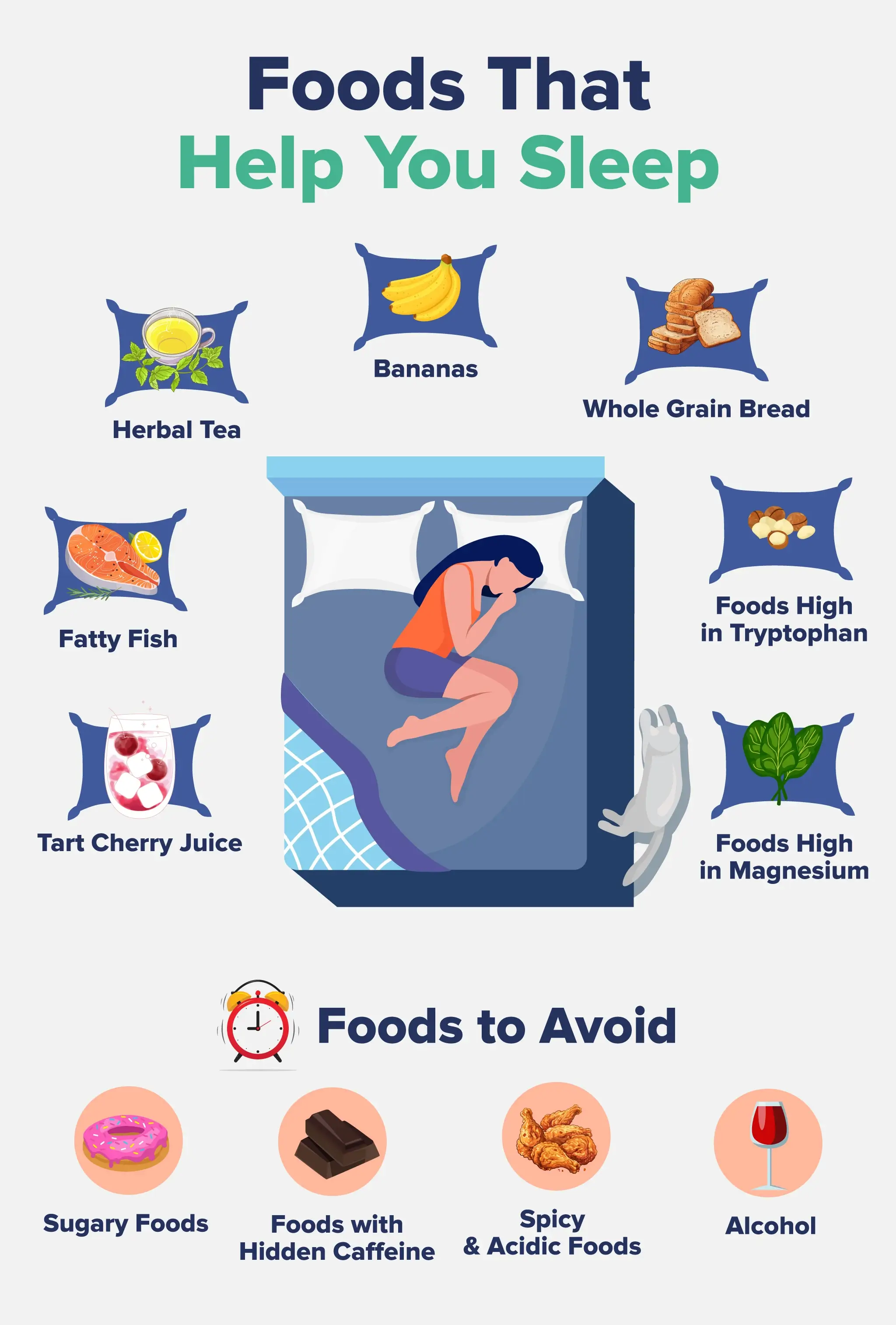
Now, let's introduce the heroes of our story – the foods that, when consciously incorporated into our diet, can lay the groundwork for a night of profound, restorative sleep. These are the ingredients that nurture our neurotransmitters, soothe our systems, and gently guide us towards slumber.
Tryptophan-Rich Foods: The Melatonin Architects
- Turkey and Chicken: Often cited for its sleep-inducing properties, turkey is indeed a good source of tryptophan. While the post-Thanksgiving dinner slump is more likely due to overeating and alcohol, consuming moderate portions of lean turkey or chicken earlier in the evening provides the raw material for serotonin and melatonin synthesis.
- Eggs: A complete protein, eggs are rich in tryptophan, as well as Vitamin D and B vitamins, further supporting sleep pathways.
- Dairy (Milk, Yogurt, Cheese): Warm milk is a classic sleep remedy for a reason. Dairy products provide tryptophan and calcium. Calcium is essential for the brain to utilize tryptophan to produce melatonin. Yogurt also offers probiotics, supporting gut health and, by extension, serotonin production.
- Nuts and Seeds (Almonds, Walnuts, Pumpkin Seeds, Cashews): These are powerhouses of sleep-promoting nutrients. Almonds are rich in magnesium and tryptophan. Walnuts contain their own source of melatonin, as well as omega-3 fatty acids. Pumpkin seeds are excellent sources of tryptophan, magnesium, and zinc.
- Legumes (Lentils, Chickpeas, Beans): These plant-based proteins offer tryptophan, magnesium, and B vitamins, making them excellent choices for evening meals.
Magnesium-Rich Foods: Nature's Tranquilizers
- Dark Leafy Greens (Spinach, Kale, Swiss Chard): These vibrant vegetables are bursting with magnesium, essential for muscle relaxation and nerve function. Incorporating them into dinner salads or cooked dishes can significantly boost your intake.
- Avocado: Beyond being a source of healthy fats, avocados are rich in magnesium and potassium, both crucial for muscle and nerve relaxation.
- Bananas: A convenient, potassium and magnesium-rich fruit, bananas can aid muscle relaxation and contribute to deeper sleep. They also contain a small amount of tryptophan.
- Whole Grains (Oats, Quinoa, Brown Rice): These complex carbohydrates provide magnesium and support steady blood sugar levels, preventing nocturnal crashes that can awaken you. Oats, in particular, contain avenin, a compound known for its calming effects.
- Dark Chocolate (in moderation): While tempting, dark chocolate (70%+ cocoa) offers magnesium. However, it also contains caffeine, so keep portions small and consume well before bedtime.
Melatonin-Boosting Foods: Direct Pathways to Slumber
- Tart Cherries (and Tart Cherry Juice): This is perhaps the most celebrated sleep superfood. Tart cherries contain natural melatonin, and studies have shown that consuming them can improve sleep duration and quality. Opt for unsweetened juice or fresh/frozen cherries.
- Kiwifruit: Research suggests that consuming two kiwis an hour before bed can significantly improve sleep onset, duration, and efficiency, likely due to their serotonin and antioxidant content.
- Corn, Asparagus, Tomatoes: While containing smaller amounts than tart cherries, these vegetables also contribute to the body's natural melatonin stores.
Omega-3 Fatty Acids: The Brain Soothers
- Fatty Fish (Salmon, Mackerel, Sardines, Tuna): These cold-water fish are rich in EPA and DHA, omega-3 fatty acids that are vital for brain health and can reduce inflammation, a known sleep disruptor. They also contain Vitamin D, which plays a role in sleep regulation.
- Flaxseeds, Chia Seeds, Hemp Seeds: Excellent plant-based sources of alpha-linolenic acid (ALA), which the body can convert into EPA and DHA. Sprinkle them on salads, yogurt, or incorporate them into smoothies.
Complex Carbohydrates: Steady Energy for Serenity
- Oats, Quinoa, Brown Rice, Sweet Potatoes: Unlike refined carbohydrates that cause blood sugar spikes and crashes, complex carbohydrates release glucose slowly, maintaining stable energy levels and promoting the steady transport of tryptophan across the blood-brain barrier, essential for serotonin and melatonin production.
B Vitamins: The Neurotransmitter Support Crew
- Whole Grains, Legumes, Leafy Greens, Lean Meats, Eggs: Ensuring adequate intake of B vitamins, particularly B6, B9 (folate), and B12, is crucial for the efficient synthesis of serotonin and melatonin.
Herbal Teas: Gentle Allies for Relaxation
- Chamomile: Known for its calming effects, chamomile contains apigenin, an antioxidant that binds to GABA receptors in the brain, promoting sleepiness.
- Valerian Root: Often used for insomnia and anxiety, valerian root is believed to increase GABA levels in the brain.
- Passionflower: Contains compounds that may boost GABA levels and induce relaxation.
- Lemon Balm: A mild sedative, lemon balm can help reduce anxiety and promote sleep.
The Shadowy Figures: Foods to Elude for Deeper Slumber
Just as there are allies in our quest for sleep, there are also saboteurs – foods and beverages that, despite their tempting allure, actively work against our body's natural sleep mechanisms. Understanding these "villains" and consciously limiting or eliminating them, especially in the hours leading up to bedtime, is paramount.
Caffeine: The Wakefulness Warrior
- Mechanism of Action: Caffeine's primary mechanism is to block adenosine receptors in the brain. Adenosine naturally builds up throughout the day, signaling increasing tiredness. By blocking these signals, caffeine keeps us feeling alert.
- Half-Life: Caffeine has a half-life of about 5-6 hours, meaning it takes that long for half of the caffeine to be cleared from your system. For some, it can linger much longer. This means a 3 PM coffee could still be impacting your sleep at 9 PM or later.
- Hidden Sources: Beyond coffee, tea, and energy drinks, caffeine lurks in surprising places: dark chocolate, some pain relievers, certain weight loss supplements, and even decaffeinated coffee still contains trace amounts.
- Timing is Key: The golden rule is to cut off caffeine intake at least 6-8 hours before your intended bedtime, or even earlier if you are particularly sensitive.
Alcohol: The Deceptive Sedative
- Initial Sedation, Rebound Insomnia: Alcohol is often mistakenly used as a sleep aid because it initially induces drowsiness. However, as the body metabolizes alcohol, it causes a "rebound effect," leading to fragmented sleep, frequent awakenings, and a significant reduction in REM sleep (the most restorative stage).
- Impact on Breathing: Alcohol relaxes the muscles in the throat, exacerbating snoring and increasing the risk of sleep apnea, further compromising sleep quality and oxygen intake.
- Dehydration and Nighttime Urination: Alcohol is a diuretic, leading to increased fluid loss and frequent trips to the bathroom during the night.
- Timing is Key: Aim to finish your last alcoholic drink at least 3-4 hours before bedtime.
Heavy, Fatty, or Spicy Meals: The Digestive Burden
- Digestive Overload: Large, calorie-dense meals, especially those high in unhealthy fats, take longer to digest. When your body is busy breaking down a heavy meal, it diverts energy to the digestive system, making it harder to relax and initiate sleep.
- Heartburn/GERD: Fatty and spicy foods are notorious triggers for acid reflux or GERD (Gastroesophageal Reflux Disease). Lying down soon after consuming these can cause stomach acid to flow back into the esophagus, leading to painful heartburn that severely disrupts sleep.
- Timing is Key: Finish your main meal at least 2-3 hours before bedtime, allowing ample time for digestion.
Sugary Foods and Refined Carbohydrates: The Blood Sugar Rollercoaster
- Spikes and Crashes: Foods high in refined sugars (candies, pastries, sodas) and simple carbohydrates (white bread, pasta) cause a rapid spike in blood sugar, followed by an equally rapid crash. This crash can trigger the release of stress hormones like adrenaline and cortisol, jolting you awake or preventing deep sleep.
- Inflammation: A diet high in refined sugars contributes to chronic inflammation, which can negatively impact sleep quality.
- Hidden Sugars: Be mindful of "hidden" sugars in processed foods, sauces, and seemingly healthy snacks.
High-Sodium Foods: The Thirst Inducers
- Dehydration and Urination: Salty foods can lead to dehydration and increased thirst, prompting you to drink more water closer to bedtime, which in turn leads to more nighttime bathroom trips. They can also contribute to fluid retention and discomfort.
- Sources: Processed snacks, cured meats, canned soups, fast food.
Certain "Healthy" Foods (Context is King):
- While generally healthy, some foods can cause issues if consumed too close to bedtime, especially for sensitive individuals.
- Cruciferous Vegetables (Broccoli, Cauliflower, Cabbage): These are packed with nutrients and fiber, but their complex carbohydrates can be difficult to digest for some, leading to gas and bloating that can disrupt sleep if eaten too late.
- Acidic Foods (Citrus Fruits, Tomatoes, Onion): These can trigger or worsen acid reflux, particularly when consumed close to bedtime.
- High-Fiber Foods: While fiber is excellent for gut health, consuming a massive amount right before bed, especially if you're not accustomed to a high-fiber diet, can cause digestive discomfort.
The Art of Timing and Portion Control: The Strategy for Success
Beyond merely choosing the right foods, when and how much we eat are equally critical elements in our sleep narrative. Even the most sleep-promoting foods can become disruptive if consumed inappropriately.
- Dinner Timing: The Three-Hour Rule: Aim to finish your main meal at least 2-3 hours before your intended bedtime. This allows your digestive system to process the food before your body tries to shift into sleep mode. If you eat too late, your body is still actively digesting, diverting energy away from the restorative processes of sleep.
- Strategic Snacks: Small and Smart: If you genuinely feel hungry closer to bedtime, opt for a small, easily digestible, sleep-promoting snack. Think a small handful of almonds, a banana, a small bowl of oats, or a cup of tart cherry juice. The key is "small" – avoid anything that will overload your system.
- Hydration: Balanced and Timed: Staying well-hydrated throughout the day is crucial for overall health, including sleep. Dehydration can cause muscle cramps and headaches, disrupting sleep. However, excessive fluid intake too close to bedtime can lead to frequent nocturnal awakenings for bathroom trips. Sip water consistently during the day and taper off significantly an hour or two before bed.
- Mindful Eating: Beyond the Plate: How we eat is as important as what we eat. Rushing through meals, eating while stressed, or consuming food in front of screens can impair digestion and increase stress hormones, indirectly affecting sleep. Practice mindful eating: slow down, savor your food, and create a calm environment for meals.
Beyond the Plate: A Holistic Approach to Restful Nights
While nutrition is a powerful protagonist in our sleep story, it is but one chapter in a larger, holistic narrative. For truly profound and consistent sleep, we must consider the entire ecosystem of our nightly routine.
- Environmental Harmony: Transform your bedroom into a sanctuary. Ensure it's dark (block out all light), quiet (use earplugs or white noise if needed), and cool (the ideal temperature is typically between 60-67°F or 15-19°C).
- Consistent Routine: Our bodies thrive on rhythm. Go to bed and wake up at roughly the same time each day, even on weekends. This reinforces your natural circadian rhythm.
- Light Exposure Management: Exposure to natural light during the day helps regulate your circadian rhythm. Conversely, minimize exposure to blue light from screens (phones, tablets, computers, TVs) for at least an hour or two before bed, as it suppresses melatonin production.
- Regular Exercise: Physical activity can significantly improve sleep quality, but timing is crucial. Avoid intense workouts too close to bedtime, as they can be stimulating. Aim for moderate exercise earlier in the day.
- Stress Management: Chronic stress is a primary antagonist of sleep. Incorporate stress-reducing practices into your daily life: meditation, deep breathing exercises, yoga, journaling, or spending time in nature.
Conclusion: Reclaiming the Narrative of Rest
The story of unlocking better sleep through nutrition is one of rediscovery – rediscovering the profound connection between our plates and our slumber. It's a narrative that empowers us, for unlike many external forces, our dietary choices are largely within our control. By understanding the intricate biochemical dance within our bodies, the roles of key nutrients, and the disruptive potential of certain foods, we gain a culinary compass to navigate the path to truly restful nights.
This journey is not about rigid restriction but about informed choices, about embracing the nourishing allies that support our sleep architecture and wisely eluding the saboteurs that undermine it. It’s a call to view food not just as sustenance, but as medicine, as a powerful tool to harmonize our internal rhythms.
Begin with small, consistent changes. Introduce more magnesium-rich greens, swap your evening sugar for tart cherries, and be diligent about your caffeine and alcohol cut-off times. Observe how your body responds, listen to its whispers, and gradually, you will begin to reclaim the narrative of your nights. For in the embrace of deep, restorative sleep lies not just the promise of refreshed mornings, but the very foundation of vibrant health, sharper cognition, and a more joyful, engaged existence. The power to unlock better sleep, it turns out, has been on our plates all along.


