Balanced Meals: A Deep Dive into Macronutrients and the Art of Nourishment
The Genesis of Our Plate: From Scarcity to Scrutiny
In the grand narrative of human existence, our relationship with food has undergone a profound transformation. For millennia, the primary concern was often scarcity – the daily hunt, the seasonal harvest, the relentless pursuit of enough sustenance to simply survive. Our ancestors understood, instinctively, the value of a calorie, the necessity of protein, and the comforting energy of fats. Their "balanced meal" was dictated by the land, the season, and sheer availability. Fast forward to the modern era, and the script has flipped. We live in an age of unprecedented abundance, where food is not just sustenance, but industry, art, comfort, and sometimes, confusion. The sheer volume of dietary advice, often conflicting, has turned the simple act of eating into a complex negotiation between desire, discipline, and data.
This article embarks on a journey, not to add another layer of complexity, but to peel back the layers of misinformation and fleeting fads. It aims to tell the story of the foundational elements of our diet – the macronutrients – and how understanding them is the first, most powerful step towards reclaiming agency over our health. This isn't just about counting numbers; it's about understanding the language our bodies speak, the building blocks they demand, and the delicate alchemy that transforms raw ingredients into vibrant life. Our plates, far from being mere receptacles, are canvases upon which we paint the story of our well-being, meal by thoughtful meal.
The Grand Trio: Architects, Engineers, and Energy Suppliers
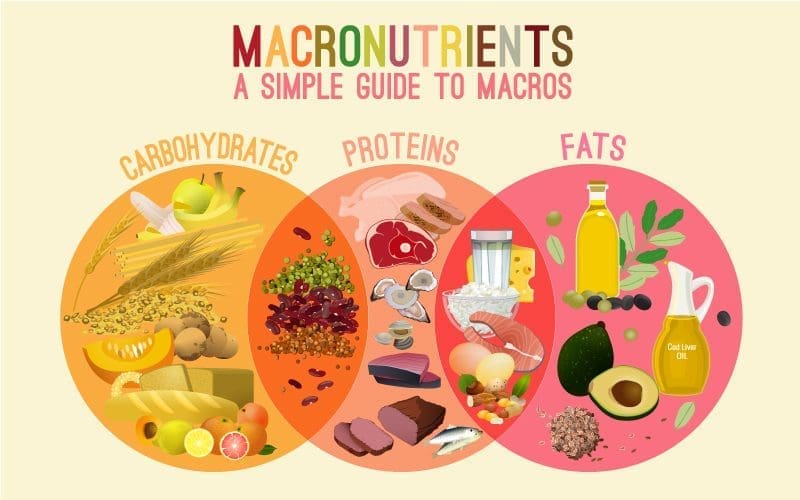
At the heart of every meal lies a fundamental trinity: carbohydrates, proteins, and fats. These are the macronutrients, the "macros," so named because our bodies require them in large quantities. Each plays a distinct, indispensable role, yet their true power is unleashed when they work in concert, a symphony of nourishment orchestrated by the wisdom of a balanced plate.
Carbohydrates: The Energy Currency of Life
Carbohydrates, or "carbs," have had perhaps the most tumultuous journey in the modern dietary narrative. Once hailed as the primary fuel source, they were later demonized as the root of obesity and chronic disease, only to be tentatively rehabilitated as understanding evolved. The truth, as often is the case, lies in the nuances.
Carbohydrates are, at their core, the body's preferred and most efficient source of energy. They are broken down into glucose, which fuels everything from cellular processes to the intricate computations of the brain. Without sufficient glucose, our bodies resort to less efficient, more stressful metabolic pathways.
The story of a carbohydrate begins with its structure. We encounter two main types:
- Simple Carbohydrates: These are like quick, immediate cash infusions. They consist of one or two sugar molecules (monosaccharides or disaccharides) and are rapidly digested and absorbed, leading to a quick spike in blood glucose. Think of the natural sugars in fruit (fructose), milk (lactose), or the added sugars in candy, soda, and many processed foods (sucrose). While fruit sugars come packaged with fiber, vitamins, and antioxidants, refined sugars offer little more than empty calories, akin to a spending spree with no long-term benefits.
- Complex Carbohydrates: These are the long-term investments, providing sustained energy. They are made up of long chains of sugar molecules (polysaccharides) and require more time and effort for the body to break down. This slower digestion results in a more gradual and sustained release of glucose into the bloodstream, avoiding the sharp peaks and valleys associated with simple sugars. Sources include whole grains (oats, brown rice, quinoa), legumes (beans, lentils), and starchy vegetables (potatoes, sweet potatoes).
A crucial concept for the knowledgeable audience is the Glycemic Index (GI) and Glycemic Load (GL). The GI measures how quickly a carbohydrate raises blood sugar, while the GL considers both the GI and the actual amount of carbohydrate consumed. Foods with a high GI and GL can lead to rapid blood sugar spikes, potentially stressing the insulin response over time. Conversely, low GI/GL foods provide a steady energy stream, promoting satiety and metabolic stability. The story here is one of balance: while an immediate glucose surge might be beneficial for an athlete mid-race, for daily sustenance, the sustained release from complex carbs is far more advantageous.
Beyond energy, carbohydrates, particularly complex ones, offer another vital component: fiber. Fiber, though technically a carbohydrate, is largely indigestible by human enzymes. Its journey through our digestive system is not one of absorption but of facilitation. Soluble fiber (found in oats, beans, fruits) dissolves in water, forming a gel that aids digestion, helps regulate blood sugar, and can lower cholesterol. Insoluble fiber (found in whole grains, vegetables) adds bulk to stool, promoting regularity and preventing constipation. Fiber is the unsung hero, feeding our gut microbiome, the complex ecosystem of bacteria that profoundly influences our immunity, mood, and overall health.
The narrative that "carbs are bad" is an oversimplification. The true story lies in distinguishing between the life-giving whole grains, vibrant fruits, and earthy vegetables that nourish us, and the refined sugars and processed flours that offer fleeting pleasure at a long-term cost. A balanced meal wisely includes complex carbohydrates, providing the sustained energy our bodies and brains crave, without the metabolic roller coaster.
Proteins: The Architects of Life
If carbohydrates are the body's fuel, then proteins are its architects, engineers, and construction workers. They are the foundational building blocks of every cell, tissue, and organ. The story of protein is one of constant repair, renewal, and dynamic action.
Proteins are large, complex molecules made up of smaller units called amino acids. Imagine amino acids as a vast alphabet, and proteins as the infinite words and sentences they can form. There are 20 different amino acids commonly found in proteins. Of these, nine are considered essential amino acids because our bodies cannot synthesize them; we must obtain them directly from our diet. The remaining 11 are non-essential amino acids, which our bodies can produce from other amino acids or precursors.
The roles of protein in the body are staggering in their breadth:
- Structural Components: Proteins form the structural framework of cells and tissues. Collagen and elastin, for instance, provide strength and elasticity to skin, bones, tendons, and ligaments.
- Enzymes: Most enzymes, the biological catalysts that drive nearly all chemical reactions in the body (digestion, energy production, muscle contraction), are proteins.
- Hormones: Many hormones, which act as chemical messengers regulating various bodily functions (insulin, growth hormone), are protein-based.
- Immune Function: Antibodies, the frontline defenders against pathogens, are proteins.
- Transport and Storage: Proteins transport substances like oxygen (hemoglobin), fats, and vitamins throughout the body, and can store nutrients like iron.
- Fluid Balance: Proteins help maintain the proper balance of fluids in and out of cells.
- Muscle Contraction: Actin and myosin, the proteins responsible for muscle movement, are vital for every physical action, from a blink to a sprint.
Sources of protein are diverse. Complete proteins contain all nine essential amino acids in sufficient quantities. These are typically found in animal products like meat, poultry, fish, eggs, and dairy. Incomplete proteins lack one or more essential amino acids and are common in plant-based foods like legumes, grains, nuts, and seeds. However, the knowledgeable audience understands that combining various plant proteins throughout the day (e.g., rice and beans, hummus and pita) can easily create a complete protein profile, a concept known as protein complementarity. This dispels the myth that plant-based diets inherently lead to protein deficiency.
For those engaged in active lifestyles, the concept of protein timing can be significant. While the total daily protein intake is paramount, consuming protein around resistance exercise can optimize muscle repair and growth. Furthermore, protein plays a powerful role in satiety, helping us feel fuller for longer, which can be invaluable for weight management.
The story of protein is one of constant renewal. Every day, our bodies break down and rebuild proteins, a dynamic process that underscores the critical need for a consistent supply from our diet. Without adequate protein, the body struggles to repair itself, immune function falters, and muscle mass can dwindle. A balanced meal ensures a robust supply of these vital architects, empowering our bodies to build, repair, and thrive.
Fats: The Unsung Heroes and Misunderstood Saviors
Fats, or lipids, have perhaps the most dramatic comeback story in nutritional science. For decades, they were the ultimate dietary villain, blamed for heart disease and obesity, leading to a proliferation of low-fat products that often replaced healthy fats with unhealthy sugars. The truth, now widely accepted by the scientific community, is that fats are not only essential but profoundly beneficial when the right types are consumed. The story of fat is one of protection, insulation, and deep-seated nourishment.
Fats are crucial for numerous physiological functions:
- Energy Storage: Fats are the most concentrated source of energy, providing 9 calories per gram (compared to 4 calories per gram for carbs and protein). They serve as our body's long-term energy reserves.
- Vitamin Absorption: Many vital vitamins (A, D, E, K) are fat-soluble, meaning they require fat to be properly absorbed and utilized by the body.
- Cell Membrane Structure: Fats are integral components of cell membranes, providing structural integrity and regulating what enters and exits cells.
- Hormone Production: Fats are precursors to many hormones, including sex hormones and stress hormones.
- Insulation and Protection: Adipose tissue (body fat) insulates the body against cold and protects vital organs from physical shock.
- Brain Health: The brain is approximately 60% fat, and certain fatty acids are critical for cognitive function, mood regulation, and neurological development.
Like carbohydrates, not all fats are created equal. We classify them based on their chemical structure:
- Saturated Fats: Historically demonized, saturated fats are found primarily in animal products (red meat, butter, cheese) and some plant oils (coconut oil, palm oil). While excessive intake has been linked to increased LDL ("bad") cholesterol in some individuals, recent research suggests that the picture is more complex, and the impact depends on the overall dietary context and individual genetics. Moderation and quality sources are key.
- Unsaturated Fats: These are generally considered "healthy fats" and are liquid at room temperature.
- Monounsaturated Fats (MUFAs): Found in olive oil, avocados, nuts (almonds, cashews), and seeds. They are known to help lower LDL cholesterol and raise HDL ("good") cholesterol.
- Polyunsaturated Fats (PUFAs): These include the essential fatty acids, Omega-3 and Omega-6, which the body cannot produce on its own.
- Omega-3 Fatty Acids: Found in fatty fish (salmon, mackerel, sardines), flaxseeds, chia seeds, and walnuts. They are crucial for brain health, reducing inflammation, and supporting cardiovascular health. The story of Omega-3 is one of balance; modern diets are often deficient in this vital fat.
- Omega-6 Fatty Acids: Found in vegetable oils (soybean, corn, sunflower), nuts, and seeds. While essential, excessive intake, particularly in relation to Omega-3, can promote inflammation. The typical Western diet often has an imbalanced Omega-6 to Omega-3 ratio, sometimes as high as 20:1, when an ideal ratio is closer to 1:1 or 4:1.
- Trans Fats: These are the undisputed villains of the fat world. Industrially produced trans fats, created through a process called hydrogenation, are found in many processed and fried foods. They significantly raise LDL cholesterol and lower HDL cholesterol, dramatically increasing the risk of heart disease. Their story is one of a misguided industrial experiment that has caused widespread harm, leading to their ban in many countries.
The key takeaway for fats is quality over quantity, and balance. Prioritizing sources of unsaturated fats, especially Omega-3s, while consuming saturated fats in moderation from whole, unprocessed sources, is a cornerstone of a balanced diet. Fats provide not just energy, but a rich tapestry of protective and functional benefits, essential for a healthy, vibrant life.
Beyond the Macros: The Art of Balance and the Supporting Cast
While macronutrients form the backbone of our diet, the true art of nourishment lies in understanding their synergy and appreciating the vital roles of other dietary components. A balanced meal is never just about isolated macros; it's a holistic composition.
The Synergy of Macros: More Than the Sum of Their Parts
The magic truly happens when macronutrients are combined. Consider this: carbohydrates provide quick energy, but when paired with protein and healthy fats, their digestion slows down. This creates a more sustained energy release, preventing blood sugar spikes and crashes, and prolonging feelings of satiety. Protein, on its own, can be satiating, but with a source of healthy fats, that feeling of fullness is amplified. Fats, while energy-dense, benefit from the structural support of protein and the fiber from complex carbohydrates.
Imagine a balanced meal as a well-designed engine. Carbohydrates are the primary fuel, protein provides the structural components and regulatory systems, and fats are the lubricants, insulators, and long-term energy reserves. Each part supports and enhances the others, leading to optimal performance. A plate that visually and functionally integrates these three elements – a lean protein, a complex carbohydrate, and healthy fats, often alongside a generous serving of vegetables – is a powerful blueprint for health.
Micronutrients: The Unseen Orchestrators
While macros provide the bulk of energy and building blocks, micronutrients – vitamins and minerals – are the unsung heroes. Required in much smaller quantities, they act as crucial co-factors, catalysts, and regulators for virtually every biochemical reaction in the body. They are the intricate gears and springs within the macro-engine, without which the whole system grinds to a halt.
For instance, B vitamins are essential for converting carbohydrates into energy. Vitamin C is vital for collagen synthesis (a protein). Magnesium is involved in over 300 enzymatic reactions, including protein synthesis and muscle function. Zinc is critical for immune function and cell growth. The beauty of whole, unprocessed foods is that they are naturally rich in both macronutrients and their accompanying micronutrients, ensuring that the body receives a complete nutritional package. This is why prioritizing whole foods is almost always superior to relying on isolated macro supplements.
Fiber: The Gut's Best Friend
Often classified under carbohydrates, fiber deserves its own spotlight. It's the diligent cleaner and regulator of our digestive system. Its story is one of gentle propulsion, bacterial nourishment, and metabolic control. Beyond aiding digestion and preventing constipation, fiber plays a critical role in:
- Blood Sugar Regulation: Soluble fiber slows the absorption of sugar, helping to stabilize blood glucose levels.
- Cholesterol Management: Certain types of fiber can bind to cholesterol in the digestive tract, preventing its absorption and aiding in its excretion.
- Satiety: Fiber adds bulk to meals, helping us feel full and satisfied, which can be beneficial for weight management.
- Gut Microbiome Health: Insoluble fiber acts as a prebiotic, feeding the beneficial bacteria in our gut. A healthy microbiome is linked to improved immunity, mood, and reduced risk of chronic diseases.
Including a variety of high-fiber foods – fruits, vegetables, legumes, and whole grains – is paramount for a truly balanced diet and a healthy digestive narrative.
Water: The Elixir of Life
Finally, in any discussion of nourishment, we must mention the most fundamental, yet often overlooked, nutrient: water. While not a macronutrient in the traditional sense (it doesn't provide calories), it is absolutely essential for life and required in the largest quantities. Water is the universal solvent, the medium for all metabolic reactions, transporting nutrients, regulating body temperature, lubricating joints, and flushing out waste products. Its story is one of constant circulation, renewal, and fundamental necessity. A balanced meal is incomplete without adequate hydration, ensuring that all the meticulously consumed macros and micros can perform their vital roles.
Crafting Your Nutritional Narrative: Practical Application
Understanding macronutrients is the theoretical foundation; applying that knowledge is where your personal nutritional story truly begins. There's no single, universally perfect macronutrient ratio or meal plan, because your body, your lifestyle, and your goals are unique. This is where the narrative becomes intensely personal, a bespoke journey of discovery.
The "Why" Behind the "What": Personalization
Your individual needs are the compass that guides your dietary choices. Factors to consider include:
- Age: Nutritional requirements shift across the lifespan. Children need ample calories and protein for growth; older adults may need more protein to counteract muscle loss (sarcopenia).
- Activity Level: A sedentary office worker will have vastly different energy and macronutrient needs than a competitive athlete. Higher activity levels generally demand more carbohydrates for fuel and protein for repair.
- Health Goals: Are you aiming for weight loss, muscle gain, improved athletic performance, managing a specific health condition (e.g., diabetes, heart disease), or simply general well-being? Each goal will subtly shift the optimal macro balance.
- Dietary Preferences and Restrictions: Vegan, vegetarian, gluten-free, allergen considerations – these all influence food choices and require thoughtful planning to ensure macro and micro adequacy.
- Genetics: Individual genetic predispositions can influence how we metabolize certain nutrients. While complex, this underscores why a one-size-fits-all approach often fails.
The story here is not about conforming to an external dogma, but about listening to your own body's unique signals and needs. It's about becoming an informed, compassionate caretaker of your own biological system.
Meal Composition Strategies: The Plate as a Blueprint
Instead of rigid rules, think of flexible frameworks. One popular and effective strategy is the Plate Method:
- Half Your Plate: Fill with non-starchy vegetables (leafy greens, broccoli, bell peppers, carrots, etc.). These provide fiber, vitamins, minerals, and volume with minimal calories.
- A Quarter of Your Plate: Dedicate to lean protein (chicken breast, fish, tofu, legumes, eggs). This ensures satiety and provides essential building blocks.
- A Quarter of Your Plate: Reserve for complex carbohydrates (quinoa, brown rice, sweet potato, whole-grain bread). This provides sustained energy.
- A Dash of Healthy Fats: Don't forget healthy fats, which can be incorporated through cooking oils (olive oil), avocado, nuts, seeds, or fatty fish.
This visual guide offers a simple yet powerful way to ensure macronutrient balance at each meal, fostering satiety and nutrient density.
Beyond the plate, remember to:
- Prioritize Whole, Unprocessed Foods: This is the golden rule. Foods in their natural state are nutrient-dense and come with their full complement of fiber and micronutrients. Processed foods, conversely, often strip away nutrients and add unhealthy fats, sugars, and sodium.
- Mindful Eating: Pay attention to your body's hunger and fullness cues. Eat slowly, savor your food, and put away distractions. This allows your digestive system to work efficiently and helps you recognize true satiety, rather than overeating out of habit or distraction.
- Consider Meal Timing: For most individuals, consistency in meal timing supports stable blood sugar and energy levels. For athletes, pre- and post-workout nutrition strategies (e.g., carbs before, protein after) can optimize performance and recovery. Intermittent fasting is another approach some find beneficial, though it's less about what you eat and more about when.
Common Pitfalls and How to Navigate Them: A Story of Resilience
The path to balanced eating is rarely a straight line. There will be temptations, misinformation, and moments of doubt.
- Macro-Counting Obsession vs. Intuitive Eating: While tracking macros can be a valuable educational tool for a knowledgeable audience, it can also devolve into an obsessive, unsustainable practice. The goal is to learn what a balanced plate looks like for you, and then transition to a more intuitive approach, where you naturally gravitate towards nourishing choices.
- Fear of Certain Food Groups: Diet culture often paints entire food groups as "good" or "bad." Reframe this narrative. No single food is inherently evil. It's the overall pattern of eating that matters. Reintroduce foods you may have unnecessarily restricted, focusing on whole, unprocessed versions.
- The Influence of Diet Culture: Be critical of extreme claims, quick fixes, and products that promise miraculous results. True health is a journey, not a destination, built on consistent, sustainable habits.
- Learning to Read Labels: For the knowledgeable audience, diving deeper into food labels goes beyond just calories. Look at the serving size, total fat (and types of fat), cholesterol, sodium, total carbohydrates (and fiber/sugar content), and protein. The ingredient list is crucial: the shorter, the better, and recognize what the ingredients are. This empowers you to make truly informed choices.
The story of navigating these pitfalls is one of resilience, critical thinking, and a commitment to long-term health over short-term trends.
The Long View: Sustaining Your Nutritional Story
True nourishment extends far beyond the numbers on a nutrition label. It encompasses the psychological, emotional, and social aspects of food. Your nutritional story is an ongoing narrative, adaptable and evolving.
Beyond the Numbers: The Holistic Plate
Food is not merely fuel; it is culture, connection, celebration, and comfort. A truly balanced approach acknowledges these facets.
- Enjoyment and Pleasure: Food should be pleasurable. Savoring meals, exploring new flavors, and enjoying food with loved ones are vital for well-being. Restrictive diets that strip away joy are rarely sustainable.
- Social Connection: Sharing meals is a fundamental human experience, fostering bonds and community. Don't let rigid dietary rules isolate you.
- Cultural Significance: Food is deeply intertwined with cultural identity. Embrace your heritage and find ways to nourish yourself within that context.
The challenge is to harmonize these aspects with the principles of balanced nutrition. It's about finding the sweet spot where food nourishes your body, mind, and spirit without compromising your health goals.
Flexibility and Adaptability: Life Happens
Life is unpredictable. There will be holidays, celebrations, travel, and periods of stress. A healthy relationship with food embraces flexibility, rather than striving for unattainable perfection. One "off" meal or even a "cheat day" does not derail your entire health journey. It's about consistently making good choices, and gently course-correcting when you veer off track. The story of your health is a marathon, not a sprint, filled with small victories and occasional detours. Embrace the journey, learn from experience, and return to your foundational principles with grace.
Conclusion: The Unfolding Narrative of Your Health
Our journey through the world of macronutrients reveals a profound truth: our bodies are incredibly sophisticated systems, capable of remarkable resilience and adaptation, provided we offer them the right building blocks. Understanding carbohydrates, proteins, and fats is not about adhering to a rigid dogma, but about acquiring a language – the language of nourishment – that allows us to communicate effectively with our own biology.
From the energy-providing carbohydrates, to the structural integrity of proteins, to the protective and functional benefits of healthy fats, each macronutrient plays an irreplaceable role. When combined thoughtfully, supported by micronutrients, fiber, and adequate hydration, they orchestrate a symphony of health and vitality.
This is your story. Your plate is your canvas, your meals are the chapters, and your health is the unfolding narrative. Armed with knowledge, guided by self-awareness, and inspired by the wisdom of balanced eating, you possess the power to write a compelling story of well-being, resilience, and sustained vitality, one nourishing meal at a time. It's a journey not of deprivation, but of abundance – an abundance of energy, clarity, and the profound satisfaction that comes from truly nourishing the miraculous vessel that carries you through life.


