From Basmati to Arborio: Unraveling the Unique Nutritional Tapestry of Rice Varieties
The scent of simmering rice is, for billions across the globe, the scent of home. It evokes comfort, sustenance, and the quiet rhythm of daily life. From the fragrant kitchens of South Asia to the bustling trattorias of Italy, from the vibrant markets of Thailand to the humble hearths of West Africa, rice is not merely a grain; it is a cultural cornerstone, a caloric anchor, and a profound source of identity. Yet, to speak of "rice" as a monolithic entity is akin to speaking of "fruit" without distinguishing between the crisp apple and the succulent mango. Beneath the deceptively simple appearance of each grain lies a world of genetic diversity, agricultural nuance, and culinary artistry, all of which conspire to create unique nutritional profiles.
This journey invites us to look beyond the surface, to delve into the intricate dance of starches, fibers, vitamins, and minerals that define each rice variety. We will embark on an exploration from the long, slender elegance of Basmati to the plump, creamy embrace of Arborio, uncovering how their unique characteristics translate into distinct nutritional stories. For the knowledgeable palate, understanding these nuances is not just an academic exercise; it is an invitation to make more informed choices, to appreciate the profound link between soil and sustenance, and to celebrate the astounding biodiversity that graces our tables.
The Ancestral Grain: A Foundation of Life
Our story begins with Oryza sativa, the Asian rice, and its lesser-known cousin, Oryza glaberrima, the African rice. Domesticated thousands of years ago, rice has ascended to become the most widely consumed staple food for a staggering proportion of humanity. Its dominance stems from its remarkable caloric density, ease of cultivation in diverse climates, and its ability to provide sustained energy. At its core, rice is a carbohydrate powerhouse, delivering the fuel our bodies need to function. But this foundational truth only scratches the surface of its nutritional complexity.
To truly appreciate the differences between varieties, we must first understand the anatomy of a single rice grain. Imagine a tiny, self-contained universe, perfectly engineered for survival and, ultimately, for nourishing us:
- The Hull (or Husk): The outermost protective layer, inedible and removed during processing.
- The Bran: A thin, multi-layered outer skin rich in fiber, B vitamins (thiamine, niacin, pyridoxine), minerals (magnesium, phosphorus, selenium), and a treasure trove of antioxidants, including various phenolic compounds and flavonoids. This is where much of the nutritional magic happens.
- The Germ: The embryo of the grain, packed with healthy fats, vitamin E, more B vitamins, and trace minerals. It's the life-giving heart of the grain.
- The Endosperm: The largest part of the grain, primarily composed of starch (carbohydrates), with a modest amount of protein. This is the energy reservoir.
The critical distinction between "brown" and "white" rice hinges entirely on how these layers are treated. Brown rice retains its bran and germ, preserving the vast majority of its nutritional bounty. White rice, through a process called milling or polishing, sheds these outer layers, leaving behind primarily the starchy endosperm. This industrial refinement, while extending shelf life and altering texture, undeniably strips away significant nutritional value. Our exploration of Basmati and Arborio will primarily focus on their more common white forms, but it's crucial to remember that brown versions of almost all varieties exist, offering a vastly superior nutritional profile.
Basmati: The Aromatic Aristocrat of the Himalayas
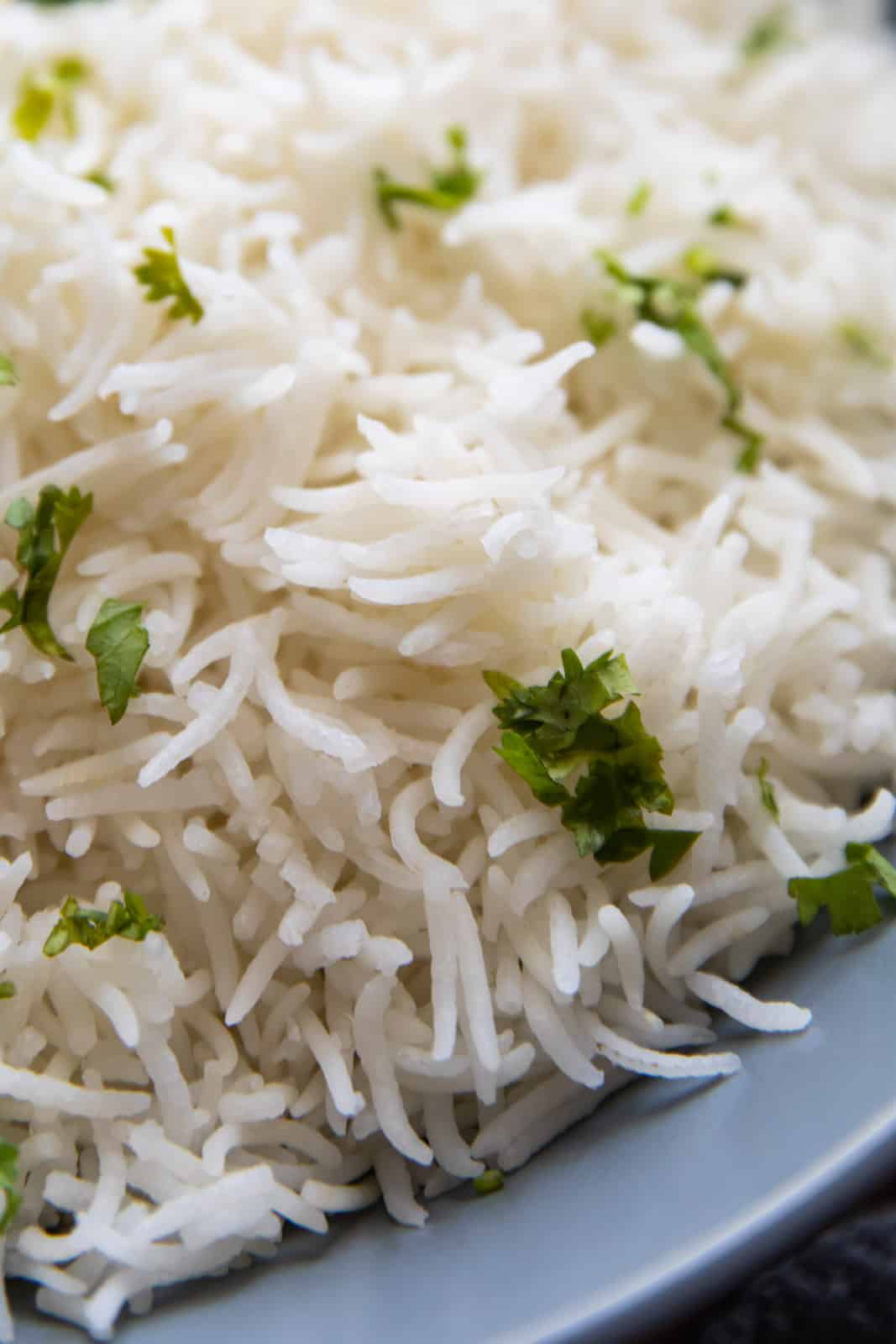
Our first protagonist, Basmati, is more than just a grain; it's an experience. Originating from the fertile foothills of the Himalayas, primarily cultivated in India and Pakistan, Basmati is renowned for its slender, elongated grains, its delicate, nutty flavor, and, most famously, its captivating aroma. This fragrance, often described as akin to pandan or popcorn, is primarily due to the presence of a chemical compound called 2-acetyl-1-pyrroline. When cooked, Basmati grains elongate further, becoming distinct, fluffy, and non-sticky – a testament to its unique starch composition.
The Nutritional Blueprint of Basmati:
When we consider white Basmati rice, we are primarily looking at its endosperm, though even in this refined state, Basmati offers some noteworthy characteristics:
- Carbohydrates and Glycemic Index (GI): Like all rice, Basmati is predominantly carbohydrates. However, one of its most celebrated nutritional attributes is its relatively lower Glycemic Index (GI) compared to many other white rice varieties. The GI is a measure of how quickly a food raises blood glucose levels. Basmati's lower GI (typically in the medium range, around 50-58) is attributed to its higher amylose content. Amylose is a straight-chain starch molecule that is more resistant to digestion than amylopectin, a branched-chain starch. This slower digestion leads to a more gradual release of glucose into the bloodstream, making it a more favorable choice for individuals managing blood sugar levels, such as those with diabetes, or anyone seeking sustained energy without a sharp spike and crash.
- Protein: Basmati rice contains a moderate amount of protein, typically around 3-4 grams per cooked cup. While not a complete protein on its own (lacking certain essential amino acids), it contributes meaningfully to daily protein intake, especially when paired with legumes, lentils, or animal proteins, which is common in many South Asian cuisines.
- Fiber: As white Basmati, its fiber content is low, as the bran has been removed. However, opting for brown Basmati drastically increases fiber intake, bringing with it all the benefits of improved digestion, satiety, and blood sugar regulation. Brown Basmati offers a delightful compromise, combining the aromatic quality with enhanced nutrition.
- Micronutrients: White Basmati, like most white rices, has reduced levels of B vitamins (thiamine, niacin), iron, zinc, and magnesium compared to its brown counterpart. However, some brands of Basmati, particularly those sold in Western markets, may be "enriched" with these lost nutrients. Brown Basmati, conversely, is a good source of these essential minerals and vitamins.
- Antioxidants: While the most potent antioxidants reside in the bran layer of brown rice, even white Basmati contains some beneficial phenolic compounds. These compounds play a role in protecting cells from oxidative damage, contributing to overall health. Brown Basmati, however, significantly amplifies this antioxidant capacity.
Culinary Context and Health Implications:
Basmati's non-sticky, fluffy texture makes it ideal for pilafs, biryanis, and as a perfect accompaniment to curries and stews, allowing each grain to absorb flavors without clumping. The traditional pairing of Basmati with protein-rich lentils (dal) and a medley of vegetables creates a nutritionally balanced meal, providing complete proteins, fiber, and a wide array of micronutrients. The "aging" process, where Basmati rice is stored for a period (sometimes years) before sale, further enhances its aroma, texture, and is also believed to contribute to its lower GI, as starches undergo subtle changes. For those seeking a white rice option that offers a more controlled impact on blood sugar and a delightful sensory experience, Basmati stands out.
Arborio: The Creamy Canvas of Italian Cuisine
From the aromatic fields of the Himalayas, we journey to the verdant Po Valley in Italy, the birthplace of Arborio rice. Arborio is a stark contrast to Basmati. It is a medium-short grain rice, plump and pearly white, known for its remarkably high starch content and its ability to absorb liquids while retaining a firm, chewy core (al dente). This unique characteristic makes it the undisputed king of risotto, the creamy, luxurious Italian dish that showcases Arborio's singular talent for transforming into a velvety emulsion.
The Nutritional Blueprint of Arborio:
Arborio's nutritional profile is heavily influenced by its unique starch composition, particularly its high amylopectin content and lower amylose.
- Carbohydrates and Glycemic Index (GI): Arborio is also primarily carbohydrates, but its high amylopectin content means it digests much more rapidly than Basmati. Amylopectin is a highly branched starch molecule that is easily broken down by digestive enzymes, leading to a quicker and more pronounced rise in blood glucose levels. Consequently, Arborio rice typically has a higher Glycemic Index (GI), often in the high range (70-80 or more). This rapid glucose release provides quick energy but can be a concern for individuals managing blood sugar levels.
- Starch Release and Creaminess: The magic of Arborio lies in its ability to release its outer starch during cooking, creating the characteristic creamy texture of risotto. While this is a culinary marvel, it also means that the starch is more readily available for digestion. This rapid release of starch is what contributes to its higher GI.
- Protein: Similar to other white rice varieties, Arborio provides a modest amount of protein, around 2-3 grams per cooked cup.
- Fiber: As a refined white rice, Arborio's fiber content is low, with the bran and germ removed. There is a brown Arborio rice available, which would offer increased fiber and micronutrients, but it is far less common and changes the texture and cooking properties significantly, making it less suitable for traditional risotto.
- Micronutrients: Like other white rices, Arborio has lower levels of B vitamins, iron, and magnesium compared to whole grain varieties. Fortified versions are less common than for long-grain white rice in some regions, as Arborio is a specialty grain.
Culinary Context and Health Implications:
Arborio's primary destiny is risotto. The slow cooking process, with gradual additions of broth and constant stirring, coaxes out its starches, creating a luscious, creamy sauce. However, it's important to consider the overall nutritional profile of a typical risotto dish. Risotto often includes butter, cheese (like Parmesan), wine, and various vegetables or proteins. While Arborio itself has a higher GI, the addition of fats and proteins from butter, cheese, and other ingredients can help to slow down the absorption of glucose, mitigating the immediate glycemic impact of the rice itself. Vegetables add fiber and micronutrients.
For those concerned about blood sugar management, choosing a risotto with plenty of vegetables and lean protein, and perhaps a smaller portion, can make it a more balanced meal. The unique texture and mouthfeel of Arborio are irreplaceable for specific dishes, highlighting that culinary delight often coexists with diverse nutritional profiles.
Beyond Basmati and Arborio: A Spectrum of Nutritional Diversity
While Basmati and Arborio offer fascinating insights into rice's dual nature – the slow-release carbohydrate versus the creamy, quick-energy starch – they represent only a fraction of the incredible diversity available. Understanding other varieties further enriches our appreciation for rice's nutritional potential.
Brown Rice: The Unsung Hero of Wholeness
Any variety of rice, when left unpolished, becomes "brown rice." This includes brown Basmati, brown Arborio (though rare), and generic long-grain or short-grain brown rice. The consistent nutritional advantage of brown rice lies in its retention of the bran and germ.
- Fiber Powerhouse: Brown rice is an excellent source of dietary fiber, both soluble and insoluble. This translates to improved digestive health, increased satiety (helping with weight management), and a slower, more controlled release of glucose into the bloodstream, resulting in a lower GI compared to white rice.
- Micronutrient Richness: It is a significant source of B vitamins (B1, B3, B6), essential for energy metabolism, nerve function, and red blood cell production. It also provides vital minerals such as magnesium (crucial for muscle and nerve function, blood sugar control), phosphorus (bone health), selenium (antioxidant), and zinc (immune function).
- Antioxidant Abundance: The bran layer of brown rice is laden with potent antioxidants, including phenolic compounds and flavonoids, which combat oxidative stress and inflammation, contributing to long-term health.
- Phytic Acid: Brown rice contains phytic acid (phytate), an "antinutrient" that can bind to minerals like iron, zinc, and calcium, potentially reducing their absorption. However, the overall nutritional benefits of brown rice far outweigh this concern, especially in a varied diet. Soaking and cooking methods can also help reduce phytic acid levels.
- Arsenic: A common concern with brown rice is its higher potential for arsenic accumulation from the soil, particularly inorganic arsenic. This is due to arsenic concentrating in the bran layer. However, proper cooking methods (using a higher water-to-rice ratio, draining excess water, and rinsing rice before cooking) can significantly reduce arsenic levels.
Black Rice (Forbidden Rice): The Antioxidant Champion
Once reserved for Chinese emperors, black rice is a whole grain rice that earns its dramatic dark purple-black hue from high levels of anthocyanins. These are the same powerful antioxidants found in blueberries, blackberries, and acai.
- Anthocyanin Power: Black rice boasts one of the highest antioxidant capacities among all rice varieties. These compounds are linked to anti-inflammatory properties, potential anti-cancer effects, and benefits for cardiovascular health and brain function.
- Enhanced Nutrition: Beyond antioxidants, black rice often has higher protein and fiber content than even brown rice, along with good amounts of iron and vitamin E.
- Nutty Flavor and Chewy Texture: It offers a slightly sweet, nutty flavor and a satisfyingly chewy texture, making it excellent in salads, desserts, or as a vibrant side dish.
Red Rice: The Earthy, Nutrient-Dense Cousin
Red rice, another whole grain variety, gets its reddish-brown color from anthocyanins (a different spectrum than black rice) and other phenolic compounds in its bran layer.
- Rich in Iron and Zinc: Red rice is particularly noted for its higher iron and zinc content, crucial for oxygen transport and immune function, respectively.
- Fiber and Antioxidants: Like brown and black rice, it's a good source of dietary fiber and various antioxidants, contributing to overall health.
- Earthy Flavor and Firm Texture: It has an earthy, slightly sweet flavor and a firm texture, making it suitable for pilafs, stews, and side dishes.
Wild Rice: The Grass Seed Imposter (Nutritional Standout)
While botanically not a true rice (it's the seed of an aquatic grass, Zizania aquatica), wild rice is often grouped with rice due to its culinary use. It is a nutritional powerhouse in its own right.
- Protein Champion: Wild rice stands out for its significantly higher protein content compared to true rice varieties, often boasting a more complete amino acid profile, including lysine, which is often limited in other grains.
- Fiber and Micronutrients: It is an excellent source of dietary fiber, B vitamins, magnesium, phosphorus, and zinc.
- Unique Flavor and Texture: With its distinct nutty, earthy flavor and chewy texture, it's a fantastic addition to salads, stuffings, and grain bowls.
Parboiled Rice: A Bridge Between White and Brown
Parboiling is a process where rice is partially boiled in its husk. This involves soaking, steaming, and drying the paddy before milling.
- Nutrient Migration: The steaming process drives some of the B vitamins and minerals from the bran and germ into the starchy endosperm. This means that even after milling, parboiled white rice retains more nutrients than regular white rice, making it nutritionally superior to conventional white rice but still less nutrient-dense than brown rice.
- Lower GI: Parboiled rice also tends to have a lower GI than regular white rice due to changes in starch structure during processing.
- Texture: It cooks up fluffier and less sticky than regular white rice.
Enriched Rice: Fortification for Public Health
Many white rice varieties, especially those widely distributed as staples, are "enriched." This means that specific nutrients lost during milling (primarily B vitamins like thiamine, niacin, folic acid, and iron) are added back to the polished grain. While not a substitute for the whole grain, enrichment is a crucial public health measure to combat micronutrient deficiencies in populations heavily reliant on white rice.
Factors Beyond Variety: A Holistic View of Rice Nutrition
The journey from Basmati to Arborio, and across the spectrum of other rice types, reveals a rich tapestry of nutritional differences. However, the story doesn't end with variety alone. Several other factors profoundly influence the nutritional value of the rice that lands on our plate:
- Cultivation Practices: The soil in which rice is grown, its mineral content, and the farming methods employed (e.g., organic vs. conventional, water management) can influence the grain's nutrient profile. For instance, soil contaminated with heavy metals can lead to higher arsenic levels in rice.
- Processing Methods: As extensively discussed, the degree of milling is paramount. But even within white rice, different polishing levels can subtly alter nutrient retention. Parboiling is a specific processing method with distinct nutritional outcomes.
- Cooking Methods: How we prepare rice significantly impacts its nutritional value.
- Rinsing: Rinsing rice before cooking can reduce surface starch (for less stickiness) and, more importantly, can help remove some heavy metals like arsenic, particularly with brown rice. However, excessive rinsing can also wash away some water-soluble vitamins.
- Water-to-Rice Ratio: Cooking rice with excess water and then draining the unabsorbed water (like pasta) can further reduce arsenic levels, especially in brown rice.
- Soaking: Soaking brown rice before cooking can reduce cooking time and may help to reduce levels of phytic acid, potentially enhancing mineral bioavailability.
- Cooking Time: Overcooking can lead to nutrient degradation, especially for heat-sensitive vitamins.
- Storage: Proper storage (cool, dry, airtight containers) is crucial to prevent nutrient degradation, rancidity (especially for the fats in brown rice's germ), and pest infestation.
- Serving Size and Complementary Foods: The overall nutritional impact of rice is heavily influenced by how much we eat and what we eat it with. A small portion of high-GI rice alongside plenty of vegetables, lean protein, and healthy fats will have a very different "glycemic load" (the quality and quantity of carbohydrate) and overall nutritional outcome than a large portion eaten alone. The concept of "food synergy" is particularly relevant here; the combination of foods often yields greater nutritional benefits than individual components.
The Nuance of "Healthy" Rice Choices
In a world obsessed with superfoods and dietary absolutes, it's tempting to label one rice "good" and another "bad." However, the truth, as with most nutrition, is far more nuanced. There is no single "best" rice for everyone, everywhere, all the time.
- For Blood Sugar Management: Brown rice, black rice, red rice, and parboiled rice, with their lower GI and higher fiber, are generally more favorable choices than white Basmati or Arborio.
- For Weight Management: The increased fiber and protein in whole grain rice varieties promote satiety, potentially aiding in weight control.
- For Micronutrient Intake: Whole grain varieties (brown, black, red, wild rice) are unequivocally superior in terms of vitamins, minerals, and antioxidants.
- For Specific Culinary Needs: Arborio's unique starch profile is irreplaceable for a truly authentic risotto. Basmati's distinct aroma and fluffy texture are central to many South Asian and Middle Eastern dishes. Sometimes, the culinary outcome takes precedence, and the nutritional balance can be achieved through other components of the meal.
- For Cultural Significance and Joy: Food is not just fuel; it's culture, tradition, and pleasure. To deny oneself the occasional bowl of creamy risotto or fragrant Basmati pilaf for fear of its glycemic impact overlooks the holistic role of food in well-being. The key is balance, moderation, and mindful eating.
Ultimately, the most "healthy" choice is the one that best fits an individual's dietary needs, health goals, cultural preferences, and culinary aspirations, all within the context of a balanced and varied diet.
Conclusion: A Grain of Enduring Wisdom
From the delicate perfume of Basmati, whispering tales of ancient empires and slow digestion, to the rich, creamy texture of Arborio, a testament to culinary innovation and rapid energy, the world of rice is a microcosm of nature's ingenuity and human adaptation. We have journeyed through the intricate layers of a single grain, uncovered the secrets of starch molecules, and explored the vibrant palette of whole grain varieties, each offering its own unique nutritional narrative.
The story of rice is one of enduring wisdom – a lesson in diversity, resilience, and the profound connection between what we cultivate and how we thrive. By understanding the unique nutritional profiles of rice varieties, we are empowered to make choices that nourish not only our bodies but also our palates and our cultural heritage. So, the next time you savor a bowl of rice, take a moment to appreciate the incredible journey of each grain, and the silent, powerful story of sustenance it tells. For in every grain, from Basmati to Arborio, lies a universe of nutrition waiting to be understood and enjoyed.


