Colorful Chemistry: Using the Rainbow to Ensure You Hit All Your Mineral Targets
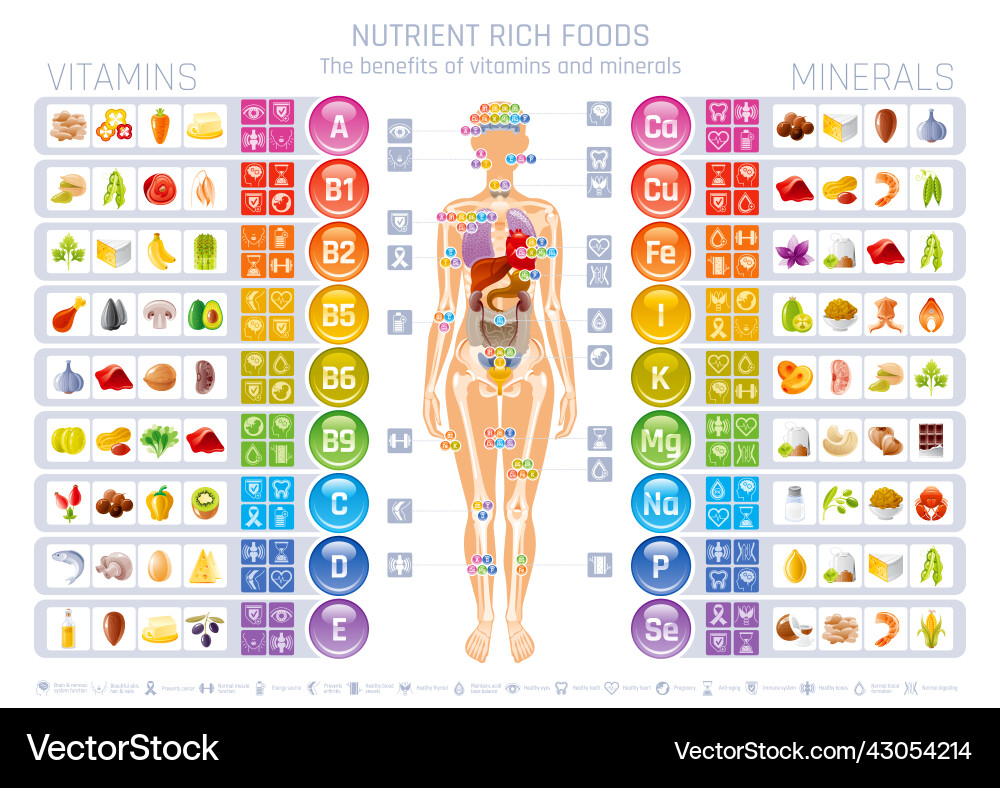
The world, in its deepest essence, is a symphony of vibrations, a dance of energy, and to the human eye, a breathtaking spectrum of colors. From the fiery reds of a sunset to the serene blues of the ocean, color permeates our existence, shaping our perceptions and stirring our emotions. Yet, beyond the aesthetic, color holds a profound secret, a silent language spoken by the very elements that compose our universe and sustain life itself. This is the realm of "Colorful Chemistry," a vibrant paradigm that harnesses the visible and invisible spectrum to unravel the intricate tapestry of mineral essentiality, guiding us to ensure we hit all our critical mineral targets.
For the discerning mind, the notion of "using the rainbow" is not merely a poetic flourish; it is a profound methodological and philosophical approach. It encapsulates the principle of comprehensive diversity, a commitment to exploring the full spectrum of possibilities rather than fixating on isolated components. In the complex dance of biochemistry and environmental science, where a myriad of macro and trace minerals play indispensable, often synergistic roles, a monochromatic view is a perilous oversight. The rainbow, therefore, becomes our compass, directing us towards a holistic understanding and a meticulous approach to mineral targeting, whether for human nutrition, agricultural yield, or ecological balance.
The Primal Palette: Minerals, Life, and the Dawn of Color
Our story begins not in a laboratory, but in the crucible of early Earth. Long before the first stirrings of life, the planet was a geological canvas, its surface a mosaic of elements forged in the heart of stars. Iron stained the ancient oceans red, copper veins laced through volcanic rock, and a myriad of other minerals lay dormant, awaiting their biological call. These inorganic compounds, seemingly inert, were the original building blocks, the very foundation upon which life would eventually emerge.
Early life forms, simple and elegant, learned to interact with this primal palette. They sequestered minerals, leveraging their unique electrochemical properties for fundamental processes: iron for electron transfer, magnesium for energy capture, calcium for structural integrity. The very processes of photosynthesis, respiration, and replication are deeply entwined with the availability and precise management of these elemental co-factors.
From a human perspective, our ancestors instinctively recognized the power of color in their environment, even if they didn't understand the underlying chemistry. The ochres and hematites used for cave paintings were iron oxides, their vibrant reds and yellows speaking of the element's ubiquity and stability. The striking blues of azurite and malachite, derived from copper, heralded the presence of valuable ores. These early observations, rudimentary as they were, established an intuitive link between specific colors and the presence of distinct mineral compounds, laying the groundwork for what would become Colorful Chemistry. The earth itself was, and remains, a vast, open-source textbook on mineralogy, its pages painted in hues that whisper of hidden compositions.
The Rainbow of Essentiality: Deconstructing Mineral Categories
To effectively utilize the rainbow as a guide, we must first understand the categories of minerals and their critical roles. These are broadly divided into macro-minerals, required in larger quantities, and trace minerals, needed in minute but no less vital amounts. Each plays a distinct part in the grand orchestration of physiological processes, and their combined presence, in harmonious balance, is what constitutes true mineral "completeness."
Let us conceptually map these essentials across our metaphorical rainbow, not as strict divisions, but as a narrative arc illuminating the spectrum of their functions:
- Iron (Fe): The quintessential red mineral, literally. Its presence in hemoglobin gives blood its characteristic color, and its primary role in oxygen transport is non-negotiable for life. Deficiency leads to pallor and fatigue. Its vibrant oxidation states (Fe2+, Fe3+) are often visibly distinct.
- Potassium (K): While not inherently colorful in its elemental form, potassium is critical for nerve impulse transmission, muscle contraction, and maintaining fluid balance—processes that drive the body's energetic functions. It's abundant in red and orange foods like tomatoes and oranges.
- Calcium (Ca): Though primarily associated with bones (white), calcium's rapid signaling role in muscle contraction, nerve function, and blood clotting places it firmly in the "energy and communication" spectrum. Its deficiency can lead to tetany, a disruption of muscular control.
- Magnesium (Mg): The central atom in chlorophyll, giving plants their green hue. In humans, magnesium is a co-factor for over 300 enzyme systems, vital for energy production, protein synthesis, and nerve and muscle function. A deep green diet (leafy greens) is a powerful source.
- Zinc (Zn): A critical component of countless enzymes involved in immune function, wound healing, DNA synthesis, and sensory perception. Zinc deficiency can manifest as impaired growth and immune response. Its presence is often associated with the yellow spectrum of healthy plant growth.
- Sulfur (S): A key component of amino acids (methionine, cysteine) and vitamins (thiamine, biotin), sulfur is crucial for protein structure, detoxification pathways, and antioxidant defense. Its pungent odor is often associated with yellow volcanic deposits.
- Copper (Cu): Often forms stunning blue compounds (e.g., copper sulfate, malachite), copper is essential for iron metabolism, energy production, collagen formation, and antioxidant defense. Its deficiency can impact iron utilization and connective tissue health.
- Iodine (I): While its vapor is a striking violet, iodine's primary role is in thyroid hormone synthesis, regulating metabolism, growth, and development. Goiter, a visible enlargement of the thyroid gland, is a classic sign of severe deficiency.
- Selenium (Se): A potent antioxidant, selenium is incorporated into selenoproteins that protect cells from oxidative damage and support immune function. Found in deep blue-green algae and certain plants.
- Manganese (Mn): A co-factor for enzymes involved in bone formation, carbohydrate and fat metabolism, and antioxidant defense. Its presence in various enzymes contributes to a broad spectrum of cellular functions.
- Chromium (Cr): Plays a role in enhancing insulin action, crucial for glucose metabolism.
- Molybdenum (Mo): A co-factor for enzymes involved in detoxification and metabolism of sulfur-containing amino acids.
It is crucial to emphasize that this mapping is a metaphorical construct, a narrative tool to illustrate the principle of comprehensive coverage. The true beauty of Colorful Chemistry lies not in rigidly assigning colors to elements, but in recognizing that the entire spectrum of minerals, each with its unique chemical signature and biological role, must be present and balanced. The human body is an exquisitely tuned orchestra; missing even a single instrument, no matter how small, can disrupt the entire symphony. Furthermore, minerals do not act in isolation. They exhibit intricate synergistic and antagonistic relationships, where the presence or absence of one can profoundly impact the absorption, utilization, or excretion of another. This complex interplay further underscores the need for a holistic, "rainbow" approach.
The Science of Seeing: Colorful Chemistry in Action
The concept of Colorful Chemistry transcends mere metaphor; it underpins many of the most powerful analytical techniques used to detect and quantify minerals. From ancient observations to cutting-edge spectroscopy, the manipulation and interpretation of color, both visible and invisible, is central to understanding elemental composition.
- Sodium: An intense, persistent orange-yellow.
- Potassium: A delicate lilac (often masked by sodium).
- Copper: A brilliant blue-green.
- Lithium: A striking crimson red.
- Calcium: A brick red/orange.This simple yet profound technique was an early window into the unique spectral fingerprints of elements, a rudimentary form of elemental analysis that directly used color to identify composition.
- Iron (Fe): Ferrozine or bathophenanthroline react with Fe2+ to produce intensely colored complexes, allowing precise quantification in blood, water, or food samples.
- Phosphate (PO4^3-): Molybdenum blue methods are classic for phosphate analysis, where ammonium molybdate reacts with phosphate to form a heteropoly acid, which is then reduced to a blue complex.
- Magnesium (Mg): Calmagite or titan yellow indicators change color in the presence of magnesium, forming colored complexes whose absorbance can be measured.Spectrophotometry, the cornerstone of these techniques, precisely measures the absorption or transmission of light at specific wavelengths across the electromagnetic spectrum. It is, in essence, a sophisticated way of "seeing" the colors that chemistry produces, allowing for incredibly sensitive and accurate quantification of mineral concentrations in diverse matrices.
- Atomic Absorption Spectroscopy (AAS): In AAS, a sample is vaporized, and a light beam of a specific wavelength (characteristic to the element being analyzed) is passed through the vapor. Atoms of that element absorb the light, and the amount of absorbed light is proportional to the concentration of the element. Each element has its own unique "color" of light it absorbs, albeit in the UV/Vis spectrum.
- Inductively Coupled Plasma – Optical Emission Spectrometry (ICP-OES) / Mass Spectrometry (ICP-MS): These powerful techniques introduce a sample into an extremely hot plasma, causing atoms to emit light (ICP-OES) or become ionized (ICP-MS). The emitted light (a "rainbow" of specific wavelengths for each element) or the mass-to-charge ratio of the ions is then measured, providing simultaneous quantification of dozens of elements with incredible sensitivity. These methods analyze the entire "spectral fingerprint" of a sample, providing a comprehensive mineral profile.
- Deep Greens (Chlorophyll): Rich in magnesium, potassium, folate, and vitamins K and C.
- Reds & Oranges (Carotenoids, Lycopene): Often associated with vitamin A precursors, antioxidants, and sometimes iron (e.g., beets).
- Blues & Purples (Anthocyanins): Powerful antioxidants, often associated with minerals like manganese and beneficial for overall cellular health.By consciously consuming a wide array of colorful fruits and vegetables, we instinctively diversify our intake of the phytonutrients that support mineral absorption and utilization, while also directly acquiring many essential minerals. This biological "colorful chemistry" is a testament to evolution's elegant design, using visible cues to guide optimal nutrition.
The Story of Deficiency and Discovery: A Community's Quest
To truly appreciate the power of the rainbow approach, let us consider a narrative. Imagine a remote mountain village, nestled amidst seemingly lush landscapes, yet plagued by a subtle, insidious decline in health. Children were listless, their growth stunted. Adults suffered from chronic fatigue, muscle weakness, and a bewildering array of seemingly unrelated ailments: brittle bones, impaired immunity, and a general malaise that medical professionals struggled to diagnose with conventional tests. They were treating symptoms, but the root cause remained elusive.
Dr. Anya Sharma, a nutritionist and environmental scientist with a deep understanding of trace elements, arrived in the village. Her initial assessments were frustrating; the population wasn't suffering from typical, overt deficiencies like severe iron-deficiency anemia or goiter. Blood tests for common minerals came back within "normal" ranges, yet the health crisis persisted. Anya realized they were looking at the world in monochrome, focused on the most prominent colors while missing the subtle hues. She needed to apply the full spectrum of Colorful Chemistry.
Anya's team began a comprehensive analysis, moving beyond standard clinical panels. They started with the environment:
- Soil Analysis: Using ICP-OES, they analyzed soil samples from the village's agricultural plots. The results were startling. While macro-nutrients were present, there were subtle but significant deficiencies in selenium, molybdenum, and zinc – trace minerals often overlooked. The "yellow-green" of healthy soil was missing its vital underlying "blue-violet" notes.
- Water Quality: Spectrophotometric analysis of the village's well water revealed a slight excess of calcium, which, while essential, could potentially interfere with the absorption of other trace minerals like zinc and magnesium if intake was borderline.
- Dietary Recall & Food Analysis: Working with the villagers, Anya mapped their traditional diet. It was rich in staple grains and root vegetables, but lacked diversity – particularly in colorful fruits, leafy greens, and varied protein sources. The local "rainbow" was incomplete, heavy on certain hues and strikingly deficient in others. The visual spectrum of their diet was narrow, mirroring the narrow spectrum of their mineral intake.
Connecting these dots, Anya formulated a hypothesis: the villagers were suffering from a cascade of subtle, interconnected trace mineral deficiencies, exacerbated by dietary monotony and potential absorption issues. The cumulative effect was a systemic breakdown in cellular function and immune response. No single "color" was missing, but the entire "rainbow" was out of balance, dimming the vibrancy of their health.
Her proposed solution was a testament to Colorful Chemistry:
- Soil Enrichment: Advocating for soil remineralization with targeted, balanced trace element amendments, introducing the missing "hues" back into the agricultural base.
- Dietary Diversification: Introducing new, colorful crops known to be rich in the identified deficient minerals (e.g., berries for antioxidants and manganese, specific legumes for molybdenum, and a wider variety of leafy greens for magnesium and zinc). The "eat the rainbow" message was taught, emphasizing the link between food color and vital nutrients.
- Targeted Supplementation: For those most severely affected, carefully dosed, balanced trace mineral supplements were introduced, acting as a temporary "spectrum boost" while dietary changes took effect.
Slowly, painstakingly, the village began to heal. The children regained their energy, their growth trajectories corrected. Adults reported improved vitality, stronger bones, and fewer infections. The change wasn't dramatic overnight, but a gradual re-illumination, as if the village's very aura was regaining its lost colors. This story, whether hypothetical or echoing countless real-world scenarios, underscores the profound importance of looking beyond the obvious, of embracing the full spectrum of Colorful Chemistry to diagnose and address complex health and environmental challenges.
Cultivating the Rainbow: Strategies for Comprehensive Mineral Targeting
The journey of Colorful Chemistry culminates in practical strategies for achieving and maintaining comprehensive mineral targets. It's a continuous process of observation, analysis, and mindful action.
- A Spectrum of Fruits and Vegetables: From deep red berries to vibrant orange carrots, emerald green spinach, and indigo eggplants. Each color group offers a unique profile of vitamins, antioxidants, and minerals.
- Diverse Grains and Legumes: Brown rice, quinoa, lentils, and chickpeas contribute a broad range of minerals, often providing excellent sources of magnesium, zinc, iron, and selenium.
- Quality Protein Sources: Whether plant-based (nuts, seeds, soy) or animal-based (lean meats, fish, eggs), these contribute essential minerals like iron, zinc, selenium, and iodine.The key is not just quantity, but the breadth of the dietary spectrum. A diet rich in a few items, no matter how healthy, may still lead to subtle deficiencies if it lacks the full rainbow of nutrient profiles.
- Regenerative Agriculture: Practices like cover cropping, diverse crop rotations, and reduced tillage enhance soil organic matter and microbial life, which in turn improve mineral availability and nutrient cycling.
- Mineral Re-amendment: Targeted application of trace minerals, guided by comprehensive soil analysis, can replenish depleted soils, restoring the full "color spectrum" of essential elements.
- Composting and Biochar: These methods enrich soil with a slow-release source of diverse minerals and organic matter, fostering a vibrant, mineral-rich environment for plants.
- Comprehensive Testing: For those with persistent health concerns or specific dietary restrictions, advanced mineral testing (e.g., hair mineral analysis, red blood cell mineral analysis, or functional testing for mineral-dependent enzymes) can provide a personalized "spectral analysis" of their unique mineral status.
- Professional Guidance: Working with knowledgeable healthcare professionals who understand functional nutrition and Colorful Chemistry can help interpret complex test results and develop highly individualized dietary and supplementation strategies.
- Bioavailability: Understanding that not all forms of minerals are equally absorbed (e.g., certain chelated forms are more bioavailable).
- Balance: Being mindful of mineral interactions; supplementing one mineral excessively can disrupt the balance of others. A truly "rainbow" approach to supplementation considers the synergistic effects.
Conclusion: The Enduring Spectrum
Colorful Chemistry is more than a scientific discipline; it is a philosophy, a way of seeing the world through the lens of its elemental vibrancy. From the ancient alchemist observing the changing hues in a crucible to the modern spectroscopist deciphering the invisible light signatures of atoms, humanity has consistently sought to understand the world through its colors. The rainbow, in its perfect arc, symbolizes completeness, diversity, and the harmonious integration of distinct components.
By embracing the principles of Colorful Chemistry and using the rainbow as our guide, we move beyond fragmented understanding towards a holistic appreciation of mineral essentiality. We learn to observe the subtle signs of imbalance, to analyze with precision, and to cultivate environments and diets that provide the full spectrum of elemental nourishment. In doing so, we not only ensure that we hit all our mineral targets, but we also contribute to a world where health, vitality, and balance are not exceptions, but the vibrant, colorful norm. The journey into the spectrum of life continues, inviting us to see, understand, and ultimately, to thrive in its brilliant complexity.


