The Fruit Factor: How to Choose the Right Fruits for Your Specific Health Goals
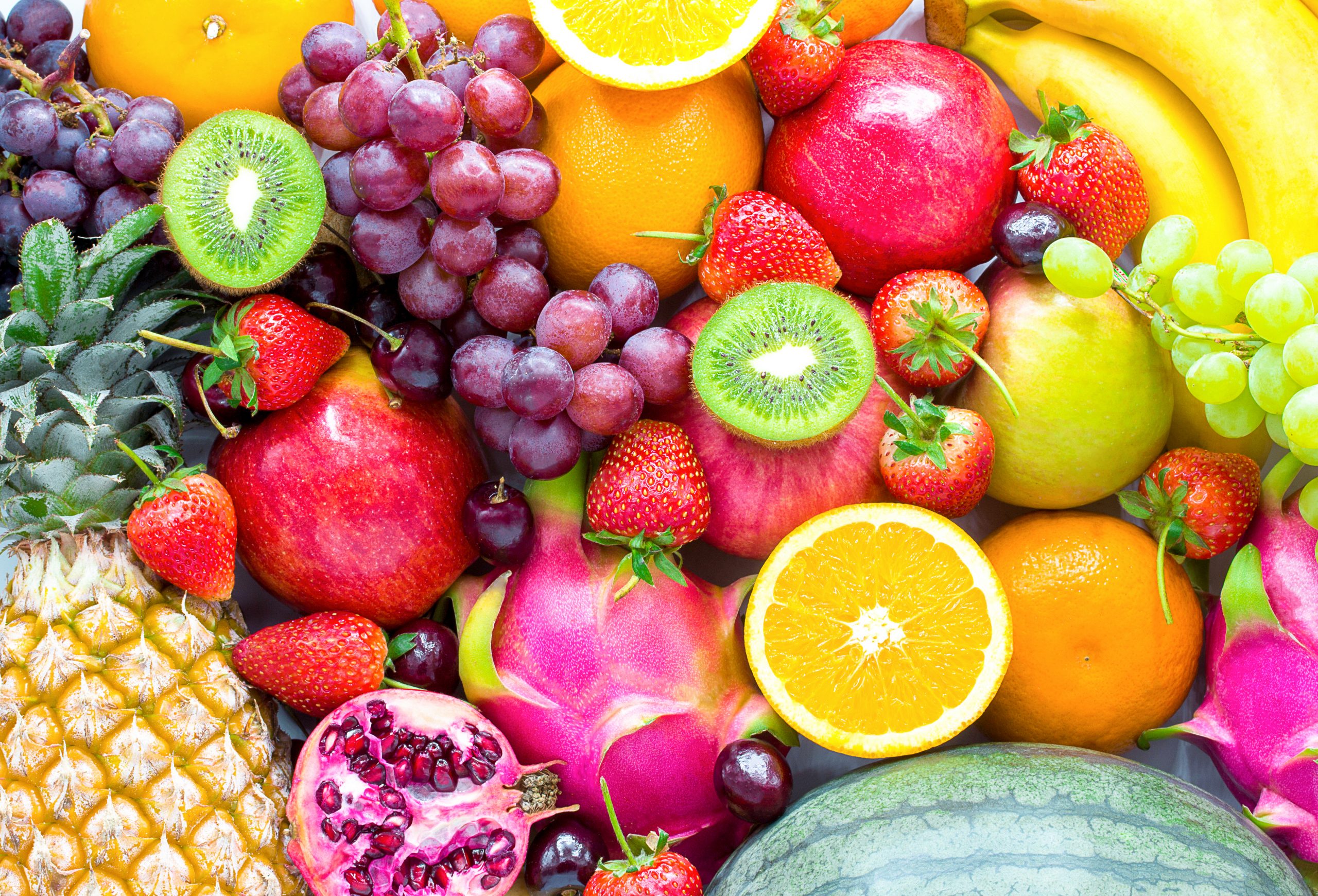
The vibrant produce aisle, a cornucopia of nature's bounty, often beckons with a simple, universally accepted truth: "Eat more fruit." We’ve been told it since childhood, a saccharine mantra whispered by parents and echoed by health professionals. Yet, for the discerning, health-conscious individual, this broad advice can feel akin to being told, "Read more books" – a commendable sentiment, certainly, but lacking the precision required to truly leverage the power of choice. Just as a seasoned bibliophile knows the profound difference between a gripping historical fiction and a dense scientific treatise, the astute health seeker understands that not all fruits are created equal when it comes to specific physiological demands.
Imagine standing amidst the kaleidoscope of colors – the sun-kissed blush of an apple, the deep indigo of blueberries, the tropical allure of a mango. Your mind, already attuned to the nuances of nutrition, might begin to question: Which of these vibrant offerings will best serve my unique journey towards wellness today? Am I seeking to fortify my immune system against the changing seasons, or perhaps to optimize my gut microbiome? Is my focus on sustained energy, or the glow of healthy skin?
This is the essence of "The Fruit Factor" – moving beyond the generic directive to embrace a strategic, informed approach to fruit consumption. It's about recognizing that each fruit, a miniature biochemical marvel, possesses a distinct profile of vitamins, minerals, fiber, and perhaps most crucially, an intricate symphony of phytochemicals that interact with our bodies in specific, powerful ways. For the knowledgeable audience, the story isn't just about what to eat, but why and how to select fruits as precision tools in your personal health arsenal. It's about transforming a simple grocery trip into a profound act of self-care and intentional nourishment, understanding that the right fruit, at the right time, can be a potent ally in achieving your specific health goals.
The Science Behind the Sweetness: Beyond the Basics
To truly harness the fruit factor, we must first appreciate the complex biochemical tapestry that lies beneath their colorful skins. While elementary nutrition teaches us about vitamins and minerals, the real magic, for our purposes, often resides in compounds far more intricate.
Phytochemicals: These are the unsung heroes, non-nutritive plant chemicals that provide fruits with their vibrant colors, distinctive aromas, and often, their most profound health benefits. We’re talking about flavonoids (like quercetin in apples and berries, anthocyanins in purple fruits), carotenoids (beta-carotene in mangoes, lycopene in watermelon), ellagic acid (in raspberries), resveratrol (in grapes), and countless others. Each of these compounds interacts with our cellular machinery, acting as antioxidants, anti-inflammatories, immune modulators, and even gene regulators.
Antioxidants: Fruits are powerhouses of antioxidants, molecules that combat oxidative stress – a key contributor to aging and chronic disease. While Vitamin C and E are well-known, many phytochemicals possess even greater antioxidant capacities, working synergistically to neutralize free radicals and protect cellular integrity.
Fiber: The Unsung Regulator: Not all fiber is created equal. Soluble fiber (like pectin in apples and citrus) dissolves in water, forming a gel that slows digestion, aids satiety, helps regulate blood sugar, and feeds beneficial gut bacteria. Insoluble fiber (found in fruit skins and seeds) adds bulk to stool, promoting regularity and preventing constipation. The ratio and types of fiber in a fruit are critical for different digestive and metabolic goals.
Sugar Profiles & Glycemic Load: Yes, fruits contain sugar – primarily fructose, glucose, and sucrose. However, the presence of fiber, water, and other compounds significantly impacts how these sugars are absorbed and metabolized. A fruit's glycemic load (GL), which accounts for both the quantity and quality of carbohydrates, is a more accurate indicator of its blood sugar impact than its simple sugar content or glycemic index (GI). Whole fruits, with their intact fiber matrix, typically have a lower GL than fruit juices, leading to a more gradual rise in blood glucose.
Water Content: Often overlooked, the high water content of many fruits contributes to hydration, satiety, and aids in the transport of nutrients and waste products.
Understanding these foundational elements allows us to move beyond superficial sweetness and delve into the strategic selection of fruits tailored to specific physiological demands.
Cultivating Health Goals: Your Personalized Fruit Strategy
Now, let's embark on a journey through common health goals, identifying the key players in the fruit kingdom and explaining why they are uniquely suited to your aspirations.
Goal 1: Boosting Immunity & Fighting Inflammation
In a world constantly challenging our defenses, a robust immune system and a balanced inflammatory response are paramount. Fruits rich in specific vitamins and phytochemicals can act as powerful shields and balms.
Key Nutrients: Vitamin C, Quercetin, Anthocyanins, Bromelain, Ellagic Acid.
The Fruit Factor:
- Citrus (Oranges, Grapefruit, Kiwi, Lemons): The undisputed champions of Vitamin C. This potent antioxidant is crucial for the production and function of white blood cells, the foot soldiers of our immune system. It also helps regenerate other antioxidants like Vitamin E. Kiwi, surprisingly, often boasts more Vitamin C per serving than an orange, alongside Vitamin K and E.
- Berries (Blueberries, Raspberries, Strawberries, Blackberries): These jewel-toned gems are bursting with anthocyanins, powerful antioxidants responsible for their deep hues. Anthocyanins have demonstrated significant anti-inflammatory and immune-modulating effects, helping to reduce the duration and severity of colds. Raspberries also offer ellagic acid, a polyphenol with promising immune-boosting properties. Strawberries provide a hefty dose of Vitamin C and folate.
- Pineapple: The tropical superstar, pineapple, contains bromelain, a unique enzyme complex with well-documented anti-inflammatory properties. It can help reduce swelling and pain, making it beneficial post-exercise or during periods of acute inflammation. It also aids digestion, which is often linked to immune function.
- Pomegranate: With its ruby-red arils, the pomegranate is a powerhouse of punicalagins, unique antioxidants that surpass the potency of green tea and red wine. These compounds exhibit strong anti-inflammatory effects and have been linked to improved immune response.
- Cherries (especially Tart Cherries): Rich in anthocyanins and other anti-inflammatory compounds, tart cherries have been shown to reduce muscle soreness and inflammation after intense exercise, making them an excellent choice for active individuals or those managing chronic inflammatory conditions.
Your Strategy: Imagine starting your day with a smoothie blending kiwi, a handful of mixed berries, and a splash of pineapple juice. Or perhaps, a vibrant salad topped with pomegranate seeds and a citrus vinaigrette. During flu season, a daily orange or a bowl of berries becomes a delicious, proactive defense.
Goal 2: Optimizing Gut Health & Digestion
A healthy gut is often called the "second brain" – influencing everything from mood to immunity. Fruits are indispensable allies in cultivating a thriving gut microbiome and ensuring smooth digestion.
Key Nutrients: Soluble Fiber (Pectin), Insoluble Fiber, Prebiotics, Water.
The Fruit Factor:
- Apples: An apple a day truly can keep more than the doctor away; it can keep your gut happy. Apples are particularly rich in pectin, a soluble fiber that acts as a prebiotic, feeding beneficial gut bacteria (like Bifidobacterium and Lactobacillus). Pectin also forms a gel-like substance that aids in stool consistency and slows digestion.
- Pears: Similar to apples, pears are excellent sources of both soluble and insoluble fiber. Their gritty texture comes from lignans, a type of insoluble fiber that promotes regularity and adds bulk. Pears also contain sorbitol, a sugar alcohol that can act as a mild laxative.
- Bananas: The versatility of bananas in gut health is fascinating. Unripe green bananas are high in resistant starch, a powerful prebiotic that ferments in the large intestine, promoting the growth of beneficial bacteria. As bananas ripen, resistant starch converts to simple sugars. Ripe bananas still offer soluble fiber and potassium, which can help restore electrolyte balance, especially after digestive upset.
- Prunes (Dried Plums): A classic for a reason, prunes are packed with fiber, sorbitol, and phenolic compounds that collectively exert a gentle laxative effect, making them highly effective for combating constipation.
- Figs: Both fresh and dried figs are exceptionally rich in fiber – both soluble and insoluble – promoting regularity and contributing to a diverse gut microbiome. They also contain prebiotics that nourish gut flora.
- Kiwi: Beyond its Vitamin C content, kiwi is a fantastic digestive aid. It contains actinidin, a unique enzyme that helps break down proteins, aiding digestion. Its fiber content (both soluble and insoluble) also promotes bowel regularity without causing excessive gas.
- Berries: With their seeds and skins, berries are great sources of both types of fiber, supporting overall gut motility and microbiome diversity.
Your Strategy: For regularity, consider a daily prune or fig snack. To nourish your gut bacteria, incorporate apples, pears, or slightly green bananas into your diet. A kiwi after a heavy meal can aid protein digestion.
Goal 3: Supporting Heart Health & Blood Pressure Regulation
The heart, our tireless pump, benefits immensely from fruits that support arterial health, manage cholesterol, and regulate blood pressure.
Key Nutrients: Potassium, Anthocyanins, Flavonoids, Soluble Fiber, Resveratrol, Nitrates (indirectly).
The Fruit Factor:
- Bananas: Famous for their potassium content, bananas are crucial for maintaining fluid balance and healthy blood pressure. Potassium helps counteract the effects of sodium, relaxing blood vessel walls.
- Avocados: While often perceived as a vegetable, botanically, avocados are a single-seeded berry. They are unique among fruits for their high content of monounsaturated fats, which are heart-healthy and can help reduce bad cholesterol (LDL) levels. They also provide a significant amount of potassium and fiber.
- Berries (especially Blueberries & Strawberries): Rich in anthocyanins and other flavonoids, berries have been extensively studied for their ability to improve endothelial function (the lining of blood vessels), reduce blood pressure, and decrease LDL oxidation, thereby protecting against atherosclerosis.
- Grapes (especially Dark Varieties): Red and purple grapes, with their skins and seeds, are potent sources of resveratrol, a polyphenol linked to cardiovascular benefits, including improved blood vessel function and reduced inflammation. They also contain other flavonoids that support heart health.
- Pomegranates: As mentioned for immunity, the punicalagins in pomegranates are powerful antioxidants that can help reduce arterial plaque buildup and improve blood flow, contributing to lower blood pressure.
- Citrus Fruits (Oranges, Grapefruit): Beyond Vitamin C, citrus fruits contain flavonoids like hesperidin, which have been linked to improved blood vessel function and a reduction in high blood pressure. Their soluble fiber also helps manage cholesterol.
- Kiwis: With their blend of potassium, Vitamin C, and antioxidants, kiwis contribute to healthy blood pressure and overall cardiovascular well-being.
Your Strategy: A daily avocado toast, a handful of berries in your oatmeal, or a banana as a post-workout snack can all contribute to a healthier heart. Consider incorporating dark grapes or pomegranate juice (in moderation due to sugar) into your routine.
Goal 4: Managing Blood Sugar & Weight
For those focused on metabolic health, particularly blood sugar regulation and weight management, fruit selection requires a nuanced approach, prioritizing fiber and low glycemic impact.
Key Nutrients: Fiber (slows sugar absorption), Low Glycemic Load, High Water Content, Antioxidants (improve insulin sensitivity).
The Fruit Factor:
- Berries (all varieties): The reigning champions for blood sugar management. Their high fiber content, relatively low sugar (compared to other fruits), and abundance of anthocyanins make them ideal. Anthocyanins have been shown to improve insulin sensitivity and slow sugar absorption. Their high water content also aids satiety.
- Apples & Pears (with skin): The fiber, particularly pectin, in apples and pears helps to slow the absorption of sugar into the bloodstream, preventing rapid spikes. Their high water content and bulk contribute to feelings of fullness, which is crucial for weight management.
- Grapefruit: Studies have suggested that grapefruit, particularly the naringenin compound it contains, may help improve insulin sensitivity and aid in weight loss. Its high water and fiber content also contribute to satiety. Caution: Grapefruit can interact with certain medications.
- Avocado: As a low-carb, high-healthy-fat fruit, avocado has a negligible impact on blood sugar. Its healthy fats and fiber promote satiety, reducing overall calorie intake and supporting weight management goals.
- Cherries (especially Tart Cherries): Tart cherries have a lower glycemic index than many other fruits and contain compounds that may help regulate blood sugar levels.
- Peaches & Plums: These stone fruits offer a good balance of fiber and natural sugars, contributing to a moderate glycemic load. Their high water content also aids satiety.
Your Strategy: Always choose whole fruits over juices. Pair berries with protein (like Greek yogurt or nuts) for an even more stable blood sugar response. Opt for an apple as a mid-morning snack or half a grapefruit before a meal. Emphasize portion control, even with these beneficial fruits.
Goal 5: Enhancing Skin Radiance & Anti-Aging
Our skin, the body's largest organ, reflects our internal health. Fruits rich in antioxidants, vitamins, and water can combat environmental damage and promote a youthful glow.
Key Nutrients: Vitamin C, Vitamin A (Beta-Carotene), Lycopene, Anthocyanins, Water.
The Fruit Factor:
- Berries: Once again, berries shine. Their high Vitamin C content is essential for collagen production, the protein that gives skin its elasticity and firmness. The anthocyanins protect skin cells from UV damage and pollution-induced oxidative stress, crucial for anti-aging.
- Citrus Fruits (Oranges, Lemons, Grapefruit): Packed with Vitamin C, citrus fruits are fundamental for collagen synthesis. They also contain flavonoids that can protect against sun damage and inflammation, contributing to a brighter complexion.
- Mango: A tropical delight, mangoes are rich in beta-carotene (a precursor to Vitamin A), which is vital for skin cell turnover and repair, contributing to a smoother, clearer complexion. They also offer Vitamin C and other antioxidants.
- Papaya: This exotic fruit contains papain, an enzyme that can gently exfoliate the skin when applied topically, and when consumed, aids digestion (linking gut health to skin health). It's also a great source of Vitamin C and Vitamin A.
- Watermelon: True to its name, watermelon is over 90% water, making it incredibly hydrating – a cornerstone of healthy, plump skin. It's also a good source of lycopene, a powerful antioxidant (also found in tomatoes, botanically a fruit!) that helps protect skin from sun damage and may reduce the appearance of fine lines.
- Kiwi: High in Vitamin C, Vitamin E, and antioxidants, kiwi supports collagen production and protects skin from environmental aggressors.
- Avocado: The healthy fats in avocado are crucial for maintaining the skin's lipid barrier, keeping it moisturized and resilient. Its Vitamin E also provides antioxidant protection.
Your Strategy: Incorporate a daily berry smoothie. Enjoy mango or papaya as a snack. Drink plenty of water and supplement with hydrating fruits like watermelon. A squeeze of lemon in your water can also provide a daily dose of skin-loving Vitamin C.
Goal 6: Boosting Energy & Cognitive Function
For sustained mental clarity and physical vitality, certain fruits can provide a clean, natural energy boost and protect brain health.
Key Nutrients: Natural Sugars (balanced with fiber), Antioxidants (protect brain cells), Potassium, B Vitamins (indirectly).
The Fruit Factor:
- Bananas: The classic energy fruit. Their easily digestible carbohydrates provide a quick, yet sustained energy release, especially when combined with their fiber. The potassium helps maintain electrolyte balance, crucial for nerve and muscle function.
- Apples: With their blend of simple sugars and fiber, apples offer a steady release of glucose into the bloodstream, preventing energy crashes. The quercetin in apples has been studied for its potential neuroprotective effects, enhancing cognitive function.
- Berries (especially Blueberries): Often dubbed "brain berries," blueberries are particularly rich in anthocyanins and other antioxidants that cross the blood-brain barrier. They are believed to improve memory, learning, and overall cognitive function by reducing oxidative stress and inflammation in the brain.
- Oranges: Beyond Vitamin C, the natural sugars and electrolytes in oranges provide a refreshing energy boost. The flavonoids may also contribute to improved blood flow to the brain.
- Dates: These naturally sweet fruits are packed with natural sugars (fructose, glucose, sucrose), providing a concentrated burst of energy. Their fiber helps moderate the sugar release. They also contain potassium and magnesium, essential for energy metabolism.
- Avocados: While not a quick sugar boost, the healthy monounsaturated fats in avocados provide sustained energy and support brain health by promoting healthy blood flow and providing essential fatty acids for cognitive function.
Your Strategy: Reach for a banana or apple before a workout or during an afternoon slump. Add blueberries to your breakfast for a brain-boosting start. Dates can be a great pre-workout snack or a natural sweetener.
Goal 7: Supporting Bone Health
Often associated with dairy, bone health also significantly benefits from a variety of fruits, providing essential minerals and vitamins that aid calcium absorption and bone matrix formation.
Key Nutrients: Vitamin K, Magnesium, Potassium, Vitamin C (for collagen), Boron.
The Fruit Factor:
- Prunes (Dried Plums): Prunes are surprisingly potent for bone health. They contain Vitamin K, potassium, and boron, all of which play roles in bone metabolism and density. Research suggests that daily prune consumption can help prevent bone loss, particularly in postmenopausal women.
- Figs: Both fresh and dried figs are excellent sources of calcium, magnesium, and potassium, all vital minerals for strong bones. They also provide Vitamin K.
- Oranges: While known for Vitamin C, oranges also provide a good amount of calcium and potassium, contributing to bone density and reducing calcium loss.
- Berries: The Vitamin C in berries is crucial for the synthesis of collagen, the protein matrix upon which bones are built. Their antioxidant content also protects bone cells from damage.
- Kiwis: A good source of Vitamin K and Vitamin C, kiwis support both bone mineralization and collagen production.
Your Strategy: Incorporate a few prunes or figs into your daily routine. Ensure a consistent intake of Vitamin C from berries and citrus to support collagen synthesis.
Beyond the Fruit Bowl: Nuances for the Knowledgeable Consumer
The story of the fruit factor doesn't end with a simple list. For the truly knowledgeable, there are layers of nuance that refine these choices.
Whole Fruit vs. Juice/Smoothies: This is a critical distinction. Juicing removes most of the fiber, leading to a rapid sugar spike and diminished satiety. While smoothies retain fiber, the blending process can break down some fiber structures, potentially affecting satiety and glycemic response compared to eating the whole fruit. Prioritize whole fruits whenever possible. If consuming smoothies, ensure they contain other ingredients (e.g., protein powder, healthy fats, leafy greens) to balance the glycemic load.
Organic vs. Conventional: For the knowledgeable, the "Dirty Dozen" (fruits with higher pesticide residues) and "Clean Fifteen" (fruits with lower residues) lists are familiar guides. While the nutritional difference between organic and conventional is often debated, choosing organic for fruits like strawberries, apples, and peaches can reduce exposure to synthetic pesticides.
Ripeness Matters: The stage of ripeness significantly impacts a fruit's nutritional profile and sugar content. An unripe banana, for instance, is rich in resistant starch (a prebiotic), while a very ripe banana has converted much of that starch into simple sugars, making it easier to digest but with a higher glycemic impact. Understanding this allows for even more precise selection.
Seasonality & Locality: Eating fruits in season and sourced locally often means they are fresher, more nutrient-dense (as they haven't traveled as far or sat as long), and taste better. It also supports sustainable practices and local economies.
Portion Control & Balance: Even the healthiest fruits contain natural sugars. For individuals managing diabetes or weight, portion control remains essential. Balance fruit intake with other food groups – proteins, healthy fats, and complex carbohydrates – to optimize blood sugar control and nutrient absorption.
Synergy: Pairing for Power: The nutritional benefits of fruits can be amplified when paired strategically. For example, Vitamin C in citrus and berries enhances the absorption of non-heme iron from plant-based foods (like spinach or lentils). Pairing fruits with healthy fats (like avocado with berries, or an apple with almond butter) can further slow sugar absorption and increase satiety.
Individual Variability: While these guidelines are broadly applicable, individual responses can vary. Allergies, specific medical conditions (e.g., kidney disease requiring potassium restriction, IBS and FODMAP sensitivities), and personal digestive tolerance should always take precedence. Listen to your body – it is the ultimate, most sophisticated guide.
The Art of Intentional Nourishment
The journey from "eat more fruit" to "choose the right fruit for my specific health goals" is a profound shift – a testament to a deeper understanding of nutrition and a commitment to personalized wellness. It transforms the simple act of eating into an intentional, strategic practice.
No longer are you merely grabbing an apple out of habit; you are selecting it for its pectin to support your gut, or its quercetin to bolster your immunity. A handful of blueberries isn't just a sweet treat; it's a potent dose of anthocyanins, a shield for your heart and a boost for your brain. This is the story of empowerment, of taking the reins of your health through conscious, delicious choices.
So, the next time you find yourself in the vibrant produce aisle, let your knowledgeable mind engage. See not just colors and shapes, but a meticulously curated collection of nature's pharmacies, each offering a unique prescription for your well-being. Embrace "The Fruit Factor" – become your own fruit strategist, and unlock the incredible, targeted power of these natural marvels. Go forth and fruit intelligently, cultivating a life of vibrant health, one delicious, purpose-driven bite at a time.


