Unlock Your Best Health: Why a Consistent Sleep Schedule is Your Superpower
We live in an age of relentless pursuit – of productivity, success, connection, and experience. Our days are packed, our nights often sacrificed to an ever-growing to-do list or the siren call of entertainment. Sleep, for many, has become a negotiable commodity, something to be squeezed in, cut short, or caught up on. We wear our sleep deprivation like a badge of honor, a testament to our industriousness. But what if this widespread cultural narrative is not just misguided, but actively undermining our potential, our well-being, and our very essence?
What if the secret to unlocking your sharpest mind, your most resilient body, your calmest emotions, and your most vibrant self isn't a new supplement, a radical diet, or an extreme fitness regimen, but something far more fundamental, accessible, and profoundly powerful? It’s a superpower, hidden in plain sight, and its name is consistent sleep.
This isn't just about getting enough sleep, though that's a crucial first step. This is about the rhythm, the regularity, the unwavering dedication to a specific pattern of rest that tunes your entire biological orchestra into perfect harmony. For the knowledgeable audience, the discerning mind, it's time to delve deep into the science, the stories, and the undeniable truth of why a consistent sleep schedule isn't just beneficial – it's transformative. It's the keystone habit that underpins all other aspects of optimal health.
The Master Conductor: Unpacking Your Internal Clocks
To truly understand the superpower of consistent sleep, we must first appreciate the intricate biological machinery that governs our waking and sleeping lives. At the heart of this machinery are two primary forces: the circadian rhythm and the homeostatic sleep drive.
Imagine your body as a magnificent, complex city. The circadian rhythm is the master clock, the central railway station that dictates the timing of almost everything: when the shops open and close, when the power grid ramps up and down, when the waste management system operates. This internal clock, primarily housed in the suprachiasmatic nucleus (SCN) of the hypothalamus, orchestrates a vast array of physiological and behavioral processes over roughly a 24-hour cycle. It tells your body when to release melatonin (the "sleep hormone"), when to boost cortisol (the "wake-up hormone"), when to regulate body temperature, blood pressure, and even the activity of your immune cells.
This master clock is exquisitely sensitive to external cues, known as "zeitgebers" (German for "time-givers"). The most powerful zeitgeber is light, particularly blue light, which signals to the SCN that it's daytime. Other zeitgebers include meal times, exercise, and social interaction.
Working in tandem with the circadian rhythm is the homeostatic sleep drive, often called "sleep pressure." This is like a steadily accumulating debt collector. The longer you're awake, the more a neurochemical called adenosine builds up in your brain. Adenosine is a byproduct of cellular energy expenditure, and its accumulation signals to your brain that it's time to rest and clear the metabolic byproducts of wakefulness. Think of it as a rising tide that eventually demands sleep. Once you sleep, adenosine levels decrease, and the pressure dissipates, ready to start accumulating again upon waking.
The magic, the superpower, lies in the synchronization of these two systems. A consistent sleep schedule provides the strong, predictable zeitgebers that entrain your circadian rhythm, allowing it to function optimally. When you go to bed and wake up at roughly the same time every day, you are actively reinforcing your master clock. You are telling your body, with unwavering clarity, when it's time to wind down and when it's time to be alert. This consistency allows the circadian rhythm to anticipate and prepare for these transitions, optimizing hormone release, body temperature fluctuations, and cognitive readiness.
Conversely, an inconsistent sleep schedule throws a wrench into this delicate dance. It sends mixed signals to your SCN, constantly resetting or confusing its timing. It's like having multiple conductors in an orchestra, each trying to lead with a different tempo. The result is a cacophony of disrupted biological processes, leading to far more profound consequences than simply feeling tired.
The Ripple Effect: Beyond Brain Fog
The ramifications of an inconsistent sleep schedule extend far beyond the immediate grogginess we all associate with a bad night's sleep. They permeate every single system in your body, affecting your cognitive abilities, emotional resilience, physical health, and even your long-term disease risk.
1. The Erosion of Cognitive Brilliance
Imagine your brain as a supercomputer. Sleep, particularly deep, consistent sleep, is when it runs its essential maintenance and optimization programs. During sleep, your brain actively clears metabolic waste products through the glymphatic system, consolidates memories, and processes the day's information.
When your sleep schedule is erratic:
- Memory Impairment: Both short-term working memory and long-term memory consolidation suffer. The crucial process of transferring memories from the hippocampus to the prefrontal cortex for long-term storage is disrupted, leaving you forgetful and struggling to learn new information.
- Reduced Focus and Attention: Your ability to concentrate, sustain attention, and resist distractions plummets. This isn't just about feeling sleepy; it's a fundamental breakdown in neural network efficiency.
- Compromised Decision-Making: The prefrontal cortex, responsible for executive functions like planning, problem-solving, and impulse control, is particularly vulnerable to sleep disruption. You become more prone to poor judgment, risk-taking, and emotional reactivity, as the logical parts of your brain are less effective.
- Diminished Creativity: REM sleep, often associated with dreaming, plays a vital role in creative problem-solving and making novel connections between disparate ideas. Inconsistent sleep shortchanges REM, stifling your innovative spark.
Think of the high-stakes professional, the student facing exams, the artist seeking inspiration. Each relies on peak cognitive function. An inconsistent sleep schedule is a self-sabotaging act that slowly erodes these vital mental faculties, making us less effective, less sharp, and ultimately, less successful in our endeavors.
2. The Fragility of Emotional Equilibrium
Our emotional landscape is intimately tied to our sleep patterns. A consistent sleep schedule acts as a powerful buffer against emotional volatility, fostering resilience and equanimity. When that schedule is disrupted, our emotional world can become a turbulent sea.
- Heightened Amygdala Reactivity: The amygdala, the brain's "fear center," becomes hyperactive with insufficient or inconsistent sleep. This means you react more strongly to perceived threats and stressors, experiencing amplified anxiety, irritability, and anger.
- Impaired Prefrontal Cortex-Amygdala Communication: The prefrontal cortex usually acts as the "wise governor," regulating the amygdala's emotional outbursts. Sleep deprivation weakens this crucial inhibitory connection, leaving you more vulnerable to emotional hijackings.
- Increased Stress Hormones: Erratic sleep elevates cortisol levels, keeping your body in a state of chronic stress. This not only makes you feel more anxious but also contributes to a host of physical health problems.
- Risk of Mental Health Disorders: Chronic sleep inconsistency is a significant risk factor for the development and exacerbation of mood disorders like depression and anxiety. It can create a vicious cycle: stress impacts sleep, and poor sleep amplifies stress, deepening the spiral.
The stories are countless: the short-tempered parent, the irritable colleague, the partner who feels emotionally distant. Often, the root cause isn't a character flaw but a disrupted internal clock, leaving the individual ill-equipped to navigate the normal emotional challenges of life with grace and composure. Consistent sleep is a profound act of self-care that strengthens your emotional core.
3. The Silent Assault on Physical Health
Perhaps the most alarming, yet often overlooked, consequence of inconsistent sleep is its insidious impact on physical health. This isn't just about feeling tired; it's about systematically undermining your body's ability to heal, protect itself, and function optimally, paving the way for chronic disease.
- Metabolic Mayhem: Inconsistent sleep profoundly disrupts metabolic regulation.
- Insulin Sensitivity: It decreases insulin sensitivity, making your cells less responsive to insulin. This forces your pancreas to produce more insulin, increasing the risk of insulin resistance, pre-diabetes, and type 2 diabetes.
- Hunger Hormones: It throws ghrelin (the hunger-stimulating hormone) and leptin (the satiety-signaling hormone) out of whack. Ghrelin levels rise, and leptin levels fall, leading to increased appetite, cravings for high-carb, sugary foods, and an elevated risk of weight gain and obesity.
- Glucose Control: Even a single night of poor sleep can impair your body's ability to process glucose, mimicking the effects of early-stage diabetes.
- Cardiovascular Vulnerability: Your heart and blood vessels bear a heavy burden.
- Blood Pressure: Inconsistent sleep prevents the normal "dip" in blood pressure that occurs during deep sleep, leading to elevated blood pressure (hypertension), a major risk factor for heart attack and stroke.
- Inflammation: It promotes systemic inflammation, damaging blood vessel walls and contributing to atherosclerosis (hardening of the arteries).
- Heart Rate Variability (HRV): It negatively impacts HRV, a key indicator of cardiovascular health and autonomic nervous system balance.
- Compromised Immune System: Your body's defense mechanisms are severely weakened.
- T-Cell Production: Consistent sleep is crucial for the production and function of T-cells, the immune cells that fight off infections.
- Cytokine Regulation: It disrupts the balance of cytokines, signaling molecules that regulate inflammation and immune responses. You become more susceptible to colds, flu, and other infections, and your body's ability to respond effectively to vaccines is diminished. Chronic inflammation linked to poor sleep also plays a role in autoimmune conditions and cancer progression.
- Hormonal Imbalance: Sleep is a critical time for hormonal regulation.
- Growth Hormone: Deep sleep is when growth hormone is primarily released, essential for tissue repair, muscle growth, and metabolism.
- Cortisol: As mentioned, erratic sleep elevates cortisol, leading to a host of negative effects.
- Sex Hormones: It can decrease testosterone levels in men and disrupt the menstrual cycle and fertility hormones in women.
- Gut Microbiome Disruption: Emerging research suggests a strong bidirectional relationship between sleep and the gut microbiome. Inconsistent sleep can negatively alter the diversity and balance of gut bacteria, potentially impacting digestion, nutrient absorption, and even mood.
This is not hyperbole. This is the stark reality of how consistently denying your body its natural rhythm sets the stage for a cascade of health issues, often years before they manifest as diagnosable diseases.
4. The Blockade on Physical Performance and Recovery
For athletes, fitness enthusiasts, or anyone engaged in physical activity, consistent sleep is not just an advantage; it's a non-negotiable component of peak performance and injury prevention.
- Impaired Muscle Repair and Growth: During deep sleep, growth hormone is released, and protein synthesis is optimized, facilitating muscle repair and growth after exercise. Inconsistent sleep shortchanges this vital recovery process.
- Reduced Energy Stores: Sleep allows your body to replenish ATP (adenosine triphosphate), the primary energy currency of your cells. Without adequate, consistent rest, your energy reserves are depleted, leading to fatigue and diminished stamina.
- Slower Reaction Times and Coordination: Sleep deprivation impairs neuromuscular function, leading to slower reaction times, reduced hand-eye coordination, and an increased risk of accidents and injuries.
- Increased Perception of Effort: Tasks that would normally feel manageable become significantly harder, leading to decreased motivation and performance.
Professional athletes understand this profoundly. They often prioritize sleep, viewing it as integral to their training regimen as diet and exercise. If they, with their finely tuned bodies, recognize its power, why do so many of us, navigating the demands of everyday life, neglect this fundamental pillar of physical vitality?
The "Superpower" Unveiled: Why Consistency Matters Most
We’ve established the pervasive negative impacts of inconsistent sleep. Now, let’s re-emphasize why consistency is the true superpower. It’s not just about avoiding the bad; it’s about actively cultivating the good, unlocking optimal function, and elevating your baseline health.
Reinforcing the Master Clock: Every time you go to bed and wake up at the same time, you send a clear, unequivocal signal to your SCN. This regular pattern strengthens your circadian rhythm, making it more robust and resilient. Your body learns to anticipate sleep and wakefulness, preparing itself by initiating the necessary hormonal shifts and physiological adjustments before you even get into bed or open your eyes. This smooth transition minimizes stress on your system.
Optimizing Sleep Architecture: Sleep isn't a monolithic block; it's composed of distinct stages: NREM (Non-Rapid Eye Movement) stages 1, 2, 3 (deep sleep), and REM (Rapid Eye Movement) sleep. Each stage plays a unique and critical role.
- Deep Sleep (NREM 3): This is the most restorative stage, crucial for physical repair, growth hormone release, immune function, and memory consolidation. It tends to occur more in the first half of the night.
- REM Sleep: Essential for emotional regulation, creative problem-solving, and processing complex information. It dominates the latter half of the night.When your sleep schedule is erratic, you often shortchange certain stages, particularly REM, or experience fragmented sleep, preventing your body from completing full, restorative sleep cycles. Consistency allows your body to move through these cycles naturally and completely, maximizing the benefits of each stage.
Predictability for the Body: Your body thrives on routine. Just as a well-run factory has scheduled shifts for different operations, your body performs best when its internal "shifts" are predictable. Hormones are released precisely when needed, digestive processes are optimized, cellular repair mechanisms are activated on schedule. This predictability reduces metabolic stress and enhances overall efficiency.
Minimizing Sleep Debt and Social Jet Lag: Inconsistent sleep often leads to "sleep debt," the cumulative effect of not getting enough sleep. While an occasional deviation won't derail everything, frequently "catching up" on weekends by sleeping in for hours (known as "social jet lag") is highly disruptive. It's like flying across time zones every Friday and Sunday – it constantly confuses your circadian rhythm, leading to many of the same symptoms as actual jet lag, only self-inflicted. Consistency mitigates this debt and prevents chronic internal disorientation.
Enhanced Self-Regulation: When your circadian rhythm is aligned and your sleep pressure is managed consistently, you experience better self-regulation across the board. You make healthier food choices, you have more energy for exercise, you are more patient in your interactions, and you are better equipped to handle stress. It creates a positive feedback loop, where good sleep enables other healthy habits, which in turn support better sleep.
Harnessing Your Sleep Superpower: Practical Steps
Understanding the "why" is crucial, but true transformation comes from implementing the "how." Here are actionable steps to cultivate a consistent sleep schedule and unlock your best health:
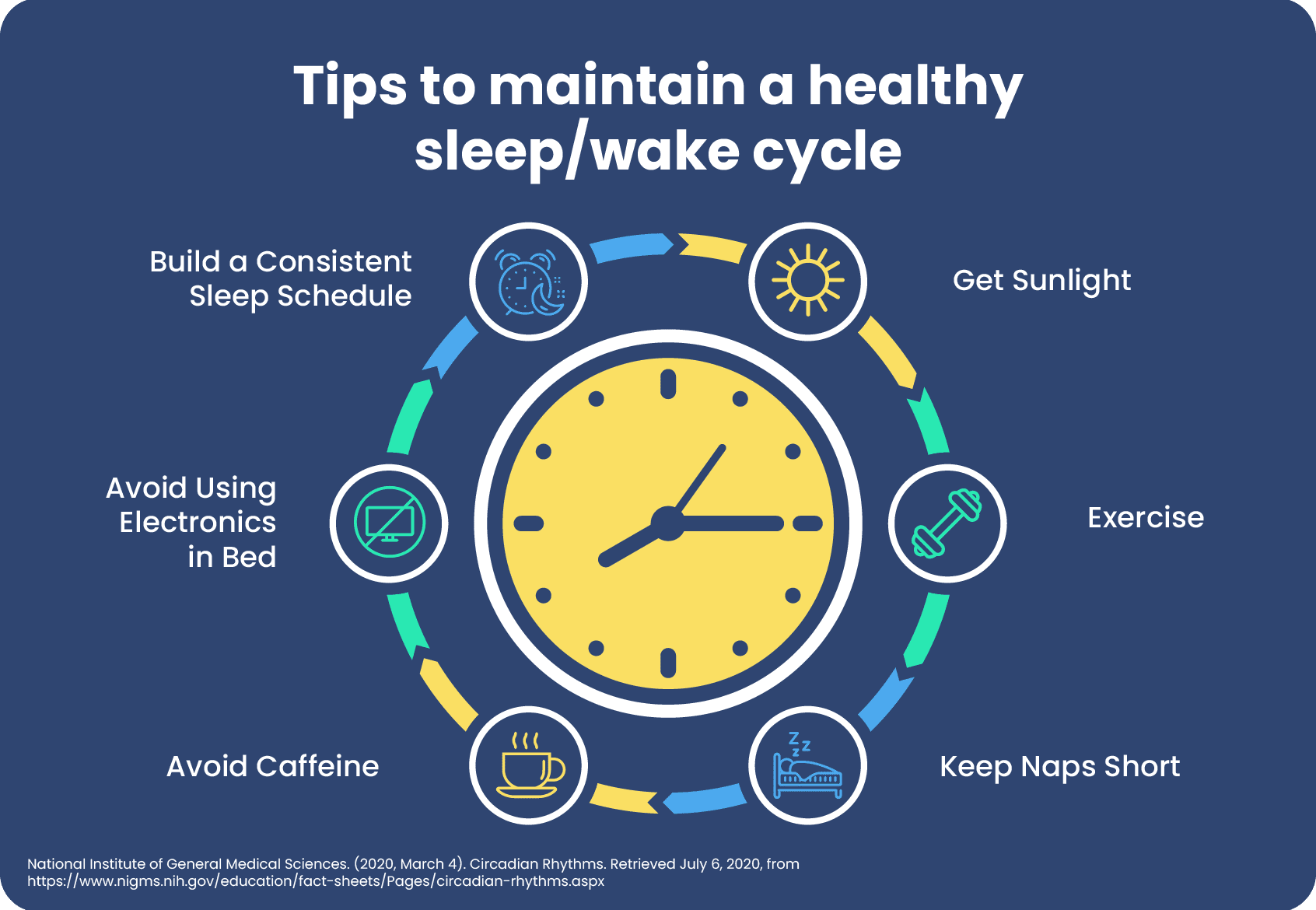
Set a Fixed Bedtime and Wake-Up Time (and Stick to It!): This is the cornerstone. Choose times that allow for 7-9 hours of sleep. The most critical part is the wake-up time. Even on weekends, try to deviate by no more than an hour. This anchors your circadian rhythm. Going to bed later occasionally is less disruptive than waking up significantly later.
Create a Powerful Pre-Sleep Routine: Your body needs a signal to wind down. About 60-90 minutes before your consistent bedtime, engage in relaxing activities:
- Dim the Lights: Reduce exposure to bright light, especially blue light from screens (phones, tablets, computers, bright TVs). Consider blue light blocking glasses.
- Warm Bath or Shower: The drop in body temperature afterward can promote sleep.
- Read a Physical Book: Avoid engaging, stimulating content.
- Gentle Stretching or Yoga: Release physical tension.
- Meditation or Deep Breathing Exercises: Calm your mind.
- Journaling: Get worries out of your head and onto paper.
Optimize Your Sleep Environment:
- Darkness: Make your bedroom as dark as possible. Use blackout curtains, an eye mask, or cover any glowing electronics. Even small amounts of light can disrupt melatonin production.
- Quiet: Use earplugs or a white noise machine if needed to block out disruptive sounds.
- Cool Temperature: Most experts recommend a bedroom temperature between 60-67°F (15-19°C) for optimal sleep.
- Comfortable Mattress and Pillows: Invest in quality sleep surfaces that support your body.
Mind Your Diet and Lifestyle:
- Caffeine: Avoid caffeine at least 6-8 hours before bedtime. Its half-life means it stays in your system for a long time.
- Alcohol: While it might make you feel drowsy, alcohol fragments sleep, particularly REM sleep, and can lead to awakenings later in the night. Avoid it close to bedtime.
- Heavy Meals: Finish heavy meals at least 2-3 hours before bed to avoid digestive discomfort that can interfere with sleep.
- Exercise: Regular physical activity is excellent for sleep, but time it wisely. Avoid vigorous exercise too close to bedtime (within 3-4 hours) as it can be stimulating. Morning or afternoon workouts are ideal.
- Limit Naps: If you must nap, keep it short (20-30 minutes) and early in the afternoon to avoid interfering with your nighttime sleep drive. A consistent schedule often reduces the need for naps.
Manage Stress Proactively: Chronic stress is a primary antagonist of good sleep. Implement daily stress-reduction techniques:
- Mindfulness and meditation
- Spending time in nature
- Deep breathing exercises
- Connecting with loved ones
- Setting boundaries and learning to say no
Seek Professional Help When Needed: If, despite consistent efforts, you still struggle with sleep (e.g., chronic insomnia, loud snoring, excessive daytime sleepiness), consult a healthcare professional. You might have an underlying sleep disorder like sleep apnea or restless legs syndrome that requires medical intervention.
The Journey, Not a Destination
Embarking on the path to consistent sleep is a journey, not a sprint. There will be days when life intervenes – a late-night work project, a sick child, an unexpected social engagement. The key is not to let these deviations derail your overall commitment. View them as temporary detours and return to your consistent schedule as quickly as possible. Your body is remarkably resilient and will quickly resynchronize if you provide it with the strong, regular signals it craves.
It requires discipline, intention, and a fundamental shift in how you prioritize your well-being. It means saying no to the "one more episode" or the "just five more minutes of scrolling." It means recognizing that the time you invest in consistent sleep is not lost time; it is an investment that pays dividends across every single waking moment of your life.
Conclusion: Embrace Your Superpower
In a world that constantly pulls us in myriad directions, demanding more and giving less, the act of reclaiming your consistent sleep schedule is a revolutionary one. It is a powerful declaration that you value your health, your clarity of mind, your emotional peace, and your physical vitality above all else.
This isn't just about feeling less tired; it's about unlocking your inherent potential. It’s about cultivating a resilience that allows you to navigate life's challenges with grace. It’s about fueling your creativity, sharpening your intellect, and strengthening your body’s natural defenses. It's about living a life not just of existence, but of genuine vibrancy and flourishing.
Your consistent sleep schedule is your superpower. It is the silent, often underestimated, force that empowers you to be your best self, every single day. Embrace it, protect it, and watch as your entire life transforms. The key to unlocking your best health lies not in adding more to your life, but in honoring the fundamental rhythm that already resides within you. It's time to let your internal master conductor lead the symphony of your well-being, consistently and powerfully.


