Beyond White: Unlocking the Health Benefits of Different Rice Varieties
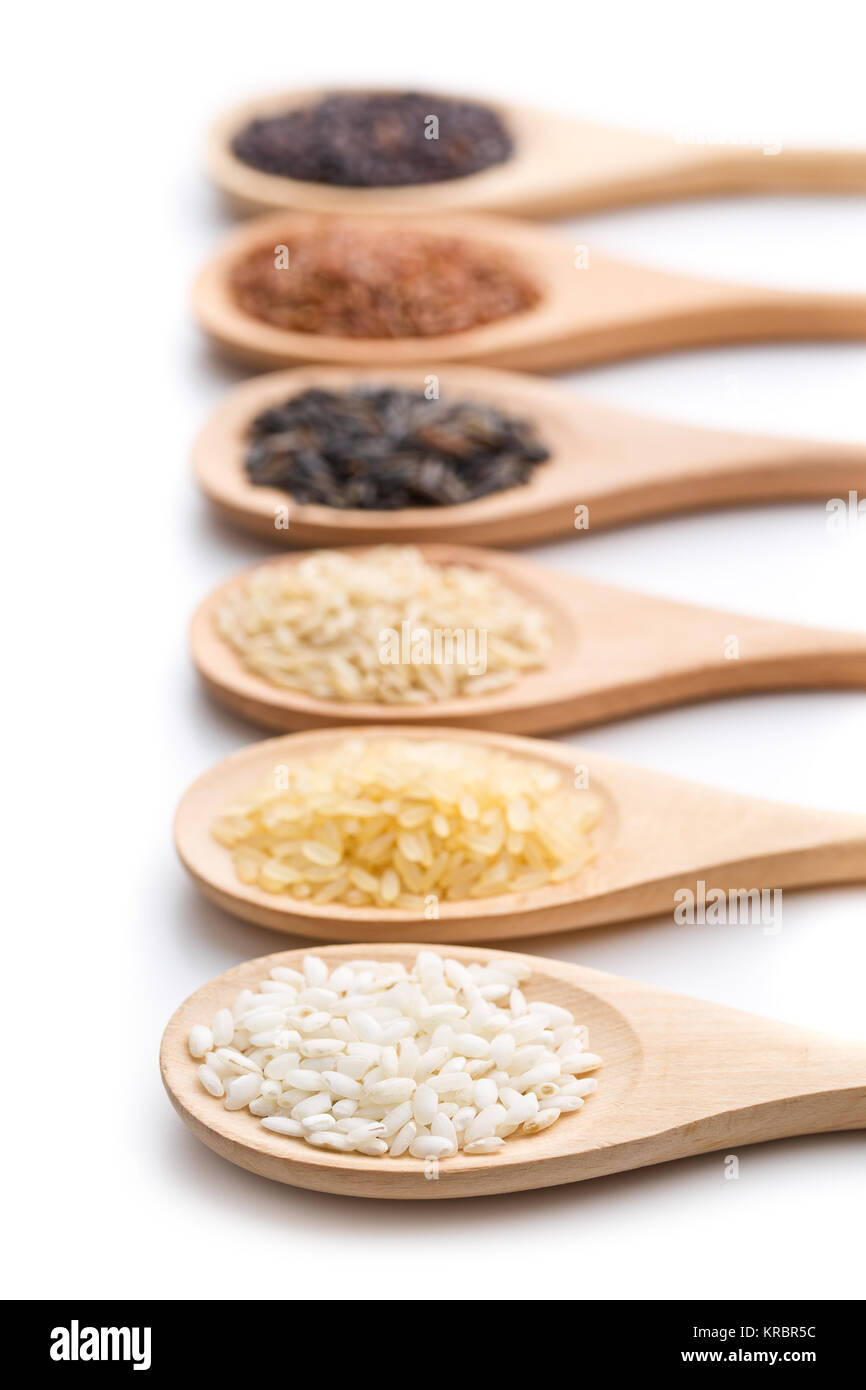
The Unseen Spectrum: A Culinary Revelation
For millennia, rice has been the silent backbone of civilizations, a humble grain sustaining billions across continents. In the Western world, however, our relationship with this fundamental staple has often been monochromatic, dominated by the polished, pristine gleam of white rice. It’s the comfort food of childhood, the ubiquitous side dish, the blank canvas upon which countless cuisines are built. Yet, in recent decades, white rice has found itself under the scrutinizing gaze of health consciousness, often dismissed as an empty carbohydrate, a mere shadow of its former, more wholesome self.
But what if this narrow perception blinds us to a vibrant, diverse world teeming with nutritional power? What if, beyond the pale uniformity of white, lies a spectrum of colors – deep browns, rich reds, mysterious blacks, and even delicate purples – each a distinct narrative of flavor, texture, and profound health benefits waiting to be discovered? This is not merely a story of food; it is a journey of rediscovery, a culinary odyssey into the heart of a grain that has been unjustly oversimplified. For the discerning palate and the health-conscious mind, the time has come to look beyond white and unlock the untold potential of rice in its myriad forms.
Chapter 1: The White Rice Paradox – A Grain Stripped Bare
Our story begins where most rice consumption typically does: with white rice. It’s elegant, fluffy, and absorbs flavors beautifully. It’s the bedrock of sushi, the companion to curry, the foundation of paella. Its widespread appeal is undeniable, stemming partly from its longer shelf life, ease of cooking, and delicate texture compared to its whole-grain counterparts. But this pristine appearance comes at a cost, a nutritional sacrifice born from centuries of refinement.
The journey from a raw paddy to a gleaming white grain involves a process called milling. The rough, inedible outer hull is removed first, revealing brown rice. Further milling, known as polishing, then removes the bran layer (the outer skin) and the germ (the embryo). These two components, while small, are powerhouses of nutrition. The bran contains most of the fiber, B vitamins, and essential minerals, while the germ is rich in healthy fats, vitamin E, and antioxidants. What remains is the endosperm, primarily starch – a concentrated source of carbohydrates.
This transformation results in a grain that is significantly lower in dietary fiber, magnesium, phosphorus, and B vitamins like thiamine, niacin, and pyridoxine. While many countries fortify white rice by adding some of these nutrients back, it’s a restoration rather than a preservation, often incomplete and lacking the full spectrum of naturally occurring phytochemicals. The higher glycemic index (GI) of white rice, due to its rapid conversion to glucose, has also raised concerns, linking it to increased risks of type 2 diabetes and metabolic syndrome when consumed in large quantities without balance.
The narrative of white rice isn't entirely one of villainy; it offers quick energy and cultural comfort. But understanding its processing is crucial to appreciating the profound difference that lies just a layer beneath its surface – a difference that transforms a simple carbohydrate into a nutrient-dense powerhouse.
Chapter 2: The Unsung Hero – Brown Rice, The First Step Towards Wholeness
Stepping beyond white, our first and most familiar encounter is with brown rice. Often hailed as the healthier alternative, brown rice is simply the whole grain version of white rice, with only the outermost inedible hull removed. It retains its bran and germ layers, making it a true whole grain and a nutritional marvel.
The most striking advantage of brown rice is its significantly higher fiber content. Both soluble and insoluble fibers are present. Insoluble fiber acts as a natural laxative, promoting regular bowel movements and preventing constipation, while soluble fiber helps regulate blood sugar levels, lowers cholesterol, and feeds beneficial gut bacteria. A single serving of brown rice can provide a substantial portion of the daily recommended fiber intake, contributing to satiety and weight management.
Beyond fiber, brown rice is a treasure trove of essential micronutrients. It's an excellent source of magnesium, a mineral crucial for over 300 enzymatic reactions in the body, including muscle and nerve function, blood glucose control, and blood pressure regulation. Selenium, another key mineral, acts as a powerful antioxidant, supporting thyroid function and boosting immunity. Brown rice also delivers a robust profile of B vitamins – thiamine (B1), niacin (B3), pyridoxine (B6) – vital for energy metabolism and nervous system health.
Furthermore, brown rice contains lignans, plant compounds that have been associated with a reduced risk of heart disease, certain cancers, and osteoporosis. Its antioxidant profile, though less vibrant than some of its colorful cousins, still offers protection against oxidative stress. The slower digestion due to its fiber content means a more gradual release of glucose into the bloodstream, resulting in a lower glycemic index compared to white rice, making it a better choice for individuals managing blood sugar levels.
The flavor of brown rice is earthier, nuttier, and its texture chewier than white rice. While it requires a longer cooking time and more water, the reward is a richer, more satisfying culinary experience that nourishes the body from the inside out. Brown rice isn't just an alternative; it's a foundational step towards a more holistic appreciation of this ancient grain.
Chapter 3: The Jewels of the Earth – Red Rice, A Splash of Antioxidant Power
Our journey deepens, and the palette of rice begins to expand into richer, more vibrant hues. Enter red rice, a captivating variety whose color ranges from rust to deep burgundy. These striking grains, found in regions like Bhutan, the Himalayas, Thailand (Red Cargo), and the Camargue in France, are more than just aesthetically pleasing; they are potent sources of health.
The distinctive red color of these varieties comes from anthocyanins, powerful antioxidant pigments also found in berries, red grapes, and purple vegetables. Anthocyanins are renowned for their ability to combat free radicals, reduce inflammation, and protect cells from oxidative damage. This makes red rice a strong ally in the fight against chronic diseases, including heart disease, certain cancers, and age-related cognitive decline.
But the benefits of red rice extend beyond its vibrant pigmentation. Like brown rice, it retains its bran layer, ensuring a high fiber content that supports digestive health, promotes satiety, and helps regulate blood sugar. It's also a good source of iron, a vital mineral for oxygen transport in the blood, and zinc, essential for immune function and wound healing. Manganese, crucial for bone development and metabolism, is another prominent nutrient in red rice.
Specific varieties like Bhutanese red rice are known for their particularly high mineral content, including phosphorus and magnesium, while others like Himalayan red rice offer a slightly sweet, nutty flavor and a firm, chewy texture that holds up well in salads and pilafs. Thai Red Cargo rice, a staple in Southeast Asian cuisine, brings a rustic, earthy note to dishes.
Incorporating red rice into your diet is an invitation to explore new flavors and textures while simultaneously boosting your intake of crucial antioxidants and minerals. It's a testament to nature's artistry, where beauty and profound health benefits converge in a single, remarkable grain.
Chapter 4: The Emperor's Grain – Black Rice, Forbidden and Potent
If red rice is a splash of color, then black rice is a deep, enigmatic pool of nutritional power. Once reserved exclusively for emperors in ancient China due to its rarity and health-giving properties, black rice earned its moniker "forbidden rice." Today, it's thankfully accessible to all, and its profound benefits are slowly being recognized globally.
The dark, almost inky hue of black rice is another gift of anthocyanins, but often in even higher concentrations than those found in red rice or even many berries. A single spoonful of cooked black rice can contain as many antioxidants as a spoonful of blueberries. These potent compounds are not just responsible for its color; they are powerful anti-inflammatory agents, offering protection against chronic diseases, supporting cardiovascular health by reducing cholesterol and plaque buildup, and potentially exhibiting anti-cancer properties.
Beyond anthocyanins, black rice is a nutritional powerhouse. It's rich in fiber, promoting digestive regularity and contributing to a feeling of fullness. It provides a good source of protein, making it a more satiating grain. Important minerals like iron (essential for blood health), zinc (for immunity), and copper (for energy production and nerve function) are also abundant. Furthermore, black rice contains vitamin E, a fat-soluble antioxidant that protects cell membranes and supports skin health.
The flavor profile of black rice is complex – nutty, slightly sweet, with hints of berry. Its texture is pleasantly chewy, and when cooked, it often turns a beautiful deep purple. This visual transformation adds an element of culinary magic to any dish. From ancient superfood to modern health hero, black rice truly stands apart, offering an unparalleled concentration of antioxidants and a unique culinary experience.
Chapter 5: The Aromatic Wonders – Basmati & Jasmine, Fragrance and Function
While often found in their polished white forms, Basmati and Jasmine rice varieties deserve special mention for their unique properties and the nuances they bring to the "Beyond White" narrative. These are not merely color variations but distinct types, celebrated for their aromatic qualities and specific culinary applications.
Basmati Rice: Originating from the Indian subcontinent, Basmati is famous for its long, slender grains and distinctive nutty, floral aroma, attributed to the chemical compound 2-acetyl-1-pyrroline. While often consumed as white basmati, it's also available in a brown, whole-grain version that retains its bran and germ, thus offering the full spectrum of brown rice benefits alongside its unique aroma. Even in its white form, Basmati rice often boasts a lower glycemic index compared to other white rice varieties, especially if it's aged or parboiled. This makes it a slightly better choice for blood sugar management among white rice options. It's a staple in Indian, Pakistani, and Middle Eastern cuisines, prized for its ability to separate into individual grains when cooked, making it ideal for pilafs and biryanis.
Jasmine Rice: Hailing from Thailand, Jasmine rice is equally beloved for its delicate, fragrant aroma, reminiscent of popcorn or pandan leaves. Like Basmati, its distinctive fragrance comes from the same compound, 2-acetyl-1-pyrroline. Jasmine rice, particularly the white variety, is known for its soft, slightly sticky texture when cooked, making it a perfect accompaniment to Southeast Asian curries and stir-fries. While white jasmine rice shares the higher GI of other polished grains, brown jasmine rice offers a whole-grain alternative, combining the beloved aroma with added fiber and nutrients.
The story of Basmati and Jasmine highlights that even within the broad categories of white or brown, there's immense diversity. Choosing brown basmati or brown jasmine means marrying the specific aromatic pleasure with the complete nutritional profile, offering the best of both worlds. They remind us that the journey beyond white isn't just about color, but about understanding the unique characteristics and benefits of each specific varietal.
Chapter 6: The Wild Card – Wild Rice, A Nutritious Anomaly
Our exploration would be incomplete without a detour into the fascinating world of wild rice. Often grouped with true rices, wild rice is, botanically speaking, not rice at all but the seed of an aquatic grass native to North America. Despite this distinction, its culinary use and nutritional profile make it a powerful contender in the "Beyond White" narrative.
Wild rice stands out for its exceptional nutritional density. It is remarkably high in protein, often containing more protein per serving than many other grains, making it an excellent plant-based protein source. It’s also rich in lysine, an essential amino acid often lacking in true rice, which is crucial for protein synthesis, hormone production, and nutrient absorption.
Like its whole-grain counterparts, wild rice is packed with dietary fiber, aiding digestion, promoting satiety, and contributing to stable blood sugar levels. Its mineral profile is impressive, boasting significant amounts of manganese (for bone health and metabolism), phosphorus (for energy and cell repair), magnesium (for muscle and nerve function), and zinc (for immune health). It also contains a good array of B vitamins.
Furthermore, wild rice is a potent source of antioxidants. Studies have shown it contains more antioxidant activity than white rice and even some berry varieties, helping to protect the body from cellular damage and inflammation.
The texture of wild rice is distinctively chewy, and its flavor is earthy, nutty, and slightly smoky. It expands significantly when cooked, often bursting open to reveal its tender interior. Its robust character makes it an excellent addition to soups, salads, stuffings, and as a hearty side dish. Wild rice challenges our very definition of "rice" while simultaneously offering a compelling case for embracing biodiversity in our diets, proving that some of the greatest nutritional treasures lie just beyond our conventional expectations.
Chapter 7: Beyond the Spectrum – Other Notable Varieties and Considerations
The world of rice is vast, with thousands of cultivated varieties, each with its own story. While we’ve explored the major players, it’s worth touching upon a few more types and crucial considerations that enrich our understanding.
Sticky (Glutinous) Rice: A staple in Southeast Asian cuisine, particularly in Laos and Northern Thailand, sticky rice is characterized by its high amylopectin content, which gives it its distinctively sticky, chewy texture when cooked. While often white and higher in GI, it holds immense cultural significance and provides a quick energy source. Brown and black sticky rice varieties exist, offering the beloved texture with added nutritional benefits.
Parboiled Rice: This is white or brown rice that has been partially boiled in its husk. This process forces some of the nutrients from the bran and germ into the endosperm before milling. As a result, parboiled white rice retains more B vitamins and minerals than regular white rice, and it often has a lower glycemic index. It’s a good bridge option for those transitioning from white to whole grains.
Heirloom and Indigenous Varieties: Around the world, countless heirloom rice varieties exist, often cultivated by indigenous communities. These varieties, like purple rice from the Philippines or aromatic short-grain rices from Japan, represent a rich genetic diversity and often possess unique nutritional profiles and cultural significance. Supporting these varieties contributes to biodiversity and preserves culinary heritage.
The Glycemic Index (GI) Revisited: While brown, red, and black rices generally have a lower GI than white rice, it's important to remember that GI can be influenced by preparation methods, cooking time (overcooking increases GI), and what the rice is eaten with. Combining rice with protein, healthy fats, and fiber-rich vegetables can significantly lower the overall GI of a meal.
Arsenic Concerns: A point of concern for all rice consumers is the presence of inorganic arsenic, a natural contaminant found in soil and water. Rice plants are particularly efficient at absorbing it. While the levels are generally low and not a concern for most, for frequent consumers, especially infants, it’s worth being aware. Strategies to mitigate arsenic include:
- Rinsing: Rinsing rice thoroughly before cooking can reduce surface arsenic.
- Cooking method: Cooking rice with a higher water-to-rice ratio (e.g., 6:1) and then draining the excess water, similar to how pasta is cooked, can significantly reduce arsenic levels (by up to 50-60%), though it may slightly reduce some other nutrients.
- Variety choice: Basmati rice (especially from India/Pakistan) and Jasmine rice tend to have lower arsenic levels than short-grain and medium-grain rice. Wild rice also generally has very low arsenic.
- Diversification: The best approach is to vary your grain intake, not relying solely on rice.
Understanding these nuances empowers us to make more informed choices, ensuring we maximize the health benefits while minimizing potential risks.
Chapter 8: Crafting Your Rice Narrative – A Journey of Culinary Discovery
Our journey beyond white reveals a world far richer and more complex than a single, polished grain could ever suggest. It’s a narrative of color, texture, flavor, and profound nutritional benefits, waiting to be woven into your daily life. The story of rice is, in essence, the story of human sustenance and adaptability, a testament to the earth's bounty.
Embrace the Spectrum: Don't view the move beyond white as a sacrifice, but as an expansion. Each rice variety offers a unique contribution to your plate and your health.
- Start with Brown: If you're new to whole grains, brown rice is an excellent entry point. Its familiar texture and mild flavor make it versatile for most dishes.
- Add Color: Introduce red and black rice to your repertoire. Their vibrant hues make dishes visually stunning, and their antioxidant power is unparalleled. Use them in salads, as a base for grain bowls, or as a sophisticated side.
- Explore Aromatics: Don't forget brown Basmati or brown Jasmine for their unique fragrances and a more pleasant cooking aroma.
- Go Wild: Integrate wild rice for its protein punch and distinct chewy texture in hearty soups or stuffings.
Mindful Preparation: The way you cook your rice matters.
- Soak: Soaking whole grains like brown, red, or black rice for a few hours (or overnight) can reduce cooking time, improve digestibility, and enhance nutrient absorption by reducing phytic acid.
- Cook for Texture: Experiment with water ratios to achieve your preferred texture, from fluffy to slightly al dente.
- Flavor Infusion: Cook rice in vegetable or bone broth instead of water for an extra layer of flavor and nutrients. Add herbs, spices, or a bay leaf to the cooking water.
Balance and Variety: Remember that no single food is a magic bullet. The greatest health benefits come from a diverse, balanced diet. Rotate your rice varieties, combine them with a rainbow of vegetables, lean proteins, and healthy fats. This holistic approach ensures you’re getting a broad spectrum of nutrients and enjoying a richer culinary experience.
Conclusion: The Unfolding Potential of a Timeless Grain
From the sterile uniformity of white to the earthy embrace of brown, the vibrant strength of red, the potent mystery of black, and the unexpected vitality of wild, our exploration has unveiled a world of rice that transcends its conventional image. This journey is more than just about choosing a healthier grain; it’s about rekindling our connection to food, understanding its origins, and appreciating the incredible diversity nature offers.
Rice, in its countless forms, is not merely a filler or a side dish; it is a fundamental source of life, energy, and medicine. By moving beyond the limitations of "white," we unlock not just a cascade of health benefits – improved digestion, stable blood sugar, powerful antioxidant protection, enhanced heart health – but also a rich tapestry of flavors, textures, and culinary traditions that have sustained humanity for millennia.
Let this article be an invitation: to experiment, to taste, to discover. The next time you reach for a bag of rice, pause. Consider the spectrum, the story each grain holds, and the profound potential it offers. Embrace the colors, savor the textures, and allow the ancient, humble grain to truly nourish your body and your soul. The world beyond white is waiting, a delicious and healthful adventure just a meal away.


