Herbs for Health: A Deep Dive into the Nutritional Properties of Your Favorite Greens
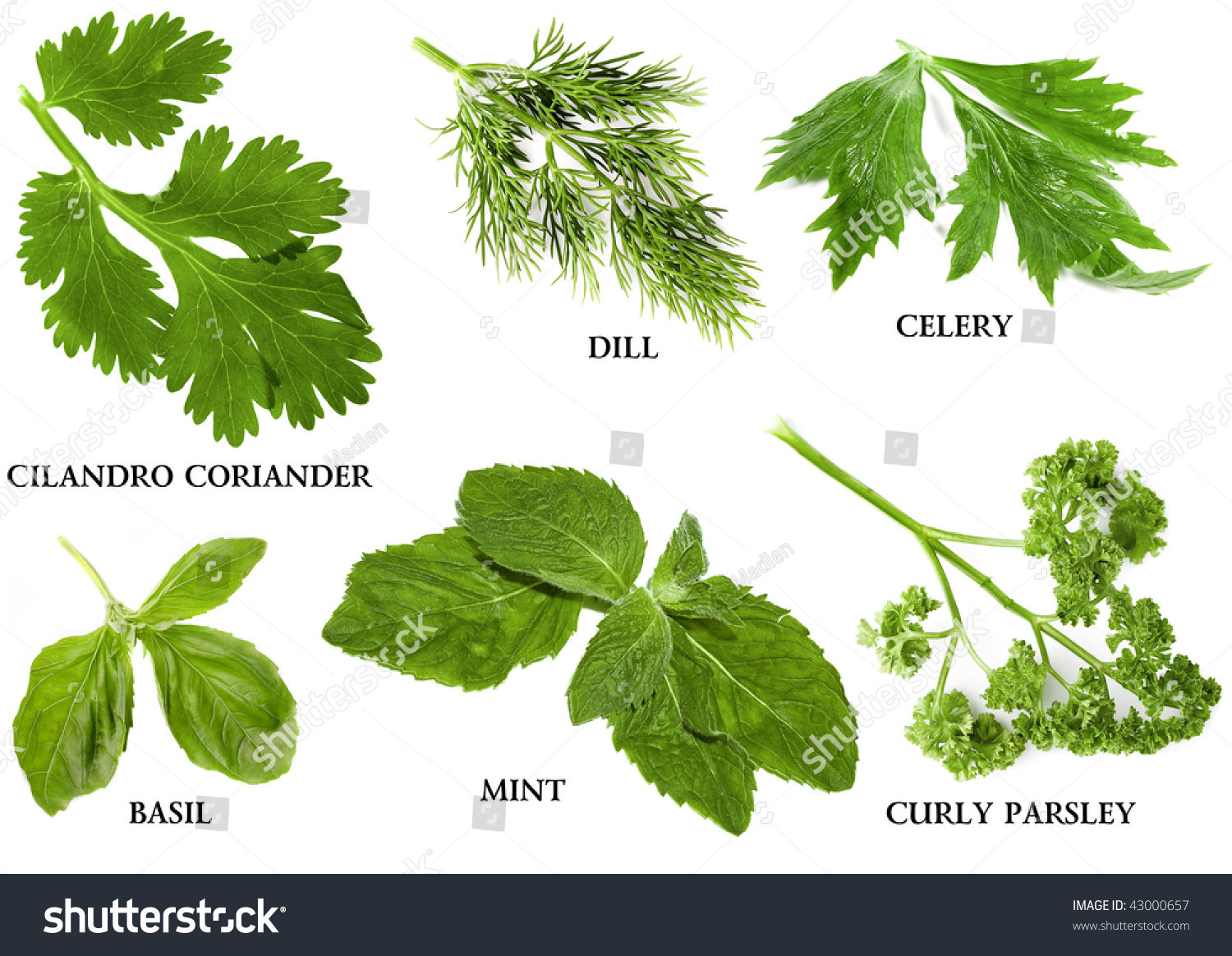
The story of human health is inextricably linked to the earth beneath our feet, a vibrant tapestry woven with the verdant threads of plant life. For millennia, before pharmacies and laboratories, our ancestors understood an intrinsic truth: the power to nourish, heal, and thrive lay within the botanical kingdom. They were the first pharmacists, the original nutritionists, guided by instinct, observation, and generations of accumulated wisdom. This isn't merely a quaint historical footnote; it’s the foundational chapter of a living narrative, one that continues to unfold as modern science increasingly validates the profound nutritional properties held within what we often dismiss as mere "greens" or "flavorings."
We stand at a unique intersection today, where ancient herbal traditions meet cutting-edge biochemical analysis. The casual sprinkle of parsley on a plate, the fragrant aroma of basil in a sauce, the invigorating kick of ginger in a tea – these are not just sensory delights. They are invitations to a deeper engagement with our food, gateways to a universe of phytonutrients, vitamins, minerals, and compounds that orchestrate a symphony of health benefits within our bodies. This article embarks on a journey, a deep dive into the heart of these green allies, unraveling their nutritional complexities and telling the compelling story of how our favorite herbs are far more than just culinary accessories; they are potent, miniature pharmacies, meticulously crafted by nature to support our well-being.
The Ancestral Echo: A History Forged in Green
Our story begins not in a laboratory, but in the wild, untamed landscapes where early humans roamed. Every leaf, every root, every berry was a potential source of sustenance or peril. Through trial and error, observation, and an innate curiosity, humanity slowly deciphered the language of plants. The bitter taste of a leaf might signal medicine, a sweet berry, energy, and a fragrant herb, a remedy for discomfort. This intuitive understanding formed the bedrock of ethnobotany and traditional medicine systems that emerged across diverse cultures – from the intricate web of Ayurvedic practices in ancient India to the sophisticated pharmacopeia of Traditional Chinese Medicine, and the profound wisdom of indigenous healers worldwide.
These ancient practitioners didn't possess gas chromatographs or mass spectrometers, yet they understood, often with astonishing precision, the therapeutic properties of plants. They might not have known the term "antioxidant," but they recognized the protective power of certain herbs. They couldn't isolate "flavonoids," but they observed the anti-inflammatory effects of specific infusions. This ancestral knowledge, passed down through oral traditions, scrolls, and apprenticeships, tells a powerful story: that the nutritional wisdom embedded in herbs is not a modern discovery, but a rediscovery, a re-validation of truths whispered across generations. It’s a testament to the enduring power of nature and our enduring connection to it.
Beyond the Basics: The Symphony of Phytonutrients
For a knowledgeable audience, it’s crucial to move beyond the simplistic notion of herbs as merely sources of vitamins and minerals – though they are indeed rich in these essential micronutrients. The true magic, the narrative depth, lies in the vast and intricate world of phytonutrients (plant chemicals). These are the compounds that give plants their color, aroma, and unique defense mechanisms, and it is these very compounds that exert profound effects on human health.
Imagine a plant as a miniature chemical factory, constantly producing an array of complex molecules to protect itself from pests, diseases, and environmental stressors. When we consume these plants, we inherit these protective mechanisms. Phytonutrients are broadly categorized, but their collective impact is often greater than the sum of their individual parts, a phenomenon often referred to as the "entourage effect."
Key Categories of Phytonutrients found in Herbs:
- Polyphenols: A vast group including flavonoids, phenolic acids, lignans, and stilbenes. These are powerful antioxidants, combating oxidative stress, which is a major contributor to chronic diseases. They also exhibit anti-inflammatory, anti-cancer, and cardioprotective properties.
- Terpenes/Terpenoids: Responsible for many of the distinct aromas and flavors of herbs (e.g., menthol in mint, limonene in citrus peels, curcumin in turmeric). Many have anti-inflammatory, antimicrobial, and even anti-tumor activities.
- Alkaloids: Nitrogen-containing compounds with significant physiological effects (e.g., caffeine, capsaicin). While some are potent and require careful use, others contribute to the medicinal properties of certain herbs.
- Organosulfur Compounds: Found prominently in the Allium family (garlic, onions) and cruciferous vegetables. Known for their powerful anti-cancer, cardiovascular, and immune-modulating effects.
- Glucosinolates: Precursors to isothiocyanates, found in cruciferous herbs and vegetables. These compounds are extensively studied for their anti-cancer properties.
The narrative of these compounds within our bodies is one of intricate communication. They interact with our genes, enzymes, hormones, and cellular pathways, influencing everything from detoxification processes to immune responses and neural activity. They don't just "add" nutrients; they orchestrate health, helping our bodies maintain balance and resilience.
A Deep Dive into Your Favorite Green Allies: Nutritional Narratives
Let's now turn the page to specific chapters, exploring the unique nutritional stories of some of our most beloved herbs.
1. Parsley (Petroselinum crispum): The Unsung Hero
Often relegated to a garnish, parsley’s story is one of understated power. Historically revered by the ancient Greeks and Romans, not just for flavor but for its medicinal properties, it was used to aid digestion and even as a symbol of victory. Today, science illuminates its true nutritional depth.
- Vitamins & Minerals: Parsley is an astonishing source of Vitamin K (crucial for blood clotting and bone health, with a single tablespoon providing well over 70% of the RDI), Vitamin C (a potent antioxidant, immune booster, and collagen synthesis aid), and Vitamin A (in the form of beta-carotene, vital for vision, immune function, and skin health). It also offers significant amounts of Iron, Calcium, and Magnesium.
- Phytonutrients:
- Flavonoids: Apigenin, luteolin, and quercetin are abundant. Apigenin, in particular, has garnered attention for its anti-inflammatory, neuroprotective, and potential anti-cancer effects.
- Volatile Oils: Myristicin and apiol are responsible for its distinctive aroma and contribute to its diuretic and anti-spasmodic properties. Myristicin also shows promise in stimulating glutathione production, a key detoxifier in the body.
- Health Narrative: Parsley’s narrative is one of robust detoxification support, immune fortification, and bone health. Its potent antioxidant profile helps neutralize free radicals, protecting cellular integrity. Its diuretic action can aid in reducing bloating and supporting kidney function, while its fresh flavor often makes it a preferred breath freshener.
2. Cilantro (Coriandrum sativum): The Controversial Cleanser
Cilantro, known as coriander in its seed form, evokes strong opinions – a fragrant delight for some, a soapy nightmare for others (a genetic predisposition linked to specific olfactory receptors). But beyond taste, its nutritional story is compelling. Its use dates back thousands of years, found in ancient Egyptian tombs and documented in Sanskrit texts for its digestive and medicinal properties.
- Vitamins & Minerals: Like parsley, cilantro is rich in Vitamin K and Vitamin A, and provides a good dose of Vitamin C. It also contains beneficial amounts of Potassium and Manganese.
- Phytonutrients:
- Volatile Oils: Linalool, geraniol, and borneol contribute to its unique aroma and possess antimicrobial and anti-inflammatory properties.
- Flavonoids: Quercetin, apigenin, and rhamnetin are present, contributing to its antioxidant capacity.
- Chelating Agents: While not a "nutrient" in the traditional sense, cilantro has been anecdotally and anecdotally suggested to help chelate heavy metals from the body, though scientific evidence for this in human trials is still evolving.
- Health Narrative: Cilantro's story is one of digestive aid, antioxidant defense, and potential detoxification. Its antimicrobial properties can help combat foodborne pathogens, while its digestive bitters stimulate enzyme production. For those who enjoy its flavor, it’s a powerful daily addition for internal cleansing and cellular protection.
3. Basil (Ocimum basilicum): The Royal Herb
From the Greek "basileus" meaning "king," basil has been revered for millennia, not just for its intoxicating aroma in Mediterranean cuisine but also for its medicinal virtues in Ayurvedic and traditional European medicine.
- Vitamins & Minerals: Basil is an excellent source of Vitamin K, providing over 100% of the RDI in just two tablespoons of dried basil. It also contains Vitamin A, Manganese, and Iron.
- Phytonutrients:
- Volatile Oils: Eugenol, linalool, methyl chavicol (estragole), and cineole are key. Eugenol, in particular, is a potent anti-inflammatory compound that can block enzymes like COX-2, similar to how NSAIDs work, but without the side effects.
- Flavonoids: Orientin and vicenin are powerful antioxidants that protect cells from oxidative damage, particularly at the chromosomal level.
- Health Narrative: Basil’s narrative speaks of profound anti-inflammatory and antioxidant action. Its volatile oils provide potent antimicrobial properties, protecting against harmful bacteria. Beyond physical health, the aroma of basil is often associated with stress reduction and mood elevation, hinting at subtle adaptogenic qualities. Its versatility makes it a staple for both culinary delight and internal wellness.
4. Rosemary (Rosmarinus officinalis): The Herb of Remembrance
Rosemary, with its pine-like needles and robust aroma, has a rich history tied to memory, love, and protection. Used in ancient rituals and traditional medicine, its modern story focuses on its potent brain-boosting and antioxidant properties.
- Vitamins & Minerals: Rosemary offers good amounts of Vitamin A, Vitamin C, Iron, Calcium, and Manganese.
- Phytonutrients:
- Carnosic Acid & Rosmarinic Acid: These are the superstars of rosemary. Carnosic acid is a powerful neuroprotective agent, shown to protect brain cells from damage, improve memory, and enhance cognitive function. Rosmarinic acid is a potent antioxidant and anti-inflammatory, particularly beneficial for respiratory health and allergies.
- Volatile Oils: Cineole, camphor, and alpha-pinene contribute to its invigorating aroma and provide antimicrobial and expectorant properties.
- Health Narrative: Rosemary’s story is one of cognitive enhancement and robust antioxidant defense. It’s a brain tonic, enhancing focus and memory, and a systemic protector, combating inflammation and oxidative stress throughout the body, from the cardiovascular system to the respiratory tract. Its invigorating aroma is a testament to its stimulating properties, both internally and externally.
5. Thyme (Thymus vulgaris): The Aromatic Antiseptic
Thyme, a small but mighty herb, has been valued since antiquity for its medicinal and preservative qualities. The Egyptians used it in embalming, the Greeks burned it as incense for courage, and medieval knights carried it for bravery.
- Vitamins & Minerals: Thyme is a good source of Vitamin C, Vitamin A, Iron, Manganese, and Calcium.
- Phytonutrients:
- Thymol & Carvacrol: These phenolic compounds are the primary active ingredients in thyme oil, renowned for their potent antimicrobial, antifungal, and antiseptic properties. They are effective against a broad spectrum of pathogens, making thyme a traditional remedy for respiratory infections and topical wounds.
- Flavonoids: Luteolin, apigenin, and naringenin contribute to its antioxidant and anti-inflammatory profile.
- Health Narrative: Thyme’s narrative is dominated by its powerful antiseptic and immune-supportive actions. It's a champion for respiratory health, helping to soothe coughs, clear congestion, and fight infections. Its broad-spectrum antimicrobial activity makes it a valuable ally for overall immune resilience, embodying ancient wisdom in a fragrant, medicinal package.
6. Ginger (Zingiber officinale): The Universal Soother
While technically a rhizome, ginger is universally embraced as an herb, a cornerstone of culinary and medicinal traditions across Asia for thousands of years. Its fiery warmth tells a story of comfort, healing, and invigorating vitality.
- Vitamins & Minerals: Ginger contains a modest amount of Potassium, Magnesium, Manganese, and Vitamin B6.
- Phytonutrients:
- Gingerols & Shogaols: These are the primary bioactive compounds. Gingerols give fresh ginger its pungent flavor and are powerful anti-inflammatory and antioxidant agents. When ginger is dried or cooked, gingerols are converted to shogaols, which are even more potent in their anti-inflammatory and anti-nausea effects.
- Zingerone: Another key compound, contributing to its antioxidant and anti-inflammatory properties.
- Health Narrative: Ginger’s story is one of profound anti-inflammatory and anti-nausea effects. It’s a digestive marvel, soothing upset stomachs, reducing motion sickness, and alleviating morning sickness. Its ability to modulate inflammatory pathways makes it beneficial for conditions ranging from arthritis to muscle soreness, embodying a holistic approach to pain relief and systemic balance.
7. Turmeric (Curcuma longa): The Golden Healer
Like ginger, turmeric is a rhizome, but its vibrant golden hue and storied past in Ayurvedic medicine and Indian cuisine earn it a place among our most revered "herbs." Its narrative is one of ancient wisdom meeting modern scientific validation.
- Vitamins & Minerals: Turmeric contains some Iron, Manganese, Potassium, and Vitamin C.
- Phytonutrients:
- Curcuminoids: This group of compounds, particularly curcumin, are turmeric's primary active ingredients. Curcumin is one of the most extensively researched natural compounds, known for its extraordinary anti-inflammatory, antioxidant, and anti-cancer properties. It acts on multiple molecular targets, influencing various cellular pathways involved in inflammation and disease.
- Volatile Oils: Turmerones contribute to its aroma and also possess anti-inflammatory and neuroprotective effects.
- Health Narrative: Turmeric’s narrative is perhaps the most celebrated in recent years, a testament to its multifaceted healing potential. It’s a systemic anti-inflammatory, capable of reducing inflammation at a cellular level, making it invaluable for joint health, digestive issues, and cardiovascular support. Its antioxidant power protects DNA and cells, while ongoing research explores its potential in neurodegenerative diseases and cancer prevention. The story of turmeric is a powerful reminder of nature's pharmaceutical brilliance.
The Holistic Harmony: Beyond the Individual Note
The story of herbs for health is not merely a collection of individual tales; it's a grand symphony. The true power often lies in the synergy of these compounds and the holistic way we integrate them into our lives. Consuming a variety of herbs, rather than relying on isolated compounds, ensures a broader spectrum of phytonutrients working together, enhancing bioavailability and maximizing health benefits.
For the knowledgeable audience, this means recognizing that a pinch of dried oregano in your sauce is not just about flavor; it's about introducing a complex matrix of carvacrol, thymol, rosmarinic acid, and dozens of other compounds that collectively contribute to your well-being. It’s about understanding that food is not just fuel, but information – a biological language that communicates with our cells, influencing gene expression, enzyme activity, and systemic balance.
The conscious inclusion of herbs in daily cooking is a subtle yet profound act of self-care. It’s an embrace of ancestral wisdom, validated by modern science, that empowers us to take an active role in our health. It's also a reminder of the importance of sourcing – organic, fresh, and sustainably grown herbs often possess a richer nutritional profile, reflecting a healthier ecosystem.
Conclusion: The Enduring Narrative of Green Gold
The journey through the nutritional properties of our favorite greens reveals a story far richer and more complex than meets the eye. From the earliest human foraging to the sophisticated analyses of today, herbs have consistently proven to be invaluable allies in our quest for health. They are not inert flavorings; they are vibrant, living libraries of chemical compounds, each telling a unique story of resilience, protection, and vitality.
This deep dive has illuminated the extraordinary concentrations of vitamins, minerals, and, crucially, the vast array of phytonutrients – polyphenols, terpenes, organosulfur compounds, and more – that orchestrate profound health benefits within our bodies. We’ve seen how parsley quietly supports our bones, basil fights inflammation with royal might, rosemary sharpens our minds, thyme fortifies our immunity, and ginger and turmeric bring their golden warmth to soothe and heal.
The narrative of herbs for health is an ongoing one, with new discoveries constantly adding chapters to this ancient tale. But the core message remains timeless: these unassuming green allies, often taken for granted, hold within them a profound wisdom and an immense capacity to nourish, protect, and empower us. By consciously inviting them into our kitchens and onto our plates, we don't just add flavor; we weave ourselves back into the enduring story of life, embracing nature's profound generosity and our own inherent potential for vibrant health. Let us continue to listen to the whispers of the leaves, for in their green embrace lies a powerful testament to the wisdom of the earth and the enduring legacy of well-being.


