Tea Time for Your Health: How Different Teas Can Boost Your Brain and Body
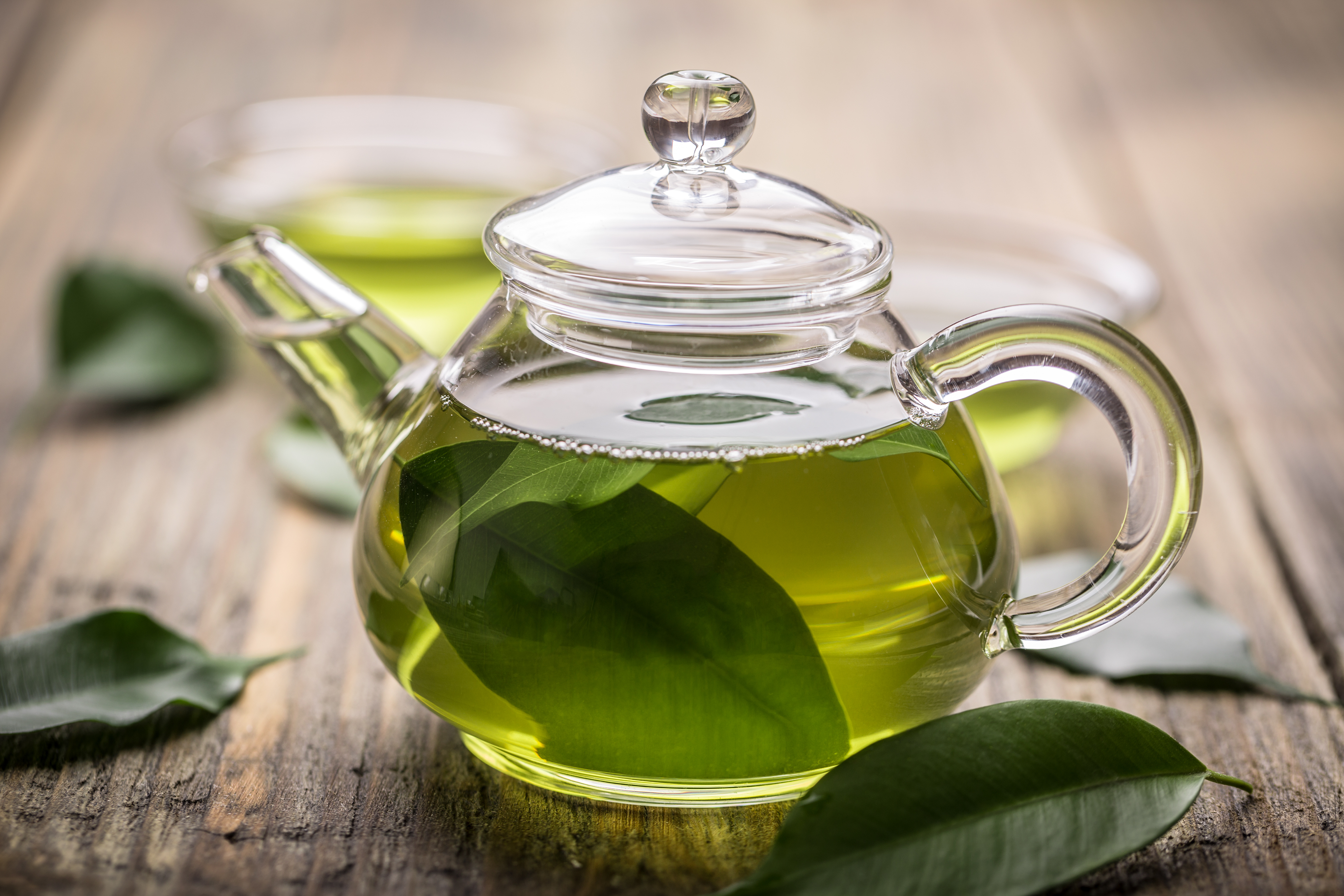
The gentle clinking of porcelain, the whisper of steam rising from a freshly brewed cup, the subtle dance of fragrant leaves unfurling in hot water – for millennia, the ritual of tea has been a cornerstone of human culture. From the intricate ceremonies of the East to the convivial afternoon gatherings of the West, tea has transcended its simple origins as a beverage, evolving into a symbol of hospitality, contemplation, and comfort. Yet, beneath this comforting veneer lies a profound truth, one that modern science is increasingly validating: tea is not merely a pleasant drink, but a potent elixir, a daily dose of wellness for both brain and body.
For the discerning mind, one that appreciates the nuanced interplay of nature and nurture, the story of tea is a fascinating narrative of botanical marvels and biochemical synergies. It’s a story that begins in the misty mountains of ancient China, where the Camellia sinensis plant first yielded its secrets, and continues today in laboratories worldwide, where scientists unravel the complex mechanisms by which this humble brew promotes health. This article embarks on a journey through the world of tea, exploring how different processing methods unlock distinct profiles of beneficial compounds, offering tailored advantages for our cognitive function, physical vitality, and overall well-being. Prepare to delve into the depths of your teacup, discovering not just a beverage, but a daily ritual imbued with the power to transform.
The Unifying Power of Tea: A Molecular Symphony
At its heart, all true tea, whether green, black, oolong, white, or Pu-erh, originates from the same Camellia sinensis plant. The magic, and the distinction in their health benefits, arises primarily from the processing of the leaves after they are plucked. This processing – particularly the degree of oxidation – dictates the transformation of fundamental compounds into a diverse array of bioactive molecules.
The true heroes of tea's health story are its polyphenols, a broad category of plant compounds renowned for their antioxidant and anti-inflammatory properties. Within polyphenols, flavonoids and catechins are particularly prominent. Among catechins, Epigallocatechin Gallate (EGCG) stands out as arguably the most powerful, especially abundant in less oxidized teas. These compounds are master defenders, tirelessly scavenging free radicals that cause oxidative stress, a primary contributor to aging and chronic diseases. By neutralizing these harmful molecules, tea polyphenols help protect cellular integrity, reduce inflammation, and support healthy bodily functions.
Beyond these antioxidants, tea also contains L-theanine, a unique amino acid that has a profound impact on brain function. Unlike the jittery stimulation often associated with coffee, L-theanine works synergistically with tea’s natural caffeine to induce a state of "calm alertness." It promotes the production of alpha brain waves, associated with relaxed focus, improved attention, and reduced stress and anxiety, without causing drowsiness.
Furthermore, tea provides essential minerals, trace elements, and a host of other phytonutrients, all contributing to its holistic health profile. The interplay of these compounds is a complex symphony, where each note plays a crucial role in creating a harmonious effect on our brain and body. Understanding this foundational chemistry allows us to appreciate the specific nuances that each tea type brings to the table.
Green Tea: The Zen Elixir for Mind and Metabolism
Green tea, a beverage steeped in thousands of years of East Asian tradition, is arguably the most celebrated for its health benefits. Its secret lies in its minimal processing: immediately after harvesting, the leaves are either steamed (Japanese method) or pan-fired (Chinese method) to prevent oxidation. This rapid heat treatment preserves a high concentration of catechins, particularly EGCG, giving green tea its distinctive fresh, slightly grassy flavor and its potent medicinal properties.
Brain Benefits of Green Tea:
The impact of green tea on cognitive function is nothing short of remarkable. The synergistic relationship between L-theanine and caffeine is most pronounced here. While caffeine provides an initial boost in alertness and reaction time, L-theanine steps in to smooth out the typical caffeine "jitters," fostering a state of sustained, focused attention. Studies have shown that this combination can improve working memory, enhance cognitive performance, and reduce susceptibility to distraction. Imagine the clarity and concentration of a monk in meditation, yet with the mental agility required for complex tasks – that’s the essence of green tea’s cognitive gift.
Beyond immediate enhancement, green tea offers significant neuroprotective benefits. EGCG and other catechins cross the blood-brain barrier, where they exert powerful antioxidant and anti-inflammatory effects, shielding neurons from damage. Research suggests that regular green tea consumption may lower the risk of neurodegenerative diseases like Alzheimer's and Parkinson's by promoting neurogenesis (the growth of new brain cells) and protecting existing ones. It’s like building a resilient fortress for your brain, brick by EGCG-laden brick.
Body Benefits of Green Tea:
Green tea's influence extends far beyond the brain, offering a comprehensive suite of physical advantages. Perhaps most famously, it's a powerful ally for metabolic health and weight management. EGCG has been shown to boost metabolism, increase fat oxidation (the body's ability to burn fat for energy), and improve insulin sensitivity. It’s not a magic bullet, but a consistent companion for those seeking to maintain a healthy weight and blood sugar levels.
For the cardiovascular system, green tea is a true hero. Its catechins help lower LDL (bad) cholesterol levels, reduce blood pressure, and improve the flexibility of blood vessels, thereby significantly decreasing the risk of heart disease and stroke. Think of it as a daily tune-up for your circulatory system, keeping everything flowing smoothly.
Furthermore, green tea is a potent immune system booster. Its antioxidants and polyphenols strengthen the body’s defenses, helping to ward off infections and reduce the duration of illnesses. It’s also a friend to your gut microbiome, promoting the growth of beneficial bacteria, which in turn supports digestion, nutrient absorption, and overall immunity. Even your skin can benefit, as the topical and internal application of green tea's antioxidants helps protect against UV damage, reduce inflammation, and promote a youthful glow.
A note on Matcha: This finely ground green tea powder offers an even more concentrated dose of green tea's benefits, as you consume the entire leaf. Its vibrant green hue is a testament to its rich chlorophyll content, and its L-theanine levels are notably higher, making it an exceptional choice for sustained focus and calm energy.
Black Tea: The Robust Awakener for Heart and Gut
Black tea, the most widely consumed tea globally, undergoes full oxidation, a process where the leaves are withered, rolled, and then exposed to air. This enzymatic reaction transforms catechins into complex molecules like theaflavins and thearubigins, which are responsible for black tea's characteristic dark color, robust flavor, and unique health properties. While it contains less EGCG than green tea, its distinct profile offers equally valuable, albeit different, advantages.
Brain Benefits of Black Tea:
For many, black tea is the quintessential morning brew, a reliable kick-starter for the day. Its higher caffeine content, compared to green tea, provides a more pronounced and immediate boost in alertness and energy. However, it still contains L-theanine, albeit in smaller quantities, which helps to mitigate some of the edginess that coffee can sometimes induce, leading to a more stable form of wakefulness.
The theaflavins in black tea have also been linked to improved cognitive function, though research is still emerging. They appear to support brain health by reducing inflammation and oxidative stress within neural pathways. For those needing a clear head and sustained focus throughout a demanding day, black tea offers a comforting and effective solution, without the sharp peaks and troughs of other stimulants. It's the steadfast companion for your mental marathon.
Body Benefits of Black Tea:
Black tea is a champion for cardiovascular health. Numerous studies have demonstrated its ability to improve blood vessel function, reduce blood pressure, and lower the risk of stroke and heart disease. Theaflavins and thearubigins are thought to play a key role in these benefits, acting as powerful antioxidants that protect the heart and arteries. Regularly incorporating black tea into your diet is like providing a consistent protective shield for your most vital organ.
Another fascinating area of research focuses on black tea's impact on the gut microbiome. While green tea supports beneficial bacteria, black tea appears to promote the growth of specific beneficial gut bacteria, particularly those involved in immune regulation and metabolic health. The complex polyphenols in black tea act as prebiotics, nourishing these friendly microbes. A healthy gut is increasingly recognized as fundamental to overall health, influencing everything from immunity to mood, and black tea offers a delicious way to cultivate this inner garden.
Furthermore, black tea has demonstrated anti-inflammatory properties, which can help alleviate chronic inflammation throughout the body, a root cause of many diseases. Its richness in flavonoids also contributes to its potential anti-cancer effects, particularly against certain types of cancer, though more research is needed in this area.
Oolong Tea: The Harmonious Balance for Energy and Digestion
Oolong tea, a marvel of tea processing, sits gracefully between green and black teas in terms of oxidation. Its partial oxidation, a carefully controlled and often intricate process, results in a wide spectrum of flavors and aromas, ranging from floral and sweet to robust and toasty. This unique processing also gives Oolong a distinct biochemical profile, offering a harmonious blend of the benefits found in both green and black teas.
Brain Benefits of Oolong Tea:
Oolong tea provides a balanced cognitive boost, making it an excellent choice for sustained mental clarity without overstimulation. Like green tea, it contains both L-theanine and caffeine, working in tandem to enhance focus, improve attention span, and reduce mental fatigue. The partial oxidation process ensures that a good portion of the beneficial catechins remain, contributing to neuroprotection.
For those who find green tea too light or black tea too intense, Oolong offers a perfect middle ground. It can help sharpen the mind, improve memory recall, and foster a state of relaxed awareness, ideal for creative work, studying, or simply navigating a busy day with a sense of calm competence. It’s the tea that helps you find your mental flow.
Body Benefits of Oolong Tea:
Oolong tea shines particularly brightly in its contribution to metabolic health and weight management. Its unique polyphenols, distinct from those found in green or black tea, have been shown to activate enzymes that promote fat burning and reduce fat absorption. Studies suggest that Oolong can increase energy expenditure and facilitate the breakdown of fats, making it a valuable adjunct to a healthy lifestyle for those aiming to manage their weight.
Beyond weight, Oolong has a significant impact on blood sugar regulation. It can help improve insulin sensitivity, thereby assisting in the management and prevention of type 2 diabetes. This makes it a smart choice for individuals concerned about glycemic control.
Oolong tea is also celebrated for its digestive benefits. Traditional Chinese medicine often recommends Oolong after meals to aid digestion and reduce feelings of heaviness. Its polyphenols can help regulate gut flora and reduce inflammation in the digestive tract, contributing to overall gut health and comfort.
Furthermore, Oolong tea contributes to bone density, with some research suggesting that regular consumption may help reduce the risk of osteoporosis, particularly in older adults. Its antioxidant properties also extend to skin health, combating oxidative stress and promoting a clearer, more radiant complexion.
White Tea: The Delicate Defender and Anti-Aging Elixir
White tea is the least processed of all true teas, often referred to as the purest form. It is made from the tender, unopened buds and young leaves of the Camellia sinensis plant, which are simply withered and dried, with minimal to no oxidation. This delicate processing preserves an exceptionally high concentration of antioxidants, particularly catechins, making white tea a powerhouse of protective compounds. Its flavor is typically light, subtly sweet, and wonderfully nuanced.
Brain Benefits of White Tea:
Given its minimal processing, white tea boasts a rich profile of neuroprotective compounds. The high concentration of catechins, including EGCG, acts as a formidable shield against oxidative stress and inflammation in the brain. This translates to potential benefits for long-term cognitive health, helping to preserve neuronal function and reduce the risk of age-related cognitive decline.
While generally lower in caffeine than other teas, white tea still contains trace amounts that, combined with its gentle array of polyphenols, can provide a subtle yet sustained mental clarity. It’s not about an energetic jolt, but rather a calming, clear-headed state that supports focus without agitation. Think of it as a gentle caress for your brain, promoting a serene yet alert state of mind.
Body Benefits of White Tea:
White tea's most celebrated attribute is its extraordinarily high antioxidant capacity. It contains more catechins and other polyphenols than any other tea type, making it an exceptional weapon against free radical damage throughout the body. This translates into powerful anti-aging effects, protecting cells from damage that leads to wrinkles, age spots, and cellular degradation. Regular white tea consumption is like a daily dose of cellular armor, fortifying your body from within.
Its potent antioxidant profile also makes white tea an excellent immune system booster. It helps the body fight off pathogens and reduces the severity of infections. For those seeking to bolster their natural defenses, white tea offers a delicious and gentle solution.
Furthermore, white tea has shown promising results in cancer prevention. Its rich supply of EGCG and other flavonoids can inhibit the growth of cancer cells and prevent the formation of new ones. While not a cure, it’s a valuable dietary component in a holistic approach to reducing cancer risk.
Like other teas, white tea also contributes to cardiovascular health by improving cholesterol levels and blood pressure, and aids in weight management by boosting metabolism and fat oxidation. Its delicate nature makes it an ideal choice for those who are sensitive to caffeine but still wish to reap the profound health benefits of tea.
Pu-erh Tea: The Fermented Marvel for Digestion and Cholesterol
Pu-erh tea, originating from the Yunnan province of China, stands apart from other teas due to its unique post-fermentation process. After initial processing (like green tea), Pu-erh undergoes a microbial fermentation, often aged for years, or even decades, which profoundly transforms its chemical composition and flavor profile. There are two main types: "Sheng" (raw) Pu-erh, which ferments slowly over time, and "Shou" (ripe) Pu-erh, which undergoes an accelerated fermentation process. This fermentation yields distinct compounds not found in other teas.
Brain Benefits of Pu-erh Tea:
The fermentation process of Pu-erh tea creates a unique array of compounds that contribute to its distinctive effects on the brain. While it contains caffeine, it's often experienced as a smoother, more grounding energy than other teas. Some anecdotal evidence and emerging research suggest that Pu-erh may help improve mental clarity and focus, potentially due to its unique polyphenol profile and the presence of compounds that can influence brain chemistry.
The overall feeling associated with Pu-erh is one of sustained calm and groundedness, which can be conducive to deeper concentration and a more stable mood. It’s less about a sudden jolt and more about a gentle, enduring mental lift.
Body Benefits of Pu-erh Tea:
Pu-erh tea is most renowned for its profound impact on digestive health and cholesterol management. The microbial fermentation process introduces beneficial bacteria and yeast, essentially making Pu-erh a natural probiotic tea. This contributes to a healthy gut microbiome, which in turn supports digestion, nutrient absorption, and overall immune function. It's often consumed after heavy meals in Chinese culture to aid digestion and reduce feelings of fullness.
Perhaps its most celebrated benefit is its ability to help lower cholesterol levels. Research has indicated that Pu-erh tea can reduce LDL (bad) cholesterol and triglycerides, while potentially increasing HDL (good) cholesterol. This effect is attributed to specific compounds formed during fermentation, including statin-like substances and gallic acid. For those concerned about cardiovascular health, particularly cholesterol, Pu-erh tea offers a delicious and traditional dietary intervention.
Furthermore, Pu-erh tea has been linked to weight management. Some studies suggest it can inhibit fat synthesis and increase fat burning, making it a valuable component of a weight loss regimen. Its digestive benefits also contribute to a healthier metabolism.
The unique fermentation process also endows Pu-erh with strong detoxification properties, aiding the body in processing and eliminating toxins. Its rich, earthy flavor profile, often described as complex and deep, is a testament to the transformative power of time and microbes, offering a distinct path to wellness.
The Ritual and Mindfulness: Beyond the Molecules
While the biochemical wonders of tea are undeniable, its health benefits extend far beyond its molecular composition. The very act of preparing and consuming tea can be a profound practice in mindfulness and stress reduction. In a world that constantly demands our attention, the ritual of tea offers a deliberate pause, an invitation to slow down and reconnect with the present moment.
Consider the steps: boiling the water, selecting the leaves, warming the teapot, observing the dance of the steeping leaves, inhaling the evolving aroma, and finally, savoring the warmth and complex flavors. Each step is an opportunity to engage the senses, to detach from the relentless chatter of the mind, and to simply be. This deliberate act of presence can significantly lower stress hormones, reduce anxiety, and promote a sense of calm and well-being. It’s a mini-meditation woven into the fabric of daily life.
Moreover, tea, particularly in its traditional forms, often fosters connection and community. Sharing a pot of tea with loved ones, engaging in conversation, or simply enjoying a quiet moment together reinforces social bonds and reduces feelings of isolation – a powerful antidote to modern stressors. The communal aspect of tea has been a healing force across cultures for centuries.
The simple act of making tea, therefore, transcends mere hydration; it becomes a sanctuary, a moment of self-care, a quiet rebellion against the relentless pace of life. This ritualistic aspect amplifies the physiological benefits of tea, creating a holistic experience that nourishes both body and soul.
Practical Considerations and Synergies
To fully harness the power of tea, a few practical considerations are in order:
- Quality Matters: Opt for high-quality, loose-leaf teas whenever possible. These generally contain more intact leaves, leading to better flavor and a higher concentration of beneficial compounds compared to dust-filled tea bags. Organic certification ensures fewer pesticides and a purer product.
- Brewing Temperature and Time: Different teas thrive at different temperatures and steeping times. Green and white teas prefer cooler water (around 175-185°F or 80-85°C) and shorter steeps (1-3 minutes) to prevent bitterness. Black and Pu-erh teas can handle hotter water (200-212°F or 93-100°C) and longer steeps (3-5 minutes). Oolong falls in between. Experiment to find your perfect cup.
- Listen to Your Body: While tea is largely beneficial, caffeine content varies. If you're sensitive to caffeine, opt for white or some green teas, or enjoy your caffeinated teas earlier in the day.
- Iron Absorption: The tannins in tea can slightly inhibit the absorption of non-heme iron (iron from plant sources). If you're concerned about iron deficiency, avoid drinking tea immediately before or after iron-rich meals. Adding a squeeze of lemon (Vitamin C) can actually counteract this effect.
- Variety is the Spice of Life (and Health): Don't limit yourself to just one type of tea. By exploring green, black, oolong, white, and Pu-erh, you can access a broader spectrum of beneficial compounds and cater to different moods and needs throughout your day. A morning black tea for alertness, an afternoon green tea for focus, and an evening white tea for gentle relaxation.
- Beyond the Cup: Consider incorporating tea into your cooking or baking, or using cooled tea as a face toner. The antioxidants are versatile!
Conclusion: The Simple, Profound Power of a Cup
The journey through the world of tea reveals a beverage far more profound than its humble origins suggest. From the vibrant catechins of green tea bolstering brain health and metabolism, to the robust theaflavins of black tea guarding the heart and gut, the delicate antioxidants of white tea offering anti-aging protection, the balanced polyphenols of oolong tea aiding digestion and weight management, and the unique fermented compounds of Pu-erh tea lowering cholesterol – each type offers a distinct pathway to enhanced well-being.
Yet, beyond the impressive scientific data and the complex molecular interactions, lies the enduring essence of tea: its ability to connect us. To history, to culture, to nature, and most importantly, to ourselves. In a world that increasingly seeks quick fixes and complex solutions, the simple act of brewing and savoring a cup of tea remains a powerful, accessible, and deeply enriching practice. It is a reminder that some of the greatest gifts to our health and happiness can be found in the quiet moments, in the mindful rituals, and in the profound, yet unassuming, beauty of nature’s bounty.
So, the next time you steep a cup, remember the millennia of wisdom and the cutting-edge science that converge in your hands. Let the warmth soothe you, the aroma awaken you, and the flavors transport you. For in that cup, you hold not just a drink, but a legacy of health, mindfulness, and timeless serenity. Make tea time your dedicated time for boosting your brain and body, one exquisite sip at a time.


