The Silent Revolution in Your Spice Rack: Why Herbs and Spices Are the Undisputed Superfoods of the Modern Age
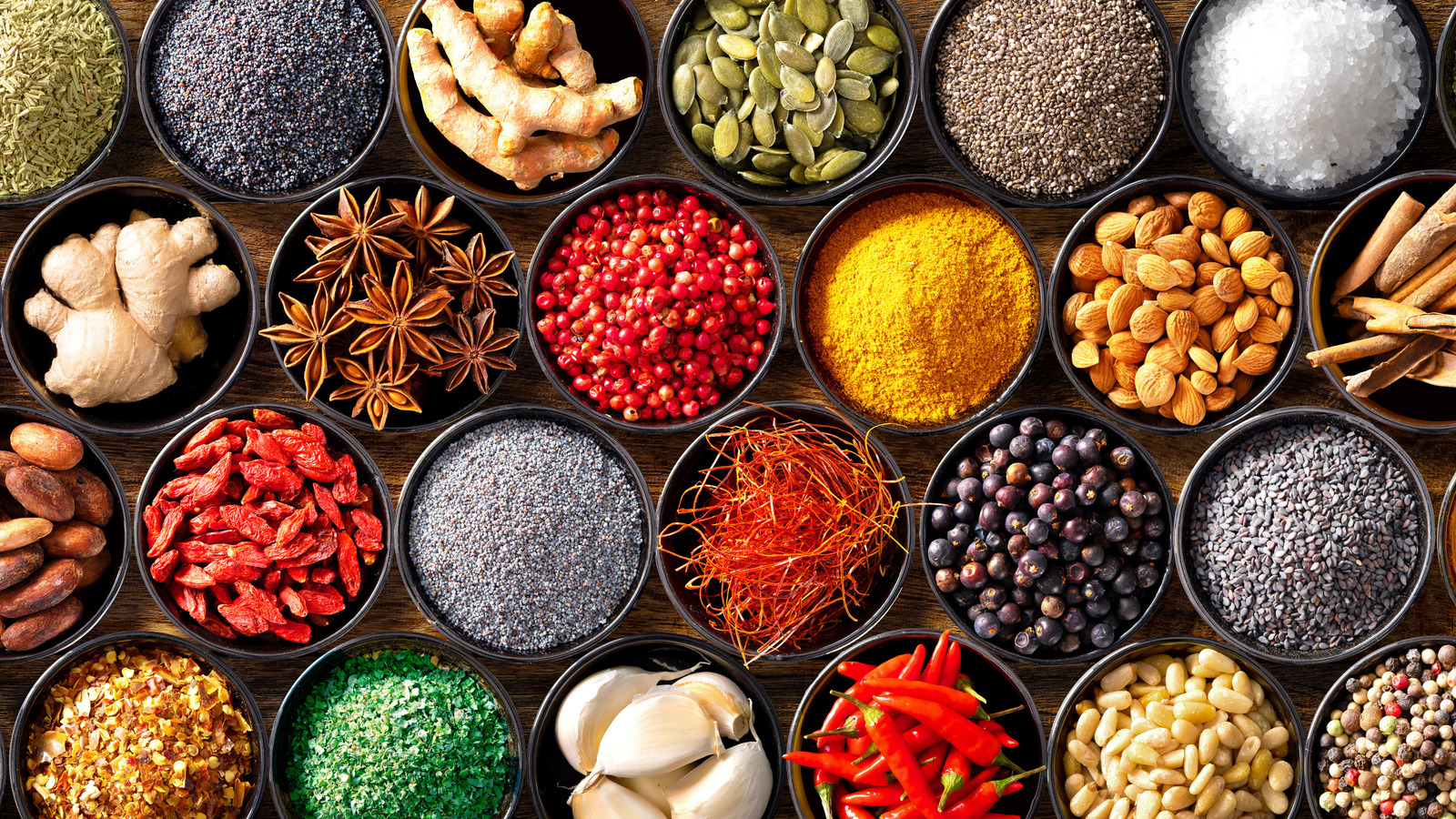
The air in the ancient market was thick with a thousand stories. The scent of sun-baked earth mingled with the sharp tang of ginger, the sweet allure of cinnamon, and the mysterious earthiness of turmeric. Merchants haggled, caravans arrived, and a treasure more valuable than gold exchanged hands: spices. For millennia, these potent botanicals have been the lifeblood of empires, the fuel for exploration, and the secret behind both exquisite cuisine and profound healing. They were the original superfoods, long before the term was coined, revered not just for their ability to transform a meal, but for their power to transform health itself.
Today, in our bustling kitchens and hurried lives, these vibrant powerhouses often sit quietly, relegated to a supporting role in the culinary drama. We sprinkle them, we dash them, we appreciate their flavor, but do we truly understand the silent revolution they are enacting within our bodies? Do we grasp that the humble jar of oregano, the vibrant turmeric root, or the fragrant cinnamon stick holds a concentrated arsenal of compounds capable of combating disease, boosting vitality, and extending our well-being in ways that modern science is only just beginning to fully appreciate?
For the knowledgeable consumer, the term "superfood" often conjures images of exotic berries, nutrient-dense greens, or obscure seeds. Yet, the most accessible, historically significant, and scientifically validated superfoods have been patiently waiting in our pantries all along. This is the story of why herbs and spices are not just flavor enhancers, but essential pillars of health, and why embracing their power is one of the simplest yet most profound acts of self-care you can undertake.
Part 1: Echoes of Ancient Wisdom – A Journey Through the Spice Routes of Time
Our fascination with herbs and spices is not a fleeting trend; it’s an ancestral imprint, etched into the very fabric of human civilization. Their story is a grand narrative of exploration, conquest, medicine, and myth, a testament to their enduring value.
Similarly, Traditional Chinese Medicine (TCM), evolving over thousands of years, incorporates a vast pharmacopoeia of herbs and spices. Ginger is used to warm the body and aid digestion; ginseng (though technically an herb, its root shares many characteristics with spices) is revered for its adaptogenic properties. The intricate balance of flavors, temperatures, and therapeutic actions in TCM underscores a sophisticated understanding of plant chemistry long before modern analytical tools existed.
This long, storied history isn't just a nostalgic glance backward; it’s a powerful validation. The consistent, cross-cultural reverence for spices, not just as culinary delights but as essential elements of health, provides a profound context for our modern scientific discoveries. What our ancestors knew through observation and intuition, we are now meticulously unraveling in laboratories worldwide.
Part 2: The Science Behind the Sizzle – What Makes Them Super?
The transformation of a simple plant into a "superfood" lies in its complex biochemistry. Herbs and spices are not merely sources of vitamins and minerals (though many are rich in these too); their true power resides in their unique array of phytochemicals – biologically active plant compounds that orchestrate a symphony of beneficial effects within the human body. These include polyphenols, flavonoids, terpenes, alkaloids, and sulfur-containing compounds, each with distinct roles, yet often working synergistically to amplify their impact.
Let's dissect the key mechanisms through which these silent powerhouses exert their extraordinary influence:
Antioxidant Powerhouse: This is perhaps the most widely recognized benefit. Our bodies are constantly exposed to environmental toxins, stress, and metabolic processes that generate "free radicals" – unstable molecules that damage cells, DNA, and proteins. This oxidative stress is a fundamental driver of aging and a precursor to countless chronic diseases, including cancer, heart disease, and neurodegenerative disorders. Herbs and spices are packed with antioxidants that neutralize these free radicals, acting as a protective shield for our cells.
Anti-inflammatory Agents: Chronic, low-grade inflammation is now understood to be at the root of nearly every major chronic disease. It contributes to atherosclerosis, insulin resistance, autoimmune conditions, arthritis, and even certain cancers. Many spices, particularly turmeric (curcumin), ginger, and garlic, possess potent anti-inflammatory properties, often working by inhibiting inflammatory pathways and reducing the production of pro-inflammatory molecules. They offer a natural alternative to pharmaceutical anti-inflammatory drugs, often without the side effects.
Immune System Modulation: A robust and balanced immune system is our first line of defense. Herbs and spices contain compounds that can stimulate immune cell activity, enhance antibody production, and exhibit direct antimicrobial effects against bacteria, viruses, and fungi. Garlic, oregano, and ginger are particularly renowned for their immune-boosting and pathogen-fighting capabilities.
Digestive Dynamo: Many spices have been traditionally used to aid digestion, and science confirms why. They can stimulate the production of digestive enzymes, increase bile flow, reduce gut inflammation, and alleviate symptoms like bloating, gas, and indigestion. Peppermint, ginger, and fennel are classic examples, soothing the digestive tract and promoting efficient nutrient absorption.
Metabolic Regulators: In an era of rising metabolic disorders, spices offer a glimmer of hope. Cinnamon, for instance, has been extensively studied for its ability to improve insulin sensitivity and help regulate blood sugar levels, making it a valuable ally for those managing diabetes or insulin resistance. Capsaicin from chili peppers can boost metabolism and promote fat burning.
Neuroprotective Nurturers: The brain, highly susceptible to oxidative stress and inflammation, benefits immensely from spice consumption. Compounds in turmeric (curcumin), rosemary, and sage have shown promise in preclinical studies for their ability to cross the blood-brain barrier, protect neurons, reduce amyloid plaque formation (associated with Alzheimer's), and enhance cognitive function.
Cardiovascular Guardians: Heart disease remains a leading cause of mortality. Many spices contribute to cardiovascular health by lowering cholesterol, reducing blood pressure, preventing blood clot formation, and improving overall vascular function. Garlic, cayenne pepper, and cinnamon are notable for their heart-protective effects.
Anti-Cancer Potential: While not a cure, a growing body of research suggests that phytochemicals in spices can play a significant role in cancer prevention and potentially even complement conventional treatments. They can induce apoptosis (programmed cell death in cancer cells), inhibit angiogenesis (the formation of new blood vessels that feed tumors), and protect healthy cells from DNA damage.
The beauty of these compounds is their synergistic action. Unlike isolated pharmaceutical compounds, the hundreds of bioactives in a whole spice work together, creating a more profound and balanced effect than any single component could achieve alone. This "entourage effect" is a cornerstone of why natural whole foods, including spices, often outperform isolated supplements.
Part 3: Spotlight on Super Spices – Nature's Concentrated Wisdom
Let's delve deeper into some of the most celebrated members of the spice family, understanding their unique powers and how they contribute to our well-being.
1. Turmeric (Curcuma longa): The Golden Healer
- Key Compound: Curcumin, a potent polyphenol.
- Superpowers: Unrivaled anti-inflammatory and antioxidant properties. It modulates numerous inflammatory pathways, making it effective against arthritis, inflammatory bowel disease, and general chronic inflammation. It's neuroprotective, supports liver detoxification, aids digestion, and shows significant anti-cancer potential by inhibiting tumor growth and promoting apoptosis. Its bioavailability is significantly enhanced when consumed with black pepper (piperine) and a source of healthy fats.
2. Ginger (Zingiber officinale): The Universal Soother
- Key Compounds: Gingerols, shogaols, zingerones.
- Superpowers: Famous for its anti-nausea effects (motion sickness, morning sickness, chemotherapy-induced nausea). It’s a powerful digestive aid, stimulating enzymes and alleviating bloating. Ginger is also a robust anti-inflammatory, effective against muscle pain, menstrual cramps, and osteoarthritis. Its warming properties make it a traditional remedy for colds and flu, boosting immunity.
3. Cinnamon (Cinnamomum verum/cassia): The Sweet Regulator
- Key Compounds: Cinnamaldehyde, cinnamic acid.
- Superpowers: A superstar for metabolic health. Cinnamon significantly improves insulin sensitivity, helping to lower blood sugar levels, particularly beneficial for those with insulin resistance or type 2 diabetes. It's also a powerful antioxidant, anti-inflammatory, and has antimicrobial properties. Studies suggest it can lower "bad" LDL cholesterol and triglycerides.
4. Garlic (Allium sativum): The Potent Protector
- Key Compounds: Allicin (formed when crushed), diallyl disulfide, s-allylcysteine.
- Superpowers: A true immune booster and natural antibiotic, antiviral, and antifungal. Garlic is renowned for its cardiovascular benefits, including lowering blood pressure, reducing cholesterol, and preventing blood clot formation. Its sulfur compounds are potent antioxidants and have demonstrated significant anti-cancer effects, particularly against stomach and colorectal cancers.
5. Chili Peppers (Capsicum annuum/frutescens): The Fiery Metabolizer
- Key Compound: Capsaicin.
- Superpowers: The compound responsible for their heat, capsaicin, has remarkable therapeutic effects. It's a natural pain reliever, often used topically for neuropathic pain and arthritis. Internally, capsaicin can boost metabolism, promote fat burning, and reduce appetite. It also possesses antioxidant and anti-inflammatory properties, and shows promise in inhibiting the growth of certain cancer cells.
6. Black Pepper (Piper nigrum): The Bioavailability Booster
- Key Compound: Piperine.
- Superpowers: While a modest antioxidant on its own, black pepper’s true genius lies in piperine’s ability to dramatically enhance the bioavailability of other nutrients and phytochemicals, most notably curcumin from turmeric. It aids digestion by stimulating digestive enzymes and has mild anti-inflammatory and antimicrobial properties.
7. Clove (Syzygium aromaticum): The Aromatic Antiseptic
- Key Compound: Eugenol.
- Superpowers: Cloves boast an incredibly high antioxidant capacity, among the highest of all spices. Eugenol is a powerful antiseptic and anti-inflammatory agent, making cloves a traditional remedy for toothache and gum inflammation. They also support digestive health, help regulate blood sugar, and have demonstrated antimicrobial effects against various pathogens.
8. Oregano (Origanum vulgare): The Mediterranean Mighty Herb
- Key Compounds: Carvacrol, thymol.
- Superpowers: A cornerstone of the Mediterranean diet, oregano is a potent antioxidant and a strong antimicrobial, effective against bacteria, fungi, and parasites. Its anti-inflammatory properties make it beneficial for respiratory conditions and digestive issues. Carvacrol, in particular, has been studied for its potential anti-cancer effects.
9. Rosemary (Rosmarinus officinalis): The Cognitive Enhancer
- Key Compounds: Rosmarinic acid, carnosic acid, caffeic acid.
- Superpowers: A powerhouse of antioxidants and anti-inflammatory compounds. Rosemary is particularly noted for its neuroprotective benefits, improving memory and concentration. Carnosic acid can protect the brain from free radical damage and has shown promise in preventing neurodegenerative diseases. It also aids digestion and has antimicrobial properties.
10. Saffron (Crocus sativus): The Golden Mood Lifter
- Key Compounds: Crocin, crocetin, safranal.
- Superpowers: The world's most expensive spice, saffron is revered for its potent antioxidant and anti-inflammatory effects. It's gaining significant attention for its mood-enhancing properties, showing efficacy in mild-to-moderate depression and anxiety. It also has neuroprotective qualities, supports vision health, and can help reduce appetite.
11. Cardamom (Elettaria cardamomum): The Digestive Gem
- Key Compounds: Terpenes, volatile oils.
- Superpowers: A beloved spice in Ayurvedic medicine, cardamom is excellent for digestion, relieving bloating, gas, and nausea. It has strong antioxidant properties, is a natural diuretic, and some research suggests it can help lower blood pressure. Its antimicrobial properties make it a traditional breath freshener.
This diverse array showcases a common thread: a rich concentration of bioactive compounds that work in concert to protect, heal, and optimize bodily functions.
Part 4: The Art of Integration – Making Spices a Daily Ritual
Understanding the profound benefits is the first step; the next is seamlessly weaving these superfoods into the fabric of your daily life. The good news is that this isn't about restrictive diets or exotic preparations; it's about conscious culinary choices and a willingness to experiment.
Beyond the Curry: Expanding Your Spice Horizons
Many people limit spices to specific cuisines, but their versatility knows no bounds. Think of them as flavor-packed nutritional supplements that you enjoy consuming.
Morning Rituals:
- Smoothies: A dash of turmeric (with a pinch of black pepper), ginger, or cinnamon can transform a simple fruit smoothie into an anti-inflammatory powerhouse.
- Oatmeal/Yogurt: Cinnamon, nutmeg, and cardamom add warmth and flavor, along with blood sugar-regulating benefits.
- Coffee/Tea: A sprinkle of cinnamon in your coffee, or a warm mug of ginger-lemon tea or a golden turmeric latte (made with plant milk, turmeric, ginger, cinnamon, and black pepper) can kickstart your day with a therapeutic boost.
Lunch & Dinner Transformations:
- Roasted Vegetables: Toss broccoli, sweet potatoes, or cauliflower with olive oil, garlic powder, onion powder, oregano, thyme, and a pinch of cayenne for a flavor explosion and a nutrient upgrade.
- Soups & Stews: Almost any soup or stew can benefit from ginger, turmeric, cumin, coriander, or garlic. They deepen flavor and add warmth and healing properties.
- Marinades & Dressings: Create vibrant marinades for meats, fish, or plant-based proteins using garlic, ginger, rosemary, thyme, and chili flakes. Whisk fresh herbs like dill, parsley, or basil into your salad dressings.
- Stir-fries: Load up on garlic, ginger, and chili flakes in your next stir-fry for an immune-boosting, metabolism-revving meal.
- Grains: Add a bay leaf, a pinch of turmeric, or some cardamom pods to your rice or quinoa as it cooks for subtle flavor and added benefits.
Snacks & Desserts:
- Spiced Nuts: Toast nuts with cinnamon, a pinch of cayenne, and sea salt for a healthy, satisfying snack.
- Fruit with a Kick: Sprinkle apple slices or baked pears with cinnamon, nutmeg, and a touch of ginger.
- Baking: Elevate your baked goods with generous amounts of cinnamon, nutmeg, cardamom, or ginger.
Herbal Infusions:
- Fresh mint, ginger, or lemon verbena leaves steeped in hot water make delightful and therapeutic teas. Dried herbs like chamomile (technically an herb, not a spice, but often used similarly for medicinal teas) or rooibos (often blended with spices) can be a comforting end to the day.
Tips for Maximizing Benefits:
- Fresh vs. Dried: Both have their place. Fresh herbs (parsley, cilantro, basil) are often preferred for their vibrant flavor and delicate compounds best enjoyed raw or added at the end of cooking. Dried herbs and spices (turmeric, ginger powder, cinnamon, oregano) are more concentrated and lend themselves well to longer cooking times.
- Heat Activation: Many spices release their fat-soluble compounds more effectively when gently heated in oil (known as "blooming" or "tempering"). This enhances both flavor and bioavailability, especially for spices like turmeric, cumin, and coriander.
- The Turmeric Triad: Always pair turmeric with black pepper (piperine boosts curcumin absorption by up to 2,000%) and a healthy fat (like olive oil or coconut oil) for maximum benefits.
- Buy Whole, Grind Fresh: Whole spices retain their volatile oils and potency for much longer than pre-ground varieties. Invest in a spice grinder or a mortar and pestle.
- Proper Storage: Store spices in airtight containers in a cool, dark place, away from direct sunlight and heat. This preserves their flavor and beneficial compounds.
- Don't Be Afraid to Experiment: Start with small amounts and gradually increase. Taste as you go. The joy of cooking is in discovery.
A Word of Caution: While generally safe and beneficial, moderation is key. High doses of certain spices can have adverse effects or interact with medications (e.g., cinnamon and blood thinners, ginger and diabetes medication). If you have underlying health conditions or are on medication, consult with a healthcare professional before making significant changes to your spice intake. Pregnant or breastfeeding women should also exercise caution with certain herbs and spices.
Part 5: The Holistic Perspective – Beyond Physical Wellness
The power of spices extends beyond their measurable chemical compounds and their impact on physical health. They engage our senses, connect us to cultural traditions, and contribute to a more mindful approach to living.
Conclusion: Embrace the Quiet Power
From the ancient bazaars of the East to the modern scientific laboratory, the story of herbs and spices is one of enduring power and profound wisdom. They are not just flavorings; they are concentrated reservoirs of life-enhancing compounds, humble yet potent superfoods that have quietly shaped human health and history for millennia.
In an age where the pursuit of health often feels complex and overwhelming, the answer sometimes lies in the simplest places: your spice rack. It's a treasure chest of antioxidants, anti-inflammatories, immune modulators, and metabolic allies, waiting to be unleashed. By consciously incorporating more herbs and spices into your daily diet, you are not merely adding flavor; you are investing in a healthier future, honoring ancient traditions, and embracing nature's quiet, yet undeniably powerful, revolution.
So, go ahead. Open that spice jar. Inhale deeply. And let the silent revolution begin on your plate, in your body, and in your life. The story of wellness is waiting to be spiced up.


