Unlocking the Secrets of Spices: A Comprehensive Guide to Their Health Benefits
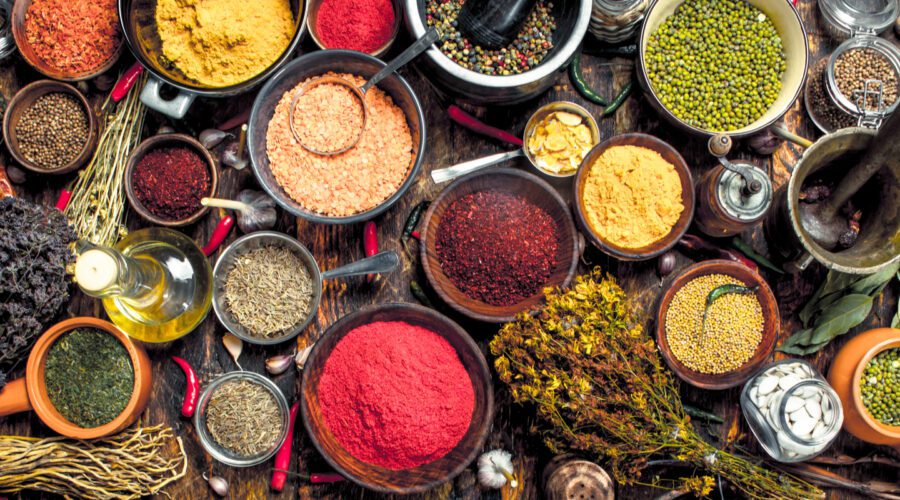
I. The Ancient Alchemy of Flavor and Healing: A Prelude
For millennia, long before the advent of modern pharmacology, humanity instinctively understood the profound power of nature’s bounty. Among the most revered treasures traded across continents, sparking wars and forging empires, were spices. These aromatic gems, often more precious than gold, were not merely coveted for their ability to transform bland sustenance into culinary masterpieces. From the bustling bazaars of ancient Babylon to the serene monasteries of the Himalayas, spices were the silent alchemists in the healer’s arsenal, their mysterious properties woven into the very fabric of traditional medicine, ritual, and spiritual practice.
Imagine a world where a pinch of cinnamon could quell a fever, a sprinkle of ginger could calm a tumultuous stomach, or a dash of turmeric could soothe inflamed joints. These weren't superstitions, but observations honed over generations, passed down through oral traditions and sacred texts. Today, in an era dominated by synthetic compounds and pharmaceutical interventions, modern science is finally catching up, meticulously dissecting these ancient remedies to uncover the 'why' behind their enduring efficacy. The secrets, once whispered by shamans and scribes, are now being unlocked in laboratories, revealing a symphony of potent plant compounds that offer a compelling blueprint for wellness.
This comprehensive guide invites you on a journey through the captivating world of spices, exploring not just their historical significance and culinary versatility, but delving deep into the scientific evidence that validates their extraordinary health benefits. Prepare to rediscover these kitchen staples, not just as flavor enhancers, but as powerful allies in your pursuit of optimal health and vitality.
II. The Invisible Architects of Wellness: Understanding Phytochemicals
To truly appreciate the health benefits of spices, one must first understand the fundamental building blocks of their power: phytochemicals. These are biologically active compounds found in plants that, while not essential for the plant's survival in the same way carbohydrates or proteins are, play crucial roles in protecting the plant from environmental threats, pests, and diseases. When consumed by humans, these very compounds interact with our physiological systems in remarkable ways, offering a vast array of protective and therapeutic effects.
Spices are, in essence, highly concentrated sources of these phytochemicals. Unlike vegetables and fruits, which provide a broader spectrum of nutrients and fiber, spices pack an extraordinary punch of specific, potent compounds in a very small serving. These include:
- Antioxidants: Perhaps the most widely recognized benefit. Antioxidants combat oxidative stress, a process caused by free radicals that can damage cells, DNA, and proteins, leading to chronic diseases and accelerated aging. Spices are replete with compounds like polyphenols, flavonoids, and carotenoids that act as powerful free radical scavengers.
- Anti-inflammatory Compounds: Chronic inflammation is now understood to be a root cause of many modern diseases, including heart disease, diabetes, cancer, and neurodegenerative disorders. Many spice phytochemicals possess potent anti-inflammatory properties, modulating the body's inflammatory pathways at a cellular level.
- Antimicrobial Agents: Long before refrigeration, spices were used to preserve food, thanks to their natural antibacterial, antiviral, and antifungal properties. These compounds continue to support our immune system and gut health by combating harmful pathogens.
- Adaptogens: Some spices exhibit adaptogenic qualities, helping the body adapt to stress, promote balance, and maintain homeostasis.
- Other Bioactive Compounds: Beyond these broad categories, spices contain a complex array of terpenes, aldehydes, volatile oils, and alkaloids, each contributing to their unique pharmacological profile and therapeutic potential.
The beauty of these compounds lies not just in their individual power, but in their synergy. They often work together in complex ways, enhancing each other's effects and creating a holistic impact greater than the sum of their parts. Moreover, understanding how to maximize their bioavailability – the degree to which they are absorbed and utilized by the body – is key to unlocking their full potential.
III. The Pantheon of Potent Plants: A Deep Dive into Individual Spices
Let us now embark on a detailed exploration of some of the most celebrated spices, unraveling their history, active compounds, and the compelling health benefits they offer.
A. Turmeric (Curcuma longa): The Golden Healer
- Origin & History: Hailing from Southeast Asia, turmeric has been revered for thousands of years in Ayurvedic and Traditional Chinese Medicine. Its vibrant golden hue made it a sacred dye, a ritualistic offering, and a foundational medicinal herb.
- Active Compounds: The primary active compounds are curcuminoids, with curcumin being the most well-studied.
- Health Benefits:
- Potent Anti-inflammatory: Curcumin is a formidable anti-inflammatory agent, comparable to some pharmaceutical drugs but without the side effects. It inhibits key inflammatory molecules and pathways.
- Antioxidant Powerhouse: Its robust antioxidant capacity helps protect cells from oxidative damage.
- Neuroprotective: Emerging research suggests curcumin may cross the blood-brain barrier, offering potential benefits for cognitive health, including memory and mood, and showing promise in conditions like Alzheimer's and depression.
- Digestive Aid: Traditionally used to soothe digestive complaints and support liver function.
- Joint Health: Its anti-inflammatory properties make it a popular natural remedy for arthritis and joint pain.
- Anticancer Potential: Studies are exploring curcumin's role in inhibiting cancer cell growth and spread.
- Maximizing Benefits: Curcumin has low bioavailability on its own. Pairing it with black pepper (which contains piperine) significantly enhances its absorption.
B. Ginger (Zingiber officinale): The Fiery Friend
- Origin & History: Native to Maritime Southeast Asia, ginger has a rich history as a spice and medicine across Asian, Indian, and Arabic traditions, primarily known for its ability to calm the stomach.
- Active Compounds: Gingerols (fresh ginger) and shogaols (dried/cooked ginger) are the primary active components.
- Health Benefits:
- Anti-Nausea: Perhaps its most famous attribute, ginger is highly effective against various forms of nausea, including motion sickness, morning sickness, and chemotherapy-induced nausea.
- Anti-inflammatory & Pain Relief: Gingerols and shogaols exhibit strong anti-inflammatory properties, providing relief for muscle soreness, menstrual pain, and osteoarthritis.
- Digestive Support: Stimulates digestive enzymes, aids in gastric emptying, and reduces bloating and gas.
- Immune Booster: Contains compounds that may help fight infections and support immune function.
- Blood Sugar Regulation: Some studies suggest ginger can help lower blood sugar levels and improve insulin sensitivity.
C. Cinnamon (Cinnamomum verum/cassia): The Sweet Sentinel
- Origin & History: One of the oldest spices, cinnamon’s use dates back to ancient Egypt, where it was used for embalming. It was highly prized in the Roman Empire and mentioned in the Bible.
- Active Compounds: Cinnamaldehyde is the main active compound.
- Health Benefits:
- Blood Sugar Regulation: Cinnamon is renowned for its ability to improve insulin sensitivity and lower blood sugar levels, making it beneficial for individuals with insulin resistance or type 2 diabetes.
- Antioxidant Powerhouse: Packed with powerful antioxidants that protect the body from oxidative damage.
- Anti-inflammatory: Helps reduce inflammation throughout the body.
- Antimicrobial: Exhibits antibacterial, antiviral, and antifungal properties, making it a natural preservative and immune supporter.
- Heart Health: May help reduce "bad" LDL cholesterol and triglyceride levels.
- Important Distinction: There are two main types: Ceylon (true cinnamon) and Cassia (common cinnamon). Cassia contains higher levels of coumarin, which can be toxic to the liver in large doses. Ceylon is generally safer for regular, high-dose consumption.
D. Garlic (Allium sativum): The Pungent Protector
- Origin & History: Native to Central Asia, garlic has been cultivated for thousands of years, used by ancient Egyptians for strength, Romans for courage, and as a potent medicine in nearly every culture.
- Active Compounds: The sulfur-containing compound allicin, formed when garlic is crushed or chopped, is responsible for many of its health benefits.
- Health Benefits:
- Cardiovascular Health: A true champion for the heart. Garlic helps lower blood pressure, reduce cholesterol levels, prevent arterial plaque formation, and improve blood circulation.
- Immune Booster: Its antimicrobial properties make it an excellent immune system ally, fighting off colds, flu, and other infections.
- Antimicrobial: Potent antibacterial, antiviral, and antifungal properties.
- Anticancer Properties: Studies suggest garlic may help prevent certain cancers, particularly those of the digestive system.
- Maximizing Benefits: Crush or chop garlic and let it sit for 5-10 minutes before cooking to allow allicin to fully form.
E. Black Pepper (Piper nigrum): The King of Spices (and Enhancer)
- Origin & History: Indigenous to the Malabar Coast of India, black pepper was a cornerstone of ancient trade routes, often referred to as "black gold."
- Active Compound: Piperine.
- Health Benefits:
- Bioavailability Enhancer: Piperine significantly increases the absorption and utilization of other nutrients and compounds, most notably curcumin from turmeric.
- Antioxidant & Anti-inflammatory: Contains antioxidants that fight free radicals and compounds that reduce inflammation.
- Digestive Aid: Stimulates digestive enzymes, improving digestion and nutrient absorption.
- Cognitive Support: Some research suggests piperine may have neuroprotective effects.
F. Cumin (Cuminum cyminum): The Digestive Dynamo
- Origin & History: Cumin seeds have been used since ancient times in the Middle East, India, and North Africa, found in ancient Egyptian tombs.
- Active Compounds: Cuminaldehyde and thymol.
- Health Benefits:
- Digestive Aid: Excellent for relieving indigestion, bloating, and gas by stimulating bile secretion.
- Rich in Iron: A good plant-based source of iron, crucial for energy and red blood cell formation.
- Antioxidant: Contains antioxidants that protect cells from damage.
- Cholesterol-Lowering: Some studies indicate it can help lower "bad" LDL cholesterol and triglycerides.
- Blood Sugar Control: May help improve blood sugar control in individuals with diabetes.
- Weight Management: Emerging research suggests cumin may aid in weight loss and fat reduction.
G. Coriander (Coriandrum sativum): The Dual-Natured Herb
- Origin & History: Coriander, both the seed and the leaf (cilantro), has been used for over 8,000 years, mentioned in ancient Sanskrit texts and the Bible.
- Active Compounds: Linalool, borneol, and various fatty acids.
- Health Benefits:
- Digestive Support: Both seeds and leaves aid digestion, reduce bloating, and have carminative properties.
- Antioxidant & Anti-inflammatory: Rich in antioxidants, combating oxidative stress and inflammation.
- Cholesterol-Lowering: May help reduce LDL cholesterol and raise HDL (good) cholesterol.
- Blood Sugar Regulation: Shows promise in helping to lower blood sugar levels.
- Heavy Metal Detoxification: Cilantro, in particular, has been studied for its potential to chelate and remove heavy metals from the body.
H. Cardamom (Elettaria cardamomum): The Queen of Spices
- Origin & History: Native to the Indian subcontinent, cardamom is one of the world's oldest and most expensive spices, valued in ancient India for its medicinal properties and as a breath freshener.
- Active Compounds: Volatile oils, including cineole and pinene.
- Health Benefits:
- Digestive Aid: Traditionally used to alleviate indigestion, flatulence, and heartburn.
- Breath Freshener: Its potent aromatic compounds effectively combat bad breath.
- Antioxidant & Anti-inflammatory: Possesses significant antioxidant and anti-inflammatory properties.
- Blood Pressure Regulation: Some studies suggest it can help lower blood pressure due to its diuretic effects.
- Anticancer Potential: Emerging research indicates cardamom may have properties that inhibit cancer cell growth.
I. Cloves (Syzygium aromaticum): The Aromatic Analgesic
- Origin & History: Native to the Maluku Islands (Spice Islands) of Indonesia, cloves were highly prized in ancient China for medicine and as a breath freshener.
- Active Compound: Eugenol.
- Health Benefits:
- Potent Antioxidant: Cloves are among the spices with the highest antioxidant capacity, thanks to eugenol.
- Anti-inflammatory: Eugenol also provides powerful anti-inflammatory effects.
- Analgesic: Its numbing properties make it a traditional remedy for toothaches and gum pain.
- Antimicrobial: Exhibits strong antibacterial, antiviral, and antifungal activity.
- Blood Sugar Regulation: Some studies suggest cloves can help improve insulin function and lower blood sugar.
- Bone Health: May contain compounds that help preserve bone density.
J. Rosemary (Rosmarinus officinalis): The Herb of Remembrance
- Origin & History: A fragrant herb native to the Mediterranean, rosemary has been a symbol of remembrance and a medicinal plant since ancient Greek and Roman times.
- Active Compounds: Rosmarinic acid and carnosic acid.
- Health Benefits:
- Cognitive Enhancement: Nicknamed the "herb of remembrance," rosemary has been linked to improved memory, concentration, and cognitive performance.
- Antioxidant & Anti-inflammatory: Rich in antioxidants that protect brain cells and reduce systemic inflammation.
- Antimicrobial: Possesses antibacterial and antifungal properties.
- Digestive Support: Can aid digestion and alleviate symptoms like gas and bloating.
- Anticancer Potential: Carnosic acid, in particular, has shown promise in various cancer studies.
K. Cayenne Pepper (Capsicum annuum): The Zesty Catalyst
- Origin & History: Originating in the Americas, cayenne pepper was brought to Europe by Columbus and quickly spread globally for its culinary and medicinal uses.
- Active Compound: Capsaicin.
- Health Benefits:
- Metabolism Booster: Capsaicin is a thermogenic compound, meaning it can slightly increase metabolism and promote fat burning.
- Pain Relief: Applied topically, capsaicin cream is used to relieve various types of pain, including neuropathic pain and arthritis.
- Cardiovascular Health: May help lower blood pressure, reduce "bad" cholesterol, and improve circulation.
- Digestive Support: Despite its heat, capsaicin can stimulate digestive fluids and improve gut health (though in excess, it can cause irritation).
- Appetite Suppression: Can help reduce appetite and calorie intake.
L. Saffron (Crocus sativus): The Golden Thread of Joy
- Origin & History: The world's most expensive spice, saffron has a history spanning over 3,500 years, originating in Greece or Persia. It was revered for its culinary, medicinal, and dyeing properties.
- Active Compounds: Crocin (responsible for color) and safranal (responsible for aroma).
- Health Benefits:
- Mood Enhancer: Saffron has been extensively studied for its antidepressant effects, with some research suggesting it's as effective as certain pharmaceutical antidepressants for mild to moderate depression.
- Antioxidant & Anti-inflammatory: Rich in powerful antioxidants that protect brain cells and reduce inflammation.
- Vision Support: Crocin may help protect against age-related macular degeneration and improve vision.
- Aphrodisiac: Traditionally used to enhance libido and sexual function.
- Anticancer Potential: Shows promise in inhibiting cancer cell growth.
- Note: Due to its cost, ensure you source genuine saffron from reputable suppliers.
IV. Beyond Individual Spices: Holistic Health Categories
While each spice boasts unique benefits, their collective power forms a comprehensive approach to wellness. Here's a look at how they contribute to key areas of health:
- Inflammation & Antioxidant Powerhouses: Turmeric, Ginger, Cloves, Rosemary, and Black Pepper are champions in combating chronic inflammation and oxidative stress, which are foundational to preventing numerous degenerative diseases.
- Digestive Harmony: Cumin, Coriander, Ginger, Cardamom, and Cloves work in concert to soothe digestive discomforts, promote healthy gut flora, and optimize nutrient absorption.
- Cardiovascular Guardians: Garlic, Cinnamon, Black Pepper, and Coriander actively support heart health by managing blood pressure, cholesterol, and improving circulation.
- Cognitive Support & Mood Boosters: Rosemary, Saffron, and Turmeric offer neuroprotective benefits, enhancing memory, focus, and emotional well-being.
- Immune System Allies: Garlic, Ginger, Cloves, and Turmeric bolster the body's defenses, offering a natural shield against infections.
- Blood Sugar Regulators: Cinnamon, Cumin, Ginger, and Cloves stand out for their ability to improve insulin sensitivity and help stabilize blood glucose levels.
- Cancer Prevention Potential: Many spices, through their antioxidant and anti-inflammatory mechanisms, contribute to creating an environment in the body less conducive to cancer development.
V. Maximizing the Magic: Tips for Integration and Considerations
Unlocking the full potential of spices goes beyond merely adding them to your food. Conscious choices and practices can significantly amplify their health benefits.
- Quality Matters: Opt for organic, non-irradiated spices whenever possible. Whole spices often retain their volatile oils and potency longer than ground varieties. Grind them fresh for maximum flavor and efficacy.
- Cooking Techniques: While spices enhance flavor when added early in cooking, some volatile compounds can degrade with prolonged heat. For maximum health benefits, consider adding some spices (like fresh ginger or turmeric) towards the end of cooking, or use them in teas, smoothies, or raw preparations.
- Synergy is Key: Remember the power of pairing. Combining turmeric with black pepper is a classic example of synergistic enhancement. Explore other combinations that enhance both flavor and benefit.
- Variety is the Spice of Life (and Health): Don't rely on just one or two spices. A diverse intake ensures a broader spectrum of phytochemicals and a wider range of health benefits. Experiment with different cuisines that naturally incorporate a rich variety of spices.
- Consistency and Moderation: Spices are potent. While they are generally safe, consistent daily intake of moderate amounts is more beneficial than occasional large doses. Think of them as daily micro-doses of medicine.
- Potential Interactions & Cautions: While natural, spices are not without pharmacological effects.
- Blood Thinners: Ginger, turmeric, and cinnamon can have mild blood-thinning properties. Individuals on anticoagulant medications should consult their doctor before significantly increasing their intake.
- Allergies: Although rare, allergic reactions to spices can occur.
- Pregnancy: High doses of certain spices may not be advisable during pregnancy. Always consult a healthcare professional.
- Quality Control: Be wary of cheap, adulterated spices that may contain fillers or harmful contaminants.
VI. Conclusion: Reclaiming Ancient Wisdom for Modern Wellness
Our journey through the world of spices reveals a compelling narrative: from their ancient origins as mystical remedies and prized commodities, to their modern validation as scientifically proven powerhouses of health. These humble ingredients, often overlooked in the rush of contemporary life, hold the keys to a rich tapestry of wellness benefits, impacting everything from our cellular health and cognitive function to our emotional well-being and longevity.
The true secret to unlocking the power of spices lies not in isolating a single compound or chasing a fleeting trend, but in embracing them holistically. It is about consciously weaving them into the fabric of our daily lives, transforming ordinary meals into extraordinary acts of self-care. It's a return to ancient wisdom, informed by modern science, where the kitchen becomes a pharmacy, and every dish an opportunity to nourish, protect, and heal.
As you sprinkle, stir, and savor, remember that you are not just adding flavor; you are investing in a legacy of wellness, tapping into the Earth's profound intelligence, and unlocking the secrets that spices have held for millennia. Embrace this aromatic revolution, and let the transformative power of spices guide you towards a more vibrant, resilient, and flavorful life.


