Are You Getting the Right Salad? Maximizing Nutrient Intake vs. Calorie Overload
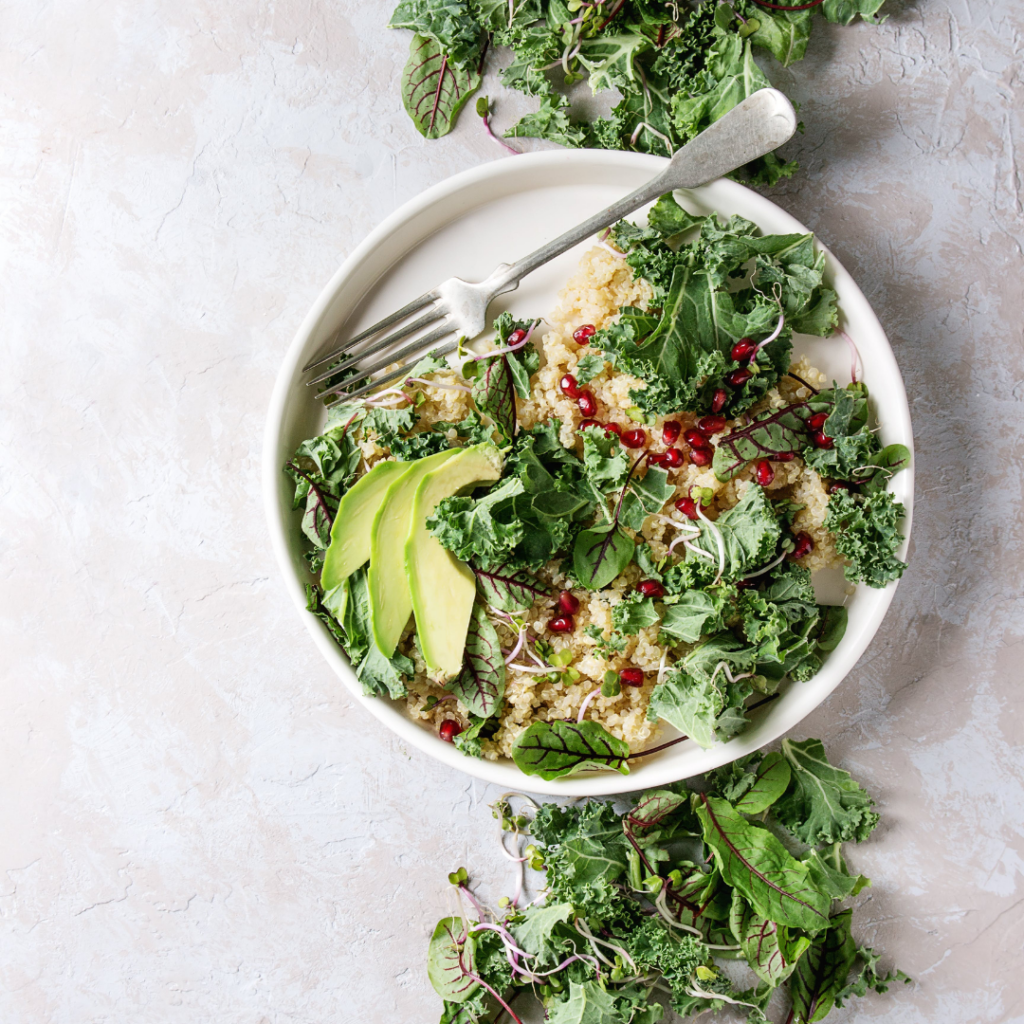
The salad. It stands as an icon in the pantheon of healthy eating, a verdant symbol of vitality, freshness, and mindful nourishment. For many, it represents the ultimate dietary reset, the go-to meal for weight loss, and the quintessential choice for a clean, nutrient-dense repast. Yet, beneath this seemingly infallible façade lies a potent paradox: the very dish lauded for its health benefits can, with a few missteps, morph into a caloric behemoth, a nutritional landmine disguised as a virtuous meal. This isn't just about a minor oversight; it's a fundamental misunderstanding of what truly constitutes a "healthy" salad, and it’s a narrative far more common than many realize.
For the discerning individual, the knowledgeable consumer who seeks not just to eat, but to truly nourish, understanding this dichotomy is paramount. This isn't a simple guide to throwing some greens in a bowl; it’s an exploration into the alchemy of the optimal salad, a deep dive into how to meticulously construct a bowl that sings with micronutrients, sustains with intelligent macronutrient balance, and delights the palate, all while sidestepping the insidious creep of calorie overload. It's about transforming the humble salad from a mere assemblage of ingredients into a strategic powerhouse of well-being.
The Foundation: The Verdant Symphony of Leafy Greens
Every great edifice begins with a strong foundation, and for the salad, this is undeniably the leafy green base. But here, the first critical distinction must be made: not all greens are created equal. The ubiquitous iceberg lettuce, while offering a satisfying crunch and a sense of freshness, is largely water, providing minimal nutritional return for its volume. To truly maximize nutrient intake, we must venture beyond the pale and embrace the rich tapestry of darker, more vibrant greens.
Consider the mighty kale, a cruciferous superstar brimming with vitamins K, A, and C, along with powerful antioxidants like sulforaphane and indole-3-carbinol, compounds lauded for their potential anti-cancer properties. Its robust texture stands up well to heartier toppings and dressings. Spinach, a gentler but equally potent contender, offers iron, folate, and magnesium, making it an excellent choice for blood health and energy. Romaine lettuce, while lighter than kale or spinach, still boasts more vitamin A and K than iceberg, alongside a good amount of folate. Arugula, with its peppery bite, provides glucosinolates, which convert into beneficial isothiocyanates, and adds a delightful complexity to the flavor profile. Mixed spring greens, often a medley of various tender leaves, offer a broad spectrum of nutrients and textures, encouraging diversity without conscious effort.
The key here is variety and volume. Don't settle for a single type of green. By combining different leafy bases – perhaps a generous handful of spinach with a scattering of peppery arugula and some crisp romaine – you create a synergy of nutrients, each contributing its unique profile of vitamins, minerals, and phytonutrients. Furthermore, aim for a substantial base. These greens are incredibly low in calories but high in fiber and water, contributing significantly to satiety without adding to the caloric burden. They are the true unsung heroes, providing the bulk, the fiber, and the initial wave of micronutrients that set the stage for a truly nourishing meal.
The Spectrum of Sustenance: The Colorful Ensemble of Vegetables
Once the green canvas is laid, the artistry begins with the vibrant array of non-starchy vegetables. This is where the "eat the rainbow" mantra truly comes alive, for each color signifies a different class of phytonutrients, each with its own unique health benefits. This isn't just about aesthetics; it's about a strategic pursuit of comprehensive nutritional coverage.
Red: Think tomatoes, bell peppers, and radishes. Tomatoes are renowned for lycopene, a potent antioxidant linked to heart health and prostate cancer prevention. Red bell peppers are bursting with vitamin C and other antioxidants. Radishes add a delightful crunch and a peppery kick, along with vitamin C and folate.
Orange & Yellow: Carrots, orange bell peppers, and corn (used sparingly due to starch content). Carrots are synonymous with beta-carotene, a precursor to vitamin A, vital for vision and immune function. Orange bell peppers double down on vitamin C and antioxidants.
Green (beyond the base): Broccoli, cucumber, celery, green beans, peas (sparingly). Broccoli, another cruciferous champion, brings sulforaphane and vitamin K. Cucumbers and celery offer hydration and a refreshing crunch with minimal calories. Green beans provide vitamins A, C, and K, along with folate.
Purple/Blue: Red cabbage, red onion, beets. These hues signify anthocyanins, powerful antioxidants known for their anti-inflammatory properties and benefits for cognitive health. Red cabbage adds a wonderful crunch and color, while beets, often roasted, can be shaved raw for a sweet, earthy note.
White/Brown: Mushrooms, onions, garlic. While not as vibrant, these vegetables are powerhouses. Mushrooms offer unique polysaccharides that support immune function. Onions and garlic, part of the allium family, contain organosulfur compounds like allicin, linked to cardiovascular health and anti-inflammatory effects.
The goal is to load up on a diverse array of these non-starchy vegetables. Aim for at least three to five different types, chopped or shredded, to maximize both nutrient intake and textural interest. Their high fiber content will contribute to satiety, and their low caloric density allows for generous portions, filling your bowl with goodness without tipping the calorie scales. Remember, raw vegetables retain their enzyme content and some heat-sensitive vitamins, while lightly steamed or roasted vegetables can enhance the bioavailability of certain nutrients (like lycopene in cooked tomatoes). A mix of both offers the best of both worlds.
The Pillars of Satiety: Intelligent Protein Choices
A salad, however nutrient-dense its greens and vegetables, often fails to truly satisfy if it lacks adequate protein. Protein is the architect of satiety, the crucial macronutrient that signals fullness, stabilizes blood sugar, and supports muscle maintenance and growth. Without it, even the most vibrant salad can leave one feeling hungry shortly after, prompting an undesirable search for snacks.
The choice of protein, however, is another critical juncture where a healthy salad can go awry. Fried chicken strips, heavily processed deli meats, or generous dollops of creamy chicken salad are common culprits that introduce unhealthy fats, excessive sodium, and hidden sugars, rapidly inflating the calorie count.
Instead, focus on lean, unprocessed protein sources:
- Grilled or Baked Chicken/Turkey Breast: Skinless and seasoned simply, these are excellent sources of complete protein.
- Fish: Grilled salmon, tuna (packed in water or olive oil, drained), or shrimp offer high-quality protein and, in the case of fatty fish like salmon, a valuable dose of omega-3 fatty acids, crucial for brain and heart health.
- Hard-Boiled Eggs: A convenient, complete protein source rich in choline and other essential nutrients.
- Legumes: Chickpeas, black beans, lentils, and edamame are plant-based powerhouses, offering not only protein but also a substantial amount of fiber and complex carbohydrates. They are particularly beneficial for those seeking to reduce animal product consumption.
- Tofu or Tempeh: Marinated and baked or pan-fried, these soy-based options provide complete protein and, in the case of tempeh, beneficial probiotics.
- Quinoa: While technically a seed, quinoa is often treated as a grain and is unique in being a complete protein, offering all nine essential amino acids. A small serving can add substance and texture.
The key here is portion control. A serving of protein for a main meal salad should typically be around 3-4 ounces (about the size of a deck of cards) for animal proteins, or a generous half-cup to a full cup for legumes or quinoa. This provides ample satiety and amino acids without excessive calories.
The Essential Elixir: Healthy Fats for Nutrient Absorption and Flavor
Fat has long been demonized, but the knowledgeable individual understands that healthy fats are not just permissible; they are essential. They are crucial for the absorption of fat-soluble vitamins (A, D, E, K) found abundantly in your salad’s greens and vegetables. Furthermore, healthy fats contribute significantly to satiety and enhance the overall flavor and mouthfeel of the meal. The challenge lies in selecting the right types and, critically, controlling the quantity.
Avocado: This creamy fruit is a powerhouse of monounsaturated fats (heart-healthy fats), fiber, potassium, and a host of vitamins. A quarter to half an avocado adds a luxurious texture and rich flavor. Be mindful of its caloric density; even healthy fats add up quickly.
Nuts and Seeds: Almonds, walnuts, pecans, chia seeds, flax seeds, hemp seeds, and pumpkin seeds are excellent sources of healthy fats (including omega-3s in walnuts, chia, and flax), fiber, and various minerals. They also provide a satisfying crunch. Again, portion control is paramount. A small sprinkle (1-2 tablespoons) is often sufficient to reap the benefits without a caloric surge. Avoid candied or heavily salted varieties.
Olive Oil (Extra Virgin): This is perhaps the most versatile and celebrated healthy fat for salads. Extra virgin olive oil is rich in monounsaturated fats and polyphenols, potent antioxidants with anti-inflammatory properties. It forms the base of many healthy dressings.
The critical takeaway: while essential, fats are the most calorically dense macronutrient. A little goes a long way. Instead of dumping a cup of nuts and a whole avocado into your bowl, choose one or two sources and use them judiciously. This intelligent integration of healthy fats ensures nutrient absorption and satiety without turning your salad into a calorie bomb.
The Whisper of Flavor: Herbs and Spices
Often overlooked, fresh herbs and vibrant spices are the unsung heroes of the optimal salad. They are virtually calorie-free, yet they pack a powerful punch of flavor, aroma, and often, significant antioxidant and anti-inflammatory compounds.
Imagine the bright freshness of chopped parsley or cilantro, the aromatic sweetness of basil, the cool crispness of mint, or the delicate anise notes of dill. These aren't just garnishes; they are integral flavor enhancers that can transform a mundane salad into a culinary experience. Beyond taste, many herbs are rich in phytonutrients: rosemary contains rosmarinic acid, known for its antioxidant properties; turmeric, a spice, contains curcumin, a powerful anti-inflammatory compound.
Don't hesitate to incorporate generous amounts of fresh herbs into your salad. They add complexity, depth, and a gourmet touch without any caloric penalty. A squeeze of fresh lemon juice or a dash of black pepper can further elevate the flavor profile, reducing the perceived need for heavy, calorie-laden dressings.
The Calorie Culprits: Where Good Salads Go Bad
Now, for the cautionary tale. Having built a strong foundation of greens, vegetables, lean proteins, and healthy fats, it is alarmingly easy to dismantle all that careful construction with a few seemingly innocent additions. These are the calorie culprits, the hidden traps that transform a beacon of health into a dietary detour.
1. The Dreaded Dressings: This is arguably the single biggest offender. Creamy dressings like ranch, Caesar, blue cheese, and honey mustard are often laden with unhealthy oils (like soybean or canola oil, high in omega-6s), sugar, sodium, and artificial ingredients. A typical serving (which is often far exceeded in restaurants or even at home) can easily add 200-300 calories, along with saturated fat and inflammatory compounds. Even seemingly healthier vinaigrettes, when poured liberally, can contribute significant calories due to their oil content.
- The Solution: Take control. Opt for simple vinaigrettes made with extra virgin olive oil and vinegar (balsamic, apple cider, red wine), or fresh lemon juice. Better yet, make your own: whisk together olive oil, vinegar, Dijon mustard, a touch of honey or maple syrup, and fresh herbs. Crucially, measure your dressing – one to two tablespoons is usually sufficient. Or, ask for dressing on the side and dip your fork into it before each bite of salad, using far less. Salsa, hummus (thinned with a little water), or a simple squeeze of lemon or lime juice can also serve as low-calorie, flavorful alternatives.
2. The Crunchy Culprits: Croutons, crispy noodles, fried onions, and candied nuts are designed to add textural interest, but they come at a steep caloric price. Croutons are typically refined carbohydrates soaked in unhealthy fats. Crispy noodles are often deep-fried. Candied nuts are coated in sugar, transforming a healthy fat source into a sugary snack.
- The Solution: Replace these with genuinely healthy crunch. A small sprinkle of plain nuts or seeds (as discussed), roasted chickpeas, sliced raw bell peppers, cucumbers, or radishes can provide that satisfying texture without the empty calories and unhealthy fats.
3. The Cheesy Conundrum: While a sprinkle of high-quality cheese can add flavor and some protein/calcium, generous amounts of full-fat cheese can quickly elevate the calorie and saturated fat content.
- The Solution: Use strong, flavorful cheeses sparingly. A tablespoon of crumbled feta, grated Parmesan, or goat cheese can impart significant flavor without overwhelming the nutritional profile. Alternatively, explore nutritional yeast for a cheesy flavor without dairy.
4. The Processed Proteins: As mentioned earlier, fried chicken, bacon bits, and processed deli meats (like salami or bologna) are often high in unhealthy fats, sodium, and preservatives.
- The Solution: Stick to lean, grilled, baked, or broiled proteins. If you must have bacon, use a small amount of crisp, well-drained, high-quality bacon, or consider turkey bacon.
5. The Sweet Surrender: Dried fruits like cranberries, raisins, and candied pecans are often added for sweetness and texture. However, dried fruits are highly concentrated sources of sugar and calories. A small handful can easily add 100-200 calories with a significant sugar spike.
- The Solution: If you desire sweetness, opt for a few slices of fresh fruit like berries or apple, which provide fiber and water, making them less calorically dense. Or, use a tiny amount of dried fruit as a rare treat, being mindful of the portion.
Crafting the Optimal Salad: A Strategic Blueprint
Armed with this knowledge, we can now construct the blueprint for the truly optimal salad – a meal that maximizes nutrient intake while artfully sidestepping the calorie traps. This isn't just about throwing ingredients together; it's about intentional layering and thoughtful selection.
Start Vast and Varied with Greens: Fill at least half your bowl with a diverse mix of dark, leafy greens: kale, spinach, romaine, arugula. Don't be shy; they're your low-calorie, high-fiber foundation.
Paint with the Vegetable Rainbow: Add a generous portion (at least 1-2 cups) of 3-5 different non-starchy vegetables from across the color spectrum. Think chopped bell peppers, cucumbers, shredded carrots, broccoli florets, cherry tomatoes, and red onion.
Anchor with Lean Protein: Choose one lean protein source (3-4 oz cooked weight): grilled chicken, baked salmon, hard-boiled eggs, or a substantial serving (1/2 to 1 cup) of chickpeas, black beans, or lentils.
Introduce Healthy Fats Mindfully: Select one source of healthy fat, used sparingly. This could be 1/4 of an avocado, 1-2 tablespoons of nuts or seeds, or a drizzle of extra virgin olive oil in your dressing. Avoid combining multiple generous portions of high-fat ingredients.
Flavor with Fire (and Herbs): Liberally sprinkle fresh herbs (parsley, cilantro, basil) and add spices (black pepper, a pinch of chili flakes, garlic powder, onion powder). A squeeze of fresh lemon or lime juice is also a potent flavor booster.
Dress for Success, Not Excess: Opt for a light, homemade vinaigrette (EVOO, vinegar, Dijon, herbs) or a simple lemon-tahini dressing. Measure out 1-2 tablespoons. If using store-bought, choose options with minimal added sugar and unhealthy oils, and always measure.
Be Wary of "Extras": Avoid croutons, crispy noodles, candied nuts, processed meats, and excessive cheese. If you must have cheese, use a small amount of a strong-flavored variety. Limit starchy vegetables like corn or peas, and high-calorie grains like quinoa or farro to small portions if you include them, accounting for their caloric contribution.
Context is King: Consider the meal. Is this your main meal? Then, ensure a robust protein and healthy fat component for satiety. Is it a side salad? Then, keep it lighter, focusing primarily on greens and non-starchy vegetables with a very light dressing.
Beyond the Bowl: Practical Strategies and Mindset
Crafting the right salad isn't just about the ingredients; it's also about the habits and mindset you cultivate.
- Meal Prep Components: Wash and chop your greens and vegetables at the beginning of the week. Cook a batch of chicken or hard-boil eggs. Prepare a batch of homemade dressing. Having these components ready to assemble drastically reduces the effort and temptation to opt for less healthy alternatives.
- Restaurant Savvy: When dining out, always ask for dressing on the side. Don't be afraid to customize; request grilled chicken instead of fried, extra vegetables, and no croutons or cheese. Many establishments are happy to accommodate.
- Listen to Your Body: Pay attention to how different salads make you feel. Are you satisfied? Energized? Or are you experiencing a sugar crash or still feeling hungry? This feedback is invaluable in refining your personal "optimal salad" formula.
- Embrace Experimentation: Don't get stuck in a salad rut. Explore new vegetables, try different herbs, experiment with various homemade dressing combinations. The culinary world of salads is vast and exciting.
The Art of the Balanced Bowl
The journey to getting the "right" salad is ultimately a journey of mindful eating and informed decision-making. The salad, in its purest, most intentional form, holds immense potential as a cornerstone of a healthy diet – a vibrant, nutrient-dense meal that can support weight management, enhance energy levels, and provide a formidable defense against chronic disease.
The paradox of the salad serves as a powerful reminder that "healthy" is not an inherent quality of a food item or a dish, but rather a reflection of its composition and preparation. By understanding the nutritional nuances of each component, by consciously choosing nutrient-dense ingredients over empty calories, and by mastering the art of thoughtful assembly, we transcend the superficial notion of "eating healthy." We become architects of our own well-being, crafting each bowl not just as a meal, but as a deliberate act of nourishment, a testament to the power of informed choice in pursuit of a healthier, more vibrant life. The right salad isn't just a meal; it's a masterpiece of mindful nutrition.


