Beyond Deficiency Fears: The Truth About Vegetarian Health Risks
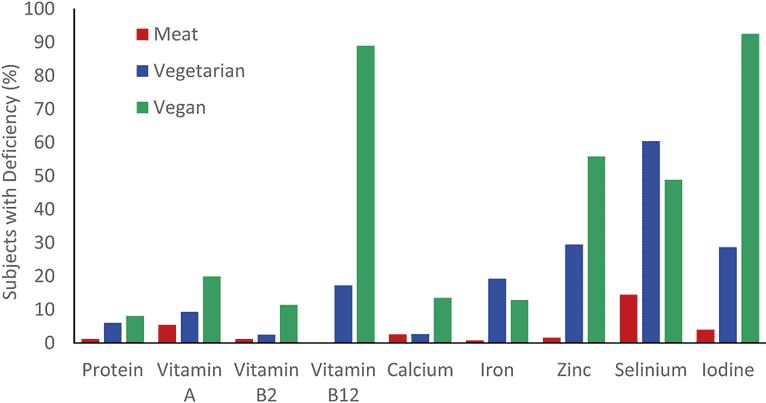
The verdant tapestry of a plant-based diet has, in recent decades, woven itself firmly into the fabric of mainstream consciousness. Driven by ethical considerations for animal welfare, a growing alarm over environmental degradation, and compelling evidence of its potential health benefits, millions have embraced vegetarianism and veganism. From vibrant farmers' markets overflowing with produce to innovative plant-based alternatives gracing supermarket shelves, the shift is palpable. The narrative often centers on longevity, reduced risk of chronic diseases, and a vibrant, energetic lifestyle – a testament to the power of plants.
Yet, beneath this compelling narrative, a more nuanced, complex truth resides. A truth that moves beyond the often-oversimplified discussions of "protein deficiency" or "iron needs." For the knowledgeable audience, those who delve past the headlines and marketing claims, the question isn't whether vegetarian diets can be healthy, but rather, what hidden complexities and potential pitfalls lie "beyond deficiency fears"? What are the less-talked-about challenges, the subtle imbalances, and the individual variabilities that dictate whether a plant-based journey leads to optimal health or, for some, an unforeseen stumble?
This is not an indictment of vegetarianism, but rather an exploration into its deeper realities. It is a story of navigating the intricate landscape of human nutrition, where the absence of animal products introduces a unique set of physiological considerations that extend far beyond simply remembering to take a B12 supplement. It is a call for a more sophisticated understanding, for critical thinking that transcends dogma, and for an individualized approach to health that honors our unique biochemical blueprints.
The Initial Hurdles: Dispelling the Common Ghost Stories
Before we venture beyond, it's essential to briefly address the specters that often haunt early discussions of vegetarianism – the "deficiency fears" themselves. For many years, these concerns, often fueled by a lack of understanding, served as primary deterrents.
Protein: The quintessential concern. "Where do you get your protein?" is the perennial question. The truth, for most vegetarians and vegans, is that protein deficiency is rare, provided caloric intake is adequate and a variety of plant foods are consumed. Legumes, tofu, tempeh, quinoa, nuts, seeds, and whole grains offer ample protein. The concept of "complete proteins" and needing to combine specific plant foods at each meal has largely been debunked; what matters is the overall protein intake over a day.
Iron: While non-heme iron (from plants) is less bioavailable than heme iron (from animal products), a well-planned vegetarian diet can still provide sufficient iron. Plant sources like lentils, spinach, fortified cereals, and dark chocolate, combined with Vitamin C-rich foods (which enhance non-heme iron absorption), can mitigate risk. However, iron stores (ferritin) can often be lower in vegetarians, and specific groups, particularly pre-menopausal women, may still be at higher risk for deficiency.
Calcium: Another frequent worry. Dairy is often touted as the primary source. However, a plethora of plant sources exist: fortified plant milks, tofu (calcium-set), collard greens, kale, broccoli, sesame seeds, and almonds. The challenge lies more in the bioavailability of calcium from some plant sources due to oxalic acid and phytates, which can inhibit absorption.
Omega-3 Fatty Acids: Alpha-linolenic acid (ALA) is abundant in flaxseeds, chia seeds, walnuts, and hemp seeds. The body can convert ALA into the longer-chain EPA and DHA, essential for brain and heart health. While plant sources of ALA are plentiful, the efficiency of this conversion is a crucial point we will revisit.
Vitamin B12: This is the undisputed non-negotiable. B12 is synthesized by microorganisms and is not reliably found in unfortified plant foods. Supplementation or consumption of fortified foods is absolutely critical for all vegans and most vegetarians, as deficiency can lead to irreversible neurological damage.
These common fears, while valid points of consideration, are largely manageable with proper education and planning. They represent the entry-level challenges. But for those truly seeking to optimize their health on a plant-based diet, the journey doesn't end here. It begins here.
Beyond the Basics: The Hidden Currents and Bioavailability Blues
The real story of vegetarian health risks lies not in the absence of nutrients, but often in their form, bioavailability, and the intricate dance they perform within our individual metabolic landscapes. This is where the narrative shifts from simple arithmetic to complex biochemistry, where "adequate" intake on paper doesn't always translate to "optimal" status in the body.
1. The Bioavailability Conundrum: More Than Just Quantity
We've touched upon non-heme iron's lower bioavailability. But this concept extends to several other critical nutrients:
- Zinc: Found in legumes, nuts, seeds, and whole grains, zinc absorption can be significantly hampered by phytates (phytic acid), which are present in these very foods. While soaking, sprouting, and fermentation can reduce phytate levels, consistently achieving optimal zinc status can be a silent challenge for some, particularly those with higher needs or less diverse diets. Zinc deficiency can impact immune function, wound healing, and even taste perception.
- Vitamin A (Beta-Carotene Conversion): Plant foods are rich in carotenoids like beta-carotene, a precursor to Vitamin A. While beneficial, the conversion efficiency of beta-carotene to active Vitamin A (retinol) is highly variable among individuals, influenced by genetics (e.g., BCMO1 gene variants), gut health, and fat intake. Some individuals are "poor converters," meaning they might consume ample beta-carotene but still have suboptimal Vitamin A levels, impacting vision, immune function, and skin health.
- Calcium (Revisited): While plant sources abound, the oxalic acid in spinach and Swiss chard, and phytates in beans and nuts, can bind to calcium, rendering it less absorbable. While these foods still offer some calcium, relying solely on them without considering fortified foods or low-oxalate greens might not suffice for everyone.
2. The Omega-3 Bottleneck: A Genetic Lottery
This is perhaps one of the most significant and often overlooked challenges. While ALA is plentiful in plant foods, the conversion to the crucial long-chain omega-3s, EPA and DHA, is not a simple 1:1 process. It's an enzymatic pathway that is notoriously inefficient in humans, with conversion rates often ranging from 0.5% to 5% for EPA and even less for DHA.
Several factors influence this conversion:
- Genetics: Variants in the FADS (Fatty Acid Desaturase) genes can significantly impact an individual's ability to convert ALA. Some individuals are genetically predisposed to being "poor converters," meaning they struggle to produce sufficient EPA and DHA from ALA, regardless of how much they consume.
- Omega-6 Intake: A high dietary intake of omega-6 fatty acids (common in Western diets from vegetable oils like corn, soy, and sunflower oil) competes with omega-3s for the same enzymatic pathways, further inhibiting ALA conversion to EPA and DHA.
- Nutrient Status: Deficiencies in certain vitamins and minerals (e.g., B6, magnesium, zinc) can also impair the conversion process.
The implications are profound. Suboptimal EPA and DHA levels can impact brain health, cognitive function, mood, cardiovascular health, and inflammatory responses. While algae-based DHA/EPA supplements offer a direct solution, awareness of this conversion bottleneck and the need for supplementation is often not emphasized enough in mainstream vegetarian discourse.
3. The Gut Microbiome: A Silent Partner in Nutrient Absorption
The thriving ecosystem within our gut plays a pivotal role in nutrient absorption, synthesis of certain vitamins, and overall metabolic health. While plant-based diets are celebrated for their fiber content and beneficial impact on the gut microbiome, individual responses can vary.
- Dysbiosis: Some individuals transitioning to a high-fiber, plant-based diet may initially experience digestive distress or, if not carefully managed, could exacerbate pre-existing gut imbalances (dysbiosis), leading to malabsorption of certain nutrients.
- Short-Chain Fatty Acids (SCFAs): The fermentation of fiber by gut bacteria produces beneficial SCFAs like butyrate. While generally positive, the specific SCFA profile can differ, and some individuals might not produce optimal levels or types of SCFAs from certain plant fibers.
- B12 and K2 Production: While gut bacteria can produce B12 and K2, these are often not in a form or location in the gut where they can be effectively absorbed by the human body. Relying on gut synthesis for these vital nutrients is unreliable.
Beyond the Nutrients: The Lifestyle and Physiological Undercurrents
The "truth" about vegetarian health risks extends beyond specific nutrients to broader physiological and lifestyle considerations that are less about deficiency and more about optimization and individual fit.
1. The "Junk Food Vegetarian" Syndrome
The rapid growth of the plant-based market has, ironically, created a new set of challenges. The assumption that "plant-based" automatically equates to "healthy" is a dangerous oversimplification. Ultra-processed vegan meats, cheeses, ice creams, and ready meals are often high in sodium, unhealthy fats (e.g., coconut oil, refined vegetable oils), refined carbohydrates, and artificial additives.
A diet consisting of mock meats, sugary plant milks, and refined grains, while technically vegetarian, will offer vastly different health outcomes than a whole-food, plant-based diet rich in legumes, fruits, vegetables, nuts, and seeds. The convenience of these processed alternatives can inadvertently steer individuals away from the truly nourishing aspects of plant-based eating, leading to nutrient imbalances and the very chronic diseases a healthy plant-based diet aims to prevent.
2. Energy Density and Satiety: A Double-Edged Sword
Plant-based diets are typically high in fiber and water, making them very satiating and lower in caloric density. This is excellent for weight management. However, for individuals with high energy demands (e.g., athletes, growing children, pregnant women) or those with smaller appetites, consuming enough calories and nutrients can become a genuine struggle.
The sheer volume of food required to meet caloric and micronutrient needs can be daunting. This can lead to unintentional weight loss, insufficient energy for physical activity, or even nutrient shortfalls if not meticulously planned. The "fullness factor" can inadvertently lead to under-eating for some, impacting overall vitality and metabolic function.
3. Specific Populations and Life Stages: When Demands Soar
While a well-planned vegetarian diet can be appropriate for all life stages, specific periods present heightened nutritional demands that amplify the potential for risks if not meticulously managed:
- Pregnancy and Lactation: Increased needs for iron, B12, folate, iodine, choline, and omega-3s make meticulous planning and supplementation crucial. The stakes are higher, impacting not just the mother but also the developing fetus or infant.
- Infancy and Childhood: Rapid growth requires dense nutrition. Ensuring adequate calories, protein, iron, zinc, and B12 without relying on high-volume, low-calorie foods is paramount.
- Adolescence: A period of significant growth and development, where peer pressure and convenience can lead to less-than-optimal food choices.
- Elderly: Reduced appetite, changes in digestion, and potential nutrient malabsorption can make meeting needs challenging, particularly for B12, calcium, and Vitamin D.
4. The Less Common, Yet Crucial, Micro-Nutrients and Bioactives
Beyond the "big hitters," a dive into the nuanced world of nutrition reveals several compounds primarily found in animal products that, while not strictly "essential" in the same way as vitamins, play significant roles in human physiology:
- Choline: Essential for brain health, liver function, and nerve transmission. While some plant foods contain choline (soy, quinoa, nuts), levels are generally lower than in eggs and meat. Suboptimal choline intake, especially during pregnancy, can have long-term health implications.
- Creatine: Found almost exclusively in animal muscle. While the body can synthesize creatine, vegetarians often have lower muscle creatine stores. Supplementation has been shown to improve cognitive function, muscle strength, and exercise performance in vegetarians, suggesting a benefit beyond basic survival.
- Carnosine: An dipeptide found in animal muscle, with antioxidant and anti-glycation properties. Similar to creatine, vegetarians have lower levels.
- Taurine: An amino acid found predominantly in animal products. Plays roles in cardiovascular function, brain development, and bile salt formation.
- Heme Iron (Revisited): While non-heme iron can meet needs, heme iron's superior absorption and direct availability offer a unique advantage that can be difficult to fully replicate with plants alone for individuals with higher iron demands or absorption issues.
- Vitamin K2 (Menaquinones): The MK-4 form is found in animal fats (especially from grass-fed animals) and is crucial for calcium metabolism, bone health, and cardiovascular health. While the MK-7 form is found in fermented plant foods like natto, and the body can convert some K1 to K2, the MK-4 form's unique roles might be less adequately covered in strict plant-based diets.
These compounds highlight a subtle but important point: while the body is remarkably adaptable, relying solely on endogenous synthesis or less efficient plant-based precursors might mean missing out on optimal levels or specific benefits that animal-derived sources readily provide.
5. The Mental and Emotional Toll: Orthorexia and Social Friction
The journey to optimal health is not purely physiological. The rigid adherence to dietary rules, often characteristic of highly restrictive diets, can sometimes tip into unhealthy territory.
- Orthorexia Nervosa: An unhealthy obsession with "healthy" eating, where the quality and purity of food become paramount, leading to significant distress, social isolation, and nutritional imbalances. The moral and ethical drivers of vegetarianism can, for some, become intertwined with this obsession, making dietary deviations feel like moral failures.
- Social Isolation: Navigating social gatherings, family meals, and dining out can be challenging for vegetarians, leading to feelings of isolation or being a burden. This constant negotiation can create stress, which itself impacts health.
- Dogmatism vs. Flexibility: The all-or-nothing mindset, while commendable for commitment, can be detrimental if it prevents individuals from listening to their own bodies or adapting their diet when health issues arise.
Navigating the Landscape: Strategies for an Informed Vegetarian Journey
The "truth" about vegetarian health risks is not a deterrent but a roadmap. It informs us that a plant-based diet, while potentially profoundly beneficial, requires a higher degree of nutritional literacy, self-awareness, and often, professional guidance. For the knowledgeable individual, this journey is about empowerment, not fear.
- Algae-based EPA/DHA: Especially if you're a poor converter or have higher needs.
- Vitamin D: Often needed regardless of diet, but crucial for plant-based individuals who may not get enough sun exposure or fortified foods.
- Iron: Monitor ferritin levels, particularly for women and athletes. Supplement only under medical supervision.
- Zinc: Consider if whole food sources are limited or if you experience symptoms of deficiency.
- Iodine: A multivitamin with iodine or specific supplements might be necessary, as plant iodine content is variable.
- Creatine and Choline: For those seeking optimal cognitive and physical performance, or during critical life stages like pregnancy, these can be beneficial considerations.
- Vitamin B12
- Ferritin (iron stores)
- Vitamin D
- Omega-3 Index (red blood cell EPA + DHA levels)
- Thyroid function (TSH, free T3, free T4)
- Zinc and Magnesium levels if concerns arise.
The Evolving Narrative
The story of vegetarian health risks is not one of inherent danger, but one of evolving understanding. It moves beyond the simplistic dichotomy of "good" versus "bad" foods, or "healthy" versus "unhealthy" diets. Instead, it invites us into a deeper appreciation of human biochemical individuality, the intricate dance of nutrients, and the profound impact of lifestyle choices.
For the knowledgeable, the journey into plant-based eating is not just about avoiding animal products; it's about meticulously constructing a diet that provides all the building blocks for optimal health, accounting for the unique challenges and opportunities that plants present. It's a testament to the fact that while plants offer an incredible bounty, our ancient human physiology, shaped by millennia of omnivorous consumption, demands respect and careful consideration.
The truth about vegetarian health risks, then, is this: they are largely avoidable, not through blind adherence, but through informed vigilance. They are the subtle whispers of our biology asking for a deeper listening, a more precise approach, and a commitment to health that goes "beyond deficiency fears" into the realm of true, individualized nutritional wisdom. In this enlightened landscape, the plant-based diet remains a powerful choice, but one wielded with knowledge, humility, and an unyielding commitment to holistic well-being.


