Closing the Gaps: Policy Changes Needed to Eradicate Foodborne Bacteria
The aroma of a sizzling steak, the crisp bite of a fresh apple, the comforting warmth of a home-cooked meal – these are simple pleasures, fundamental to human experience. Yet, beneath this veneer of culinary delight lur lurks an unseen adversary, an invisible enemy capable of turning sustenance into sickness, joy into anguish. Foodborne bacteria, silent and ubiquitous, infiltrate our food supply, transforming the very act of eating into a gamble. Each year, millions worldwide fall victim to this insidious threat, suffering through debilitating illness, long-term complications, and, tragically, even death. In the United States alone, the Centers for Disease Control and Prevention (CDC) estimates that 48 million people get sick, 128,000 are hospitalized, and 3,000 die from foodborne diseases annually. This is not merely a public health crisis; it is a profound failure of our collective will, a testament to the persistent gaps in our policies and practices.
The dream of a food system largely free from preventable bacterial contamination is not a utopian fantasy; it is an achievable imperative. To realize this vision, we must move beyond incremental adjustments and embrace transformative policy changes. This is not just about reacting to outbreaks but about proactively engineering a future where the invisible enemy is largely vanquished. It's a story of ambition, scientific advancement, and the courage to dismantle outdated structures in favor of a unified, intelligent, and resilient approach to food safety.
The Invisible Enemy and Its Toll: A Story of Unseen Suffering
Imagine a young family, gathered around their dinner table. A seemingly innocuous meal of chicken salad turns sinister. Within hours, the youngest child begins to vomit, followed by crippling abdominal cramps. Soon, the parents are battling similar symptoms. What began as a pleasant evening devolves into a nightmare of fever, dehydration, and fear. This is the all-too-common narrative of foodborne illness, an experience that transcends demographics and geography. From the elderly nursing home resident succumbing to Listeria in contaminated cantaloupe, to the college student battling E. coli O157:H7 from tainted spinach, to the immunocompromised patient fighting a severe Salmonella infection, the human cost is immeasurable.
Beyond the immediate agony, the long shadow of foodborne illness can stretch for years. Reactive arthritis, irritable bowel syndrome, kidney failure, neurological damage – these are just some of the chronic conditions that can emerge from an acute bacterial infection. The economic burden is equally staggering, encompassing medical costs, lost wages, productivity losses, and the ripple effect of recalls on businesses, often costing billions annually. For small businesses, a single outbreak can spell financial ruin. For consumers, it erodes trust in the very systems designed to protect them. The story of foodborne illness is one of preventable suffering, a narrative we have the power to rewrite through concerted policy action.
A Patchwork Quilt: The Current Regulatory Landscape and Its Flaws
Our current food safety system, particularly in countries like the United States, is often described as a patchwork quilt – a collection of disparate agencies, regulations, and oversight mechanisms stitched together over decades. This fragmentation is not just inefficient; it is a gaping vulnerability that allows bacteria to slip through the cracks.
The Fragmented Authority: At the heart of the problem lies a divided responsibility. In the U.S., the Department of Agriculture (USDA) oversees meat, poultry, and certain egg products, while the Food and Drug Administration (FDA) is responsible for virtually everything else – seafood, produce, dairy, processed foods, and shell eggs. This division, born from historical context rather than scientific logic, creates absurdities. A cheese pizza falls under FDA jurisdiction, but if pepperoni is added, it becomes USDA territory. A hot dog in a bun? The hot dog is USDA; the bun is FDA. This bureaucratic maze leads to inconsistent standards, overlapping mandates, and, most critically, regulatory gaps that pathogens exploit. State and local health departments add another layer, often underfunded and overwhelmed, struggling to coordinate with federal counterparts. This multi-agency approach leads to confusion, delays in outbreak response, and a lack of a unified strategic vision.
Outdated Paradigms: Much of our regulatory framework was built on a "react and recall" model, where agencies primarily respond to outbreaks after people have already fallen ill. While significant progress has been made with preventive measures, notably through the Food Safety Modernization Act (FSMA) in the U.S., its full implementation and enforcement remain a challenge. The focus often remains on end-product testing rather than a holistic, farm-to-fork approach that emphasizes pre-harvest controls and environmental monitoring. Many regulations are prescriptive, dictating how food safety should be achieved, rather than performance-based, which sets clear safety outcomes and allows industry to innovate in how they meet those targets.
Data Deficiencies: In the age of big data, our food safety surveillance systems often operate in silos. Data from clinical labs, state health departments, federal agencies, and industry are not always seamlessly integrated or shared in real-time. This delays the identification of outbreaks, hampers traceback efforts, and prevents the development of predictive analytics that could anticipate and prevent contamination events. The slow pace of traditional epidemiological investigations means that by the time a source is identified, the contaminated product may have already been consumed, and the bacteria may have spread widely.
Enforcement Lacunae: Even when regulations exist, their efficacy is undermined by insufficient funding for regulatory agencies. Understaffed inspection forces, outdated equipment, and a lack of resources for advanced scientific analysis mean that oversight is often less comprehensive than needed. Penalties for non-compliance may not be strong enough to deter negligent actors, and the process for issuing mandatory recalls can be cumbersome, further delaying critical public health interventions.
Global Gaps: In an increasingly interconnected world, food supply chains are global. A significant portion of our food is imported, yet oversight of international suppliers is incredibly challenging. Relying on foreign governments' regulatory systems, which vary widely in rigor, introduces inherent risks. Port-of-entry inspections are limited, and tracing back contaminants across international borders can be a logistical nightmare, exposing consumers to risks from distant sources.
These systemic flaws create the fertile ground upon which foodborne bacteria continue to thrive, perpetuating the cycle of illness and eroding public confidence. To truly eradicate this invisible enemy, we must embark on a comprehensive overhaul of these foundational policies.
Weaving a New Tapestry: Policy Pillars for a Safer Future
The path to eradicating foodborne bacteria requires a visionary and integrated policy framework, built upon several interconnected pillars. This is not merely about tightening existing rules but about fundamentally redesigning our approach to food safety.
Pillar 1: A Unified Command – Regulatory Consolidation & Harmonization
The most impactful change would be the creation of a single, unified federal food safety agency. This agency, empowered with comprehensive jurisdiction over all food products, would eliminate the current arbitrary divisions, streamline regulations, and ensure consistent application of science-based standards across the entire food supply chain. Imagine:
- Harmonized Standards: One set of clear, performance-based standards for pathogen reduction (e.g., Salmonella, Listeria, E. coli) applicable to all relevant food categories, regardless of whether they are meat, produce, or dairy. This would encourage innovation in food safety practices rather than adherence to outdated, prescriptive methods.
- Risk-Based Resource Allocation: A unified agency could more effectively deploy resources, focusing inspections and interventions on areas and products identified as highest risk through integrated data analysis, rather than being constrained by commodity-specific mandates.
- Streamlined Outbreak Response: A single command structure would enable faster, more coordinated investigations, traceback efforts, and public communication during outbreaks, minimizing the spread of illness.
- Enhanced Scientific Capacity: Consolidating scientific expertise and laboratory resources would create a powerhouse for research, risk assessment, and the development of cutting-edge food safety technologies.
While full consolidation may face political hurdles, a robust alternative involves significantly enhancing inter-agency coordination through legally binding agreements, shared data platforms, and joint strategic planning that effectively functions as a unified entity.
Pillar 2: Future-Proofing Regulations – Modernizing Standards & Embracing Innovation
Our regulations must move beyond reactive measures and embrace a proactive, preventive, and technologically advanced stance.
- From Farm to Fork: Emphasizing Pre-Harvest Controls: The battle against foodborne pathogens begins long before food reaches processing plants. Policies must mandate and incentivize robust pre-harvest controls, including:
- Agricultural Water Standards: Stricter, enforceable standards for the quality of water used in irrigation and agricultural practices, particularly for fresh produce.
- Animal Husbandry Practices: Regulations promoting practices that reduce pathogen loads in live animals, such as improved biosecurity, sanitation, and responsible antimicrobial use in animal agriculture.
- Environmental Monitoring: Requiring comprehensive environmental monitoring programs in farming operations and processing facilities to identify and eliminate pathogen harborage sites.
- Pathogen Performance Standards: Moving beyond "zero tolerance" for some pathogens (which can be difficult to achieve in certain raw products) to setting ambitious, scientifically robust, and quantifiable performance standards for pathogen reduction across various food categories. For example, specific percentage reductions for Salmonella in poultry or Campylobacter in broiler chickens, with clear metrics and enforcement mechanisms.
- Technological Integration and Mandates:
- Whole Genome Sequencing (WGS): Mandating the routine use of WGS for all foodborne pathogen isolates by public health labs and, increasingly, by industry. This allows for rapid, precise identification of outbreak clusters and sources, transforming traceback capabilities.
- Blockchain for Traceability: Incentivizing or mandating the adoption of blockchain or similar distributed ledger technologies for end-to-end traceability of food products. This would create an immutable, transparent record of a food item's journey, drastically reducing recall times from weeks to hours.
- Advanced Sanitization and Processing: Encouraging and supporting the adoption of innovative food processing technologies like high-pressure processing (HPP), irradiation, bacteriophages, and novel antimicrobial washes that can significantly reduce pathogen loads without compromising food quality.
- Import Controls Reinvented: Given the globalized food supply, robust import controls are paramount. Policies should include:
- Mandatory Equivalence Agreements: Requiring exporting countries to demonstrate food safety systems equivalent to domestic standards, backed by verifiable audits.
- Enhanced Third-Party Audits: Requiring independent, accredited third-party audits of foreign facilities, with results transparently shared with importing nations.
- Advanced Port-of-Entry Testing: Utilizing rapid, DNA-based testing technologies at ports to screen high-risk imports more effectively and efficiently.
Pillar 3: The Intelligence Network – Enhanced Surveillance & Data Ecosystems
Knowledge is power, and in food safety, timely, integrated data is the ultimate weapon against unseen pathogens.
- Integrated National Surveillance System: Expanding and seamlessly connecting existing surveillance networks like PulseNet and GenomeTrakr with state and local health departments, clinical laboratories, and even veterinary diagnostic labs. This creates a real-time, comprehensive picture of pathogen circulation.
- Mandatory Data Reporting: Expanding requirements for food businesses to report critical food safety data, including environmental monitoring results, pathogen testing outcomes, and supply chain information, into a secure, centralized national database.
- Predictive Analytics & AI: Investing heavily in artificial intelligence and machine learning capabilities to analyze vast datasets (including climate data, agricultural practices, market trends, and genomic data) to predict emerging threats, identify high-risk areas, and even anticipate potential outbreaks before they occur.
- Open Data & Transparency: While safeguarding proprietary and privacy concerns, policies should promote greater transparency by making aggregated, anonymized food safety data accessible to researchers, public health experts, and the public. This fosters innovation and empowers informed decision-making.
Pillar 4: Upholding the Law – Robust Enforcement & Accountability
Regulations are only as strong as their enforcement. Policies must ensure that regulatory agencies have the teeth and the resources to ensure compliance and deter negligence.
- Increased Funding & Personnel: Significantly boosting federal and state budgets for food safety agencies to hire more qualified inspectors, scientific experts, and enforcement personnel. This investment is dwarfed by the economic cost of illness.
- Deterrent Penalties: Imposing fines and sanctions that are substantial enough to truly deter non-compliance, particularly for repeat offenders or those demonstrating gross negligence. This should include the possibility of criminal charges for individuals or corporations whose actions lead to severe public health harm.
- Proactive Recall Authority: Granting regulatory agencies clear, mandatory, and swift recall authority for contaminated products, coupled with robust communication protocols to ensure the public is informed quickly and effectively.
- Whistleblower Protection: Establishing robust legal protections for employees who report food safety violations, encouraging internal reporting without fear of retaliation and providing an invaluable early warning system.
Pillar 5: Cultivating a Safety Culture – Incentives & Education
Compliance is best achieved not just through penalties, but through fostering a pervasive culture of food safety throughout the entire supply chain.
- Economic Incentives: Implementing programs that offer grants, tax breaks, low-interest loans, or other financial incentives for businesses (especially small and medium-sized enterprises) to invest in advanced food safety technologies, infrastructure upgrades, and comprehensive employee training programs.
- Public-Private Partnerships: Fostering collaboration between government, industry, academia, and non-profits to fund research and development into novel food safety solutions, share best practices, and develop industry-wide standards.
- Consumer Empowerment: Empowering consumers with clear, actionable information. This includes:
- Improved Labeling: Developing clear, standardized labeling that provides consumers with essential food safety information, including country of origin, handling instructions, and potentially a "Best Practices Certified" label for products meeting enhanced safety standards.
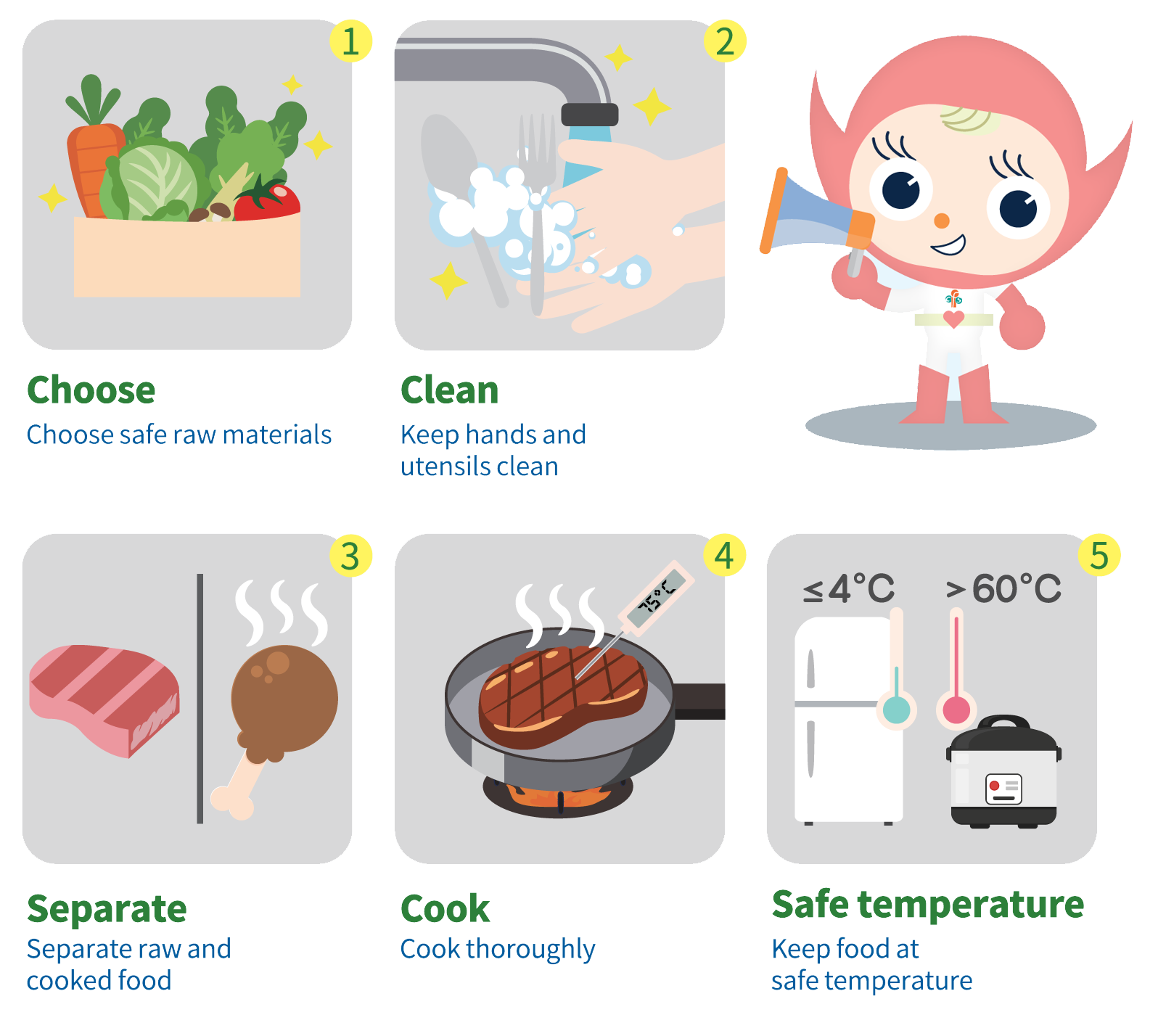
- Enhanced Public Awareness Campaigns: Investing in sustained, engaging public health campaigns to educate consumers on safe food handling practices at home, the risks of cross-contamination, and the importance of proper cooking temperatures.
- Recall Communication: Ensuring recall information is easily accessible, understandable, and reaches affected consumers quickly through multiple channels.
Pillar 6: Global Guardianship – International Cooperation & AMR
Food safety is a global challenge demanding global solutions.
- Strengthening International Harmonization: Actively participating in and advocating for stronger, science-based international food safety standards through bodies like the Codex Alimentarius Commission, and fostering bilateral agreements based on robust scientific data and mutual trust.
- Capacity Building: Providing technical assistance and financial support to developing nations to help them build robust food safety infrastructure, surveillance systems, and regulatory capacities. This is crucial for preventing global contamination events that can quickly spread.
- Tackling Antimicrobial Resistance (AMR): Implementing and enforcing policies that drastically reduce the misuse and overuse of antibiotics in animal agriculture, both domestically and internationally. This includes banning medically important antibiotics for growth promotion and strengthening surveillance for resistant bacterial strains in food animals and food products.
- Climate Change Preparedness: Developing forward-looking policies to anticipate and mitigate new food safety risks arising from climate change. This includes addressing shifts in pathogen distribution, increased water scarcity impacting irrigation, and extreme weather events that can compromise food storage and transport.
The Road Ahead: Challenges and the Path to Progress
Implementing such transformative policy changes will not be without its challenges. The road ahead is fraught with political hurdles, economic considerations, and potential resistance from entrenched interests.
- Political Will: Consolidating agencies or mandating new technologies requires significant political capital and sustained commitment across administrations and legislative cycles. Overcoming partisan divides and bureaucratic inertia will be crucial.
- Economic Implications: While the long-term benefits of enhanced food safety far outweigh the costs of illness, the upfront investment in new infrastructure, technologies, and compliance measures can be substantial for industry, particularly for small businesses. Policies must include support mechanisms to ease this transition.
- Industry Resistance: Some sectors of the food industry may resist changes perceived as burdensome, costly, or infringing on existing practices. A delicate balance must be struck between strong regulation and fostering innovation, involving industry as partners in problem-solving.
- Scientific Uncertainty: Food science is constantly evolving. Policies must be flexible enough to adapt to new scientific discoveries, emerging pathogens, and unforeseen challenges.
- Public Perception: Educating the public about the necessity and benefits of these changes will be vital to garnering support and ensuring compliance with new consumer-facing initiatives.
Despite these challenges, the moral and economic imperative to act is clear. The story of progress will be written through sustained advocacy from public health organizations, consumer groups, forward-thinking industry leaders, and committed policymakers. It requires a societal commitment to prioritize public health over short-term gains.
Conclusion: A Future Free From Fear
The vision is clear: a future where the simple act of eating is no longer shadowed by the invisible threat of foodborne bacteria. A future where outbreaks are rare, swiftly contained, and their sources precisely identified and eliminated. A future where children can eat without fear, where families gather around tables with absolute confidence, and where the economic burdens of preventable illness are dramatically reduced.
Achieving this future demands more than piecemeal reforms; it requires a bold, holistic redesign of our food safety architecture. By closing the gaps in our fragmented regulatory system, modernizing standards with cutting-edge science, building an intelligent network of data, enforcing regulations with unwavering resolve, fostering a pervasive culture of safety, and embracing global collaboration, we can transform our food system.
This is a story of collective responsibility and shared aspiration. It is a call to action for policymakers to demonstrate courage, for industry to embrace innovation, and for consumers to demand the highest standards of safety. The eradication of foodborne bacteria, while never absolute, is a goal within our grasp – a testament to human ingenuity and our unwavering commitment to safeguarding public health. Let us rewrite the narrative of foodborne illness, replacing suffering with security, and fear with the fundamental human right to safe and nourishing food. The time for closing these gaps, once and for all, is now.


