Decoding the Label: How to Read Food Nutrition Facts Like a Pro
The Unseen Narrative: From Confusion to Clarity
The grocery store aisle, once a simple passage, has become a labyrinth of choices, a battlefield of branding, and for many, a source of profound confusion. We stand before shelves laden with promises: "natural," "healthy," "low-fat," "sugar-free," "organic," "gluten-free." Each package, a miniature billboard vying for our attention, whispers sweet nothings about wellness and vitality. Yet, beneath the glossy veneer and compelling marketing copy lies a hidden narrative, a story told in numbers, percentages, and an often-cryptic list of ingredients: the Nutrition Facts label.
For years, I, like countless others, navigated this maze with a mixture of hope and resignation. I’d grab what looked "good," swayed by a buzzword or a catchy image. I’d glance at the calorie count, perhaps the fat, and toss it into my cart, trusting that the front-of-package claims told the whole truth. But a persistent unease lingered. Why did some "healthy" options leave me feeling sluggish? Why did my efforts to eat "better" sometimes yield disappointing results? It was a common story, one of feeling disempowered, a passive recipient in the crucial act of nourishing my own body.
This article is not merely a guide; it’s an invitation to a transformative journey. It’s about reclaiming agency, moving beyond the surface-level marketing hype, and becoming a true professional in the art of deciphering food labels. It’s about understanding the unseen narrative, recognizing the subtle cues, and ultimately, making informed, confident choices that align with your unique health goals. For the knowledgeable consumer, already aware of the importance of diet, this journey will refine your existing toolkit, turning casual glances into strategic insights.
The Genesis of Transparency: Why Labels Matter More Than Ever
To truly appreciate the power of the nutrition label, we must first understand its origins and the escalating need for its existence. The concept of standardized food labeling is a relatively modern invention, born out of a growing public health crisis and a demand for consumer protection.
In the mid-20th century, as processed foods became increasingly prevalent, so did a host of diet-related chronic diseases. The link between diet and conditions like heart disease, diabetes, and obesity became undeniable. Consumers, however, were largely in the dark about the nutritional content of the foods they were buying. There was no consistent way to compare products, no universal language to articulate what was truly inside.
This changed dramatically with the passage of the Nutrition Labeling and Education Act (NLEA) of 1990 in the United States, followed by similar regulations in Canada, the European Union, and other nations. The NLEA mandated that most packaged foods carry a Nutrition Facts panel, providing standardized information on serving sizes, calories, and key nutrients. It was a revolutionary step, forcing manufacturers to pull back the curtain and offer a glimpse into the nutritional composition of their products.
Since then, the label has continued to evolve. The most significant recent overhaul in the U.S., finalized in 2016, reflected updated scientific understanding of nutrition and public health priorities. This included a greater emphasis on "added sugars," a clearer presentation of serving sizes, and the inclusion of Vitamin D and potassium, replacing Vitamins A and C. These changes weren't arbitrary; they were a response to rising rates of obesity and diabetes, and a recognition that consumers needed more actionable data to combat these trends.
For the knowledgeable consumer, these historical and regulatory shifts are not mere trivia. They underscore the label's critical role as a public health tool, a regulatory mechanism designed to empower you. Understanding its evolution helps us appreciate its current form and its potential to guide us towards better health outcomes. It’s no longer just a piece of paper on a box; it’s a living document, constantly adapting to new scientific discoveries and societal needs.
The Cornerstone: Serving Size and Servings Per Container – The Great Deception
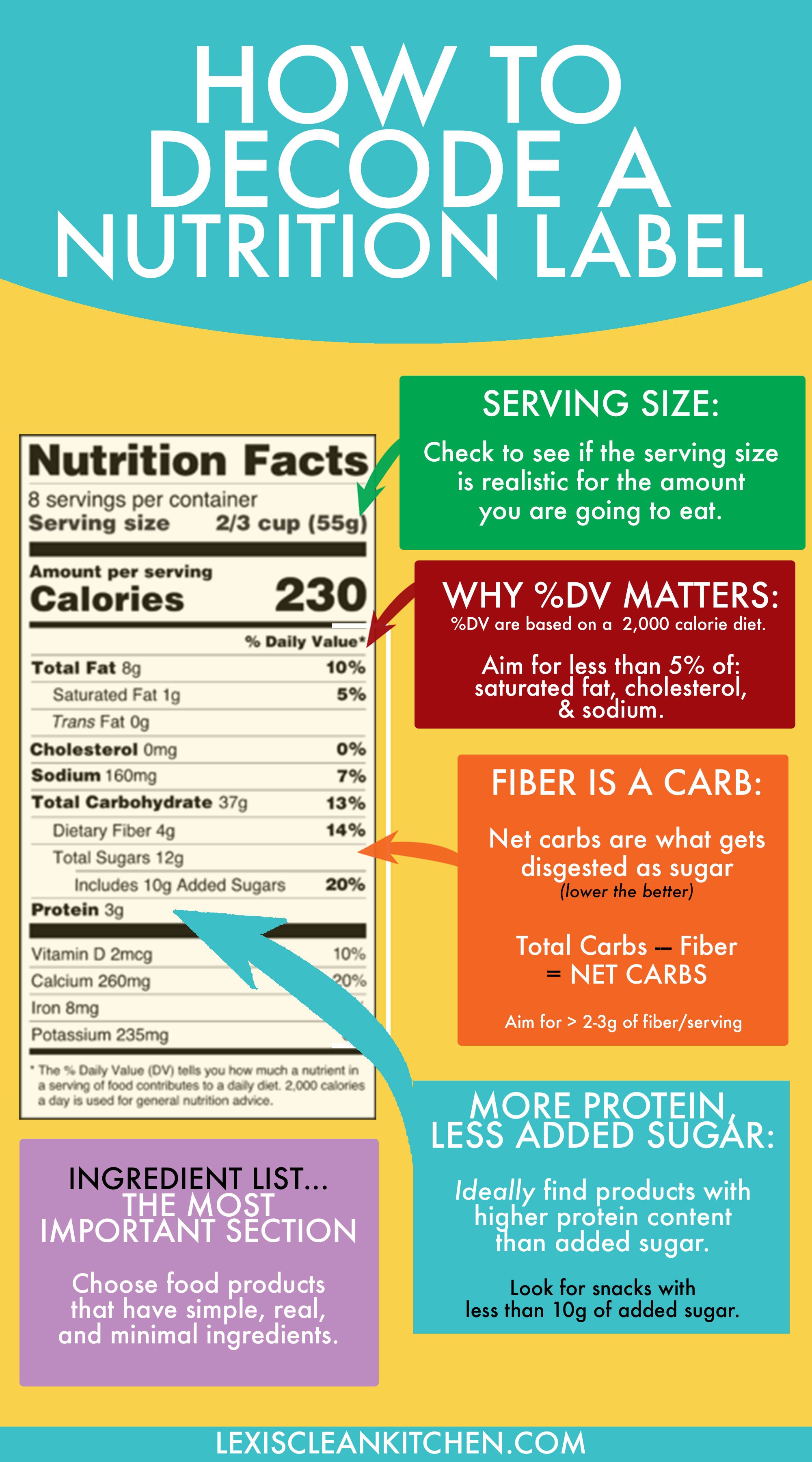
Imagine embarking on a complex journey without first orienting your map. That’s precisely what happens when we overlook the serving size. This seemingly innocuous line at the very top of the label is, without exaggeration, the single most critical piece of information, the linchpin upon which all other data rests. It is also, ironically, the most common source of consumer confusion and unwitting overconsumption.
The serving size tells you how much of the food constitutes a single portion for which the subsequent nutritional information is provided. Below it, "Servings Per Container" tells you how many of those portions are in the entire package.
Here’s where the "Great Deception" often unfolds, not always maliciously, but certainly to the detriment of the unsuspecting consumer. A bag of chips might proudly declare "150 calories" on the front. A quick glance, a sigh of relief, and into the cart it goes. But turn to the back, and you might find that 150 calories refers to a "serving size" of, say, 1 ounce or 10 chips, and the bag actually contains "2.5 servings." Suddenly, that seemingly innocent snack has become a 375-calorie indulgence (150 calories x 2.5 servings).
This isn't just about calories. Every single nutrient listed below—fat, sugar, sodium, protein—is for that single serving. If you eat two servings, you're consuming double the listed amounts of everything.
A Pro's Mindset:
- Always start here. Before your eyes drift to calories or fat, find the serving size.
- Be realistic. Ask yourself: "How much of this am I actually likely to eat in one sitting?" If a serving is 1/2 cup of ice cream, but your bowl holds 2 cups, adjust your mental math accordingly.
- Beware of "single-serving" packages. Many items designed for individual consumption (e.g., small bags of chips, bottles of soda, granola bars) are still technically 2 or more servings. This is a common industry tactic to make the "per serving" numbers appear lower.
- The new label's improvement: The updated U.S. label has made serving sizes more realistic, reflecting what people actually consume rather than what they should consume. For instance, a 20-ounce soda is now labeled as one serving, whereas previously it might have been 2.5 servings. This is a significant step towards greater transparency.
Mastering this first step is like learning to read the legend of your map. Without it, the rest of the journey is fraught with misinterpretation.
The Energy Equation: Calories – Not All Are Created Equal, But They All Count
Once you’ve anchored yourself with the serving size, your gaze naturally drifts to the big, bold number: Calories. Calories are a unit of energy. They represent the energy your body receives from food and uses for everything from breathing and thinking to exercising and repairing tissues.
While the mantra "a calorie is a calorie" holds true in the strictest thermodynamic sense, its application to human metabolism is far more nuanced. A hundred calories from a handful of almonds provides a vastly different nutritional profile, satiety level, and metabolic response than a hundred calories from a sugary soda. The almonds come packed with fiber, healthy fats, and micronutrients, contributing to fullness and sustained energy. The soda offers a rapid sugar spike and little else, often leading to a subsequent crash and further cravings.
However, despite these nuances, total calorie intake remains the primary determinant for weight management. To gain weight, you need to consume more calories than your body expends. To lose weight, you need to consume fewer.
A Pro's Mindset:
- Context is key. Always view calories in the context of the serving size and your personal daily energy needs. The "2,000 calorie diet" mentioned on labels is a general reference point; your individual needs will vary based on age, gender, activity level, and goals.
- Beyond the number. Don't stop at calories. Use it as an initial filter, but then delve deeper into where those calories are coming from. A 300-calorie snack could be a nutrient-dense Greek yogurt or a sugar-laden pastry. The former fuels you; the latter often leaves you wanting more.
- Calorie density. Compare the calorie density of similar foods. Which option provides more satiety and nutrients for the same caloric intake? This is where the label truly becomes a tool for optimizing your diet.
The Macronutrient Map: Proteins, Carbs, and Fats – The Building Blocks of Life
The next section of the label details the macronutrients: Total Fat, Cholesterol, Sodium, Total Carbohydrates, and Protein. These are the workhorses of our diet, providing energy, structural components, and vital functions. Understanding them individually and in concert is crucial for a knowledgeable approach to nutrition.
1. Total Fat: Beyond the Fear Factor
For decades, fat was demonized, seen as the primary culprit behind obesity and heart disease. The "low-fat" craze swept the nation, often leading to foods stripped of fat but loaded with sugar to compensate for flavor. We now know this was an oversimplification. Fat is essential for hormone production, nutrient absorption (especially fat-soluble vitamins A, D, E, K), insulation, and cell structure. The key is understanding types of fat.
- Saturated Fat: Found primarily in animal products (red meat, butter, cheese) and some plant oils (coconut, palm). Excessive intake can raise LDL ("bad") cholesterol, increasing heart disease risk. The label provides its percentage of Total Fat.
- Trans Fat: Often artificially created through hydrogenation (partially hydrogenated oils). This is the most harmful fat, significantly raising LDL and lowering HDL ("good") cholesterol. The FDA has largely banned artificial trans fats, but small amounts may still exist. Aim for 0g.
- Polyunsaturated Fat (PUFA) & Monounsaturated Fat (MUFA): These are generally considered "healthy fats."
- MUFA: Found in olive oil, avocados, nuts. Can help lower LDL cholesterol.
- PUFA: Found in sunflower oil, corn oil, fatty fish (omega-3s). Includes essential fatty acids the body cannot produce. Omega-3s (found in fish, flaxseed) are particularly beneficial for heart and brain health.
A Pro's Mindset:
- Focus on the quality, not just quantity. Don't fear fat; embrace healthy fats.
- Minimize saturated fat: Aim for less than 10% of your daily calories from saturated fat, or even lower (5-6%) if you have heart health concerns.
- Eliminate trans fat: Check the ingredient list for "partially hydrogenated oil" even if the label says 0g trans fat (due to rounding rules).
- Prioritize MUFA and PUFA: These often aren't explicitly listed on the label, but knowing their sources helps you choose foods rich in them (e.g., opting for olive oil over butter).
2. Cholesterol: A Less Feared Foe
Dietary cholesterol (found in animal products) has historically been linked to blood cholesterol levels. However, for most healthy individuals, dietary cholesterol has a lesser impact on blood cholesterol than saturated and trans fats. The body produces its own cholesterol, and its production is more significantly influenced by the types of fats we consume.
A Pro's Mindset:
- While not as critical as saturated/trans fats, individuals with specific health conditions (e.g., familial hypercholesterolemia) may still need to monitor dietary cholesterol. For the general healthy population, focusing on healthy fats and fiber is more impactful for managing blood cholesterol.
3. Sodium: The Salty Secret
Sodium, primarily from salt, is essential for fluid balance, nerve function, and muscle contraction. However, the typical Western diet contains far too much. High sodium intake is a major contributor to high blood pressure (hypertension), increasing the risk of heart disease and stroke.
The challenge is that most sodium isn't from the salt shaker; it's hidden in processed foods—canned soups, frozen meals, deli meats, breads, sauces, and even seemingly sweet items.
A Pro's Mindset:
- The 5%/20% Rule: A food with 5% Daily Value (DV) or less of sodium per serving is considered low. A food with 20% DV or more is considered high. Aim for foods on the lower end, especially if you're managing blood pressure.
- Scan the ingredient list: Look for "salt," "sodium chloride," "monosodium glutamate (MSG)," "sodium nitrite," "sodium bicarbonate (baking soda)."
- Choose fresh or minimally processed: These are naturally lower in sodium. When buying packaged goods, opt for "low sodium," "reduced sodium," or "no salt added" versions.
- Rinse canned goods: Rinsing canned beans or vegetables can significantly reduce their sodium content.
4. Total Carbohydrates: The Energy Source with a Catch
Carbohydrates are the body's primary source of energy. They are broken down into glucose, which fuels our cells. The "Total Carbohydrates" line includes sugars, starches, and fiber.
Dietary Fiber: This is the unsung hero of carbohydrates. Fiber is indigestible plant material that plays a crucial role in digestive health, satiety, and blood sugar regulation.
- Soluble Fiber: Dissolves in water, forming a gel. Helps lower blood cholesterol and glucose levels (oats, beans, apples).
- Insoluble Fiber: Doesn't dissolve. Adds bulk to stool, promoting regularity (whole grains, vegetables).
- A Pro's Mindset on Fiber: Aim for at least 25-38 grams of fiber per day. High-fiber foods are often nutrient-dense and contribute to feeling full, which is beneficial for weight management. Check the %DV for fiber; aim for foods with 20% DV or more.
Total Sugars: This figure includes both naturally occurring sugars (in fruit, milk) and added sugars.
- Added Sugars: This is the game-changer on the new label. It tells you exactly how much sugar has been added during processing, distinct from naturally occurring sugars. Added sugars contribute calories without significant nutritional value and are linked to increased risk of obesity, type 2 diabetes, and heart disease.
- A Pro's Mindset on Sugars: This is arguably the most critical recent addition to the label. Pay close attention to "Added Sugars." The Dietary Guidelines for Americans recommend limiting added sugars to less than 10% of total daily calories. For a 2,000-calorie diet, that’s no more than 50 grams (12.5 teaspoons). Many processed foods exceed this in a single serving.
- Sugar aliases: Be vigilant! Manufacturers use dozens of names for added sugars to make the ingredient list look "cleaner." Common aliases include: corn syrup, high-fructose corn syrup, dextrose, fructose, glucose, sucrose, maltose, agave nectar, brown rice syrup, cane juice, caramel, carob syrup, date sugar, honey, maple syrup, molasses, turbinado sugar, maltodextrin. If you see these high up on the ingredient list, you know the product is loaded with added sugar.
5. Protein: The Powerhouse Macronutrient
Protein is vital for building and repairing tissues, making enzymes and hormones, and supporting immune function. It also contributes significantly to satiety, helping you feel fuller for longer.
A Pro's Mindset:
- Adequacy is key: Ensure you're getting enough protein, especially if you're active, older, or trying to manage weight. Look for foods with a good amount of protein per serving (e.g., 10g+).
- Quality matters: While the label doesn't specify protein quality (e.g., complete vs. incomplete amino acid profiles), a varied diet including lean meats, fish, eggs, dairy, legumes, and nuts will generally provide all essential amino acids.
The Unsung Heroes: Micronutrients – Vitamins and Minerals
Below the macronutrients, you'll find a list of key vitamins and minerals, along with their Daily Value (DV) percentages. While not as prominently displayed, these micronutrients are essential for countless bodily functions, from bone health to energy production and immune defense.
The %DV tells you how much a serving of the food contributes to your daily recommended intake for each nutrient, based on a 2,000-calorie diet.
The "Required Four" (in the U.S.): The new label specifically requires Vitamin D, Calcium, Iron, and Potassium to be listed. These were chosen because many Americans do not get enough of them, and their deficiencies are linked to public health concerns.
- Vitamin D: Crucial for bone health, immune function, and mood.
- Calcium: Essential for strong bones and teeth, muscle function, and nerve signaling.
- Iron: Vital for oxygen transport in the blood and energy metabolism.
- Potassium: Important for blood pressure regulation, fluid balance, and muscle contractions.
A Pro's Mindset:
- Spotting nutrient density: The %DV is your tool for identifying nutrient-dense foods. A food with a high %DV for several vitamins and minerals, relative to its calorie count, is a good choice.
- Filling nutritional gaps: Use the %DV to identify foods that can help you get more of the nutrients you might be lacking in your diet (e.g., if you know you need more potassium, seek out foods with a high %DV for it).
- The 5%/20% Rule (again): Similar to sodium, a food providing 5% DV or less of a nutrient is considered low, while 20% DV or more is considered high. Aim for foods high in beneficial micronutrients.
- Don't over-rely on supplements: While supplements have their place, aim to get your vitamins and minerals from whole foods first. The label helps you identify these sources.
Beyond the Box: The Ingredient List – The True Story Unveiled
The Nutrition Facts panel gives you the quantitative data, the "what." But the ingredient list, often relegated to tiny print at the bottom, tells you the qualitative story, the "how" and "from what." This is where the true narrative of the food is revealed, unvarnished by marketing claims.
- "Partially hydrogenated oil": This is the red flag for trans fats. Even if the Nutrition Facts say 0g, small amounts can still be present. Avoid these.
- "Hydrogenated oil": While generally not as bad as partially hydrogenated, it still indicates a highly processed fat.
- "Palm oil," "coconut oil": These are high in saturated fat. While they have some nutritional benefits, moderation is key.
- "Vegetable oil": This is a generic term that can hide a variety of oils, some less healthy (like soybean or corn oil) if consumed in excess, especially when processed. Look for specific, healthier oils like "extra virgin olive oil" or "avocado oil."
- Examples: "BHA," "BHT" (preservatives), "Red 40," "Yellow 5" (artificial colors), "artificial flavors."
- A Pro's Mindset: If you’re trying to minimize processed foods, a long list of unpronounceable ingredients is a good indicator to reconsider. Opt for foods with shorter, more recognizable ingredient lists. This aligns with a whole-foods approach to eating.
The Marketing Maze: Beyond the Buzzwords
The front of a food package is a masterclass in persuasion. Terms like "natural," "healthy," "light," "organic," "non-GMO," and "gluten-free" are powerful motivators. But a pro knows that these buzzwords often tell only part of the story, and sometimes, a misleading one.
- "Natural": This term has no formal FDA definition (in the U.S.) beyond meaning that the food contains no artificial ingredients or added colors. A cookie made with "natural" ingredients can still be loaded with sugar and fat.
- "Healthy": This term does have FDA regulations, requiring foods to meet specific criteria for fat, saturated fat, sodium, and cholesterol, and to provide beneficial nutrients. However, manufacturers can still play within these rules.
- "Light" or "Lite": Usually means a product has 50% less fat or 1/3 fewer calories than the original product. Be wary: "light" versions often compensate for lost flavor by adding more sugar or sodium. Always compare to the original label.
- "Organic": Regulated by the USDA, meaning the food was produced without synthetic pesticides, fertilizers, GMOs, or antibiotics. While often a good indicator of quality, "organic" doesn't automatically mean "healthy" or "low-calorie." Organic cookies are still cookies.
- "Non-GMO": Indicates the product does not contain genetically modified organisms. This addresses consumer concerns but doesn't speak to the nutritional content or processing level.
- "Gluten-Free": Essential for those with celiac disease or gluten sensitivity. However, many "gluten-free" products are highly processed and can be high in sugar, fat, and calories, often made with refined starches. Always check the full label.
- "Sugar-Free": Contains less than 0.5 grams of sugar per serving. Often uses artificial sweeteners or sugar alcohols, which can have their own health implications or digestive side effects for some.
A Pro's Mindset:
- Front-of-package claims are marketing. The only reliable source of truth is the Nutrition Facts panel and the ingredient list.
- Don't be swayed by a single claim. A "gluten-free" muffin might be healthier for someone with celiac, but it might be less healthy than a whole-wheat muffin for someone without, if it's packed with sugar and refined starches.
- Read beyond the headline. Always turn the package over and delve into the details.
The Art of Comparison: Advanced Decoding Techniques
Now that you understand each component, the real power comes from integrating this knowledge to make comparative judgments. This is where you elevate from a label-reader to a label-decoding pro.
- Start with serving size: Ensure you're comparing equal amounts or adjust mentally.
- Prioritize added sugars: Which has less?
- Fiber content: Which has more?
- Saturated fat/Trans fat: Which has less?
- Sodium: Which has less?
- Ingredient list: Which has a shorter, more recognizable list of ingredients? Which lists whole grains/fruits/vegetables higher up?
- Calories: Often surprisingly high in restaurant meals.
- Sodium: A huge culprit in restaurant food.
- Saturated fat: Also often very high.Use this information to make smarter choices (e.g., asking for dressings on the side, choosing grilled over fried, opting for smaller portions).
The Pro's Mindset: Integrating Knowledge for a Healthier Life
The journey from confused consumer to label-decoding pro is one of empowerment. It’s not about becoming obsessive or fixated on every single number, but about cultivating an informed awareness. It's about developing a personal nutrition philosophy that guides your choices, supported by concrete data.
The Unwritten Conclusion: Your Story, Empowered
Standing in that grocery aisle now, the narrative is different. The once-overwhelming array of packages no longer holds the power to confuse or mislead. Instead, each label is an open book, a transparent story waiting to be read. You no longer just buy food; you choose food, understanding its true content, its potential impact on your body, and its alignment with your personal health aspirations.
This isn't just about food; it's about reclaiming control. It's about understanding the subtle forces that shape our diets and, by extension, our health. It's about transforming from a passive recipient of marketing messages into an active, discerning participant in your own well-being.
So, the next time you pick up a package, don't just glance. Decode. Read the story. Understand the narrative. And with every informed choice, write a healthier, more vibrant chapter in your own life story. The power is not in the label itself, but in your ability to read it like a pro.


