Don't Fear the Fat: A Simple Breakdown of 'Good' vs. 'Bad' Fats
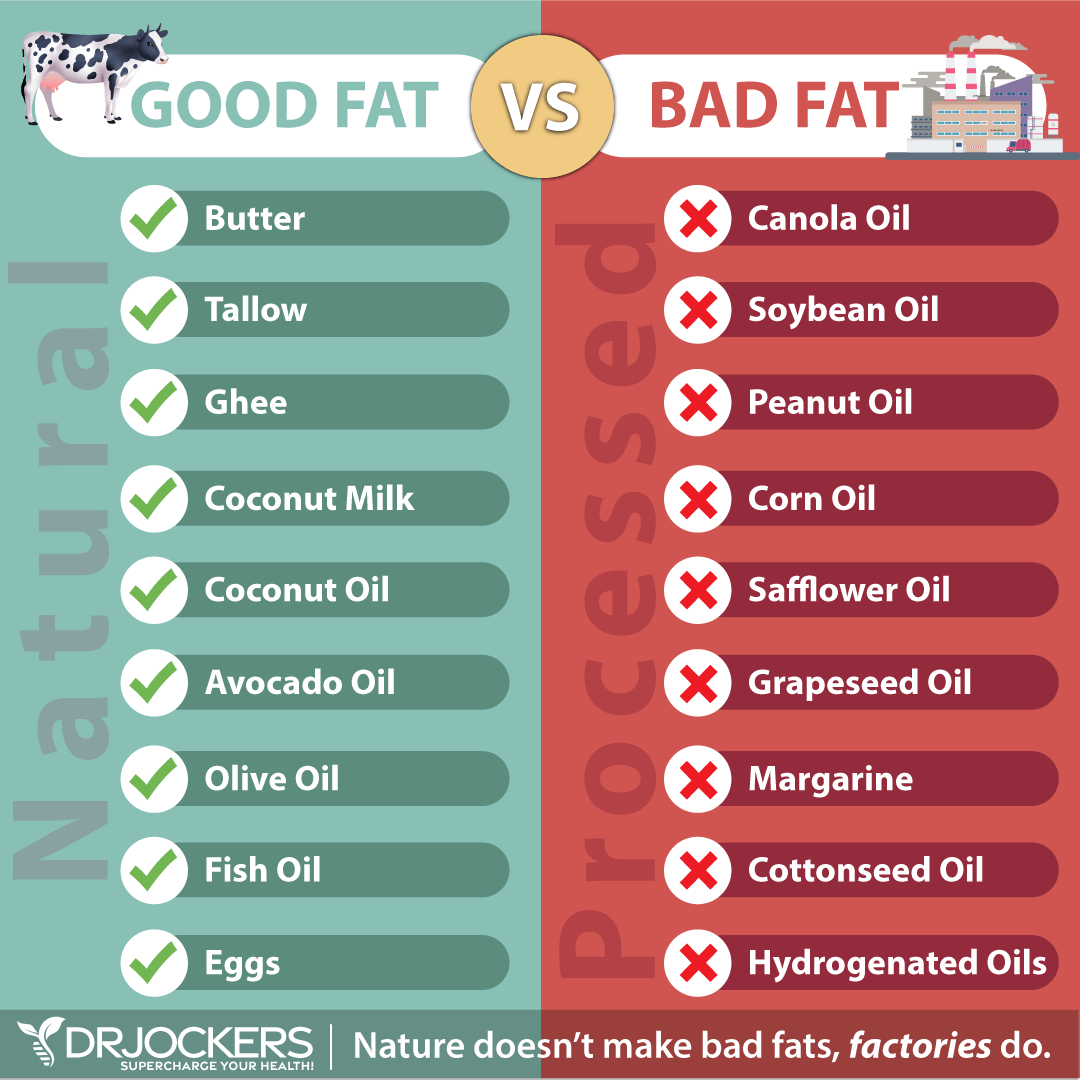
For decades, fat was the ultimate dietary villain. A single, monolithic enemy responsible for heart disease, obesity, and a host of other modern maladies. Grocery store shelves swelled with "low-fat" and "fat-free" alternatives, often laden with sugar and refined carbohydrates to compensate for the flavor and satiety deficit. This era, stretching from the mid-20th century well into the 21st, cast a long, fearful shadow over one of the three essential macronutrients. We were told to shun it, to minimize it, to view it with suspicion.
But science, like a persistent detective, rarely rests on simple answers. As research progressed, the simplistic narrative of "fat equals bad" began to unravel, revealing a far more intricate and nuanced story. We discovered that fat, far from being a singular entity, is a diverse family of molecules, each with its own unique chemical structure, metabolic fate, and physiological impact. Some fats, it turned out, were indeed detrimental to our health, while others were not merely benign but actively beneficial, even essential for life.
This article embarks on a journey to demystify this complex world. It's a story of misunderstanding, scientific revelation, and ultimately, empowerment. For the knowledgeable reader, we will move beyond the superficial "good" and "bad" labels to understand the underlying biochemistry, the diverse roles fats play in our bodies, and how to navigate the modern food landscape with confidence and clarity. Don't fear the fat; understand it. Embrace the good, minimize the truly detrimental, and reclaim this vital nutrient for your health and well-being.
The Essential Role of Fat: Why We Can't Live Without It
Before we dissect the different types of fats, it's crucial to acknowledge their fundamental and indispensable role in human physiology. The demonization of fat led many to believe it was merely an inert storage molecule, a caloric burden. Nothing could be further from the truth. Fats, or lipids as they are collectively known, are integral to virtually every bodily function.
Energy Storage and Production: This is perhaps the most well-known role. Fats are the most energy-dense macronutrient, providing 9 calories per gram, compared to 4 calories per gram for carbohydrates and protein. They serve as the body's primary long-term energy reserve, allowing us to sustain activity and survive periods of food scarcity. When carbohydrates are scarce, the body efficiently shifts to burning fat for fuel, a process known as ketosis.
Cell Membrane Structure: Every single cell in your body is encased in a lipid bilayer, primarily composed of phospholipids and cholesterol. This membrane isn't just a barrier; it's a dynamic, selective gatekeeper that regulates what enters and exits the cell, facilitates cell-to-cell communication, and anchors vital proteins. Without adequate fat, cell integrity and function would be severely compromised.
Hormone Production: Many vital hormones are synthesized from cholesterol, a type of lipid. These include steroid hormones like estrogen, testosterone, cortisol (the stress hormone), and aldosterone (which regulates blood pressure). Without sufficient dietary fat, the production of these crucial signaling molecules can be impaired, leading to a cascade of systemic issues.
Vitamin Absorption: Four essential vitamins – A, D, E, and K – are fat-soluble. This means they require dietary fat for their proper absorption and utilization by the body. These vitamins play critical roles in vision, bone health, immune function, antioxidant protection, and blood clotting, respectively. A truly fat-free diet would render these vitamins largely ineffective.
Insulation and Organ Protection: A layer of adipose tissue (body fat) beneath the skin provides insulation, helping to maintain a stable body temperature. Furthermore, fat surrounds and cushions vital organs like the kidneys, heart, and liver, protecting them from physical shock and injury.
Satiety and Flavor: From a practical, culinary perspective, fats contribute significantly to the palatability and satiety of our food. They carry fat-soluble flavor compounds, making meals more enjoyable. Moreover, fats slow down digestion, promoting a feeling of fullness and reducing the likelihood of overeating between meals.
Essential Fatty Acids (EFAs): This is perhaps the most critical point. There are certain types of polyunsaturated fats that the human body cannot synthesize on its own and must obtain from the diet. These are linoleic acid (an omega-6 fatty acid) and alpha-linolenic acid (an omega-3 fatty acid). These EFAs are precursors to a host of signaling molecules (eicosanoids) that regulate inflammation, blood clotting, blood pressure, and immune responses. They are foundational to brain health, nerve function, and skin integrity.
Clearly, fat is not just an optional component of our diet; it is a non-negotiable requirement for optimal health and survival. The challenge, then, is to discern which fats serve these vital functions best and which, if any, actively undermine them.
The "Good" Fats: Unpacking the Heroes
When we talk about "good" fats, we are primarily referring to unsaturated fats – those with one or more double bonds in their chemical structure. These double bonds introduce kinks in the fatty acid chains, preventing them from packing together tightly, which is why they are typically liquid at room temperature. Their fluidity and chemical reactivity are key to their beneficial biological roles.
1. Monounsaturated Fatty Acids (MUFAs)
As their name suggests, monounsaturated fatty acids possess one double bond in their carbon chain. This single unsaturation gives them a unique profile that is highly beneficial for human health.
Sources: MUFAs are abundant in many plant-based foods. The most celebrated source is olive oil, particularly extra virgin olive oil, a cornerstone of the Mediterranean diet. Other rich sources include avocados, nuts (almonds, cashews, pecans, hazelnuts), seeds (sesame, pumpkin), and peanut oil.
Health Benefits and Mechanisms:
- Cardiovascular Health: MUFAs are renowned for their ability to improve cholesterol profiles. They help to lower low-density lipoprotein (LDL) cholesterol (often referred to as "bad" cholesterol), which is a key contributor to arterial plaque formation (atherosclerosis). Simultaneously, they can help to maintain or even increase high-density lipoprotein (HDL) cholesterol ("good" cholesterol), which plays a role in transporting cholesterol away from the arteries back to the liver for excretion. This favorable shift in the LDL:HDL ratio is a powerful protective factor against heart disease and stroke. The mechanisms involve altering the fluidity of cell membranes and influencing the activity of enzymes involved in lipid metabolism.
- Insulin Sensitivity: Research suggests that diets rich in MUFAs can improve insulin sensitivity, making cells more responsive to insulin. This is particularly beneficial for individuals at risk of or living with type 2 diabetes, as it helps to regulate blood sugar levels more effectively.
- Anti-inflammatory Properties: While not as potent as some omega-3s, MUFAs contribute to a less inflammatory state within the body. Chronic low-grade inflammation is now recognized as a driver of many chronic diseases, including heart disease, cancer, and neurodegenerative disorders.
- Antioxidant Effects: Particularly in unrefined sources like extra virgin olive oil, MUFAs are accompanied by a wealth of other beneficial compounds, including polyphenols and vitamin E, which possess strong antioxidant properties. These antioxidants help protect cells from oxidative damage caused by free radicals, another factor in disease development.
The widespread adoption of the Mediterranean diet, which emphasizes olive oil and other MUFA-rich foods, stands as compelling evidence for their health-promoting effects, demonstrating lower rates of heart disease, certain cancers, and improved longevity in populations adhering to this eating pattern.
2. Polyunsaturated Fatty Acids (PUFAs)
Polyunsaturated fatty acids are characterized by having two or more double bonds in their carbon chain. This increased degree of unsaturation makes them even more fluid and reactive than MUFAs, and also renders them more susceptible to oxidation. PUFAs are incredibly diverse, but two major families stand out for their profound physiological impact: Omega-3 and Omega-6 fatty acids.
Omega-3 Fatty Acids: The Essential Anti-Inflammatories
Omega-3s are arguably the most celebrated of the "good" fats, and for good reason. They are essential fatty acids, meaning our bodies cannot produce them and we must obtain them from our diet. There are three primary types:
- Alpha-linolenic acid (ALA): A short-chain omega-3 found primarily in plant sources.
- Eicosapentaenoic acid (EPA): A long-chain omega-3, primarily found in marine sources.
- Docosahexaenoic acid (DHA): Another long-chain omega-3, also primarily found in marine sources.
Sources:
- ALA: Flaxseeds (and flaxseed oil), chia seeds, walnuts, hemp seeds, and certain vegetable oils like canola oil.
- EPA & DHA: Fatty fish (salmon, mackerel, sardines, anchovies, herring), fish oil supplements, and algae oil (a direct plant-based source of EPA/DHA).
Health Benefits and Mechanisms:
- Brain Health and Cognition: DHA is a major structural component of the brain, making up a significant portion of the cerebral cortex and retina. It is crucial for brain development in infants, and ongoing research links adequate omega-3 intake to improved cognitive function, memory, and reduced risk of neurodegenerative diseases like Alzheimer's. They influence neurotransmitter function and neuronal membrane fluidity.
- Anti-inflammatory Powerhouse: EPA and DHA are precursors to powerful anti-inflammatory signaling molecules called eicosanoids (prostaglandins, leukotrienes, resolvins, protectins). These compounds play a critical role in modulating immune responses and resolving inflammation, offering protective effects against autoimmune diseases, asthma, and inflammatory bowel disease.
- Cardiovascular Protection: Omega-3s contribute to heart health through multiple mechanisms:
- Lowering Triglycerides: They are highly effective at reducing elevated triglyceride levels, a significant risk factor for heart disease.
- Blood Pressure Regulation: They can help to mildly lower blood pressure.
- Anti-Arrhythmic Effects: They may stabilize heart rhythm and reduce the risk of sudden cardiac death.
- Preventing Clot Formation: They can reduce platelet aggregation, making blood less prone to clotting.
- Eye Health: DHA is highly concentrated in the retina, and adequate intake is crucial for maintaining good vision and preventing age-related macular degeneration (AMD).
- Mood and Mental Health: Growing evidence suggests a link between omega-3 intake and improved mood, reduced symptoms of depression and anxiety, and even potential benefits in conditions like bipolar disorder.
The ALA Conversion Challenge: While ALA is an essential omega-3, the human body's ability to convert ALA into the longer-chain EPA and DHA is relatively inefficient, particularly for DHA. This is why consuming direct sources of EPA and DHA (fatty fish, algae oil) is often recommended for optimal benefits.
Omega-6 Fatty Acids: The Essential Balancers (and Potential Over-Consumers)
Omega-6 fatty acids are also essential and vital for health. The primary dietary omega-6 is linoleic acid (LA).
Sources: Omega-6s are abundant in vegetable oils such as soybean oil, corn oil, sunflower oil, safflower oil, and cottonseed oil. They are also found in nuts, seeds, and poultry.
Health Benefits (in balance):
- Growth and Development: Omega-6s are crucial for normal growth, skin and hair health, bone density, and reproductive health.
- Immune Function: They play a role in maintaining a healthy immune system.
- Cellular Function: Like omega-3s, they are precursors to eicosanoids, which are involved in inflammation and blood clotting.
The Omega-3 to Omega-6 Ratio Debate: This is where the story of omega-6s becomes nuanced. Both omega-3 and omega-6 fatty acids compete for the same enzymes in their metabolic pathways to produce their respective eicosanoids. While omega-6 derived eicosanoids (like arachidonic acid-derived prostaglandins) are necessary for acute inflammation (e.g., healing a wound), an excessive amount of omega-6 relative to omega-3 can push the body into a pro-inflammatory state.
The ancestral human diet is estimated to have had an omega-6 to omega-3 ratio of approximately 1:1 to 4:1. The modern Western diet, heavily reliant on processed foods, fast food, and vegetable oils high in LA, often sees ratios as high as 10:1 to 20:1. This drastic imbalance is thought to contribute to chronic low-grade inflammation, which underlies many non-communicable diseases.
Conclusion on PUFAs: The goal is not to eliminate omega-6s, as they are essential. Instead, it is to rebalance the ratio by reducing excessive intake of processed foods and high-omega-6 vegetable oils, and simultaneously increasing omega-3 intake from fatty fish, flaxseeds, chia seeds, and walnuts. This balance ensures the body can produce both pro- and anti-inflammatory signals appropriately.
The "Bad" Fats: Understanding the Villains (and the Nuance)
While the "good" fats are celebrated for their health-promoting properties, certain fats have earned their "bad" reputation due to their demonstrable negative impacts on health. However, even within this category, there's a spectrum, and one particular type stands out as the undisputed antagonist.
1. Saturated Fatty Acids (SFAs)
Saturated fatty acids are characterized by having no double bonds in their carbon chains; they are "saturated" with hydrogen atoms. This allows their chains to pack tightly together, which is why foods high in saturated fat are typically solid at room temperature.
Sources: SFAs are primarily found in animal products such as red meat, poultry skin, full-fat dairy (butter, cheese, cream), and eggs. They are also present in certain tropical oils like coconut oil and palm oil, and often in processed foods like baked goods and fried snacks.
However, recent research has introduced significant nuance to this narrative:
- LDL Sub-fractions: Not all LDL is equally harmful. Saturated fats tend to increase both large, buoyant LDL particles (which are less atherogenic) and small, dense LDL particles (which are more atherogenic). The overall effect on cardiovascular risk depends on the balance and other dietary factors.
- HDL Elevation: Saturated fats also tend to raise HDL cholesterol, which is generally considered protective. The ratio of total cholesterol to HDL, or triglycerides to HDL, is often considered a better predictor of heart disease risk than LDL alone.
- Food Matrix Effect: The impact of saturated fat is heavily influenced by the food matrix in which it is consumed. Saturated fat from a whole food like full-fat dairy (yogurt, cheese) or unprocessed red meat, consumed as part of a balanced diet, may have a different effect than the same amount of saturated fat from a highly processed donut, which is also rich in refined carbohydrates and sugar. The other nutrients (or lack thereof) in the food play a crucial role.
- Different SFAs, Different Effects: Not all saturated fatty acids are created equal.
- Lauric acid (C12): Abundant in coconut oil, it significantly raises both LDL and HDL cholesterol, making its overall cardiovascular impact a subject of ongoing debate. It also contains Medium-Chain Triglycerides (MCTs), which are metabolized differently and can be used as a quick energy source.
- Myristic acid (C14) and Palmitic acid (C16): Found in dairy, red meat, and palm oil, these are generally considered the most potent LDL-raising saturated fats.
- Stearic acid (C18): Found in cocoa butter and beef, it appears to have a neutral effect on LDL cholesterol, or may even slightly lower it, making it less concerning than other SFAs.
Conclusion on Saturated Fats: The current scientific consensus is that while saturated fat intake can increase LDL cholesterol, its overall impact on cardiovascular disease risk is more complex than previously thought. It's not the singular villain it was once made out to be. Moderation is key, and the source matters. Replacing saturated fats with polyunsaturated fats (especially omega-3s) generally leads to better health outcomes, but replacing them with refined carbohydrates and sugar often leads to worse outcomes. Prioritize whole food sources, be mindful of portion sizes, and focus on overall dietary patterns rather than fixating on a single nutrient.
2. Trans Fatty Acids (TFAs): The Undisputed Villain
If there's one fat that truly deserves the "bad" label without reservation, it's artificial trans fatty acids. These are the undisputed dietary villains, with overwhelming evidence linking them to serious health detriments.
Artificial Trans Fats: How They're Made: Artificial trans fats are created through a process called partial hydrogenation. This industrial process involves adding hydrogen atoms to liquid vegetable oils, which makes them more solid at room temperature, extends their shelf life, and makes them more stable for frying. While some natural trans fats occur in ruminant animal products (e.g., conjugated linoleic acid, CLA), the vast majority of problematic trans fats in the diet are artificial.
Sources: Artificial trans fats were once ubiquitous in partially hydrogenated oils, found in many processed and commercially prepared foods:
- Margarine and shortening (especially older formulations)
- Baked goods (cookies, cakes, pastries, pie crusts)
- Fried foods (doughnuts, french fries, fried chicken from fast-food restaurants)
- Snack foods (crackers, microwave popcorn)
- Coffee creamers
Health Detriments: A Double Whammy: The evidence against artificial trans fats is conclusive and alarming:
- Increase LDL, Decrease HDL: Unlike saturated fats, which often raise both LDL and HDL, artificial trans fats have a unique and devastating effect: they significantly increase LDL ("bad") cholesterol while simultaneously decreasing HDL ("good") cholesterol. This is a double blow to cardiovascular health, making them far more detrimental than saturated fats.
- Increase Inflammation: Trans fats are highly pro-inflammatory, contributing to systemic inflammation that is a hallmark of many chronic diseases.
- Increased Risk of Heart Disease and Stroke: Numerous studies have linked high trans fat intake to a substantially increased risk of coronary heart disease, heart attacks, and stroke.
- Insulin Resistance and Type 2 Diabetes: Some research also suggests a link between trans fat consumption and increased insulin resistance and the development of type 2 diabetes.
Regulatory Efforts: Recognizing the profound public health threat posed by artificial trans fats, many countries and regions, including the United States, Canada, and the European Union, have implemented bans or severe restrictions on their use in foods. In the U.S., the FDA declared partially hydrogenated oils (the primary source of artificial trans fats) no longer "Generally Recognized As Safe" (GRAS) in 2015, effectively phasing them out of the food supply by 2018 (with some extensions).
Natural Trans Fats: It's important to distinguish between artificial and natural trans fats. Natural trans fats, such as CLA (conjugated linoleic acid) found in dairy and meat from grass-fed ruminants, are structurally different and do not appear to have the same adverse health effects. In fact, some research suggests potential health benefits for CLA, though more studies are needed. The concern is overwhelmingly directed at the industrial, artificial trans fats.
Conclusion on Trans Fats: These are the fats to actively avoid. While regulatory efforts have significantly reduced their presence in many food supplies, always read ingredient labels. Look for "partially hydrogenated oil" in the ingredient list – if you see it, choose another product.
Navigating the Fat Landscape: Practical Application for a Knowledgeable Audience
Moving beyond the theoretical, how does this nuanced understanding of fats translate into practical dietary choices for someone already knowledgeable about nutrition? It's about shifting from a restrictive mindset to an informed, empowering one.
1. Beyond "Good" and "Bad": The "Better" and "Worse" Spectrum
The simple "good" vs. "bad" dichotomy is a starting point, but the reality is more akin to a spectrum.
- The Food Matrix is Paramount: A whole avocado, rich in MUFAs, fiber, vitamins, and minerals, is fundamentally different from a highly processed "healthy fat" snack bar that might contain similar fat profiles but is stripped of other beneficial compounds and potentially loaded with sugar. Always prioritize whole, unprocessed foods where fats are naturally embedded in a nutrient-rich matrix.
- Cooking Methods Matter: Even "good" fats can become "bad" if misused. High-heat cooking with oils that have low smoke points (e.g., unrefined olive oil, flaxseed oil) can lead to the oxidation of their delicate polyunsaturated fatty acids, producing harmful free radicals and trans fats. Choose oils appropriate for your cooking method:
- High-heat cooking (frying, roasting): Avocado oil, refined olive oil, ghee, coconut oil (use in moderation).
- Medium-heat cooking (sautéing): Extra virgin olive oil (use lower heat), butter.
- No-heat (dressings, finishing): Extra virgin olive oil, flaxseed oil, walnut oil.
- Context is King: Your overall dietary pattern, lifestyle, activity level, and individual genetic predispositions all interact with fat intake. A highly active individual consuming a balanced diet might tolerate slightly higher saturated fat intake than a sedentary person consuming a diet rich in refined carbohydrates.
2. Dietary Recommendations: Principles, Not Dogma
Instead of rigid rules, embrace principles that guide informed choices:
- Prioritize Whole, Unprocessed Foods: This is the golden rule for all macronutrients. When you eat whole foods, you naturally gravitate towards beneficial fats and minimize detrimental ones.
- Focus on Plant-Based Unsaturated Fats: Make avocado, nuts (almonds, walnuts, pecans, cashews), seeds (chia, flax, hemp, pumpkin), and extra virgin olive oil staples in your diet. These are rich sources of MUFAs and beneficial PUFAs (including ALA).
- Include Fatty Fish Regularly: Aim for at least two servings of fatty fish (salmon, mackerel, sardines, anchovies, herring) per week to ensure adequate intake of EPA and DHA. If you don't eat fish, consider an algae-based omega-3 supplement.
- Limit Artificial Trans Fats: This is non-negotiable. Always check ingredient labels for "partially hydrogenated oil."
- Moderate Saturated Fats from Animal Sources: There's no need to eliminate them entirely, but be mindful of portion sizes. Opt for leaner cuts of meat, choose grass-fed options when possible (for a better omega-3 profile), and enjoy full-fat dairy in moderation as part of a balanced diet. Consider the whole food context.
- Be Wary of Hidden Fats: Many processed foods, even those not overtly "fatty," can contain significant amounts of unhealthy fats, especially industrial vegetable oils high in omega-6s, and occasionally residual trans fats.
- Balance Omega-3 and Omega-6: Actively work to improve your omega-3 to omega-6 ratio. This means reducing highly processed vegetable oils (corn, soybean, sunflower in large quantities) and increasing your intake of omega-3 rich foods.
3. Reading Labels and Understanding Nuances
For the knowledgeable consumer, reading food labels goes beyond just looking at the "Total Fat" number.
- "Low-Fat" Doesn't Mean Healthy: Remember the historical context. Many "low-fat" products compensated for flavor and texture by adding sugar, refined carbohydrates, and artificial ingredients, often making them less healthy than their full-fat counterparts.
- Ingredient List is Key: Always look at the ingredient list, not just the nutrition facts panel. Identify specific types of oils.
- Understand Different Oils: Familiarize yourself with common oils and their fat profiles (e.g., olive oil for MUFAs, flaxseed for ALA, avocado oil for high smoke point and MUFAs, coconut oil for SFAs/MCTs).
- Beware of "Vegetable Oil" Blends: These are often generic terms for high-omega-6 oils like soybean or corn oil.
4. The Big Picture: Fat in the Context of a Holistic Diet
Ultimately, the impact of fats cannot be isolated. They interact with carbohydrates, proteins, fiber, and micronutrients.
- Synergy, Not Isolation: A diet rich in good fats, alongside plenty of fiber-rich vegetables, fruits, whole grains, and lean proteins, creates a synergistic effect that promotes overall health. Conversely, even good fats can't compensate for a diet dominated by refined sugars and starches.
- Individual Variability: Genetic factors, activity levels, and metabolic health can all influence how an individual responds to different types of fat. What works perfectly for one person may need slight adjustments for another.
- Sustainable Habits: Focus on building sustainable eating habits that prioritize whole, minimally processed foods, rather than chasing specific nutrient percentages.
Conclusion: Embracing the Wisdom of Fat
Our journey through the world of dietary fats has revealed a complex and fascinating landscape, far removed from the simplistic demonization of the past. We've seen that fat is not a monolithic enemy, but a diverse family of molecules, each with unique properties and profound impacts on our health.
We've celebrated the heroes: the monounsaturated fats from olive oil and avocados, and the polyunsaturated omega-3s from fatty fish and seeds, essential for brain health, anti-inflammation, and cardiovascular protection. We've acknowledged the nuance of omega-6s, vital in balance but potentially problematic in excess. And we've identified the true villain: artificial trans fats, which actively undermine our health. Saturated fats, once the prime suspect, now occupy a more nuanced position, reminding us that context, source, and moderation are paramount.
For the knowledgeable reader, this understanding is a powerful tool. It allows you to move beyond fear and dogma, to read between the lines of nutritional advice, and to make informed choices that truly nourish your body. It's about recognizing that fat is an essential, life-giving macronutrient that deserves its rightful place at our tables.
So, don't fear the fat. Understand it, respect its power, choose wisely, and embrace the rich, satisfying, and health-promoting journey that a truly fat-intelligent diet can offer. Your cells, your hormones, your brain, and your heart will thank you for it.


