Eat for Energy: Fueling Your Day with Smart Nutritional Choices
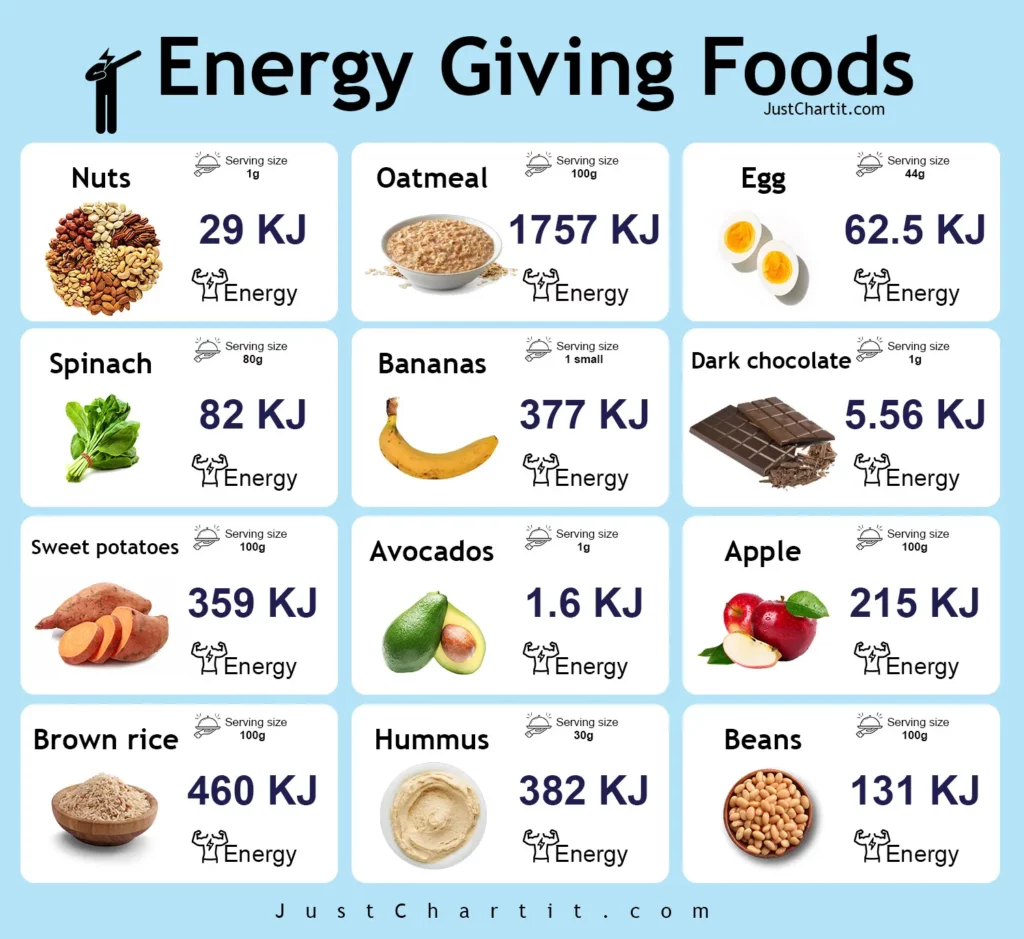
The alarm blares, jolting you awake, but the true awakening remains elusive. A fog clings to your mind, the limbs feel heavy, and the day ahead already seems an insurmountable task. For too many, this is the story of their mornings, a narrative of chronic fatigue, reliance on caffeine jolts, and a pervasive sense of low-grade depletion. We live in an age of unprecedented access to information and convenience, yet our internal energy reserves often feel bankrupt. The promise of a life lived with vibrant, sustained energy seems a distant, almost mythical concept, often attributed to the young or the genetically blessed.
But what if the key to unlocking that enduring vitality wasn't hidden in a new supplement or a complex biohacking regimen, but rather in the very plates we set before ourselves each day? What if the food we choose to eat isn't just sustenance, a means to quell hunger, but the most potent fuel for our bodies, minds, and spirits? This isn't merely about consuming calories; it’s about making smart, informed nutritional choices that act as the very architects of our energy, shaping our mood, focus, and resilience from the cellular level upwards.
This article isn't just a list of dos and don'ts; it's an invitation to embark on a journey. A journey to understand the intricate dance between food and energy, to peel back the layers of marketing and misinformation, and to rediscover the profound power of nutrition to transform your daily existence. For the knowledgeable individual, hungry for deeper understanding and practical application, we will explore the science, the strategies, and the subtle art of eating for energy, not just for survival, but for thriving.
The Cellular Symphony: Where Energy is Born
To truly appreciate the power of food, we must first understand where energy is actually generated within our bodies. Our primary energy currency is a molecule called Adenosine Triphosphate, or ATP. Think of ATP as the universal battery pack for every single cellular process – muscle contraction, nerve impulses, nutrient transport, protein synthesis, and even thought itself. Without ATP, life as we know it ceases.
And who are the industrious power plants responsible for churning out this vital ATP? None other than our mitochondria. These remarkable organelles, residing within nearly every cell of our body (with muscle cells and brain cells being particularly rich in them), are the true unsung heroes of our energy story. They take the raw materials from our food – carbohydrates, fats, and to a lesser extent, proteins – and, through a complex series of biochemical reactions known as cellular respiration, convert them into ATP. The efficiency and health of our mitochondria are therefore paramount to our overall energy levels. When they falter, we feel it as fatigue, brain fog, and a general malaise.
Our nutritional choices directly impact the raw materials available to these mitochondrial powerhouses and the cofactors needed for their optimal function. This is where the story truly begins to unfold.
Macronutrients: The Big Three Fuel Sources
- Simple Carbohydrates: Found in sugars, white flour, and processed foods, these are rapidly digested, causing a quick spike in blood glucose and a subsequent surge of insulin. While they provide an immediate energy burst, the inevitable crash that follows leaves us feeling more tired than before. This "sugar roller coaster" is the enemy of sustained energy.
- Complex Carbohydrates: Found in whole grains, fruits, vegetables, and legumes, these are rich in fiber and are digested more slowly. This gradual release of glucose into the bloodstream provides a steady, sustained supply of energy, avoiding the dramatic peaks and troughs. The fiber also aids in satiety and gut health.
- Healthy Fats: Monounsaturated (avocado, olive oil, nuts) and polyunsaturated fats (omega-3s found in fatty fish, flaxseeds) are anti-inflammatory and crucial for brain health and mitochondrial function. Medium-chain triglycerides (MCTs) found in coconut oil are unique in that they are rapidly absorbed and can be used directly by the liver for energy, bypassing the lymphatic system, offering a quick, sustained energy boost without the insulin spike.
- Unhealthy Fats: Trans fats (found in processed foods) and excessive saturated fats (red meat, full-fat dairy, some processed foods) can contribute to inflammation and impair cellular function, ultimately hindering energy production.
Micronutrients: The Catalysts and Co-Factors
While macronutrients provide the bulk fuel, micronutrients – vitamins and minerals – are the indispensable spark plugs and lubricants for our metabolic machinery. Without them, the grand symphony of energy production grinds to a halt.
- B Vitamins (B1, B2, B3, B5, B6, B7, B9, B12): This entire complex is intimately involved in cellular energy production, particularly in converting carbohydrates, fats, and proteins into ATP. A deficiency in any B vitamin can manifest as profound fatigue.
- Iron: Essential for the formation of hemoglobin, which carries oxygen in the blood to every cell. Insufficient oxygen delivery directly impacts mitochondrial function, leading to anemia and severe fatigue.
- Magnesium: Involved in over 300 enzymatic reactions, including those that create ATP. It's crucial for muscle and nerve function, blood glucose control, and energy production.
- Coenzyme Q10 (CoQ10): A powerful antioxidant found in high concentrations in the mitochondria, where it plays a critical role in the electron transport chain, a key step in ATP synthesis.
- Vitamin D: More than just bone health, Vitamin D receptors are found throughout the body, including muscle cells. Low levels are consistently linked to fatigue and muscle weakness.
- Zinc: Involved in immune function, hormone production, and over 300 enzyme reactions, including those related to energy metabolism.
Water: The Unsung Energy Hero
Often overlooked, adequate hydration is fundamental for optimal energy. Water constitutes 60-70% of our body weight and is involved in virtually every bodily function. Dehydration, even mild, can significantly impact energy levels, leading to fatigue, reduced cognitive function, and impaired physical performance. Water acts as a solvent, a transport medium, and a crucial component in metabolic reactions. It facilitates the movement of nutrients into cells and the removal of waste products, both essential for efficient energy production.
The Pillars of Energy-Optimized Eating: Building Your Foundation
With a foundational understanding of how our body generates energy, we can now construct the practical framework for fueling our days. This isn't about deprivation or rigid rules, but about intelligent choices that empower your cells.
- Why they drain energy: The body expends significant energy processing these nutrient-poor items, often leaving a net deficit. The sugar spikes lead to insulin resistance over time, further disrupting energy regulation.
- The alternative: Embrace the vibrant spectrum of nature's bounty – fresh fruits, an abundance of colorful vegetables, whole grains (quinoa, brown rice, oats), lean proteins (fish, poultry, legumes, tofu), and healthy fats (avocado, nuts, seeds, olive oil). These foods come packaged with fiber, vitamins, minerals, and antioxidants, all working synergistically to support energy production and overall health.
- The Insulin Response: When you consume simple carbohydrates, your pancreas releases insulin to usher glucose into cells. A rapid, large release of insulin can cause blood sugar to drop too quickly, triggering symptoms of hypoglycemia (fatigue, irritability, shakiness) – the dreaded "sugar crash."
- Strategic Macronutrient Pairing: The secret weapon. Always combine carbohydrates with protein and/or healthy fats. This slows down the digestion and absorption of glucose, leading to a more gradual rise and fall in blood sugar. For example, instead of an apple alone, pair it with a handful of almonds or a slice of cheese.
- Fiber's Crucial Role: Dietary fiber (especially soluble fiber) further slows glucose absorption, acting as a gentle brake on the digestive process. Load up on fiber-rich vegetables, fruits, and whole grains.
- Breakfast: Breaking the Fast with Intention: Don't skip it. A balanced breakfast sets your metabolic tone for the day, replenishing glycogen stores after the overnight fast and signaling to your body that fuel is abundant. Opt for complex carbs, protein, and healthy fats.
- Regular Meals vs. Grazing: For most, 3 balanced meals with 1-2 smart snacks are ideal. This provides a steady energy supply without overwhelming the digestive system. Intermittent fasting can be beneficial for some, but for those struggling with energy, ensure your eating window is still packed with nutrient-dense foods and you're not extending fasts to the point of severe caloric restriction.
- Pre- and Post-Workout Nutrition: Fueling before exercise provides the energy for performance, while post-workout nutrition helps replenish glycogen and repair muscle tissue, crucial for recovery and sustained energy levels.
- Listen to Your Body: Pay attention to hunger cues. Eating when moderately hungry and stopping when satisfied prevents both energy-draining overeating and energy-sapping under-eating.
- How Much? Aim for at least 8 glasses (around 2 liters) of filtered water daily, more if you're active or in a hot climate. Don't wait until you're thirsty; thirst is already a sign of mild dehydration.
- What Kind? Pure water is best. Herbal teas, diluted fruit juices (in moderation), and water-rich foods (fruits, vegetables) also contribute. Limit sugary drinks, which dehydrate and cause blood sugar spikes.
- Electrolytes: If you're sweating heavily, consider adding natural electrolytes (a pinch of sea salt, a squeeze of lemon) to your water, or consume electrolyte-rich foods like bananas and coconut water.
- Nutrient Absorption: A healthy gut lining and diverse microbiota are essential for efficiently extracting nutrients from our food. If the gut is compromised, nutrient absorption suffers, directly impacting energy.
- Neurotransmitter Production: A staggering 90% of serotonin, a mood-regulating neurotransmitter, is produced in the gut. A healthy gut contributes to balanced mood and mental energy.
- Inflammation: An imbalanced gut (dysbiosis) can lead to chronic low-grade inflammation, a major energy drainer.
- Boosting Gut Health: Incorporate fermented foods (yogurt, kefir, sauerkraut, kimchi) for beneficial probiotics. Consume plenty of prebiotic fibers (onions, garlic, leeks, asparagus, bananas) to feed your good gut bacteria. Avoid antibiotics unless necessary, and minimize processed foods.
- Stress and Digestion: When we are stressed, our body diverts energy away from digestion. Eating quickly, on the go, or while stressed impairs nutrient absorption and can lead to digestive discomfort that saps energy.
- Slow Down: Eat slowly, chew thoroughly, and savor your food. This allows your body to properly register fullness cues and optimizes digestion.
- Listen to Your Body: Differentiate between true hunger and emotional cravings. Pay attention to how different foods make you feel – do they energize you or leave you feeling sluggish?
Crafting Your Energy Plate: Practical Applications
Translating these principles into daily meals requires conscious effort but yields profound rewards. Let's look at how to build an energy-sustaining day.
- Option 1: The Power Oatmeal: Rolled oats (complex carb) cooked with water or unsweetened almond milk, topped with a handful of berries (antioxidants, fiber), a sprinkle of chia or flax seeds (omega-3s, fiber), and a scoop of protein powder or nuts (protein, healthy fats).
- Option 2: Savory Scramble: Scrambled eggs (protein) with a generous serving of sautéed vegetables (spinach, bell peppers, mushrooms – vitamins, minerals, fiber), alongside a slice of whole-grain toast (complex carb) spread with avocado (healthy fats).
- Option 3: Greek Yogurt Parfait: Plain Greek yogurt (high protein) layered with mixed berries (antioxidants, fiber) and a sprinkle of chopped walnuts or almonds (healthy fats, protein).
- Option 1: The Vibrant Salad: A large bed of mixed greens topped with grilled chicken or chickpeas (lean protein), a variety of colorful vegetables (cucumber, tomatoes, carrots, bell peppers), a sprinkle of seeds (healthy fats), and a light vinaigrette with olive oil.
- Option 2: Whole-Grain Wrap: A whole-wheat tortilla filled with turkey breast or hummus, plenty of leafy greens, sliced avocado, and other veggies.
- Option 3: Leftovers Reinvented: A smart dinner choice (e.g., roasted salmon with quinoa and steamed broccoli) makes an excellent, energy-sustaining lunch.
- The Balanced Plate: Focus on a lean protein (baked salmon, grilled chicken, lentils), a generous portion of non-starchy vegetables (roasted asparagus, steamed green beans), and a moderate serving of complex carbohydrates (quinoa, sweet potato, brown rice).
- Avoid: Heavy, fatty meals and excessive sugar close to bedtime, as these can disrupt digestion and sleep.
- Pairing is Key: Always combine at least two macronutrients.
- Apple slices with almond butter.
- Carrot sticks with hummus.
- A handful of nuts and seeds.
- Hard-boiled egg.
- Small Greek yogurt.
- Avoid: Processed snack bars, chips, cookies – they offer quick energy that quickly dissipates.
- Commonly Considered: B-complex vitamins, Magnesium, Omega-3 fatty acids, Vitamin D.
- Important Note: Always consult with a healthcare professional before starting any supplement regimen. Supplements are not a substitute for a healthy diet, but rather a potential adjunct.
Beyond the Plate: Lifestyle Synergies
Our energy levels are not solely dictated by food; they are a complex interplay of various lifestyle factors. Food is the engine, but these are the skilled mechanics that keep it running smoothly.
Common Pitfalls and How to Avoid Them: The Obstacles on Your Journey
Even with the best intentions, the path to sustained energy can have its roadblocks. Recognizing them is the first step to navigating them successfully.
- Over-reliance on Caffeine and Sugar: These provide artificial, fleeting boosts that mask underlying fatigue and perpetuate a cycle of crashes. Use them judiciously, if at all.
- Skipping Meals: This sends your body into "starvation mode," slowing metabolism and causing energy dips.
- Not Enough Protein/Fat: Without adequate protein and healthy fats, blood sugar regulation suffers, and satiety is elusive, leading to cravings and energy crashes.
- Chronic Dehydration: Easy to overlook, but profoundly impactful. Make water your constant companion.
- Ignoring Gut Signals: Bloating, gas, or digestive discomfort are signs that your gut health needs attention, which in turn affects energy.
- The All-or-Nothing Mentality: Sustainable change comes from consistent, small steps, not drastic, temporary overhauls.
Conclusion: Your Story of Transformation
The journey to eating for energy is not a diet; it's a lifestyle transformation, a profound shift in how you perceive and interact with your food. It's a commitment to nourishing your body at its most fundamental level, empowering your cells to function optimally, and in turn, allowing you to live a life brimming with vitality.
By understanding the intricate dance between macronutrients, micronutrients, and our cellular powerhouses, by consciously choosing whole, unprocessed foods, by mastering blood sugar regulation, and by honoring the synergistic power of hydration, gut health, sleep, and movement, you are not merely eating; you are investing in your most precious asset: your energy.
The narrative of chronic fatigue does not have to be your story. Imagine waking up genuinely refreshed, experiencing sustained focus throughout the day, and having the mental and physical resilience to engage fully with your work, your passions, and your loved ones. This is not an elusive dream; it is the tangible reward of smart nutritional choices. Start small, be consistent, listen to the wisdom of your own body, and watch as your energy story transforms from one of depletion to one of vibrant, enduring power. The fork in your hand holds more power than you might ever have imagined – wield it wisely, and rewrite your energy narrative, one nourishing bite at a time.


