Eating for Energy: Optimizing Your Metabolism with a Plant-Based Diet
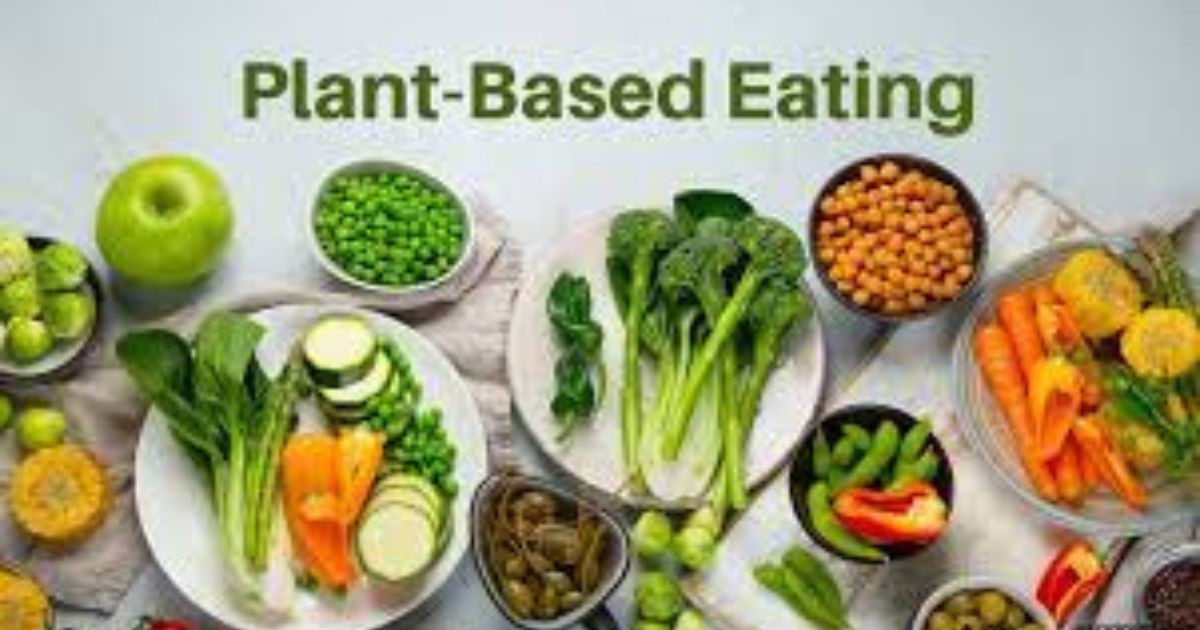
In the relentless hum of modern life, the quest for sustained energy has become a universal yearning. We navigate a world of demanding schedules, digital distractions, and an endless array of tasks, often feeling as though we’re running on fumes, perpetually chasing the elusive promise of vitality. The quick fixes – the morning coffee, the afternoon energy drink, the sugary snack – offer fleeting relief, only to usher in the inevitable crash, leaving us more depleted than before. This cycle of artificial stimulation and subsequent exhaustion has become a silent epidemic, subtly eroding our focus, mood, and overall well-being. But what if the answer to this energy crisis wasn't found in a stimulant, but in the very fuel we choose to power our bodies?
Imagine a life where energy isn't a commodity to be hoarded or a battle to be won, but a natural, abundant state. A life where mental clarity persists throughout the day, where physical stamina isn't a fleeting memory, and where the body feels inherently aligned and vibrant. This isn't a utopian fantasy; it's the potential unlocked by consciously optimizing your metabolism, and at the heart of this transformation lies the profound power of a plant-based diet.
For too long, metabolism has been relegated to the realm of weight loss discussions, viewed primarily through the lens of calories in versus calories out. Yet, true metabolic optimization extends far beyond the numbers on a scale. It encompasses the intricate dance of cellular processes, the efficiency with which our bodies convert food into usable energy (ATP), the delicate balance of hormones, and the health of every organ system. It's the engine that drives every function, from the beating of our hearts to the firing of our neurons. When this engine falters, when its fuel is subpar, or its systems are clogged, the repercussions echo through every facet of our existence, manifesting as fatigue, brain fog, mood swings, and a susceptibility to chronic disease.
This article delves into the sophisticated science behind how a thoughtfully constructed plant-based diet doesn't just provide sustenance, but actively recalibrates and optimizes your metabolic machinery. We'll explore how plants, with their rich tapestry of nutrients, fibers, and bioactive compounds, become the architects of sustained energy, enhanced cellular function, and a resilient, thriving body. Prepare to embark on a journey that redefines your relationship with food, transforming it from a source of mere calories into the most potent tool for unlocking your intrinsic, boundless energy.
Part 1: The Energy Equation – Understanding Your Metabolism
To appreciate the profound impact of a plant-based diet, we must first understand the landscape it seeks to optimize: our metabolism. Far from being a simple 'on/off' switch for fat burning, metabolism is a symphony of biochemical reactions occurring ceaselessly within every cell of our bodies. At its core, it's the process by which we convert the food we eat into adenosine triphosphate (ATP) – the universal energy currency of life. Without ATP, no muscle could contract, no thought could form, no cell could repair itself.
This intricate process primarily unfolds within our mitochondria, often dubbed the "powerhouses of the cell." These tiny organelles are responsible for cellular respiration, a series of complex pathways including glycolysis, the Krebs cycle, and oxidative phosphorylation. These pathways meticulously break down glucose, fats, and even proteins to generate ATP, utilizing oxygen in the process. The efficiency and health of our mitochondria directly dictate our energy levels. If these powerhouses are damaged, sluggish, or outnumbered, our energy output suffers commensurately.
However, metabolism is not a solitary player. It's profoundly influenced by a complex interplay of factors:
- Diet: The quality, quantity, and composition of our food directly provide the raw materials for ATP production and influence the efficiency of metabolic pathways.
- Exercise: Regular physical activity increases metabolic rate, improves insulin sensitivity, and can stimulate mitochondrial biogenesis (the creation of new mitochondria).
- Sleep: Adequate, restorative sleep is crucial for hormonal regulation (e.g., ghrelin, leptin, cortisol) that profoundly impacts metabolism and energy.
- Stress: Chronic stress elevates cortisol, which can lead to insulin resistance, increased fat storage, and suppressed thyroid function, all detrimental to energy.
- Gut Microbiome: The trillions of microorganisms residing in our intestines play a surprisingly critical role, influencing nutrient absorption, inflammation, and even the production of metabolic byproducts.
- Hormones: Insulin, thyroid hormones, leptin, ghrelin, and sex hormones all act as powerful regulators, dictating how our body stores and utilizes energy.
In the modern world, many of these factors are constantly under assault, leading to what can be described as a "metabolic crisis." Diets rich in refined carbohydrates, unhealthy fats, and processed foods contribute to chronic low-grade inflammation, oxidative stress, and insulin resistance. Insulin resistance, a state where cells become less responsive to insulin's signal to absorb glucose, forces the pancreas to pump out more insulin, leading to blood sugar rollercoasters, energy crashes, and ultimately, a predisposition to type 2 diabetes and other metabolic disorders. This constant internal battle saps our energy, leaving us feeling perpetually drained and unwell.
Understanding these foundational principles sets the stage for appreciating how a plant-based diet, with its inherent strengths, offers a profound antidote to this modern metabolic malaise.
Part 2: The Plant-Based Advantage – Why Plants Excel as Metabolic Architects
The transition to a whole-food, plant-based diet isn't merely a dietary shift; it's a fundamental recalibration of your body's metabolic engine. Plants are not just sources of calories; they are complex biological packages brimming with compounds that actively optimize metabolic function, offering a multi-faceted approach to sustained energy.
Nutrient Density and Micronutrient Powerhouses
One of the most immediate benefits of a plant-based diet is its unparalleled nutrient density. Plants are incredibly rich in the vitamins, minerals, and phytonutrients essential for every metabolic process:
- B-Vitamins: Thiamine (B1), riboflavin (B2), niacin (B3), pantothenic acid (B5), pyridoxine (B6), biotin (B7), folate (B9), and cobalamin (B12, though plant-based diets require careful supplementation or fortified foods) are indispensable coenzymes in energy production pathways. They facilitate the breakdown of carbohydrates, fats, and proteins into ATP. Without adequate B-vitamins, our metabolic machinery grinds to a halt. Whole grains, legumes, nuts, seeds, and dark leafy greens are abundant sources.
- Magnesium: Often called the "spark of life," magnesium is involved in over 300 enzymatic reactions, including those crucial for ATP synthesis. It plays a vital role in nerve and muscle function, blood glucose control, and blood pressure regulation. Leafy greens, nuts, seeds, legumes, and whole grains are excellent sources.
- Iron: Essential for oxygen transport in the blood (as part of hemoglobin) and for various enzymatic reactions within the mitochondria. While plant-based iron (non-heme) is absorbed differently than animal-based iron (heme), pairing it with Vitamin C-rich foods significantly enhances absorption. Legumes, lentils, spinach, fortified cereals, and pumpkin seeds are key sources.
- Antioxidants and Phytonutrients: Plants are the sole source of thousands of bioactive compounds like polyphenols (flavonoids, anthocyanins, resveratrol), carotenoids, glucosinolates, and lignans. These compounds are metabolic superheroes:
- Combating Oxidative Stress: They neutralize free radicals, unstable molecules that damage cells, DNA, and particularly the delicate mitochondrial membranes, thereby protecting our energy factories.
- Reducing Inflammation: Many phytonutrients possess potent anti-inflammatory properties, dampening the chronic low-grade inflammation that is a major energy drain and precursor to metabolic dysfunction.
- Supporting Mitochondrial Function: Compounds like resveratrol (found in grapes and berries) and quercetin (in onions, apples, berries) have been shown to enhance mitochondrial biogenesis and efficiency, essentially giving us more and better power plants.
Fiber – The Unsung Hero of Metabolic Regulation
Perhaps the most underrated component of a plant-based diet is fiber – both soluble and insoluble. Animal products contain no fiber, making plants the exclusive source of this critical nutrient, which orchestrates a myriad of metabolic benefits:
- Stable Blood Sugar and Insulin Sensitivity: Soluble fiber (found in oats, beans, apples) forms a gel-like substance in the digestive tract, slowing the absorption of glucose into the bloodstream. This prevents the rapid spikes and subsequent crashes in blood sugar that characterize modern diets and lead to insulin resistance. By keeping blood sugar levels steady, fiber ensures a continuous, even supply of energy, avoiding the "sugar highs" and "energy lows." Over time, this improves cellular sensitivity to insulin, allowing glucose to enter cells more efficiently and reducing the burden on the pancreas.
- Gut Microbiome Modulation: Fiber acts as a prebiotic, feeding the beneficial bacteria in our gut. A diverse and healthy gut microbiome is now recognized as a central player in metabolic health. These beneficial bacteria ferment fiber into short-chain fatty acids (SCFAs), such as butyrate, propionate, and acetate.
- Butyrate: A primary energy source for colonocytes, it also has systemic anti-inflammatory effects, improves gut barrier integrity (reducing leaky gut), and plays a role in glucose and lipid metabolism.
- SCFAs collectively: Influence satiety hormones (like GLP-1 and PYY), improve insulin signaling, regulate energy expenditure, and even impact brain function and mood. A thriving gut microbiome, nurtured by plant fiber, essentially becomes an internal metabolic ally, enhancing nutrient absorption and producing beneficial compounds that directly support energy.
- Detoxification and Waste Elimination: Insoluble fiber (found in whole grains, vegetables, fruit skins) adds bulk to stool, promoting regular bowel movements. This aids in the efficient elimination of waste products, toxins, and excess hormones (like estrogen), preventing their reabsorption and reducing the overall metabolic burden on the body.
Healthy Fats for Cellular Integrity and Inflammation Control
While often associated with animal products, plant-based diets offer a wealth of healthy fats crucial for metabolic health. Avocados, nuts (walnuts, almonds), seeds (chia, flax, hemp), and olive oil provide monounsaturated and polyunsaturated fats, including essential omega-3 fatty acids. These fats are vital for:
- Cell Membrane Integrity: They form the structural components of every cell membrane, including those of the mitochondria, ensuring proper nutrient transport and signaling.
- Reducing Inflammation: Omega-3s (ALA from plants, and EPA/DHA from algae-based supplements) are potent anti-inflammatory agents, counteracting the inflammatory cascade that saps energy and contributes to metabolic dysfunction.
- Brain Health: Healthy fats are critical for cognitive function, neurotransmitter production, and maintaining stable mood, all of which contribute to perceived energy levels.
Lean Protein Sources for Sustained Satiety and Muscle Maintenance
A common misconception is that plant-based diets are deficient in protein. In reality, a diverse plant-based diet provides ample protein from sources like legumes (beans, lentils, chickpeas), tofu, tempeh, edamame, quinoa, nuts, and seeds. Plant proteins contribute to:
- Muscle Repair and Growth: Essential for maintaining lean muscle mass, which is metabolically active and contributes significantly to basal metabolic rate.
- Satiety: Protein is highly satiating, helping to regulate appetite and prevent overeating, thereby stabilizing energy intake and reducing metabolic stress.
- Thermic Effect of Food (TEF): Protein has a higher TEF than carbohydrates or fats, meaning more energy is expended in its digestion and absorption, subtly contributing to overall energy expenditure.
Lower Inflammatory Load
Perhaps one of the most significant, yet often overlooked, advantages of a plant-based diet for metabolic optimization is the inherent reduction in inflammatory compounds. Many animal products, particularly processed meats and those high in saturated fat and cholesterol, contribute to systemic inflammation. These include:
- Saturated Fat and Cholesterol: While not all saturated fat is equal, excessive intake, often from animal sources, can contribute to inflammation and insulin resistance.
- Heme Iron: Found exclusively in animal products, heme iron, while highly bioavailable, can act as a pro-oxidant in excess, contributing to oxidative stress.
- Advanced Glycation End Products (AGEs): Formed when sugars react with proteins or fats, AGEs are abundant in grilled, fried, or highly processed animal products. They are potent drivers of inflammation and oxidative stress, directly implicated in metabolic syndrome and accelerated aging.
By eliminating or significantly reducing these inflammatory triggers, a plant-based diet allows the body to shift its resources from constant damage control to repair, regeneration, and efficient energy production.
Part 3: Optimizing Metabolism – Specific Mechanisms of Plant Power
The collective power of plant-based foods translates into tangible, measurable improvements in key metabolic pathways and functions. This isn't just about feeling "better"; it's about fundamentally reshaping the way your body processes energy.
Insulin Sensitivity and Blood Sugar Regulation: The Foundation of Stable Energy
As discussed, insulin resistance is a cornerstone of metabolic dysfunction and chronic fatigue. A plant-based diet directly addresses this by:
- Fiber's Glucose-Slowing Effect: The soluble fiber in legumes, oats, fruits, and vegetables creates a viscous gel in the digestive tract, significantly slowing the rate at which glucose enters the bloodstream. This gentle, sustained release of sugar prevents the dramatic blood sugar spikes that force the pancreas to overproduce insulin. When insulin levels are consistently high, cells become desensitized to its signal, leading to insulin resistance. By moderating glucose entry, plants help keep insulin levels stable and within a healthy range.
- Improved Cellular Glucose Uptake: The array of antioxidants and phytonutrients in plants (e.g., anthocyanins in berries, EGCG in green tea, quercetin) can improve the signaling pathways involved in insulin action and glucose uptake by cells. They can enhance the expression of glucose transporters (like GLUT4) on cell membranes, allowing glucose to enter muscle and fat cells more efficiently, even with lower insulin levels. This means your cells are "listening" better to insulin, leading to more effective energy storage and utilization.
- Reduced Glycation: High blood sugar levels lead to glycation, a process where sugar molecules attach to proteins and fats, forming harmful AGEs. These AGEs cause inflammation and damage to tissues, including blood vessels and nerves. By maintaining stable blood sugar, a plant-based diet minimizes glycation, protecting cellular integrity and function, and preventing the energy drain associated with chronic tissue damage.
Mitochondrial Biogenesis and Enhanced Function: Powering Up Your Cells
Mitochondria are the true energy factories. A plant-based diet doesn't just protect existing mitochondria; it can actively stimulate the creation of new ones and enhance their efficiency:
- Antioxidant Protection: The vast array of antioxidants (Vitamin C, E, selenium, polyphenols) in plants directly shields mitochondria from oxidative damage caused by free radicals, which are byproducts of normal metabolic processes. When mitochondria are damaged, they become less efficient at producing ATP and can even trigger cellular apoptosis (programmed cell death), further reducing energy capacity.
- Phytonutrient-Induced Biogenesis: Specific plant compounds, particularly certain polyphenols like resveratrol, quercetin, and curcumin (from turmeric), have been shown in research to activate pathways (e.g., SIRT1, AMPK, PGC-1alpha) that stimulate mitochondrial biogenesis. This means the body produces more mitochondria, increasing the overall cellular capacity for energy production. It's like adding more powerful engines to your energy system.
- Co-factor Provision: Many plant foods are rich in co-factors essential for mitochondrial function, such as magnesium, B-vitamins, and iron, ensuring that the biochemical reactions within the mitochondria can proceed optimally.
The Gut-Brain-Metabolism Axis: A Symbiotic Energy Source
The profound impact of the gut microbiome on metabolism and energy cannot be overstated. A plant-based diet actively cultivates a thriving, diverse gut ecosystem:
- Prebiotic Power: The diverse fibers and resistant starches found in plant foods (legumes, whole grains, root vegetables, unripe bananas) act as prebiotics, selectively feeding beneficial gut bacteria like Bifidobacteria and Lactobacillus. These bacteria then produce SCFAs (butyrate, propionate, acetate) as discussed earlier.
- SCFAs and Systemic Effects: Beyond feeding colonocytes, SCFAs have far-reaching systemic effects. Butyrate can cross the blood-brain barrier, influencing neurotransmitter synthesis and potentially impacting mood and cognitive energy. SCFAs also communicate with the brain via the vagus nerve, influencing satiety signals and energy expenditure. They can enhance insulin sensitivity in peripheral tissues and liver, further stabilizing blood sugar.
- Reducing Endotoxemia: A diet lacking fiber and rich in inflammatory compounds can lead to gut dysbiosis (an imbalance of gut bacteria) and increased gut permeability ("leaky gut"). This allows bacterial components like lipopolysaccharides (LPS) to enter the bloodstream, triggering systemic inflammation (endotoxemia). This chronic low-grade inflammation is a major energy drain, diverting resources to the immune system. A plant-based diet, by fostering a healthy gut barrier and reducing inflammation, minimizes endotoxemia, freeing up metabolic resources for energy production.
- Neurotransmitter Production: A significant portion of neurotransmitters, including serotonin (a precursor to melatonin, crucial for sleep and therefore energy), are produced in the gut. A healthy microbiome, supported by a plant-based diet, contributes to balanced neurotransmitter levels, impacting mood, focus, and overall mental energy.
Reduced Systemic Inflammation: Freeing Up Energy for Life
Chronic low-grade inflammation is a pervasive energy thief. It's a state where the immune system is constantly activated, draining metabolic resources that would otherwise be used for energy production, repair, and growth.
- Anti-inflammatory Compounds: Plants are loaded with anti-inflammatory compounds (e.g., curcumin, gingerols, omega-3s, anthocyanins, quercetin) that actively quell inflammatory pathways (like NF-κB).
- Reduced Inflammatory Triggers: By reducing the intake of pro-inflammatory animal products (saturated fats, heme iron, AGEs) and fostering a healthy gut, a plant-based diet significantly lowers the overall inflammatory burden on the body.
- Impact on Stress Hormones: Chronic inflammation can elevate cortisol levels, further exacerbating insulin resistance and contributing to fatigue. By reducing inflammation, a plant-based diet helps to normalize stress hormone responses, allowing the body to better manage stress and conserve energy.
Hormonal Balance: The Unseen Regulators
While complex, a plant-based diet supports overall hormonal balance, which is intrinsically linked to energy:
- Estrogen Metabolism: The fiber in plants aids in the elimination of excess estrogens, which is important for both men and women, preventing potential hormonal imbalances that can affect energy and mood.
- Thyroid Function: Adequate intake of selenium (from Brazil nuts, seeds) and iodine (from sea vegetables, iodized salt) found in plant-based diets supports healthy thyroid function. The thyroid gland is the master regulator of metabolism, and even subclinical hypothyroidism can lead to profound fatigue.
- Adrenal Support: By reducing overall systemic stress (oxidative, inflammatory, glycemic), a plant-based diet indirectly supports adrenal health, helping to prevent adrenal fatigue often associated with chronic stress and poor diet.
Part 4: Practical Application & Lifestyle Integration
Transitioning to an energy-optimizing plant-based diet doesn't have to be an overnight overhaul. It's a journey of discovery and conscious choices.
1. Embrace Whole Foods: The cornerstone is whole, unprocessed plant foods. Focus on the rainbow:
- Fruits: Berries, apples, citrus, bananas, grapes – packed with vitamins, antioxidants, and fiber.
- Vegetables: Leafy greens (spinach, kale), cruciferous (broccoli, cauliflower), root vegetables (carrots, sweet potatoes), bell peppers – a vast array of phytonutrients.
- Legumes: Beans, lentils, chickpeas – excellent sources of fiber, protein, and minerals.
- Whole Grains: Oats, quinoa, brown rice, barley, farro – complex carbohydrates for sustained energy and fiber.
- Nuts and Seeds: Walnuts, almonds, chia, flax, hemp seeds – healthy fats, protein, and minerals.
2. Hydration is Key: Water is essential for every metabolic reaction. Dehydration is a common, yet overlooked, cause of fatigue. Aim for at least 8 glasses of water daily, more if active.
3. Mindful Meal Timing: While individual needs vary, consistent meal times can help regulate blood sugar and energy levels. Avoid long stretches without food, which can lead to energy crashes. Listen to your body's hunger cues.
4. Beyond the Plate: Synergistic Lifestyle Factors: Diet is powerful, but it's part of a holistic energy equation:
- Quality Sleep: Prioritize 7-9 hours of restorative sleep. It's when your body repairs, detoxifies, and balances hormones.
- Stress Management: Chronic stress drains energy. Incorporate practices like meditation, yoga, deep breathing, or spending time in nature.
- Regular Movement: Exercise boosts mitochondrial function, improves circulation, and enhances mood. Find activities you enjoy.
5. Addressing Common Concerns (Briefly for Knowledgeable Audience):
- Vitamin B12: Essential, but not reliably found in plant foods. Supplementation or fortified foods are crucial for all plant-based eaters.
- Iron: While plant-based (non-heme) iron is less bioavailable, it's abundant in legumes, leafy greens, and seeds. Pairing with Vitamin C (e.g., lemon juice on spinach) significantly enhances absorption.
- Calcium: Rich in leafy greens (kale, collards), fortified plant milks, tofu, and sesame seeds.
- Protein: Easily met by a diverse intake of legumes, whole grains, nuts, and seeds.
Conclusion: Unleashing Your Intrinsic Vitality
The modern world often compels us to seek external solutions for our energy woes, pushing us towards temporary fixes that ultimately perpetuate a cycle of depletion. Yet, within our own bodies lies an intricate, powerful metabolic engine, designed for efficiency and vitality. The profound secret to unlocking this inherent energy isn't found in a pill or a potion, but in the conscious, deliberate choice of the fuel we provide.
A plant-based diet, when thoughtfully embraced, is far more than a dietary pattern; it is a metabolic reset. It's a journey into the heart of cellular optimization, where nutrient density, fiber, antioxidants, and anti-inflammatory compounds converge to recalibrate our most fundamental energy-producing pathways. By nourishing our mitochondria, balancing our blood sugar, cultivating a thriving gut microbiome, and quelling systemic inflammation, plants empower our bodies to transition from merely surviving to truly thriving.
The story of eating for energy is the story of rediscovering our intrinsic vitality. It's about moving beyond fleeting bursts of caffeine-induced alertness to a sustained, profound sense of well-being. It’s about experiencing mental clarity, physical endurance, and emotional resilience that are not dependent on external stimulants, but arise organically from within. As you choose to fuel your body with the vibrant, life-affirming energy of plants, you embark on a path to not just optimize your metabolism, but to reclaim a life imbued with boundless, authentic energy – a life where every day is lived with purpose, clarity, and unshakeable vitality.


