Fiber: The Underrated Nutrient That Boosts Gut Health and Controls Weight
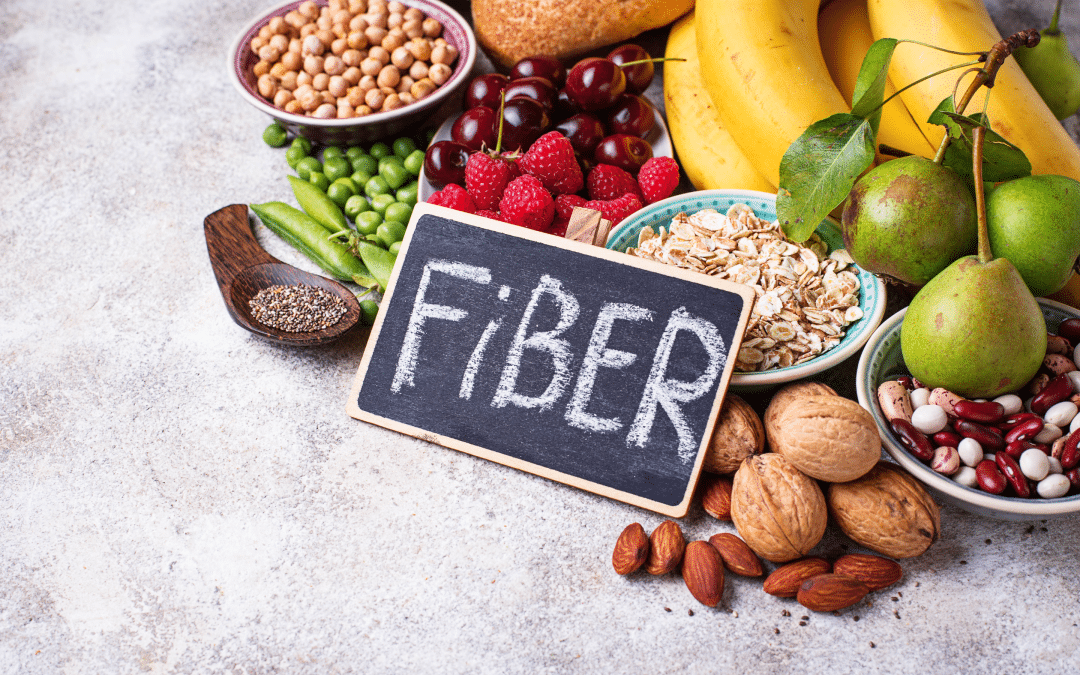
In the grand narrative of human nutrition, some heroes bask in the spotlight – protein for muscle, vitamins for vitality, healthy fats for brainpower. Yet, quietly, diligently, often overlooked, another protagonist performs a symphony of essential functions, orchestrating health from within: fiber. It’s the unsung champion, a complex carbohydrate that, unlike its more glamorous counterparts, our bodies can’t fully digest. But this very indigestibility is its superpower, transforming it from a mere dietary component into a profound architect of our well-being, particularly in the twin pillars of gut health and weight management.
For too long, fiber has been relegated to a supporting role, primarily associated with digestive regularity – a mere broom sweeping through our intestines. While it certainly excels at that, this simplistic view does a disservice to its intricate, far-reaching influence. In a world grappling with chronic diseases, escalating obesity rates, and a growing understanding of the gut microbiome's pivotal role in systemic health, it's time for fiber to take center stage. This is the story of fiber, not as a humble bulking agent, but as the sophisticated, multi-talented nutrient that holds keys to a healthier, more balanced existence.
Chapter 1: The Gut’s Best Friend – A Deep Dive into Microbiome Magic
To truly appreciate fiber, we must first journey into the bustling metropolis within us: the gut. Specifically, the large intestine, home to trillions of microorganisms collectively known as the gut microbiome. This vibrant ecosystem, comprising bacteria, viruses, fungi, and other microbes, is not merely a passenger in our digestive tract; it is an active, influential organ, profoundly shaping our metabolism, immune system, mood, and overall health. And its primary fuel, its lifeblood, is fiber.
Fiber isn't a monolithic entity; it’s a diverse family of plant-based carbohydrates, broadly categorized into soluble and insoluble forms, with functional fibers also playing a crucial role. Each type contributes uniquely to the gut’s harmonious operation.
Soluble Fiber: The Prebiotic Powerhouse
Imagine the gut as a garden. The beneficial bacteria are the flourishing plants, and soluble fiber is the rich, fertile soil that nourishes them. When soluble fiber, found abundantly in oats, barley, nuts, seeds, beans, lentils, and many fruits and vegetables, enters the large intestine, it dissolves in water to form a gel-like substance. This slows down digestion, but more importantly, it becomes a feast for our gut's most cherished residents: beneficial bacteria like Bifidobacteria and Lactobacillus.
These microbes, through a process called fermentation, break down soluble fiber, producing a remarkable array of compounds known as Short-Chain Fatty Acids (SCFAs). The three most significant SCFAs are butyrate, acetate, and propionate, and their impact reverberates throughout the body:
Butyrate: The Gut’s Guardian and Energy Source: Often hailed as the most critical SCFA, butyrate is the primary energy source for the colonocytes, the cells lining the large intestine. By nourishing these cells, butyrate helps maintain the integrity of the gut barrier – a crucial defense mechanism that prevents undigested food particles, toxins, and pathogens from "leaking" into the bloodstream (a condition often referred to as "leaky gut" or increased intestinal permeability). Beyond local gut health, butyrate exhibits potent anti-inflammatory properties, playing a role in immune modulation and potentially reducing the risk of inflammatory bowel diseases (IBD) and colorectal cancer. It even has epigenetic effects, influencing gene expression in ways that promote cellular health and suppress tumor growth.
Acetate: The Systemic Messenger: Acetate is the most abundant SCFA and is readily absorbed into the bloodstream. It travels to various organs, where it can be used for energy or as a substrate for lipid synthesis. Research suggests acetate plays a role in regulating appetite and glucose homeostasis, acting as a signaling molecule between the gut and other metabolic organs.
Propionate: The Metabolic Regulator: Propionate, like acetate, is absorbed and can influence metabolic processes. It has been shown to potentially inhibit cholesterol synthesis in the liver and may contribute to satiety signaling, influencing energy intake and glucose regulation.
The collective action of SCFAs paints a picture of fiber's profound systemic influence. They don't just feed bacteria; they transform the gut environment, promote immune resilience, reduce systemic inflammation, and even communicate with the brain.
Insoluble Fiber: The Gut’s Gentle Scrubber
While soluble fiber nurtures, insoluble fiber – found in whole grains, the skins of fruits and vegetables, nuts, and seeds – provides structure and bulk. It doesn't dissolve in water and largely passes through the digestive tract intact. Its primary role is to add bulk to stool, which helps accelerate the passage of food and waste through the intestines. This "scrubbing" effect is vital for:
- Preventing Constipation: By increasing stool volume and softening it, insoluble fiber facilitates smoother bowel movements, reducing the risk of constipation, hemorrhoids, and diverticular disease.
- Detoxification: Faster transit time means less opportunity for potential toxins and carcinogens in waste to linger in contact with the intestinal lining, thereby reducing their absorption and potential for harm.
- Maintaining Gut Motility: Regular movement of intestinal contents is essential for a healthy digestive system, and insoluble fiber plays a key role in maintaining this rhythm.
The Gut-Brain Axis: A Fiber-Fueled Connection
The discovery of the gut-brain axis has revolutionized our understanding of health. This bidirectional communication pathway, linking the central nervous system with the enteric nervous system of the gut, means that the state of our gut directly influences our mood, cognition, and stress response. Fiber, by shaping the microbiome, becomes a critical player in this intricate dialogue.
A diverse, healthy microbiome, fostered by a high-fiber diet, produces a greater variety of SCFAs and other neuroactive compounds. These compounds can influence the production of neurotransmitters like serotonin (a significant portion of which is produced in the gut), dopamine, and GABA, which are crucial for mood regulation. Studies have shown correlations between higher fiber intake, increased SCFA production, and reduced symptoms of anxiety and depression. Fiber, therefore, is not just nourishing the body; it’s quietly tending to the mind.
Immune System Modulation: Fiber as a Shield
The gut is the largest immune organ in the body, with an estimated 70-80% of our immune cells residing there. The gut microbiome, and thus fiber, plays a pivotal role in training and modulating our immune system. SCFAs, particularly butyrate, have been shown to regulate immune cell function, promote the development of regulatory T-cells (which prevent autoimmune responses), and reduce systemic inflammation. A high-fiber diet can lead to a more robust, balanced immune response, helping the body fight off infections and potentially reducing the risk of chronic inflammatory conditions and autoimmune diseases.
In essence, fiber is the cornerstone of a thriving gut ecosystem. It’s the architect of diversity, the engineer of beneficial compounds, and the silent guardian of our internal environment. Without it, the gut descends into dysbiosis – an imbalance of microbial populations – leading to a cascade of negative health consequences, from digestive discomfort to systemic inflammation and impaired immunity.
Chapter 2: The Weight Whisperer – How Fiber Masterfully Manages Your Waistline
Beyond its foundational role in gut health, fiber emerges as a surprisingly powerful ally in the battle against excess weight. In an era dominated by restrictive diets and fleeting weight loss trends, fiber offers a sustainable, holistic approach to weight management, working through multiple elegant mechanisms that promote satiety, regulate metabolism, and optimize energy balance.
Satiety and Fullness: The End of Endless Hunger
One of fiber's most immediate and impactful benefits for weight control is its profound effect on satiety – the feeling of fullness and satisfaction that reduces the desire to eat. This isn't a simple trick; it's a multi-pronged approach:
Bulking Effect (Insoluble Fiber): Insoluble fiber, by adding volume to food without contributing calories, physically fills the stomach. This mechanical stretch sends signals to the brain, indicating fullness and reducing hunger pangs. Imagine eating a large bowl of leafy greens versus a small, calorie-dense candy bar – the physical volume of the greens is far more satisfying.
Gel Formation (Soluble Fiber): When soluble fiber mixes with water in the stomach, it forms a viscous, gel-like substance. This gel slows down gastric emptying, meaning food stays in the stomach for longer. A slower release of nutrients into the small intestine leads to a sustained feeling of fullness, preventing the rapid return of hunger often experienced after consuming low-fiber meals.
Hormonal Regulation: Fiber significantly influences the release of appetite-regulating hormones.
- Increased Satiety Hormones: The slower digestion and nutrient absorption, coupled with SCFA production, stimulate the release of gut peptides like Cholecystokinin (CCK), Glucagon-Like Peptide-1 (GLP-1), and Peptide YY (PYY). These hormones are potent satiety signals, communicating to the brain that the body is fed and satisfied. GLP-1, in particular, also slows gastric emptying and improves insulin sensitivity.
- Reduced Hunger Hormones: Conversely, fiber-rich meals can help suppress the production of ghrelin, the "hunger hormone," which typically rises before meals to stimulate appetite. By keeping ghrelin levels lower for longer, fiber helps mitigate the urge to snack or overeat.
Blood Sugar Stabilization: Meals rich in soluble fiber slow down the absorption of glucose into the bloodstream. This prevents rapid spikes in blood sugar, which are often followed by crashes that trigger intense hunger and cravings for quick energy (often in the form of refined carbohydrates). By maintaining stable blood sugar levels, fiber helps eliminate this "blood sugar roller coaster," making it easier to control calorie intake.
Calorie Absorption Reduction: A Subtle but Significant Impact
Fiber doesn't just make you feel full; it can subtly reduce the net calories absorbed from your food.
Binding to Macronutrients: Soluble fiber, particularly, can bind to some fats and carbohydrates in the digestive tract, preventing their complete absorption. While this effect is not dramatic, it can contribute to a slight reduction in absorbed calories over time.
Increased Energy Expenditure: The fermentation of fiber by gut bacteria is an energy-intensive process. While the SCFAs produced do provide some energy, the overall metabolic cost of processing fiber can be slightly higher than for easily digestible macronutrients, contributing marginally to energy expenditure.
Metabolic Health: A Foundation for Sustainable Weight
Weight management isn't just about calories in, calories out; it's deeply intertwined with metabolic health. Fiber plays a crucial role in optimizing metabolic function:
Improved Insulin Sensitivity: By blunting post-meal glucose spikes, fiber reduces the demand on the pancreas to produce large amounts of insulin. Chronic high insulin levels contribute to insulin resistance, a precursor to Type 2 Diabetes and a major barrier to weight loss, as insulin promotes fat storage. Fiber helps maintain optimal insulin sensitivity, allowing cells to respond more effectively to insulin and utilize glucose efficiently.
Cholesterol Reduction: Soluble fiber can help lower LDL ("bad") cholesterol levels. It binds to bile acids in the gut, which are made from cholesterol. These bound bile acids are then excreted, prompting the liver to draw more cholesterol from the bloodstream to produce new bile acids, thereby reducing circulating cholesterol. This contributes to overall cardiovascular health, which is often compromised in individuals struggling with weight.
Reduced Systemic Inflammation: Obesity is often characterized by chronic low-grade systemic inflammation, which can further disrupt metabolic pathways and make weight loss more challenging. Fiber, through its anti-inflammatory SCFAs and its positive impact on gut barrier function, helps quell this inflammation, creating a more favorable metabolic environment for weight management.
Long-Term Weight Management: A Sustainable Approach
Unlike fad diets that promise quick fixes but are unsustainable, increasing fiber intake offers a gentle, natural, and highly effective strategy for long-term weight management. It doesn't require deprivation; rather, it encourages the consumption of nutrient-dense, whole foods that are naturally rich in fiber. By fostering satiety, stabilizing blood sugar, and optimizing metabolic health, fiber empowers individuals to make healthier food choices, reduce overall calorie intake without feeling starved, and maintain a healthy weight consistently. It shifts the focus from restriction to abundance – an abundance of nourishing, fiber-rich foods that naturally guide the body towards its optimal balance.
Chapter 3: Beyond the Gut and Gut – A Symphony of Systemic Benefits
While gut health and weight control are compelling reasons to prioritize fiber, its influence extends far beyond these two domains, orchestrating a symphony of benefits across nearly every system of the body. Fiber is not merely a nutrient; it's a fundamental pillar of holistic health, protecting against chronic diseases and enhancing overall vitality.
Cardiovascular Health: Guarding the Heart and Vessels
Heart disease remains the leading cause of mortality globally, and fiber stands as a potent protector. Its mechanisms are multifaceted:
Cholesterol Lowering (Revisited): As discussed, soluble fiber's ability to bind to bile acids and facilitate their excretion forces the liver to synthesize new bile acids from circulating cholesterol, effectively lowering LDL cholesterol levels. This is a direct pathway to reducing arterial plaque formation.
Blood Pressure Regulation: High blood pressure is a significant risk factor for heart disease. Studies consistently show that higher fiber intake is associated with lower blood pressure. This effect is likely due to several factors, including improved insulin sensitivity, reduced systemic inflammation, and the production of SCFAs which can influence vascular tone and endothelial function.
Reduced Inflammation: Chronic inflammation is a major driver of atherosclerosis (hardening of the arteries). By fostering a healthy gut microbiome and producing anti-inflammatory SCFAs, fiber helps dampen systemic inflammation, thereby protecting the cardiovascular system.
Improved Blood Vessel Function: A healthy gut microbiome, fueled by fiber, can improve the function of the endothelium, the inner lining of blood vessels. This enhances vasodilation (the widening of blood vessels), promoting better blood flow and reducing strain on the heart.
Blood Sugar Control: A Shield Against Diabetes
The rising tide of Type 2 Diabetes is a global health crisis, and fiber offers a robust defense. Its role in glycemic control is paramount:
Slowing Glucose Absorption: Soluble fiber forms a gel that slows the rate at which carbohydrates are digested and glucose enters the bloodstream. This prevents rapid, high spikes in blood sugar after meals, reducing the burden on the pancreas to produce large amounts of insulin.
Enhanced Insulin Sensitivity: By preventing chronic hyperinsulinemia (persistently high insulin levels), fiber helps maintain the body's sensitivity to insulin. When cells are sensitive to insulin, they efficiently absorb glucose from the blood, preventing its accumulation and reducing the risk of insulin resistance, a hallmark of Type 2 Diabetes.
Impact on Postprandial Glycemia: The "after-meal" blood sugar response is critical. Fiber-rich meals lead to a much flatter, more sustained glucose curve, which is healthier for the body than sharp peaks and valleys. This consistent control is vital for preventing the cellular damage associated with chronic high blood sugar.
Cancer Prevention: A Dietary Defense Mechanism
Perhaps one of fiber's most profound and life-saving benefits is its role in cancer prevention, particularly colorectal cancer, but also potentially other forms.
Colorectal Cancer:
- Reduced Transit Time: Insoluble fiber speeds up the passage of waste through the colon, reducing the time that potential carcinogens in the stool are in contact with the intestinal lining.
- Dilution of Carcinogens: Fiber adds bulk to stool, effectively diluting the concentration of any carcinogens present.
- SCFA Production: Butyrate, a key SCFA, is a potent anti-cancer compound. It induces apoptosis (programmed cell death) in cancer cells, inhibits their proliferation, and has anti-inflammatory properties that protect against tumor initiation and progression.
- Binding to Carcinogens: Certain fibers can bind to harmful substances, including some carcinogens, facilitating their excretion from the body before they can cause damage.
Other Cancers: Research suggests that high-fiber diets may also reduce the risk of other cancers, including breast, prostate, and ovarian cancers. This broader protective effect may be attributed to fiber's role in:
- Hormonal Modulation: Some fibers can influence estrogen metabolism and excretion, potentially reducing the risk of hormone-sensitive cancers.
- Weight Control: Maintaining a healthy weight through fiber intake reduces a significant risk factor for many types of cancer.
- Reduced Systemic Inflammation: Chronic inflammation is a known promoter of cancer development and progression.
Detoxification: A Natural Internal Cleanser
Our bodies are constantly exposed to toxins, both from the environment and as byproducts of metabolism. Fiber plays a critical role in the body's natural detoxification processes:
Binding and Excretion: Certain types of fiber can bind to toxins, heavy metals, and excess hormones in the digestive tract, preventing their reabsorption and facilitating their safe excretion from the body through stool. This reduces the toxic load on the liver and kidneys.
Healthy Bowel Movements: Regular, complete bowel movements, promoted by adequate fiber, are essential for eliminating waste and toxins from the body. Sluggish digestion allows toxins to linger and potentially be reabsorbed.
Immune System Enhancement: Beyond the Gut
While we touched upon fiber's role in gut-based immunity, its benefits extend systemically. A robust gut microbiome, fueled by fiber, produces a diverse array of metabolites that communicate with immune cells throughout the body. This continuous signaling helps to train the immune system, preventing overreactions (like allergies and autoimmune conditions) and ensuring it's ready to defend against pathogens. Fiber, therefore, is not just a nutrient for the gut; it's a critical component of a resilient, well-balanced immune system that protects us from a spectrum of illnesses.
Longevity and Quality of Life: The Holistic Perspective
When we synthesize all these benefits – improved gut health, stable weight, a healthy heart, controlled blood sugar, cancer prevention, and a robust immune system – a clear picture emerges: fiber is a cornerstone of longevity and a high quality of life. It’s not about merely extending years but enhancing the vitality within those years. Individuals with high fiber intake tend to experience fewer chronic diseases, greater energy levels, better cognitive function, and an overall sense of well-being. Fiber empowers the body's intrinsic healing and maintenance mechanisms, allowing it to function optimally for longer.
Chapter 4: The Fiber Famine – Why We're Falling Short and How to Fix It
Despite the overwhelming evidence of fiber's profound benefits, most people in Western societies are suffering from a "fiber famine." The recommended daily intake for adults is generally 25-30 grams, yet the average person consumes a meager 10-15 grams. This significant shortfall is not accidental; it's a direct consequence of the modern diet and lifestyle.
The Modern Diet Dilemma: A Legacy of Refinement
Our ancestral diets, rich in whole plant foods, naturally provided abundant fiber. However, the industrialization of food production has led to a widespread shift towards highly processed, refined foods that are stripped of their natural fiber content.
- Refined Grains: White flour, white rice, and many breakfast cereals have had their bran (fiber-rich outer layer) and germ (nutrient-rich core) removed, leaving behind only the starchy endosperm.
- Processed Foods: Most convenience foods, snacks, and sugary beverages are devoid of fiber, despite often being calorie-dense.
- Reduced Plant Intake: A general decline in the consumption of fruits, vegetables, legumes, nuts, and seeds, which are the primary sources of dietary fiber, further exacerbates the problem.
- Emphasis on Animal Products: While animal products are excellent sources of protein and certain micronutrients, they contain no dietary fiber. A diet heavily reliant on meat and dairy, without sufficient accompanying plant foods, will naturally be low in fiber.
This widespread "fiber deficiency" is a silent epidemic, contributing significantly to the rise of chronic diseases like obesity, Type 2 Diabetes, heart disease, and digestive disorders that plague modern society. We've optimized for convenience, taste, and shelf-life, often at the expense of fundamental nutritional integrity.
Practical Strategies for Boosting Fiber: Reclaiming Our Health
Reversing the fiber famine doesn't require drastic, unpalatable changes; it's about conscious choices and gradual integration. The goal is to weave more whole, unprocessed plant foods into every meal and snack.
Embrace Whole Grains:
- Swap White for Brown: Choose whole wheat bread, pasta, and brown rice instead of their refined white counterparts.
- Start with Oats: A bowl of oatmeal for breakfast is an excellent source of soluble fiber.
- Explore Ancient Grains: Quinoa, farro, barley, and buckwheat are delicious and fiber-rich alternatives.
Legumes: The Unsung Superfood:
- Beans, Lentils, Chickpeas: These are powerhouse sources of both soluble and insoluble fiber, along with protein. Add them to soups, stews, salads, or make them the star of a meal (e.g., lentil curry, black bean burgers).
- Hummus: A delicious way to incorporate chickpeas into snacks.
Fruits and Vegetables: Nature's Bounty:
- Eat the Rainbow: Aim for a wide variety of colorful fruits and vegetables daily.
- Don't Peel: Whenever possible, eat the skins of fruits and vegetables (apples, pears, potatoes) as they are packed with insoluble fiber.
- Berries: Raspberries, blueberries, and blackberries are particularly high in fiber.
- Leafy Greens: Spinach, kale, and collard greens add bulk and nutrients.
- Cruciferous Vegetables: Broccoli, cauliflower, and Brussels sprouts are excellent sources.
Nuts and Seeds: Small but Mighty:
- Chia Seeds, Flax Seeds: These are incredibly rich in soluble fiber and omega-3 fatty acids. Add them to smoothies, yogurt, or oatmeal.
- Almonds, Walnuts, Pistachios: A handful of nuts makes a great fiber-rich snack.
- Nut Butters: Choose natural nut butters without added sugars.
Gradual Increase and Hydration:
- Start Slow: If your current fiber intake is low, gradually increase it over several weeks. A sudden, large increase can lead to bloating, gas, and discomfort as your gut microbiome adjusts.
- Drink Water: Fiber needs water to do its job effectively. Soluble fiber absorbs water to form its gel, and insoluble fiber requires water to move smoothly through the digestive tract. Increase your water intake as you increase fiber to prevent constipation.
Fiber Supplements: A Supportive Role, Not a Replacement:
- While whole foods are always the preferred source of fiber due to their accompanying vitamins, minerals, and phytonutrients, fiber supplements (like psyllium husk or glucomannan) can be helpful for individuals struggling to meet their needs or for specific therapeutic purposes. However, they should not be seen as a substitute for a diverse, plant-rich diet.
Reclaiming fiber in our diets is not just a dietary tweak; it's a conscious decision to nourish our bodies at a fundamental level. It’s an investment in a healthier gut, a balanced weight, and a future free from many of the chronic ailments that plague our modern world.
Conclusion: The Fiber Renaissance
The story of fiber is one of quiet power, a narrative often overshadowed but ultimately essential. It is the story of an unassuming nutrient that, through its indigestibility, becomes the very foundation of gut health, orchestrating a vibrant microbiome that influences nearly every aspect of our physiology. It is the story of a master weight whisperer, offering sustainable control through satiety, metabolic regulation, and a gentle reduction in calorie absorption. And it is the story of a systemic guardian, protecting our hearts, stabilizing our blood sugar, shielding us from cancer, and bolstering our immune defenses.
In a world obsessed with quick fixes and isolated nutrients, fiber reminds us of the profound wisdom embedded in whole foods. It teaches us that nourishment is not just about what our bodies can extract, but also about what we provide for the trillions of microbial partners that call us home. The "fiber famine" of the modern diet is a stark reminder of how far we have strayed from the dietary patterns that supported human health for millennia.
But this story doesn't end in deficit; it offers a hopeful path forward – a "fiber renaissance." By consciously re-embracing the abundance of whole grains, legumes, fruits, vegetables, nuts, and seeds, we embark on a journey of profound self-care. We choose not just to eat, but to nourish. We choose not just to live, but to thrive. Fiber, the underrated nutrient, is waiting to reclaim its rightful place as a cornerstone of our health, guiding us towards a future of vitality, balance, and well-being, one delicious, fiber-rich bite at a time.


