From Frizz to Fabulous: Mastering the Art of Low-Heat, High-Health Styling
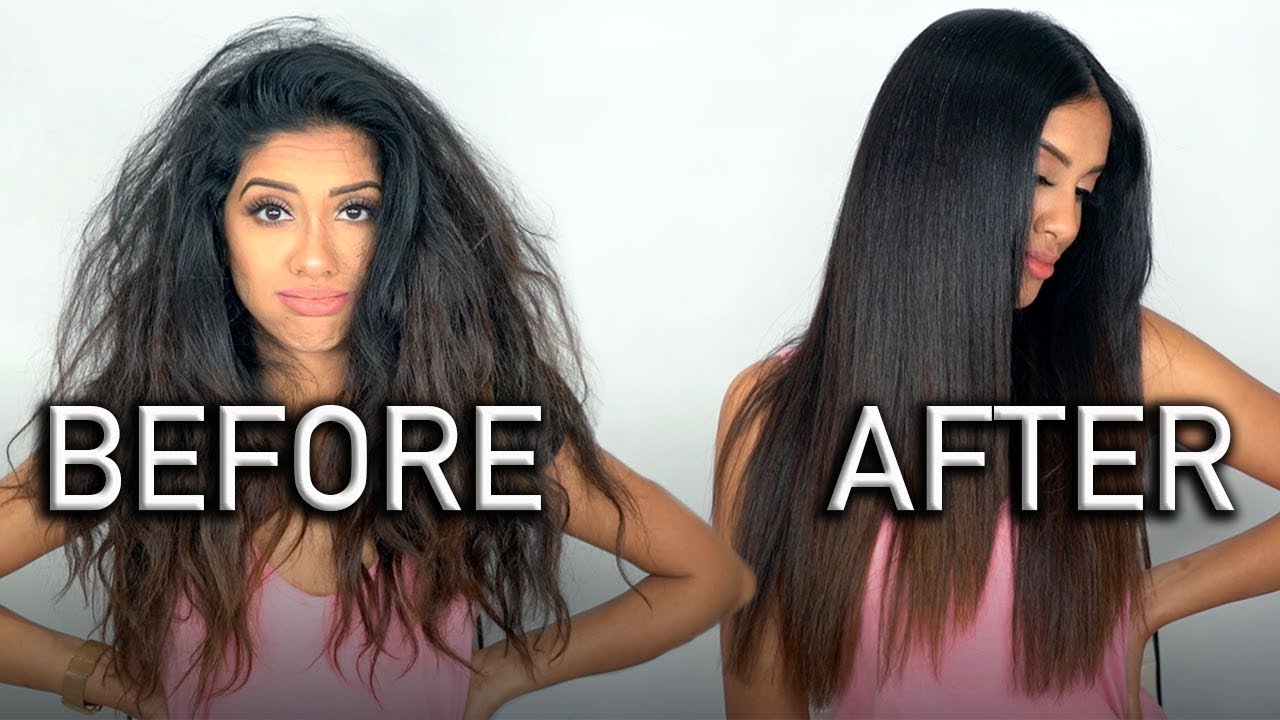
The siren call of sleek, perfectly coiffed hair has long echoed through the annals of beauty. For decades, the mantra was simple: high heat, high hold, high impact. We wielded our flat irons and curling wands like magic instruments, chasing the ephemeral dream of flawless strands, often at a steep cost to our hair's very integrity. The result? A silent epidemic of frizz, breakage, dullness, and a never-ending cycle of damage control. But what if the secret to truly fabulous hair wasn't found in escalating temperatures, but in a quiet revolution – a conscious pivot towards low-heat, high-health styling?
This isn't merely a trend; it's a paradigm shift, an artistic mastery that redefines beauty from the inside out. It's a journey from the tyranny of the curling iron to the liberation of healthy, vibrant hair that speaks for itself. For the knowledgeable connoisseur of beauty, the discerning individual who understands that true elegance stems from vitality, this exploration delves deep into the science, the philosophy, and the practical application of nurturing your hair back to its glorious, resilient best.
The Silent Scream of Damaged Strands: Understanding the Enemy
Before we embark on our journey to restoration, it's crucial to understand the battlefield. Our hair, a marvel of biological engineering, is composed primarily of keratin, a protein. Each strand has three main layers: the medulla (the innermost core, often absent in fine hair), the cortex (the thickest layer, containing the hair's pigment and strength), and the cuticle (the outermost protective layer, composed of overlapping scales, much like shingles on a roof).
High heat, while seemingly offering instant gratification, is a brutal assailant. When exposed to temperatures exceeding 300°F (and many tools go far beyond this), several devastating processes occur:
- Protein Denaturation: The keratin proteins in the cortex literally begin to unravel and lose their structural integrity. Imagine a tightly wound spring suddenly being stretched out and losing its coil – it can't snap back with the same force. This leads to weakened hair, reduced elasticity, and increased susceptibility to breakage.
- Cuticle Lifting and Cracking: The protective cuticle scales, designed to lie flat and smooth, are violently lifted and cracked by excessive heat. This exposes the vulnerable cortex, allowing moisture to escape and external aggressors to penetrate. The result is the dreaded frizz, dullness, and a rough texture.
- Moisture Depletion: Hair's natural moisture content is vital for its flexibility and shine. High heat rapidly evaporates this internal moisture, leaving the hair parched, brittle, and prone to static.
- Lipid Layer Disruption: Our hair has a natural lipid (fatty acid) layer that acts as a protective barrier and contributes to shine. Heat can degrade this layer, further compromising the hair's defenses and making it feel rough and look lackluster.
- Disulfide Bond Disruption: While chemical treatments like perms and relaxers are the primary disruptors of these strong internal bonds, extreme heat can also contribute to their weakening, leading to a permanent change in hair's texture and elasticity.
The cumulative effect of this damage is a hair shaft that has lost its vitality, its shine, its strength, and its ability to hold a style naturally. It becomes a vicious cycle: damaged hair requires more styling to look "good," which in turn causes more damage. Breaking free requires a fundamental shift in philosophy.
The Philosophy of Nurture: A New Relationship with Your Hair
Mastering low-heat, high-health styling isn't just about techniques; it's about cultivating a new relationship with your hair. It's an act of respect, patience, and mindful intention.
- Patience as a Virtue: The most significant hurdle for many is the instant gratification habit. Low-heat styling often takes longer, especially when air-drying or using heatless methods. Embrace this slower pace. View it as an opportunity for self-care, a moment of calm in a frantic world.
- Hair as an Ecosystem: Think of your hair not as a separate entity, but as an extension of your body, an ecosystem that thrives with proper care and attention. Scalp health, internal nutrition, and external protection all play symbiotic roles.
- Embracing Natural Texture: The ultimate goal isn't to force your hair into an unnatural state every day, but to enhance its inherent beauty. Whether your hair is straight, wavy, curly, or coily, learn to love and work with its natural texture. Low-heat styling allows your natural pattern to emerge and flourish.
- The Long-Term Vision: This approach is an investment. The immediate results might not be as dramatic as a high-heat blowout, but the long-term payoff – healthier, stronger, more vibrant hair – is far more rewarding. It’s about building resilience, not just masking damage.
The Foundation: Preparing Your Canvas for Greatness
Just as a painter prepares their canvas, so too must you prepare your hair. The right hair care regimen forms the bedrock of low-heat styling success, ensuring your strands are strong, hydrated, and ready to be styled with minimal intervention.
Gentle Cleansing:
- Sulfate-Free Shampoos: Sulfates are harsh detergents that can strip hair of its natural oils, leading to dryness and frizz. Opt for gentle, sulfate-free formulas that cleanse without over-drying.
- Co-Washing: For very dry, curly, or coily hair, co-washing (conditioning-only washing) can be a game-changer. It cleanses with conditioners, preserving natural oils.
- Clarifying: Periodically, a clarifying shampoo (once a month or less, depending on product buildup) is essential to remove residue that can weigh hair down and prevent products from penetrating. Always follow with a deep conditioner.
- Technique: Focus shampoo on the scalp, allowing the suds to gently cleanse the lengths as you rinse. Avoid vigorous scrubbing of the hair shaft.
Strategic Conditioning & Treatment:
- Daily Conditioner: Choose a conditioner appropriate for your hair type – lightweight for fine hair, richer for thick/dry hair. Apply from mid-lengths to ends, gently detangling with your fingers or a wide-tooth comb in the shower.
- Deep Conditioners/Hair Masks: These are non-negotiable for low-heat devotees. Use 1-2 times a week. Look for ingredients like shea butter, argan oil, coconut oil, ceramides, and hyaluronic acid. They replenish moisture, strengthen the hair shaft, and improve elasticity.
- Leave-In Conditioners: A vital step, especially for those prone to dryness or tangles. They provide continuous hydration, heat protection (even for ambient heat), and help seal the cuticle. Creams, sprays, or oils can be chosen based on hair type.
- Protein Treatments: If your hair feels mushy, overly stretchy when wet, or lacks structure, it might need protein. Balance protein with moisture, as too much of either can cause issues. Bond-building treatments (like Olaplex or K18) are excellent for repairing damage at a molecular level, a must for anyone recovering from past heat trauma.
Pre-Styling Essentials:
- Heat Protectants (Even for Low Heat!): This cannot be stressed enough. Even at lower temperatures, heat can still cause damage. A good heat protectant forms a protective barrier, slows down heat transfer, and often contains polymers that smooth the cuticle. Apply evenly to damp hair before any heat application.
- Gentle Detangling: Never detangle dry hair. Always detangle when damp, saturated with conditioner or leave-in. Start from the ends and work your way up using a wide-tooth comb or a detangling brush designed for wet hair. Aggressive detangling causes breakage.
- Microfiber Towels/Old T-Shirts: Ditch the rough terry cloth towel. It creates friction, roughs up the cuticle, and contributes to frizz. Microfiber towels or soft cotton t-shirts absorb excess water gently, minimizing damage. Gently squeeze and blot, don't rub.
Scalp Health: The Unsung Hero:
- Healthy hair begins at the root. A healthy scalp environment promotes stronger, healthier hair growth.
- Exfoliation: Use a scalp scrub or chemical exfoliant (like salicylic acid) periodically to remove buildup and flakes.
- Massage: Regular scalp massages increase blood circulation, which can stimulate hair follicles.
- Targeted Serums: Address specific concerns like dryness, oiliness, or thinning with appropriate scalp serums.
The Art of the Gentle Touch: Mastering Low-Heat Techniques
With your canvas prepared, it's time to wield your tools with precision and intention. The goal is to achieve desired styles with the least amount of heat possible, prioritizing natural movement and health.
The Zen of Air Drying:
- This is the ultimate low-heat method, requiring patience and technique.
- Plopping (for waves/curls): After washing, apply products, then "plop" your hair onto a cotton t-shirt or microfiber towel, gathering it on top of your head. This encourages curl formation and absorbs excess water without friction. Leave for 15-30 minutes, then air dry or diffuse on cool.
- Scrunching: For waves and curls, gently scrunch upwards with your hands to encourage pattern formation. Avoid touching too much once partially dry to prevent frizz.
- Braids & Twists: For a natural wave or texture, loosely braid or twist damp hair. The tighter the braid, the more defined the wave. French braids or Dutch braids can create beautiful, flowing waves.
- Loose Buns/Pin Curls: For soft waves, twist sections of damp hair into small buns and secure with a soft scrunchie or bobby pin. Pin curls can create more defined waves or curls.
- Intermittent Drying: Allow hair to air dry 70-80% before using any heat. This drastically reduces the time your hair is exposed to heat.
The Strategic Diffuse (Cool/Low):
- A diffuser attachment on a blow dryer is your best friend for enhancing natural texture, especially waves and curls, without blast-drying.
- Settings: Always use the lowest heat and lowest speed settings. Cool air is ideal, but low heat can be acceptable if necessary, always with a heat protectant.
- Technique: Gently cup sections of hair into the diffuser bowl, lifting it towards your scalp. Hold in place for a few seconds, then move to the next section. Avoid aggressive shaking or rubbing. Focus on drying the roots first to add volume.
- "Hover Diffusing": For a softer look, you can also hover the diffuser around your head without touching the hair directly, allowing the air to circulate.
- Patience: This process takes time, but the defined, frizz-free results are worth it.
Heat Tools: When, How, and Why Less is More:
- The goal is to minimize heat tool usage, not eliminate it entirely if you still desire certain styles.
- Always on Dry Hair: Never, ever use a hot tool on damp or wet hair. The sizzling sound is literally your hair boiling from the inside out. Ensure hair is 100% dry.
- Temperature Control is Key: This is paramount. Most professional tools offer a range of temperatures.
- Fine/Damaged/Color-Treated Hair: Aim for 250-300°F (120-150°C).
- Medium/Normal Hair: 300-350°F (150-175°C).
- Thick/Coarse/Resistant Hair: 350-375°F (175-190°C).
- Never exceed 375°F (190°C) if you value your hair's health. Many tools go up to 450°F, which is destructive.
- Quality Tools Matter: Invest in tools with ceramic, tourmaline, or titanium plates/barrels.
- Ceramic: Heats evenly, reducing hot spots.
- Tourmaline: Emits negative ions, which help seal the cuticle and reduce frizz.
- Titanium: Heats quickly and maintains high heat, best for thick, coarse hair (but use with extreme caution at lower temps).
- Technique for Flat Irons:
- Work in small, thin sections.
- One slow, steady pass is better than multiple quick passes.
- Maintain gentle tension.
- Use a comb to guide the hair through the plates.
- Technique for Curling Irons/Wands:
- Wrap hair around the barrel, rather than clamping tightly (if using a wand).
- Hold for just 5-10 seconds, depending on hair type and desired curl. A longer hold at a lower temperature is less damaging than a short hold at a scorching temperature.
- Pin curls in place after releasing from the iron to cool and set.
- Blow Dryers (when not diffusing): If you must blow dry straight, use a concentrator nozzle, medium heat, and medium speed. Always move the dryer, don't hold it still on one spot. Finish with a blast of cool air to seal the cuticle and add shine.
Heatless Styling: The Ultimate Hair Vacation:
- These methods are your hair's best friend.
- Flexi-Rods/Satin Rollers: Applied to damp hair, these can create beautiful curls and waves overnight without any heat. Ensure hair is only damp, not wet, to allow it to dry completely.
- Velcro Rollers: For volume and soft waves. Apply to dry hair for a short period or slightly damp hair for a longer set. A cool shot from a blow dryer can help set them.
- Braids & Buns (Overnight): As mentioned, these are excellent for creating texture. A high bun on top of the head can create volume at the roots and soft waves through the lengths.
- Pillow Soft Curlers/Foam Rollers: Comfortable to sleep in and yield lovely results.
- Hair Wraps/Headbands: Can be used to create soft waves or stretched styles.
Protective Styles:
- Give your hair a break from manipulation and styling. Braids, twists, updos, and buns can protect your ends from environmental damage and friction.
- Ensure protective styles aren't too tight, which can cause tension alopecia.
The Sustenance: Maintaining Your Hair's Zenith of Health
Achieving fabulous hair through low-heat styling is an ongoing commitment. It requires continuous nurture and mindful practices.
- Regular Trims: Split ends are irreversible damage. Regular trims (every 8-12 weeks, or as needed) prevent splits from traveling up the hair shaft, maintaining the overall health and integrity of your ends.
- Protective Sleeping:
- Satin/Silk Pillowcases: These create less friction than cotton, reducing tangles, frizz, and breakage overnight.
- Hair Bonnets/Wraps: Especially beneficial for curly, coily, or textured hair, they protect your style and prevent moisture loss.
- Loose Braids/Buns: Sleeping with hair in a loose braid or bun can prevent tangling and protect the ends.
- Internal Health: Fueling from Within:
- Diet: A balanced diet rich in protein, vitamins (especially A, C, D, E, B-complex), and minerals (iron, zinc, selenium) is fundamental for healthy hair growth. Think leafy greens, lean proteins, healthy fats (avocado, nuts, seeds).
- Hydration: Drink plenty of water. Just like your skin, your hair needs internal hydration to thrive.
- Sun Protection: Your hair can get sunburned! UV rays degrade keratin and fade color. Use UV-protective hair sprays or wear hats when spending extended time in the sun.
- Mindful Product Selection: Read ingredient lists. Opt for products that nourish, protect, and enhance your hair's natural state. Avoid harsh chemicals, excessive silicones (unless easily washed out), and drying alcohols.
- Patience and Consistency: The journey from frizz to fabulous isn't a sprint; it's a marathon. Consistency in your low-heat practices and hair care routine will yield the most profound and lasting results.
The Transformation: From Frizz to Fabulous, Redefined
The culmination of this journey is not just visibly healthier hair, but a deeper sense of confidence and liberation. The "fabulous" is no longer about a rigidly perfect, heat-sculpted façade, but about the vibrant, resilient, and authentic beauty of hair that is truly cared for.
Imagine hair that feels soft to the touch, boasts a natural, radiant shine, and moves with an effortless bounce. Picture strands that are strong enough to withstand daily life, less prone to breakage, and hold a style with ease. This isn't a fantasy; it's the reality that awaits those who embrace the art of low-heat, high-health styling.
It's a rebellion against the quick fix, a commitment to long-term vitality. It's understanding that true beauty is cultivated, not forced. By mastering the art of the gentle touch, by nurturing your hair with intention and knowledge, you unlock its inherent potential, transforming it from a source of frustration to a crown of genuine, undeniable fabulousness. Your hair will thank you, and the world will notice.


