From Omnivore to Veggie: A Beginner's Guide to Healthy Plant-Based Eating
The aroma of sizzling bacon, the comforting weight of a steak on the plate, the crisp skin of a roasted chicken – these are not just food memories; for many, they are foundational pillars of identity, culture, and daily routine. To contemplate dismantling these pillars and rebuilding one's entire dietary landscape can feel like standing at the edge of a vast, unknown ocean. Yet, an ever-increasing number of individuals are doing just that, drawn by the compelling currents of health, ethics, and environmental stewardship.
This isn't merely a diet trend; it's a profound re-evaluation of our relationship with food, a deliberate pivot towards a more conscious and sustainable way of living. For the discerning individual, the journey from omnivore to plant-based eater is less a sprint and more a meticulously planned expedition. It’s a story of discovery, challenge, and ultimately, transformation – a narrative we will explore, not just as a set of instructions, but as a lived experience, rich with nuance and informed by a growing body of scientific understanding.
The Seed of Change: Why Embark on This Journey?
Before we chart the course, it's crucial to understand the motivations that compel such a significant shift. For a knowledgeable audience, these aren't superficial reasons, but rather deep-seated concerns rooted in contemporary global challenges and personal well-being. The decision to embrace a plant-based lifestyle often germinates from one or a confluence of three primary drivers:
1. The Health Imperative: A Quest for Optimal Well-being
For many, the initial spark is a desire for improved health, a proactive measure against the escalating tide of chronic diseases. The scientific literature increasingly points towards the profound benefits of a diet rich in whole, plant-based foods.
- Cardiovascular Health: A plant-based diet, typically lower in saturated fat and cholesterol and abundant in fiber and phytonutrients, is a powerful antidote to cardiovascular disease. Studies consistently demonstrate its efficacy in lowering LDL ("bad") cholesterol, reducing blood pressure, and improving endothelial function. The absence of dietary cholesterol and the high fiber content work synergistically to maintain arterial health, often reversing plaque buildup in individuals already afflicted.
- Type 2 Diabetes Prevention and Management: The high fiber content of plant foods contributes to better glycemic control by slowing sugar absorption, while the emphasis on whole grains over refined carbohydrates further stabilizes blood glucose levels. Plant-based diets have shown remarkable success in both preventing and managing Type 2 Diabetes, often leading to reduced medication requirements.
- Weight Management: While not solely a "weight loss diet," the inherent satiety derived from fiber-rich plant foods, coupled with their lower caloric density compared to many animal products, naturally supports healthy weight management without restrictive calorie counting.
- Inflammation and Oxidative Stress: Plant foods are a treasure trove of antioxidants and anti-inflammatory compounds. By mitigating chronic inflammation and combating oxidative stress, a plant-based diet plays a crucial role in preventing a host of diseases, including certain cancers, autoimmune conditions, and neurodegenerative disorders. The diverse array of polyphenols, carotenoids, and flavonoids found in fruits, vegetables, and whole grains act as cellular guardians.
- Gut Microbiome Optimization: The fiber in plant foods serves as prebiotics, nourishing beneficial gut bacteria. A healthy, diverse gut microbiome is increasingly recognized as central to immune function, mental health, and nutrient absorption. Shifting to a plant-based diet fundamentally alters the gut ecosystem, fostering a microbial community associated with improved health outcomes.
2. Ethical Considerations: A Moral Compass
Beyond personal health, a profound ethical awakening often guides individuals towards plant-based eating. This realm delves into our moral obligations towards sentient beings and the systems that govern their lives.
- Animal Welfare: The vast majority of meat, dairy, and eggs consumed globally come from industrial animal agriculture, often termed "factory farming." These systems are frequently characterized by extreme confinement, routine mutilations, and environments that deny animals their natural behaviors. For many, the realization of the suffering inherent in these practices becomes an unbearable burden, prompting a commitment to avoid contributing to such systems.
- Sentience and Consciousness: A growing understanding of animal cognition and sentience challenges the traditional view of animals as mere commodities. Research increasingly reveals the complex emotional lives of animals, their capacity for joy, fear, and pain, and their social intelligence. This recognition often fosters a deep empathy that extends beyond human experience.
3. Environmental Stewardship: A Planetary Responsibility
The third, and increasingly urgent, driver is the undeniable impact of our food choices on the planet. For the environmentally conscious, a plant-based diet represents a tangible and powerful way to mitigate ecological degradation.
- Climate Change: Livestock agriculture is a significant contributor to greenhouse gas emissions, particularly methane (from enteric fermentation in ruminants) and nitrous oxide (from manure management and fertilizer use). These gases are far more potent in their warming potential than carbon dioxide. Reducing meat and dairy consumption is widely recognized as one of the most effective individual actions to combat climate change.
- Resource Depletion: Animal agriculture is incredibly resource-intensive. It demands vast tracts of land for grazing and feed crop cultivation, leading to deforestation and habitat loss. It also consumes enormous quantities of fresh water – for drinking, cleaning, and irrigating feed crops – exacerbating water scarcity in many regions.
- Pollution and Biodiversity Loss: Runoff from factory farms, laden with animal waste, antibiotics, and pesticides, pollutes waterways, creating dead zones and threatening aquatic ecosystems. The expansion of agricultural land, driven by demand for animal products, is a primary cause of biodiversity loss, displacing wild species and destroying critical habitats.
These motivations, whether singular or interwoven, provide a robust foundation for embarking on the plant-based journey. They transform the dietary shift from a mere culinary experiment into a purposeful and value-driven endeavor.
The First Steps: Treading Gently on a New Path
The initial decision is often the hardest, but the execution doesn't have to be a sudden, jarring leap. For most, a gradual transition proves more sustainable and enjoyable than an abrupt cold turkey approach. This phased methodology allows for adaptation, discovery, and the development of new habits without feeling overwhelmed.
1. The Gradual Transition: A Phased Approach
- Phase 1: The Flexitarian Foundation (Meatless Mondays & Beyond): Start small. Designate specific days or meals as entirely plant-based. "Meatless Mondays" is a popular entry point, encouraging experimentation with new recipes and ingredients without feeling deprived on other days. Focus on replacing, not just removing. Instead of a chicken stir-fry, try a tofu or tempeh stir-fry.
- Phase 2: The Vegetarian Horizon (Eliminating Red Meat & Poultry): Once comfortable with regular plant-based meals, consider eliminating red meat, then poultry. This might mean transitioning to a pescatarian diet (including fish) initially, or moving directly to vegetarianism (eggs and dairy still included). This phase deepens your understanding of plant-based protein sources and expands your recipe repertoire.
- Phase 3: The Vegan Commitment (Embracing All Plants): For those aiming for a fully vegan lifestyle, this final phase involves consciously removing all animal products: dairy, eggs, honey, and any hidden animal ingredients in processed foods. This requires diligent label reading and a more comprehensive understanding of plant-based alternatives.
2. The Strategic Pantry Overhaul: Rebuilding Your Culinary Arsenal
Don't rush to throw out everything in your pantry. Instead, identify common animal products and gradually introduce plant-based staples. This is about strategic replacement and expansion.
- Legumes: Canned or dried beans (black, kidney, pinto), lentils (red, green, brown), chickpeas, split peas. These are protein powerhouses, fiber-rich, and incredibly versatile.
- Whole Grains: Quinoa, brown rice, oats, farro, barley, whole wheat pasta. Provide complex carbohydrates, fiber, and various micronutrients.
- Nuts and Seeds: Almonds, walnuts, cashews, chia seeds, flax seeds, hemp seeds, pumpkin seeds. Excellent sources of healthy fats, protein, fiber, and minerals.
- Tofu & Tempeh: Soy-based products that are fantastic protein sources. Tofu is versatile, absorbing flavors, while tempeh has a firmer texture and nutty flavor.
- Nutritional Yeast: A cheesy-tasting, B12-fortified flake that adds umami and depth to dishes.
- Plant Milks: Almond, soy, oat, cashew milk. Choose unsweetened, fortified varieties.
- Fresh Produce: The foundation of any healthy diet. Load up on a colorful array of fruits and vegetables.
The key is to think of this as an exciting culinary exploration, not a restrictive purge. Discover new ingredients, experiment with flavors, and build a pantry that supports your evolving dietary preferences.
Nutritional Nuances: Building a Robust Plant Plate
For the knowledgeable individual, understanding the nutritional architecture of a plant-based diet is paramount. Dispelling myths and strategically planning for optimal nutrient intake is crucial for thriving, not just surviving.
1. Protein Powerhouses: Beyond the Myth of "Incomplete Proteins"
The "incomplete protein" myth – the idea that plant proteins lack certain essential amino acids and must be combined at every meal – has largely been debunked by mainstream nutrition science. While individual plant foods may be lower in one or two essential amino acids, a varied diet throughout the day easily provides all necessary components. The human body maintains an amino acid pool, drawing from various sources consumed over several hours.
- Excellent Sources:
- Legumes: Lentils, beans (black, kidney, pinto), chickpeas, edamame (soybeans), peas.
- Soy Products: Tofu, tempeh, natto. These are considered "complete proteins" like animal sources.
- Grains: Quinoa (also a complete protein), oats, brown rice, whole wheat.
- Nuts & Seeds: Almonds, walnuts, cashews, pistachios, pumpkin seeds, sunflower seeds, chia seeds, flax seeds, hemp seeds.
- Seitan: A wheat-gluten-based protein source with a meat-like texture.
- Nutritional Yeast: Offers a modest but valuable protein boost.
- Strategy: Focus on variety. Include a mix of legumes, grains, nuts, and seeds throughout the day.
2. Iron & Zinc: Enhancing Bioavailability
While plant foods contain iron (non-heme iron) and zinc, their absorption can be hindered by phytates found in whole grains and legumes. However, strategic preparation and pairing can significantly enhance bioavailability.
- Iron Sources: Dark leafy greens (spinach, kale, collards), lentils, beans, fortified cereals, tofu, cashews, pumpkin seeds, dried apricots.
- Enhancement: Pair iron-rich plant foods with Vitamin C sources (citrus fruits, bell peppers, broccoli, berries). Vitamin C dramatically increases non-heme iron absorption. Soaking, sprouting, and fermenting legumes and grains also reduces phytate content.
- Zinc Sources: Legumes, nuts (cashews, almonds), seeds (pumpkin, hemp), whole grains, fortified cereals, tofu, tempeh.
- Enhancement: Similar to iron, soaking, sprouting, and fermenting help reduce phytates. Ensure a varied intake of zinc-rich plant foods.
3. Calcium & Vitamin D: Building Strong Foundations
Maintaining bone health on a plant-based diet requires attention to calcium and Vitamin D.
- Calcium Sources: Fortified plant milks (soy, almond, oat), calcium-set tofu, leafy green vegetables (collard greens, kale, bok choy – note: spinach's calcium is poorly absorbed due to oxalates), sesame seeds (tahini), fortified orange juice.
- Vitamin D: While some fortified plant milks and mushrooms contain D2, the primary source for most people, regardless of diet, is sunlight exposure. Given modern lifestyles, supplementation (D3, often lichen-derived for vegans) is often recommended.
- Strategy: Choose calcium-fortified plant milks and tofu. Incorporate calcium-rich greens. Consider a Vitamin D supplement, especially in regions with limited sun exposure.
4. Omega-3 Fatty Acids: The Essential Fats
Plant-based diets are rich in alpha-linolenic acid (ALA), a precursor omega-3, but the conversion to the longer-chain EPA and DHA can be inefficient.
- ALA Sources: Flax seeds (ground), chia seeds, hemp seeds, walnuts.
- Conversion: The body converts ALA to EPA and then to DHA, but this process is influenced by genetics and the balance of omega-6 fatty acids.
- Strategy: Ensure a consistent intake of ALA-rich foods. For optimal EPA/DHA levels, especially for those with higher needs (e.g., pregnancy, certain health conditions), consider an algal oil supplement, which provides direct EPA and DHA from a plant source. Minimize excessive intake of omega-6 rich oils (corn, sunflower, soybean oil) to optimize conversion.
5. Vitamin B12: The Non-Negotiable Supplement
This is perhaps the most critical nutrient to address for anyone adopting a strict plant-based diet. Vitamin B12 is produced by bacteria, not directly by plants or animals. While animals accumulate it in their tissues from their diet or gut bacteria, plants do not contain active B12.
- Origin: B12 is found in soil bacteria and the guts of animals.
- Consequences of Deficiency: B12 deficiency can lead to severe and irreversible neurological damage, as well as megaloblastic anemia.
- Strategy: All vegans and strict vegetarians must supplement with B12 or consistently consume B12-fortified foods (e.g., nutritional yeast, plant milks, certain cereals). This is not optional; it is essential for long-term health. Regular blood tests to monitor B12 levels are also advisable.
6. Iodine: A Trace Element for Thyroid Health
Iodine is crucial for thyroid hormone production.
- Sources: Iodized salt, seaweed (use sparingly to avoid excess), fortified plant milks.
- Strategy: Ensure you're using iodized salt in moderation. If consuming seaweed, be mindful of quantities, as some varieties can provide excessive iodine.
By understanding these nutritional considerations and actively planning for them, a plant-based diet becomes not just adequate, but robustly optimal, providing all the necessary building blocks for vibrant health.
Meal Planning & Preparation: Orchestrating Culinary Success
The transition to plant-based eating isn't just about what you eat, but how you approach meal preparation. It's an opportunity to become more engaged with your food, to explore new culinary techniques, and to develop a repertoire of delicious, satisfying plant-based meals.
1. The Power of Batch Cooking
One of the most effective strategies for maintaining a consistent plant-based diet is batch cooking. Dedicate a few hours one day a week (e.g., Sunday) to prepare foundational components that can be mixed and matched throughout the week.
- Cook Grains: Large batches of quinoa, brown rice, or farro.
- Prepare Legumes: Cook dried beans or lentils from scratch, or simply open and rinse several cans.
- Chop Veggies: Pre-chop onions, peppers, carrots, and other durable vegetables for quick stir-fries or salads.
- Roast Vegetables: Roast a large tray of root vegetables (sweet potatoes, broccoli, cauliflower) for easy additions to meals.
- Make Dressings/Sauces: Prepare a plant-based dressing, hummus, or a flavorful sauce.
- Prepare Protein Bases: Marinate a block of tofu or tempeh, or make a batch of veggie burgers.
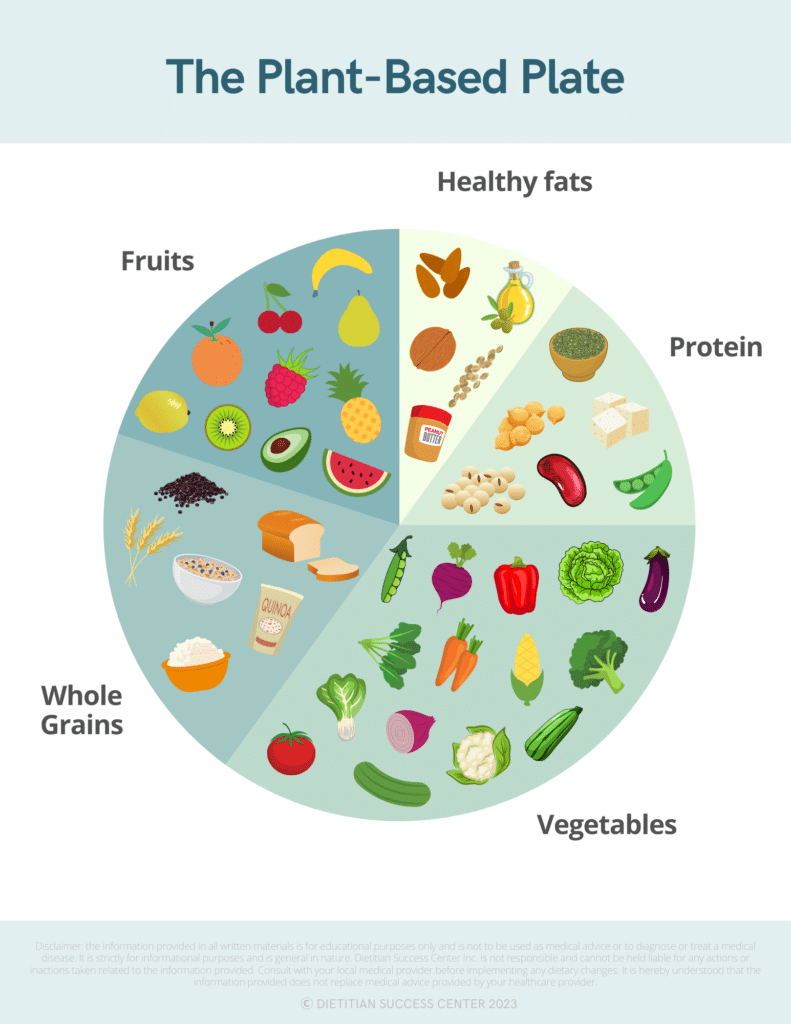
2. Building a Balanced Plate: The Plant-Based Template
Visualizing your plate can simplify meal construction and ensure nutritional balance. A helpful template for plant-based meals includes:
- Grain/Starch (Complex Carbs): Quinoa, brown rice, whole wheat pasta, sweet potato, whole grain bread.
- Legume/Protein (Protein Power): Lentils, beans, chickpeas, tofu, tempeh, seitan.
- Veggies (Micronutrient & Fiber Rich): Aim for a diverse array of colors and types – leafy greens, cruciferous vegetables, root vegetables, bell peppers, tomatoes.
- Healthy Fats (Essential Fats & Satiety): Avocado, nuts, seeds, olive oil.
- Flavor Boosters (Herbs, Spices, Acids): Nutritional yeast, fresh herbs, spices, lemon juice, vinegars, tamari/soy sauce, garlic, onions.
Think in terms of "bowls" – Buddha bowls, nourish bowls – where these components are layered for a complete and satisfying meal.
3. Recipe Exploration: Your Culinary Adventure
Embrace the vast world of plant-based recipes. This is where the "story" aspect truly comes alive – the joy of discovering new flavors and techniques.
- Cookbooks: Invest in a few reputable plant-based cookbooks (e.g., those by Forks Over Knives, Minimalist Baker, Thug Kitchen).
- Blogs & Websites: The internet is a treasure trove. Explore food blogs, YouTube channels, and dedicated plant-based recipe sites.
- Ethnic Cuisines: Many traditional cuisines are naturally plant-forward or easily adaptable: Indian dals and curries, Mediterranean vegetable dishes, Mexican bean and rice dishes, Asian stir-fries. These offer a wealth of flavor and ingredient combinations.
4. Mastering Flavor: The Art of Plant-Based Seasoning
One common complaint from new plant-based eaters is a perceived lack of flavor. This is often due to an underdeveloped plant-based spice cabinet.
- Umami Boosters: Nutritional yeast (cheesy, savory), mushrooms (especially dried), tamari/soy sauce, miso paste, sun-dried tomatoes, roasted vegetables.
- Acids: Lemon juice, lime juice, various vinegars (apple cider, red wine, balsamic) brighten flavors and cut through richness.
- Fresh Herbs: Cilantro, parsley, basil, mint, dill add vibrancy.
- Spices: Cumin, coriander, turmeric, smoked paprika, chili powder, garam masala, Italian seasoning – a well-stocked spice rack is your best friend.
- Aromatics: Garlic, onions, ginger. These are the building blocks of flavor in countless cuisines.
5. Eating Out: Navigating the Social Landscape
Eating out can be a challenge, but with a little planning, it's entirely manageable.
- Research Ahead: Most restaurants have online menus. Look for vegetarian or vegan sections, or dishes that can be easily modified.
- Don't Be Afraid to Ask: Politely inquire about ingredients and potential modifications. Most establishments are accommodating.
- Ethnic Restaurants: Often have excellent plant-based options. Indian, Thai, Vietnamese, Mexican, and Mediterranean restaurants are usually safe bets.
- Pack Snacks: If unsure, bring a small snack to tide you over.
Meal planning and preparation are not chores, but rather empowering acts that put you in control of your health and culinary experience.
Navigating Social Landscapes: The Human Element of Change
Embarking on a plant-based journey is not just a personal dietary choice; it often involves navigating a complex social landscape. Food is deeply intertwined with culture, family, and friendships, and changes can sometimes create friction or misunderstanding.
1. Communicating with Family and Friends
- Explain Your "Why": Rather than just stating "I'm vegan now," share your motivations (health, ethics, environment). A calm, reasoned explanation can foster understanding.
- Set Boundaries, Graciously: You don't need to preach, but you also don't need to compromise your values. "No thank you, I'm trying to eat more plant-based these days" is often sufficient.
- Offer Delicious Alternatives: The best way to show others the appeal of plant-based eating is to share incredible food. Bring a delicious plant-based dish to potlucks. Host a plant-based dinner party.
- Be Patient: Dietary changes can be challenging for those around you to accept, especially if they feel judged or that their own choices are being criticized. Give them time and space.
2. Work and Travel: Practical Considerations
- Work: Pack your lunch! This saves money and ensures you have healthy, compliant options. Many workplaces have microwaves and fridges.
- Travel: This requires more planning. Research restaurants at your destination. Pack shelf-stable snacks (nuts, seeds, fruit, protein bars). If flying, order a vegan meal in advance, but also pack backups.
- Road Trips: Grocery stores are your friend. Pack a cooler with fruits, veggies, hummus, and sandwiches.
3. Dealing with Pushback and Misconceptions
You will encounter skepticism, unsolicited advice, and often, well-meaning but misinformed comments ("Where do you get your protein?").
- Arm Yourself with Knowledge: Understand the nutritional science (as discussed above). This allows you to respond confidently and accurately.
- Stay Calm and Confident: Avoid getting defensive or preachy. A simple, "I've done my research, and I feel great" is often enough.
- Choose Your Battles: Not every comment requires a detailed nutritional lecture. Sometimes, a smile and a nod are sufficient.
- Focus on the Positive: Talk about the benefits you're experiencing, not what you're "missing out on."
4. Finding Community
Connecting with others who share your journey can be incredibly supportive.
- Online Groups: Facebook groups, Reddit communities, and forums dedicated to plant-based eating offer a wealth of advice, recipes, and camaraderie.
- Local Meetups: Search for local vegan or vegetarian groups, potlucks, or dining events.
- Friends on the Journey: Encourage friends or family members to explore plant-based eating with you.
Navigating these social dynamics requires patience, communication, and a strong sense of self-belief. It's part of the story of personal growth that often accompanies dietary transformation.
Common Pitfalls and How to Avoid Them: Lessons Learned
No journey is without its challenges, and the path to plant-based eating has its own set of common pitfalls. Awareness of these can help you sidestep them and maintain your momentum.
1. The "Junk Food Vegan": Relying on Processed Alternatives
Just because it's plant-based doesn't mean it's healthy. The market is flooded with highly processed vegan junk foods: faux meats, cheeses, ice creams, and baked goods. While these can be fun occasional treats, relying on them as staples defeats many of the health benefits of a whole-foods, plant-based diet.
- Solution: Prioritize whole, unprocessed foods: fruits, vegetables, legumes, whole grains, nuts, and seeds. Use processed alternatives sparingly, as occasional indulgences.
2. Nutrient Deficiencies: Not Planning Properly
As discussed in the nutritional section, certain nutrients require conscious attention on a plant-based diet. Failing to plan can lead to deficiencies, which can undermine your health and even discourage your journey.
- Solution: Educate yourself on key nutrients (B12, Vitamin D, Omega-3s, Iron, Calcium, Zinc). Consistently take a B12 supplement. Plan varied meals incorporating diverse plant sources. Consider a daily multivitamin formulated for vegans as an "insurance policy."
3. Feeling Deprived or Restricted
Initial feelings of missing favorite foods or feeling limited in options are common. This can lead to cravings and eventually, abandonment of the diet.
- Solution: Focus on abundance, not restriction. Explore new ingredients and cuisines. Learn to "veganize" your favorite dishes. Experiment with spices and flavor combinations. Remind yourself of your "why."
4. Overwhelm and Burnout
Trying to change everything at once, or feeling like every meal has to be a gourmet plant-based masterpiece, can lead to burnout.
- Solution: Take it one step at a time. Start gradually. Keep meals simple, especially in the beginning. Focus on a few go-to recipes that you enjoy and are easy to prepare. Give yourself grace.
5. Not Listening to Your Body
Everyone's body is different. What works for one person may need tweaking for another. You might experience initial digestive changes (due to increased fiber), or changes in energy levels.
- Solution: Pay attention to how you feel. Adjust portion sizes, food combinations, or cooking methods as needed. If you're consistently feeling low energy or experiencing digestive issues, consult with a plant-based dietitian or doctor.
By proactively addressing these common pitfalls, you can navigate the transition with greater ease and resilience, ensuring a more positive and sustainable experience.
The Transformation: Reaping the Rewards
The journey, while challenging at times, culminates in a profound sense of transformation. The benefits extend far beyond the plate, touching every aspect of well-being. This is where the story finds its most fulfilling chapters.
- Increased Energy and Vitality: Many report a significant boost in energy levels, often attributed to the abundance of complex carbohydrates, fiber, and micronutrients, and the reduction of inflammatory foods.
- Improved Digestion: The high fiber content of a whole-foods plant-based diet promotes regular bowel movements and a healthy gut microbiome, leading to improved digestive comfort and reduced bloating.
- Mental Clarity and Mood Enhancement: Anecdotal evidence, supported by emerging research, suggests that plant-based diets can positively impact mood, reduce anxiety, and enhance cognitive function, likely due to reduced inflammation and improved gut-brain axis communication.
- Better Skin and Hair Health: The rich array of antioxidants, vitamins, and minerals in plant foods contributes to a healthier complexion, often reducing acne and improving skin radiance. Hair and nail strength can also improve.
- A Deeper Sense of Purpose and Alignment: For many, living in alignment with their ethical and environmental values brings a deep sense of peace, integrity, and purpose, transcending mere dietary choice.
- Expanded Culinary Horizons: Far from being restrictive, a plant-based diet often opens up a world of new ingredients, spices, and cuisines, transforming cooking into an exciting adventure.
- Empowerment: Taking control of your health, making conscious choices that benefit animals and the planet – this journey fosters a powerful sense of personal agency and empowerment.
These are not just fleeting experiences but the enduring benefits of a lifestyle thoughtfully embraced.
Sustaining the Journey: Lifelong Learning
The transition to plant-based eating is not a destination, but a continuous journey of learning and adaptation. To sustain this lifestyle long-term requires an ongoing commitment to growth and mindfulness.
- Regular Health Check-ups: Especially in the initial year, regular blood tests (including B12, Vitamin D, iron, and a full lipid panel) are advisable to ensure optimal nutrient status.
- Stay Updated on Nutritional Science: The field of nutrition is constantly evolving. Follow reputable plant-based dietitians, doctors, and scientific organizations to stay informed.
- Embrace Experimentation: Don't be afraid to try new ingredients, recipes, and cooking methods. Keep your culinary life exciting and varied.
- Be Flexible, Not Rigid: Life happens. There may be times when perfect adherence is challenging. Focus on progress, not perfection. Acknowledge that occasional deviations are part of a long-term journey, and simply return to your chosen path.
- Listen to Your Body: Continuously tune into your body's signals. Adjust your intake of specific foods or nutrients based on how you feel.
- Seek Support: Continue to engage with plant-based communities, whether online or in person. Sharing experiences and challenges can be invaluable.
Conclusion: A New Chapter
The decision to move from omnivore to plant-based eater is more than a dietary modification; it's an intentional redefinition of one's relationship with food, health, and the world. It’s a story woven with scientific inquiry, ethical introspection, and environmental consciousness.
For the knowledgeable individual, this guide has sought to illuminate not just the what, but the why and the how of this transformative journey. It acknowledges the initial apprehension, navigates the nutritional complexities, addresses the social nuances, and ultimately celebrates the profound benefits that await.
This path is one of empowerment – empowering yourself with knowledge, empowering your health with vibrant whole foods


