Glow Up: The Essential Guide to Achieving Radiantly Healthy Skin
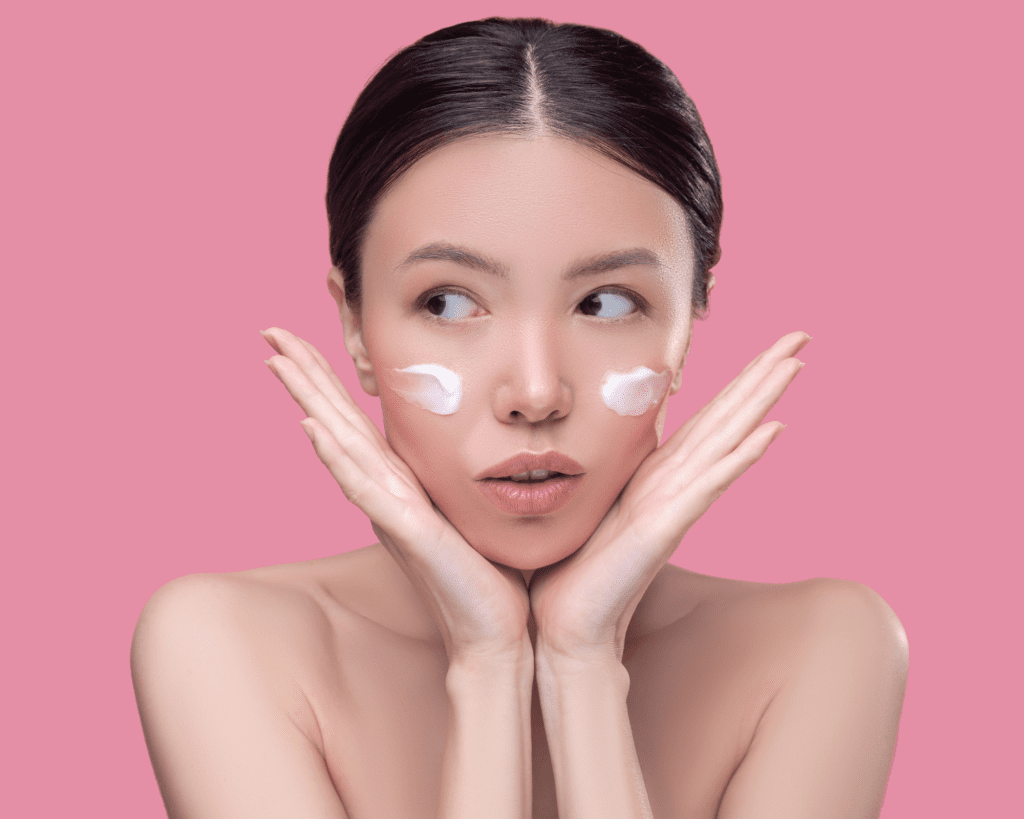
The mirror reflects more than just our physical appearance; it often mirrors our inner landscape, our habits, and the silent stories our bodies tell. In an age saturated with fleeting trends and instant gratification, the concept of a "Glow Up" has emerged, promising transformation. But beyond the superficial allure of makeup tutorials and quick fixes, a true glow up is a profound journey – a commitment to holistic well-being that culminates in skin that doesn't just look good, but is healthy, vibrant, and resilient.
This isn't merely a guide to products; it's an invitation to understand, nurture, and celebrate the largest organ of your body. For the knowledgeable seeker, for those who yearn for more than surface-level solutions, this is the story of achieving radiantly healthy skin from the inside out, woven with the threads of science, self-care, and unwavering dedication. Welcome to your essential guide, a narrative of transformation where your skin becomes the luminous testament to a life lived consciously and beautifully.
Chapter 1: Understanding Your Canvas – The Science of Skin
Before we can paint a masterpiece, we must understand our canvas. The skin, a marvel of biological engineering, is a dynamic organ, constantly renewing itself, defending against external aggressors, and reflecting our internal state. For the knowledgeable individual, appreciating its intricate structure and function is the bedrock of any effective skincare regimen.
The Architecture of Life: Skin Anatomy & Physiology
Our skin is composed of three primary layers, each with distinct roles that collectively contribute to its health and appearance:
The Epidermis: This is the outermost layer, our first line of defense. Primarily composed of keratinocytes, which migrate upwards, flatten, and eventually shed, this layer is responsible for our skin's barrier function. The stratum corneum, its outermost part, is often likened to a brick-and-mortar structure, with corneocytes (the "bricks") held together by a lipid matrix (the "mortar" of ceramides, cholesterol, and fatty acids). A robust epidermal barrier prevents transepidermal water loss (TEWL), keeps irritants out, and maintains hydration. Its health is paramount for a "glow." The process of cell migration and shedding, known as cell turnover, is critical. A healthy turnover rate (roughly 28 days for adults) ensures fresh, healthy cells are always at the surface, contributing to radiance and smoothness. When this slows down, skin can appear dull, rough, and prone to congestion.
The Dermis: Lying beneath the epidermis, the dermis is the skin's structural powerhouse. It's a dense, flexible layer rich in connective tissues, primarily collagen and elastin. Collagen provides strength and structure, while elastin imparts elasticity and resilience, allowing the skin to bounce back. The dermis also houses blood vessels (delivering nutrients and oxygen), lymphatic vessels (removing waste), nerve endings (for sensation), and hair follicles. The health of the dermis directly impacts skin firmness, elasticity, and the reduction of fine lines and wrinkles. Its ability to retain water is also crucial, thanks to components like hyaluronic acid, a potent humectant naturally found here.
The Hypodermis (Subcutis): The deepest layer, composed mainly of fat cells (adipocytes) and loose connective tissue. It acts as an insulator, shock absorber, and energy reserve, anchoring the skin to underlying muscles and bones. While not directly involved in surface appearance, its health influences skin contour and plumpness.
Decoding Your Skin: Types vs. Conditions
A common pitfall is mistaking a skin condition for a skin type. Understanding the difference is crucial for tailored care:
- Skin Types are genetically predetermined and relatively constant, though they can fluctuate slightly with age and hormones. They are defined by the amount of oil (sebum) produced:
- Oily: Excess sebum, visible pores, prone to shine and breakouts.
- Dry: Insufficient sebum, tight, flaky, often lacks natural luminosity.
- Normal: Balanced sebum production, fine pores, comfortable, rarely reactive.
- Combination: Oily in the T-zone, dry or normal elsewhere.
- Skin Conditions are temporary states that can affect any skin type. They are influenced by internal and external factors and can be treated or managed:
- Dehydrated: Lacks water (can affect oily skin too!), feels tight, fine lines are more prominent.
- Sensitive: Prone to redness, itching, stinging, and irritation from various triggers.
- Acne-prone: Characterized by breakouts, blackheads, whiteheads due to clogged pores, bacteria, and inflammation.
- Hyperpigmentation: Dark spots, sun spots, melasma due to excess melanin production.
- Aging: Fine lines, wrinkles, loss of elasticity, uneven tone.
Identifying your skin type and understanding current conditions allows for a precise, effective approach to your glow-up journey.
The Invisible Ecosystem: The Skin Microbiome
Beyond visible cells, our skin is home to trillions of microorganisms – bacteria, fungi, viruses – collectively known as the skin microbiome. This bustling ecosystem plays a vital role in skin health, acting as an additional layer of defense against pathogens, helping regulate pH, and even communicating with our immune system. A balanced microbiome is essential for a healthy barrier and reduces inflammation, which can contribute to conditions like acne, eczema, and sensitivity. Disruptors like harsh cleansers, antibiotics, and environmental pollutants can throw this delicate balance off, leading to skin issues. Nurturing your microbiome is a subtle yet powerful aspect of achieving radiant skin.
Chapter 2: The Foundational Pillars – Beyond the Bottle
True radiance is never just skin deep. It's an outward manifestation of inner vitality. For the knowledgeable individual, this means recognizing that the most potent "skincare products" aren't found in a jar, but in the lifestyle choices we make daily. These foundational pillars are the non-negotiables, the silent architects of your glow-up.
Nutrition: Fueling from Within
The adage "you are what you eat" finds profound truth in the context of skin health. The nutrients we consume provide the building blocks, antioxidants, and regulatory molecules necessary for cellular function, repair, and protection.
- Antioxidants: Your Skin's Bodyguards: Free radicals, generated by UV radiation, pollution, and stress, wreak havoc on skin cells, collagen, and elastin, leading to premature aging and dullness. Antioxidants neutralize these damaging molecules.
- Vitamin C: A powerful antioxidant, essential for collagen synthesis, brightening hyperpigmentation, and protecting against UV damage. Found in citrus fruits, berries, bell peppers, broccoli.
- Vitamin E: Works synergistically with Vitamin C, protecting cell membranes. Abundant in nuts, seeds, spinach, avocado.
- Vitamin A (Beta-carotene): A precursor to retinol, supporting cell turnover and vision. Found in carrots, sweet potatoes, leafy greens.
- Selenium & Zinc: Minerals vital for skin repair, wound healing, and immune function. Found in nuts, seeds, whole grains, legumes, lean meats.
- Healthy Fats: The Lipid Barrier's Best Friends: Essential fatty acids, particularly Omega-3s (EPA and DHA) and Omega-6s, are crucial for maintaining the integrity of the skin's lipid barrier, reducing inflammation, and promoting hydration.
- Omega-3s: Found in fatty fish (salmon, mackerel), flaxseeds, chia seeds, walnuts. They are powerful anti-inflammatory agents.
- Balanced Omega-6s: While essential, an imbalance (too many pro-inflammatory Omega-6s from processed foods) can exacerbate skin issues. Focus on sources like avocados and nuts.
- Hydration: The Elixir of Life: Water is fundamental for every bodily function, including nutrient transport to skin cells and flushing out toxins. Dehydration leads to dull, dry, and less resilient skin. Aim for ample pure water daily, and consider electrolyte-rich options if you're very active.
- The Gut-Skin Axis: An Unseen Connection: Emerging research highlights the profound connection between gut health and skin health. A balanced gut microbiome influences systemic inflammation, nutrient absorption, and immune response.
- Probiotics: Beneficial bacteria found in fermented foods (yogurt, kimchi, sauerkraut) can help balance the gut and, by extension, calm skin inflammation.
- Prebiotics: Fiber-rich foods (onions, garlic, bananas, oats) feed beneficial gut bacteria.
- Fiber: Aids in detoxification and maintaining regular bowel movements, preventing toxins from re-entering the bloodstream and potentially affecting the skin.
- Foods to Limit: Processed sugars and refined carbohydrates can lead to glycation (a process where sugar molecules attach to proteins like collagen and elastin, making them rigid and brittle), contributing to premature aging. Excessive dairy and highly processed foods can also trigger inflammation and breakouts in some individuals.
Sleep: The Ultimate Repair Cycle
While we sleep, our bodies don't just rest; they actively repair and regenerate. This nocturnal period is critical for skin health, earning it the moniker "beauty sleep."
- Cellular Regeneration: During deep sleep, the skin's metabolic rate increases, and cells undergo accelerated repair and renewal. This is when collagen production peaks, and DNA repair mechanisms are most active.
- Melatonin Production: The "sleep hormone" melatonin is also a potent antioxidant, protecting skin cells from oxidative stress.
- Reduced Cortisol: Sleep deprivation elevates cortisol, the stress hormone, which can lead to increased inflammation, collagen breakdown, and impaired barrier function.
- Improved Blood Flow: Blood flow to the skin increases during sleep, delivering essential nutrients and oxygen for repair and renewal.
- Hydration Balance: Sleep helps regulate the body's hydration, reducing puffiness and promoting an even skin tone.
- Tips for Better Sleep: Establish a consistent sleep schedule, create a cool, dark, quiet sleep environment, avoid screens before bed, and limit caffeine and alcohol in the evenings.
Stress Management: The Silent Skin Saboteur
Chronic stress is a pervasive modern affliction, and its impact on the skin is often underestimated.
- Cortisol's Cascade: When stressed, our bodies release cortisol, which triggers a cascade of inflammatory responses. This can exacerbate acne, rosacea, eczema, and psoriasis. Cortisol also impairs the skin barrier, making it more vulnerable to external aggressors and dehydration.
- Collagen Breakdown: Chronic stress can accelerate collagen breakdown and slow down its synthesis, contributing to premature aging.
- Reduced Blood Flow: Stress can constrict blood vessels, reducing the delivery of oxygen and nutrients to the skin, leading to a dull complexion.
- Techniques for Stress Reduction:
- Mindfulness & Meditation: Practices that bring you into the present moment can significantly reduce stress.
- Exercise: Physical activity is a powerful stress reliever, releasing endorphins and improving circulation.
- Deep Breathing Exercises: Simple techniques can calm the nervous system instantly.
- Hobbies & Social Connection: Engaging in activities you enjoy and fostering meaningful relationships are vital for mental well-being, which directly translates to skin health.
Exercise: Boosting Circulation and Detoxification
Regular physical activity is a cornerstone of overall health, and its benefits extend profoundly to the skin.
- Enhanced Blood Flow: Exercise increases circulation, delivering a fresh supply of oxygen, nutrients, and antioxidants to skin cells while carrying away waste products. This improved microcirculation contributes to a healthy, rosy glow.
- Lymphatic Drainage: Movement stimulates the lymphatic system, which helps remove toxins and reduce puffiness.
- Sweat and Pore Cleansing: While sweat itself doesn't "detox" pores, the increased blood flow and slight dilation of pores during exercise can aid in expelling trapped debris, provided proper post-workout cleansing is practiced.
- Stress Reduction: As mentioned, exercise is a potent stress reliever, mitigating the negative impacts of cortisol on the skin.
- Important Note: Always cleanse your face before and after a workout to prevent sweat, dirt, and makeup from clogging pores.
Chapter 3: The Skincare Ritual – A Symphony of Active Ingredients
Once the foundational pillars are firmly in place, it's time to curate a skincare ritual that complements and amplifies your efforts. For the knowledgeable audience, this means moving beyond marketing hype and understanding the science behind active ingredients, how they work, and how to layer them effectively. This is where the magic of targeted intervention unfolds.
The Core Routine: AM & PM Essentials
A consistent, well-structured routine is key. Think of it as a daily dialogue with your skin.
Morning Routine (Protection & Preparation):
- Cleansing: Start with a gentle, pH-balanced cleanser. In the morning, this primarily removes overnight sebum, dead skin cells, and residual product. Avoid harsh cleansers that strip the skin's natural oils, compromising the barrier.
- Toning (Optional but Beneficial): A hydrating toner can rebalance skin pH, provide an extra layer of hydration, and prepare the skin for subsequent treatments. If using an exfoliating toner (e.g., with AHA/BHA), consider using it only a few times a week, especially if you use other active ingredients.
- Treatments/Serums: This is your opportunity to apply targeted active ingredients.
- Vitamin C Serum: A morning essential! As a potent antioxidant, it neutralizes free radicals generated by UV exposure and pollution, brightens the complexion, and boosts collagen. Look for L-Ascorbic Acid (pure Vitamin C) at concentrations of 10-20%, packaged in opaque, airtight containers.
- Niacinamide (Vitamin B3): A versatile powerhouse. It strengthens the skin barrier, reduces inflammation and redness, minimizes pore appearance, regulates oil production, and improves overall tone. It pairs well with most other actives.
- Moisturizing: Lock in hydration and support the skin barrier. Choose a moisturizer suited to your skin type:
- Oily/Combination: Lightweight, non-comedogenic gel or lotion.
- Dry/Normal: Richer cream with emollients (e.g., ceramides, fatty acids) and occlusives (e.g., squalane, shea butter).
- Dehydrated: Look for humectants like hyaluronic acid or glycerin.
- Sun Protection (Non-Negotiable): This is the single most important step for preventing premature aging, hyperpigmentation, and skin cancer.
- Broad-spectrum SPF 30+: Protects against both UVA (aging rays) and UVB (burning rays).
- Reapply: Every two hours, especially if sweating or swimming.
- Physical vs. Chemical: Mineral sunscreens (zinc oxide, titanium dioxide) sit on the skin's surface and reflect UV light. Chemical sunscreens absorb UV light and convert it into heat. Both are effective; choose based on preference and skin sensitivity.
Evening Routine (Repair & Renewal):
- Double Cleansing: Especially important if you wear makeup or heavy sunscreen.
- First Cleanse (Oil-based): An oil cleanser or balm effectively dissolves makeup, sunscreen, and sebum without stripping.
- Second Cleanse (Water-based): A gentle, pH-balanced cleanser removes any residue, leaving skin clean and prepared.
- Toning (Optional): As in the morning, a hydrating toner can be beneficial.
- Treatments/Serums: This is prime time for ingredients that promote cell turnover and repair.
- Retinoids (Retinol, Tretinoin): The gold standard for anti-aging and acne. Retinoids accelerate cell turnover, stimulate collagen production, improve skin texture, reduce fine lines, and address hyperpigmentation and breakouts.
- Introduction: Start slowly (1-2 times a week), using a pea-sized amount, and gradually increase frequency as your skin tolerates it.
- Side Effects: Redness, dryness, flaking, and sensitivity are common initially ("retinization").
- Formulations: Over-the-counter retinol (less potent), retinaldehyde, adapalene, and prescription tretinoin (most potent).
- Caution: Do not use if pregnant or breastfeeding. Always use sunscreen diligently when using retinoids.
- AHAs/BHAs (Chemical Exfoliation):
- Alpha Hydroxy Acids (AHAs - e.g., Glycolic Acid, Lactic Acid): Water-soluble, work on the skin's surface to dissolve the "glue" holding dead cells together, improving texture, tone, and radiance. Ideal for dry or normal skin.
- Beta Hydroxy Acids (BHAs - e.g., Salicylic Acid): Oil-soluble, penetrate into pores to dissolve sebum and dead skin cells, making them ideal for oily and acne-prone skin.
- Usage: Use 2-3 times a week, not on the same night as retinoids, to avoid over-exfoliation and irritation.
- Hyaluronic Acid Serum: A fantastic hydrator. Apply to damp skin to draw moisture into the epidermis, plumping up the skin and reducing the appearance of fine lines.
- Peptides: Short chains of amino acids that act as messengers, signaling the skin to produce more collagen, elastin, or other beneficial proteins. They are generally well-tolerated and can be layered with most other actives.
- Moisturizing: A crucial step to seal in all the active ingredients and support barrier repair overnight. Choose a richer, more occlusive moisturizer in the evening to prevent TEWL.
Layering Skincare: The Art of Absorption
The general rule is to apply products from thinnest to thickest consistency. This ensures that lighter, water-based serums can penetrate effectively before being sealed in by heavier creams or oils.
- Cleanser > Toner > Eye Cream (optional) > Serums (e.g., Vitamin C, Niacinamide, Hyaluronic Acid, Peptides) > Treatments (e.g., Retinoids, AHA/BHA) > Moisturizer > Face Oil (if using, as the final step to seal everything in).
Listening to Your Skin: The Ultimate Guide
Skincare is not a one-size-fits-all formula. Your skin is a living, breathing organ that communicates its needs.
- Signs of Irritation/Over-exfoliation: Redness, stinging, burning, excessive dryness, tight feeling, increased sensitivity, compromised barrier (small bumps, flaky patches). If these occur, scale back on actives, focus on gentle cleansing, hydration, and barrier repair.
- Product Purging vs. Breakouts: When introducing new actives like retinoids or AHAs, a temporary increase in breakouts (purging) can occur as cell turnover accelerates and brings underlying congestion to the surface. This typically lasts 2-6 weeks. True breakouts are persistent, appear in new areas, or are caused by pore-clogging ingredients.
- Consistency is Key: Skincare results take time. Cell turnover cycles are approximately 28 days, so expect to see noticeable changes after at least one full cycle, often longer for significant improvements.
Beyond the Basics: Enhancing Your Ritual
- Face Masks: Targeted treatments for specific concerns (hydrating, purifying, brightening). Use 1-2 times a week.
- Facial Oils: Can provide additional nourishment, particularly for dry skin, and act as an occlusive layer. Apply as the last step in your routine.
- LED Light Therapy: At-home devices using red light (collagen production, anti-inflammatory) or blue light (acne-causing bacteria) can complement your routine.
Chapter 4: The Journey Continues – Maintenance and Mindset
Achieving radiantly healthy skin is not a destination but an ongoing journey. For the knowledgeable individual, this means embracing patience, adapting to change, and understanding that true radiance encompasses both external glow and internal peace.
Patience and Consistency: The Unsung Heroes
In an era of instant gratification, skincare demands a different rhythm. It's a marathon, not a sprint. Significant cellular changes take time, and the visible results of collagen stimulation, pigment reduction, or barrier repair often require weeks, if not months, of consistent effort. Embrace the process, celebrate small victories, and trust in the cumulative power of daily dedication.
Adjusting with Seasons and Life Stages
Your skin's needs are not static. They evolve with the seasons, your age, hormonal fluctuations, and environmental shifts.
- Seasonal Adjustments: In drier winter months, you might need richer moisturizers and more hydrating serums. In humid summers, lighter textures and increased sun protection might be paramount.
- Life Stages: Puberty brings hormonal acne, pregnancy can cause melasma, and aging leads to decreased collagen and natural oils. Your routine should adapt to these changes, ensuring your skin receives what it needs at each phase. Don't be afraid to re-evaluate and modify your products as your skin tells a new story.
Professional Guidance: When to Seek Expert Advice
While this guide empowers you with knowledge, there are times when professional expertise is invaluable.
- Dermatologists: For persistent skin conditions (severe acne, rosacea, eczema, psoriasis), suspicious moles, or if you're considering prescription-strength treatments (like Tretinoin). They can provide accurate diagnoses and personalized treatment plans.
- Licensed Estheticians: For in-depth skin analysis, professional facials, extractions, and guidance on advanced treatments like chemical peels, microdermabrasion, or specialized masks. They can offer a fresh perspective and help optimize your at-home routine.
The Inner Glow: Confidence and Self-Care
The most profound "glow" radiates from within. Skin health is inextricably linked to mental and emotional well-being.
- Self-Care as Self-Respect: Engaging in a skincare ritual isn't vanity; it's an act of self-care, a moment of mindful attention to your body. This dedication fosters a sense of worth and calm.
- Confidence Through Health: When your skin is healthy, it doesn't just look better; it feels better. This comfort and vitality contribute significantly to self-confidence, allowing your natural beauty to shine through without relying on heavy makeup or filters.
- Embracing Imperfection: The journey to radiant skin is about achieving health, not perfection. Pores are normal, texture is normal, and occasional blemishes are part of life. The goal is resilient, vibrant skin that makes you feel good, not to chase an unattainable, airbrushed ideal.
Sustainability in Skincare: Conscious Choices
For the knowledgeable consumer, the glow-up extends to making ethical and sustainable choices.
- Ingredient Sourcing: Research brands that prioritize responsibly sourced ingredients.
- Cruelty-Free: Support brands that do not test on animals.
- Packaging: Opt for products with recyclable, refillable, or minimal packaging.
- Formulation Ethics: Consider brands that avoid known environmental pollutants (e.g., certain microplastics).
Conclusion: The Radiant Self
The journey to radiantly healthy skin is a testament to the power of holistic living. It's a story not of quick fixes, but of profound understanding, consistent nurturing, and an unwavering commitment to self-care. We've traversed the intricate layers of skin science, explored the foundational pillars of nutrition, sleep, stress management, and exercise, and delved into the symphony of active ingredients that can transform your complexion.
But the true "Glow Up" transcends the visible. It's the quiet confidence that comes from respecting your body, the clarity that emerges from mindful choices, and the inner peace cultivated through dedicated self-nurturing. Your skin, in its vibrant health, becomes a beautiful narrative of this journey – a radiant reflection of the life you lead.
Embrace this ongoing dialogue with your skin, listen to its whispers, and provide it with the care it deserves. For in doing so, you don't just achieve a fleeting glow; you cultivate a lasting radiance that illuminates not only your complexion but your entire being. This is your essential guide, a story of transformation, and the beginning of your most luminous chapter yet.


