Is Vegetarianism Always Healthy? Separating Fact from Junk-Food Veggie Diets
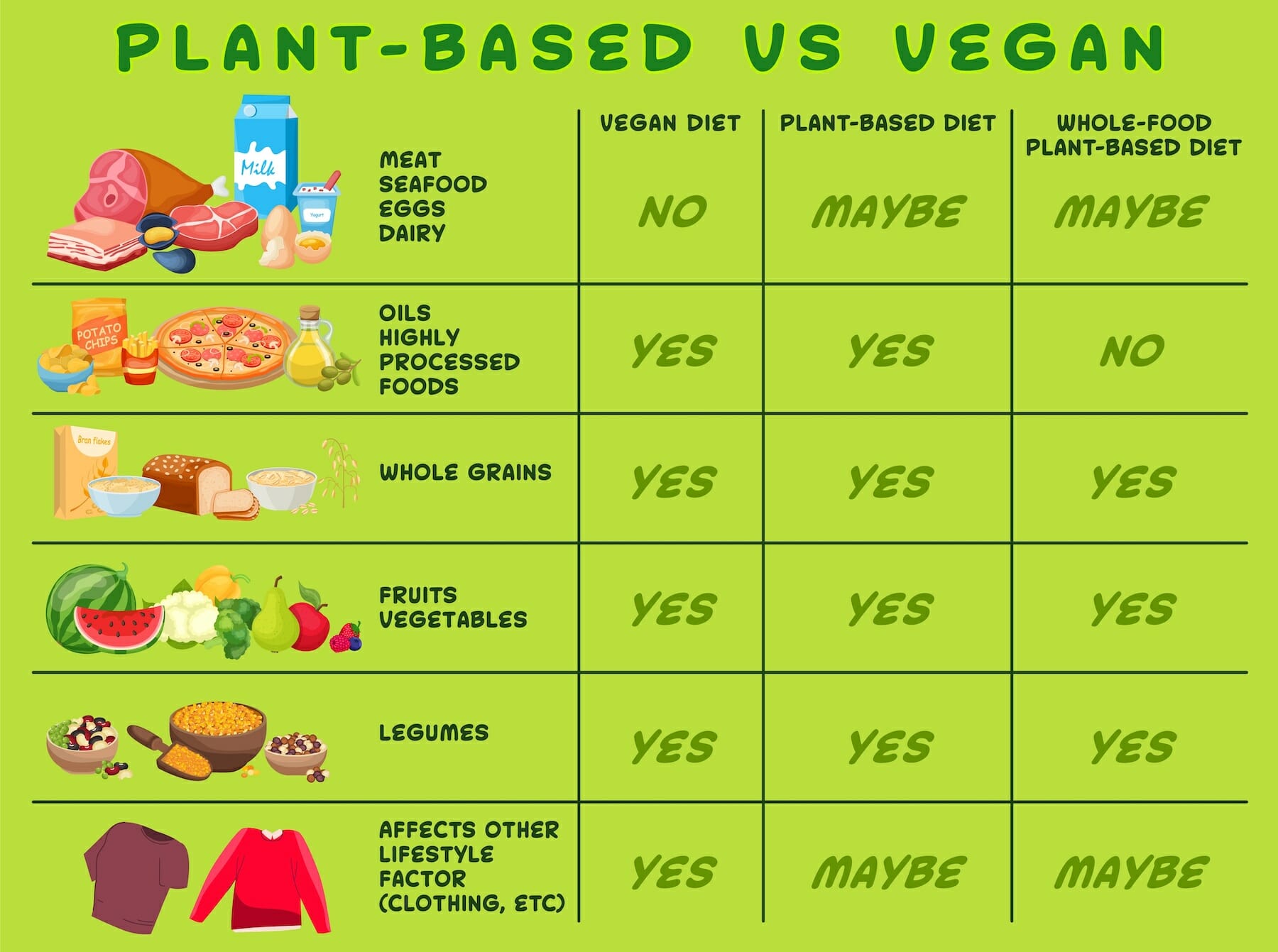
The aroma of freshly baked bread, the vibrant hues of a farmers' market, the satisfying crunch of a crisp apple – for many, these are the hallmarks of a healthy lifestyle. And increasingly, for a significant portion of the global population, this picture is painted with a distinctly plant-based palette. Vegetarianism, once a niche dietary choice, has surged into the mainstream, driven by a powerful confluence of ethical concerns, environmental consciousness, and, perhaps most prominently, the allure of superior health.
Imagine Sarah, a vivacious 30-year-old, who, five years ago, watched a documentary that profoundly impacted her. The images of industrial farming, the statistics on animal welfare, and the compelling arguments for a plant-based diet convinced her. She declared herself vegetarian, a decision met with a mix of admiration and apprehension from her friends and family. Sarah felt empowered, virtuous, and ready to embrace a healthier future.
Initially, the change was exhilarating. She experimented with new recipes, explored exotic grains, and reveled in the feeling of lightness and moral clarity. Her energy levels soared, and she lost a few stubborn pounds. But as the initial glow faded, a subtle shift began. Her weekly grocery cart, once brimming with colourful vegetables and legumes, started to include more convenient, pre-packaged "vegetarian" options. The freezer became a repository for veggie burgers, meatless sausages, and frozen pizzas. Her snack drawer filled with vegan cookies, chips, and plant-based protein bars. After all, she reasoned, it was vegetarian, so it had to be healthy, right?
Fast forward to today. Sarah, despite still identifying as vegetarian, feels sluggish. Her weight has crept back up, her skin has lost its lustre, and she frequently battles an afternoon energy slump. She’s confused. She’s doing everything "right" – no meat, no poultry, no fish – yet she feels worse than she did when she occasionally indulged in a steak. Sarah’s story is not unique. It is a quiet testament to a critical misconception that has taken root in the burgeoning world of plant-based eating: the assumption that simply removing animal products automatically confers health benefits.
This article delves into the intricate relationship between vegetarianism and health, separating the profound potential of a well-executed plant-based diet from the pitfalls of what we might call the "junk-food veggie" trap. It aims to tell the story of how a powerful dietary philosophy can be both incredibly transformative and surprisingly detrimental, depending entirely on the choices made within its framework.
The Verdant Promise: Why Vegetarianism Can Be a Beacon of Health
To understand where Sarah went wrong, we must first appreciate the immense health potential inherent in a truly well-planned vegetarian diet. The scientific literature is replete with evidence supporting the benefits of a diet rich in whole, unprocessed plant foods. When adopted thoughtfully, vegetarianism isn't just a dietary choice; it's a strategic embrace of nature's most potent medicine.
At its core, a healthy vegetarian diet is a symphony of nutrient density. It prioritizes fruits, vegetables, legumes, whole grains, nuts, and seeds – foods bursting with an arsenal of compounds beneficial to human health.
- Heart Disease: Numerous studies have demonstrated that vegetarians tend to have lower blood pressure, lower LDL ("bad") cholesterol levels, and a reduced risk of cardiovascular events. The absence of dietary cholesterol (found only in animal products) and the lower intake of saturated fats (abundant in red meat and dairy) play a significant role. Furthermore, the high fiber content helps excrete cholesterol, while potassium-rich plant foods contribute to blood pressure regulation.
- Type 2 Diabetes: Plant-based diets are consistently associated with a lower risk of developing type 2 diabetes and improved glycemic control for those already diagnosed. The high fiber content slows sugar absorption, preventing sharp spikes in blood glucose. Whole grains provide complex carbohydrates that are digested slowly, and the emphasis on whole foods over refined sugars improves insulin sensitivity.
- Certain Cancers: While complex, research suggests that vegetarian diets may offer protection against certain types of cancer, particularly colorectal, breast, and prostate cancers. This is attributed to the high intake of antioxidants, fiber (which reduces transit time in the colon), and the avoidance of processed meats, which have been classified as carcinogens.
- Obesity: The calorie density of whole plant foods is generally lower than that of animal products and processed foods. Combined with the satiating effect of fiber and protein from legumes, vegetarians often find it easier to maintain a healthy weight without feeling deprived.
The "Good" Plate: A truly healthy vegetarian meal is a celebration of diversity and balance. It features a generous portion of colourful vegetables, a serving of legumes (beans, lentils, chickpeas) for protein and fiber, whole grains (quinoa, brown rice, oats) for sustained energy, nuts and seeds for healthy fats and micronutrients, and perhaps some fruit. This plate is not just devoid of meat; it is filled with an abundance of life-affirming, nutrient-dense ingredients. This is the ideal that Sarah initially aspired to, and it is the blueprint for harnessing the full power of plant-based eating.
The Shadow Side of Green: When Vegetarianism Becomes a Trap
Sarah’s current predicament – the fatigue, the weight gain, the general feeling of being unwell despite adhering to her vegetarian principles – is a stark illustration of the "junk-food veggie" trap. The critical flaw in her reasoning, and a common pitfall for many, is the assumption that "vegetarian" or "vegan" automatically equates to "healthy." The reality is far more nuanced.
- Sodium Bombs: Many processed vegetarian alternatives are incredibly high in sodium, a known contributor to high blood pressure and cardiovascular disease. They rely on salt to enhance flavor and compensate for the absence of animal fats.
- Unhealthy Fats: While cholesterol-free, these products can be high in saturated fats (e.g., coconut oil, palm oil) and often contain refined vegetable oils, which, when consumed in excess or in highly processed forms, can promote inflammation.
- Hidden Sugars and Refined Carbs: Vegan cookies, cakes, and many plant-based snacks are often loaded with added sugars and refined carbohydrates (white flour, high-fructose corn syrup). These ingredients trigger rapid blood sugar spikes, contribute to insulin resistance, and offer little to no nutritional value beyond empty calories.
- Additives and Preservatives: To achieve their texture, shelf-life, and flavor profiles, ultra-processed vegetarian foods often contain a laundry list of artificial colours, flavourings, thickeners, and preservatives – substances that have no place in a truly health-promoting diet.
- Iron: While many plant foods contain iron (non-heme iron), its absorption is less efficient than heme iron found in meat. Phytates in grains and legumes can further inhibit absorption. If Sarah was relying on white pasta and processed veggie burgers, her iron intake would likely be suboptimal, leading to fatigue, weakness, and potentially iron-deficiency anemia. Pairing iron-rich plant foods (lentils, spinach, fortified cereals) with vitamin C (citrus, bell peppers) significantly boosts absorption.
- Vitamin B12: This is the most critical nutrient for vegans, as it is found almost exclusively in animal products. While some fermented foods or nutritional yeast may contain small amounts, reliable supplementation or consumption of fortified foods (plant milks, cereals) is essential for vegans and often recommended for vegetarians who consume minimal dairy/eggs. A B12 deficiency can lead to severe neurological damage, anemia, and cognitive issues.
- Omega-3 Fatty Acids: While plant sources like flaxseeds, chia seeds, and walnuts provide ALA (alpha-linolenic acid), the body's conversion of ALA to the crucial EPA and DHA (found abundantly in fatty fish) is inefficient. Without direct sources like algal oil supplements or a very high intake of ALA-rich foods, vegetarians and especially vegans can be deficient in these essential fatty acids, which are vital for brain health, heart health, and reducing inflammation.
- Calcium and Vitamin D: If dairy products are excluded, ensuring adequate calcium requires conscious effort. Fortified plant milks, calcium-set tofu, dark leafy greens (collard greens, kale), and fortified orange juice are important. Vitamin D, synthesized from sunlight, is often low in the general population, but vegetarians who avoid fortified dairy and don't get enough sun need to be particularly vigilant, often requiring supplementation.
- Zinc: Found in legumes, nuts, seeds, and whole grains, zinc absorption can also be hindered by phytates. Soaking and sprouting can improve bioavailability. A deficiency can impact immune function, wound healing, and taste perception.
- Iodine: While often overlooked, iodine is crucial for thyroid function. If iodized salt isn't used and sea vegetables (like kelp) are consumed sporadically or in excess (which can also be problematic), iodine deficiency can occur.
- Weight Gain and Obesity: Despite being meat-free, diets high in refined carbs, added sugars, and unhealthy fats from processed vegetarian foods are calorie-dense and nutrient-poor, leading to weight gain. The lack of whole, satiating foods means overconsumption is common.
- Increased Risk of Heart Disease and Type 2 Diabetes: High sodium, unhealthy fats, and excessive sugars found in many processed vegetarian items negate the protective benefits of whole plant foods. These diets can contribute to insulin resistance, elevated triglycerides, high blood pressure, and inflammation, increasing the risk of the very diseases vegetarianism is supposed to prevent.
- Fatigue and Poor Concentration: Nutrient deficiencies (especially iron and B12) can lead to profound fatigue, weakness, and impaired cognitive function. The roller-coaster of blood sugar from refined carbohydrates also contributes to energy crashes.
- Digestive Issues: While a whole-food vegetarian diet promotes gut health, a processed one, lacking diverse fibers and full of additives, can lead to gut dysbiosis and digestive discomfort.
The "junk-food veggie" diet, in essence, substitutes one set of unhealthy dietary patterns for another. It trades animal-derived saturated fats and cholesterol for plant-derived saturated fats and highly processed ingredients, often without gaining the full spectrum of benefits that truly healthy vegetarianism offers.
Navigating the Plant-Based Landscape: Strategies for Optimal Health
The good news is that Sarah's story doesn't have to end in dietary confusion and poor health. With knowledge and intentionality, the vast potential of vegetarianism can be fully realized. The key lies in understanding that "vegetarian" is a label, but "healthy" is a carefully constructed practice.
- Fill half your plate with colourful vegetables and fruits at every meal.
- Make legumes your protein heroes: Beans, lentils, chickpeas, and peas are incredibly versatile, affordable, and packed with protein, fiber, and micronutrients.
- Choose whole grains: Opt for brown rice, quinoa, oats, farro, barley, and whole-wheat bread/pasta over their refined counterparts.
- Incorporate healthy fats: Avocados, nuts (almonds, walnuts, cashews), and seeds (chia, flax, hemp, pumpkin) provide essential fatty acids, vitamins, and minerals.
- Check for sodium: Aim for products with lower sodium content.
- Look at added sugars: Sugar comes in many disguises (high-fructose corn syrup, cane sugar, agave nectar, etc.). The less, the better.
- Be mindful of fats: Look for healthy fats from whole food sources. Limit products high in saturated fats (like coconut oil in large amounts) and trans fats (partially hydrogenated oils).
- Scan the ingredient list: If it reads like a chemistry experiment, it's likely ultra-processed. A short list of recognizable ingredients is always a good sign.
- Protein: Easily met with a diverse intake of legumes, tofu, tempeh, edamame, seitan, quinoa, nuts, and seeds. Combining different plant protein sources throughout the day ensures all essential amino acids are consumed.
- Iron: Boost absorption by pairing iron-rich plant foods (lentils, spinach, fortified cereals, blackstrap molasses, tofu) with Vitamin C sources (citrus fruits, bell peppers, broccoli, berries). Cooking in cast iron skillets can also contribute.
- Vitamin B12: For vegans, supplementation is non-negotiable. For vegetarians, consider fortified plant milks, nutritional yeast, or a low-dose supplement, especially if dairy and eggs are consumed sparingly.
- Omega-3s: Include sources of ALA daily: ground flaxseeds, chia seeds, walnuts, and hemp seeds. For optimal EPA/DHA levels, particularly for vegans, consider an algal oil supplement.
- Calcium and Vitamin D: Fortified plant milks (almond, soy, oat), calcium-set tofu, dark leafy greens (kale, collard greens), and fortified orange juice are excellent calcium sources. Ensure adequate sunlight exposure for Vitamin D, and consider a supplement, especially in winter months or if you live at higher latitudes.
- Zinc: Found in legumes, nuts, seeds (especially pumpkin seeds), and whole grains. Soaking and sprouting legumes and grains can improve zinc bioavailability.
- Iodine: Use iodized salt in moderation or include sea vegetables (like nori or dulse) sparingly.
The Personal Journey: Alex’s Transformation
Let's revisit our hypothetical character, Sarah, but this time, we’ll call her Alex. Alex’s initial dive into vegetarianism was, as described, a mixture of idealism and convenience. She was proud of her choice, but slowly, imperceptibly, her health began to falter.
The first few months were great. Alex, a busy professional, had initially cooked most of her meals, delighting in lentil curries, vibrant salads, and hearty bean stews. She felt light, energetic, and genuinely healthier. But as her demanding work schedule intensified, cooking became a chore. The marketing of "quick and easy" vegan options seemed like a godsend. She started grabbing "plant-based" frozen burritos for lunch, "vegan" mac and cheese for dinner, and snacking on almond milk lattes with sugary syrups, alongside bags of "veggie" chips.
Slowly, the subtle signs began. Her morning energy boost vanished, replaced by a dull lethargy that required extra coffee. Her skin, once clear, developed an unwelcome dullness. The initial weight loss reversed, and a persistent bloating became her constant companion. She felt guilty, confused, and increasingly frustrated. "I'm doing everything right," she'd lament to her partner, "I don't eat meat, so why do I feel so awful?"
The turning point came during a routine check-up. Her doctor, reviewing her blood work, noted slightly elevated cholesterol, borderline blood sugar, and a mild iron deficiency. When Alex proudly declared her vegetarian status, her doctor, a kind but pragmatic woman, smiled. "Alex," she said gently, "being vegetarian doesn't automatically make your diet healthy. Are you eating whole foods, or are you eating a lot of processed 'plant-based' options?"
The question hit Alex like a revelation. She confessed her reliance on convenience foods. Her doctor then spent time explaining the difference, emphasizing the importance of diverse whole foods, iron absorption strategies, and the critical role of B12. She recommended a few reputable plant-based dietitians.
Armed with this new understanding, Alex decided to make a change. It wasn't an overnight overhaul; it was a gradual, intentional shift. She started by dedicating an hour on Sundays to meal prepping, chopping vegetables, cooking large batches of quinoa and lentils, and making her own hummus. She learned to read labels meticulously, shocked by the sodium and sugar content in her former "healthy" snacks.
Her grocery cart transformed once more, now overflowing with vibrant produce, sacks of dried beans, and various whole grains. She experimented with new recipes, discovering the joys of homemade veggie burgers (made from black beans and mushrooms), rich chickpea stews, and creative salads bursting with nuts and seeds. She incorporated ground flaxseeds into her morning oatmeal and consciously paired iron-rich foods with citrus. She also started taking a B12 supplement, as recommended.
Within a few months, the changes were profound. Her energy levels returned, steady and sustained throughout the day. The bloating subsided, her digestion improved dramatically, and her skin regained its healthy glow. She even noticed her mood was more stable. The next blood test confirmed it: her cholesterol and blood sugar were back in healthy ranges, and her iron levels had improved.
Alex hadn't abandoned vegetarianism; she had redefined it for herself. She understood now that it wasn't just about what she didn't eat, but about the quality and diversity of what she did eat. Her journey from the junk-food veggie trap to a truly healthful plant-based lifestyle was a testament to the power of knowledge, intention, and a willingness to learn.
Conclusion: Beyond the Label, Towards Intentional Health
Alex’s story, and the scientific insights explored here, underscore a fundamental truth: vegetarianism is not a monolithic concept. It is a broad umbrella under which a spectrum of dietary patterns can exist, ranging from the profoundly health-promoting to the surprisingly detrimental. The mere absence of meat is not a guarantee of vitality or protection from disease.
The allure of vegetarianism as a health panacea is powerful, but it’s crucial to separate this promise from the reality of modern food landscapes. While a well-planned, whole-food vegetarian diet offers an unparalleled array of benefits – from robust heart health and reduced cancer risk to improved gut function and longevity – these benefits are not automatic. They are earned through conscious choices, diligent planning, and a deep appreciation for the nutritional power of plants in their most natural forms.
The "junk-food veggie" trap, characterized by a reliance on highly processed meat substitutes, refined carbohydrates, unhealthy fats, and excessive sugars, is a deceptive path. It allows individuals to adhere to the label of vegetarianism while inadvertently undermining their health, leading to the very issues they sought to avoid.
Ultimately, the question "Is vegetarianism always healthy?" finds its answer in another question: "What kind of vegetarianism are we talking about?" The power lies not in the dietary label itself, but in the intentionality and wisdom with which one fills their plate. It’s a call to move beyond mere dietary exclusion and embrace the abundance of whole, vibrant plant foods.
For those considering or already following a vegetarian path, the message is clear: knowledge is your most potent ingredient. Learn about nutrient density, understand the pitfalls of ultra-processed foods, and prioritize the foundational elements of a truly nourishing diet. Embrace the rainbow of fruits and vegetables, the heartiness of legumes and whole grains, and the richness of nuts and seeds. When approached with intention and intelligence, vegetarianism transforms from a mere dietary restriction into a powerful, sustainable pathway to optimal health and well-being. It’s not about what you don't eat; it's about making every single bite count towards a healthier, more vibrant you.


