Meal Prep Mastery: Your Key to Staying Away from Fatty Takeout
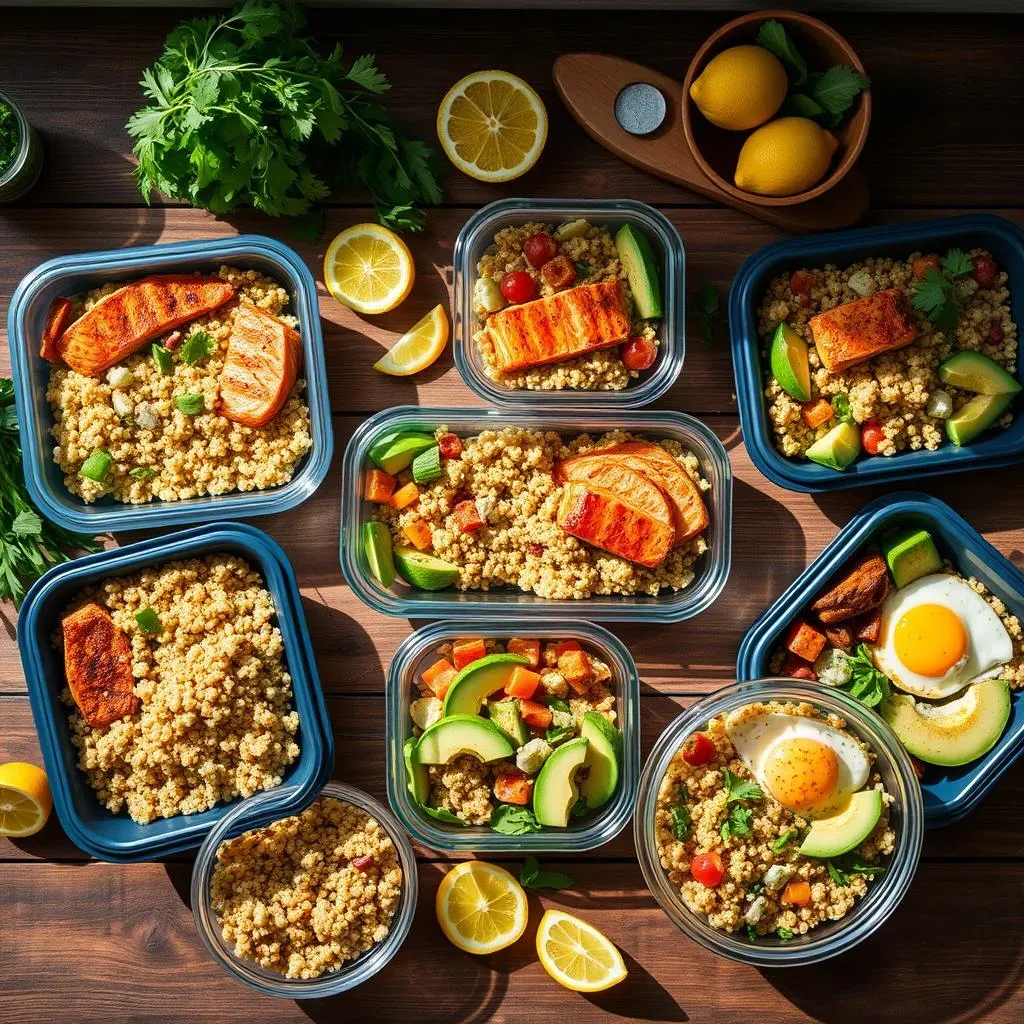
The digital hum of modern life often orchestrates a symphony of convenience. Our phones are extensions of our will, summoning rides, groceries, and, perhaps most frequently, dinner with a few taps. For many, the siren song of takeout has become an almost irresistible daily ritual – a greasy, salty, sugary antidote to demanding schedules, decision fatigue, and the sheer exhaustion of navigating the world. It’s a habit born of necessity, perhaps, but one that subtly, insidiously, erodes our health, our finances, and ultimately, our sense of control.
We've all been there: the late meeting, the unexpected errand, the blank stare into an empty fridge, the creeping hunger pangs that morph into an urgent, unthinking demand for instant gratification. In these moments, the delivery app beckons, promising solace in a cardboard box. The pizza, the burger, the pad thai, the fried chicken – they arrive, hot and ready, offering a temporary reprieve from the chore of cooking. But beneath the crispy crusts and savory sauces lies a hidden cost, a mounting debt to our well-being that manifests in sluggishness, weight gain, fluctuating moods, and a gnawing sense of dissatisfaction.
This article isn't just about food; it's about reclaiming agency. It’s a narrative of liberation from the tyranny of the takeout menu, a journey from reactive eating to proactive nourishment. It's the story of Meal Prep Mastery, and how it transforms not just what’s on your plate, but the very fabric of your daily life. For the knowledgeable audience, the ones who understand the nuances of macronutrients and the perils of chronic inflammation, this isn't a simplistic diet fad. This is a strategic, sustainable revolution in personal well-being.
I. The Deep Dive into "The Why": Unmasking the Antagonist
Before we embark on the journey to mastery, it's crucial to fully comprehend the adversary: the pervasive, often underestimated, impact of regular takeout. It’s more than just a momentary indulgence; it’s a systemic challenge to our health, our wallets, and even our planet.
The Health Betrayal: A Silent Erosion
For the discerning individual, the health implications of frequent takeout are not abstract warnings but tangible realities. The primary culprits are well-documented: excessive saturated and trans fats, alarmingly high sodium levels, and often, hidden sugars.
- Cardiovascular Disease: The high fat and sodium content in many restaurant meals contribute significantly to elevated cholesterol levels and high blood pressure, paving a direct path to heart disease and stroke. The inflammatory burden of processed oils and refined carbohydrates exacerbates this risk.
- Metabolic Dysfunction: The glycemic load of typical takeout – refined grains, sugary sauces, lack of fiber – leads to rapid blood sugar spikes and crashes. Over time, this rollercoaster effect desensitizes insulin receptors, increasing the risk of insulin resistance, pre-diabetes, and Type 2 Diabetes.
- Obesity Epidemic: Restaurant portion sizes are notoriously inflated, often far exceeding a single serving. Coupled with calorie-dense ingredients, this leads to consistent overconsumption. The convenience factor itself contributes; when food is always readily available and requires no effort to prepare, the signals of true hunger and satiety become muddled. Moreover, the lack of fiber in many takeout options means less satiety, leading to quicker hunger return and more frequent eating.
- Digestive Distress: The combination of unhealthy fats, artificial ingredients, and lack of diverse fiber can wreak havoc on gut microbiome balance. This manifests as bloating, indigestion, irregular bowel movements, and can contribute to more serious gut issues over time.
- Energy and Mood Dysregulation: The immediate sugar rush followed by a crash, the heavy feeling of a fat-laden meal – these directly impact energy levels. Chronic consumption of nutrient-poor foods can also lead to micronutrient deficiencies, affecting neurotransmitter production and contributing to brain fog, irritability, and even exacerbating symptoms of anxiety and depression.
- The Deceptive "Healthy" Illusion: Many establishments offer "healthy" options that, upon closer inspection, are anything but. Salads drenched in high-sugar, high-fat dressings, "grilled" items marinated in sugary sauces, or seemingly benign grain bowls loaded with excessive oil and sodium. Without full transparency on ingredients and preparation methods, even conscious choices can be undermined.
The Financial Drain: A Stealthy Thief
Let's talk numbers. A single takeout meal can easily range from $15-$30, especially with delivery fees and tips. If this becomes a daily habit, the figures escalate alarmingly:
- Daily: $20 x 5 days/week = $100
- Weekly: $100 x 4 weeks/month = $400
- Monthly: $400 x 12 months/year = $4,800
- Annually: $4,800+
This doesn't even account for weekend indulgences or the cumulative effect of coffee shop runs and spontaneous snacks. Imagine what nearly $5,000 a year could do: fund a significant portion of a vacation, contribute to a down payment, invest in personal development, or simply provide a robust emergency fund. The financial opportunity cost of takeout is staggering, yet often overlooked until the habit is broken.
The Time Trap: An Ironic Illusion
Takeout promises to save time, and in a superficial sense, it does – you avoid cooking. But does it truly save time?
- Decision Fatigue: The endless scrolling through menus, the deliberation, the group consensus – this mental overhead is a daily tax.
- Waiting Game: The 30-60 minutes for delivery, the drive to pick up, the queue – this "waiting" time is often unproductive and frustrating.
- Post-Meal Sluggishness: The heavy, nutrient-poor meal often leads to a post-prandial slump, reducing productivity and focus in the hours following consumption.
- The Mental Load: The constant daily question of "what's for dinner?" weighs on the mind, contributing to overall stress.
The Environmental Footprint: A Conscientious Concern
For the environmentally conscious, takeout is an often-unacknowledged villain. The sheer volume of single-use packaging – plastic containers, styrofoam cups, cardboard boxes, plastic cutlery, paper bags – contributes massively to landfill waste. Beyond packaging, consider the "food miles" and energy expended in growing, processing, and transporting ingredients for diverse restaurant menus, often from disparate global locations.
Loss of Autonomy: A Subtler Consequence
Perhaps most profoundly, relying on takeout cedes control over one of life's most fundamental aspects: nourishment. You are at the mercy of restaurant ingredient choices, portion sizes, and preparation methods. This lack of transparency means you don't truly know what you're putting into your body, fostering a feeling of being reactive rather than proactive about your diet and health.
II. The "What": Defining Meal Prep – The Hero's Arsenal
Meal prep, at its core, is the deliberate act of preparing food in advance. But for the discerning practitioner, it's far more nuanced than simply "cooking in bulk." It's a strategic, holistic approach that encompasses planning, shopping, cooking, portioning, and storing meals and components for future consumption. It's a philosophy of intention, efficiency, and mindfulness.
Beyond the Basics: Styles of Meal Prep
- Batch Cooking Components: This is a popular starting point. Instead of full meals, you prepare individual elements that can be mixed and matched throughout the week. Examples: a large batch of roasted chicken breast, quinoa, steamed broccoli, and a big salad. These can then be combined into different meals (chicken and quinoa one day, chicken in a wrap the next, chicken on a salad). This offers flexibility and variety.
- Full Meal Assembly: This involves preparing complete, portioned meals ready to heat and eat. Think individual containers with a protein, carb, and vegetable. Ideal for those who prefer absolute grab-and-go convenience and minimal decision-making during the week.
- Freezer Meals: Preparing meals specifically designed for freezing. This could be entire casseroles, soups, stews, burritos, or individual protein portions. Excellent for longer-term planning, emergency meals, or for busy weeks where even a full prep session is too much.
- Snack Prep: Often overlooked, but crucial for preventing impulsive, unhealthy choices. This includes chopping fruits and vegetables, portioning nuts and seeds, making energy balls, or baking healthy muffins.
- Ingredient Prep: Similar to batch cooking components, but even more basic. Washing and chopping all vegetables for the week, pre-measuring spices, making dressings or sauces. This drastically cuts down on daily cooking time.
The common thread across all these styles is foresight. It's about front-loading effort to reap significant dividends later in the week, transforming chaotic mealtimes into moments of calm, healthy sustenance.
III. The "How": The Journey to Mastery – The Hero's Training Montage
Embarking on the meal prep journey is akin to developing any new skill. It requires dedication, practice, and a willingness to learn and adapt. It's a progression, not a sudden transformation.
Phase 1: The Foundations – Getting Started (The First Steps)
The biggest hurdle for most is intimidation. The curated Instagram feeds of perfectly stacked, aesthetically pleasing meals can be overwhelming. The key is to start small and conquer the mindset.
- Mindset Shift: From Perfectionism to Progress: Acknowledge that your first few preps might not be perfect. There might be a slightly soggy vegetable, a seasoning imbalance, or a storage mishap. That's okay. The goal is consistency, not perfection. Embrace the learning curve. Start with the intention of just prepping one meal for one day.
- Self-Assessment: Understanding Your Baseline:
- What are your current eating habits? When do you typically resort to takeout? (e.g., lunch at work, busy weeknights).
- What are your dietary needs or preferences? (e.g., vegetarian, gluten-free, low-carb, high-protein).
- What meals do you genuinely enjoy cooking and eating? Leverage these familiar recipes initially.
- How much time can you realistically dedicate to prep each week? (1 hour? 3 hours?).
- Kitchen Audit: Arming Your Arsenal: You don't need a gourmet kitchen, but a few essentials make a world of difference:
- Containers: Glass containers are preferred for durability, non-toxicity, and ease of cleaning/reheating. Invest in various sizes, ideally stackable.
- Quality Knives: A sharp chef's knife and a paring knife are invaluable.
- Cutting Boards: Multiple, to prevent cross-contamination.
- Large Pots & Pans: For batch cooking. A sheet pan for roasting, a large pot for grains, a skillet for proteins.
- Basic Appliances: A slow cooker, Instant Pot, or air fryer can be game-changers for efficiency.
- Initial Planning: The First Blueprint:
- Simplicity is Key: Choose 1-2 simple recipes you know and love. Don't try to reinvent the wheel. A basic chicken and roasted vegetable dish, or a lentil soup.
- Focus on One Meal Type: Start by prepping just lunches for the work week, or dinners for 3 nights.
- Create a Master Grocery List: List every ingredient needed for your chosen recipes.
- The First Prep Session: A Relatable Beginning: Imagine Sarah, a marketing manager. She’s tired of $18 salads. She picks Sunday afternoon. Her first prep: roasted chicken breast, brown rice, and steamed broccoli. She pulls out her new glass containers. The chicken takes longer than expected, the rice is a little sticky, and the broccoli is slightly overcooked. But she powers through. By 4 PM, she has five identical meals stacked in her fridge. Monday lunch arrives, and instead of debating a menu, she grabs her container. The taste isn't gourmet, but the relief, the satisfaction, the simple act of eating something she made – it’s a revelation. This small win is the fuel for the next week.
Phase 2: Building Momentum – Developing Skills (The Training Montage)
As confidence grows, the focus shifts to efficiency and expanding the repertoire.
- Strategic Planning: The Weekly Battle Plan:
- Theme Days: Use themes to inspire prep. "Taco Tuesday" means prepping seasoned ground meat/beans, chopped veggies, and salsa. "Pasta Night" means a big batch of sauce and pre-cooked noodles.
- Seasonal Eating: Embrace seasonal produce. It's fresher, cheaper, and more flavorful.
- Sales & Discounts: Plan meals around what's on sale at your local grocery store.
- Recipe Rotation: To combat boredom, aim for a 2-3 week rotation of recipes. Introduce one new recipe each week while keeping familiar staples.
- Smart Shopping: Navigating the Supply Lines:
- The Detailed List is Sacred: Stick to your list. Impulse buys undermine both budget and healthy intentions.
- Shop the Perimeter First: This is where fresh produce, lean proteins, and dairy are typically found.
- Bulk Buying Wisely: Non-perishables like grains, legumes, spices, and nuts are often cheaper in bulk. Only buy perishable items in bulk if you have a clear plan for their immediate use or freezing.
- Efficient Cooking Techniques: Maximizing Output:
- Multi-Tasking: While one item roasts in the oven, another can simmer on the stovetop, and veggies can be chopped. Maximize every burner and oven rack.
- Time-Saving Hacks:
- Instant Pot/Slow Cooker: Ideal for hands-off cooking of grains, stews, and tough cuts of meat.
- Pre-Chopped Produce: If budget allows, pre-chopped onions, garlic, or mixed veggies can be a lifesaver on busy prep days.
- "Mise en Place": Prepare all ingredients (chop, measure, gather) before you start cooking. This streamlines the process and reduces stress.
- Mastering Basic Techniques: Roasting vegetables, perfectly cooking grains (rice, quinoa, farro), sautéing proteins – these fundamental skills form the backbone of versatile meal prep.
- Portioning and Storage: Preserving the Harvest:
- The Right Containers: Ensure airtight seals to maintain freshness and prevent leaks.
- Food Safety:
- Cool food rapidly before refrigerating (within 2 hours). Divide large batches into smaller containers to cool faster.
- Refrigerate cooked meals for up to 3-4 days. Freeze for longer storage (up to 3 months for best quality).
- Reheat to an internal temperature of 165°F (74°C).
- Labeling and Dating: Crucial for freezer meals and when prepping multiple types of dishes. A simple masking tape and marker will suffice.
Phase 3: Achieving Mastery – Advanced Techniques & Sustainability (The Hero's Apex)
With consistent practice, meal prep evolves from a chore into an intuitive, enjoyable ritual. This phase is about refinement, customization, and long-term sustainability.
- Recipe Development & Adaptation: The Culinary Alchemist:
- Customization: Learn to adapt recipes to your specific macronutrient needs, caloric goals, or dietary restrictions. Want more protein? Add an extra serving of lean meat or legumes. Need more fiber? Double the veggies.
- Transforming Leftovers: Don't just reheat. Turn roasted chicken into chicken salad, stir-fry, or a quesadilla. Leftover rice can become fried rice or a base for a grain bowl.
- Flavor Profiles & Variety: Prevent boredom by exploring different cuisines and seasoning blends. A base of chicken and rice can transform with Mexican spices, Indian curry, or Mediterranean herbs. Invest in a diverse spice rack.
- Advanced Meal Prep Strategies: The Efficient Machine:
- Ingredient Prep Focus: Instead of full meals, focus on prepping versatile ingredients that can be assembled quickly. Cooked ground meat, shredded chicken, roasted sweet potatoes, a big batch of salad greens, and various dressings. This offers maximum flexibility.
- Assembly Line Cooking: For full meal preppers, set up a production line. Cook all proteins, then all grains, then all vegetables. Then, assemble each container in an organized fashion.
- Leveraging Kitchen Tech: Sous vide for perfectly cooked proteins, air fryer for crispy vegetables, high-speed blenders for smoothies and sauces – these tools can further streamline the process.
- Troubleshooting & Adaptation: Bending, Not Breaking:
- When Plans Go Awry: Life happens. If you miss a prep day, have a backup plan: a simple pantry meal (pasta and canned sauce, omelets), or strategically choose a healthier takeout option knowing it’s a one-off.
- Dealing with Boredom/Fatigue: It's okay to take a week off. Reintroduce variety with new recipes or component prep. Don't let perfection be the enemy of good.
- Flexitarian Meal Prep: Meal prep doesn't mean never eating out. It means making conscious choices. Enjoy takeout as an occasional treat, savored and appreciated, rather than a default.
IV. The Transformation: Life Beyond Takeout – The Hero's Reward
The true magic of meal prep mastery lies not just in the food, but in the profound transformation it brings to one's life. It's a ripple effect that extends far beyond the kitchen.
Tangible Benefits: The Measurable Gains
- Improved Health Markers: Consistent consumption of wholesome, homemade meals leads to tangible improvements: sustainable weight management, stabilized blood sugar, improved cholesterol levels, better digestion, enhanced energy, and more restful sleep. The body thrives on consistent, nutrient-dense fuel.
- Significant Financial Savings: The numbers speak for themselves. That $4,800+ annually can be redirected to savings, investments, experiences, or reducing debt. The feeling of financial empowerment is immense.
- More Free Time (Ironically): While meal prep requires a dedicated block of time, it frees up mental and actual time during the busy week. No more daily decision fatigue, no more waiting for delivery, no more rushed, unhealthy meals. That extra 30-60 minutes each weekday adds up, offering hours back for hobbies, family, or relaxation.
- Reduced Stress and Decision Fatigue: The cognitive load of "what's for dinner?" is eliminated. This seemingly small relief has a significant impact on overall mental well-being, freeing up mental bandwidth for more important tasks.
Intangible Benefits: The Deeper Rewards
- Sense of Accomplishment and Empowerment: There's a profound satisfaction in nurturing yourself and your family with food you've thoughtfully prepared. It's an act of self-care and self-respect.
- Deeper Connection to Food and Nourishment: Meal prep forces you to think about ingredients, seasonality, and the nutritional value of what you consume. This fosters a healthier, more mindful relationship with food.
- Greater Mindfulness: The act of planning, shopping, and cooking can become a meditative practice, grounding you in the present moment and connecting you to the source of your sustenance.
- A Ripple Effect: The discipline and organization honed through meal prep often spill over into other areas of life – better financial planning, more efficient work habits, and a generally more structured approach to daily living.
- The Joy of Wholesome Eating: When food is prepared with care and intention, even simple ingredients can sing. You rediscover the pure pleasure of nourishing, flavorful food, untainted by excessive fats, sugars, and artificial additives.
The new normal is one where takeout becomes an occasional, conscious choice – a culinary adventure, perhaps, or a well-deserved indulgence – rather than a desperate, default solution. It's a shift from reactive consumption to proactive nourishment.
V. Overcoming Common Hurdles: The Hero's Challenges and Solutions
Even the most dedicated meal prepper will face obstacles. Anticipating and addressing these common hurdles is crucial for long-term success.
- "I don't have time."
- Solution: Reframe "no time" as "not prioritizing." Start small: dedicate just 1 hour to prep lunches for 2-3 days. Utilize time-saving tools like Instant Pots or slow cookers. Even 30 minutes of chopping vegetables on a Sunday can save hours during the week. The time you invest upfront pays dividends later.
- "It's boring/I get tired of eating the same thing."
- Solution: Variety is the spice of life.
- Component Prep: Instead of full meals, prep versatile components (roasted chicken, grains, steamed veggies) that can be mixed and matched with different sauces, spices, or fresh additions throughout the week.
- Recipe Rotation: Keep a rotating list of 8-10 go-to recipes and introduce a new one every few weeks.
- Flavor Profiles: Invest in a diverse spice rack. The same chicken and rice can taste completely different with Mexican, Indian, Mediterranean, or Asian seasoning.
- Fresh Additions: Add fresh herbs, a squeeze of lemon/lime, a sprinkle of nuts/seeds, or a dollop of Greek yogurt or avocado right before serving to elevate flavor and texture.
- "I'm not a good cook."
- Solution: Meal prep is an excellent way to become a good cook. Start with incredibly simple, foolproof recipes. Roasting vegetables, baking chicken, boiling rice – these are basic skills anyone can master. Online tutorials, simple cookbooks, and even pre-made marinades can be your allies. The beauty of meal prep is repetition, which builds confidence and skill.
- "It's expensive."
- Solution: While initial investment in containers might seem costly, meal prep saves money in the long run.
- Strategic Shopping: Plan meals around grocery store sales, buy seasonal produce, and purchase pantry staples (grains, legumes) in bulk.
- Cook from Scratch: Making your own sauces, dressings, and snacks is almost always cheaper than buying pre-made.
- Reduce Waste: By planning meals, you're less likely to buy excess produce that spoils, significantly cutting down on food waste.
- Compare Costs: Track your takeout spending versus your meal prep spending for a month; the numbers will speak for themselves.
- "My food goes bad/gets soggy."
- Solution: Proper storage and thoughtful ingredient choices are key.
- Airtight Containers: Essential for freshness.
- Cooling Food Rapidly: Don't put hot food directly into the fridge; allow it to cool partially to room temperature first (within 2 hours) to prevent bacterial growth and steaming that leads to sogginess.
- Layering: For salads, put dressing at the bottom, then hardier veggies, then protein, then greens on top.
- Separate Components: For some meals, it's better to store sauces, dressings, or certain delicate components separately and combine just before eating.
- Freezing: If you prepare a large batch, freeze portions for later in the week or month.
VI. Conclusion: The Moral of the Story
Meal prep mastery is not a fad diet, nor is it merely a culinary technique. It is a profound, empowering lifestyle shift. It's an act of conscious rebellion against the relentless pace of modern life, against the insidious allure of unhealthy convenience, and against the relinquishment of personal control.
By embracing meal prep, you’re not just preparing food; you’re cultivating discipline, fostering mindfulness, and investing in your most valuable assets: your health, your time, and your financial freedom. You are stepping into the driver's seat of your well-being, moving from a reactive consumer to a proactive creator of your nourishment.
The journey to mastery may have its initial challenges, but the rewards are immeasurable. Each healthy meal you prepare, each dollar you save, each moment of peace you reclaim from decision fatigue, reinforces the wisdom of your choice. Your kitchen transforms from a mere utility space into a sanctuary of creation, your food becomes not just fuel but a testament to self-care, and meal prep itself becomes the master key to unlocking a healthier, more vibrant, and truly autonomous life.
So, take that first step. Plan one meal. Cook one component. And watch as the greasy allure of fatty takeout fades, replaced by the enduring satisfaction of self-made sustenance. Your journey to mastery begins now.


