Mindful Eating: The Best Way to Break Up with High-Fat Favorites
We’ve all been there. The insidious whisper of the greasy, salty, or sweet delight, a siren song promising instant gratification. The pizza slice, glistening with cheese; the impossibly creamy ice cream; the crisp, golden fries. These high-fat favorites aren't just foods; they are, for many, entangled in a complex web of comfort, celebration, stress relief, and sheer, undeniable pleasure. They are the charismatic, irresistible partners in our culinary lives, often leading us down a path of regret, guilt, and a seemingly endless cycle of craving and consumption.
For decades, the narrative around these tempting treats has been one of battle: willpower versus desire, good food versus bad food, restriction versus indulgence. We’ve been told to cut them out, to resist their allure, to embark on punitive diets that demonize entire food groups. Yet, for all our efforts, the breakup never truly sticks. The high-fat ex-lover invariably finds its way back into our lives, often with a vengeance, leaving us feeling defeated and out of control.
What if there was a different way? A path not of brutal severance, but of gentle, understanding re-evaluation? What if we could redefine our relationship with these foods, moving from an unconscious, reactive engagement to one of conscious choice and genuine satisfaction? This is the promise of mindful eating – not a diet, but a profound paradigm shift that offers the most sustainable and compassionate way to "break up" with high-fat favorites, transforming our entire relationship with food.
The Irresistible Allure: Understanding the High-Fat "Ex-Lover"
Before we can initiate a mindful separation, we must first understand the potent charm of high-fat foods. Our evolutionary biology has hardwired us to seek out fat. In an ancestral world of scarcity, fat was a dense, reliable source of energy, crucial for survival. Our brains learned to associate fat with sustenance, making it inherently rewarding. This primal drive remains, even in an era of abundance.
Beyond survival, high-fat foods offer a symphony of sensory pleasures. Fat is a carrier of flavor, enriching the taste profile of nearly everything it touches. It contributes to a desirable mouthfeel – the creamy lusciousness of a chocolate bar, the crispy satisfaction of a potato chip, the tender succulence of a marbled steak. It signals satiety, making us feel full and content, a sensation often lacking in low-fat alternatives that can leave us feeling deprived.
Furthermore, high-fat foods are deeply intertwined with our psychological landscape. They are often comfort foods, linked to childhood memories, celebrations, or moments of solace. We turn to them when stressed, bored, sad, or even excessively happy, using them as a means to regulate emotions or simply to fill a void. The sheer accessibility and aggressive marketing of these foods in our modern environment only amplify their magnetic pull. They are ubiquitous, convenient, and often engineered to be "hyper-palatable" – a perfect storm of fat, sugar, and salt designed to override our natural satiety signals and encourage overconsumption.
The problem, then, isn't necessarily the food itself, but the unconscious, often compulsive, way we engage with it. We consume without true awareness, driven by external cues, emotional states, or ingrained habits, rather than genuine hunger or a conscious appreciation of the experience. This unconscious engagement is precisely where mindful eating intervenes, offering a revolutionary path to liberation.
The Flawed Breakup Strategies: Why Diets Fail
Traditional diets, in their pursuit of health and weight loss, typically advocate for a radical separation from high-fat foods. They present a stark dichotomy: these foods are "bad," and therefore, must be eliminated. This approach, while seemingly logical, often backfires spectacularly.
1. The Deprivation-Rebound Cycle: When we forbid ourselves from eating certain foods, especially those we genuinely enjoy, a sense of deprivation inevitably sets in. This creates a psychological "forbidden fruit" effect, intensifying cravings. The moment our willpower falters, or a stressor arises, we often rebound with uncontrolled indulgence, leading to feelings of failure and guilt, which in turn can trigger further emotional eating.
2. The Guilt and Shame Trap: Diets often instill a sense of moral judgment around food. Eating a high-fat item becomes a "sin," leading to self-criticism and shame. This negative emotional feedback loop not only detracts from the pleasure of eating but also perpetuates an unhealthy relationship with food, where food becomes an enemy rather than nourishment or enjoyment.
3. Focus on "What" Not "How" or "Why": Most diets obsess over what we eat – calories, macros, specific food groups to avoid. They rarely address how we eat, or more importantly, why we eat. This oversight ignores the fundamental psychological, emotional, and behavioral drivers behind our food choices, rendering long-term change impossible. Without understanding the root causes of our high-fat cravings, simply cutting them out is like pruning a plant without addressing its roots – the problem will simply regrow.
4. Lack of Sustainability: The restrictive nature of traditional diets makes them inherently unsustainable. They are often seen as temporary fixes, endured for a specific outcome, rather than a lifestyle shift. Once the "diet" is over, old habits typically return, often leaving us heavier and more disillusioned than before.
Mindful eating offers a radically different philosophy. Instead of fighting against our desires, it invites us to lean into them with curiosity and compassion. It’s not about eliminating high-fat foods, but about transforming our relationship with them, so they no longer hold undue power over us. It's about a conscious, intentional separation, built on understanding and self-awareness, rather than punitive rules.
Introducing Mindful Eating: The New Relationship Paradigm
At its core, mindful eating is the practice of paying attention, without judgment, to the present moment while eating. It extends the principles of mindfulness – a practice rooted in Buddhist tradition, now widely adopted in psychology and wellness – to our food choices and eating experiences. It's about bringing full awareness to every aspect of eating, from the first thought of food to the final aftertaste, and how it impacts our body and mind.
The core principles of mindful eating include:
- Awareness: Tuning into all sensory experiences of eating – sight, smell, taste, touch, sound – as well as the internal signals of hunger, fullness, and satisfaction.
- Non-Judgment: Approaching food and our eating habits with curiosity and kindness, rather than criticism or labeling foods as "good" or "bad." It's about observing, not evaluating.
- Curiosity: Exploring the sensations, thoughts, and emotions that arise before, during, and after eating. Why am I reaching for this? How does it truly feel in my body?
- Compassion: Treating ourselves with kindness and understanding, especially when we inevitably deviate from our intentions. It acknowledges that eating is complex and deeply human.
- Slowing Down: Creating space and time for the eating experience, moving away from rushed, distracted consumption.
Mindful eating doesn't dictate what you should eat; instead, it guides how you eat. This shift is crucial when addressing high-fat favorites. It acknowledges their powerful allure but empowers us to engage with them consciously, rather than being swept away by unconscious urges. It's about becoming the director of our eating experience, rather than a passive spectator.
The "How": Practical Steps to Mindful Eating with High-Fat Foods
Breaking up with high-fat favorites mindfully is a journey of introspection and practice. It involves a series of deliberate steps that, when consistently applied, gradually re-wire our brain's relationship with these potent foods.
Step 1: Acknowledging the Craving – The First Conversation
The first step isn't to resist the craving, but to acknowledge it. When the thought of a high-fat food arises, pause. Don't immediately react by reaching for it. Instead:
- Identify the Trigger: Ask yourself: Am I truly physically hungry, or is this an emotional craving? Am I bored, stressed, tired, or celebrating? Is it an environmental cue, like seeing an advertisement or smelling something delicious?
- Body Scan: Where do you feel the craving in your body? Is it a gnawing in your stomach, a tightness in your chest, a general restlessness?
- Non-Judgmental Observation: Simply observe the craving as a sensation, like a wave. Don't label it as good or bad. Just notice its intensity, its texture, its duration. Often, cravings, like waves, will crest and then recede if not immediately fed. This creates a vital gap between stimulus and response, offering a choice.
Step 2: Engaging the Senses – Getting to Know It Anew
If, after acknowledging the craving, you decide to proceed with eating the high-fat food (and remember, mindful eating is not about never eating these foods again, but about how you eat them), do so with heightened sensory awareness. This is where the magic truly happens.
- Sight: Before taking a bite, really look at the food. Notice its colors, its textures, its sheen. What does it look like?
- Smell: Bring the food to your nose. Inhale deeply. What aromas do you detect? Are there multiple layers of scent?
- Touch: How does it feel in your hand? Is it warm or cold? Smooth or rough? Take a small piece.
- Sound: Listen as you bite or chew. The crunch of a chip, the squish of a donut, the sizzle of bacon.
- Taste: This is the crucial part. Take a small bite. Let it sit on your tongue. Explore its initial taste – sweet, salty, savory, umami? Notice the texture as you chew – creamy, chewy, crunchy, tender. Pay attention to how the flavor evolves in your mouth. Is it truly as satisfying as you anticipated? Does the flavor diminish after the first few bites? What is the aftertaste like?
By dissecting the eating experience in this way, you break the spell of unconscious consumption. You might discover that the first few bites are intensely pleasurable, but subsequent bites offer diminishing returns, or that the texture isn't as satisfying as the initial thought. You might realize that the high-fat food leaves an unpleasant residue or feeling in your mouth and body, rather than true satisfaction.
Step 3: Tuning into Hunger and Fullness Cues – Setting Boundaries
Mindful eating re-establishes your internal wisdom regarding hunger and fullness, often overridden by external cues or emotional eating.
- Hunger Scale: Before you eat, rate your hunger on a scale of 1 to 10 (1 being ravenous, 10 being uncomfortably full, 5 being comfortably neutral). Aim to eat when you’re around a 3 or 4 – comfortably hungry.
- Eat Only When Physically Hungry: This is a fundamental principle. If you're not physically hungry, explore why you're reaching for food.
- Stop at Satisfied, Not Stuffed: As you eat, continuously check in with your body. What are the first signs of comfortable fullness? A gentle easing of stomach emptiness, a sense of well-being, a slight reduction in the food's appeal. Stop before you feel uncomfortably full. This might mean leaving food on your plate, which can be a challenging but liberating practice.
- The Mid-Meal Pause: Try putting your fork down for a minute or two halfway through your meal. Take a breath. Check in with your body. This pause allows your satiety signals, which have a slight delay, to catch up.
Step 4: Understanding Emotional Triggers – Therapy for the Relationship
High-fat foods are often our emotional crutches. Mindful eating helps us identify and address these underlying emotional needs.
- Identify Specific Emotions: Keep a journal for a few days. Before you reach for a high-fat food, jot down what you're feeling: stress, anxiety, boredom, loneliness, anger, fatigue.
- Explore Alternatives: Once you identify the emotional trigger, ask: What does this emotion truly need? If it's stress, perhaps a walk, meditation, or a warm bath is more effective than a donut. If it's boredom, a creative hobby or connecting with a friend might serve you better.
- Self-Compassion: Emotional eating is a coping mechanism, not a moral failing. Approach it with gentle curiosity, not self-criticism. Understand that you're trying to meet a need, even if the method isn't ultimately helpful.
Step 5: The Environment and Rituals – Changing the Home
Our eating environment plays a significant role in how we consume. Creating a mindful space supports conscious eating.
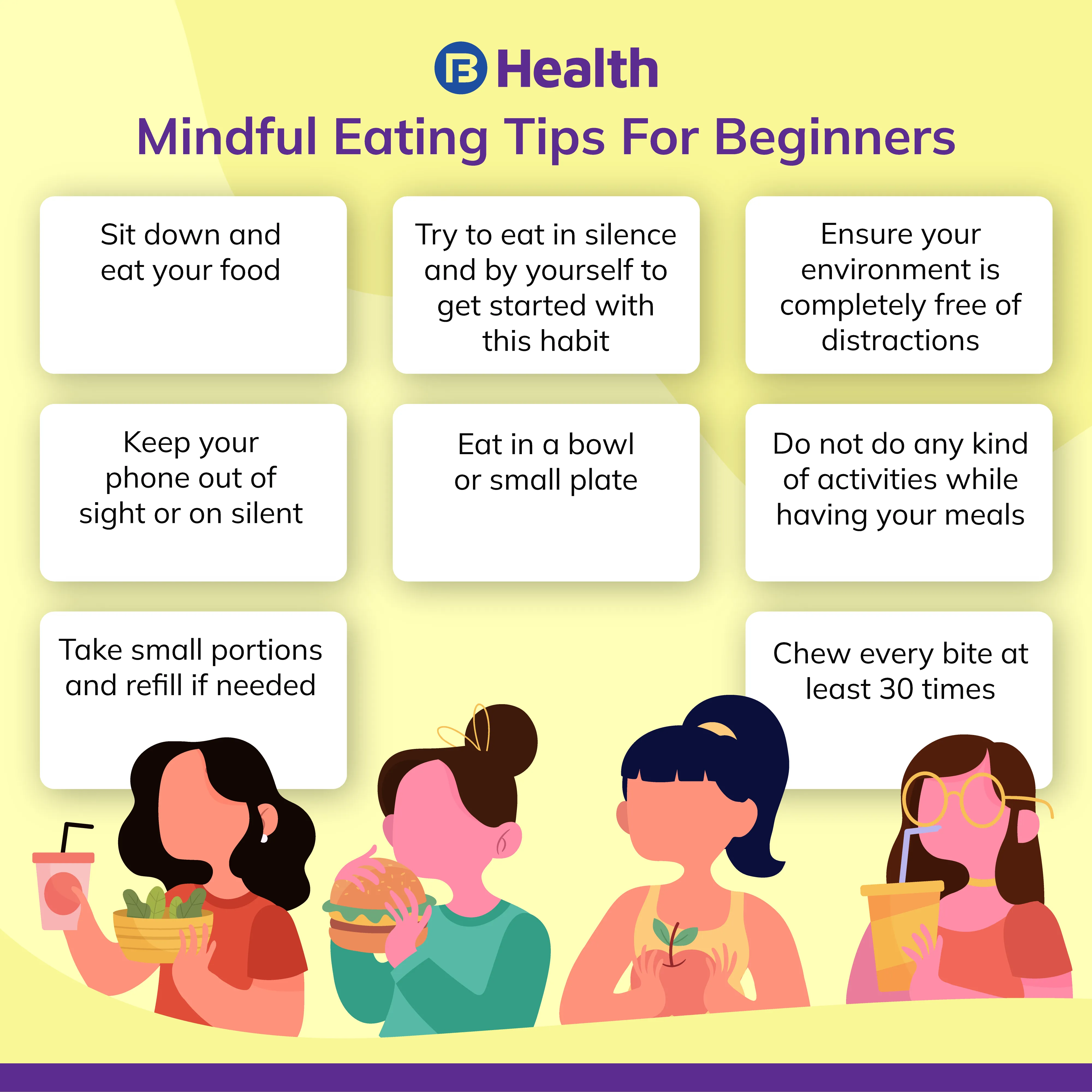
- Minimize Distractions: Turn off screens, put away your phone, close your book. Dedicate your full attention to the act of eating.
- Create a Calm Space: Eat at a table, not in front of the TV or at your desk. Make the space inviting and peaceful.
- Appropriate Portions: Use smaller plates. Serve yourself reasonable portions, knowing you can always go back for more if you're still truly hungry (and eat it mindfully, of course).
- Savor, Don't Just Consume: Transform eating from a rushed refueling mission into a sacred ritual of nourishment and pleasure.
Step 6: The Post-Meal Reflection – Processing the Encounter
The learning doesn't stop when the meal ends. Reflecting afterward provides valuable data for future choices.
- Physical Feelings: How does your body feel now? Energized or sluggish? Light or heavy? Any digestive discomfort?
- Mental/Emotional State: How do you feel mentally and emotionally? Satisfied, peaceful, guilty, regretful?
- No Guilt, Just Data: The goal isn't to judge, but to gather information. What did you learn from this eating experience? Did the food truly satisfy you? Was it worth it? What felt good, and what didn't? This non-judgmental reflection slowly builds an internal wisdom that guides future choices more effectively than any external rule.
The Transformation: What Happens When You Break Up Mindfully
The cumulative effect of these mindful practices is nothing short of transformative. It’s not about willpower; it’s about wisdom.
1. Reduced Cravings and Diminished Allure: As you consistently engage with high-fat foods mindfully, you may find their intense allure diminishes. When you truly experience the food – its fleeting pleasure, its sometimes heavy after-effects – the automatic, unconscious craving often loosens its grip. You begin to differentiate between genuine physical hunger and a conditioned desire. You realize that a hyper-palatable food might offer an intense initial hit, but its deeper satisfaction is often lacking compared to truly nourishing, whole foods.
2. Increased Satisfaction with Less: When you eat mindfully, you extract maximum pleasure from each bite. This often means that a smaller quantity of a high-fat food can provide immense satisfaction. Instead of needing to finish an entire bag of chips to feel "satisfied," a handful, savored deeply, might be enough. The focus shifts from quantity to quality of experience.
3. Greater Autonomy and Control: The constant battle with cravings gives way to a sense of freedom. You are no longer dictated by impulsive urges or external triggers. You become the conscious decision-maker, choosing when, what, and how much to eat, based on your body's signals and your true desires, not on automatic reactions. This reclaims your personal power around food.
4. Improved Physical Health: A natural consequence of mindful eating is a reduction in overall high-fat and calorie intake. As you listen to your body, you naturally gravitate towards foods that make you feel good and stop when you are satisfied. This often leads to sustainable weight management, improved digestion, more stable energy levels, and better overall health markers, without the stress and deprivation of dieting.
5. Enhanced Mental and Emotional Well-being: The cycle of guilt, shame, and self-criticism around food begins to dissolve. Replaced by self-compassion, curiosity, and a sense of peace, your mental landscape around food becomes calmer and more positive. Eating becomes a source of nourishment and pleasure, rather than anxiety or a coping mechanism.
6. Reclaiming True Pleasure: Mindful eating doesn't diminish the pleasure of food; it amplifies it. By truly savoring each bite, you unlock a deeper appreciation for all foods, not just the high-fat ones. The subtle sweetness of a ripe berry, the earthy flavor of roasted vegetables, the satisfying chew of a whole grain – these experiences become more vivid and fulfilling. You learn that genuine satisfaction comes from attuned eating, not from the intensity of a food's fat, sugar, or salt content.
Addressing Nuances and Common Misconceptions
It’s important to clarify what mindful eating is not, to avoid common pitfalls:
- It’s not about never eating high-fat foods again. It's about intentionality. If you truly desire a high-fat treat, eat it, but do so consciously, savoring every bite and tuning into your body's response.
- It’s a journey, not a destination. There will be days when you eat mindlessly, when old habits resurface. These are not failures, but learning opportunities. Approach them with self-compassion, reflect, and gently redirect.
- It’s not about judgment, but observation. The goal is not to judge yourself or the food, but to observe with detached curiosity.
- It takes practice and patience. Like any skill, mindful eating requires consistent effort. Start small, perhaps with one meal a day, and gradually expand.
Conclusion: The Future of Your Relationship with Food
The journey of breaking up with high-fat favorites through mindful eating is not a punitive separation, but a loving evolution. It’s a transition from a reactive, often guilt-ridden relationship with food to one of conscious choice, profound satisfaction, and deep self-respect.
By understanding the allure of these foods, recognizing the limitations of traditional dieting, and embracing the principles of mindful eating, we equip ourselves with the tools to navigate our complex food environment with grace and wisdom. We learn to listen to our bodies, honor our emotions, and truly savor the experience of nourishment.
The result is not just a healthier body, but a liberated mind – free from the tyranny of cravings, the cycle of guilt, and the constant battle with food. It’s a profound shift that empowers us to reclaim our autonomy, find genuine pleasure in eating, and cultivate a relationship with food that is sustainable, compassionate, and deeply fulfilling. This mindful breakup isn't an ending; it's the beginning of a truly delicious and harmonious new chapter.


