Minerals 101: The Unsung Architects of Life – Why Your Body Needs Them and Where to Find the Richest Sources
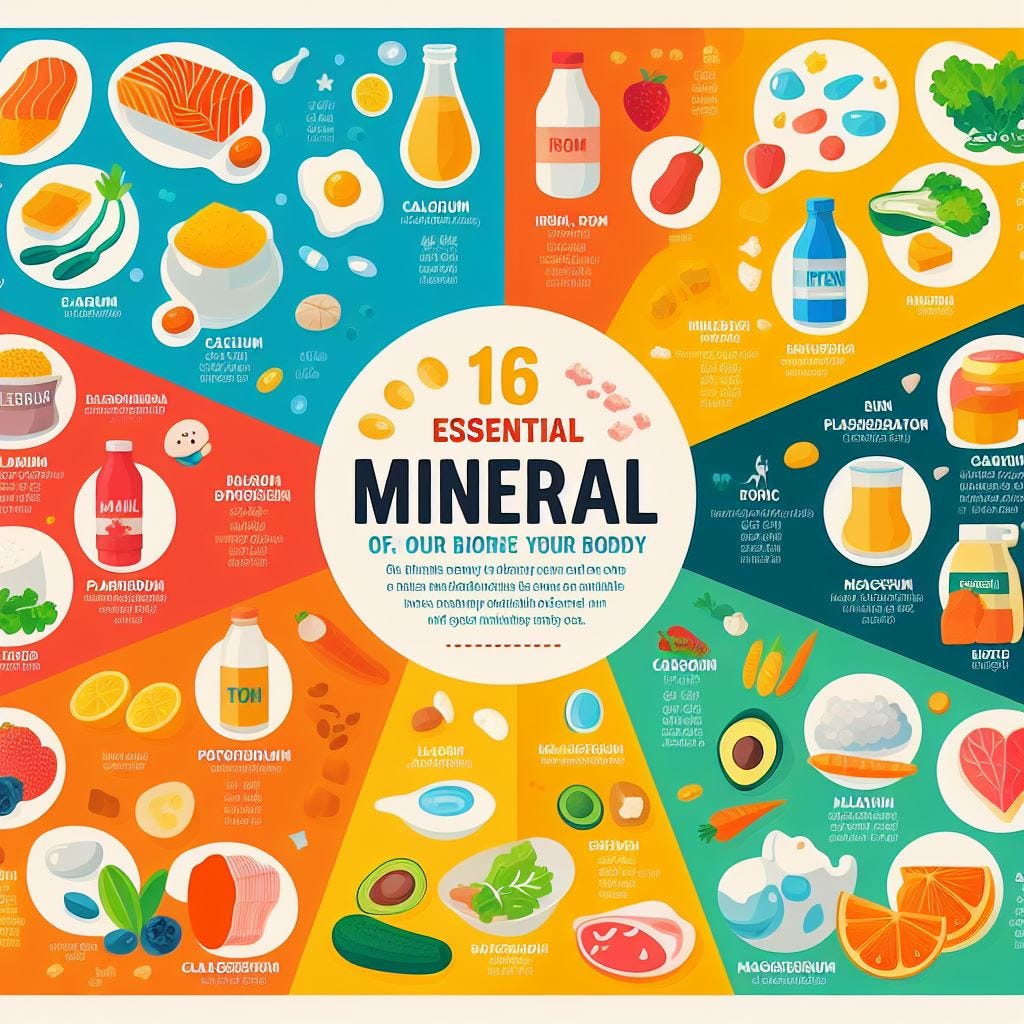
In the grand symphony of human biology, where proteins conduct, carbohydrates fuel, and fats insulate, there exists a quiet, unassuming section of the orchestra that often goes unnoticed, yet whose absence would render the entire performance discordant and ultimately, impossible. These are the minerals – the earth's ancient gifts, transformed into the very essence of life within us. They are the silent architects, the intricate cogs, the delicate electrical conductors that underpin every breath, every thought, every beat of the heart.
For the discerning mind, one that seeks to understand the foundational truths of health beyond the fleeting trends, the story of minerals is a profound narrative of indispensable roles, delicate balances, and the surprising challenges of obtaining these vital elements in our modern world. It's a tale that weaves through geology, biochemistry, and the wisdom of ancestral diets, culminating in a profound appreciation for these microscopic powerhouses.
The Elemental Foundation: Why Your Body Needs Minerals
Imagine trying to build a skyscraper without steel girders, concrete, or the myriad fasteners that hold it all together. You might have the blueprints (DNA), the workforce (proteins), and the energy to power the cranes (carbohydrates and fats), but without the fundamental structural components, the edifice remains an impossibility. Minerals are precisely these foundational elements for the human body.
Unlike vitamins, which are organic compounds often synthesized by living organisms, minerals are inorganic substances, originating from the earth itself. They are absorbed by plants, which are then consumed by animals and humans, completing a vital cycle. They cannot be created by the body; they must be ingested. Their roles are astonishingly diverse and utterly non-negotiable for life:
- Structural Integrity: From the robust architecture of our bones and teeth (calcium, phosphorus, magnesium) to the elasticity of our connective tissues (copper, manganese), minerals provide the framework upon which our bodies are built.
- Enzymatic Catalysis: Many minerals act as crucial cofactors for enzymes – the biological catalysts that drive virtually every biochemical reaction in the body. Without minerals like zinc, selenium, iron, or magnesium, thousands of enzymatic processes, from energy production to detoxification, would grind to a halt.
- Fluid and Electrolyte Balance: Minerals like sodium, potassium, and chloride are the primary electrolytes, maintaining the precise balance of fluids inside and outside our cells. This balance is critical for nerve impulse transmission, muscle contraction, and blood pressure regulation.
- Nerve Impulse Transmission: The rapid-fire communication network of our nervous system relies heavily on the controlled movement of mineral ions across cell membranes, facilitating everything from thought processes to motor control.
- Oxygen Transport: Iron, famously, is the central component of hemoglobin, the protein in red blood cells responsible for ferrying oxygen from the lungs to every cell in the body. Without iron, cellular respiration—the very process of energy generation—would cease.
- Hormone Production: Iodine is an indispensable component of thyroid hormones, which regulate metabolism, growth, and development. Zinc is critical for the synthesis and function of numerous hormones, including insulin and sex hormones.
- Immune Function: Many minerals, notably zinc, selenium, and copper, play pivotal roles in strengthening the immune system, acting as antioxidants and supporting the proliferation and function of immune cells.
This intricate web of functions underscores that minerals are not mere add-ons to a healthy diet; they are the bedrock upon which all other nutrients depend for their efficacy. Their story is one of essential partnership, where the absence of even a tiny player can unravel the entire biological fabric.
The Elemental Divide: Macro vs. Trace Minerals
Minerals are broadly categorized into two groups based on the quantities required by the body:
- Macrominerals: These are needed in larger amounts (typically >100 mg per day). They include Calcium, Phosphorus, Magnesium, Sodium, Potassium, Chloride, and Sulfur.
- Trace Minerals (Microminerals): These are required in much smaller quantities (typically <100 mg per day, often in micrograms), but their importance is no less significant. This group includes Iron, Zinc, Copper, Selenium, Iodine, Manganese, Chromium, Molybdenum, and others like Fluoride and Boron.
Let's delve deeper into some of the most critical players and unravel their unique contributions and the richest sources.
>
The Pillars of Health: Essential Macrominerals
1. Calcium: The Architect of Bone and Beyond
Often hailed as the "bone mineral," calcium's role extends far beyond skeletal strength. It's a critical player in nerve impulse transmission, muscle contraction (including the heartbeat), blood clotting, and the release of hormones and enzymes. Without adequate calcium, the body will leach it from bones, leading to osteoporosis over time.
- Role: Bone and tooth formation, nerve transmission, muscle contraction, blood clotting, hormone secretion.
- Deficiency Symptoms: Osteoporosis, muscle cramps, tingling in fingers, irregular heartbeat.
- Richest Sources:
- Dairy Products: Milk, yogurt, cheese (especially hard cheeses like Parmesan and Swiss). These are highly bioavailable sources.
- Leafy Green Vegetables: Collard greens, kale, spinach (though spinach's oxalic acid can inhibit absorption), turnip greens, bok choy.
- Fortified Foods: Fortified plant milks (almond, soy, oat), fortified orange juice, some cereals.
- Seafood: Canned sardines and salmon (with bones), shrimp.
- Legumes: White beans, black-eyed peas.
- Nuts & Seeds: Almonds, sesame seeds (tahini).
2. Magnesium: The Master Regulator
Dubbed the "relaxation mineral," magnesium is a cofactor in over 300 enzymatic reactions in the body. It's essential for energy production (ATP synthesis), protein synthesis, muscle and nerve function, blood glucose control, and blood pressure regulation. Its profound impact on the nervous system makes it crucial for managing stress, sleep, and mood.
- Role: Energy production, muscle and nerve function, blood glucose control, blood pressure regulation, protein synthesis, bone health.
- Deficiency Symptoms: Muscle cramps and spasms, fatigue, insomnia, anxiety, migraines, irregular heartbeat.
- Richest Sources:
- Leafy Green Vegetables: Spinach, kale, Swiss chard, collard greens.
- Nuts & Seeds: Almonds, cashews, pumpkin seeds, chia seeds, flax seeds.
- Legumes: Black beans, lentils, chickpeas.
- Whole Grains: Brown rice, quinoa, oats, whole wheat.
- Dark Chocolate: A delicious source!
- Avocado: Another tasty and healthy option.
- Fatty Fish: Salmon, mackerel.
3. Potassium: The Electrolyte of Balance
Potassium works in tandem with sodium to maintain fluid balance, nerve signals, and muscle contractions. It's particularly vital for heart health, helping to regulate blood pressure by counteracting the effects of sodium. A diet rich in potassium is often associated with a lower risk of stroke and heart disease.
- Role: Fluid balance, nerve signals, muscle contractions, blood pressure regulation.
- Deficiency Symptoms: Muscle weakness, fatigue, constipation, irregular heartbeat (severe).
- Richest Sources:
- Fruits: Bananas, oranges, cantaloupe, avocado, dried apricots, prunes.
- Vegetables: Potatoes (especially with skin), sweet potatoes, spinach, broccoli, kale, tomatoes, squash.
- Legumes: Lentils, kidney beans, black beans.
- Dairy: Milk, yogurt.
- Fish: Salmon, cod.
4. Sodium: The Conductor of Nerve Impulses (in moderation)
While often demonized, sodium is an essential electrolyte crucial for fluid balance, nerve impulse transmission, and muscle function. The issue is usually excess sodium from processed foods, not a lack of it. Balanced intake is key.
- Role: Fluid balance, nerve transmission, muscle function.
- Deficiency Symptoms (rare): Hyponatremia (headache, confusion, seizures), muscle cramps.
- Richest Sources:
- Natural Sources: Small amounts in most whole foods (meat, dairy, vegetables).
- Processed Foods: Cured meats, cheeses, canned goods, ready meals (the primary source of excess sodium).
- Table Salt: Sodium chloride.
5. Phosphorus: The Energy Currency Partner
Phosphorus is the second most abundant mineral in the body, intimately linked with calcium for bone and tooth formation. Crucially, it's a fundamental component of ATP (adenosine triphosphate), the body's primary energy currency, and a building block of DNA, RNA, and cell membranes.
- Role: Bone and tooth formation, energy production (ATP), DNA/RNA synthesis, cell membrane structure.
- Deficiency Symptoms (rare): Muscle weakness, bone pain, fatigue.
- Richest Sources:
- Protein-Rich Foods: Meat, poultry, fish, eggs.
- Dairy Products: Milk, cheese, yogurt.
- Legumes: Lentils, beans.
- Nuts & Seeds: Pumpkin seeds, almonds.
- Whole Grains: Wheat, oats.
6. Chloride: The Digestive Aid
Chloride, often paired with sodium, plays a vital role in maintaining fluid and electrolyte balance. It's also a critical component of hydrochloric acid in the stomach, essential for digestion and nutrient absorption.
- Role: Fluid balance, electrolyte balance, component of stomach acid.
- Deficiency Symptoms (rare): Metabolic alkalosis, fluid imbalance.
- Richest Sources:
- Table Salt: Sodium chloride.
- Seaweed: Nori, kelp.
- Tomatoes, Celery, Olives: These contain natural chloride.
7. Sulfur: The Detoxification Specialist
Sulfur is a lesser-known but equally vital macromineral, integral to the structure of several amino acids (methionine, cysteine) and vitamins (thiamine, biotin). It's crucial for protein synthesis, detoxification pathways in the liver (especially glutathione production), and the health of skin, hair, and nails.
- Role: Protein synthesis, detoxification, connective tissue health, enzyme function.
- Deficiency Symptoms (rare): Impaired detoxification, joint pain, poor skin/hair/nail health.
- Richest Sources:
- Protein-Rich Foods: Meat, poultry, fish, eggs, dairy.
- Cruciferous Vegetables: Broccoli, cauliflower, cabbage, Brussels sprouts.
- Allium Vegetables: Garlic, onions, leeks.
>
The Intricate Gears: Essential Trace Minerals
1. Iron: The Oxygen Carrier
Iron is the cornerstone of oxygen transport. As the central atom in hemoglobin, it binds oxygen in the lungs and releases it into the tissues. It's also critical for energy production, DNA synthesis, and immune function. Iron deficiency anemia is one of the most common nutritional deficiencies worldwide.
- Role: Oxygen transport (hemoglobin), energy production, DNA synthesis, immune function.
- Deficiency Symptoms: Anemia (fatigue, weakness, pale skin, shortness of breath), impaired cognitive function, weakened immunity.
- Richest Sources:
- Heme Iron (highly bioavailable): Red meat (beef, lamb, pork), organ meats (liver), poultry (dark meat), fish.
- Non-Heme Iron (less bioavailable, enhanced by Vitamin C): Legumes (lentils, beans), spinach, fortified cereals, pumpkin seeds, dark chocolate.
2. Zinc: The Immune Sentinel
Zinc is a true multitasker, involved in over 300 enzymatic reactions. It's paramount for immune function, wound healing, cell growth and division, DNA synthesis, taste and smell acuity, and plays a role in insulin action and thyroid hormone metabolism.
- Role: Immune function, wound healing, cell growth, DNA synthesis, taste/smell, hormone regulation.
- Deficiency Symptoms: Impaired immunity, slow wound healing, hair loss, loss of taste/smell, skin lesions.
- Richest Sources:
- Oysters: By far the richest source.
- Red Meat: Beef, lamb, pork.
- Poultry: Chicken, turkey.
- Legumes: Chickpeas, lentils, black beans.
- Nuts & Seeds: Pumpkin seeds, cashews, almonds.
- Dairy: Cheese, milk.
- Whole Grains: Oats, quinoa.
3. Copper: The Iron Assistant
Copper is another vital trace mineral, often working closely with iron. It's essential for iron metabolism, red blood cell formation, collagen production (for connective tissue, skin, and bones), energy production, and acts as an antioxidant. It's also crucial for nerve function and immune health.
- Role: Iron metabolism, collagen formation, energy production, antioxidant defense, nerve function.
- Deficiency Symptoms (rare): Anemia, bone abnormalities, nerve problems, impaired immunity.
- Richest Sources:
- Organ Meats: Liver (especially beef liver).
- Shellfish: Oysters, crab, lobster.
- Nuts & Seeds: Cashews, almonds, sesame seeds.
- Legumes: Lentils, chickpeas.
- Whole Grains: Oats, barley.
- Dark Chocolate: Another good source.
4. Selenium: The Antioxidant Powerhouse
Selenium is a potent antioxidant, protecting cells from oxidative damage. It's critical for thyroid hormone metabolism, DNA synthesis, and immune function. Its role in combating oxidative stress makes it a key player in anti-aging and disease prevention.
- Role: Antioxidant defense, thyroid hormone metabolism, DNA synthesis, immune function.
- Deficiency Symptoms: Weakened immunity, Keshan disease (a type of cardiomyopathy), impaired thyroid function.
- Richest Sources:
- Brazil Nuts: Extremely high, often just one or two nuts provide the daily recommended intake.
- Seafood: Tuna, salmon, cod, shrimp.
- Organ Meats: Liver.
- Meat & Poultry: Beef, chicken, turkey.
- Eggs: A good source.
- Mushrooms: Shiitake, button.
5. Iodine: The Thyroid Maestro
Iodine is absolutely indispensable for the synthesis of thyroid hormones (thyroxine, T4, and triiodothyronine, T3). These hormones regulate metabolism, energy production, growth, and development. Iodine deficiency is a leading cause of preventable intellectual disability worldwide.
- Role: Thyroid hormone production, metabolic regulation, growth, and development.
- Deficiency Symptoms: Goiter (enlarged thyroid gland), hypothyroidism (fatigue, weight gain, cold intolerance, cognitive impairment), cretinism in infants.
- Richest Sources:
- Seaweed: Kelp, nori, dulse (exceptionally rich, but can vary widely).
- Fish: Cod, tuna, haddock.
- Dairy Products: Milk, yogurt, cheese (varies based on iodine in animal feed).
- Iodized Salt: A primary public health intervention against deficiency.
- Eggs: Contain some iodine.
6. Manganese: The Bone and Metabolism Supporter
Manganese is a cofactor for several enzymes involved in bone formation, carbohydrate and fat metabolism, and antioxidant defense. It also plays a role in brain function and nerve health.
- Role: Bone formation, metabolism of carbs/fats/amino acids, antioxidant defense, brain function.
- Deficiency Symptoms (rare): Impaired bone growth, reproductive issues, skin rashes.
- Richest Sources:
- Whole Grains: Brown rice, oats, whole wheat.
- Nuts: Hazelnuts, pecans, almonds.
- Legumes: Chickpeas, lentils.
- Leafy Green Vegetables: Spinach, kale.
- Tea: Black and green tea.
7. Chromium: The Insulin Enhancer
Chromium is a trace mineral that appears to enhance the action of insulin, a hormone critical for regulating blood sugar levels. It may play a role in carbohydrate and fat metabolism.
- Role: Enhances insulin action, involved in carbohydrate and lipid metabolism.
- Deficiency Symptoms (rare): Impaired glucose tolerance (can mimic diabetes).
- Richest Sources:
- Broccoli: A good vegetable source.
- Grape Juice: Contains chromium.
- Whole Grains: Whole wheat products.
- Meats: Beef, poultry.
- Brewer's Yeast: A concentrated source.
8. Molybdenum: The Detoxification Catalyst
Molybdenum is a cofactor for several enzymes that are crucial for breaking down certain amino acids, metabolizing drugs and toxins, and for the proper functioning of sulfur metabolism.
- Role: Cofactor for enzymes involved in amino acid metabolism, detoxification.
- Deficiency Symptoms (extremely rare): Neurological disturbances, impaired sulfur metabolism.
- Richest Sources:
- Legumes: Lentils, beans, peas.
- Grains: Whole grains.
- Nuts: Almonds, peanuts.
- Leafy Green Vegetables: Spinach, kale.
>
The Grand Symphony: Interactions and Bioavailability
The story of minerals isn't just about individual elements; it's about their intricate dance and synergistic relationships. Minerals rarely act in isolation, and their absorption (bioavailability) can be profoundly influenced by other dietary components and the body's physiological state.
Synergy:
- Calcium, Magnesium, and Vitamin D: These three are inextricably linked for bone health. Vitamin D is essential for calcium absorption, and magnesium helps convert vitamin D into its active form and supports calcium transport.
- Iron and Vitamin C: Vitamin C dramatically enhances the absorption of non-heme iron (from plant sources), making it crucial for vegetarians and vegans.
- Zinc and Copper: These two share absorption pathways and must be kept in balance. High doses of zinc can induce copper deficiency over time.
- Selenium and Iodine: Both are vital for thyroid health, working in different capacities to ensure proper thyroid hormone synthesis and function.
- Sodium and Potassium: The balance between these two is critical for fluid regulation and cardiovascular health.
Antagonism and Inhibitors:
- Phytates: Found in whole grains, legumes, nuts, and seeds, phytates can bind to minerals like zinc, iron, and calcium, reducing their absorption. Soaking, sprouting, and fermenting can reduce phytate content.
- Oxalates: Present in spinach, rhubarb, and beet greens, oxalates can bind to calcium, making it less available.
- Tannins: Found in tea and coffee, tannins can inhibit non-heme iron absorption.
- Fiber: While essential, very high fiber intake can sometimes interfere with mineral absorption.
- Drug Interactions: Certain medications (e.g., antacids, diuretics) can impact mineral status.
- Gut Health: A healthy gut microbiome and intestinal lining are paramount for efficient mineral absorption. Inflammation or malabsorption issues can severely compromise mineral status.
Understanding these interactions is key for a knowledgeable audience. It moves beyond a simple list of "good for you" foods to a nuanced appreciation of how dietary choices create a complex biochemical environment within the body.
The Modern Nutritional Landscape: Challenges to Mineral Sufficiency
Despite the abundance of scientific knowledge, achieving optimal mineral intake in the modern era presents unique challenges that our ancestors rarely faced. This is where the story takes a turn towards the contemporary struggle.
- Soil Depletion: Decades of intensive conventional farming practices have stripped essential minerals from agricultural soils. Crops grown on nutrient-poor soil will themselves be nutrient-poor, even if they appear visually healthy. This means that, pound for pound, many fruits and vegetables today contain fewer minerals than they did decades ago.
- Processed Foods: The vast majority of processed foods are stripped of their natural mineral content during refining (e.g., white flour losing magnesium, zinc, and chromium from the bran and germ). Furthermore, the additives and synthetic ingredients in these foods can sometimes interfere with the absorption of the few remaining nutrients.
- Dietary Diversity: Modern diets, especially in Western societies, tend to be narrow, focusing on a limited range of staple crops and animal products. Our ancestors consumed a far wider variety of wild plants, organ meats, and foraged foods, ensuring a broader spectrum of micronutrients.
- Cooking Methods: While some cooking methods can enhance mineral bioavailability (e.g., cooking tomatoes for lycopene), others can leach minerals into cooking water or degrade heat-sensitive compounds.
- Stress and Lifestyle: Chronic stress, lack of sleep, excessive alcohol consumption, and certain medications can all increase the body's demand for minerals or impair their absorption and utilization.
These factors paint a picture of a population potentially facing widespread sub-clinical mineral deficiencies, even with seemingly "adequate" diets. This context elevates the importance of strategic sourcing and mindful eating.
The Treasure Map: Strategic Sourcing for Mineral Riches
Given these challenges, how does one, armed with knowledge, navigate the modern food landscape to secure a robust mineral profile? The answer lies in a return to foundational principles and a strategic focus on specific food categories:
Embrace Whole, Unprocessed Foods: This is the golden rule. Prioritize foods in their natural state – fresh fruits, vegetables, whole grains, legumes, nuts, seeds, and quality animal proteins. These are nutrient-dense and come with their natural array of cofactors that aid absorption.
Go Green, Deep Green: Leafy green vegetables (spinach, kale, collard greens, Swiss chard, bok choy) are powerhouse sources of magnesium, calcium, potassium, manganese, and a host of vitamins. Vary your greens to get a wider spectrum.
Nuts and Seeds: Tiny Nutritional Bombs: Almonds, cashews, pumpkin seeds, chia seeds, flax seeds, sesame seeds (tahini) are phenomenal sources of magnesium, zinc, copper, manganese, and healthy fats. Incorporate a variety daily.
Legumes: Earth's Bounty: Lentils, chickpeas, black beans, kidney beans are rich in iron, zinc, magnesium, potassium, and molybdenum, alongside fiber and protein. Soaking and sprouting can improve mineral bioavailability.
Whole Grains: Beyond the Refined: Brown rice, quinoa, oats, millet, farro, and whole wheat offer magnesium, manganese, selenium, and B vitamins. Always choose whole grains over refined versions.
Sea Vegetables: From the Ocean's Depths: Nori, kelp, dulse, and wakame are exceptionally rich in iodine and a broad spectrum of trace minerals, reflecting the mineral composition of seawater. Use them in moderation due to potentially high iodine content.
Quality Animal Products & Organ Meats: For those who consume them, grass-fed red meat, poultry, and wild-caught fish are unparalleled sources of highly bioavailable iron, zinc, copper, selenium, and B vitamins. Organ meats, particularly liver, are true superfoods, packed with iron, copper, zinc, selenium, and many other micronutrients.
Mineral-Rich Waters: Don't underestimate the role of water. Some natural spring waters or mineral waters can contribute small but significant amounts of calcium, magnesium, and other trace minerals.
Herbs and Spices: Many common herbs and spices, used in larger culinary quantities, can contribute trace minerals (e.g., dried herbs, cinnamon, turmeric).
Mindful Preparation: Soaking legumes and grains, fermenting foods (sauerkraut, kimchi, sourdough), and pairing non-heme iron sources with Vitamin C-rich foods are simple yet powerful strategies to enhance mineral absorption.
The Precision Tool: When to Consider Supplementation
For the knowledgeable audience, the discussion around supplementation is nuanced. While a nutrient-dense, whole-food diet should always be the primary strategy, there are scenarios where targeted supplementation may be beneficial:
- Diagnosed Deficiencies: If blood tests reveal a specific mineral deficiency (e.g., iron deficiency anemia, severe magnesium deficiency), supplementation under medical guidance is essential.
- Increased Needs: Pregnant and lactating women, athletes, individuals with certain medical conditions, or those following restrictive diets (e.g., strict veganism) may have higher mineral requirements that are challenging to meet through diet alone.
- Malabsorption Issues: Conditions like Crohn's disease, celiac disease, or gastric bypass surgery can impair mineral absorption, necessitating supplementation.
- Geographic Factors: In areas with iodine-deficient soil, supplementation or iodized salt becomes critical.
- Dietary Gaps: If consistently unable to consume a diverse, mineral-rich diet, a high-quality multivitamin/mineral supplement might serve as an insurance policy, but it should never replace whole foods.
Crucial Caveat: More is not always better. Many minerals can be toxic in excessive amounts (e.g., iron, selenium, zinc, copper). Always consult with a healthcare professional (doctor, registered dietitian) before starting any high-dose mineral supplementation, especially for trace minerals. They can assess your individual needs through dietary analysis and, if necessary, blood tests.
Conclusion: Embracing the Unsung Heroes
The story of minerals is one of profound significance, a narrative often overshadowed by the more celebrated macronutrients and vitamins. Yet, these unsung architects of life are the very foundation upon which our health, vitality, and well-being are built. From the robust strength of our bones to the intricate dance of our nerve impulses, from the vibrant flow of oxygen to the silent symphony of enzymatic reactions, minerals are the indispensable gears, catalysts, and conductors.
For the knowledgeable individual, this understanding is an invitation to look beyond the surface of food, to appreciate the elemental wisdom embedded in every whole, unprocessed bite. It's a call to action to cultivate a diet rich in diversity, embracing the ancient gifts from the earth and the sea. By consciously choosing to nourish our bodies with these vital micronutrients, we don't just eat; we actively participate in the grand, intricate, and beautiful story of life itself, ensuring that our personal biological symphony plays on, harmoniously and robustly. The journey to optimal health begins with a profound respect for the smallest, most powerful components of our nutrition – the humble, yet magnificent, minerals.


