Omega-3s and Beyond: The Lipid Symphony That Fights Cardiovascular Disease
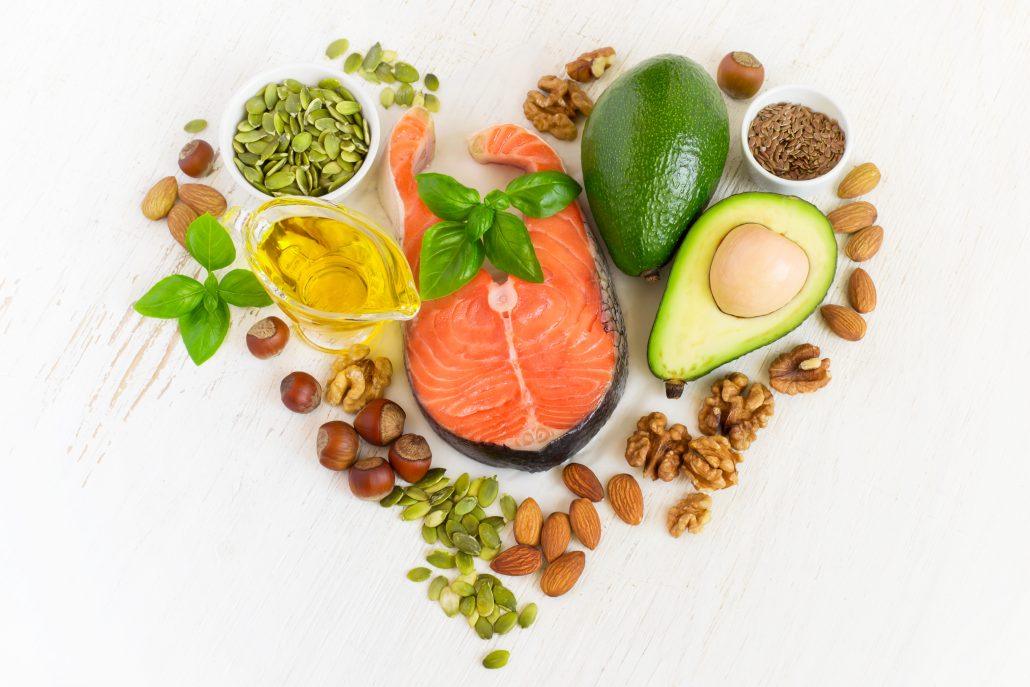
For decades, fat was the undisputed villain in the epic struggle against cardiovascular disease. It lurked in every delicious bite, a silent saboteur of arteries, a guaranteed path to the operating table. The dietary advice of a generation was clear: shun fat, embrace low-fat, and you would protect your heart. Yet, as the decades unfolded, the promised land of heart health remained elusive. Heart disease continued its relentless march, and the scientific community, ever curious, began to question the simplistic narrative.
What emerged from this reassessment was not just a plot twist, but a profound paradigm shift. Fat, it turned out, was not a monolithic enemy, but a diverse family of molecules, some of which were not just benign, but actively, powerfully, therapeutic. Among these, the omega-3 fatty acids rose to prominence, heralded as a major discovery in nutritional science. But the story of fats and heart health doesn't end with omega-3s. It's a rich, complex symphony of various lipids, each playing a crucial role in maintaining cardiovascular vitality, pushing us beyond the reductive "good vs. bad" labels towards a nuanced understanding of their biochemical ballet within our bodies. This article will embark on a journey through this lipid landscape, exploring the fats that actively fight cardiovascular disease, dissecting their mechanisms, and ultimately weaving a holistic narrative of how we can harness their power for a healthier heart.
Chapter 1: The Omega-3 Odyssey – From Frozen Seas to Cellular Health
Our story begins in the frosty climes of Greenland, with a fascinating epidemiological enigma known as the "Inuit Paradox." In the 1970s, two Danish researchers, Bang and Dyerberg, observed that despite a diet rich in fat and cholesterol derived primarily from marine mammals and fish, the indigenous Inuit population exhibited remarkably low rates of heart disease. This observation flew directly in the face of conventional wisdom. What was their secret? The answer, they posited, lay in the unique composition of the fats they consumed: omega-3 polyunsaturated fatty acids.
These pioneering observations sparked a global scientific quest, revealing omega-3s to be far more than just dietary components; they are essential nutrients with profound implications for human health, particularly for the cardiovascular system.
The Molecular Stars: ALA, EPA, and DHA
Omega-3s come in three primary forms relevant to human nutrition:
- Alpha-Linolenic Acid (ALA): This is the plant-based precursor, found abundantly in flaxseeds, chia seeds, walnuts, and some vegetable oils (e.g., canola oil). ALA is an essential fatty acid, meaning our bodies cannot synthesize it and we must obtain it from our diet. While beneficial in its own right, the body's conversion of ALA to the longer-chain, more potent omega-3s (EPA and DHA) is often inefficient, particularly in men.
- Eicosapentaenoic Acid (EPA): The marine workhorse. EPA is primarily found in fatty fish (salmon, mackerel, sardines, herring) and algae. It is renowned for its potent anti-inflammatory properties and its role in modulating blood lipid levels.
- Docosahexaenoic Acid (DHA): Also predominantly found in fatty fish and algae, DHA is a critical structural component of cell membranes, especially in the brain, retina, and sperm. While often highlighted for its neurodevelopmental benefits, DHA also plays a significant role in cardiovascular health, complementing EPA's actions.
Mechanisms of Action – The Cellular Orchestra
The true magic of omega-3s lies in their multifaceted actions at the cellular and molecular level. They don't just "do one thing"; they orchestrate a symphony of beneficial physiological changes:
- Anti-inflammatory Maestro: Perhaps their most celebrated role, omega-3s are powerful anti-inflammatory agents. They compete with omega-6 fatty acids (specifically arachidonic acid, AA) for enzymes involved in the synthesis of eicosanoids. While AA leads to the production of pro-inflammatory eicosanoids (like PGE2, LTB4), EPA gives rise to less inflammatory or even anti-inflammatory counterparts (PGE3, LTB5). This competition shifts the body's inflammatory balance away from chronic, destructive inflammation, a key driver of atherosclerosis.
- Anti-arrhythmic Guardian: Omega-3s, particularly DHA, stabilize myocardial cell membranes. They modulate ion channels (like sodium and calcium channels) and improve gap junction communication, making heart cells less excitable and less prone to dangerous arrhythmias, including sudden cardiac death. This protective effect is particularly relevant in patients with existing heart disease.
- Endothelial Engineer: The endothelium, the inner lining of blood vessels, is crucial for cardiovascular health. Omega-3s enhance endothelial function by increasing the bioavailability of nitric oxide (NO), a potent vasodilator. Improved NO production leads to better blood flow, reduced arterial stiffness, and inhibition of platelet and leukocyte adhesion to the vessel wall, all of which combat atherosclerosis.
- Lipid Lipidographer: One of the most consistent and well-established effects of omega-3s is their ability to significantly lower triglyceride levels. They achieve this by inhibiting the synthesis of very-low-density lipoprotein (VLDL) in the liver and enhancing the clearance of triglycerides from the bloodstream. While their effects on LDL ("bad" cholesterol) and HDL ("good" cholesterol) are generally modest and less consistent, the reduction in triglycerides is a critical benefit, especially for individuals with hypertriglyceridemia.
- Anti-thrombotic Agent: Omega-3s interfere with platelet aggregation, making blood less prone to clotting. They reduce the production of thromboxane A2 (a potent platelet aggregator) and increase prostacyclin (a vasodilator and anti-aggregator). This "blood-thinning" effect can reduce the risk of clot formation in arteries, a common cause of heart attacks and strokes.
- Blood Pressure Regulator: While not as dramatic as pharmaceutical interventions, regular intake of omega-3s has been shown to induce a modest but clinically significant reduction in blood pressure, particularly in hypertensive individuals.
The Supplement Debate & Clinical Trials: A Story of Nuance
The initial enthusiasm for omega-3s led to a boom in fish oil supplements, but clinical trial results were not always uniformly positive, leading to some confusion. This highlights the importance of dose, purity, patient population, and the specific omega-3 type being studied.
- REDUCE-IT (Reduction of Cardiovascular Events with Icosapent Ethyl - Intervention Trial): This trial, published in 2019, was a game-changer. It studied icosapent ethyl, a highly purified, prescription-grade EPA formulation, in over 8,000 high-risk patients with elevated triglycerides (despite statin therapy) and established cardiovascular disease or diabetes. The results were stunning: a 25% relative risk reduction in major adverse cardiovascular events (MACE), including cardiovascular death, non-fatal myocardial infarction, non-fatal stroke, coronary revascularization, or unstable angina. This trial unequivocally demonstrated that high-dose, purified EPA could significantly improve cardiovascular outcomes beyond statin therapy.
- VITAL (Vitamin D and Omega-3 Trial): This large-scale primary prevention trial (2019) investigated lower doses of combined EPA and DHA in a general population. While it didn't show a significant reduction in the primary composite endpoint of MACE, it did suggest benefits in certain subgroups, particularly a reduction in total heart attacks and a significant reduction in heart attacks in individuals with low fish intake at baseline.
- ASCEND: Another large trial, published in 2018, investigated omega-3 supplementation in patients with diabetes but no established cardiovascular disease. It found no significant benefit on the primary endpoint of serious vascular events.
Why the discrepancies? The key lies in the details. REDUCE-IT used a very high dose (4g/day) of pure EPA in a high-risk population with elevated triglycerides. VITAL and ASCEND used lower doses of mixed EPA/DHA in broader populations, some of whom may have had adequate baseline omega-3 levels or less severe risk factors. This underscores that omega-3s are not a magic bullet for everyone at any dose, but rather a powerful therapeutic tool when targeted appropriately, especially with specific formulations and higher doses in high-risk individuals.
Beyond the Basics: Specialized Pro-Resolving Mediators (SPMs)
The story of omega-3s continues to evolve, moving beyond simply blocking inflammation to actively resolving it. Researchers have discovered a family of potent lipid mediators derived from EPA and DHA, known as Specialized Pro-resolving Mediators (SPMs), which include resolvins, protectins, and maresins. These molecules don't just dampen inflammatory signals; they actively orchestrate the shutdown of inflammation, promote tissue repair, and clear cellular debris. This "resolution pharmacology" represents a paradigm shift in our understanding of inflammation, highlighting omega-3s not just as anti-inflammatory agents, but as pro-resolving architects of tissue homeostasis.
Chapter 2: The Mediterranean Secret – MUFAs and the Power of Olive Oil
While omega-3s have captured the spotlight, another class of beneficial fats has quietly formed the cornerstone of one of the healthiest dietary patterns on Earth: the Mediterranean Diet. Central to this diet's cardiovascular prowess are Monounsaturated Fatty Acids (MUFAs), with oleic acid being the undisputed star.
The Mediterranean Diet as a Blueprint:
The Mediterranean Diet is more than just a list of foods; it's a lifestyle. Characterized by an abundance of fruits, vegetables, whole grains, legumes, nuts, and seeds, moderate fish and poultry, limited red meat, and, crucially, a generous use of extra virgin olive oil as the primary source of fat. This dietary pattern has been consistently linked to lower rates of heart disease, stroke, certain cancers, and improved longevity.
Monounsaturated Fatty Acids (MUFAs): The Heart of the Mediterranean
- Oleic Acid: The dominant MUFA, oleic acid (an omega-9 fatty acid) is found in high concentrations in olive oil (especially extra virgin), avocados, and many nuts (almonds, cashews, pecans).
- Mechanisms of Action:
- Cholesterol Modulation: MUFAs, when consumed as a replacement for saturated and trans fats, consistently lower levels of low-density lipoprotein cholesterol (LDL-C), often referred to as "bad" cholesterol. Importantly, they do so without significantly lowering high-density lipoprotein cholesterol (HDL-C), which is considered beneficial. Furthermore, MUFAs appear to reduce the susceptibility of LDL particles to oxidation, a critical step in the development of atherosclerosis.
- Anti-inflammatory Effects: Beyond their direct impact on cholesterol, MUFAs also exert anti-inflammatory effects. They can reduce markers of inflammation such as C-reactive protein (CRP) and various cytokines, contributing to a less inflammatory milieu within the vasculature.
- Insulin Sensitivity: Research suggests that MUFA-rich diets can improve insulin sensitivity, a crucial factor in preventing and managing type 2 diabetes, which is itself a major risk factor for cardiovascular disease. Better insulin sensitivity translates to more efficient glucose metabolism and reduced systemic inflammation.
- Endothelial Function: Similar to omega-3s, MUFAs contribute to improved endothelial function, promoting vasodilation and protecting the integrity of the blood vessel lining.
- Antioxidant Synergy (Extra Virgin Olive Oil): The benefits of extra virgin olive oil extend beyond its oleic acid content. It is rich in polyphenols – powerful antioxidants like hydroxytyrosol and oleocanthal. These compounds work synergistically with MUFAs to protect against oxidative stress, reduce inflammation, and inhibit platelet aggregation, further amplifying the cardiovascular benefits. Oleocanthal, for instance, has aspirin-like anti-inflammatory properties.
The "Good" Omega-6s: A Necessary Reassessment
For many years, omega-6 polyunsaturated fatty acids (PUFAs) were unjustly demonized, largely due to the "omega-6 to omega-3 ratio" hypothesis. This theory suggested that the modern Western diet's high omega-6 intake (compared to omega-3s) promoted chronic inflammation. While an imbalance is indeed problematic, the story is far more nuanced.
- Linoleic Acid (LA): The primary dietary omega-6, LA is an essential fatty acid found in plant-based foods like sunflower oil, corn oil, soybean oil, walnuts, almonds, and seeds. When LA replaces saturated fat in the diet, it effectively lowers LDL-C.
- The Nuance of Omega-6: The problem isn't LA itself, but rather the context in which it's consumed. Highly processed omega-6 rich vegetable oils, often found in ultra-processed foods, stripped of their natural antioxidants, and consumed alongside a severe deficiency in omega-3s and a high intake of refined carbohydrates, can indeed contribute to an inflammatory state. However, LA from whole food sources (nuts, seeds) or less-processed vegetable oils, within a balanced diet rich in omega-3s and antioxidants, plays a vital role in health.
- Arachidonic Acid (AA): LA is a precursor to arachidonic acid (AA), which in turn gives rise to pro-inflammatory eicosanoids. However, AA is also crucial for cell membrane integrity, brain development, and immune function. The body maintains tight control over AA metabolism. It's the chronic overproduction of pro-inflammatory mediators, often fueled by an imbalanced diet lacking counter-regulatory omega-3s, that becomes problematic, not AA itself.
- The Takeaway: Instead of fearing all omega-6s, the focus should be on reducing ultra-processed foods, ensuring adequate omega-3 intake, and consuming omega-6s from healthy, whole-food sources. A balanced dietary pattern, rather than an arbitrary omega-6:omega-3 ratio, is paramount.
Chapter 3: Decoding Saturated Fats – A Nuanced Perspective
No discussion of fats and cardiovascular disease would be complete without addressing saturated fats, the most historically maligned of all dietary lipids. For decades, saturated fat was synonymous with heart disease, leading to widespread dietary recommendations to drastically reduce its intake. However, contemporary science has begun to unravel this simplistic narrative, revealing a far more complex picture.
The Historical Villain and Its Unraveling:
The "diet-heart hypothesis," largely popularized by Ancel Keys in the mid-20th century, posited a direct link between dietary saturated fat, elevated blood cholesterol, and coronary heart disease. This led to a blanket recommendation to cut all saturated fat, often resulting in its replacement with refined carbohydrates, a dietary shift that ironically may have worsened public health.
The unraveling of this narrative began with the recognition that not all saturated fats are created equal, and the context of the overall diet matters immensely.
Heterogeneity of Saturated Fats:
Saturated fatty acids differ in their carbon chain length, and this structural difference profoundly impacts their metabolic effects:
- Stearic Acid (C18:0): Found in cocoa, beef, and other animal fats. Stearic acid is largely considered metabolically neutral. Upon absorption, a significant portion is desaturated into oleic acid (a MUFA) in the liver, meaning it doesn't raise LDL-C in the same way as other saturated fats. This is why dark chocolate, despite being high in saturated fat, is often viewed as heart-healthy, partly due to its stearic acid content and rich polyphenols.
- Palmitic Acid (C16:0): A common saturated fat found in palm oil, dairy products, and meat. Palmitic acid can raise LDL-C, but its effects are complex and depend heavily on the dietary matrix and the presence of other nutrients. For example, calcium in dairy can bind with saturated fats in the gut, reducing their absorption and mitigating their impact on LDL-C.
- Myristic Acid (C14:0) & Lauric Acid (C12:0): These shorter-chain saturated fats, found in coconut oil and dairy, are the most potent LDL-C raisers. Lauric acid, which makes up about 50% of coconut oil, has a particularly strong effect on increasing both LDL-C and HDL-C.
The Replacement Factor: What Matters Most
Perhaps the most crucial insight in the saturated fat debate is the replacement factor. The health impact of reducing saturated fat intake hinges entirely on what replaces it:
- Replacing with Refined Carbohydrates (Sugar, White Flour): When saturated fat is replaced with highly processed carbohydrates, the outcome is often detrimental. This dietary shift can lead to increased triglycerides, decreased HDL-C, and potentially a higher proportion of small, dense LDL particles, all of which elevate cardiovascular risk. This was a major flaw in many early low-fat dietary recommendations.
- Replacing with MUFAs and PUFAs: When saturated fat is replaced with beneficial monounsaturated or polyunsaturated fats (like those found in olive oil, avocados, nuts, seeds, and fatty fish), cardiovascular risk factors generally improve, including lower LDL-C and better lipid profiles. This is the foundation of the Mediterranean Diet's success.
The Food Matrix Effect:
The impact of saturated fat in whole foods (e.g., full-fat dairy, unprocessed meat) may differ from its impact when consumed in isolation or within ultra-processed foods. The complex matrix of whole foods, including proteins, fibers, vitamins, and minerals, can modulate the absorption and metabolic effects of saturated fats. For instance, fermented dairy products like yogurt and cheese, despite their saturated fat content, have been associated with neutral or even beneficial effects on cardiovascular health, possibly due to their unique matrix and probiotic content.
Coconut Oil Controversy:
Coconut oil, due to its high lauric acid content, has been a subject of considerable debate. While it raises HDL-C, it also significantly raises LDL-C, a consistent risk factor for atherosclerosis. Despite claims of its "superfood" status, the current scientific consensus, supported by major health organizations, does not endorse coconut oil as a heart-healthy choice compared to unsaturated plant oils like olive oil. Its role should be considered as an occasional ingredient rather than a primary dietary fat for cardiovascular health.
The Takeaway: The nuanced view on saturated fats suggests that a moderate intake from whole, unprocessed sources (like dairy, lean meats, dark chocolate) within an overall balanced diet is unlikely to be harmful, especially when refined carbohydrates are limited. The focus should shift from demonizing an entire class of fats to prioritizing healthy dietary patterns rich in beneficial unsaturated fats and whole foods, while minimizing ultra-processed options.
Chapter 4: The Symphony of Synergy – A Holistic Approach to Heart Health
The journey through the world of beneficial fats reveals a crucial overarching principle: individual nutrients, while powerful, operate within a larger biological and dietary context. The true strength in fighting cardiovascular disease lies not in isolating a single "magic bullet" fat, but in understanding the symphony of synergy that occurs when these fats are consumed as part of a holistic, nutrient-rich dietary pattern.
Beyond Isolated Nutrients: The Power of Dietary Patterns
The most compelling evidence for heart health comes from studies of whole dietary patterns, not just individual nutrients. Diets like the Mediterranean, DASH (Dietary Approaches to Stop Hypertension), and various plant-based diets consistently outperform approaches focused on single food groups or nutrient restrictions. These patterns don't just provide "good fats"; they deliver a comprehensive package of:
- Fiber: Abundant in fruits, vegetables, whole grains, and legumes, fiber helps regulate cholesterol, blood sugar, and gut health.
- Antioxidants: Found in colorful plant foods and extra virgin olive oil, antioxidants protect fats from oxidation, reducing arterial damage.
- Vitamins and Minerals: Essential cofactors for countless physiological processes, including those involved in cardiovascular function.
It's the interplay of all these components – the healthy fats, complex carbohydrates, lean proteins, and micronutrients – that creates a powerful protective effect against heart disease.
The Food Matrix: More Than the Sum of Its Parts
The concept of the "food matrix" emphasizes that nutrients behave differently when consumed within whole foods compared to isolated supplements. For example, the saturated fat in a piece of cheese is embedded within a matrix of protein, calcium, and other compounds that may modify its absorption and metabolic impact compared to consuming pure butter. Similarly, the omega-3s in fatty fish come bundled with high-quality protein, vitamin D, selenium, and other beneficial nutrients that likely contribute to their overall health benefits. This complex interplay underscores why focusing on whole foods is generally superior to relying solely on supplements (though supplements have their place, as seen with high-dose EPA).
The Gut Microbiome Connection: An Emerging Frontier
The burgeoning field of gut microbiome research is adding another fascinating layer to our understanding of fats and heart health. Our gut bacteria play a crucial role in metabolizing dietary fats, producing short-chain fatty acids (SCFAs) like butyrate, which can influence systemic inflammation, lipid metabolism, and endothelial function. A diverse and healthy gut microbiome, fostered by a fiber-rich, whole-foods diet, appears to be an important mediator of cardiovascular protection. Dysbiosis (an imbalance in gut bacteria) has been linked to increased risk factors for heart disease. The interaction between specific fats, like omega-3s, and the gut microbiota is an active area of research, suggesting that some of their benefits may be partly mediated through their influence on our microbial inhabitants.
Individual Variability: A Personalized Approach
It's also crucial to acknowledge that there is no one-size-fits-all diet. Genetic factors (e.g., APOE genotype influencing lipid response), lifestyle choices, baseline health status, and even geographical location can influence how an individual responds to different dietary fats. Personalized nutrition, guided by an understanding of these variables, represents the future of dietary advice. While general principles apply, fine-tuning dietary fat intake based on individual needs and responses will likely optimize cardiovascular outcomes.
Inflammation as the Central Theme:
As we've explored the mechanisms of omega-3s, MUFAs, and even the nuanced role of saturated fats, a recurring theme emerges: inflammation. Chronic low-grade inflammation is a fundamental driver of atherosclerosis, from the initial endothelial damage to plaque formation and rupture. Many of the heart-healthy fats exert their beneficial effects by directly modulating inflammatory pathways, either by producing anti-inflammatory mediators (omega-3s), reducing inflammatory markers (MUFAs), or influencing the overall dietary context to minimize pro-inflammatory triggers.
Practical Application & The Path Forward
The story of fats and heart disease is one of evolution – from blanket condemnation to sophisticated appreciation. For those seeking to harness the power of beneficial fats for cardiovascular health, the path forward is clear and actionable:
- Prioritize Fatty Fish: Aim for 2-3 servings per week of fatty fish like salmon, mackerel, sardines, herring, and anchovies. These are excellent sources of EPA and DHA. If fish intake is inadequate, or for individuals with high triglycerides, discuss omega-3 supplementation with a healthcare provider.
- Embrace Extra Virgin Olive Oil: Make extra virgin olive oil your primary cooking oil and dressing fat. Its rich MUFA content and potent antioxidants are cornerstones of a heart-healthy diet.
- Go Nuts (and Seeds) for Health: Regularly incorporate a variety of nuts (walnuts, almonds, pecans) and seeds (flax, chia, pumpkin) into your diet. They offer a diverse array of healthy fats (ALA, MUFAs, beneficial omega-6s), fiber, and micronutrients.
- Avocados are Your Friend: Enjoy avocados for their rich MUFA content, fiber, and potassium.
- Limit Ultra-Processed Foods: These foods are often stealthily loaded with unhealthy fats (e.g., partially hydrogenated oils/trans fats, excessive amounts of refined omega-6 oils), refined carbohydrates, and added sugars, which collectively undermine cardiovascular health.
- Consider Supplementation Strategically: For individuals who don't consume fish, or those with very high triglycerides, omega-3 supplements can be beneficial. However, always choose high-quality, third-party tested supplements and consult with a doctor, especially for higher doses or prescription-grade formulations like icosapent ethyl.
- Focus on Whole Dietary Patterns: Integrate these fat choices within a broader pattern rich in fruits, vegetables, whole grains, and lean proteins. The synergy of these components creates the most robust protection.
Future Directions:
The scientific journey continues. Future research will undoubtedly delve deeper into personalized nutrition, understanding how individual genetic profiles interact with specific fats. We will likely see further elucidation of the


