Potassium & Sodium: Mastering the Electrolyte Balance for Optimal Hydration and Blood Pressure
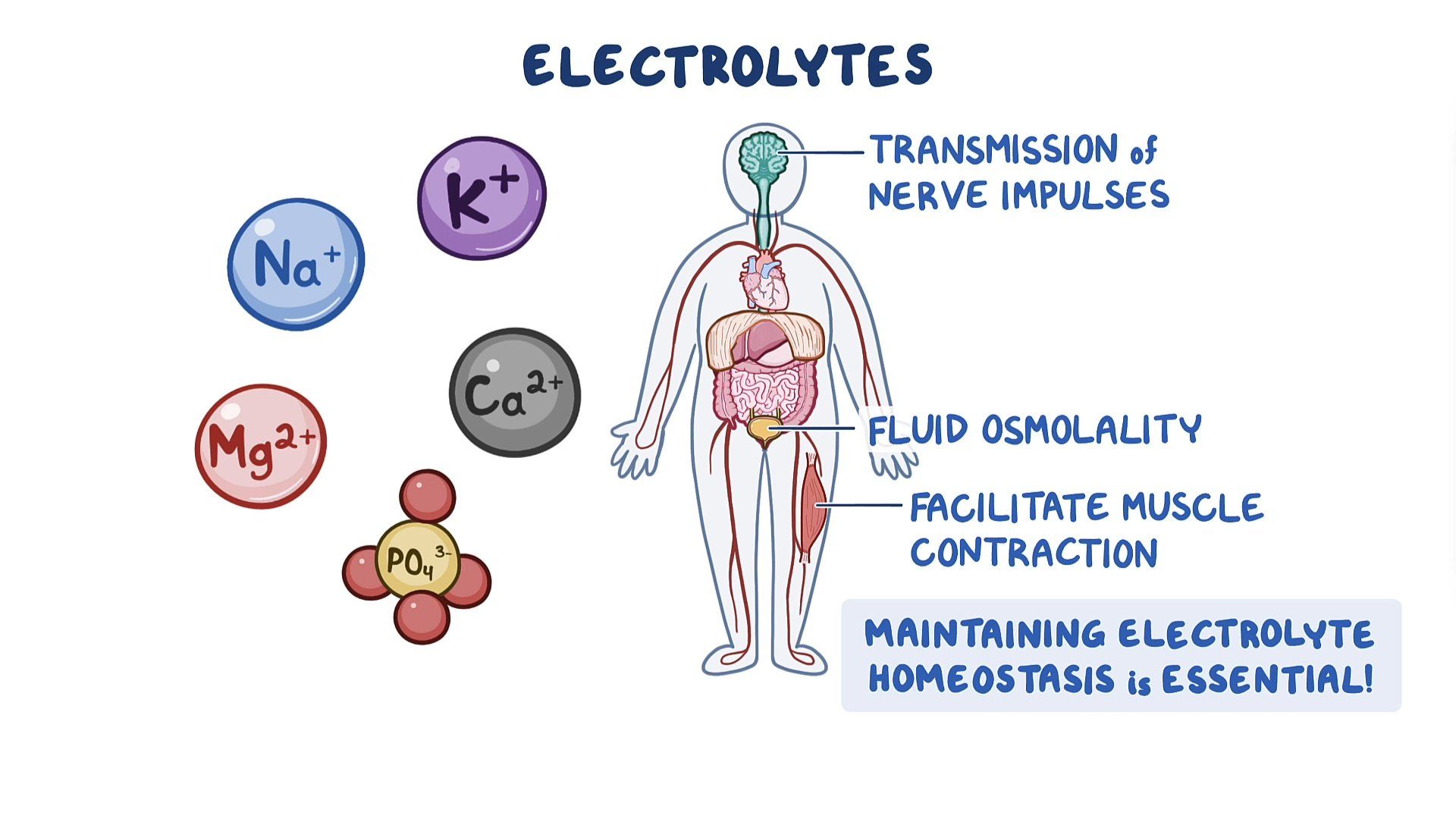
In the intricate symphony that is the human body, countless processes unfold with astonishing precision, often orchestrated by elements so small they are invisible to the naked eye. Among these vital conductors, two stand out for their profound and often misunderstood influence on our health: potassium and sodium. Far from being mere minerals, they engage in a continuous, delicate dance within every cell, dictating everything from nerve impulses and muscle contractions to the very rhythm of our heart and the pressure within our arteries. Their story is one of ancient evolutionary adaptation clashing with modern dietary habits, a tale of essential partnership that, when out of balance, can lead to a cascade of chronic diseases.
Imagine our bodies as complex, self-sustaining oceans, where every cell is a miniature island floating in a meticulously regulated saline solution. This inner ocean’s stability, its very ability to sustain life, hinges on the precise concentration and dynamic interplay of electrolytes – electrically charged minerals – with sodium and potassium at the forefront. One, often consumed in excess, plays the role of the boisterous extrovert, drawing water and attention. The other, frequently neglected, is the quiet, diligent architect, ensuring internal harmony and counteracting its partner's excesses. Understanding and mastering this fundamental electrolyte balance is not just a scientific pursuit for the knowledgeable; it is a critical journey toward optimal hydration, stable blood pressure, and profound, long-term well-being.
The Biological Ballet: How Potassium and Sodium Operate at the Cellular Core
To truly appreciate the power of potassium and sodium, we must descend to the cellular level, where their "story" truly begins. Every single one of the trillions of cells in your body is essentially a tiny, living battery, constantly working to maintain an electrical potential across its membrane. This electrical gradient, vital for all cellular life, is primarily established and maintained by the tireless efforts of the Sodium-Potassium Pump (Na+/K+-ATPase).
This molecular pump, embedded in the cell membrane, is perhaps one of the most remarkable protein complexes in biology. It doesn't just move ions; it actively transports three sodium ions out of the cell for every two potassium ions it brings in, all against their concentration gradients and consuming a significant portion of the body's basal metabolic energy (up to 20-40% in some tissues!). This constant pumping action achieves two critical outcomes:
- Concentration Gradients: It ensures a high concentration of sodium outside the cell and a high concentration of potassium inside the cell. These gradients are the stored energy that drives countless other cellular processes.
- Electrical Potential: Because more positive charges (three Na+) are moved out than in (two K+), the pump contributes to making the inside of the cell slightly more negative than the outside. This is the foundation of the resting membrane potential, the electrical "charge" that allows cells to be excitable.
This meticulously maintained electrical and chemical gradient is not just for show; it is the bedrock of our physiology.
Nerve Impulse Transmission: Consider the swift communication network of your nervous system. When a neuron needs to send a signal, it undergoes a rapid change in its membrane potential, an event known as an action potential. This involves a dramatic influx of sodium ions into the cell, causing a rapid depolarization, followed by an outflow of potassium ions, leading to repolarization and the return to the resting state. Without the precise gradients established by the Na+/K+ pump, these electrical signals – the very thoughts, sensations, and commands that define our existence – simply could not propagate.
Muscle Contraction: Similarly, every muscle contraction, from the blink of an eye to the beat of your heart, relies on the synchronized movement of sodium and potassium ions. In muscle cells, action potentials trigger the release of calcium, which initiates the contractile process. An imbalance in either sodium or potassium can disrupt this delicate sequence, leading to muscle weakness, cramps, or, most critically, dangerous cardiac arrhythmias. The heart, being a muscle that never rests, is particularly sensitive to these fluctuations, underscoring the life-sustaining importance of these two ions.
Sodium: The Double-Edged Sword of Modern Life
Sodium, primarily in the form of sodium chloride (table salt), is undeniably essential for life. Its biological roles are diverse and fundamental:
- Fluid Balance and Osmosis: As the primary cation in the extracellular fluid (outside the cells), sodium is the chief determinant of plasma volume. Water follows sodium through osmosis, meaning that where sodium goes, water tends to follow. This is crucial for maintaining blood volume, which in turn influences blood pressure and tissue perfusion.
- Nerve and Muscle Function: As detailed above, sodium's rapid influx is the initiating spark for action potentials in nerve and muscle cells.
- Nutrient Absorption: Sodium-dependent co-transporters in the gut facilitate the absorption of vital nutrients, such as glucose and amino acids.
Historically, sodium was a precious commodity, often scarce in natural diets, leading our bodies to evolve sophisticated mechanisms to conserve it. Our kidneys are incredibly efficient at reabsorbing sodium, ensuring that we hold onto this vital mineral. However, this ancient survival mechanism has become a significant liability in the modern era.
The Modern Predicament: Excess Sodium
The "story" of sodium takes a dramatic turn with the advent of food processing. Sodium chloride is an excellent preservative, flavor enhancer, and texturizer. Consequently, the Western diet has become overwhelmingly rich in sodium, not from the salt shaker on the table, but from hidden sources in processed foods, packaged snacks, restaurant meals, and fast food. The average intake in many developed nations far exceeds the recommended daily limit (e.g., 2,300 mg for adults, with an ideal limit closer to 1,500 mg for those with or at risk of high blood pressure).
Impact on Blood Pressure: The Silent Culprit
The most well-known and detrimental consequence of chronic excess sodium intake is its profound effect on blood pressure:
- Fluid Retention: High sodium levels in the blood draw more water into the bloodstream from the tissues, increasing overall blood volume. A greater volume of fluid circulating through the blood vessels naturally puts more pressure on their walls, elevating blood pressure.
- Vascular Stiffness: Beyond simply increasing volume, chronic high sodium intake can directly damage the delicate lining of blood vessels (the endothelium), making them stiffer and less elastic. This loss of elasticity reduces the vessels' ability to dilate and constrict effectively, further contributing to higher blood pressure.
- Activation of Regulatory Systems: High sodium intake can trigger the Renin-Angiotensin-Aldosterone System (RAAS), a complex hormonal cascade designed to regulate blood pressure and fluid balance. While crucial for survival, chronic activation of RAAS can lead to sustained vasoconstriction (narrowing of blood vessels) and further sodium and water retention, creating a vicious cycle of hypertension.
- Sodium Sensitivity: It's important to note that individuals vary in their sensitivity to dietary sodium. For some, even moderate increases in sodium intake can lead to significant blood pressure rises, while others appear less affected. However, the cumulative effect of high sodium over a lifetime impacts nearly everyone to some degree.
Consequences of Excess Sodium: Sustained hypertension due to high sodium intake is a major risk factor for cardiovascular diseases, including heart attack, stroke, heart failure, and kidney disease. It places an enormous burden on the entire circulatory system, accelerating arterial damage and increasing the workload on the heart.
Potassium: The Underappreciated Guardian
While sodium often grabs the headlines for its problematic excesses, potassium quietly works behind the scenes as its indispensable counterweight and guardian. It is the primary cation inside our cells, playing an equally vital, albeit less notorious, role in health.
- Intracellular Fluid Balance: Just as sodium dictates extracellular fluid volume, potassium is the main driver of intracellular fluid volume, ensuring proper cell hydration and function.
- Counteracting Sodium's Effects: This is where potassium truly shines as a hero. It actively helps to lower blood pressure in several key ways:
- Increased Sodium Excretion: The kidneys, the body's master regulators of electrolytes, are influenced by potassium. Higher potassium intake encourages the kidneys to excrete more sodium and water, reducing blood volume and consequently blood pressure.
- Vasodilation: Potassium promotes the relaxation of smooth muscle cells in blood vessel walls, leading to vasodilation (widening of blood vessels). This directly reduces peripheral resistance and lowers blood pressure.
- Reducing Sympathetic Activity: Some research suggests that adequate potassium intake can temper the activity of the sympathetic nervous system, the "fight or flight" response, which can otherwise contribute to vasoconstriction and elevated blood pressure.
- Nerve and Muscle Function (Repolarization): While sodium initiates the action potential, potassium is crucial for ending it. Its efflux from the cell during repolarization allows nerve and muscle cells to reset and be ready for the next signal.
- Other Vital Roles: Potassium is also involved in maintaining normal heart rhythm, supporting bone health (by neutralizing acid loads that can leach calcium from bones), and potentially reducing the risk of kidney stones.
The Modern Deficit: Insufficient Potassium
In stark contrast to sodium's abundance, potassium is chronically deficient in the typical Western diet. Its primary sources are whole, unprocessed foods: fruits, vegetables, legumes, nuts, and whole grains. These are precisely the food groups that are often under-consumed in diets dominated by processed items. The "story" here is a tragic irony: as we consume more sodium-laden processed foods, we simultaneously displace the very foods that would provide the potassium needed to mitigate its harmful effects.
Consequences of Deficiency (Hypokalemia): Chronic low potassium intake, even if not severe enough to cause acute hypokalemia (which can be life-threatening and cause severe arrhythmias), contributes to a range of health issues:
- Elevated Blood Pressure: Insufficient potassium undermines the body's ability to excrete sodium and relax blood vessels, leading to a higher risk of hypertension.
- Muscle Weakness and Cramps: The precise function of muscles depends on potassium's role in repolarization. Low levels can disrupt this, causing fatigue, weakness, and cramps.
- Cardiac Arrhythmias: Even subtle shifts in potassium levels can destabilize the heart's electrical activity, potentially leading to irregular heartbeats.
- Kidney Stones: As mentioned, potassium helps neutralize acid, and its deficiency can contribute to an acidic environment conducive to kidney stone formation.
- Increased Stroke Risk: Studies have consistently shown an inverse relationship between potassium intake and stroke risk; higher intake is associated with lower risk.
The Synergy and Antagonism: Mastering the Ratio
The true mastery of electrolyte balance lies not just in the absolute intake of sodium and potassium, but in their ratio. For most of human history, our diets provided a sodium-to-potassium ratio of roughly 1:5 or even 1:10 (more potassium than sodium). Today, with the prevalence of processed foods, this ratio has inverted to 3:1 or even 5:1 (more sodium than potassium). This drastic shift is a fundamental driver of modern chronic diseases.
The Kidney's Role: The Ultimate Arbiter
Our kidneys are the unsung heroes in this electrolyte drama, acting as sophisticated filters and regulators. They meticulously control how much sodium and potassium are reabsorbed back into the bloodstream versus excreted in urine. This process is exquisitely sensitive to blood pressure, hormone levels, and the overall electrolyte balance.
The Renin-Angiotensin-Aldosterone System (RAAS) plays a central role here. When blood pressure drops or sodium levels are low, the kidneys release renin, initiating a cascade that ultimately leads to the production of aldosterone. Aldosterone's primary job is to tell the kidneys to retain sodium and water, and excrete potassium. This system, while vital for maintaining blood pressure in emergencies, can be chronically overactivated by persistent high sodium intake, exacerbating hypertension and contributing to potassium depletion. Conversely, a higher potassium intake can help dampen RAAS activity, promoting sodium excretion and maintaining a healthier balance.
Hydration: The Dance of Water and Electrolytes
Hydration is inextricably linked to electrolyte balance. Water doesn't just move freely; its movement across cell membranes is largely dictated by the concentration of solutes, particularly sodium and potassium.
- Osmosis: The principle of osmosis dictates that water moves from an area of lower solute concentration to an area of higher solute concentration to equalize the solute levels.
- Extracellular vs. Intracellular: Sodium primarily determines the tonicity (solute concentration) of the extracellular fluid, while potassium dictates the tonicity of the intracellular fluid. This dynamic balance is what keeps cells from either swelling excessively (hyponatremia, often from over-hydration with plain water, diluting sodium) or shrinking (dehydration, often from fluid loss without adequate replacement of both water and electrolytes).
- Thirst and ADH: The body's thirst mechanism and the hormone Antidiuretic Hormone (ADH) are finely tuned to respond to changes in plasma osmolality, which is heavily influenced by sodium levels. When osmolality rises (too much sodium, not enough water), ADH is released, signaling the kidneys to conserve water, and thirst is stimulated.
Optimal hydration, therefore, isn't just about drinking enough water; it's about ensuring that the water you consume is balanced with the right electrolytes, preventing both dehydration and the dangerous condition of hyponatremia (dangerously low sodium levels), which can occur when consuming excessive plain water without electrolyte replacement, especially during prolonged physical exertion.
Blood Pressure Regulation: A Deeper Dive
The sodium-potassium balance directly impacts blood pressure through multiple pathways:
- Direct Volume Effect: High sodium leads to increased blood volume, increasing pressure. Potassium counters this by promoting sodium and water excretion.
- Vascular Tone: Sodium can promote vasoconstriction, making vessels stiffer. Potassium promotes vasodilation, relaxing vessels.
- Endothelial Function: High sodium can impair the function of the endothelium, the inner lining of blood vessels, reducing its ability to produce nitric oxide, a powerful vasodilator. Potassium helps maintain endothelial health.
- Autonomic Nervous System: Imbalances can affect the sympathetic nervous system, which controls "fight or flight" responses, including vasoconstriction and heart rate. Potassium has a calming effect, while excess sodium can heighten sympathetic activity.
The Dietary Approaches to Stop Hypertension (DASH) diet is a prime example of putting this knowledge into practice. It emphasizes high intake of fruits, vegetables, and low-fat dairy, which are rich in potassium, calcium, and magnesium, while significantly limiting sodium, saturated fat, and cholesterol. This dietary pattern has been repeatedly shown to effectively lower blood pressure, often as effectively as medication, purely by restoring a healthier sodium-to-potassium ratio and providing other beneficial micronutrients.
Real-World Implications and Practical Strategies
The scientific understanding of sodium and potassium is compelling, but its true power lies in its practical application. Mastering this balance is an ongoing journey, not a destination, requiring conscious dietary choices and lifestyle adjustments.
Dietary Shifts: Reclaiming the Balance
The cornerstone of mastering electrolyte balance is a radical shift away from the typical Western diet towards one rich in whole, unprocessed foods.
- Embrace Whole Foods: Prioritize fruits, vegetables, legumes, whole grains, nuts, and seeds. These are naturally low in sodium and incredibly rich in potassium and other vital nutrients.
- Slash Processed Foods: This is perhaps the single most impactful step. Processed foods, from canned soups and frozen meals to deli meats, sauces, and packaged snacks, are the primary culprits behind excessive sodium intake. Cooking at home from scratch gives you complete control over ingredients.
- Read Food Labels Diligently: Become an expert label reader. Pay close attention to the sodium content per serving. Be wary of terms like "low sodium" which might still contain significant amounts, and look for "no salt added" or "very low sodium" options.
- Increase Potassium-Rich Foods: Actively seek out foods high in potassium. Excellent sources include:
- Fruits: Bananas, oranges, cantaloupe, avocado, prunes, dried apricots.
- Vegetables: Spinach, kale, broccoli, sweet potatoes, potatoes (with skin), tomatoes, squash.
- Legumes: Lentils, kidney beans, black beans, chickpeas.
- Other: Nuts, seeds, salmon, plain yogurt.
- Be Mindful of Salt Substitutes: Some salt substitutes replace sodium chloride with potassium chloride. While this can be beneficial for some, it should be used with caution, especially by individuals with kidney disease or those taking certain medications (e.g., ACE inhibitors, ARBs, potassium-sparing diuretics), as excessive potassium intake can be dangerous (hyperkalemia). Always consult a healthcare professional before making such changes.
Exercise and Electrolytes: Replenishing the Loss
During exercise, especially prolonged or intense activity, we lose electrolytes, particularly sodium, through sweat.
- Replenishment: For most people engaging in moderate exercise, simply drinking water and maintaining a balanced diet is sufficient. However, endurance athletes or those exercising in extreme heat may need to consider electrolyte-enhanced beverages or snacks to replenish losses and prevent hyponatremia.
- Beware of Over-Hydration: The danger of "water intoxication" or hyponatremia is real, particularly for endurance athletes who drink excessive plain water without replacing sodium. Symptoms can range from nausea and headaches to seizures and coma. It underscores the fact that hydration is about balance, not just volume.
Special Populations: Tailored Approaches
Certain groups require particular attention to their sodium and potassium balance:
- Elderly Individuals: Kidney function naturally declines with age, making the elderly more susceptible to both sodium overload and potassium imbalances. Medication interactions are also more common.
- Individuals with Kidney Disease: Compromised kidney function severely impairs the body's ability to regulate electrolytes. Both high potassium (hyperkalemia) and high sodium (hypernatremia) can be life-threatening and require strict dietary management under medical supervision.
- Individuals with Heart Failure: Fluid retention is a major issue in heart failure. Sodium restriction is crucial, but diuretics commonly prescribed can lead to potassium depletion, necessitating careful monitoring and potentially potassium supplementation.
- Medications: Many common medications, including various diuretics, blood pressure drugs (ACE inhibitors, ARBs), and even some antibiotics, can significantly impact sodium and potassium levels. Regular monitoring by a physician is essential.
Monitoring and Medical Advice:
While dietary changes are powerful, they should be undertaken with an awareness of individual health status.
- Symptoms of Imbalance: Be aware of symptoms that might suggest electrolyte imbalance: severe fatigue, muscle weakness, cramps, irregular heartbeat, dizziness, confusion, or persistent thirst.
- Regular Check-ups: Regular physical examinations and blood tests, particularly for individuals with pre-existing conditions or those on medications, are vital for monitoring electrolyte levels and ensuring safe and effective management. Always consult your doctor or a registered dietitian for personalized advice.
Conclusion: The Ongoing Journey of Balance
The story of potassium and sodium is a compelling narrative of fundamental biology, evolutionary adaptation, and the profound impact of modern dietary choices. These two unassuming minerals, locked in a perpetual dance within our bodies, hold immense sway over our hydration, blood pressure, and overall cardiovascular health. While sodium has become the overzealous, often problematic partner in our diets, potassium stands as the understated guardian, diligently working to restore equilibrium.
Mastering this electrolyte balance is not about deprivation or extreme measures; it is about conscious re-alignment with the body's ancient wisdom. It is about choosing whole, unprocessed foods that nourish us, rather than processed items that deplete us. It is an empowering journey that places the reins of our well-being back in our hands, allowing us to actively mitigate the risks of hypertension, heart disease, and countless other chronic ailments. By understanding and honoring the delicate, yet powerful, relationship between potassium and sodium, we can unlock a profound level of health, ensuring that our inner ocean remains a vibrant, life-sustaining environment for years to come. The subtle, powerful dance of these electrolytes dictates our well-being, and by becoming mindful participants, we can choreograph a healthier future.


