Saturated Fats: Friend or Foe? The Latest Science on Heart Health
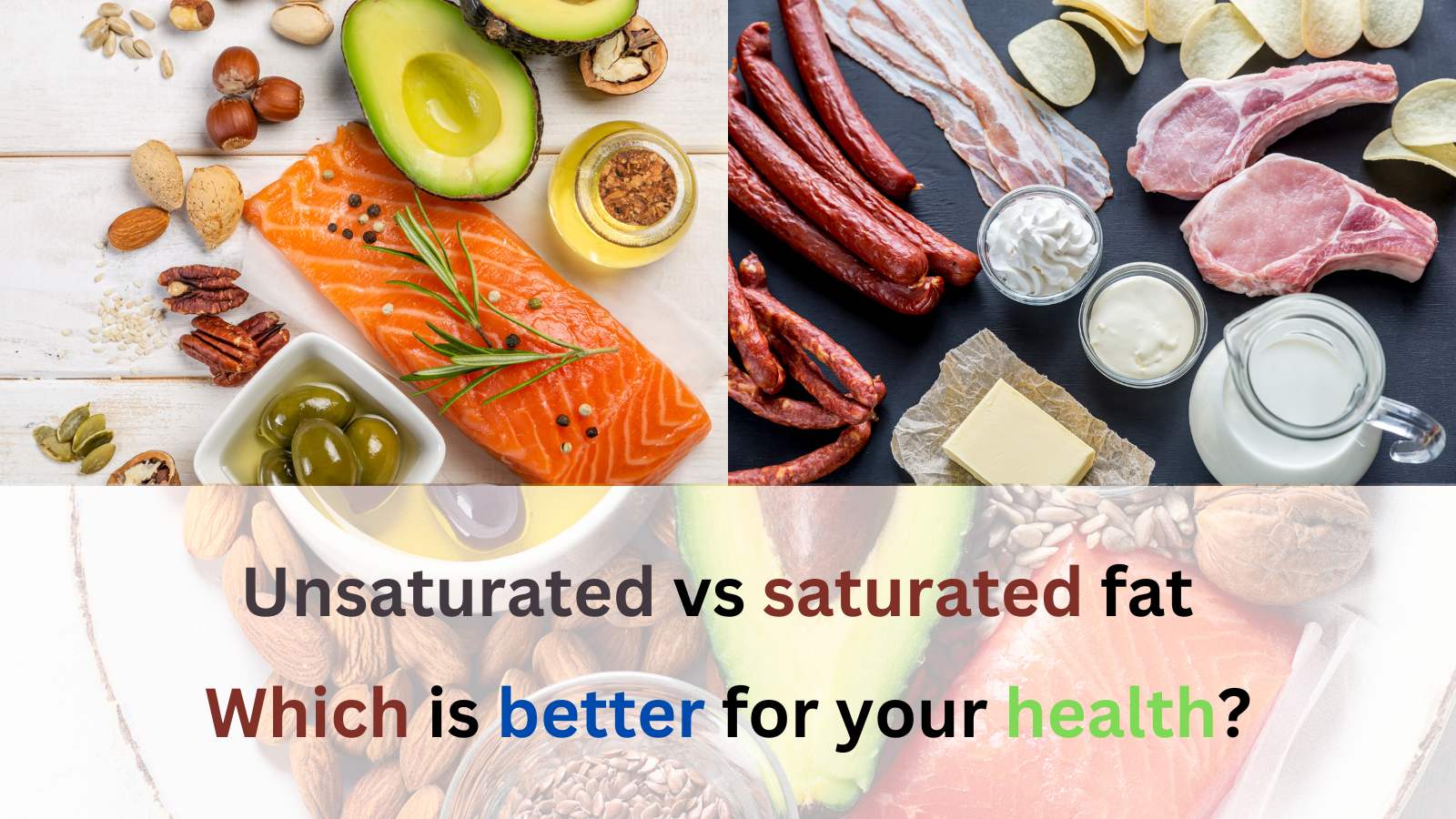
The narrative of saturated fat in human health is a compelling saga, a scientific drama unfolding over decades, filled with heroes, villains, and plot twists. For generations, it has been cast as a primary dietary villain, a silent assassin clogging arteries and paving the way for heart disease. This powerful story, etched into public consciousness and dietary guidelines, led to a widespread low-fat revolution that reshaped our plates and pantries. Yet, as the curtain rises on the latest scientific acts, the plot thickens, and the simplistic villainy of saturated fat is increasingly being questioned, revealing a far more nuanced and intricate character.
For the knowledgeable audience, the journey through this evolving scientific landscape is not merely about right or wrong, but about understanding the layers of evidence, the complexities of human metabolism, and the profound impact of dietary context. Is saturated fat truly an unyielding foe, or can it, under certain conditions, be a misunderstood friend? The latest science compels us to re-examine this foundational dietary tenet, moving beyond the binary and embracing a more holistic view of heart health.
The Grand Narrative Begins: The Rise of the Lipid Hypothesis
Our story truly begins in the mid-20th century, a period marked by a surging epidemic of heart disease in Western nations. Scientists and medical professionals were desperately seeking answers, and the spotlight soon fell upon diet. Enter Ancel Keys, a charismatic and influential physiologist whose pioneering work, particularly the seminal Seven Countries Study, would profoundly shape dietary advice for half a century.
Keys' observations, particularly the strong correlation between dietary fat intake (especially saturated fat) and rates of heart disease in various populations, coalesced into what became known as the "lipid hypothesis." This hypothesis proposed a direct causal link: saturated fat raises blood cholesterol, specifically low-density lipoprotein cholesterol (LDL-C), and high LDL-C drives atherosclerosis and cardiovascular disease (CVD). The message was clear, compelling, and seemingly irrefutable: to protect your heart, you must drastically reduce saturated fat.
This compelling narrative quickly gained traction. Public health campaigns championed low-fat diets. Food manufacturers responded with a plethora of "low-fat" and "fat-free" products, often replacing the removed fat with refined carbohydrates and sugars to maintain palatability. Dietary guidelines across the globe echoed the sentiment, recommending severe restrictions on saturated fat intake, typically to less than 10% of total calories, sometimes even lower. The story was simple, actionable, and seemed to offer a clear path to better health. Saturated fat was unequivocally the foe, and avoiding it was the cardinal rule for a healthy heart.
Deconstructing Saturated Fats: A Family, Not a Single Entity
One of the earliest cracks in the simplistic "saturated fat is bad" narrative emerged from a deeper understanding of its very nature. The term "saturated fat" itself is an umbrella, encompassing a diverse family of fatty acids, each with a unique chemical structure and, crucially, distinct metabolic effects. To treat them as a monolithic entity is akin to lumping all carbohydrates together without distinguishing between a complex whole grain and a refined sugar.
Chemically, saturated fatty acids (SFAs) are characterized by having no double bonds in their carbon chains, meaning they are "saturated" with hydrogen atoms. This structural feature typically makes them solid at room temperature. However, their length varies significantly, leading to different classifications:
Short-Chain Fatty Acids (SCFAs): (e.g., butyric acid, caproic acid, caprylic acid) These typically have fewer than six carbon atoms. Butyric acid, found predominantly in butter, is a prime example. SCFAs are primarily produced by gut bacteria from dietary fiber and play vital roles in gut health and energy metabolism, often having anti-inflammatory properties. Their impact on blood lipids is generally negligible.
Medium-Chain Fatty Acids (MCFAs): (e.g., caprylic acid, capric acid, lauric acid) With 6 to 12 carbon atoms, these are metabolized differently than longer-chain fats. Lauric acid (C12:0), abundant in coconut oil and palm kernel oil, is the most common dietary MCFA. MCFAs are absorbed directly into the bloodstream and transported to the liver, where they are rapidly used for energy, often without being stored as fat. While lauric acid does raise LDL-C, it also significantly raises high-density lipoprotein cholesterol (HDL-C), leading to a less clear picture of its overall cardiovascular impact.
Long-Chain Fatty Acids (LCFAs): (e.g., myristic acid, palmitic acid, stearic acid) These have 14 or more carbon atoms and constitute the majority of saturated fat in the Western diet, found in meat, dairy, and processed foods.
- Myristic acid (C14:0): Found in dairy fat, it is considered one of the most potent SFAs for raising LDL-C.
- Palmitic acid (C16:0): The most common SFA in the diet, present in palm oil, meat, and dairy. It is also synthesized by the body. Palmitic acid is a significant contributor to LDL-C elevation and has been implicated in insulin resistance and inflammation, particularly when consumed in excess or in certain dietary contexts.
- Stearic acid (C18:0): Abundant in beef, cocoa butter, and dark chocolate. Interestingly, stearic acid is rapidly converted to oleic acid (a monounsaturated fat) in the liver and has been shown to have a neutral effect on LDL-C, or even a slight lowering effect, compared to other SFAs.
This fundamental biochemical distinction is crucial. To paint all SFAs with the same brush, ignoring their diverse metabolic fates and varying impacts on cardiovascular markers, is an oversimplification that has undoubtedly contributed to much of the confusion and controversy surrounding this nutrient. The story of saturated fat, therefore, cannot be told without acknowledging its multifaceted cast of characters.
The Traditional View: SFAs and LDL-C, The Primary Suspect
For decades, the core of the anti-saturated fat narrative revolved around its undeniable ability to raise blood cholesterol levels, specifically LDL-C. The mechanism is fairly well-understood: certain SFAs, particularly myristic and palmitic acids, decrease the activity of LDL receptors in the liver. These receptors are responsible for clearing LDL particles from the bloodstream. When their activity is reduced, LDL particles accumulate, leading to higher circulating LDL-C levels.
In the grand story of heart disease, LDL-C has long been cast as the primary antagonist. Elevated LDL-C is a well-established risk factor for atherosclerosis, the hardening and narrowing of arteries that underlies heart attacks and strokes. The correlation is strong, and epidemiological studies consistently show a link between higher LDL-C and increased CVD risk. This biochemical pathway provided a seemingly airtight case against saturated fat: SFA → Increased LDL-C → Increased CVD Risk. Case closed.
However, the scientific narrative rarely remains static, and even the "bad" cholesterol story has become more intricate. Researchers began to understand that LDL is not a single entity, but rather a heterogeneous collection of particles. Key distinctions emerged:
- LDL Particle Size and Number (LDL-P): While LDL-C measures the concentration of cholesterol within LDL particles, LDL-P measures the number of these particles. Many studies now suggest that LDL-P is a more accurate predictor of CVD risk than LDL-C alone, as it better reflects the total atherogenic burden. Some SFAs, while raising LDL-C, may predominantly increase the number of larger, more buoyant LDL particles, which are considered less atherogenic than smaller, denser LDL particles. However, this is still a debated area, with some evidence suggesting that SFAs can indeed increase the more problematic small, dense LDL particles in certain individuals or contexts.
- Other Lipid Markers: The overall lipid profile is critical. While SFAs raise LDL-C, they also often raise HDL-C, the "good" cholesterol, which is associated with a protective effect. Furthermore, SFAs typically do not raise triglycerides as much as refined carbohydrates do, and high triglycerides (especially when combined with low HDL-C) are an independent risk factor for CVD.
This evolving understanding of LDL-C, moving beyond a simple concentration number to consider particle size, number, and the broader lipid milieu, began to introduce nuance. The primary suspect's profile was becoming more complex, hinting that its role in the story might not be as straightforward as initially believed.
Challenging the Dogma: The Nuance Emerges
The turning point in the saturated fat narrative truly gained momentum in the early 21st century. As more sophisticated analytical tools became available, and large-scale meta-analyses synthesized data from countless studies, the simplistic condemnation of saturated fat began to falter. The scientific community, ever-driven by inquiry, started asking critical questions: Is the association truly causal? What happens when saturated fat is removed from the diet? What replaces it?
These findings were not a carte blanche to consume unlimited saturated fat, but they fundamentally challenged the notion that it was an independent, monolithic driver of heart disease. The critical insight from these analyses was not that saturated fat was harmless, but that its impact was heavily dependent on what it replaced.
- Replacement with Refined Carbohydrates/Sugar: When saturated fat was reduced and replaced with highly refined carbohydrates (e.g., white bread, sugary drinks, processed snacks), there was often no benefit, and sometimes even a worsening of cardiovascular risk markers (e.g., increased triglycerides, decreased HDL-C, increased small, dense LDL particles). This substitution was a widespread consequence of the low-fat era, inadvertently shifting populations towards diets that were often higher in sugar and refined starches.
- Replacement with Polyunsaturated Fatty Acids (PUFAs): When saturated fat was replaced with PUFAs (e.g., omega-3s and omega-6s from fatty fish, nuts, seeds, and vegetable oils like soybean or sunflower oil), there was a clear and consistent reduction in CVD risk.
- Replacement with Monounsaturated Fatty Acids (MUFAs): Replacing SFAs with MUFAs (e.g., from olive oil, avocados, nuts) also showed beneficial effects on heart health.
- Dairy: Full-fat dairy, such as cheese and yogurt, has been a particular focus. Despite being rich in saturated fat (including myristic and palmitic acids), many studies now show that dairy consumption, particularly fermented dairy, is either neutral or even associated with a reduced risk of CVD and type 2 diabetes. This protective effect is attributed to the unique dairy matrix, which includes calcium, probiotics, milk fat globule membrane (MFGM), and certain short-chain fatty acids, all of which can modulate nutrient absorption, gut microbiota, and inflammatory responses.
- Processed vs. Whole Foods: The SFAs in a processed sausage or a fast-food burger often come embedded in a matrix of sodium, trans fats (historically), refined carbohydrates, and artificial additives, all of which are detrimental to health. In contrast, SFAs in a piece of grass-fed beef are accompanied by beneficial nutrients like iron, zinc, B vitamins, and potentially higher levels of omega-3 fatty acids and conjugated linoleic acid (CLA).
This era of nuanced understanding began to dismantle the simplistic "saturated fat is bad" dogma, replacing it with a more sophisticated narrative where context, replacement, and food source were paramount. The foe was becoming less defined, and its actions more conditional.
Beyond LDL-C: A Broader Look at Heart Health Markers
The relentless focus on LDL-C as the sole arbiter of cardiovascular risk obscured a multitude of other biological pathways and markers that contribute to heart disease. Modern science has expanded its lens, examining how saturated fats, in their various forms and contexts, influence a wider array of physiological processes:
- Inflammation: Chronic low-grade inflammation is a critical driver of atherosclerosis. SFAs, particularly palmitic acid, can activate inflammatory pathways (e.g., Toll-like receptor 4, TLR4) and nuclear factor-kappa B (NF-κB), leading to the production of pro-inflammatory cytokines. However, this effect is highly context-dependent. The source of SFAs matters: SFAs from whole foods like dairy (with their anti-inflammatory components) may have a different inflammatory profile than those from processed foods or industrial sources. Short-chain fatty acids produced by gut bacteria, for example, are largely anti-inflammatory.
- Insulin Resistance: Insulin resistance is a precursor to type 2 diabetes and a significant risk factor for CVD. While a high-fat diet (including SFAs) has been linked to insulin resistance in some animal models and human studies, the crucial factor appears to be the combination of high fat with high refined carbohydrates. When SFAs are consumed as part of a low-carbohydrate or ketogenic diet, insulin sensitivity can actually improve. The interplay between different macronutrients is key here.
- Endothelial Function: The endothelium, the inner lining of blood vessels, plays a crucial role in vascular health. Endothelial dysfunction, characterized by impaired vasodilation and increased inflammation, is an early step in atherosclerosis. Some studies suggest that diets high in certain SFAs can impair endothelial function, while others show no adverse effect, again highlighting the complexity and context-dependency.
- Oxidative Stress: The oxidation of LDL particles is considered a critical step in the development of atherosclerosis. While SFAs themselves are not prone to oxidation (due to their saturated bonds), diets high in SFAs and low in antioxidants, or in combination with high sugar intake, can contribute to an overall pro-oxidative environment.
- Lipoprotein(a) : Lp(a) is a genetically determined lipid particle that is an independent and potent risk factor for CVD. While diet typically has a limited effect on Lp(a) levels, some research suggests that high intakes of SFAs (particularly myristic and palmitic acids) might modestly increase Lp(a) in some individuals, while PUFAs may have a lowering effect.
- HDL-C and Triglycerides: As mentioned, SFAs often raise HDL-C, which is generally viewed as beneficial. They also tend to have a less detrimental effect on triglycerides compared to diets high in refined carbohydrates. A favorable lipid profile, therefore, often involves considering the balance of LDL-C, HDL-C, and triglycerides, rather than focusing solely on one marker.
This expanded understanding emphasizes that heart health is not a singular endpoint determined by one nutrient and one biomarker. It is a symphony of interconnected physiological processes, and the role of saturated fat within this symphony is far more nuanced than a simple villain's solo.
The "Foe" Reconsidered: When Saturated Fat Is Problematic
Despite the emerging nuances, it would be misguided to declare saturated fat entirely innocent. There are clear circumstances under which it continues to act as a "foe," contributing to adverse health outcomes. The key, as the latest science suggests, lies in the context of its consumption.
Replacement with Refined Carbohydrates and Sugars: This is arguably the most detrimental scenario. When SFAs are removed from the diet and replaced by highly processed carbohydrates (e.g., white flour products, sugary beverages, snacks), the net effect on heart health is often negative. This dietary pattern leads to increased triglycerides, lower HDL-C, a higher proportion of small, dense LDL particles, increased inflammation, and worsened insulin resistance – a metabolic cocktail that significantly raises CVD risk. The "low-fat" craze, unfortunately, often led to this very substitution.
Processed Foods and Industrial Sources: SFAs found in highly processed foods are rarely alone. They are often accompanied by trans fats (historically), high sodium, added sugars, artificial ingredients, and a lack of fiber and micronutrients. The overall matrix of these foods is inherently unhealthy, and the SFAs within them contribute to the cumulative detrimental effect, rather than being the sole culprit. Industrial sources of SFAs, like palm oil (rich in palmitic acid) in many processed snacks, contribute to high intakes of specific, potentially more problematic SFAs.
For Individuals with Genetic Predispositions: Genetic variability plays a significant role in how individuals respond to dietary fat. For instance, individuals with the APOE4 allele (a genetic variant associated with an increased risk of Alzheimer's disease) or those with familial hypercholesterolemia (a genetic disorder causing very high LDL-C) may be particularly sensitive to dietary saturated fat. In these individuals, even moderate SFA intake can lead to disproportionately high LDL-C levels, making SFA restriction a more critical dietary consideration.
Excessive Caloric Intake Leading to Ectopic Fat Deposition: When saturated fat, or any macronutrient, is consumed in excess of caloric needs, it can contribute to weight gain and the accumulation of fat in tissues where it doesn't belong (ectopic fat), such as the liver (non-alcoholic fatty liver disease, NAFLD) and muscle cells. This ectopic fat deposition is strongly linked to insulin resistance, inflammation, and metabolic dysfunction, all of which elevate CVD risk. In this scenario, it's not the SFA itself, but the caloric surplus and subsequent fat deposition that is the problem.
Specific, More Problematic SFAs: Myristic acid (C14:0) and palmitic acid (C16:0), especially when consumed in large quantities and in isolation (e.g., purified palmitic acid in research studies), have consistently shown a stronger propensity to raise LDL-C and contribute to inflammatory pathways. While they are part of whole foods, an over-reliance on foods particularly rich in these specific SFAs, without the mitigating factors of the food matrix, could be problematic for some individuals.
In essence, saturated fat becomes a foe not in isolation, but when it is consumed in detrimental contexts: as a replacement for beneficial fats, within a highly processed food matrix, in individuals with specific genetic vulnerabilities, or as part of an overall caloric excess that drives metabolic dysfunction. The story here is about environmental factors and individual susceptibility interacting with a nutrient that is no longer seen as universally harmful.
The "Friend" Reconsidered: When Saturated Fat Isn't the Enemy
Conversely, the latest science also paints a picture where saturated fat, far from being a foe, can be a neutral player or even a "friend" within a healthy dietary pattern. This perspective challenges the long-held dogma and underscores the importance of the food source and overall diet quality.
Whole Food Sources and the Food Matrix: This is perhaps the strongest argument for saturated fat's conditional friendship.
- Full-Fat Dairy (Cheese, Yogurt, Milk): As discussed, numerous studies indicate that fermented dairy products, despite their saturated fat content, are associated with a neutral or reduced risk of CVD and type 2 diabetes. The complex matrix, including calcium, probiotics, milk fat globule membrane, and various short-chain fatty acids, appears to mitigate any potential negative effects of the SFAs, and may even offer protective benefits.
- Dark Chocolate: Rich in stearic acid, which has a neutral effect on cholesterol, dark chocolate also contains a wealth of flavonoids and antioxidants that improve endothelial function, reduce blood pressure, and enhance insulin sensitivity. Its SFA content is effectively buffered and even overshadowed by its beneficial compounds.
- Grass-Fed Meats: While red meat has been a controversial topic, grass-fed varieties offer a different nutrient profile. They typically contain lower total fat and higher levels of beneficial compounds like conjugated linoleic acid (CLA), omega-3 fatty acids, and various vitamins and minerals. The SFAs in these meats are part of a rich, nutrient-dense package.
- Coconut Oil: While high in lauric acid (which raises both LDL and HDL), its unique medium-chain triglyceride (MCT) content means it's metabolized differently, providing a rapid source of energy and potentially supporting brain health. While its long-term impact on CVD risk remains debated, it's certainly not viewed with the same blanket condemnation as other SFA sources.
Role in Cellular Structure and Hormonal Health: Saturated fats are not merely energy sources; they are essential structural components. Cell membranes, for example, require saturated fatty acids to maintain proper fluidity and function. Furthermore, cholesterol, which is synthesized from saturated fatty acids, is a precursor to vital steroid hormones, including testosterone, estrogen, cortisol, and vitamin D. A complete absence of saturated fat in the diet (which is virtually impossible and undesirable) would compromise fundamental physiological processes.
Satiety and Palatability: Fats, including saturated fats, contribute significantly to satiety, the feeling of fullness and satisfaction after a meal. This can be a crucial factor in weight management, as feeling satiated can help prevent overeating and reduce cravings for refined carbohydrates. Furthermore, fat is a carrier of flavor and contributes to the palatability of foods, making healthy meals more enjoyable and sustainable in the long run.
"Good" Saturated Fats: Stearic acid stands out as a "friend" among SFAs due to its neutral effect on cholesterol and its rapid conversion to monounsaturated oleic acid in the body. Lauric acid, while raising LDL, also significantly raises HDL, leading to a more favorable total cholesterol to HDL ratio in many individuals, though its overall long-term effect on CVD risk is still a subject of ongoing research.
The "friend" aspect of saturated fat highlights its role in nutrient-dense, whole foods, its essential biological functions, and its contribution to dietary satisfaction. When consumed within a balanced, unprocessed diet, its potential downsides are mitigated, and its beneficial attributes come to the fore.
The Modern Scientific Consensus: A Balanced Perspective
The scientific journey through the realm of saturated fats has led us to a more sophisticated and pragmatic understanding. The simplistic "good vs. bad" dichotomy has given way to a nuanced narrative where context is king. The modern scientific consensus no longer demonizes saturated fat outright but emphasizes the following:
Dietary Patterns Over Single Nutrients: The focus has shifted from isolating individual nutrients to evaluating overall dietary patterns. Diets rich in whole, unprocessed foods – such as the Mediterranean diet, DASH diet, or traditional dietary patterns high in vegetables, fruits, whole grains, lean proteins, and healthy fats – are consistently associated with better heart health outcomes, regardless of their specific saturated fat content. These patterns naturally incorporate a variety of fats, including some saturated fats from dairy, meat, and other sources, but emphasize their consumption within a nutrient-dense matrix.
What Replaces Saturated Fat Matters Most: This is perhaps the most critical takeaway. Reducing saturated fat is only beneficial if it is replaced with healthy, unsaturated fats (polyunsaturated and monounsaturated fatty acids), especially from plant-based sources like nuts, seeds, avocados, and olive oil. Replacing SFAs with refined carbohydrates and added sugars is generally detrimental to cardiovascular health.
Individual Variability: Genetic predispositions, metabolic health status (e.g., presence of insulin resistance, diabetes), and lifestyle factors all influence how an individual responds to dietary saturated fat. A blanket recommendation may not be optimal for everyone. Personalized nutrition, based on an individual's unique biology and health goals, is gaining increasing recognition.
Food Matrix and Source are Crucial: The source of saturated fat profoundly impacts its health effects. SFAs from whole, unprocessed foods like full-fat dairy, dark chocolate, and lean meats, are often accompanied by beneficial nutrients and a complex food matrix that can mitigate any potential negative effects. In contrast, SFAs embedded in ultra-processed foods, laden with sugars, sodium, and artificial ingredients, contribute to an overall unhealthy dietary environment.
Beyond Cholesterol: While LDL-C remains an important biomarker, modern science considers a broader array of factors, including inflammation, insulin sensitivity, endothelial function, triglyceride levels, HDL-C, and lipoprotein particle numbers. A holistic view of cardiovascular risk goes beyond a single lipid marker.
In essence, the modern scientific narrative tells a story not of a singular villain, but of a complex character whose actions are shaped by its environment and companions. Saturated fat, when consumed as part of a high-quality, whole-food diet, particularly when replacing refined carbohydrates, is unlikely to be the primary driver of heart disease for most healthy individuals. However, when consumed in excess, within a highly processed food context, or in individuals with specific genetic sensitivities, it can indeed contribute to adverse health outcomes.
Conclusion: The Evolving Story
The journey through the science of saturated fats is a testament to the dynamic nature of scientific inquiry. From the confident pronouncements of the mid-20th century that cast saturated fat as an unequivocal foe, we have arrived at a far more nuanced and intricate understanding. The story has evolved from a simple morality play to a complex drama, rich with individual character arcs and environmental influences.
Saturated fat is neither an unmitigated villain nor an indiscriminate hero. Its role in heart health is profoundly shaped by the company it keeps – the other macronutrients, the food matrix, and the overall dietary pattern – as well as the unique genetic and metabolic landscape of the individual consuming it. The foe is not saturated fat itself, but often the context in which it's consumed, and what it replaces in our diets. The friend emerges when it is part of a nutrient-dense, whole-food diet, contributing to satiety and providing essential structural and hormonal building blocks.
For the knowledgeable audience, this evolving narrative offers not a prescriptive dogma, but an invitation to critical thinking and informed choice. It urges us to look beyond simplistic labels, to appreciate the intricate interplay of nutrients within whole foods, and to prioritize overall dietary quality above the demonization or glorification of single macronutrients. The scientific story of saturated fat continues to unfold, but the latest chapters clearly point towards a future where balance, context, and whole-food wisdom guide our path to heart health.


