Scalp First: The Unseen Roots of Radiant Hair – A Journey to Total Hair Transformation
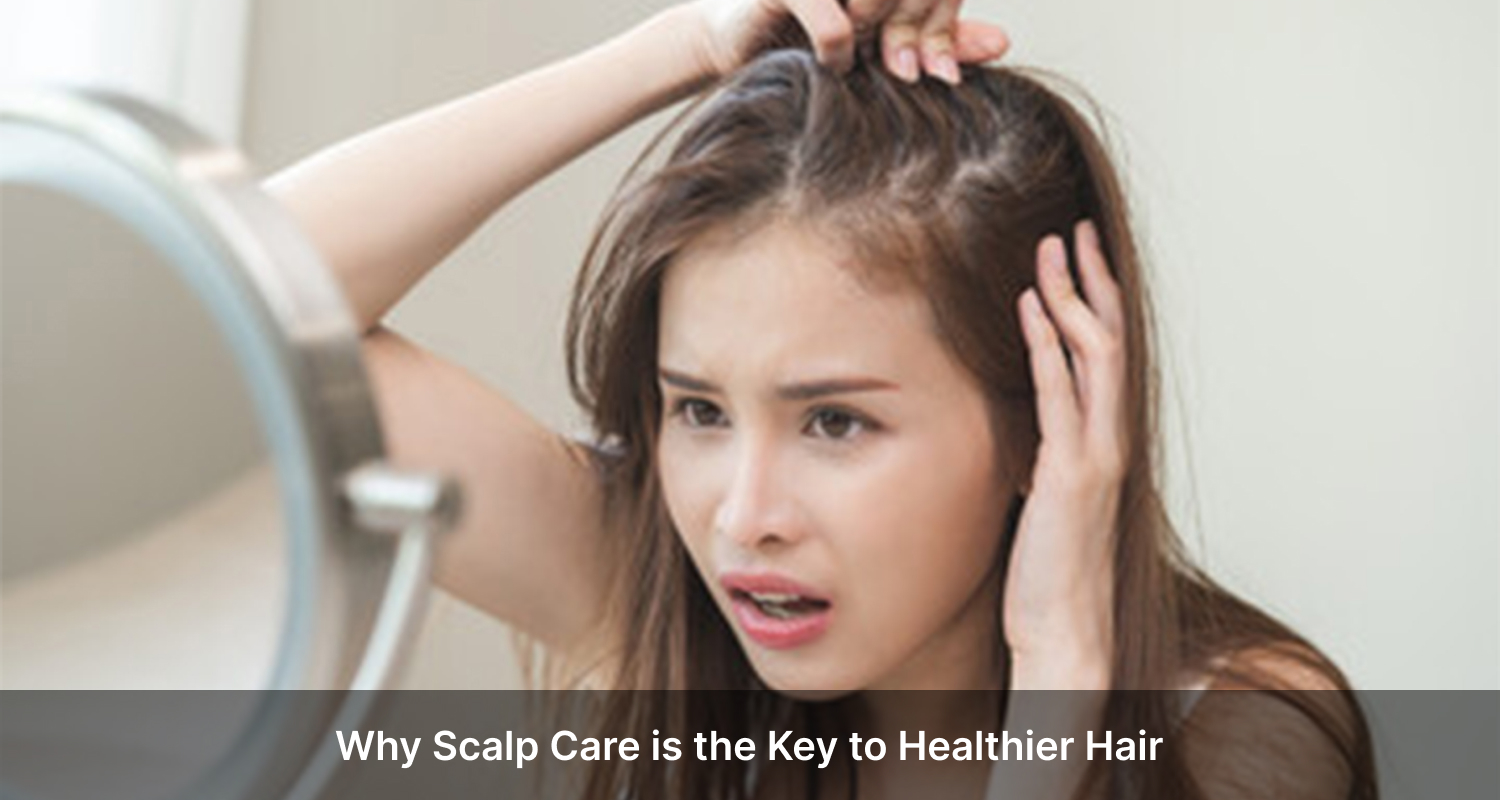
For generations, our understanding of hair care has been a story told from the ends up. We’ve meticulously conditioned, masked, styled, and treated the visible strands, pouring countless hours and resources into making them appear vibrant, strong, and lustrous. Yet, despite our best efforts, many of us find ourselves locked in a perpetual struggle: chronic dryness, persistent oiliness, stubborn dandruff, frustrating thinning, or a general lack of vitality that no amount of superficial treatment seems to remedy. We are, in essence, tending to the leaves while neglecting the soil, building a magnificent house on a shaky, unexamined foundation.
But what if the true secret to total hair transformation lay not in the strands we see, but in the living, breathing, complex ecosystem beneath them? What if the key to unlocking your hair's inherent strength, shine, and resilience has been hidden in plain sight, just beneath the surface?
This is the story of "Scalp First" – a paradigm shift in hair care that recognizes the scalp not merely as a platform for hair growth, but as a vital, dynamic organ, a micro-environment whose health directly dictates the destiny of every single strand. It’s a journey from superficial fixes to foundational wellness, from treating symptoms to cultivating true, enduring hair health.
The Unseen Foundation: Why the Scalp is More Than Just Skin
Imagine a magnificent oak tree. Its sprawling branches, vibrant leaves, and sturdy trunk are a testament to its strength. But the true hero, the unseen powerhouse that fuels its very existence, lies beneath the earth: its root system. These roots anchor the tree, absorb vital nutrients, and channel life-giving water, determining the tree's overall health and ability to withstand the elements.
Our hair, in many ways, is no different. The hair strand itself is, for the most part, dead protein. It can be protected, moisturized, and aesthetically enhanced, but its fundamental quality – its thickness, growth rate, and innate strength – is determined by the living tissue from which it emerges: the scalp.
The scalp is not just an extension of the skin on our face or body. It is a specialized, highly vascularized, and neurologically complex organ. It’s home to approximately 100,000 hair follicles, each a miniature factory tirelessly producing hair. But beyond these follicles, the scalp harbors a delicate balance of sebaceous glands producing sebum, sweat glands regulating temperature, an intricate network of blood vessels delivering oxygen and nutrients, nerve endings sensing the world, and a bustling community of microorganisms – the scalp microbiome.
To truly understand why "Scalp First" is the ultimate hair transformation strategy, we must delve deeper into this unseen foundation, exploring its intricate biology and the myriad ways it influences the hair we cherish.
The Anatomy of Resilience: Layers, Blood, and Nerves
The scalp is comprised of several distinct layers, each playing a crucial role. The outermost layer, the epidermis, forms a protective barrier against environmental aggressors, while the dermis beneath it houses the hair follicles, sebaceous glands, and a rich network of capillaries. These capillaries are the lifelines, constantly delivering the essential building blocks – amino acids, vitamins, minerals, and oxygen – that follicles need to produce strong, healthy hair. A compromised blood supply, whether due to inflammation, tension, or poor circulation, directly starves the follicles, leading to weaker, thinner hair, and even hair loss.
Furthermore, the scalp is densely populated with nerve endings, making it highly sensitive. This sensitivity, while often associated with discomfort like itching, also plays a role in regulating blood flow and influencing the local immune response, highlighting its dynamic and responsive nature.
The Follicle: A Micro-Powerhouse of Growth
At the heart of hair production lies the hair follicle – a complex mini-organ that extends deep into the dermis. Each follicle contains a dermal papilla, a cluster of specialized cells that are essentially the "brain" of the follicle. The dermal papilla communicates with stem cells in the follicle bulb, signaling them to divide and differentiate, ultimately forming the hair shaft.
The hair growth cycle – anagen (growth), catagen (transition), and telogen (resting) – is a tightly regulated process, and its smooth operation is entirely dependent on a healthy follicular environment. Inflammation, oxidative stress, nutrient deficiencies, hormonal imbalances, and even mechanical stress can disrupt this delicate cycle, prematurely pushing hairs into the resting phase and leading to increased shedding and reduced hair density. A healthy scalp ensures these follicles operate optimally, maximizing the anagen phase and producing robust, well-anchored hairs.
The Scalp Microbiome: A Delicate Balance of Life
Perhaps one of the most revolutionary discoveries in recent years has been the understanding of the scalp microbiome – the diverse community of bacteria, fungi, and other microorganisms that reside on the scalp's surface. Just like the gut microbiome, a balanced scalp microbiome is crucial for health.
Key players often include Cutibacterium acnes (bacteria associated with sebum production) and Malassezia species (a type of yeast). In a healthy state, these microorganisms coexist harmoniously, contributing to the scalp's barrier function and immune defenses. However, when this delicate balance is disrupted – a state known as dysbiosis – problems arise. An overgrowth of Malassezia, for instance, is a primary driver of dandruff (seborrheic dermatitis), leading to itching, flaking, and inflammation. Similarly, an imbalance in bacterial populations can contribute to odor, irritation, and even exacerbate certain forms of hair loss.
Understanding and nurturing the scalp microbiome is a cornerstone of the "Scalp First" philosophy, moving beyond harsh, sterilizing treatments to those that promote a balanced, thriving ecosystem.
The Interconnectedness: Internal and External Influences
The scalp doesn't exist in a vacuum. Its health is a reflection of both internal physiological processes and external environmental exposures.
- Internal Factors: Hormonal fluctuations (e.g., androgens in androgenetic alopecia, postpartum changes), stress (leading to increased cortisol and inflammation), nutritional deficiencies (iron, zinc, biotin, vitamins D and B), and even certain medical conditions can profoundly impact scalp health and, consequently, hair quality.
- External Factors: Pollution, UV radiation, harsh styling products, frequent heat styling, improper washing techniques, and even hard water can all contribute to oxidative stress, inflammation, and barrier dysfunction on the scalp, creating an inhospitable environment for healthy hair growth.
Recognizing these interconnected factors allows for a truly holistic approach to scalp care, addressing the root causes rather than merely masking symptoms.
The Silent Sufferers: Common Scalp Ailments and Their Roots
Many of the hair concerns we attribute to "bad hair" are, in fact, symptoms of an unhappy scalp. By understanding the underlying mechanisms of common scalp issues, we can appreciate the transformative power of a scalp-first approach.
Flakes and Itch: The Dandruff Dilemma (and Beyond)
Dandruff, or pityriasis capitis, is perhaps the most common scalp complaint. While often dismissed as a cosmetic annoyance, it's a clear signal of an imbalanced scalp. The primary culprit is often an overgrowth of Malassezia yeast, which feeds on sebum. As Malassezia metabolizes sebum, it produces oleic acid, which can trigger an inflammatory response in susceptible individuals, leading to accelerated skin cell turnover, flaking, and intense itching.
More severe forms, like seborrheic dermatitis, involve more pronounced inflammation, redness, and greasy, yellow scales. These conditions are not just superficial; the persistent inflammation can create a hostile environment for hair follicles, potentially contributing to weakened hair and even hair loss over time. Simply using a "dandruff shampoo" might offer temporary relief, but a scalp-first approach seeks to rebalance the microbiome and calm inflammation to prevent recurrence.
Oil Slicks and Dry Patches: The Imbalance of Sebum
The scalp's sebaceous glands produce sebum, a natural oil that moisturizes the hair and skin, forming part of the protective acid mantle. However, both an excess and a deficiency of sebum can lead to problems.
- Oily Scalp: Overactive sebaceous glands, often influenced by hormones, genetics, or even frequent washing with harsh shampoos that strip natural oils (triggering compensatory overproduction), can lead to a greasy, heavy feeling. This excess sebum can clog follicles, create a breeding ground for bacteria and yeast, and make hair appear limp and lifeless.
- Dry Scalp: Conversely, an underproduction of sebum, often exacerbated by dry climates, low humidity, excessive heat styling, or harsh products, results in a dry, tight, and sometimes flaky scalp. Unlike dandruff, which involves yellowish scales and inflammation, a dry scalp typically presents with fine, white, powdery flakes and a feeling of dehydration. This compromised barrier can lead to increased sensitivity and vulnerability to irritants.
Both extremes signify a disruption in the scalp's natural regulatory mechanisms, impacting the health and appearance of the hair.
The Thinning Veil: Hair Loss & Scalp Health
While genetic factors play a significant role in conditions like androgenetic alopecia (male and female pattern baldness), scalp health is an undeniable co-factor in many forms of hair loss and thinning.
- Inflammation: Chronic, low-grade inflammation on the scalp, whether from dandruff, environmental aggressors, or autoimmune conditions, can directly damage hair follicles, shrinking them and shortening the anagen phase, leading to thinner, weaker hairs and increased shedding.
- Follicle Clogging: Product buildup, excess sebum, and dead skin cells can physically block follicles, impeding hair growth and potentially leading to follicular miniaturization.
- Poor Circulation: Inadequate blood flow deprives follicles of essential nutrients and oxygen, compromising their ability to produce strong, healthy hair.
- Stress & Hormones: Telogen effluvium, a common form of temporary hair loss, is often triggered by significant physical or emotional stress, which pushes a large number of hairs prematurely into the resting phase. Hormonal imbalances, such as those seen in thyroid disorders or PCOS, also directly impact the scalp environment and hair cycle.
Addressing the underlying scalp issues can significantly mitigate hair loss, support existing follicles, and create an optimal environment for healthier, thicker hair regrowth.
The Hidden Irritants: Contact Dermatitis & Sensitivity
Many individuals experience scalp sensitivity, characterized by itching, burning, redness, and discomfort, often without visible flakes or obvious signs of disease. This can be a sign of contact dermatitis, an allergic or irritant reaction to ingredients in hair care products, dyes, or even environmental pollutants. Common culprits include sulfates, strong fragrances, parabens, and certain preservatives. A compromised scalp barrier makes it more susceptible to these irritants, leading to a vicious cycle of inflammation and sensitivity. A scalp-first approach emphasizes gentle, nourishing formulations designed to support and strengthen the scalp barrier.
The Paradigm Shift: Embracing a Scalp-First Philosophy
The "Scalp First" philosophy isn't just about adding another product to your routine; it's about fundamentally changing your perspective and prioritizing the health of your scalp as the primary determinant of your hair's vitality. It's an investment in the long-term health and beauty of your hair, moving from reactive problem-solving to proactive cultivation.
This transformation involves a multi-pronged approach that focuses on detoxifying, nourishing, stimulating, and protecting the scalp, much like a gardener tends to the soil before planting seeds.
Detox, Exfoliate, Renew: Clearing the Path
Just as we exfoliate our facial skin, our scalp benefits immensely from regular exfoliation to remove dead skin cells, product buildup, excess sebum, and environmental pollutants that can clog follicles and hinder healthy growth.
- Physical Exfoliants: Scalp scrubs containing fine granules (e.g., sugar, salt) or brushes can physically lift away debris. These should be used gently to avoid micro-tears or irritation, especially on sensitive scalps.
- Chemical Exfoliants: More sophisticated and often gentler are chemical exfoliants, primarily alpha-hydroxy acids (AHAs) like glycolic acid and lactic acid, or beta-hydroxy acids (BHAs) like salicylic acid.
- AHAs work by dissolving the "glue" that holds dead skin cells together, promoting cellular turnover and revealing fresh skin. They are often hydrating.
- BHAs, particularly salicylic acid, are oil-soluble, allowing them to penetrate deeper into the follicle to dissolve sebum and clear blockages. This makes them particularly effective for oily scalps and those prone to dandruff or acne.Clarifying shampoos, specifically formulated to remove buildup without stripping, also play a crucial role in the detox phase. Regular, gentle detoxification creates a clean slate, allowing subsequent treatments to penetrate more effectively and follicles to breathe.
Nourish & Balance: Feeding the Follicle
Once the scalp is clean and clear, the focus shifts to nourishing it and restoring its natural balance. This is where specialized serums, tonics, and masks come into play, delivering targeted ingredients directly to the follicular environment.
- Anti-inflammatory Agents: Ingredients like niacinamide (Vitamin B3), centella asiatica (Cica), aloe vera, and bisabolol calm irritation and reduce redness, creating a more hospitable environment for follicles.
- Antifungal/Antibacterial Ingredients: For conditions like dandruff, ingredients such as piroctone olamine, zinc pyrithione, and tea tree oil help to rebalance the microbiome by inhibiting the overgrowth of problematic yeast and bacteria.
- Prebiotics and Probiotics: Mirroring gut health, topical prebiotics (which feed beneficial bacteria) and probiotics (which introduce beneficial bacteria) can help restore a healthy scalp microbiome, strengthening its natural defenses.
- Growth Factors & Peptides: Advanced formulations may include peptides and growth factors that signal to the dermal papilla, encouraging cellular proliferation and extending the anagen phase, thus promoting stronger, thicker hair growth.
- Vitamins and Antioxidants: Vitamin E, Vitamin C, and botanical extracts rich in antioxidants protect the scalp from oxidative stress caused by pollution and UV radiation, preserving follicular health.
- Hydrators & Humectants: Hyaluronic acid, glycerin, and ceramides help to restore the scalp's moisture barrier, preventing dryness and sensitivity.
These ingredients are not just for the hair strand; they are specifically chosen to address the living tissue of the scalp, providing the building blocks and protective agents it needs to thrive.
Stimulate & Revitalize: Boosting Circulation
Healthy blood flow is paramount for delivering nutrients to the follicles. Incorporating practices that stimulate circulation can significantly enhance scalp health.
- Scalp Massage: Regular scalp massage, whether with your fingertips or a specialized scalp massager, not only feels incredibly relaxing but also increases blood flow to the area. This brings a fresh supply of oxygen and nutrients to the follicles while helping to remove waste products. It also helps to distribute natural oils, potentially reducing tension.
- Targeted Tonics: Some scalp tonics contain ingredients like peppermint oil or caffeine that provide a tingling sensation, indicating increased microcirculation.
- Low-Level Laser Therapy (LLLT): For those experiencing hair thinning, LLLT devices can stimulate cellular activity in the follicles, extending the anagen phase and promoting denser hair growth by improving local blood flow and reducing inflammation.
Protect & Preserve: Shielding the Scalp Barrier
Finally, protecting the scalp from further damage is crucial for long-term health.
- Gentle Cleansing: Opt for sulfate-free, pH-balanced shampoos that cleanse effectively without stripping the scalp's natural oils or disrupting its delicate barrier. Avoid excessively hot water, which can irritate the scalp and overstimulate sebaceous glands.
- UV Protection: Just like skin on the rest of your body, the scalp is vulnerable to sun damage. Use hats or leave-in scalp sunscreens, especially if your hair is thinning or you spend extended time outdoors.
- Heat Protection: Minimize direct heat styling on the scalp, and always use heat protectants when styling the hair, as excessive heat can dry out the scalp and damage follicles.
- Mindful Product Application: Apply styling products primarily to the hair strands, avoiding direct contact with the scalp where they can cause buildup or irritation.
Crafting Your Scalp Ritual: A Personalized Journey
The beauty of the "Scalp First" approach is its personalized nature. There is no one-size-fits-all solution, as each scalp has its unique needs and challenges. The journey begins with self-assessment and evolves into a mindful, consistent ritual.
1. Assessment is Key: Know Your Scalp
Before embarking on any new routine, take the time to understand your scalp.
- Observe: Is it oily, dry, itchy, red, flaky, or sensitive? Does it feel tight or inflamed?
- Consider Your Hair: Is it thinning, breaking easily, or growing slowly?
- Reflect on Lifestyle: What are your stress levels? How is your diet? Are you taking any medications?
- Professional Consultation: For persistent or severe issues, consult a dermatologist or trichologist. They can provide an accurate diagnosis and recommend targeted treatments, potentially even performing a scalp analysis.
2. Product Selection: Decoding Ingredients
Armed with knowledge about your scalp, you can make informed product choices. Look beyond marketing claims to the ingredient list.
- For Oily Scalp: Seek out BHAs (salicylic acid), clay masks (kaolin, bentonite), witch hazel, tea tree oil.
- For Dry Scalp: Look for hydrating ingredients like hyaluronic acid, glycerin, ceramides, aloe vera, and nourishing oils (jojoba, argan).
- For Dandruff/Seborrheic Dermatitis: Piroctone olamine, zinc pyrithione, selenium sulfide, ketoconazole, salicylic acid, tea tree oil.
- For Sensitive Scalp: Opt for fragrance-free, dye-free, sulfate-free formulations with soothing ingredients like centella asiatica, aloe vera, bisabolol.
- For Hair Thinning: Peptides, growth factors, caffeine, niacinamide, minoxidil (OTC drug), botanical extracts like saw palmetto or rosemary oil.
Remember that gentleness is key, especially for sensitive or compromised scalps.
3. The Art of Application: How to Use Products Effectively
The efficacy of your scalp care products depends not just on what you use, but how you use it.
- Targeted Application: Unlike shampoos and conditioners that are primarily for hair, scalp treatments should be applied directly to the scalp. Use droppers, nozzle applicators, or your fingertips to ensure the product reaches the skin, not just the hair strands.
- Massage In: Gentle massage helps to distribute the product, enhance absorption, and stimulate blood flow.
- Patience and Consistency: Scalp transformation doesn't happen overnight. Hair grows slowly, and it takes time for the scalp's ecosystem to rebalance. Stick to your routine consistently for several weeks or months to see noticeable results.
4. Beyond Topicals: The Holistic Connection
While topical treatments are powerful, true scalp transformation integrates with overall wellness.
- Nutrition: A diet rich in protein, healthy fats (omega-3s), vitamins (especially B vitamins, D, E), and minerals (iron, zinc) provides the internal building blocks for healthy hair and a resilient scalp.
- Hydration: Drinking adequate water is crucial for skin and scalp hydration, supporting cellular function.
- Stress Management: Chronic stress can wreak havoc on hormones and trigger inflammation. Incorporate stress-reducing practices like meditation, yoga, or spending time in nature.
- Sleep: Quality sleep allows the body to repair and regenerate, including the cells of the scalp and hair follicles.
The Promise of Transformation: A New Era of Hair Health
The journey to total hair transformation through a "Scalp First" approach is not a quick fix; it's a commitment to understanding, nurturing, and respecting the foundational health of your hair. It’s a liberation from the endless cycle of treating lifeless strands and an embrace of true vitality that radiates from within.
By shifting our focus from the superficial to the source, we unlock the potential for hair that is not just aesthetically pleasing, but fundamentally strong, resilient, and vibrant. Imagine hair that sheds less, grows thicker, shines naturally, and feels consistently healthy from root to tip. Picture a scalp that is calm, balanced, and free from irritation, a thriving garden from which magnificent hair can flourish.
This isn't a fantasy; it's the promise of the "Scalp First" revolution. It's an invitation to listen to your scalp, understand its needs, and embark on a transformative journey that will redefine your relationship with your hair and unlock its fullest, most radiant potential. The roots are calling – it's time to answer.


