The 5-Minute Fix: Emergency Tactics to Stop a Headache Fast
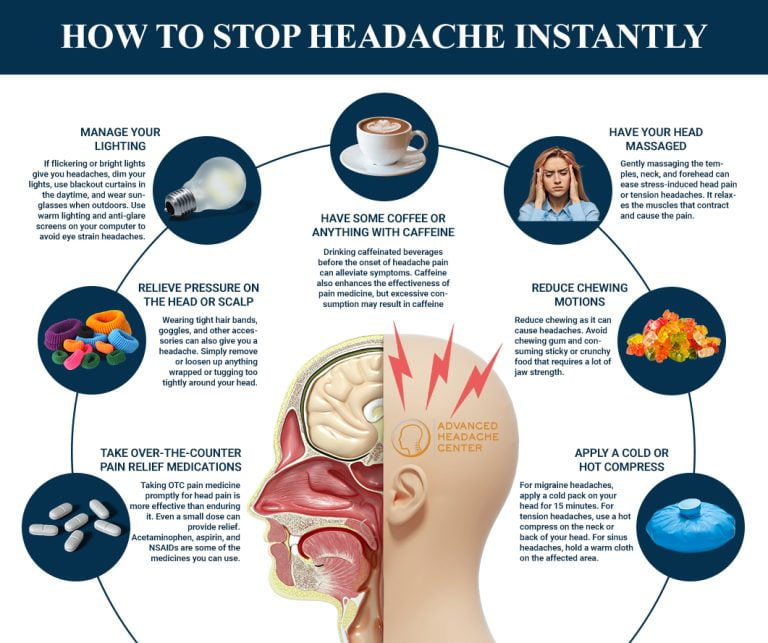
We’ve all been there. The insidious whisper that turns into a relentless drumbeat. The subtle pressure behind the eyes that morphs into a vice-like grip. The faint throb that escalates into a full-blown, mind-numbing symphony of pain. A headache. It’s the uninvited guest that crashes your day, hijacking your focus, stealing your comfort, and demanding immediate attention. For the uninitiated, it’s a mere inconvenience; for the frequent sufferer, it’s a looming threat, a silent thief of productivity and joy.
But what if you could fight back? What if, in those crucial, early moments, you had a arsenal of emergency tactics, a "5-Minute Fix," designed not just to dull the edges, but to potentially derail the entire headache trajectory before it takes root? This isn't about magic pills or mythical cures. This is about understanding your body, leveraging sensory inputs, harnessing ancient wisdom, and employing modern science in a rapid-fire, targeted assault against the encroaching pain. For the knowledgeable individual, someone who understands the nuanced language of their own physiology, these tactics aren't just suggestions; they are strategic maneuvers in a personal war against pain.
Understanding the Enemy: A Brief Primer
Before we dive into the trenches, let's briefly understand what we're fighting. Headaches aren't a monolithic entity. They manifest in myriad forms, each with its own physiological fingerprint:
- Tension Headaches: The most common, often described as a tight band around the head, dull, aching pain. Linked to muscle tension in the neck, scalp, and jaw.
- Migraines: More severe, often throbbing, unilateral (one-sided), accompanied by sensitivity to light (photophobia), sound (phonophobia), and sometimes nausea/vomiting. They can have a "prodrome" (pre-headache symptoms like mood changes, fatigue) and an "aura" (visual disturbances, numbness) that serve as critical early warning signs.
- Cluster Headaches: Intense, excruciating pain, usually around one eye, often with tearing, redness, and nasal congestion on the affected side. These are less amenable to a 5-minute fix but understanding them is crucial for differential diagnosis.
- Sinus Headaches: Pressure and pain in the face, forehead, and around the eyes, often accompanied by nasal congestion and discharge.
Our "5-Minute Fix" primarily targets tension headaches and the early stages of migraines or sinus headaches, aiming to interrupt their progression. The key, for any headache, is early intervention. The longer a headache is allowed to fester, the more entrenched the pain pathways become, making it exponentially harder to dislodge. Think of it as putting out a small fire versus battling a raging inferno.
The Philosophy of the 5-Minute Fix: Disrupt, Divert, Defuse
The core principle behind these emergency tactics is threefold:
- Disrupt the Pain Cycle: Headaches, especially migraines, can involve a cascade of neurochemical and vascular changes. Our goal is to throw a wrench in that machinery.
- Divert Sensory Input: Overloaded or misdirected sensory information can fuel a headache. We aim to either reduce offending stimuli or introduce calming, positive ones.
- Defuse Muscle Tension: For many headaches, especially tension types, physical tightness is a primary contributor. Releasing this tension can be profoundly effective.
This isn't about waiting for a pharmaceutical to kick in; it's about immediate, physical, and cognitive actions that you can deploy right now, wherever you are. It’s about taking control, transforming from a passive victim of pain into an active strategist.
The Arsenal: Emergency Tactics for Rapid Relief
Let's dive into the specific maneuvers, categorized for clarity. Remember, individual responses vary. What works for one person might not for another. The art is in knowing your body and having a diverse toolkit.
1. Acupressure & Targeted Massage: The Ancient Art of Pressure Release (0-2 Minutes)
Acupressure, rooted in Traditional Chinese Medicine, postulates that applying pressure to specific points on the body can release blocked energy (Qi) and alleviate pain. Modern science suggests these points may stimulate nerve endings, increase blood flow, and release endorphins.
Hegu (LI4): This is the undisputed champion of headache relief points. Located in the web between your thumb and index finger.
- Action: Pinch this fleshy area firmly with the thumb and index finger of your other hand. Apply deep, consistent pressure for 30-60 seconds, or until you feel a dull ache. Rotate your thumb in small circles. Repeat on the other hand.
- Why it works: Thought to be a powerful analgesic point, effective for pain in the head and face. Caution: Avoid if pregnant, as it can induce contractions.
Taiyang (M-HN-9): The temple points.
- Action: Locate the soft indentations at your temples, where the hairline recedes. Using your index and middle fingers, apply gentle, circular pressure. You can also trace small circles with firm pressure.
- Why it works: Directly addresses tension in the temporal muscles, often a source of throbbing pain.
Zan Zhu (UB2): The inner eyebrow points.
- Action: Find the indentations at the inner ends of your eyebrows, just above the bridge of your nose. Using your thumbs, apply firm, upward pressure towards your forehead.
- Why it works: Excellent for frontal headaches, sinus pressure, and eye strain.
Feng Chi (GB20): The "Wind Pool" points.
- Action: Locate the two hollows at the base of your skull, on either side of where your neck muscles attach to your head. Use your thumbs to apply firm, deep, upward pressure. You can also gently massage in small circles.
- Why it works: Crucial for tension headaches stemming from neck and shoulder tightness. Helps release tension in the suboccipital muscles.
Jian Jing (GB21): The "Shoulder Well" point.
- Action: Find the highest point of your shoulder muscle, midway between your neck and the tip of your shoulder. Pinch firmly with the thumb and index finger of the opposite hand.
- Why it works: Releases tension in the trapezius muscle, which frequently refers pain to the head and neck. Caution: Avoid if pregnant.
Rapid Application: The key is to cycle through these points quickly. Spend 15-30 seconds on each, focusing on the areas of most discomfort. This isn't a leisurely massage; it's a targeted strike.
2. Temperature Modulation: The Hot and Cold War (1-3 Minutes)
Applying hot or cold can be incredibly effective, often by influencing blood vessel constriction or dilation, and by desensitizing nerve endings.
Cold Compress (The Vasoconstrictor):
- Action: Grab an ice pack, a bag of frozen peas, or a cloth soaked in icy water. Apply it to your forehead, temples, or the back of your neck.
- Why it works: Cold causes blood vessels to constrict, which can reduce the pulsating pain associated with vascular headaches like migraines. It also numbs the area, providing immediate pain relief. For migraines, placing it on the back of the neck can cool the carotid arteries, which supply blood to the brain.
Warm Compress/Heat Pack (The Muscle Relaxer):
- Action: A warm, moist towel, a heating pad, or even a warm shower. Apply to the back of your neck and shoulders.
- Why it works: Heat relaxes tense muscles, particularly beneficial for tension headaches. It increases blood flow to the area, which can help flush out metabolic waste products contributing to muscle stiffness.
The Contrast Method (The Stimulator):
- Action: Alternate between a cold pack on your forehead and a warm pack on your neck for 30 seconds each, repeating for 2-3 cycles.
- Why it works: The rapid change in temperature can stimulate circulation and confuse the pain signals, effectively resetting the area.
Rapid Application: Keep a small ice pack in your freezer. For heat, a quick run under hot water for a cloth is sufficient. The immediacy is key.
3. Sensory Sanctuary: Rewiring Your Environment (0-5 Minutes)
Our environment plays a huge role in headache generation and exacerbation. Taking immediate control of sensory input can be a powerful deflector.
Darkness & Silence (The Sensory Deprivation Chamber):
- Action: Retreat to the darkest, quietest place you can find. Close your eyes. Turn off all lights, screens, and noise-making devices. If possible, put on noise-canceling headphones.
- Why it works: Many headaches, especially migraines, involve hypersensitivity to light (photophobia) and sound (phonophobia). Eliminating these stimuli reduces neural overload and allows your brain to calm down.
Aromatherapy (The Olfactory Reset):
- Peppermint Oil:
- Action: Dab a tiny amount of diluted peppermint essential oil (diluted with a carrier oil like jojoba or almond oil) on your temples and forehead. Be careful to avoid eyes.
- Why it works: Peppermint contains menthol, which has vasoconstricting properties (helpful for throbbing pain) and creates a cooling sensation that can distract from the pain.
- Lavender Oil:
- Action: Inhale directly from the bottle, diffuse, or dab a diluted amount on your temples or pulse points.
- Why it works: Lavender is renowned for its calming and anxiety-reducing properties. Stress and anxiety are major headache triggers, and lavender can help break that cycle.
Taste & Hydration (The Internal Adjustments):
- Water:
- Action: Immediately drink a large glass of water, slowly.
- Why it works: Dehydration is a surprisingly common headache trigger. Even mild dehydration can cause brain tissue to shrink slightly, pulling away from the skull, leading to pain.
- Caffeine (Strategic Use):
- Action: If you're a regular caffeine consumer and your headache is just starting, a small amount of caffeine (e.g., a small cup of coffee or tea) can sometimes abort it.
- Why it works: Caffeine is a vasoconstrictor, narrowing blood vessels, which can relieve certain types of headaches. It's also found in many OTC headache medications. Caution: Too much caffeine, or caffeine withdrawal, can also cause headaches.
- Ginger:
- Action: Chew on a small piece of fresh ginger, or drink ginger tea.
- Why it works: Ginger has natural anti-inflammatory properties and can also help with nausea often associated with migraines.
Rapid Application: Keep a water bottle handy. Essential oils can be kept in a small rollerball applicator. The key is swift implementation of one or more of these.
4. Movement & Posture: Realigning the Body (2-5 Minutes)
Physical tension, especially in the neck and shoulders, is a primary driver of tension headaches and can exacerbate migraines. Rapid, targeted stretches can provide immediate relief.
Neck Stretches:
- Action: Gently tilt your head to one side, bringing your ear towards your shoulder. Use your hand to apply slight, gentle pressure. Hold for 15-20 seconds. Repeat on the other side. Then, gently tuck your chin towards your chest, feeling the stretch at the back of your neck.
- Why it works: Releases tension in the sternocleidomastoid and trapezius muscles, which can refer pain to the head.
Shoulder Rolls:
- Action: Roll your shoulders forward in large circles 5-10 times, then backward 5-10 times.
- Why it works: Improves circulation and loosens tightness in the upper back and shoulders, areas prone to carrying stress.
Jaw Release:
- Action: Gently open your mouth wide, then slowly close. Massage the muscles around your jaw hinge (temporomandibular joint, TMJ).
- Why it works: Jaw clenching (often stress-induced, even subconsciously) can cause significant referred pain to the temples and head.
Gentle Movement (If Tolerated):
- Action: If your headache isn't exacerbated by movement, a very short, slow walk in fresh air can sometimes help.
- Why it works: Can improve circulation and distract the mind, but be cautious as movement can worsen some headaches.
Rapid Application: These stretches can be done discreetly at your desk or in a quiet corner. The goal is gentle, immediate release, not a full workout.
5. Mind Over Matter: The Power of the Psyche (0-5 Minutes)
Your mental state profoundly influences your perception of pain. These tactics aim to shift your focus and calm your nervous system.
Diaphragmatic Breathing (The Parasympathetic Activator):
- Action: Lie down or sit comfortably. Place one hand on your chest and the other on your belly. Inhale slowly and deeply through your nose, feeling your belly rise (not your chest). Exhale slowly through pursed lips, feeling your belly fall. Focus intensely on the breath. Repeat for 2-3 minutes.
- Why it works: Deep, slow breathing activates the parasympathetic nervous system, the "rest and digest" system, counteracting the "fight or flight" response that stress and pain often trigger. This can lower heart rate, reduce muscle tension, and calm the mind.
Visualization (The Mental Escape):
- Action: Close your eyes. Imagine your headache as a physical entity – perhaps a knot, a dark cloud, or a pulsating light. Now, visualize it slowly shrinking, dissolving, or being gently washed away by a calming light or flowing water. Focus on the details of its diminishment.
- Why it works: This technique uses the power of your mind to reframe the pain, shifting focus from suffering to control. It can create a powerful placebo effect and distract the brain from the pain signals.
Mindful Observation (The Detachment Technique):
- Action: Instead of fighting the pain, try to observe it with a sense of detached curiosity. Notice its qualities: is it throbbing, dull, sharp? Does it move? Is it hot or cold? Don't judge it or try to change it, just observe.
- Why it works: This mindfulness practice can create a psychological distance from the pain, reducing its emotional impact and power over you. It's not about making it disappear, but about changing your relationship with it.
Rapid Application: These are internal tools, deployable anywhere, anytime. The speed comes from immediately shifting your mental state.
6. Over-the-Counter (OTC) Medication: The Chemical Cavalry (0-5 Minutes)
While these are chemical interventions, their efficacy in a "5-Minute Fix" context hinges entirely on timing.
NSAIDs (Non-Steroidal Anti-Inflammatory Drugs):
- Action: Ibuprofen (Advil, Motrin), Naproxen (Aleve). Take at the very first sign of a headache.
- Why it works: NSAIDs work by inhibiting the production of prostaglandins, chemicals that contribute to pain and inflammation. Taking them early can prevent the inflammatory cascade from fully taking hold.
Acetaminophen (Tylenol):
- Action: Take at the very first sign of a headache.
- Why it works: Its exact mechanism is not fully understood, but it's thought to act on pain pathways in the central nervous system.
Combination Products:
- Action: Excedrin Migraine (acetaminophen, aspirin, caffeine).
- Why it works: The combination of ingredients can be more effective for some headaches due to their synergistic effects. Caffeine, as mentioned, can aid absorption and vasoconstriction.
Rapid Application: The critical component here is having the medication immediately accessible and taking it before the headache becomes severe. Keep a dose in your bag, your desk, your car. Waiting until the pain is excruciating significantly reduces their effectiveness as a "5-minute fix."
Beyond the 5-Minute Window: Sustaining Relief and Preventing Recurrence
The "5-Minute Fix" is an emergency tactic, a first line of defense. It's not a guaranteed cure-all. If these tactics don't fully abort the headache, they should at least reduce its intensity, buying you time and making it more manageable. What happens next is crucial for full recovery and prevention.
- Sustained Action: If a tactic works, continue it. Maintain your sensory sanctuary, keep hydrating, continue gentle stretches.
- Rest: If possible, lie down in a dark, quiet room for 30-60 minutes after deploying your tactics. This allows your nervous system to fully recalibrate.
- Hydration & Nutrition: Continue to sip water or electrolyte-rich fluids. Avoid processed foods, excessive sugar, and alcohol.
- Trigger Identification: Maintain a headache diary. Note the time, severity, potential triggers (foods, stress, sleep, weather changes), and what tactics you used and their effectiveness. This data is invaluable for future prevention.
- Lifestyle Adjustments:
- Sleep: Maintain a consistent sleep schedule. Sleep deprivation and oversleeping can both be triggers.
- Stress Management: Implement daily stress-reduction techniques like meditation, yoga, or spending time in nature.
- Regular Exercise: Moderate, consistent physical activity can reduce headache frequency and severity.
- Ergonomics: Ensure your workspace is ergonomically sound to prevent neck and shoulder strain.
- Diet: Identify and avoid food triggers (e.g., aged cheeses, processed meats, artificial sweeteners, excessive caffeine, red wine).
When to Seek Professional Help: Red Flags You Can't Ignore
While self-help tactics are powerful, it's vital to recognize when a headache might be a symptom of something more serious. For the knowledgeable individual, these are not just guidelines but critical indicators:
- Sudden, Severe Headache: Described as the "worst headache of your life," especially if it comes on abruptly.
- Headache with Neurological Symptoms: Weakness, numbness, difficulty speaking, vision changes, confusion, loss of balance, or seizures.
- Headache with Fever, Stiff Neck, or Rash: Could indicate meningitis or other infections.
- Headache Following Head Injury: Even if mild, seek medical attention.
- Headache with Pain in the Eye or Ear: Especially if accompanied by redness or discharge.
- Headache that Worsens with Coughing, Straining, or Bending Over: Can be a sign of increased intracranial pressure.
- New Headache in Older Adults (over 50): Especially if accompanied by jaw pain while chewing or tenderness of the scalp.
- A Change in Your Headache Pattern: If your usual headaches become more frequent, severe, or different in character.
- Headaches that Disrupt Sleep or are Present Upon Waking:
- Headaches in Immunocompromised Individuals: (e.g., HIV/AIDS, cancer patients).
Never hesitate to consult a doctor if you experience any of these symptoms or if your headaches are significantly impacting your quality of life despite self-management efforts.
Conclusion: Empowering Yourself in the Face of Pain
The journey with headaches can often feel like a battle fought in the shadows, leaving you feeling helpless and drained. But "The 5-Minute Fix" is an anthem of empowerment, a declaration that you are not a passive recipient of pain, but an active participant in your own well-being.
It’s about cultivating an acute awareness of your body's early warning signals, recognizing the subtle whispers before they become deafening screams. It’s about having the knowledge and the confidence to deploy a multi-faceted strategy—combining ancient wisdom with modern understanding, leveraging your environment, your body, and your mind—to disrupt the headache's insidious progression.
This is more than just a list of tips; it's a paradigm shift. It's transforming from a victim to a strategist, from someone who endures to someone who actively intervenes. By embracing these emergency tactics, by understanding the nuances of your own physiology, and by committing to proactive self-care, you reclaim control. You learn not just to survive the onslaught, but to potentially stop the headache fast, preserving your precious moments, your focus, and your quality of life. The 5-Minute Fix isn't a miracle; it's a testament to the power of informed action, a beacon of hope in the often-dark landscape of chronic pain.


