The Grand Symphony of Life: Decoding the Power of Macros for Your Body
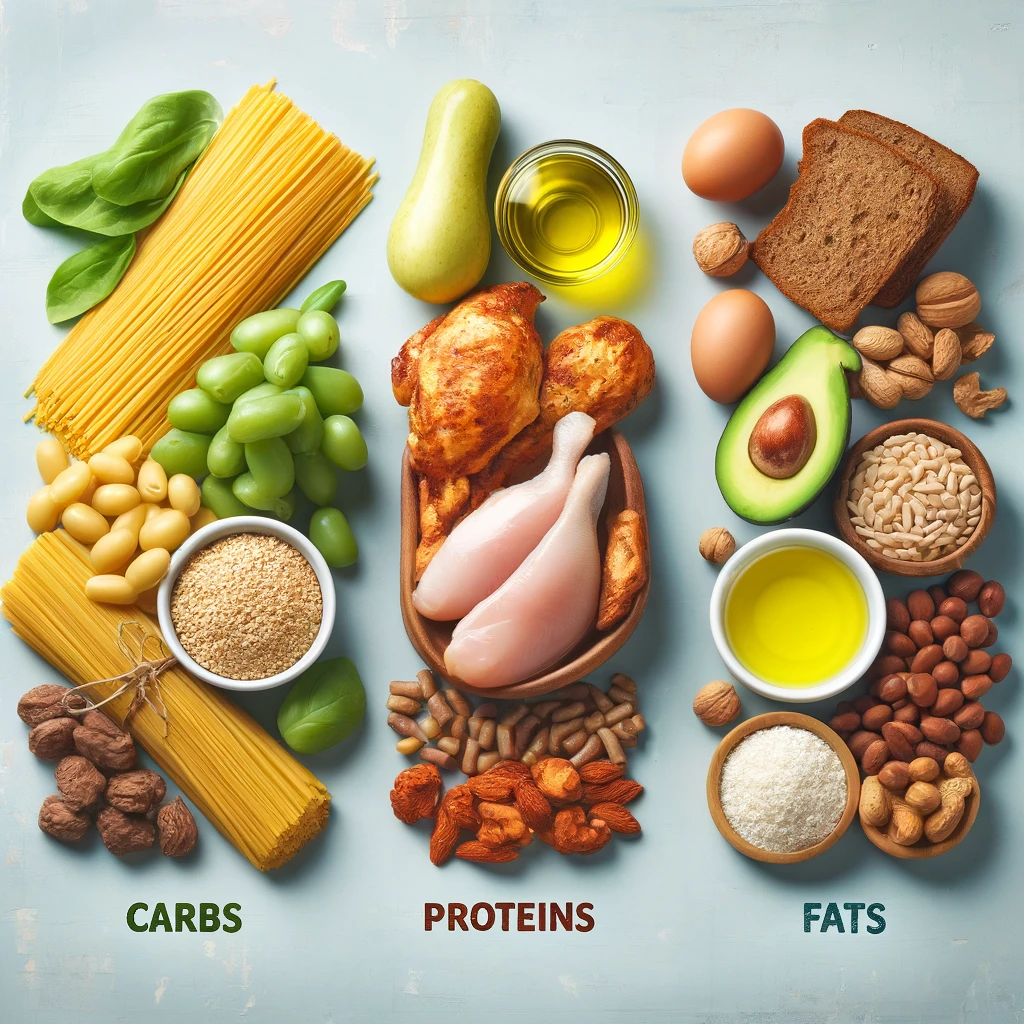
Imagine your body not just as a vessel, but as a magnificent, living city, constantly under construction, powered by an intricate energy grid, and guided by a complex communication network. Every brick laid, every street light powered, every message sent – all are orchestrated by the raw materials you provide. For too long, many of us have fueled this city haphazardly, focusing on fleeting tastes or simplistic calorie counts, unaware of the profound power held within the very building blocks of our food. This is the story of those blocks: macronutrients – protein, carbohydrates, and fats.
This isn't merely a nutritional guide; it's an exploration into the language your body speaks, a journey to understand how these three pillars of nutrition don't just provide energy, but fundamentally shape your health, performance, and longevity. For the knowledgeable individual seeking to transcend basic dietary advice and truly optimize their physical and mental landscape, understanding macros is not just beneficial – it is transformative. It's about moving beyond simply "eating healthy" to "eating intelligently," consciously crafting the symphony of your physiological well-being.
Chapter 1: Protein – The Master Builder, The Architect of Life
Our story begins with protein, the undisputed master builder and chief architect of your internal city. Often associated primarily with muscle, protein’s role extends far beyond the gym, permeating every single function of your existence.
The Multifaceted Roles of Protein: Beyond Brawn
Muscle Repair and Growth: This is protein’s most famous role. After physical activity, muscle fibers incur microscopic damage. Protein provides the amino acids necessary for muscle protein synthesis (MPS), repairing this damage and, over time, building stronger, larger muscles. But it’s not just about aesthetics; strong muscles are vital for mobility, metabolism, and injury prevention.
Enzymes: The Catalysts of Life: Proteins form the backbone of nearly all enzymes – biological catalysts that accelerate virtually every biochemical reaction in your body. From digesting food (e.g., amylase, lipase, protease) to synthesizing DNA and generating energy, enzymes are the tireless workers ensuring your city's systems run efficiently. Without adequate protein, these critical reactions would grind to a halt.
Hormones: The Body's Messengers: Many hormones, particularly peptide and protein hormones, are made of amino acids. Insulin, glucagon, growth hormone, and various neurotransmitters like serotonin are all protein-based, acting as vital messengers that regulate metabolism, growth, mood, and countless other physiological processes. They are the communication network of your city, ensuring every district knows what to do.
Antibodies: The Immune Defense Force: Your immune system relies heavily on proteins to identify and neutralize pathogens. Antibodies, also known as immunoglobulins, are specialized proteins that recognize and bind to foreign invaders like bacteria and viruses, marking them for destruction. A protein-deficient diet can severely compromise your body’s ability to defend itself.
Structural Components: The Framework of Being: Beyond muscle, protein forms the structural integrity of your entire body. Collagen and elastin, for instance, are fibrous proteins that provide strength and elasticity to skin, hair, nails, bones, tendons, ligaments, and cartilage. They are the girders and beams that hold your city together.
Transport and Storage: The Logistics Network: Proteins act as carriers for various substances throughout the body. Hemoglobin, a protein in red blood cells, transports oxygen from your lungs to your tissues. Lipoproteins (HDL, LDL) transport fats and cholesterol. Ferritin stores iron. These proteins are the delivery trucks and warehouses, ensuring resources reach their destinations.
Fluid and pH Balance: Proteins, particularly albumin, play a critical role in maintaining fluid balance within and outside your cells, preventing edema (swelling). They also act as buffers, helping to regulate the pH of your blood and tissues, ensuring the internal environment remains stable for optimal cellular function.
In the story of your body, protein is the diligent construction worker, the meticulous architect, and the steadfast repair crew, tirelessly building, maintaining, and defending your internal city. Without its constant effort, the city would crumble.
Chapter 2: Carbohydrates – The Dynamic Energy Source, The Fuel that Drives Action
Next, we turn to carbohydrates, the primary and most readily available energy source for your body. If protein is the architect, carbohydrates are the dynamic fuel that powers every light, every vehicle, and every thought in your city.
- Monosaccharides (Simple Sugars): The simplest form, like glucose (the body's preferred energy source), fructose (fruit sugar), and galactose (milk sugar).
- Disaccharides: Two monosaccharides linked together, such as sucrose (table sugar = glucose + fructose), lactose (milk sugar = glucose + galactose), and maltose (malt sugar = glucose + glucose).
- Polysaccharides (Complex Carbohydrates): Long chains of monosaccharides. These include starch (plant energy storage), glycogen (animal/human energy storage in liver and muscles), and fiber (indigestible plant material).
The Primary Roles of Carbohydrates: Powering Every Spark
Primary Energy Source: Glucose is the brain's preferred and almost exclusive fuel source, crucial for cognitive function, memory, and mood regulation. It's also the primary fuel for high-intensity physical activity and red blood cells. Your body breaks down all digestible carbohydrates into glucose for immediate energy or stores it.
Glycogen Storage: When glucose is not immediately needed, it's converted into glycogen and stored in the liver (maintains blood glucose levels) and muscles (fuels muscle contraction). These glycogen stores are like the city's energy reserves, tapped into during fasting or exercise.
Protein Sparing: When carbohydrate intake is insufficient, your body may turn to protein (from muscles or dietary sources) to create glucose through a process called gluconeogenesis. Adequate carbohydrate intake ensures that protein is spared for its vital structural and functional roles, rather than being burned for energy.
Cell Recognition: Carbohydrates are found on the surface of cell membranes (as glycoproteins and glycolipids), where they play crucial roles in cell-to-cell communication, recognition, and adhesion – essentially, helping cells identify their neighbors and perform their specific tasks.
Fiber: The Undigested Hero: Although not digested for energy, dietary fiber is a critical component of carbohydrates.
- Soluble fiber (found in oats, beans, fruits) dissolves in water, forming a gel that slows digestion, helps regulate blood sugar, and can lower cholesterol.
- Insoluble fiber (found in whole grains, vegetables) adds bulk to stool, promoting regular bowel movements and preventing constipation. Both types contribute to satiety and overall gut health.
- Simple carbs (e.g., fruit juice, candy, white bread) are rapidly digested and absorbed, leading to a quick spike in blood glucose and a subsequent insulin release. This can provide quick energy but may also lead to energy crashes.
- Complex carbs (e.g., whole grains, legumes, vegetables) are digested more slowly due to their longer chains and often higher fiber content. This results in a more gradual and sustained release of glucose into the bloodstream, providing stable energy and better satiety.
In the story of your body, carbohydrates are the ever-present, versatile energy currency, powering everything from a thought to a sprint. They are the efficient fuel that drives action, keeping the lights on and the wheels turning in your magnificent city.
Chapter 3: Fats – The Essential Architect and Long-Term Storage, The Strategic Reservoir and Structural Integrity
Our final macronutrient, fats (lipids), has historically suffered from a bad reputation, often unfairly demonized. Yet, fats are absolutely essential, playing critical roles as concentrated energy stores, vital structural components, and precursors for crucial signaling molecules. If protein builds and carbs power, fats are the strategic reservoir, the wise elder storing resources for the future, and the crucial structural support that gives your city its form and enables vital communication.
- Saturated Fatty Acids (SFAs): No double bonds in their carbon chains. Primarily found in animal products (meat, dairy) and some tropical oils (coconut, palm). Tend to be solid at room temperature.
- Unsaturated Fatty Acids: Contain one or more double bonds.
- Monounsaturated Fatty Acids (MUFAs): One double bond (e.g., olive oil, avocados, nuts).
- Polyunsaturated Fatty Acids (PUFAs): Two or more double bonds (e.g., vegetable oils, fatty fish, seeds).
- Omega-3 Fatty Acids: Alpha-linolenic acid (ALA), Eicosapentaenoic acid (EPA), Docosahexaenoic acid (DHA). Crucial for brain health, reducing inflammation. Found in fatty fish, flaxseeds, walnuts.
- Omega-6 Fatty Acids: Linoleic acid. Found in vegetable oils, nuts, seeds. Important, but often overconsumed relative to omega-3s in Western diets.
- Trans Fats: Unsaturated fats that have been hydrogenated, altering their chemical structure. Largely man-made, found in processed foods. Highly detrimental to health.
- Phospholipids: Similar to triglycerides but with a phosphate group replacing one fatty acid. Crucial components of cell membranes.
- Sterols: A class of lipids including cholesterol, vital for cell membrane structure, hormone production, and bile acid synthesis.
The Essential Roles of Fats: Beyond Just Energy
Concentrated Energy Storage: Fats are the most energy-dense macronutrient, providing 9 calories per gram (compared to 4 calories per gram for protein and carbs). They represent your body's long-term energy reserves, stored primarily as triglycerides in adipose tissue. This acts as a crucial buffer during periods of food scarcity or prolonged energy demands.
Cell Membrane Structure: Phospholipids and cholesterol are fundamental components of every cell membrane in your body. They form the flexible, semi-permeable barrier that controls what enters and exits cells, enabling cellular integrity and function. Without fats, your cells literally couldn't hold themselves together.
Hormone Production: Cholesterol, a type of sterol, is the precursor for all steroid hormones, including sex hormones (testosterone, estrogen, progesterone) and adrenal hormones (cortisol, aldosterone). These hormones regulate a vast array of bodily functions, from reproduction and stress response to metabolism and immune function.
Absorption of Fat-Soluble Vitamins: Dietary fats are essential for the absorption of fat-soluble vitamins (A, D, E, K). These vitamins cannot be properly utilized by the body without the presence of dietary fat. Each plays critical roles in vision, bone health, antioxidant defense, and blood clotting, respectively.
Insulation and Protection: Adipose tissue (body fat) provides insulation, helping to regulate body temperature and protect vital organs from physical shock. It's the protective padding and climate control system for your internal city.
Brain Health and Nervous System Function: Fats, particularly omega-3 fatty acids (DHA), are crucial for brain development and function throughout life. They are integral components of neuronal membranes and myelin sheaths, which insulate nerve fibers and facilitate rapid nerve impulse transmission. Adequate fat intake supports cognitive function, memory, and mood.
Inflammation Regulation: Essential fatty acids, especially omega-3s, are precursors to signaling molecules called eicosanoids (e.g., prostaglandins, thromboxanes, leukotrienes). These compounds play critical roles in regulating inflammation, blood clotting, and blood pressure. A healthy balance of omega-3 to omega-6 fatty acids is vital for managing the body's inflammatory response.
In the story of your body, fats are the wise elder, storing resources for the future, providing crucial structural support, and enabling vital communication. They are the strategic reserves, the foundational membranes, and the silent orchestrators of many critical internal processes.
Chapter 4: The Symphony in Action – How Macros Work Together, The Conductor and the Orchestra
Understanding protein, carbohydrates, and fats in isolation is merely knowing the instruments. The true power emerges when we appreciate how they interact, a finely tuned orchestra playing under the baton of your body's needs. No macronutrient works in a vacuum; their interplay is a complex, dynamic symphony that dictates energy levels, body composition, and overall health.
The Interplay: A Coordinated Effort
Protein-Sparing Effect: When carbohydrate intake is sufficient, it spares protein from being used for energy. This allows protein to fulfill its vital roles in building and repair, rather than being diverted for glucose production. Similarly, adequate fat intake can also contribute to this sparing effect, as fats can be used for energy, reducing the need to burn protein or glucose.
Satiety and Energy Regulation: Protein and fat are particularly potent in promoting satiety, helping you feel full and satisfied after meals. Protein triggers the release of satiety hormones (like cholecystokinin and peptide YY), while fat slows gastric emptying, prolonging the feeling of fullness. This synergy is crucial for appetite control and weight management. Carbohydrates, especially fiber-rich complex carbs, also contribute to satiety by adding bulk and slowing digestion.
Fueling and Recovery: For physical activity, carbohydrates are the primary fuel for high-intensity exercise, rapidly converted to glucose for immediate energy. Post-exercise, carbohydrates are essential for replenishing muscle and liver glycogen stores. Protein, in turn, is critical for muscle repair and rebuilding after exercise. Together, they form the cornerstone of athletic performance and recovery. Fats provide the sustained, low-intensity fuel and play a role in reducing exercise-induced inflammation.
Hormonal Response: Macros profoundly influence hormonal balance. Carbohydrates stimulate insulin release, which is vital for glucose uptake and anabolic processes (building). Protein also elicits an insulin response, albeit lower than carbs, and stimulates glucagon, which helps stabilize blood sugar. Fats, while having little direct impact on insulin, are essential for the production of steroid hormones. The ratio and timing of macros can significantly impact the body's hormonal environment, affecting everything from fat storage to muscle growth.
Mitochondrial Function: All macros contribute to the generation of ATP (adenosine triphosphate), the body's energy currency, primarily through processes within the mitochondria. While carbs and fats are direct energy substrates, protein can also be converted to glucose or acetyl-CoA to enter the Krebs cycle. Efficient mitochondrial function, supported by balanced macro intake, is fundamental to cellular health and vitality.
- Thermic Effect of Food (TEF): The energy expended to digest, absorb, and metabolize food. Protein has the highest TEF (20-30% of its calories), meaning more energy is burned processing it. Carbs have a TEF of 5-10%, and fats 0-3%. A diet higher in protein, therefore, can contribute to a slightly higher metabolic rate.
- Nutrient Timing: While not as critical as total daily intake for most, nutrient timing (e.g., consuming protein and carbs around workouts) can optimize recovery and muscle protein synthesis, especially for highly active individuals.
- Muscle Gain: Requires a caloric surplus, sufficient protein (to drive MPS), and adequate carbohydrates (to fuel workouts and spare protein).
- Fat Loss: Requires a caloric deficit, high protein (to preserve muscle mass and enhance satiety), and adjusted carbs/fats depending on individual preference and metabolic response.
- Maintenance: A balanced approach, ensuring sufficient energy and nutrients to support daily activities and bodily functions.
The macros aren't isolated players; they are a finely tuned orchestra, each playing its part under the baton of your body's intelligent design. When they work in harmony, the result is peak performance, robust health, and a feeling of vibrant well-being.
Chapter 5: Personalizing Your Macro Story – Crafting Your Unique Narrative
The beauty of macro understanding lies not in finding a universal truth, but in the power it gives you to craft your own unique nutritional story. There is no single "perfect" macro ratio; instead, there is an optimal approach for you, right now, given your individual circumstances, goals, and preferences. This chapter empowers you to become the author of your own physiological narrative.
Factors Influencing Your Macro Needs: The Variables of Your Story
- Age: Metabolic rate tends to decrease with age. Older adults also benefit from higher protein intake to combat sarcopenia.
- Sex: Men typically have more muscle mass and higher metabolic rates, thus generally requiring more calories and macros than women of similar size and activity level.
- Weight and Height: Directly influence Basal Metabolic Rate (BMR) and Total Daily Energy Expenditure (TDEE).
- Activity Level: This is a major determinant.
- Sedentary: Lower caloric and carbohydrate needs.
- Moderately Active: Increased needs across the board.
- Highly Active/Athletes: Significantly higher carbohydrate needs for fuel, and higher protein for repair and recovery.
- Goals:
- Weight Loss: Caloric deficit, often higher protein for satiety and muscle preservation.
- Muscle Gain: Caloric surplus, high protein, adequate carbohydrates.
- Maintenance: Balance of macros to support current weight and activity.
- Endurance Performance: Higher carbohydrates to fuel sustained effort.
- Specific Health Conditions: (e.g., diabetes, kidney disease) may require specific macro adjustments under medical supervision.
- Dietary Preferences and Restrictions: Vegan, vegetarian, ketogenic, low-carb, high-carb, Mediterranean – these dietary frameworks naturally influence macro distribution and sources.
Calculating Your Macros: The First Draft
- Determine Your Total Daily Energy Expenditure (TDEE): This is the total number of calories your body burns in a day, considering your BMR and activity level. Online calculators are a good starting point (e.g., Mifflin-St Jeor equation).
- Define Your Goal-Based Calorie Target:
- Weight Loss: Subtract 300-500 calories from your TDEE.
- Muscle Gain: Add 200-400 calories to your TDEE.
- Maintenance: Eat at your TDEE.
- Distribute Calories into Macros (A Starting Point):
- Protein: Often the first macro to set. A common recommendation is 1.6-2.2 grams per kilogram of body weight, especially for active individuals. (Multiply your weight in kg by your target protein per kg). Then multiply this gram amount by 4 (calories per gram) to get protein calories.
- Fats: Set next. A range of 20-35% of total calories is typical. (Multiply total target calories by 0.20 to 0.35, then divide by 9 (calories per gram) to get fat grams). Prioritize healthy fats.
- Carbohydrates: Fill the remaining calories. (Subtract protein calories and fat calories from your total target calories, then divide the remainder by 4 (calories per gram) to get carb grams).
Common Macro Approaches: Diverse Narratives
- Balanced (e.g., 40% Carbs / 30% Protein / 30% Fat): A general healthy eating approach, suitable for many.
- Higher Protein (e.g., 30-40% Protein): Popular for weight loss, muscle gain, and satiety.
- Lower Carb (e.g., Ketogenic: <50g carbs; Moderate Low Carb: 50-150g carbs): Favored by some for weight loss, blood sugar management, or mental clarity. Requires careful attention to fiber and micronutrients.
- Higher Carb (e.g., 50-60%+ Carbs): Often used by endurance athletes to fuel intense, prolonged activity.
- Energy Levels: Are you consistently energized or experiencing crashes?
- Satiety: Are you feeling satisfied after meals, or constantly hungry?
- Performance: Is your physical and mental performance improving or declining?
- Mood: How do your macro choices impact your emotional well-being?
- Digestion: Are you experiencing digestive comfort or issues?
- Body Composition Changes: Are you seeing the desired changes in muscle and fat?
- Micronutrients: Vitamins and minerals, though not energy-providing, are essential co-factors for thousands of bodily processes. A macro-focused diet should still prioritize nutrient-dense whole foods.
- Hydration: Water is crucial for every bodily function, including macro metabolism.
- Sleep: Essential for recovery, hormonal balance, and metabolic health.
- Stress Management: Chronic stress can negatively impact metabolism and body composition, regardless of macro intake.
You are the author of your own health story, and understanding macros gives you the tools to write a powerful, effective, and deeply personal narrative. It's about empowering informed choices, not adhering to rigid dogma.
Conclusion: The Empowered Journey, The Ongoing Saga
We have journeyed through the intricate world of macronutrients, from protein's role as the master builder to carbohydrates as the dynamic fuel and fats as the strategic reservoir and structural backbone. We've explored their individual functions, their synergistic interplay, and the critical importance of personalizing your approach.
The power of macros lies in their ability to demystify nutrition, transforming it from a realm of confusing rules and fleeting fads into a scientific, yet deeply personal, understanding of how food interacts with your unique physiology. It's the difference between blindly filling your car's tank


