The Iron Imperative: Why This Mineral is Crucial for Energy and Oxygen Transport
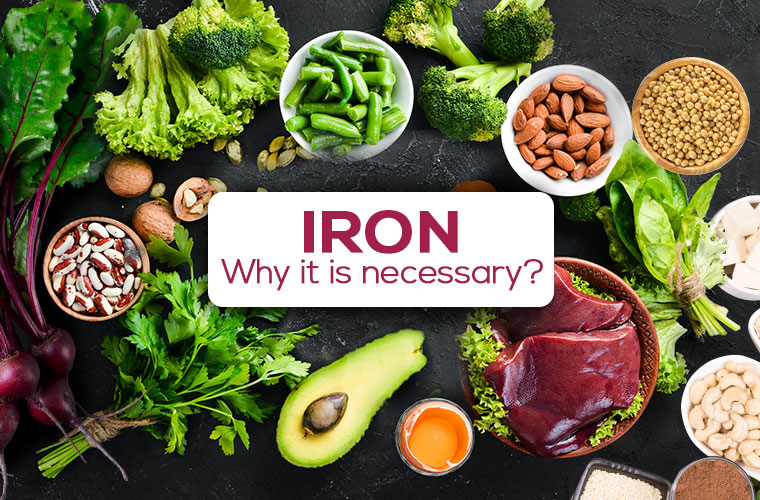
Imagine a world without the breath of life, where every cell starves for oxygen, and the very spark of energy that fuels existence flickers and dies. Such a world is not a distant, dystopian fantasy, but a stark reality for any organism deprived of a single, unassuming element: iron. Often overlooked in its microscopic scale, iron is not merely a nutrient; it is the silent, relentless architect of our vitality, the indispensable conduit for the very essence of life. It is the core of our oxygen-carrying molecules, the electron highway in our cellular powerhouses, and the linchpin of metabolic processes that define what it means to be alive. To truly appreciate its profound importance is to embark on a journey deep into the biological machinery that sustains us, revealing why the Iron Imperative is, quite simply, non-negotiable for human existence.
Our story begins not with grand gestures, but with the subtle dance of atoms, a narrative woven into the fabric of life itself. Iron, a transition metal with the atomic number 26, is uniquely suited for its biological roles due to its remarkable ability to readily switch between oxidation states, primarily ferrous (Fe2+) and ferric (Fe3+). This seemingly simple chemical property is the cornerstone of its functionality, allowing it to act as both an electron donor and acceptor – a perfect intermediary for the transfer of energy and the binding of gases. From the primordial soup where life first stirred, iron's presence was a geological constant, a raw material that early life forms learned to harness, shaping the very evolutionary trajectory of species. Its journey from an abundant crustal element to an exquisitely regulated biological cofactor is a testament to nature's ingenuity, demonstrating how a simple atom could become the central pillar of complex life.
The Atomic Architect: Iron's Unseen Influence on Life's Blueprint
To understand the iron imperative, we must first appreciate the element itself. Iron, in its elemental form, is a silvery-grey metal, but within the intricate confines of biological systems, it is often found coordinated within complex organic molecules. Its high redox potential makes it an ideal candidate for enzymatic reactions requiring electron transfer. This characteristic is precisely why life, in its relentless pursuit of efficiency, adopted iron so comprehensively. Long before the rise of oxygenic photosynthesis flooded Earth's atmosphere with molecular oxygen, iron played crucial roles in anaerobic metabolism. As life evolved and oxygen became prevalent, iron’s adaptability allowed it to pivot, becoming central to the very systems designed to manage and utilize this reactive gas.
The story of life’s dependence on iron is, in many ways, the story of harnessing fundamental chemical principles for biological advantage. Early organisms, existing in anoxic conditions, likely utilized iron in rudimentary electron transfer chains. With the advent of photosynthesis and the subsequent "Great Oxidation Event," the planet's atmosphere transformed. Oxygen, while life-giving, is also highly reactive and toxic. Life needed a way to manage it, to transport it safely, and to utilize its potent oxidizing power in a controlled manner for energy generation. Iron, with its variable valency, provided the perfect solution. It could bind oxygen reversibly, preventing its destructive free-radical formation, and it could shuttle electrons with precision, allowing for the stepwise release of energy.
Today, iron is ubiquitous within the human body, not simply floating freely but meticulously managed. It's found in red blood cells, muscle tissue, liver, spleen, and bone marrow – virtually every cell requires it. The average adult human body contains about 3-4 grams of iron, a seemingly small amount, yet its precise distribution and function are critical. This distribution is a carefully orchestrated biological ballet, reflecting millions of years of evolutionary refinement, ensuring that this powerful and potentially dangerous element is always exactly where it needs to be, performing its vital tasks without causing harm.
The Red River of Life: Iron and Oxygen Transport
Perhaps iron’s most famous and immediately vital role is in the transport of oxygen. Without iron, the very act of breathing would be futile, and our cells would suffocate within moments. The protagonist in this chapter of our story is hemoglobin, the protein that gives our blood its characteristic red color and carries the vast majority of oxygen from our lungs to every corner of our body.
Hemoglobin is a marvel of biological engineering. It is a tetramer, meaning it’s composed of four protein subunits: two alpha-globin chains and two beta-globin chains (in adult hemoglobin, HbA). Each of these globin chains cradles a crucial non-protein component called a heme group. At the very heart of each heme group lies a single, ferrous iron atom (Fe2+). This ferrous iron atom is meticulously positioned within a porphyrin ring, a complex organic molecule that binds the iron in a stable, yet reactive, configuration.
The magic of oxygen transport lies in this central iron atom. The Fe2+ in hemoglobin has a unique property: it can reversibly bind molecular oxygen (O2) without undergoing oxidation to Fe3+. This reversible binding is critical. If the iron were to be permanently oxidized, it would be unable to release the oxygen, effectively "rusting" the blood and rendering it useless for transport. When a hemoglobin molecule encounters high concentrations of oxygen in the lungs, each of its four heme-bound iron atoms eagerly latches onto an O2 molecule. This binding is not a simple one-to-one interaction; it exhibits cooperativity. The binding of the first oxygen molecule to one heme group subtly alters the conformation of the entire hemoglobin tetramer, increasing the affinity of the remaining three heme groups for oxygen. This allosteric effect ensures efficient loading of oxygen in the lungs, allowing hemoglobin to become nearly saturated with O2.
Once loaded, the now oxygenated hemoglobin (oxyhemoglobin) embarks on its journey through the arterial system, pumped by the heart to distant tissues. As it reaches the capillaries, where oxygen concentrations are lower and metabolic activity is higher, the conditions shift. Increased acidity (lower pH from CO2 production), higher temperatures, and the presence of 2,3-bisphosphoglycerate (2,3-BPG) all act as signals, reducing hemoglobin's affinity for oxygen. In response, the ferrous iron atoms release their oxygen molecules, which then diffuse out of the capillaries and into the surrounding cells. As oxygen is released, the hemoglobin undergoes another conformational change, facilitating the release of the remaining oxygen molecules. The now deoxygenated hemoglobin (deoxyhemoglobin) then picks up carbon dioxide and protons, transporting them back to the lungs to be exhaled, completing the cycle.
Complementing hemoglobin in this vital task is myoglobin, found predominantly in muscle tissue. Myoglobin is a monomeric protein, containing only one globin chain and one heme group with its central ferrous iron. Unlike hemoglobin, myoglobin does not exhibit cooperativity and has a significantly higher affinity for oxygen. Its primary role is not transport, but rather oxygen storage within muscle cells, particularly those that are highly active and require a constant, readily available supply of oxygen for sustained contraction. In times of intense exertion or in diving mammals, myoglobin acts as an oxygen reservoir, ensuring that muscle cells have a buffer against temporary oxygen deprivation. Without the iron in both hemoglobin and myoglobin, the very machinery of respiration and muscle function would grind to a halt, leading to immediate cellular death.
The scale of this operation is staggering. Every second, billions of red blood cells, each packed with millions of hemoglobin molecules, are tirelessly circulating, ensuring that an estimated 5-6 liters of blood are constantly refreshed with oxygen. It is a silent, ceaseless ballet of iron atoms, dictating the very rhythm of our breath and the capacity for every thought, every movement, every beat of the heart.
The Spark of Life: Iron and Energy Production
Beyond its role as an oxygen carrier, iron is equally indispensable at the microscopic level of cellular energy production, particularly within the mitochondria, often dubbed the "powerhouses of the cell." Here, iron takes on a different but equally crucial role: that of an electron shuttle, facilitating the intricate process of oxidative phosphorylation that generates adenosine triphosphate (ATP), the universal energy currency of the cell.
The primary site of ATP generation via oxidative phosphorylation is the electron transport chain (ETC), located within the inner mitochondrial membrane. This chain is a series of protein complexes (Complexes I, II, III, and IV) that work in concert to transfer electrons from nutrient-derived fuel molecules (like glucose and fatty acids) to molecular oxygen. The energy released during this stepwise electron transfer is used to pump protons across the inner mitochondrial membrane, creating an electrochemical gradient that ultimately drives ATP synthase to produce ATP.
Within these complexes, iron plays a pivotal role in several forms. One of the most critical are the iron-sulfur clusters. These fascinating structures consist of iron atoms coordinated with sulfide ions (S2-) and cysteine residues from the surrounding protein. Common configurations include 2Fe-2S, 3Fe-4S, and 4Fe-4S clusters. These clusters are highly versatile and are found in Complexes I, II, and III of the ETC. Their unique ability to cycle between different oxidation states (e.g., Fe2+ and Fe3+) makes them ideal electron carriers. As electrons flow through the ETC, they are passed from one iron-sulfur cluster to another, causing the iron atoms to undergo reversible changes in their oxidation state, efficiently transferring energy along the chain. For example, in Complex I (NADH dehydrogenase), multiple iron-sulfur clusters are arranged in a specific pathway to accept electrons from NADH and pass them down the chain. Similarly, Complex II (succinate dehydrogenase) contains a 2Fe-2S and a 3Fe-4S cluster, directly linking the Krebs cycle to the ETC.
Another vital class of iron-containing proteins in the ETC are the cytochromes. Like hemoglobin, cytochromes contain a heme group with a central iron atom, but their function is fundamentally different. Instead of binding oxygen reversibly for transport, the iron in cytochrome heme groups is specifically designed for electron transfer. The iron cycles between its ferrous (Fe2+) and ferric (Fe3+) states as it accepts and donates electrons. Cytochromes are found in Complexes III and IV. In Complex III (cytochrome bc1 complex), cytochromes b and c1, along with a 2Fe-2S cluster, facilitate the transfer of electrons from ubiquinol to cytochrome c. Complex IV (cytochrome c oxidase) contains cytochromes a and a3, where the iron atoms, along with copper centers, ultimately transfer electrons to molecular oxygen, reducing it to water – the final electron acceptor in the chain. This final step is crucial, as it detoxifies oxygen and allows for the continuous flow of electrons.
Beyond the ETC, iron is a critical cofactor for numerous other enzymes involved in energy metabolism. For instance, aconitase, an enzyme in the Krebs cycle (also known as the citric acid cycle), contains an iron-sulfur cluster. This enzyme catalyzes the stereospecific isomerization of citrate to isocitrate, a key step in carbohydrate and fat metabolism. Without functional aconitase, the Krebs cycle, a central hub of energy generation, would falter, severely impairing the cell's ability to produce ATP.
The consequences of insufficient iron on cellular energy production are profound. If the iron-sulfur clusters and cytochromes of the ETC are compromised, the flow of electrons slows down or stops. This leads to a dramatic reduction in ATP synthesis. At a cellular level, this translates into a lack of energy for all cellular processes – muscle contraction, nerve impulse transmission, protein synthesis, and maintaining cellular integrity. This is why one of the hallmark symptoms of iron deficiency is profound fatigue and weakness, not just from impaired oxygen delivery, but also from the cellular power grid running on empty. Iron is truly the spark that ignites our cellular engines, enabling us to move, think, and live.
Orchestrating the Imperative: Iron Homeostasis
While essential, iron is a double-edged sword. Its very reactivity, which makes it so valuable for electron transfer and oxygen binding, also renders it potentially dangerous. Free iron can participate in the Fenton reaction, generating highly reactive hydroxyl radicals (•OH) that can damage DNA, proteins, and lipids, leading to oxidative stress and cellular injury. Therefore, the body has evolved an exquisitely complex system of iron homeostasis to meticulously regulate its absorption, transport, storage, and utilization, ensuring that iron levels are maintained within a narrow, optimal range.
The journey of iron begins with dietary intake. Iron exists in two main forms in food: heme iron and non-heme iron. Heme iron, found primarily in animal products (meat, poultry, fish), is highly bioavailable, meaning it is easily absorbed. Non-heme iron, found in plant-based foods (legumes, spinach, fortified cereals) and some animal products, is less bioavailable and its absorption can be influenced by other dietary factors (e.g., vitamin C enhances absorption, phytates and polyphenols inhibit it).
Once ingested, iron enters the duodenum, the first part of the small intestine. Here, enterocytes (intestinal absorptive cells) are the gatekeepers. Non-heme iron, typically in the ferric (Fe3+) state, must first be reduced to the ferrous (Fe2+) state by a ferrireductase enzyme (e.g., duodenal cytochrome b, Dcytb) at the brush border of the enterocyte. The Fe2+ is then transported into the enterocyte by the Divalent Metal Transporter 1 (DMT1). Heme iron, on the other hand, is absorbed intact via a separate heme carrier protein (HCP1), and then the iron is released from the heme within the enterocyte.
Inside the enterocyte, iron has two fates: it can be stored temporarily as ferritin, a spherical protein complex capable of storing thousands of iron atoms, or it can be transported into the bloodstream. The latter occurs via ferroportin, the only known iron exporter from cells. Once in the bloodstream, ferrous iron is immediately oxidized back to ferric iron (Fe3+) by ferroxidases (e.g., hephaestin or ceruloplasmin) and then bound to transferrin, the primary iron transport protein in plasma. Transferrin acts as a protective taxi, ensuring iron is safely transported to cells throughout the body, delivering it to specific transferrin receptors on cell surfaces.
Cellular iron uptake is primarily mediated by transferrin receptors. Once bound, the transferrin-receptor complex is internalized via endocytosis, and within the acidic environment of the endosome, iron is released from transferrin, reduced to Fe2+, and transported into the cytoplasm by DMT1. Inside the cell, iron can be utilized for metabolic processes or stored in ferritin.
The master regulator of systemic iron homeostasis is hepcidin, a hormone primarily produced by the liver. Hepcidin acts by binding to and inducing the degradation of ferroportin, the iron exporter. When hepcidin levels are high, ferroportin is removed from the surface of enterocytes and macrophages, trapping iron within these cells and preventing its release into the bloodstream. This effectively reduces iron absorption from the gut and iron release from stores, thus lowering plasma iron levels. Hepcidin production is exquisitely sensitive to iron levels (high iron stimulates hepcidin production) and inflammation (inflammation also stimulates hepcidin, leading to "anemia of chronic disease"). Conversely, when iron levels are low or erythropoietic demand is high, hepcidin production decreases, allowing more iron to be absorbed and released from stores.
At the cellular level, iron metabolism is regulated by the iron regulatory proteins (IRPs) and iron responsive elements (IREs). IREs are specific RNA sequences found in the untranslated regions of mRNAs encoding proteins involved in iron metabolism (e.g., ferritin, transferrin receptor, DMT1). IRPs bind to IREs, either stabilizing the mRNA or inhibiting its translation, depending on the location of the IRE and the cellular iron status. This elegant system ensures that individual cells can fine-tune their iron uptake, storage, and utilization based on their immediate needs.
Finally, the body’s iron is continuously recycled. When red blood cells reach the end of their lifespan (about 120 days), they are engulfed by macrophages, primarily in the spleen. These macrophages break down hemoglobin, extract the iron, and either store it in ferritin or release it back into the bloodstream via ferroportin, where it rebinds to transferrin for reuse in new red blood cell production. This highly efficient recycling system conserves precious iron and minimizes loss. The delicate balance achieved by this intricate network of proteins and regulatory molecules is a testament to the iron imperative, protecting us from both the perils of deficiency and the dangers of overload.
The Price of Neglect: Iron Deficiency and Overload
Despite the body's sophisticated regulatory mechanisms, imbalances in iron levels are among the most common nutritional disorders worldwide, with profound health consequences.
Iron Deficiency Anemia (IDA) is the most prevalent nutritional deficiency globally, affecting an estimated 1.6 billion people. It occurs when the body lacks sufficient iron to produce adequate amounts of hemoglobin. Without enough hemoglobin, the blood cannot carry enough oxygen to the body's tissues, leading to a state of cellular hypoxia. The symptoms are a direct reflection of iron's crucial roles:
- Fatigue and Weakness: The most common symptom, stemming from both impaired oxygen transport and compromised cellular energy production in the mitochondria.
- Pallor: Paleness of the skin and mucous membranes due to reduced hemoglobin in red blood cells.
- Shortness of Breath: The body attempts to compensate for reduced oxygen-carrying capacity by increasing respiratory rate.
- Cognitive Impairment: Reduced oxygen delivery to the brain and impaired neuronal energy metabolism can affect concentration, memory, and learning, particularly in children.
- Pica: Cravings for non-nutritive substances like ice, dirt, or clay, the exact mechanism of which is not fully understood but is highly associated with IDA.
- Restless Legs Syndrome: A neurological disorder causing an irresistible urge to move the legs, often worse at night.
- Brittle Nails (koilonychia) and Hair Loss: Due to impaired cellular growth and oxygen supply to rapidly dividing cells.
Causes of IDA are diverse, including inadequate dietary intake (especially in vegetarians/vegans if not carefully planned), chronic blood loss (e.g., heavy menstruation, gastrointestinal bleeding), malabsorption (e.g., celiac disease, bariatric surgery), and increased demand (e.g., pregnancy, rapid growth in infancy and adolescence). Diagnosis typically involves blood tests, including hemoglobin levels, ferritin (reflects iron stores), transferrin saturation, and mean corpuscular volume (MCV). Treatment focuses on addressing the underlying cause and supplementing with oral iron, often for several months to replenish stores.
At the other end of the spectrum lies iron overload, a condition where the body accumulates excessive amounts of iron. While less common than deficiency, it can be equally devastating. The most common cause is hereditary hemochromatosis, a genetic disorder characterized by excessive iron absorption from the gut due to mutations in genes involved in hepcidin regulation (most commonly the HFE gene). Other causes include repeated blood transfusions (e.g., in patients with thalassemia or myelodysplastic syndromes) or certain liver diseases.
The danger of iron overload lies in the fact that excess free iron, unbound to transferrin, is highly toxic. It participates in the Fenton reaction, generating free radicals that cause oxidative damage to various organs and tissues. The insidious nature of hemochromatosis means symptoms often appear only after significant organ damage has occurred, typically in middle age. Consequences include:
- Liver Damage: Cirrhosis, liver failure, and increased risk of hepatocellular carcinoma.
- Heart Disease: Cardiomyopathy, arrhythmias, and heart failure due to iron deposition in the heart muscle.
- Pancreatic Damage: Iron accumulation in the pancreas can lead to diabetes mellitus ("bronze diabetes").
- Joint Pain: Arthritis, often in the knuckles.
- Skin Pigmentation: A characteristic bronze or grayish skin discoloration.
- Endocrine Dysfunction: Hypogonadism, thyroid dysfunction.
Treatment for hereditary hemochromatosis primarily involves therapeutic phlebotomy (blood letting), which effectively removes excess iron from the body. For those unable to undergo phlebotomy, iron chelation therapy (using drugs that bind to and remove iron) may be used. Early diagnosis and intervention are crucial to prevent irreversible organ damage.
The stark contrast between the symptoms of iron deficiency and iron overload underscores the delicate balance the body must maintain. Both extremes highlight the imperative nature of this mineral, demonstrating that too little or too much can equally compromise health and, ultimately, life itself.
Conclusion: The Microscopic Titan
From the first breath to the last beat of the heart, the story of life is inextricably linked to the humble atom of iron. It is the silent, tireless worker at the very foundation of our existence, a microscopic titan orchestrating the most fundamental biological processes. Without its unique ability to shuttle electrons and bind oxygen, our cells would starve, our energy would dissipate, and the intricate symphony of metabolism would fall silent.
We have journeyed through its atomic properties, witnessed its central role in hemoglobin and myoglobin, delivering the life-giving oxygen that fuels every thought and movement. We have delved into the powerhouses of our cells, the mitochondria, where iron-sulfur clusters and cytochromes tirelessly facilitate the electron transport chain, generating the ATP that powers every cellular function. And we have marveled at the exquisite precision of iron homeostasis, a complex dance of absorption, transport, storage, and regulation designed to harness this powerful element for good while mitigating its inherent dangers.
The Iron Imperative is not just a scientific concept; it is a profound biological truth. It reminds us that even the most seemingly insignificant elements can hold the key to life itself. In a world increasingly focused on macronutrients and complex compounds, the story of iron serves as a powerful reminder of the fundamental importance of micronutrients – the unsung heroes without which the grand tapestry of life would unravel. As we continue to unravel the mysteries of human health, the appreciation for this vital mineral, and the intricate biological dance it orchestrates, will only continue to grow, solidifying its status as truly indispensable for energy, oxygen, and the very essence of being.


