The Mediterranean Secret: Reaping Heart Benefits from a Classic Diet
The Mediterranean, a shimmering expanse of azure waters bordered by sun-drenched coasts, is more than just a geographical region; it is a cradle of ancient civilizations, a tapestry of vibrant cultures, and, perhaps most remarkably, the birthplace of a dietary philosophy that has captivated scientists and health enthusiasts worldwide for decades. It is a way of eating, a way of life, that whispers of longevity, vitality, and, most profoundly, a robust heart.
This isn't a fad diet, nor a fleeting trend. The Mediterranean diet is a timeless secret, passed down through generations, rooted in the very earth and sea that sustain its people. It's a culinary narrative, a story told through the bountiful harvest of olives, the vibrant hues of fresh produce, the humble strength of legumes, and the lean sustenance from the sea. For those seeking to safeguard their cardiovascular health, to understand the intricate dance between diet and disease, the Mediterranean diet stands as a beacon – a classic, enduring model for reaping profound heart benefits.
The Genesis of a Lifestyle: More Than Just a Menu
To truly understand the Mediterranean secret, one must look beyond a mere list of ingredients. Its origins are deeply intertwined with the agrarian societies that thrived along the Mediterranean basin for millennia. Before the advent of industrial agriculture and globalized food systems, people ate what was local, seasonal, and affordable. This meant a diet rich in plant-based foods, supplemented by fish from the abundant waters, and limited amounts of meat and dairy. Necessity, in this case, truly was the mother of nutritional wisdom.
The "discovery" of the Mediterranean diet by the scientific community largely began in the 1950s and 60s, notably with the pioneering work of Dr. Ancel Keys and the landmark Seven Countries Study. Keys observed that despite high fat consumption in some Mediterranean regions, particularly from olive oil, these populations exhibited remarkably low rates of heart disease compared to their counterparts in Northern Europe and the United States. This observation sparked decades of research, unraveling the intricate mechanisms behind this apparent paradox.
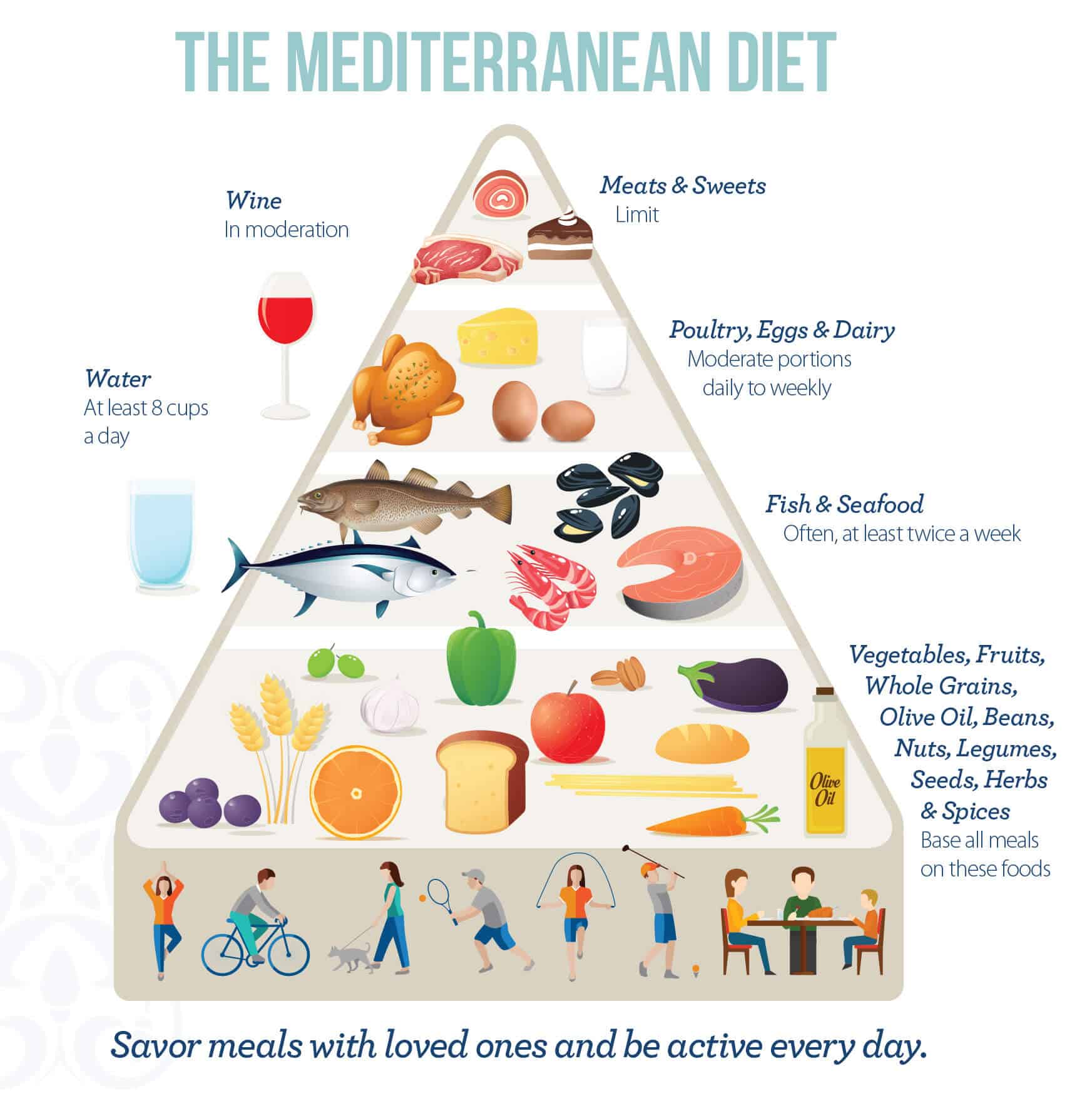
What Keys and subsequent researchers understood was that the Mediterranean diet wasn't just about what was eaten, but how and why. It was a holistic lifestyle characterized by:
- Abundance of Plant-Based Foods: Fruits, vegetables, whole grains, legumes, nuts, and seeds formed the cornerstone of every meal.
- Olive Oil as the Primary Fat Source: The "liquid gold" of the Mediterranean was used generously in cooking, dressings, and dips.
- Moderate Fish Consumption: Especially fatty fish rich in omega-3s.
- Limited Red Meat and Processed Foods: Meat was often a celebratory dish, not an everyday staple.
- Moderate Dairy (Yogurt, Cheese): Often fermented, and consumed in smaller portions than in Western diets.
- Moderate Wine Consumption: Typically with meals, and often red wine.
- Emphasis on Social Connection and Physical Activity: Meals were communal events, and daily life involved walking, gardening, and active labor.
- Mindful Eating: Savoring food, taking time for meals, and avoiding overconsumption.
These elements, woven together, form the rich tapestry of the Mediterranean lifestyle – a narrative of health that transcends mere calories and macronutrients.
The Heart of the Matter: Unpacking the Cardiac Benefits
The scientific evidence supporting the Mediterranean diet's profound benefits for cardiovascular health is overwhelming and continues to grow. It's not a single "magic bullet" food, but rather the synergistic effect of its diverse components that orchestrates a symphony of positive physiological changes.
1. The Lipid Profile: Taming Cholesterol and Triglycerides
One of the most well-established benefits of the Mediterranean diet is its favorable impact on blood lipid profiles.
- Monounsaturated Fatty Acids (MUFAs): Extra virgin olive oil, the diet's signature fat, is predominantly made of MUFAs, particularly oleic acid. MUFAs are known to lower low-density lipoprotein (LDL) cholesterol – often dubbed "bad" cholesterol – while maintaining or even increasing high-density lipoprotein (HDL) cholesterol, the "good" cholesterol that helps remove excess cholesterol from arteries. This improved LDL:HDL ratio is a critical marker of reduced heart disease risk.
- Polyunsaturated Fatty Acids (PUFAs): Found in nuts, seeds, and especially fatty fish (omega-3s), PUFAs also contribute to lowering LDL cholesterol and triglycerides, another type of fat in the blood that, when elevated, increases heart disease risk. Omega-3s, specifically eicosapentaenoic acid (EPA) and docosahexaenoic acid (DHA), are powerful anti-inflammatory agents and play a crucial role in maintaining heart rhythm and preventing blood clot formation.
- Dietary Fiber: The abundance of fiber from whole grains, legumes, fruits, and vegetables acts like a sponge in the digestive tract, binding to cholesterol and bile acids and facilitating their excretion. This further contributes to lower circulating LDL levels.
2. Blood Pressure Regulation: A Natural Antihypertensive
Hypertension, or high blood pressure, is a leading risk factor for heart disease and stroke. The Mediterranean diet offers multiple mechanisms to help keep blood pressure in check:
- Potassium-Rich Foods: Fruits, vegetables, and legumes are packed with potassium, which counteracts the effects of sodium in the body, helping to relax blood vessel walls and lower blood pressure.
- Nitric Oxide Production: Certain plant compounds, such as nitrates found in leafy greens, are converted to nitric oxide in the body, a molecule that signals blood vessels to dilate, improving blood flow and reducing pressure.
- Reduced Sodium Intake: By emphasizing fresh, whole foods and limiting processed items, the diet naturally reduces sodium consumption, a major contributor to hypertension in many Western diets.
- Magnesium and Calcium: These minerals, abundant in many Mediterranean staples, also play roles in regulating blood pressure and muscle function, including the heart muscle.
3. Anti-Inflammatory Powerhouse: Quelling the Silent Threat
Chronic low-grade inflammation is increasingly recognized as a key driver of atherosclerosis (hardening of the arteries) and other chronic diseases. The Mediterranean diet is a veritable anti-inflammatory arsenal:
- Polyphenols and Antioxidants: Olive oil, colorful fruits and vegetables (berries, dark leafy greens, tomatoes), red wine, nuts, and legumes are brimming with polyphenols, carotenoids, flavonoids, and other antioxidants. These compounds scavenge harmful free radicals, reduce oxidative stress, and directly inhibit inflammatory pathways in the body. Oleocanthal, a specific polyphenol in extra virgin olive oil, even mimics the anti-inflammatory effects of ibuprofen.
- Omega-3 Fatty Acids: As mentioned, EPA and DHA from fatty fish are potent anti-inflammatory agents, helping to resolve inflammation and prevent its escalation.
- Fiber: Beyond cholesterol-lowering, dietary fiber also modulates the gut microbiome, which in turn influences systemic inflammation.
By consistently reducing inflammation, the Mediterranean diet helps prevent damage to arterial walls, making them less susceptible to plaque formation.
4. Endothelial Function: The Health of Your Blood Vessels
The endothelium, the delicate inner lining of blood vessels, plays a crucial role in cardiovascular health. A healthy endothelium helps blood vessels dilate and constrict properly, prevents blood clot formation, and regulates the passage of substances into and out of the bloodstream. Endothelial dysfunction is an early sign of atherosclerosis.
The Mediterranean diet supports robust endothelial function through:
- Nitric Oxide Synthesis: The previously mentioned nitrates and other compounds improve the availability of nitric oxide, which is vital for vasodilation and maintaining arterial flexibility.
- Antioxidants: By reducing oxidative stress, antioxidants protect endothelial cells from damage, ensuring their proper function.
- Improved Lipid Profile: Lower LDL and higher HDL levels reduce the burden on endothelial cells, allowing them to function optimally.
5. Glycemic Control and Insulin Sensitivity: A Shield Against Metabolic Syndrome
While primarily lauded for heart benefits, the Mediterranean diet also profoundly impacts blood sugar regulation, which is intrinsically linked to cardiovascular health. Insulin resistance and type 2 diabetes significantly increase the risk of heart disease.
- High Fiber Content: The slow digestion of fiber-rich whole grains, legumes, fruits, and vegetables leads to a gradual rise in blood sugar, preventing sharp spikes and crashes. This improves insulin sensitivity over time.
- Lower Glycemic Load: The diet naturally has a lower glycemic load compared to diets rich in refined carbohydrates and sugars.
- Healthy Fats: MUFAs and PUFAs can improve insulin sensitivity, whereas excessive saturated and trans fats can impair it.
By stabilizing blood sugar and enhancing insulin sensitivity, the Mediterranean diet helps prevent metabolic syndrome, a cluster of conditions (high blood pressure, high blood sugar, excess body fat around the waist, and abnormal cholesterol levels) that dramatically elevate heart disease risk.
6. The Gut Microbiome Connection: A New Frontier
Emerging research highlights the critical role of the gut microbiome – the trillions of bacteria living in our intestines – in cardiovascular health. The Mediterranean diet, rich in diverse plant fibers and polyphenols, acts as a powerful prebiotic, nourishing beneficial gut bacteria.
- Short-Chain Fatty Acids (SCFAs): When gut bacteria ferment dietary fiber, they produce SCFAs like butyrate, propionate, and acetate. These SCFAs have systemic anti-inflammatory effects, can help regulate blood pressure, and improve glucose metabolism.
- Polyphenol Metabolism: Gut microbes metabolize polyphenols into more bioactive compounds, amplifying their health benefits, including those related to cardiovascular protection.
- Reduced TMAO: Some studies suggest that the Mediterranean diet's emphasis on plant foods and fish over red meat can lead to lower levels of trimethylamine N-oxide (TMAO), a metabolite produced by gut bacteria that has been linked to increased risk of atherosclerosis.
This intricate interplay between diet, gut microbes, and host physiology adds another layer to the Mediterranean diet's cardiac protective mechanisms.
7. Weight Management: Indirect but Impactful
While not explicitly a "weight loss diet," the Mediterranean diet often leads to sustainable weight management. Its emphasis on whole, unprocessed foods, high fiber content, and healthy fats promotes satiety, reducing overall caloric intake without deprivation. A healthy body weight significantly reduces the strain on the heart, lowers blood pressure, and improves metabolic markers, all contributing to better cardiovascular outcomes.
The Scientific Beacon: Studies That Confirm the Secret
The theoretical mechanisms are robust, but the real-world evidence is even more compelling.
- The Seven Countries Study (1950s-70s): As mentioned, this groundbreaking study first brought the Mediterranean paradox to light, showing significantly lower rates of heart disease in Mediterranean populations despite fat intake, largely attributable to olive oil.
- PREDIMED Study (Prevention with Mediterranean Diet): This randomized controlled trial, one of the largest and most influential dietary intervention studies, assigned participants at high cardiovascular risk to either a Mediterranean diet supplemented with extra virgin olive oil, a Mediterranean diet supplemented with nuts, or a control diet. The results were astounding: both Mediterranean diet groups showed a 30% reduction in major cardiovascular events (heart attack, stroke, or death from cardiovascular causes) compared to the control group. This study provided undeniable evidence of the diet's protective power.
- Numerous Meta-Analyses: Over the years, countless meta-analyses, which pool data from multiple studies, have consistently demonstrated that adherence to a Mediterranean diet pattern is associated with significantly lower risks of cardiovascular disease, stroke, type 2 diabetes, and overall mortality.
These studies are not just statistical anomalies; they are the scientific affirmation of a dietary wisdom practiced for centuries, now validated by modern research.
Beyond the Heart: A Holistic Blueprint for Well-being
While the focus here is on heart benefits, it's crucial to acknowledge that the Mediterranean diet's influence extends far beyond cardiovascular health, reinforcing its role as a holistic blueprint for well-being:
- Brain Health: Reduced risk of cognitive decline, Alzheimer's disease, and Parkinson's disease, likely due to anti-inflammatory and antioxidant effects, improved blood flow, and neuroprotective compounds.
- Cancer Prevention: Lower risk of certain cancers, particularly colorectal, breast, and prostate cancers, attributed to the abundance of antioxidants, fiber, and anti-inflammatory compounds.
- Longevity: Consistently linked to increased lifespan and healthy aging.
- Mood and Mental Health: Emerging research suggests a connection between the Mediterranean diet and reduced risk of depression and anxiety, possibly via gut-brain axis modulation and reduced inflammation.
- Diabetes Prevention: As discussed, its role in glycemic control is significant.
This broader spectrum of benefits underscores that the Mediterranean secret is not merely a diet for a specific ailment but a comprehensive strategy for thriving.
Bringing the Mediterranean Home: Practical Steps to Embrace the Secret
For many in the Western world, accustomed to convenience foods and a fast-paced lifestyle, fully adopting the Mediterranean way might seem daunting. However, it's not about strict adherence or deprivation; it's about gradual, sustainable shifts and embracing a philosophy.
- Embrace Olive Oil: Make extra virgin olive oil your primary cooking fat. Drizzle it generously over salads, vegetables, and even soups.
- Rethink Your Plate: Shift your plate's center from meat to vegetables, legumes, and whole grains. Aim for colorful, diverse produce at every meal.
- Go for Whole Grains: Replace refined white bread and pasta with whole-wheat versions, barley, farro, quinoa, and oats.
- Legumes are Your Friends: Incorporate beans, lentils, and chickpeas into salads, stews, and side dishes. They are powerhouses of protein and fiber.
- Snack Smart: Choose nuts (almonds, walnuts), seeds, and fresh fruit over processed snacks.
- Fish Twice a Week: Opt for fatty fish like salmon, mackerel, sardines, and anchovies. If fresh fish is expensive, canned versions (in olive oil) are excellent and affordable.
- Limit Red Meat: Treat red meat as an occasional indulgence, not a daily staple. When consumed, opt for lean cuts and smaller portions.
- Dairy in Moderation: Enjoy plain yogurt and small portions of cheese, ideally fermented varieties.
- Hydrate with Water: Make water your primary beverage.
- Wine with Meals (Optional): If you drink alcohol, a moderate amount of red wine with meals can be part of the tradition, but it's not a requirement, and the benefits can be obtained without it.
- Savor and Share: Slow down. Enjoy your food. Eat with family and friends. Make meals a social event.
- Move Your Body: Integrate physical activity into your daily routine – walking, gardening, dancing. It doesn't have to be a strenuous gym workout.
The "secret" isn't in rigid rules, but in a flexible framework that prioritizes fresh, whole, plant-based foods, healthy fats, and a lifestyle that values connection, activity, and mindful consumption.
Navigating Modern Currents: Challenges and Misconceptions
While the Mediterranean diet offers immense benefits, adapting it to contemporary life presents challenges:
- Globalization and Processed Foods: The original diet was built on local, seasonal produce. Today's supermarkets are filled with "Mediterranean-inspired" processed foods that often lack the true nutritional integrity. Reading labels is crucial.
- Portion Sizes: Even healthy foods, when consumed in excess, can lead to weight gain. Mindful eating, a core tenet, is vital.
- Cost: While many core components like legumes and whole grains are inexpensive, fresh produce and quality fish can sometimes be costly depending on location and season. Smart shopping, farmers' markets, and embracing frozen options can help.
- Misconceptions: The Mediterranean diet is often mistakenly equated with unlimited pasta, pizza, and rich sauces. The true diet is far more nuanced, emphasizing plant-based ingredients and quality over quantity.
Overcoming these challenges requires intention, education, and a willingness to embrace a different pace of eating and living.
The Enduring Whisper: A Legacy for Our Hearts
The Mediterranean secret is not an elusive enigma, but an open invitation. It's a testament to the wisdom embedded in cultures that lived in harmony with their environment, a wisdom that modern science has meticulously unraveled and validated. It tells a story of simple, wholesome foods transformed into a powerful elixir for the heart, protecting it from the ravages of modern disease.
As we navigate an increasingly complex world of dietary advice and conflicting health claims, the Mediterranean diet stands as a timeless anchor. It reminds us that optimal health isn't found in fleeting trends or restrictive deprivation, but in a balanced, joyful, and deeply connected way of eating and living. By embracing the Mediterranean secret, we don't just nourish our bodies; we honor a legacy, enrich our lives, and, most importantly, gift our hearts the enduring strength and vitality they deserve. It is a story that continues to unfold, one delicious, heart-healthy meal at a time.


