The Salad Myth: What You Think You Know About Greens (and Why It’s Wrong)
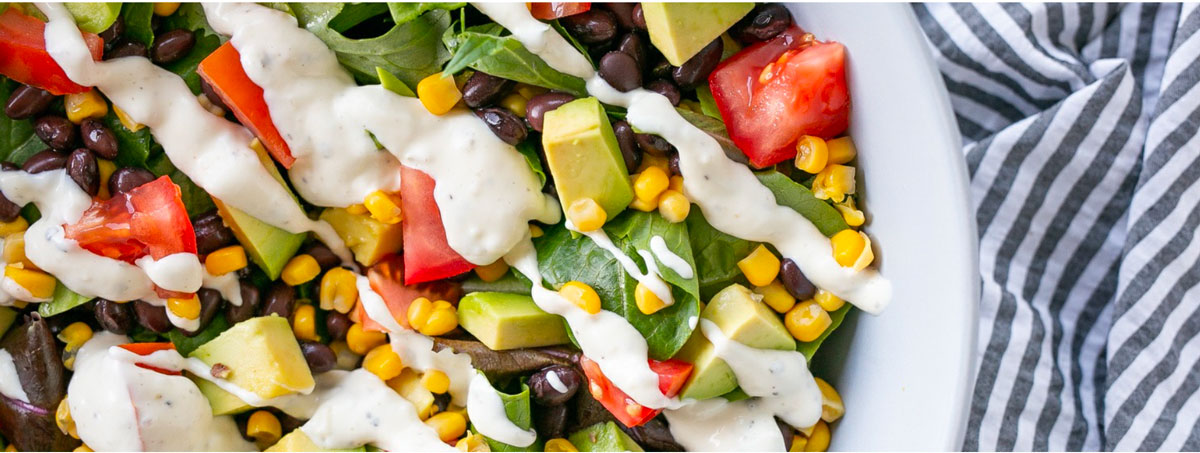
In the sprawling tapestry of modern food culture, few icons gleam with such untarnished virtue as the humble salad. It stands as a beacon of health, a silent testament to self-care, a crisp, verdant promise whispered by dieticians, whispered by marketing executives, and echoed by the very crunch of lettuce leaves in a thousand lunch breaks. For many, to choose a salad is to choose wellness, to opt for lightness over indulgence, to consciously step onto the path of nutritional righteousness. But what if this shimmering emblem of health is, in fact, a carefully constructed illusion, a delicious, leafy deception? What if the very act of ordering, preparing, or consuming a salad, driven by this ingrained belief, is leading us further astray from the nutritional truths we seek?
This is the story of the salad myth, a narrative woven through centuries of culinary evolution, marketing prowess, and our own often-misguided perceptions of what constitutes "healthy." It’s a story not just about food, but about culture, psychology, and the intricate dance between our desires and the realities of our plates. For the knowledgeable palate and the discerning mind, it’s time to peel back the layers of romaine and uncover the complex truth buried beneath the croutons.
The Genesis of the Myth: From Ancient Sustenance to Modern Superfood
To understand how the salad became such a potent symbol, we must embark on a historical journey, tracing its lineage from rudimentary beginnings to its current, multifaceted form. The salad, in its most primal sense – a collection of raw, often leafy, vegetables – is not a modern invention. Its roots run deep, intertwining with the very dawn of agriculture.
Ancient civilizations, from the Greeks and Romans to the Persians, consumed various forms of "salata," derived from the Latin "sal" (salt), referring to the briny dressings or salted herbs used to season greens. These early concoctions were less about a main course and more about digestive aids, palate cleansers, or simple garden provisions. Horace, the Roman poet, speaks of a light meal of endives, radishes, and mallow. Pliny the Elder documented numerous green leaves with medicinal properties. These were not the lavish, ingredient-dense bowls we recognize today; they were simple, often bitter, and served as humble accompaniments or foraged sustenance. The emphasis was on their intrinsic properties – their freshness, their perceived medicinal qualities, their ability to cut through the richness of other dishes.
The medieval and Renaissance periods saw the continued use of greens, often dressed with oil, vinegar, and herbs. Cookbooks from these eras feature "sallets" or "salads" that might include flowers, roots, and various leafy greens, sometimes even fruit, but always in a context that emphasized their natural state and often their perceived humoral balance (a concept of balancing bodily fluids). They were still far from the calorically dense, protein-packed meals of today.
The real transformation began to accelerate in the 17th and 18th centuries with the refinement of culinary arts in Europe. Salads became more sophisticated, moving from purely functional to aesthetically pleasing. But it was in the Victorian era, with its burgeoning interest in health and hygiene, that the salad began to acquire its modern, virtuous sheen. The rise of refrigeration and improved transport allowed for fresher produce to reach wider populations. Salads became a staple of upper-class dining, still light, but now presented with a certain elegance.
The 20th century, however, was the crucible in which the modern salad myth was truly forged. The early part of the century saw a growing awareness of vitamins and nutrition, and raw vegetables were championed as sources of these vital elements. The term "diet" began to shift from a general way of eating to a specific regimen for weight loss, and salads, with their perceived low-calorie count, became synonymous with this new pursuit. The advent of convenience foods, the proliferation of mayonnaise-based dressings, and the popularization of iceberg lettuce (for its crunch and shelf-stability, not its nutritional density) further cemented the salad’s place as a "healthy" choice.
By the latter half of the 20th century, the salad had become a blank canvas for culinary expression and a symbol of fast-casual dining. The salad bar emerged as a democratic bastion of health, offering endless permutations. The 21st century then ushered in the "superfood" era, where kale, spinach, and other dark leafy greens were elevated to near-mythical status, and the salad evolved into an often-elaborate, often expensive, customizable meal.
This long, winding journey illustrates a crucial point: the concept of "salad" has never been static. Its meaning, its ingredients, and its cultural significance have constantly shifted. Yet, through all these transformations, a singular, powerful narrative emerged: the salad equals health. This narrative, however, is precisely where the myth takes root, leading us to often overlook the profound complexities hidden within that seemingly simple bowl of greens.
The Nutritional Mirage: When "Healthy" Becomes a Trap
The core of the salad myth lies in its perceived nutritional infallibility. We intuitively understand that greens are good for us, and this understanding casts a halo over anything presented in a bowl and labeled "salad." But this halo effect blinds us to the stark reality that many modern salads are calorie bombs, sugar traps, and sodium surges, often rivaling or even surpassing the very "unhealthy" meals they purport to replace.
Consider the classic salad bar, a veritable smorgasbord of choices. The initial intention is good: customize your healthy meal. But the reality is often a nutritional minefield.
- Dressings: The most common culprit. Creamy dressings (ranch, blue cheese, Caesar, honey mustard) are often loaded with unhealthy fats, sugar, and sodium. Even seemingly "light" vinaigrettes, when doused generously, can add hundreds of calories from oil alone. A single ladle of commercial dressing can easily contain 150-200 calories, and many people use two or three.
- Cheeses: Shredded cheddar, crumbled feta, gorgonzola – delicious, yes, but often high in saturated fat and calories. A generous sprinkling can add 100-200 calories.
- Crispy Toppings: Fried chicken, bacon bits, croutons (often fried or butter-laden), crispy noodles. These are pure calorie and fat boosters, often with minimal nutritional upside.
- Candied Nuts/Dried Fruits: While nuts and fruits can be healthy, candied versions introduce significant amounts of added sugar. Dried fruits, in concentrated form, pack a much higher sugar and calorie punch than their fresh counterparts.
- Rich Proteins: While protein is essential, fried chicken, breaded fish, or even an excessive portion of fatty cuts of steak can transform a light salad into a heavy meal.
A "healthy" salad constructed with iceberg lettuce, creamy dressing, cheese, bacon bits, croutons, and fried chicken can easily clock in at 800-1200 calories, far exceeding a burger and fries in some instances, and often providing less satiety or nutritional value. The perceived "healthiness" allows us to overindulge without the guilt we might associate with other foods, leading to a caloric surplus we rarely attribute to our "diet-friendly" choice.
Furthermore, the mere presence of nutrients doesn't guarantee their absorption. Many fat-soluble vitamins (A, D, E, K) and certain antioxidants require dietary fat for optimal absorption. A truly fat-free salad, while seemingly virtuous, might actually be preventing your body from reaping the full benefits of the vegetables it contains. Conversely, an excessive amount of unhealthy fats in creamy dressings can negate these benefits. The key is healthy fats in moderation – a drizzle of olive oil, a few slices of avocado, a sprinkle of seeds.
The nutritional mirage, then, is a complex interplay of hidden ingredients, misleading marketing, and a fundamental misunderstanding of what makes a meal truly healthy. We are conditioned to see the greens and assume the best, without scrutinizing the full composition of our bowl.
The Psychological Entrapment: Why We Keep Falling for It
If the nutritional pitfalls are so evident upon closer inspection, why does the salad myth persist with such tenacity? The answer lies deep within our psychology, influenced by powerful cultural forces, marketing strategies, and our own innate biases.
These psychological traps create a formidable barrier to understanding the truth about salads. We are conditioned to believe, to feel good about our choice, and to often avoid the deeper scrutiny that other, less "virtuous" foods might receive.
Reclaiming the Truth: The Path to a Better Salad
The revelation that the salad is not an automatic health panacea might feel disheartening, but it is, in fact, liberating. It allows us to move beyond the myth and reclaim the salad as a truly nourishing and delicious part of a balanced diet. The key is conscious construction, informed choices, and a nuanced understanding of its potential.
- Vary Your Greens: Rotate between spinach, kale, mixed greens, arugula, romaine, and butter lettuce. Each offers a different nutritional profile.
- Incorporate Roasted Vegetables: Roasting sweetens vegetables and enhances their flavor. Think broccoli, cauliflower, Brussels sprouts, bell peppers, carrots, sweet potatoes.
- Add Whole Grains: Quinoa, farro, barley, and wild rice add complex carbohydrates, fiber, and protein, making the salad more satisfying and nutrient-dense.
- Legumes for Power: Chickpeas, black beans, kidney beans, and lentils are excellent sources of plant-based protein and fiber, contributing to satiety and gut health.
- Fresh Fruits: Berries, apple slices, pear, and citrus segments add natural sweetness, antioxidants, and fiber without the concentrated sugar of dried fruits.
- DIY is Key: Homemade vinaigrettes (olive oil, vinegar/lemon juice, herbs, spices, a touch of Dijon mustard) give you complete control over ingredients.
- Healthy Fats in Moderation: Use high-quality extra virgin olive oil, avocado oil, or nut oils. Remember, a little goes a long way. Aim for a tablespoon or two, not a deluge.
- Read Labels: If buying commercial dressings, choose those with minimal added sugars, unhealthy fats, and sodium.
- Consider Alternatives: Lemon juice, balsamic glaze, or a dollop of hummus can serve as excellent, lighter dressing options.
- Lean Proteins: Grilled chicken or fish, hard-boiled eggs, tofu, tempeh, edamame, and lean steak are excellent choices.
- Plant-Based Power: Nuts (almonds, walnuts, pecans – unsalted, uncandied), seeds (chia, flax, pumpkin, sunflower), and avocado provide healthy fats, fiber, and protein. These fats are essential for absorbing fat-soluble vitamins (A, D, E, K) from your greens.
- Portion Control: Even healthy fats and proteins can add up calorically. Be mindful of serving sizes.
- Fried Anything: Fried chicken, crispy onions, wonton strips.
- Excessive Cheese: A sprinkle is fine; a mountain is not.
- Candied Nuts and Sugary Dried Fruits: Opt for plain nuts and fresh fruit.
- High-Sodium Processed Meats: Choose fresh, lean proteins instead.
- A Light Side: Paired with a more substantial main course.
- A Hearty Main: When it includes diverse vegetables, whole grains, and lean protein.
- An Indulgent Treat: There's nothing inherently wrong with an occasional decadent salad, but be honest about what it is.
The path to a better salad isn't about rigid rules but about informed awareness. It's about understanding that the power of the salad lies not in its label, but in its intentional composition. It's about seeing beyond the green leaves to the full nutritional story of every ingredient in the bowl.
The Salad Redeemed: A Conscious Culinary Choice
The journey through the salad myth reveals a profound truth: food is rarely as simple as it seems. The salad, once a humble accompaniment, has ascended to a pedestal of health, largely through cultural conditioning and clever marketing, often at the expense of genuine nutritional understanding. The idea that "salad equals healthy" is a dangerous oversimplification that can lead to unintended consequences for our health and our waistlines.
For the knowledgeable consumer, this is not an indictment of the salad itself, but an invitation to a more conscious and discerning relationship with it. It is a call to peel back the layers of misconception, to question the unquestioned, and to approach every meal, even the seemingly virtuous salad, with a critical eye and an informed palate.
The salad, in its truest and best form, remains a magnificent culinary creation. It is a celebration of fresh produce, vibrant flavors, and essential nutrients. When constructed with intention – with a diverse array of vegetables, lean proteins, healthy fats, and whole grains, and dressed with thoughtful moderation – it can indeed be a cornerstone of a healthy and delicious diet. But this transformation from a mythical symbol of health to a genuinely wholesome meal requires us to shed the comforting illusion and embrace the nuanced reality.
Let us, then, redeem the salad not by blind faith, but by informed choice. Let us appreciate its potential, understand its pitfalls, and build bowls that truly nourish, satisfy, and honor the complex story of food, rather than merely perpetuating a myth. The salad is not inherently wrong; what we think we know about it, however, often is. And in that crucial distinction lies the power to eat better, live healthier, and truly savor the truth.


