The Sentinel Feast: How AI and Smart Packaging Are Battling Bacteria and Revolutionizing the Future of Food Safety
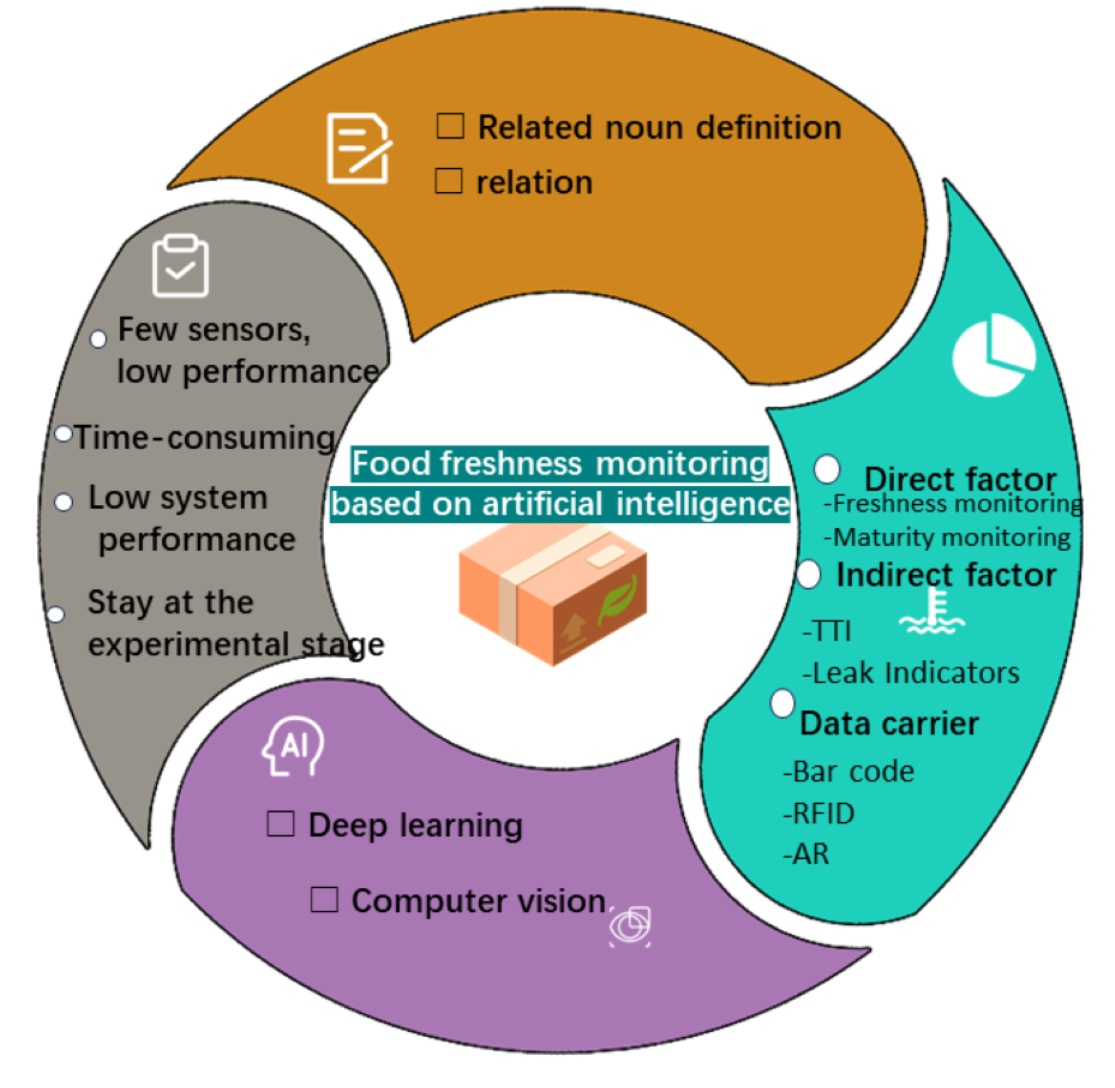
The clinking of cutlery, the aroma of a perfectly cooked meal, the shared laughter around a dinner table – these are the hallmarks of sustenance and celebration. Yet, lurking beneath the surface of this idyllic scene lies an invisible, insidious threat: foodborne pathogens. From the ubiquitous Salmonella to the virulent E. coli, these microscopic invaders annually sicken hundreds of millions worldwide, leading to hospitalizations, long-term health complications, and tragically, even death. The economic toll is staggering, measured in lost productivity, medical costs, and widespread recalls that erode consumer trust and devastate businesses. For too long, our defenses have been largely reactive, relying on post-contamination testing and backward-looking investigations. But a revolution is brewing in the realm of food safety, one powered by the relentless vigilance of Artificial Intelligence and the ingenious capabilities of Smart Packaging. Together, these technologies are transforming food safety from a reactive damage control exercise into a proactive, predictive, and pervasive shield, ushering in an era of unprecedented transparency, reduced waste, and, most importantly, peace of mind.
To truly appreciate the seismic shift underway, one must first understand the limitations of the traditional fortress guarding our food supply. For decades, the cornerstone of food safety has been the Hazard Analysis and Critical Control Points (HACCP) system, a preventative approach identifying potential hazards and establishing control measures. While undeniably effective in its scope, HACCP is fundamentally a process-based system, reliant on human oversight, scheduled checks, and laboratory analyses that often involve culturing bacteria – a process that can take days, by which time contaminated products may have already reached consumers. Visual inspections, while crucial, are inherently subjective and limited in their ability to detect microscopic threats or internal spoilage. Supply chain traceability, though improving, often remains fragmented, a patchwork of paper records and disparate digital systems, making it difficult to pinpoint the origin of contamination quickly and precisely. This analog, often retrospective, approach leaves significant vulnerabilities, turning every meal into a minor gamble and every recall into a costly post-mortem.
The future, however, is being written in algorithms and embedded sensors, transforming this gamble into a near certainty of safety. Imagine a food system where every ingredient, every product, and every stage of its journey is monitored, analyzed, and protected by an intelligent, interconnected network. This is the vision that AI and smart packaging are rapidly bringing to fruition, creating a "sentinel feast" where every bite is guarded by an unseen, unwavering intelligence.
AI: The Brains Behind the Battle
Artificial Intelligence, far from being a singular entity, is an umbrella term encompassing a suite of sophisticated technologies – machine learning, computer vision, natural language processing, and robotics – all converging to create an intelligent backbone for food safety.
Consider the complexity of a global food supply chain, where ingredients crisscross continents, changing hands multiple times. AI can analyze vast quantities of data from every node in this network – temperature logs during transit, humidity levels in storage, processing plant sanitation records, even employee health data (anonymized, of course). By building sophisticated probabilistic models, AI can assign a risk score to every batch of food, every supplier, and every distribution route. If a supplier suddenly receives ingredients from a region experiencing a rise in a particular pathogen, or if a refrigerated truck experiences an abnormal temperature fluctuation, AI can flag it instantly, enabling intervention before the product reaches the shelves.
Furthermore, the integration of blockchain technology with AI provides an immutable, transparent ledger for every transaction and data point in the supply chain. Each step, from farm to fork, is recorded on a distributed ledger, creating an unalterable history. AI can then audit this blockchain data in real-time, verifying authenticity, tracking origins, and ensuring compliance. If a food safety incident occurs, AI can trace the contaminated product back to its source within seconds, rather than days or weeks, drastically limiting the scope of recalls and protecting public health more effectively. This synergy creates an unparalleled level of traceability and accountability, making it virtually impossible for compromised products to slip through the cracks.
- Foreign Objects: From metal fragments to plastic shards, computer vision can identify non-food items on production lines with pinpoint accuracy, often using multispectral or hyperspectral imaging which can see beyond the visible light spectrum to detect subtle differences in material composition.
- Physical Defects and Spoilage: Bruises on fruit, mold on bread, discoloration in meat – AI can identify these signs of degradation early, preventing subpar products from entering the market. More advanced systems can even detect subtle textural changes indicative of bacterial growth before it's visible to the naked eye.
- Pathogen and Toxin Indicators: While direct pathogen detection often requires specialized sensors, computer vision can work in tandem, identifying subtle changes in food appearance, texture, or even volatile organic compounds (VOCs) that are indicative of microbial spoilage or toxin production. For instance, certain bacterial colonies might alter the surface reflectance of a food item in a way that is imperceptible to humans but clearly detectable by a hyperspectral camera and interpreted by an AI.
- Allergen Cross-Contamination: By meticulously analyzing surfaces and product streams, AI can identify residues or unintended mixing of allergenic ingredients, a critical step in preventing severe allergic reactions.
Robotics, often integrated with computer vision, takes this automation a step further. Robotic arms can precisely sort, handle, and package food items in sterile environments, minimizing human contact and reducing the risk of contamination. They can perform repetitive tasks with unwavering accuracy, ensuring consistent quality and safety standards across the entire production line.
Smart Packaging: The Sentinels at the Gate
If AI provides the brainpower, smart packaging offers the sensory organs and the frontline defense. Moving far beyond its traditional role of containment and preservation, smart packaging is evolving into an active participant in food safety, embedded with sensors, indicators, and antimicrobial properties that monitor, protect, and communicate the status of its contents.
- Time-Temperature Indicators (TTIs): These small, inexpensive labels react irreversibly to temperature fluctuations over time. A TTI on a frozen food package might change color if the product thaws and refreezes, alerting consumers or retailers that its quality and safety may be compromised, even if it appears perfectly fine. They provide a cumulative history of temperature exposure, a critical factor for perishable goods.
- Freshness Indicators: These sensors detect volatile organic compounds (VOCs) or changes in pH that are characteristic of microbial spoilage. For example, a sensor patch on a meat package might change color as bacteria multiply and release specific gases, indicating that the meat is no longer fresh. Similarly, sensors can detect ethylene gas released by ripening fruits, allowing for better inventory management and reduced waste. These indicators empower consumers to make informed decisions at the point of purchase, reducing food waste by preventing the premature discarding of still-good food and preventing the consumption of spoiled products.
- Antimicrobial Agents: Packaging materials can be embedded with or coated in antimicrobial substances like silver nanoparticles, essential oils (e.g., oregano, thyme), or natural extracts (e.g., chitosan). These agents slowly release their compounds, inhibiting the growth of bacteria, molds, and yeasts on the food surface or within the package headspace, directly combating spoilage and pathogen proliferation.
- Oxygen Scavengers and Moisture Absorbers: These components actively remove oxygen or moisture from the package, creating an environment less conducive to microbial growth and oxidative spoilage. This is particularly useful for products prone to rancidity or mold.
- Ethylene Absorbers: For fruits and vegetables, packaging can incorporate materials that absorb ethylene, a natural plant hormone that accelerates ripening and senescence, thereby extending freshness and reducing spoilage.
Imagine a milk carton that, if contaminated with harmful bacteria, displays a clear "DO NOT CONSUME" warning. Or a salad bag that, upon opening, indicates the presence of E. coli before anyone takes a bite. This real-time, localized detection capability fundamentally shifts the paradigm from batch testing to individualized product safety, offering an unprecedented level of protection to the consumer. While still largely in research and development for widespread commercialization, the potential for such point-of-consumption diagnostics is immense, promising to virtually eliminate foodborne illnesses from the consumer's plate.
- Unit-Level Traceability: Each individual product can carry its own unique digital identifier, allowing for meticulous tracking from its origin to the consumer. This granular data feeds directly into AI systems, providing the detailed information needed for precise risk assessment and rapid recall if necessary.
- Anti-Counterfeiting: The unique digital identity of each package makes it incredibly difficult for counterfeit products to enter the supply chain, protecting consumers from potentially unsafe imitations.
- Consumer Engagement: Scanning a smart QR code or tapping an NFC chip with a smartphone can provide consumers with a wealth of information: origin of ingredients, processing history, allergen warnings, nutritional data, and even recipes. This fosters greater transparency and builds trust between consumers and food brands.
The Symphony of Synergy: AI and Smart Packaging in Concert
The true power of this revolution lies not in AI or smart packaging in isolation, but in their synergistic interaction. They form a dynamic, self-improving ecosystem for food safety.
- AI as the Interpreter of Sensor Data: Smart packaging sensors generate an enormous amount of data – temperature logs, gas readings, color changes, detection signals. AI algorithms are essential for interpreting this data in real-time, identifying anomalies, predicting spoilage rates, and triggering alerts. A simple color change on a TTI becomes a data point that AI can integrate with supply chain data, weather patterns, and historical trends to determine the precise risk level.
- AI Optimizing Packaging Design and Deployment: AI can analyze the performance of different smart packaging designs and materials under various conditions. It can optimize the placement of sensors, the concentration of antimicrobial agents, and the selection of materials to maximize shelf life and safety while minimizing cost and environmental impact. For instance, AI could simulate how a new active packaging film would perform in different climates and recommend the most effective deployment strategies.
- Real-time Feedback Loops: The data collected by smart packaging feeds directly back into AI systems, constantly refining predictive models and improving their accuracy. If a particular batch of smart packaging consistently shows early signs of spoilage despite proper handling, AI can flag the underlying production process or ingredient source for further investigation. This creates a continuous learning loop, making the entire food safety system smarter and more resilient over time.
This integrated approach creates a proactive, preventative, and pervasive food safety network. It moves beyond identifying problems after they occur to predicting them, mitigating them, and even preventing them from ever emerging.
Navigating the New Frontier: Challenges and Ethical Considerations
While the promise of AI and smart packaging in food safety is immense, their widespread adoption is not without significant challenges and ethical considerations.
The Dawn of a Safer Tomorrow
Despite these challenges, the trajectory towards an AI- and smart packaging-enabled food safety system is irreversible. The stakes are too high, the potential benefits too profound, to ignore. We are moving towards a future where food safety is not a retrospective assessment but a continuous, proactive process, embedded into the very fabric of our food supply.
Imagine a world where:
- Foodborne illness outbreaks become rare anomalies, quickly contained and traced.
- Food waste, a monumental global problem, is drastically reduced as spoilage is accurately predicted and freshness is extended.
- Consumers enjoy unprecedented transparency, knowing precisely where their food comes from and its journey to their plate.
- Farmers receive real-time insights into crop health and pathogen risks, optimizing practices for safety and yield.
- Retailers manage inventory with precision, minimizing losses and ensuring peak freshness for customers.
The future of food safety is not a distant fantasy; it is rapidly unfolding before our eyes. AI and smart packaging are the twin engines driving this transformation, turning every package into a sentinel and every data point into an intelligent guardian. As we navigate this new frontier, sustained investment, interdisciplinary collaboration, and a commitment to ethical innovation will be paramount. The ultimate reward is a global food system that is not only abundant and delicious but also unfailingly safe, providing peace of mind with every sentinel-guarded bite, and ensuring that the shared feast remains a source of joy, not a reservoir of risk.


