The Silent Epidemic, The Empowering Truth: Why 99% of Heart Attacks Are Preventable, and What You Need to Know Now
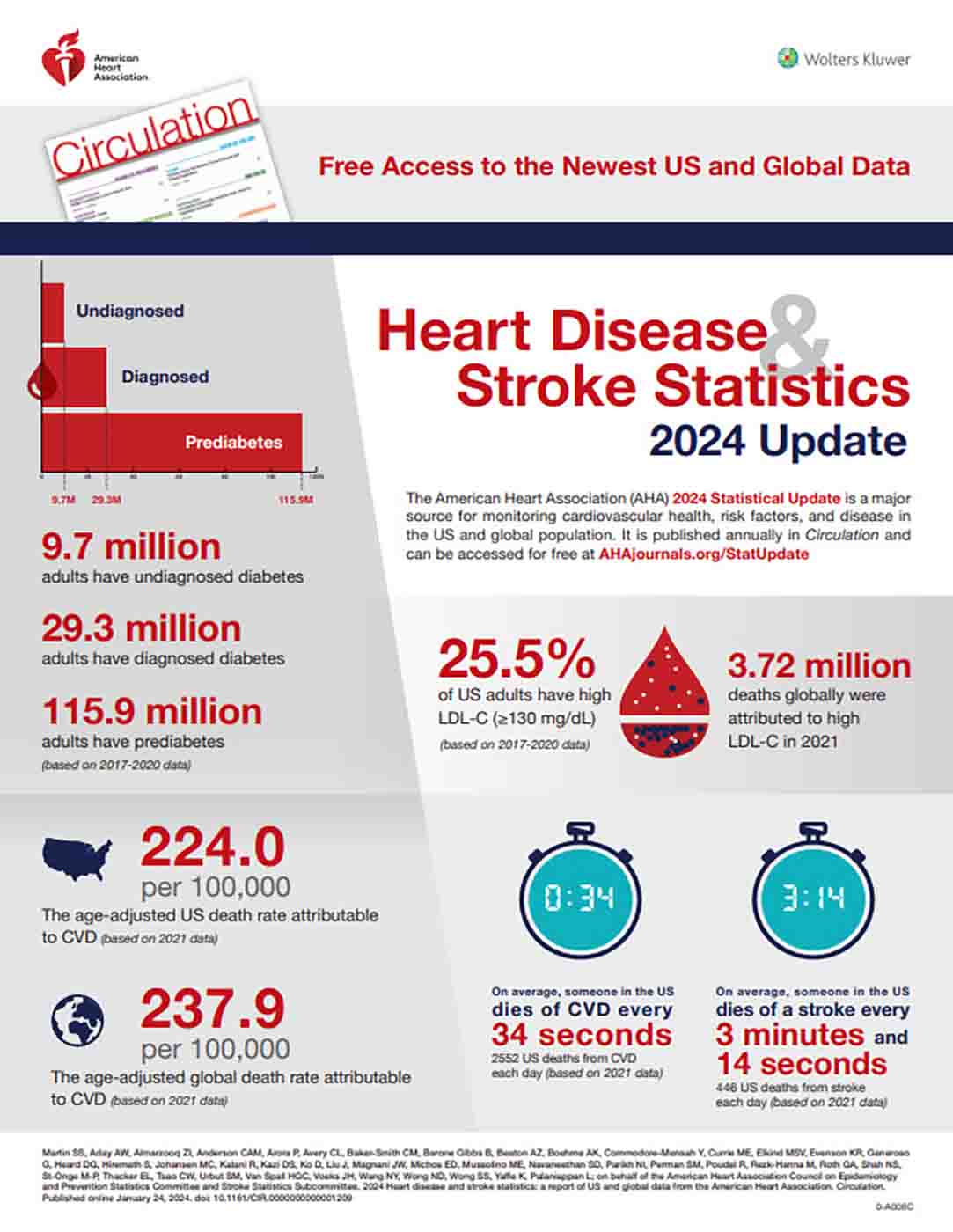
Imagine a world where the leading cause of death – a silent, insidious killer that claims millions of lives annually – was largely, almost entirely, within our control. A world where the devastating toll of heart attacks, the sudden chest pain, the frantic rush to the emergency room, the permanent damage, could be averted for the vast majority. This isn't a utopian fantasy; it's the reality illuminated by decades of scientific research, a reality often overshadowed by the sheer ubiquity of cardiovascular disease. The provocative claim that 99% of heart attacks are preventable isn't an exaggeration designed to shock, but rather a profound truth that should ignite a revolution in how we perceive and pursue our health.
For too long, heart attacks have been viewed with a sense of fatalism – an unfortunate roll of the genetic dice, an inevitable consequence of aging, or a sudden, unpredictable catastrophe. We mourn the victims, celebrate the survivors, and often attribute their fates to forces beyond human agency. But this perspective, while comforting in its resignation, is dangerously misleading. The truth, for the knowledgeable and discerning individual, is far more empowering: the vast majority of myocardial infarctions are not acts of God, but rather the culmination of a protracted, often decades-long process, a biological narrative heavily influenced by our daily choices and environment.
This article delves into that empowering truth, dissecting the mechanisms that lead to heart attacks and, more crucially, outlining the comprehensive, evidence-based strategies that can prevent them. It's a journey from the microscopic origins of disease within our arteries to the holistic lifestyle shifts that rewrite our genetic predispositions. For those who understand the nuances of health and seek to actively shape their future, this is not merely information; it is a blueprint for a life lived free from the shadow of cardiovascular catastrophe.
The Unfolding Story of a Heart Attack: More Than Just a Clog
To truly grasp prevention, we must first understand the enemy. A heart attack, or myocardial infarction, is not simply a pipe getting clogged. It's a complex, inflammatory event driven primarily by atherosclerosis – the hardening and narrowing of arteries due to the accumulation of plaque. This process isn't a sudden onset; it often begins in adolescence and silently progresses over decades.
The Genesis of Plaque: Imagine your arteries as pristine, flexible highways. Over time, due to factors like high blood pressure, elevated LDL (bad) cholesterol, smoking, and chronic inflammation, the delicate inner lining of these arteries, the endothelium, becomes damaged. This damage is like a tiny scratch on the highway's surface, inviting inflammatory cells and oxidized LDL particles to penetrate the arterial wall. These particles get trapped, initiating a slow, chronic inflammatory response. Macrophages, a type of white blood cell, engulf the cholesterol, transforming into "foam cells" that accumulate and form fatty streaks – the earliest stage of plaque.
The Evolution of a Vulnerable Plaque: These plaques aren't inert blobs. They are living, dynamic entities. As they grow, they develop a fibrous cap, separating the lipid-rich core from the bloodstream. The danger arises when this cap becomes thin and unstable, often due to ongoing inflammation, oxidative stress, and the action of enzymes that degrade the cap's integrity. This is the crucial turning point: a "vulnerable plaque" is a ticking time bomb.
The Catastrophe: Rupture and Thrombosis: The actual heart attack typically occurs not when a plaque grows so large it completely blocks an artery (though that can happen), but when a vulnerable plaque ruptures. This rupture exposes the highly thrombogenic (clot-forming) material within the plaque's core to the bloodstream. The body's natural response is to form a blood clot, or thrombus, over the site of the rupture to "heal" the wound. However, in a coronary artery, this clot can rapidly grow, completely occluding the artery and cutting off blood supply to the heart muscle downstream. Deprived of oxygen and nutrients, that section of the heart muscle begins to die – a heart attack.
This intricate dance of endothelial dysfunction, inflammation, cholesterol deposition, and clot formation reveals myriad points of intervention. It tells us that a heart attack is not a random lightning strike, but the final, dramatic chapter in a story that we have the power to rewrite.
The Pillars of Prevention: Rewriting Your Cardiovascular Story
The claim of 99% preventability rests on a robust understanding of these mechanisms and the comprehensive application of lifestyle and, when necessary, medical strategies. These aren't isolated interventions but a synergistic ecosystem of health choices.
1. The Culinary Compass: Navigating Towards Heart Health (The Most Powerful Lever)
Diet is arguably the single most potent tool in our preventive arsenal. It's not just about avoiding bad foods; it's about actively embracing foods that heal, protect, and optimize our cardiovascular system.
- Beyond "Low-Fat": The Paradigm Shift: For decades, the mantra was "low-fat." We now understand the nuance. Not all fats are created equal, and the type of carbohydrate matters immensely. The focus has shifted from simply reducing fat to emphasizing healthy fats and complex carbohydrates, while drastically limiting refined sugars and processed foods.
- The Mediterranean Diet: A Time-Tested Blueprint: This dietary pattern, rich in fruits, vegetables, whole grains, legumes, nuts, seeds, olive oil, and fish, with moderate consumption of poultry, eggs, and dairy, and limited red meat and sweets, consistently demonstrates superior cardiovascular protection. It's not a restrictive diet but a celebratory approach to food that prioritizes whole, unprocessed ingredients. Its power lies in its abundance of antioxidants, anti-inflammatory compounds, and healthy monounsaturated and omega-3 fats.
- Whole Food, Plant-Based (WFPB) Approaches: For many, a WFPB diet, emphasizing fruits, vegetables, whole grains, and legumes while excluding all animal products and highly processed foods, represents the pinnacle of heart-healthy eating. It's incredibly rich in fiber, which helps lower cholesterol and regulate blood sugar, and brimming with phytonutrients that combat inflammation and oxidative stress. Studies show significant reversals of heart disease in patients adhering to such diets.
- The DASH Diet (Dietary Approaches to Stop Hypertension): Specifically designed to lower blood pressure, the DASH diet emphasizes fruits, vegetables, whole grains, and low-fat dairy, while limiting saturated and total fats, cholesterol, and sodium. It’s highly effective in preventing and managing hypertension, a major risk factor for heart attacks.
- The Gut Microbiome Connection: Emerging research highlights the profound impact of our gut bacteria on cardiovascular health. A diverse, healthy microbiome, fostered by a diet rich in fiber and fermented foods, produces beneficial compounds (like short-chain fatty acids) that reduce inflammation, improve insulin sensitivity, and even regulate blood pressure. Conversely, a dysbiotic (unbalanced) microbiome, often a result of a highly processed, low-fiber diet, can contribute to systemic inflammation and atherosclerosis.
- What to Limit or Eliminate:
- Processed Foods: Sugary drinks, refined grains (white bread, pasta), fast food, packaged snacks – these are often laden with unhealthy trans fats, excessive sodium, and added sugars, all powerful drivers of inflammation and metabolic dysfunction.
- Trans Fats: Artificially created via hydrogenation, these fats are universally recognized as detrimental to heart health, raising LDL cholesterol and lowering HDL (good) cholesterol.
- Excess Saturated Fat: While the demonization of saturated fat has been nuanced, high consumption, particularly from processed meats and high-fat dairy, can still contribute to elevated LDL cholesterol in many individuals. Focus on lean proteins and plant-based alternatives.
- Added Sugars: Beyond contributing to obesity and diabetes, excess sugar intake promotes inflammation, raises triglycerides, and contributes to endothelial dysfunction.
2. The Movement Imperative: Exercise as Medicine
Our bodies are designed for movement. A sedentary lifestyle is a potent, independent risk factor for heart disease, irrespective of other factors. Physical activity is a multi-faceted therapy that directly addresses numerous cardiovascular risk factors.
- Direct Cardiovascular Benefits: Regular exercise strengthens the heart muscle, making it more efficient at pumping blood. It lowers blood pressure, improves cholesterol profiles (raising HDL, lowering LDL and triglycerides), and enhances insulin sensitivity, reducing the risk of type 2 diabetes. It also improves endothelial function, making arteries more flexible and less prone to plaque formation.
- Weight Management: Exercise is crucial for maintaining a healthy weight, which significantly reduces the burden on the heart and mitigates risks associated with obesity.
- Stress Reduction: Physical activity is a powerful stress reliever, helping to manage the physiological cascade of hormones (like cortisol) that contribute to cardiovascular damage.
- Types of Activity:
- Aerobic Exercise: Brisk walking, jogging, swimming, cycling, dancing – at least 150 minutes of moderate-intensity or 75 minutes of vigorous-intensity aerobic activity per week. This improves cardiovascular endurance.
- Strength Training: Lifting weights, bodyweight exercises – at least twice a week. Builds muscle mass, which boosts metabolism and improves glucose utilization.
- Flexibility and Balance: Yoga, stretching – improves overall mobility and can reduce the risk of falls, contributing to an active lifestyle into older age.
- Combatting Sedentary Behavior: Even for those who exercise regularly, prolonged sitting is a risk factor. Incorporating short breaks to stand and move throughout the day is vital.
3. The Tranquil Heart: Mastering Stress and Emotional Well-being
The mind-heart connection is undeniable. Chronic stress, anxiety, depression, and social isolation are not just mental health issues; they are significant, independent risk factors for heart disease.
- The Physiological Impact of Stress: When stressed, our bodies release a flood of hormones like cortisol and adrenaline. While useful for acute "fight or flight" responses, chronic elevation of these hormones leads to increased heart rate, elevated blood pressure, inflammation, and impaired endothelial function – all contributors to atherosclerosis.
- Behavioral Links: Stress often leads to unhealthy coping mechanisms like overeating, smoking, excessive alcohol consumption, and sleep disturbances, further exacerbating cardiovascular risk.
- Strategies for Stress Management:
- Mindfulness and Meditation: Regular practice can alter brain pathways, reduce stress hormones, and promote a sense of calm.
- Deep Breathing Exercises: Simple techniques can immediately lower heart rate and blood pressure.
- Yoga and Tai Chi: Combine physical movement with mindful breathing and meditation.
- Social Connection: Strong social ties and a supportive community are powerful buffers against stress and depression, linked to better cardiovascular outcomes.
- Hobbies and Relaxation: Engaging in enjoyable activities, spending time in nature, or simply unwinding can significantly reduce stress levels.
- Professional Help: For chronic stress, anxiety, or depression, seeking therapy or counseling can provide invaluable tools and support.
4. The Restorative Pause: Prioritizing Quality Sleep
Often overlooked, adequate, quality sleep is as fundamental to heart health as diet and exercise. It's during sleep that our bodies repair, consolidate memories, and regulate crucial hormones.
- Impact on Blood Pressure and Heart Rate: During deep sleep, blood pressure and heart rate naturally dip, giving the cardiovascular system a much-needed rest. Chronic sleep deprivation elevates blood pressure and keeps the sympathetic nervous system in overdrive.
- Hormonal Regulation: Sleep plays a critical role in regulating hormones related to appetite (ghrelin, leptin), insulin sensitivity, and inflammation. Poor sleep can lead to increased hunger, insulin resistance, and systemic inflammation.
- Inflammation and Endothelial Function: Lack of sleep is associated with increased levels of inflammatory markers like C-reactive protein (CRP) and impaired endothelial function.
- Sleep Apnea: This common condition, characterized by repeated pauses in breathing during sleep, is a significant, often undiagnosed, risk factor for high blood pressure, heart attack, stroke, and arrhythmias. Screening and treatment (e.g., CPAP therapy) are crucial.
- Aim for 7-9 Hours: Most adults need 7-9 hours of quality sleep per night. Establishing a consistent sleep schedule, creating a dark, quiet, cool sleep environment, and avoiding caffeine and heavy meals before bed are key "sleep hygiene" practices.
Beyond Lifestyle: The Crucial Role of Medical Oversight and Advanced Understanding
While lifestyle is the cornerstone, it's not the sole determinant. A knowledgeable audience understands that genetics and certain medical conditions require proactive monitoring and, at times, intervention.
1. Regular Check-ups and Proactive Screening
Early detection and management of risk factors are paramount. This goes beyond the annual physical.
- Blood Pressure Monitoring: Regular checks, even at home, are vital. Hypertension is a "silent killer" with no obvious symptoms until severe damage has occurred.
- Comprehensive Lipid Panel: Beyond total cholesterol, understand your LDL, HDL, and triglycerides. For a knowledgeable individual, also consider ApoB (a better measure of atherogenic particles) and Lp(a) (Lipoprotein(a)), a largely genetic risk factor that requires specific management if elevated.
- Blood Glucose Monitoring: Screening for prediabetes and type 2 diabetes is essential. Diabetes dramatically accelerates atherosclerosis.
- Inflammatory Markers: High-sensitivity C-reactive protein (hs-CRP) can indicate systemic inflammation, an independent risk factor for heart disease, even with normal cholesterol levels.
- Family History: Understand your genetic predispositions. If close relatives had early heart disease, your risk is elevated, making proactive lifestyle and screening even more critical. Genetic testing for specific conditions like familial hypercholesterolemia can inform more aggressive management strategies.
- Advanced Imaging (for select cases): A coronary artery calcium (CAC) scan can detect calcified plaque in the arteries, providing a direct measure of atherosclerotic burden and helping to refine risk assessment, particularly in asymptomatic individuals with intermediate risk.
2. Pharmacological Interventions: When Lifestyle Needs a Partner
For some, lifestyle changes alone may not be sufficient to bring risk factors into an optimal range, or genetic predispositions are too strong. In these cases, modern medicine offers powerful tools.
- Statins: These medications are highly effective at lowering LDL cholesterol and have anti-inflammatory properties that stabilize plaques. They are often prescribed for individuals with high LDL, a history of heart disease, or significant risk factors.
- Blood Pressure Medications: A range of drugs (ACE inhibitors, ARBs, diuretics, beta-blockers, calcium channel blockers) can effectively manage hypertension, protecting arteries and the heart.
- Antiplatelet Agents: Low-dose aspirin may be recommended for individuals with a history of heart attack or stroke, or those at very high risk, to prevent clot formation. Its use in primary prevention (those without existing heart disease) is more nuanced and should be discussed carefully with a physician due to bleeding risks.
- Newer Therapies: PCSK9 inhibitors, GLP-1 receptor agonists, and SGLT2 inhibitors represent significant advances in managing cholesterol, diabetes, and heart failure, demonstrating powerful cardiovascular benefits beyond their primary indications.
- The Crucial Caveat: These medications are adjuncts to lifestyle, not replacements. They work best when combined with healthy living and cannot fully offset the damage caused by persistently unhealthy habits.
3. Emerging Science and Personalized Medicine
The future of prevention is increasingly personalized. Advances in genomics, metabolomics, and advanced imaging are allowing for a more granular understanding of individual risk profiles and responses to interventions. Precision nutrition, tailored to an individual's genetic makeup and microbiome, holds immense promise. Understanding the unique inflammatory pathways and metabolic responses of each person will allow for even more targeted and effective preventive strategies.
Debunking Myths and Overcoming Obstacles
The path to prevention is not without its mental and practical hurdles.
- "It's Just My Genes": While genetics play a role (e.g., in conditions like familial hypercholesterolemia or Lp(a) elevation), they are rarely the sole determinant. Epigenetics shows us that lifestyle choices can significantly influence how our genes are expressed. A "bad hand" of genes can often be mitigated, and a "good hand" can be squandered, by daily habits.
- "I'm Too Old/Young": Atherosclerosis is a lifelong process. Prevention starts young, but it's never too late to make beneficial changes that can slow or even reverse disease progression.
- "My Numbers Are 'Normal'": "Normal" often refers to population averages, not necessarily optimal health. For many risk factors, such as LDL cholesterol, lower is often better. Strive for optimal, not just "normal," especially if you have other risk factors.
- Socioeconomic Barriers: Acknowledging the systemic challenges is crucial. Access to affordable, healthy food, safe spaces for exercise, quality healthcare, and education are not equally distributed. Addressing these disparities is a societal imperative for broader heart attack prevention.
- The Allure of Quick Fixes: There are no magic pills or miracle diets. Sustainable, incremental changes are far more effective than drastic, short-lived interventions.
The Call to Action: Embracing the Preventable Future
The statistic that 99% of heart attacks are preventable is not meant to induce guilt or fear, but to awaken a profound sense of agency. It reframes a widespread tragedy into a solvable problem. It shifts the narrative from one of passive victimhood to active empowerment.
This is your invitation to take control of your cardiovascular destiny. It means cultivating a deep understanding of your body, engaging proactively with healthcare providers, and making conscious, consistent choices that nurture your heart. It's about seeing food as medicine, movement as vitality, and peace of mind as essential.
Start small, stay consistent, and seek knowledge. The journey to a heart attack-free life is not a sprint, but a marathon of mindful living. It is a commitment to a future where you are not defined by disease, but by the vibrant, active life you choose to lead.
Conclusion
The story of heart disease is one of gradual progression, but also of remarkable potential for reversal and prevention. The overwhelming evidence confirms that the vast majority of heart attacks are not an inevitable part of the human condition but a preventable outcome. By embracing a holistic approach that integrates mindful nutrition, regular physical activity, effective stress management, quality sleep, and proactive medical oversight, we possess the power to fundamentally alter our cardiovascular trajectories. For the knowledgeable audience, this truth is not a burden but a liberation – a profound reminder that the future of our hearts, and indeed our lives, is largely in our hands. Let us seize this knowledge, not just to understand, but to transform.


