The Ultimate Heart-Healthy Grocery List: 10 Foods Cardiologists Swear By
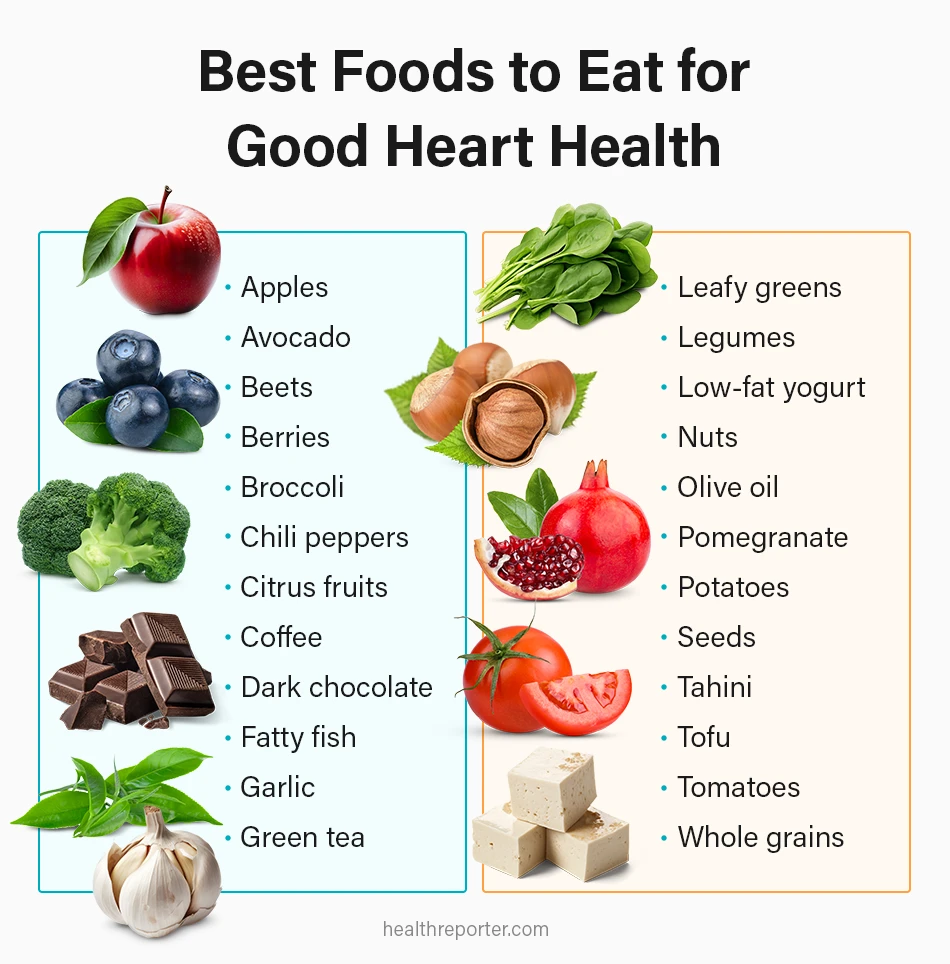
The fluorescent hum of the grocery store aisle can often feel less like a gateway to nourishment and more like a labyrinth of conflicting information. One minute, a brightly colored package screams "low fat!" only for another to counter with "keto-friendly!" The sheer volume of choices, the ever-shifting dietary trends, and the relentless marketing noise can leave even the most well-intentioned shopper feeling adrift, uncertain of what truly serves their health.
Yet, amidst this culinary chaos, there exists a quiet consensus, a bedrock of wisdom whispered not by fads or fleeting trends, but by the very guardians of our most vital organ: the cardiologists. These are the physicians who spend their days understanding the intricate dance of the cardiovascular system, witnessing firsthand the profound impact of lifestyle on health and disease. They are not swayed by celebrity endorsements or the latest "superfood" hype; their recommendations are forged in the crucible of scientific evidence, clinical experience, and the undeniable patterns they observe in their patients.
Imagine, for a moment, having a cardiologist as your personal grocery guide. What would they gently place into your cart? What wisdom would they impart as you navigate the produce section or the dairy aisle? This isn't just a list; it’s a story – the story of how simple, accessible foods can become powerful allies in the fight for a healthier heart. It’s a narrative of prevention, of vibrant living, and of reclaiming control over your well-being, one mindful choice at a time.
For the knowledgeable consumer, the individual who understands that true health is built on a foundation of sustained, evidence-based practices, this article aims to demystify the heart-healthy diet. We will delve into the "why" behind each recommendation, exploring the fascinating mechanisms by which these foods work their magic. We'll move beyond the superficial "eat this, not that" to understand the profound nutritional intelligence embedded in nature's bounty. By the end, you'll not only have a curated list but also a deeper appreciation for the power of your plate, empowering you to shop with purpose, cook with confidence, and live with a heart that beats stronger, longer.
The Silent Epidemic and the Power of Prevention
Before we dive into our ultimate list, let's briefly acknowledge the silent epidemic that underscores the urgency of this discussion. Cardiovascular disease (CVD) remains the leading cause of death globally, claiming millions of lives each year. While genetics play a role, lifestyle factors – particularly diet – are overwhelmingly significant contributors to its development. High blood pressure, elevated cholesterol, chronic inflammation, and oxidative stress are all precursors to conditions like atherosclerosis, heart attack, and stroke.
The good news, and the narrative thread woven throughout this article, is that many of these risk factors are modifiable. Food, often overlooked in its prophylactic potential, is one of our most potent medicines. It's not just about avoiding "bad" foods; it's about actively incorporating "good" foods that actively nourish, protect, and repair our cardiovascular system. Cardiologists, witnessing the devastating effects of years of poor dietary choices, are united in their call for a return to whole, unprocessed foods that form the bedrock of a truly heart-healthy lifestyle. They understand that every bite is an opportunity to either build up or break down, to heal or to harm.
So, let us embark on this journey, filling our imaginary carts with the ten foods that cardiologists consistently champion, not as fleeting trends, but as timeless pillars of heart health.
>
1. Fatty Fish: The Omega-3 Powerhouses
Imagine the vast, cool expanse of the ocean, a source of incredible bounty. Among its treasures are the fatty fish – salmon, mackerel, sardines, herring, and anchovies – veritable jewels of the sea, brimming with nutrients that cardiologists consistently laud. For decades, the spotlight on these shimmering creatures has been due to their exceptional concentration of omega-3 fatty acids, specifically eicosapentaenoic acid (EPA) and docosahexaenoic acid (DHA).
Why Cardiologists Swear By It: The evidence for omega-3s' cardiovascular benefits is robust and extensive. They are powerful anti-inflammatory agents, helping to quell the chronic, low-grade inflammation that is a hallmark of atherosclerosis – the hardening and narrowing of arteries. EPA and DHA have been shown to significantly lower triglyceride levels, a type of fat in the blood that, when elevated, increases the risk of heart disease. Furthermore, they can slightly lower blood pressure, reduce the risk of arrhythmias (irregular heartbeats), and improve endothelial function – the health of the inner lining of blood vessels, which is crucial for their proper dilation and constriction. Some research even suggests they may reduce the formation of arterial plaques and improve the stability of existing ones, making them less likely to rupture and cause a heart attack or stroke.
Key Nutrients and Mechanism: Beyond omega-3s, fatty fish also provide high-quality lean protein, vitamin D (essential for bone health and increasingly recognized for its role in cardiovascular health), and selenium. The omega-3s work primarily by being incorporated into cell membranes, altering their fluidity and signaling pathways. They compete with omega-6 fatty acids (often found in excess in Western diets) for enzyme conversion, leading to the production of less inflammatory compounds.
Incorporating It into Your Diet: Aim for at least two servings (3.5 ounces each) of fatty fish per week. Baking, grilling, or broiling are excellent preparation methods. Salmon can be a versatile star in salads, alongside roasted vegetables, or as the centerpiece of a meal. Sardines, often overlooked, are incredibly nutrient-dense and can be enjoyed on whole-grain toast or tossed with pasta. Concerns about mercury are valid; however, smaller, shorter-lived fish like salmon, sardines, and mackerel (not king mackerel) generally have lower mercury levels compared to larger predatory fish like swordfish or shark. Wild-caught varieties are often preferred for their potentially higher nutrient density and lower contaminant profile.
>
2. Oats and Whole Grains: The Soluble Fiber Superheroes
Step into the breakfast aisle, and among the sugary cereals, you'll find the humble oat – a grain that, in its whole form, holds immense power for your heart. But oats are just one part of a larger family: whole grains. Think quinoa, brown rice, whole wheat, barley, and farro. These are the grains that retain all three parts of the kernel – the bran, germ, and endosperm – each packed with unique nutrients.
Why Cardiologists Swear By It: The primary reason cardiologists champion whole grains, and oats in particular, is their rich soluble fiber content. Soluble fiber acts like a sponge in the digestive tract. As it passes through, it binds to cholesterol and bile acids (which are made from cholesterol) and carries them out of the body, preventing their reabsorption. This process effectively lowers LDL ("bad") cholesterol levels, a key risk factor for heart disease. Beyond cholesterol, the fiber in whole grains also helps regulate blood sugar levels, preventing spikes and crashes that can damage blood vessels over time. The sustained energy release from complex carbohydrates in whole grains can also aid in weight management, reducing the strain on the heart. Furthermore, whole grains provide a host of antioxidants and phytochemicals that combat oxidative stress and inflammation.
Key Nutrients and Mechanism: Oats specifically contain a powerful soluble fiber called beta-glucan, which is particularly effective at cholesterol lowering. Whole grains also provide insoluble fiber (aiding digestion), B vitamins (involved in energy metabolism), magnesium (crucial for muscle and nerve function, including heart rhythm), iron, and zinc. The complex carbohydrates in whole grains are digested slowly, leading to a gradual rise in blood glucose and insulin, which is beneficial for metabolic health and reduces the risk of type 2 diabetes, a major risk factor for CVD.
Incorporating It into Your Diet: Starting your day with a bowl of plain, rolled oats (not instant, which can be highly processed) is a fantastic habit. Top it with berries, nuts, and a sprinkle of cinnamon. Swap white rice for brown rice or quinoa with your meals. Choose whole-wheat bread, pasta, and tortillas over their refined counterparts. Experiment with ancient grains like farro or barley in soups and salads. The goal is to make whole grains a consistent, daily presence in your diet, ensuring a steady intake of their protective fibers and nutrients.
>
3. Leafy Greens: The Nitrate-Rich Veins of Health
From the vibrant emerald of spinach to the deep forest green of kale, and the ruby stems of Swiss chard, leafy greens are the unsung heroes of the produce aisle. Often relegated to side dishes, these nutrient powerhouses deserve center stage in any heart-healthy diet, a fact cardiologists consistently emphasize.
Why Cardiologists Swear By It: Leafy greens are a treasure trove of vitamins, minerals, and potent plant compounds that work synergistically to protect the heart. Their high content of nitrates, for instance, is a game-changer. Dietary nitrates are converted in the body into nitric oxide, a crucial molecule that helps relax and widen blood vessels, leading to lower blood pressure. This effect is so significant that some research suggests leafy greens can be as effective as some blood pressure medications in mild cases. Beyond nitrates, leafy greens are rich in vitamin K, which plays a vital role in blood clotting and may help protect arteries from calcification. They are also packed with antioxidants like carotenoids (beta-carotene, lutein, zeaxanthin) and flavonoids, which combat oxidative stress and inflammation, two key drivers of heart disease. Their fiber content further contributes to cholesterol management and blood sugar control.
Key Nutrients and Mechanism: Key nutrients include vitamins K, A, C, and folate, as well as minerals like potassium, magnesium, and calcium. The mechanism of action is multifaceted: nitrates improve endothelial function and reduce blood pressure; antioxidants neutralize free radicals; fiber helps manage cholesterol and glucose; and vitamin K contributes to arterial health. Potassium, often overlooked, is crucial for counteracting the effects of sodium and maintaining healthy blood pressure.
Incorporating It into Your Diet: Don't just save them for salads! Sneak spinach into smoothies, eggs, or pasta sauces. Sauté kale with garlic as a flavorful side. Use collard greens as wraps instead of tortillas. Add mixed greens to sandwiches and soups. The more diverse your intake of leafy greens, the broader the spectrum of nutrients you'll receive. Aim for at least 1-2 cups daily, understanding that cooking can reduce their volume, so a generous amount of raw greens will shrink considerably when cooked.
>
4. Berries: The Antioxidant Burst of Sweetness
Picture a burst of color – the deep indigo of blueberries, the ruby blush of strawberries, the vibrant crimson of raspberries, and the rich purple of blackberries. These small, juicy fruits are not just a delightful treat; they are miniature powerhouses of heart protection, revered by cardiologists for their extraordinary antioxidant capacity.
Why Cardiologists Swear By It: Berries are exceptionally rich in antioxidants, particularly anthocyanins, which give them their vibrant hues. These potent compounds are champions at fighting oxidative stress, a process where unstable molecules called free radicals damage cells, including those lining blood vessels. Oxidative stress is a major contributor to inflammation and the development of atherosclerosis. By neutralizing free radicals, anthocyanins help protect arteries from damage, improve endothelial function, and promote overall vascular health. Studies have shown that regular berry consumption can lead to improvements in blood pressure, HDL ("good") cholesterol levels, and a reduction in LDL oxidation. Their high fiber content also contributes to cholesterol management and blood sugar regulation.
Key Nutrients and Mechanism: Beyond anthocyanins, berries provide vitamins C and K, manganese, and a substantial amount of dietary fiber. Vitamin C is another powerful antioxidant, and manganese is important for various metabolic processes. The combined effect of these nutrients helps reduce inflammation, improve lipid profiles, and enhance the flexibility of blood vessels, making them less prone to damage.
Incorporating It into Your Diet: Berries are incredibly versatile. Enjoy them fresh as a snack, add them to oatmeal or yogurt, blend them into smoothies, or use them in healthy desserts. Frozen berries are just as nutritious as fresh and are often more economical, making them a perfect year-round staple. A handful of mixed berries daily is a simple, delicious way to flood your system with protective antioxidants.
>
5. Avocados: The Good Fat Gurus
Often misunderstood in the past due to their fat content, avocados have rightfully earned their place as a darling of heart-healthy diets, a fact cardiologists are keen to clarify. These creamy, verdant fruits are a testament to the fact that not all fats are created equal, and indeed, some are absolutely essential for cardiovascular well-being.
Why Cardiologists Swear By It: The primary reason for avocado's stellar reputation is its abundance of monounsaturated fatty acids (MUFAs), particularly oleic acid, the same beneficial fat found in olive oil. MUFAs are known to significantly lower LDL ("bad") cholesterol while simultaneously raising HDL ("good") cholesterol levels, thereby improving the overall cholesterol profile. This dual action is crucial for reducing the risk of atherosclerosis. Beyond healthy fats, avocados are also an excellent source of potassium, a mineral vital for blood pressure regulation. Potassium helps counteract the effects of sodium, promoting fluid balance and reducing strain on the heart. Their fiber content further aids in cholesterol management and satiety.
Key Nutrients and Mechanism: Avocados are rich in MUFAs, potassium, fiber, and vitamins K, C, B6, and E. Vitamin E is a potent antioxidant, protecting cells from oxidative damage. The combination of MUFAs, potassium, and fiber works synergistically to improve lipid profiles, lower blood pressure, and reduce inflammation, all of which contribute to a healthier heart. The fat content also increases the absorption of fat-soluble vitamins (like A, D, E, K) from other foods eaten alongside avocados.
Incorporating It into Your Diet: Don't be shy about incorporating avocados. Mash them into guacamole, slice them onto salads, sandwiches, or toast, or blend them into smoothies for an extra creamy texture and nutrient boost. They make a fantastic healthy fat substitute in many recipes. While calorie-dense, their healthy fats and fiber promote satiety, helping with portion control and weight management when consumed mindfully.
>
6. Legumes: The Humble, Mighty Powerhouses
From the comforting warmth of a lentil soup to the versatility of chickpeas in a hummus dip, legumes – a broad category encompassing beans, lentils, and peas – are arguably one of the most underrated staples of a heart-healthy diet. These unassuming powerhouses are incredibly nutrient-dense and affordable, making them accessible to everyone.
Why Cardiologists Swear By It: Legumes are celebrated by cardiologists for their exceptional combination of soluble and insoluble fiber, plant-based protein, and a rich array of micronutrients. The fiber content is paramount: soluble fiber helps lower LDL cholesterol, much like oats, by binding to cholesterol in the digestive tract. Insoluble fiber promotes digestive health and contributes to satiety, aiding in weight management – a critical factor for heart health. Their plant protein content makes them an excellent alternative to animal proteins, which are often higher in saturated fat and cholesterol. Regular consumption of legumes has been linked to lower blood pressure, improved blood sugar control (due to their low glycemic index), and reduced inflammation. They are also packed with phytosterols, plant compounds that further help block cholesterol absorption.
Key Nutrients and Mechanism: Legumes are excellent sources of fiber, protein, folate, magnesium, potassium, iron, and zinc. Folate is important for reducing homocysteine levels, an amino acid linked to an increased risk of heart disease when elevated. Magnesium and potassium are crucial for blood pressure regulation and heart rhythm. The slow digestion of legumes, thanks to their fiber and complex carbohydrates, contributes to stable blood sugar levels, preventing the harmful effects of glucose spikes on blood vessels.
Incorporating It into Your Diet: The possibilities are endless! Add lentils to soups and stews, make chili with kidney beans, create vibrant salads with chickpeas, or enjoy black bean burgers. Hummus is a fantastic snack, and roasted chickpeas can be a crunchy, protein-rich alternative to processed snacks. Canned beans are convenient; just be sure to rinse them thoroughly to reduce sodium content. Aim to make legumes a regular feature in your meals several times a week.
>
7. Nuts and Seeds: Nature's Perfect Portables
Imagine a tiny package, brimming with goodness. That's a nut or a seed. Almonds, walnuts, pecans, pistachios, chia seeds, flax seeds, pumpkin seeds – these crunchy morsels are concentrated sources of heart-protective nutrients, earning them a permanent spot on a cardiologist's recommended list.
Why Cardiologists Swear By It: Nuts and seeds are nutritional powerhouses, offering a unique blend of healthy fats, fiber, protein, and a vast array of vitamins, minerals, and antioxidants. Walnuts, in particular, are notable for their alpha-linolenic acid (ALA), a plant-based omega-3 fatty acid. Most nuts are rich in monounsaturated and polyunsaturated fats, which, like those in avocados, help lower LDL cholesterol and raise HDL cholesterol. Their fiber content further contributes to lipid management and satiety. Magnesium, potassium, and arginine (an amino acid that converts to nitric oxide, promoting blood vessel relaxation) are also abundant. The potent antioxidants found in nuts and seeds help combat oxidative stress and inflammation, protecting the delicate lining of arteries.
Key Nutrients and Mechanism: Key nutrients include healthy fats (MUFAs, PUFAs, ALA), fiber, plant protein, vitamin E, magnesium, potassium, selenium, and phytosterols. The combination of these components works to improve cholesterol profiles, lower blood pressure, reduce inflammation, and enhance endothelial function. The high fiber and protein content also contribute to sustained energy and satiety, which can assist in weight management.
Incorporating It into Your Diet: A small handful (about 1/4 cup) of mixed, unsalted nuts daily makes a fantastic snack. Sprinkle seeds (chia, flax, hemp) into oatmeal, yogurt, smoothies, or salads. Use nut butters (with no added sugar or hydrogenated oils) on whole-grain toast or with fruit. Choose raw or dry-roasted varieties over oil-roasted to avoid unhealthy fats. Remember, while incredibly healthy, nuts and seeds are calorie-dense, so portion control is key.
>
8. Extra Virgin Olive Oil: The Liquid Gold of the Mediterranean
If food tells a story, then extra virgin olive oil (EVOO) whispers tales of sun-drenched Mediterranean groves, ancient traditions, and vibrant health. It's not just a cooking fat; it's a foundational pillar of one of the world's most heart-healthy dietary patterns, and cardiologists worldwide advocate for its generous use.
Why Cardiologists Swear By It: The scientific consensus is overwhelmingly in favor of EVOO. Its primary benefit lies in its high concentration of monounsaturated fatty acids (MUFAs), predominantly oleic acid. As discussed with avocados, MUFAs are instrumental in lowering LDL ("bad") cholesterol and improving HDL ("good") cholesterol levels. But EVOO's magic extends beyond its fat profile. It is incredibly rich in polyphenols – powerful antioxidants and anti-inflammatory compounds that are largely responsible for its characteristic peppery taste. These polyphenols protect LDL cholesterol from oxidation (a crucial step in atherosclerosis development), improve endothelial function, and reduce inflammation throughout the cardiovascular system. Regular consumption of EVOO has been strongly linked to a reduced risk of heart disease, stroke, and even some cancers.
Key Nutrients and Mechanism: EVOO is primarily composed of MUFAs, but its unique health benefits come from its high concentration of polyphenols (e.g., oleocanthal, hydroxytyrosol), vitamin E, and other antioxidants. These compounds work synergistically to reduce oxidative stress, lower inflammation, improve blood vessel elasticity, and modify lipid profiles in a beneficial way. The "extra virgin" designation is critical, signifying that the oil is unrefined and extracted mechanically without chemicals, thus preserving its valuable antioxidant content.
Incorporating It into Your Diet: Use EVOO as your primary cooking fat for sautéing, roasting, and baking at moderate temperatures. Drizzle it generously over salads, vegetables, soups, and whole-grain bread. It's a key ingredient in dressings, marinades, and sauces. Think of it not just as an ingredient but as a flavor enhancer and a daily dose of liquid gold for your heart.
>
9. Garlic: The Pungent Protector
For centuries, garlic has been revered not only for its distinct culinary punch but also for its medicinal properties. From warding off vampires to boosting immunity, its reputation precedes it. Modern cardiology now firmly supports its role as a significant, albeit pungent, ally in maintaining cardiovascular health.
Why Cardiologists Swear By It: The heart-healthy benefits of garlic are largely attributed to its sulfur-containing compounds, particularly allicin, which is released when garlic is crushed, chopped, or chewed. These compounds have been shown to have multiple positive effects on the cardiovascular system. They can help lower blood pressure by promoting the production of nitric oxide, leading to vasodilation (relaxation of blood vessels). Garlic has also demonstrated modest abilities to lower total and LDL cholesterol levels, prevent blood clot formation (acting as a natural anticoagulant), and reduce arterial stiffness. Its potent antioxidant and anti-inflammatory properties further protect blood vessels from damage and contribute to overall heart health.
Key Nutrients and Mechanism: The primary active compound is allicin, along with other organosulfur compounds like ajoene and diallyl trisulfide. These compounds act as powerful antioxidants, inhibit platelet aggregation (preventing clots), and stimulate the production of nitric oxide, leading to improved blood flow and reduced blood pressure. While the effects are often modest individually, regular consumption contributes to the cumulative benefits of a heart-healthy diet.
Incorporating It into Your Diet: Incorporate fresh garlic into your daily cooking. Mince it into stir-fries, roast it with vegetables, add it to sauces, dressings, and soups. For maximum benefit, crush or chop garlic and let it sit for 5-10 minutes before cooking to allow allicin to form. If you're not a fan of the strong taste, garlic supplements are available, but always consult with a healthcare professional, especially if you are on blood-thinning medication.
>
10. Tomatoes: The Lycopene-Rich Radiance
From a simple pasta sauce to a vibrant Caprese salad, tomatoes are a culinary cornerstone across the globe. But beyond their refreshing taste and versatility, these juicy red fruits (yes, botanically they’re fruits!) are a heart-healthy superstar, thanks in large part to a powerful antioxidant called lycopene.
Why Cardiologists Swear By It: Cardiologists praise tomatoes for their high content of lycopene, a carotenoid responsible for their red color. Lycopene is an incredibly potent antioxidant, even more so than beta-carotene, and plays a crucial role in protecting the heart. It actively combats oxidative stress, which is a major contributor to arterial damage and the development of atherosclerosis. Studies have shown that higher dietary intake of lycopene is associated with a reduced risk of heart attack and stroke, lower LDL ("bad") cholesterol levels, and improved blood pressure. Interestingly, cooking tomatoes (e.g., into sauce, paste, or soup) actually enhances the bioavailability of lycopene, making it easier for the body to absorb. Tomatoes are also a good source of potassium, which, as mentioned earlier, is vital for maintaining healthy blood pressure and counteracting the effects of sodium.
Key Nutrients and Mechanism: Key nutrients include lycopene, potassium, vitamin C, and vitamin K. Lycopene's primary mechanism is its powerful antioxidant action, protecting lipids and lipoproteins (like LDL cholesterol) from oxidation, a key step in plaque formation. Potassium helps regulate blood pressure, while vitamin C further enhances antioxidant defenses and supports endothelial health.
Incorporating It into Your Diet: The beauty of tomatoes is their ubiquitous nature. Enjoy them raw in salads, on sandwiches, or as a refreshing snack. Cooked forms, such as tomato paste, sauce, and crushed tomatoes, are excellent for soups, stews, and pasta dishes, offering a concentrated dose of bioavailable lycopene. A splash of olive oil with cooked tomatoes further enhances lycopene absorption, making them a perfect pairing.
>
Beyond the List: Weaving the Story of a Heart-Healthy Life
While these ten foods form a formidable foundation, the story of a truly heart-healthy life extends beyond individual ingredients. Cardiologists understand that it's the pattern of eating, the synergy of these foods working together, that yields the most profound benefits. This is why dietary approaches like the Mediterranean Diet are so highly recommended; they naturally incorporate all of these elements into a delicious and sustainable lifestyle.
- Regular Physical Activity: Movement strengthens the heart, improves circulation, and helps manage weight and stress.
- Stress Management: Chronic stress can elevate blood pressure and contribute to inflammation. Practices like meditation, yoga, or simply spending time in nature are vital.
- Adequate Sleep: Sleep deprivation is linked to increased risk factors for heart disease.
- Avoiding Smoking and Excessive Alcohol: These are two of the most damaging habits for cardiovascular health.
Conclusion: Your Heart, Your Cart, Your Story
The journey through the grocery store, once a confusing ordeal, can now become an empowering expedition. Armed with the knowledge of these ten heart-healthy foods, you are no longer a passive consumer but an active participant in your own well-being. The story of your heart health is written not just in your genes or your medical history, but in the everyday choices you make – particularly those that fill your plate.
By prioritizing fatty fish, whole grains, leafy greens, berries, avocados, legumes, nuts and seeds, extra virgin olive oil, garlic, and tomatoes, you are not merely eating; you are investing. You are investing in stronger arteries, lower cholesterol, stable blood pressure, and reduced inflammation. You are investing in a future where your heart beats with resilience and vitality.
Let the wisdom of cardiologists guide your hand as you fill your cart. Let the vibrant colors and fresh aromas of these foods inspire your cooking. Let every meal become an act of self-care, a conscious step towards a longer, healthier, and more joyful life. The ultimate heart-healthy grocery list is not just about what you buy; it's about the story you choose to live, a story where your heart is not just an organ, but a cherished, protected, and well-nourished beacon of health.


