Your Heart Age vs. Your Chronological Age: How to Roll Back the Clock
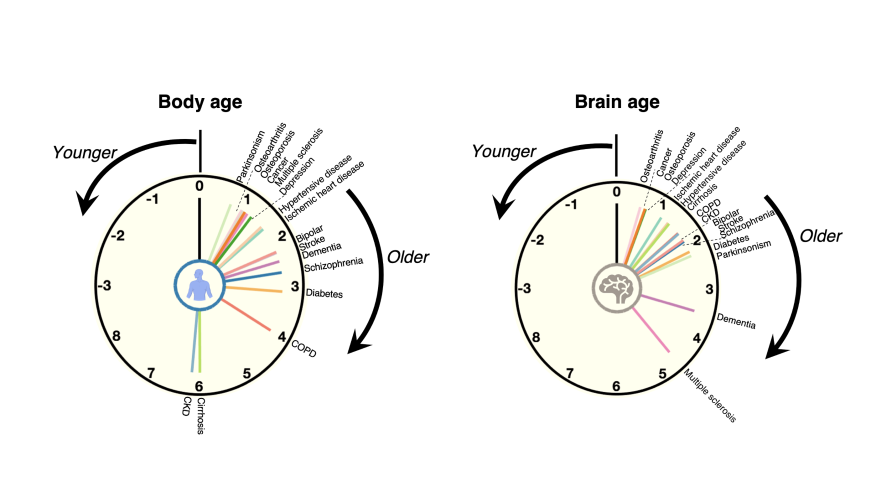
The mirror, with its unforgiving honesty, reflects the passage of time in lines etched around our eyes, the silvering of our hair, and the subtle sag of gravity. Our chronological age, a simple numerical tally from our birth certificate, is an undeniable constant. But beneath this surface, a far more profound and malleable clock ticks within us – the biological age of our heart. This isn't just a metaphor; it's a critical metric, a statistical assessment that can reveal whether your cardiovascular system is performing like a finely tuned machine of a younger person, or laboring under the strain of years beyond its actual count.
For the knowledgeable audience, the concept of "heart age" transcends a mere health fad. It represents a powerful narrative, a story of choices, genetics, environment, and the profound capacity for human intervention. It is the story of how we can, quite literally, roll back the clock on our most vital organ, rewriting the future one beat at a time.
The Silent Ticking: Understanding Your Heart Age
Imagine two individuals, both chronologically 50 years old. One is a picture of vibrant health, active, with well-managed stress and a balanced diet. The other, sedentary, smokes, carries excess weight, and battles unaddressed high blood pressure. While both share the same chronological age, their hearts tell vastly different stories. The first might have a heart age of 40, while the second could easily clock in at 65 or even 70.
What exactly is heart age? It's not a direct measurement of your heart's physical age like an anatomical biopsy. Instead, it's a calculation, typically derived from algorithms like the Framingham Risk Score or the ASCVD (Atherosclerotic Cardiovascular Disease) Risk Estimator, which predict your 10-year risk of experiencing a cardiovascular event (heart attack, stroke, or cardiovascular death). These calculators take into account a constellation of risk factors:
- Chronological Age: The starting point, of course.
- Sex: Men generally have a higher risk earlier in life than women.
- Blood Pressure: Both systolic (the top number) and diastolic (the bottom number).
- Cholesterol Levels: Total cholesterol, LDL (bad cholesterol), and HDL (good cholesterol).
- Smoking Status: Current smoker, former smoker, or never smoked.
- Diabetes Status: Presence or absence of type 2 diabetes.
- Medication Use: For blood pressure or cholesterol.
- Race/Ethnicity: Certain groups have higher inherent risks.
The "heart age" is essentially the average chronological age of someone with the same cardiovascular risk factor profile as you. If your heart age is higher than your chronological age, it signifies that your cumulative risk factors are accelerating the wear and tear on your cardiovascular system, placing you at a higher statistical risk for future cardiovascular events. It’s a stark, often sobering, wake-up call, but also a profound opportunity for change.
The Narrative of Deterioration: Why Does Heart Age Matter?
A higher heart age isn't just a number; it's a silent narrative unfolding within your arteries, a story of gradual deterioration that, if left unchecked, culminates in critical health chapters.
At the heart of this narrative lies atherosclerosis – the slow, insidious hardening and narrowing of the arteries. Years of elevated blood pressure relentlessly pound the delicate inner lining of your blood vessels (the endothelium), creating microscopic damage. High levels of LDL cholesterol, particularly oxidized LDL, then seep into these damaged areas, forming fatty streaks that mature into plaque. This plaque, a mixture of cholesterol, cellular waste products, calcium, and fibrin, progressively narrows the arterial lumen, restricting blood flow.
Smoking, a particularly egregious accelerator, introduces a cocktail of toxins that directly damage the endothelium, increase oxidative stress, and make blood more prone to clotting. Diabetes, with its chronic high blood sugar, also wreaks havoc on blood vessels, impairing their elasticity and function. Chronic stress floods the body with cortisol and adrenaline, elevating blood pressure and inflammation, further contributing to the arterial assault.
This cumulative damage means:
- Reduced Blood Flow: Organs and tissues receive less oxygen and nutrients, impairing their function. This can manifest as chest pain (angina), leg pain during walking (claudication), or even cognitive decline.
- Increased Risk of Clotting: Atherosclerotic plaques are prone to rupture. When they do, the body initiates a clotting cascade to "repair" the damage. This clot can completely block the artery, leading to a heart attack (if in the coronary arteries) or a stroke (if in the brain's arteries).
- Heart Strain: The heart has to work harder to pump blood through narrowed, stiff arteries, leading to thickening of the heart muscle (hypertrophy) and eventually, heart failure.
- Systemic Inflammation: The body’s chronic inflammatory response to arterial damage contributes to a vicious cycle of further endothelial dysfunction and plaque progression.
A higher heart age, therefore, isn't just about the risk of an event; it's about the ongoing, often asymptomatic, damage that is actively occurring within your circulatory system, priming the stage for future crises. It's the prologue to a potential tragedy, but crucially, one that can be rewritten.
The Story of Rejuvenation: How to Roll Back the Clock
The most empowering aspect of heart age is its plasticity. Unlike chronological age, which marches relentlessly forward, heart age can be reduced. It’s a testament to the body’s remarkable capacity for healing and adaptation. This journey of rejuvenation is not about quick fixes or magic pills, but about sustained, deliberate lifestyle interventions that address the root causes of cardiovascular decline. It's a holistic narrative, encompassing multiple interconnected chapters.
Chapter 1: The Nutritional Compass – Eating for a Younger Heart
Our diet is arguably the single most powerful lever we can pull to influence our heart age. It’s the fuel that either nourishes or degrades our cardiovascular system.
- The Mediterranean Diet & DASH Diet: These are not just diets; they are comprehensive nutritional philosophies. They emphasize whole, unprocessed foods:
- Abundant Fruits and Vegetables: Rich in antioxidants, vitamins, minerals, and fiber. Antioxidants combat oxidative stress, protecting the endothelium. Fiber helps lower cholesterol and regulates blood sugar.
- Whole Grains: Oats, quinoa, brown rice, whole wheat. Provide sustained energy, fiber, and B vitamins, contributing to better lipid profiles and blood sugar control.
- Lean Proteins: Fish (especially fatty fish rich in Omega-3s like salmon, mackerel, sardines), poultry, legumes, nuts, and seeds. Omega-3s are potent anti-inflammatory agents, improving endothelial function and reducing triglyceride levels.
- Healthy Fats: Olive oil, avocados, nuts, seeds. Monounsaturated and polyunsaturated fats improve cholesterol ratios (increasing HDL, decreasing LDL) and reduce inflammation.
- Limit Processed Foods, Added Sugars, and Unhealthy Fats: These are the antagonists in our dietary story.
- Processed Foods: Often high in sodium, unhealthy fats, and refined carbohydrates, contributing to hypertension, inflammation, and insulin resistance.
- Added Sugars: Drive inflammation, contribute to weight gain, elevate triglycerides, and impair insulin sensitivity.
- Trans Fats and Saturated Fats: Found in many processed foods, red meats, and full-fat dairy, they raise LDL cholesterol and contribute to arterial plaque.
The Science of Nutritional Rejuvenation: A diet rich in plant-based whole foods directly impacts multiple cardiovascular pathways. It reduces systemic inflammation, improves endothelial function (enhancing nitric oxide production, which helps arteries relax), lowers blood pressure, optimizes lipid profiles, supports a healthy gut microbiome (which influences metabolism and inflammation), and promotes weight management. Each bite can be a step towards cellular repair and rejuvenation.
Chapter 2: The Movement Chapter – Exercise as an Anti-Aging Elixir
Sedentary living is a fast-forward button for heart aging. Movement, conversely, is a powerful rewind.
- Aerobic Exercise: Aim for at least 150 minutes of moderate-intensity aerobic activity (brisk walking, swimming, cycling) or 75 minutes of vigorous-intensity activity (running, intense sports) per week.
- Benefits: Strengthens the heart muscle, making it more efficient; improves circulation; lowers blood pressure; increases HDL cholesterol; helps manage blood sugar; promotes weight loss.
- Strength Training: Incorporate muscle-strengthening activities at least twice a week.
- Benefits: Builds lean muscle mass, which boosts metabolism and aids in weight management; improves insulin sensitivity; strengthens bones and joints, supporting overall physical activity.
- Flexibility and Balance: Yoga, stretching, Tai Chi.
- Benefits: While not directly impacting heart muscle, they improve overall physical function, reduce injury risk, and contribute to stress reduction, making sustained activity more feasible.
The Science of Exercise-Induced Rejuvenation: Regular physical activity triggers a cascade of beneficial physiological adaptations. It stimulates the production of nitric oxide, improving endothelial function and arterial elasticity. It enhances the heart’s pumping efficiency (increasing stroke volume and cardiac output). It improves insulin sensitivity, reducing the risk of type 2 diabetes. Exercise also has profound anti-inflammatory effects and can even stimulate the growth of new blood vessels (collateral circulation), providing alternative routes for blood flow if existing arteries become blocked. It's a full-body tune-up that directly combats the aging process in the cardiovascular system.
Chapter 3: The Serenity Chapter – Managing Stress and Cultivating Calm
Chronic stress is a silent assassin, constantly bombarding the heart with an overactive sympathetic nervous system response.
- Mindfulness and Meditation: Regular practice can alter brain pathways, reducing the physiological stress response.
- Deep Breathing Exercises: Simple techniques can immediately activate the parasympathetic nervous system, promoting relaxation.
- Yoga and Tai Chi: Combine physical movement with breathwork and mindfulness, offering a holistic stress-reduction approach.
- Nature Immersion: Spending time outdoors (forest bathing) has been shown to lower blood pressure and stress hormones.
- Hobbies and Social Connection: Engaging in enjoyable activities and fostering strong social bonds provides emotional buffering against stress.
The Science of Stress Reduction: Chronic stress elevates cortisol and adrenaline, leading to sustained increases in blood pressure, heart rate, and systemic inflammation. It can also promote unhealthy coping mechanisms like overeating, smoking, and excessive alcohol consumption. Effective stress management techniques directly counter these effects by modulating the HPA (hypothalamic-pituitary-adrenal) axis, reducing inflammatory markers, and improving heart rate variability – a key indicator of cardiovascular health and resilience. By calming the mind, we calm the heart.
Chapter 4: The Restorative Chapter – Prioritizing Sleep
Sleep is not a luxury; it's a fundamental biological necessity for cardiovascular repair and rejuvenation. Chronic sleep deprivation is a significant, often overlooked, contributor to accelerated heart aging.
- Aim for 7-9 Hours: Consistent, quality sleep is crucial.
- Address Sleep Disorders: Conditions like sleep apnea, where breathing repeatedly stops and starts, significantly increase the risk of high blood pressure, heart attack, stroke, and arrhythmias. Diagnosis and treatment are paramount.
- Establish a Routine: Go to bed and wake up at consistent times, even on weekends.
- Optimize Sleep Environment: Dark, quiet, and cool.
The Science of Sleep Rejuvenation: During sleep, the body performs vital restorative functions. Blood pressure naturally dips (the "nocturnal dip"), providing a respite for the cardiovascular system. Sleep helps regulate hormones involved in appetite (ghrelin and leptin) and stress (cortisol), preventing weight gain and inflammation. It's a time for cellular repair and maintenance, including endothelial cell regeneration. Lack of sleep, conversely, increases sympathetic nervous system activity, elevates blood pressure, impairs glucose metabolism, and promotes systemic inflammation, all of which accelerate arterial damage.
Chapter 5: The Cessation Chapter – Quitting Smoking
If there's one single action that can most dramatically roll back heart age, it's quitting smoking. The cardiovascular benefits begin almost immediately and continue to accrue over time.
- Immediate Benefits: Within 20 minutes, heart rate and blood pressure drop. Within 12 hours, carbon monoxide levels in the blood return to normal.
- Short-Term Benefits (Weeks/Months): Circulation improves, lung function increases.
- Long-Term Benefits (Years): Within one year, the risk of heart disease is halved. Within 5-15 years, stroke risk falls to that of a non-smoker. Within 10 years, the risk of lung cancer is about half that of a smoker. Within 15 years, the risk of heart disease is similar to that of someone who has never smoked.
The Science of Smoking Cessation: Tobacco smoke contains thousands of toxic chemicals that directly damage the endothelium, promote oxidative stress, increase inflammation, make blood sticky (increasing clotting risk), and narrow blood vessels. Quitting allows the body to begin repairing this damage. Endothelial function improves, inflammation subsides, blood viscosity normalizes, and the heart no longer has to work as hard to deliver oxygen. It's a profound act of self-preservation that offers unparalleled cardiovascular returns.
Chapter 6: The Moderation Chapter – Alcohol and the Heart
The relationship between alcohol and heart health is nuanced, but for rolling back heart age, moderation is key.
- Excessive Alcohol: Heavy drinking directly elevates blood pressure, increases triglycerides, contributes to obesity, and can lead to cardiomyopathy (weakening of the heart muscle) and arrhythmias (irregular heartbeats).
- Moderate Alcohol: Some studies suggest very moderate alcohol consumption (e.g., one drink per day for women, two for men) might be associated with a slight increase in HDL cholesterol. However, these benefits are often overshadowed by the risks, and there are far safer and more effective ways to achieve cardiovascular benefits. For non-drinkers, starting to drink is not recommended.
The Science of Alcohol and Heart Age: Alcohol's impact is dose-dependent. While some mechanisms like increased HDL or antioxidant effects have been theorized for very low doses, the overall consensus is that the risks of exceeding moderation outweigh any potential benefits. It’s crucial to be honest about consumption and prioritize abstinence or strict moderation to prevent accelerated heart aging.
Chapter 7: The Medical Management Chapter – Partnering with Your Doctor
For many, lifestyle changes alone may not be sufficient, or genetic predispositions necessitate additional support. This chapter highlights the critical role of medical intervention.
- Regular Check-ups: Consistent monitoring of blood pressure, cholesterol, blood sugar, and weight is foundational.
- Medication Adherence: If prescribed medications for hypertension, dyslipidemia (high cholesterol), or diabetes, strict adherence is non-negotiable. These medications are powerful tools that directly mitigate risk factors that accelerate heart aging.
- Early Intervention: Addressing pre-diabetes, pre-hypertension, or mildly elevated cholesterol early can prevent their progression to full-blown disease states.
The Science of Medical Intervention: Modern pharmacology offers highly effective agents that target specific cardiovascular risk factors. ACE inhibitors, ARBs, beta-blockers, and diuretics effectively lower blood pressure, reducing arterial strain. Statins dramatically lower LDL cholesterol, stabilizing plaques and reducing inflammation. Medications for diabetes help control blood sugar, preventing its damaging effects on blood vessels. These interventions work synergistically with lifestyle changes to create a formidable defense against heart aging.
Chapter 8: The Purpose & Connection Chapter – A Holistic Heart
Beyond the purely physiological, emerging research highlights the profound impact of psychosocial factors on heart health.
- Social Connection: Nurturing strong relationships, feeling supported, and having a sense of belonging are linked to lower rates of heart disease and greater longevity.
- Purpose and Meaning: Having a sense of purpose in life, whether through work, volunteering, or personal passions, contributes to resilience and overall well-being.
- Optimism and Gratitude: Cultivating a positive outlook can reduce stress and improve health behaviors.
The Science of Connection: Loneliness and social isolation are increasingly recognized as significant cardiovascular risk factors, comparable to smoking or obesity. They are associated with increased inflammation, elevated blood pressure, and poorer health behaviors. A sense of purpose, conversely, is linked to lower levels of inflammatory markers and greater adherence to healthy habits. This holistic view underscores that the heart is not an isolated organ but deeply interwoven with our mental, emotional, and social fabric.
The Epilogue: Measuring Progress and Sustaining the Narrative
Rolling back your heart age is a journey, not a destination. It requires consistent effort, self-compassion, and a willingness to adapt.
Measuring Progress:
- Re-evaluating Your Heart Age: Periodically recalculate your heart age using online tools or with your doctor to see the numerical impact of your efforts.
- Clinical Markers: Monitor improvements in blood pressure, cholesterol levels, blood sugar, and BMI.
- Fitness Metrics: Notice increased endurance, strength, and overall energy levels.
- Subjective Well-being: Pay attention to how you feel – less stress, better sleep, greater vitality.
Sustaining the Narrative:
- Consistency over Perfection: Don't let occasional slip-ups derail your efforts. Focus on long-term consistency.
- Find Joy in the Process: Choose activities you enjoy, experiment with healthy recipes, and connect with supportive communities.
- Embrace Small Victories: Every healthy choice is a step forward.
- Educate Yourself: Stay informed about new research and continue to deepen your understanding of cardiovascular health.
- Advocate for Yourself: Work closely with your healthcare team, asking questions and actively participating in your care.
The story of your heart age is fundamentally the story of your life choices. While genetics lay down a predisposition, and environmental factors play a role, the power to influence your cardiovascular destiny largely rests in your hands. By understanding the intricate mechanisms of heart aging and committing to deliberate, science-backed lifestyle interventions, you are not merely extending your lifespan; you are enriching its quality, reclaiming vitality, and writing a powerful narrative of resilience and rejuvenation. It is the ultimate act of self-care, a profound investment in a future where your heart beats strong, vibrant, and, quite possibly, younger than its years.


